A Street Corner in the Judería That Has Not Changed Its Mind Calle Judíos runs through the heart of Córdoba's old Jewish quarter, close enough to the Mezquita-Catedral that you can hear tour groups assembling outside its walls. Walk far enough...
Pearl is the En Primeur Club membership app — saves, bookings, and concierge access live there. Same editors, same standards.
- Address
- C. Judíos, 7, Centro, 14004 Córdoba, Spain
- Phone
- +34957290960
- Directions
- Get directions
 Saves & bookings on Pearl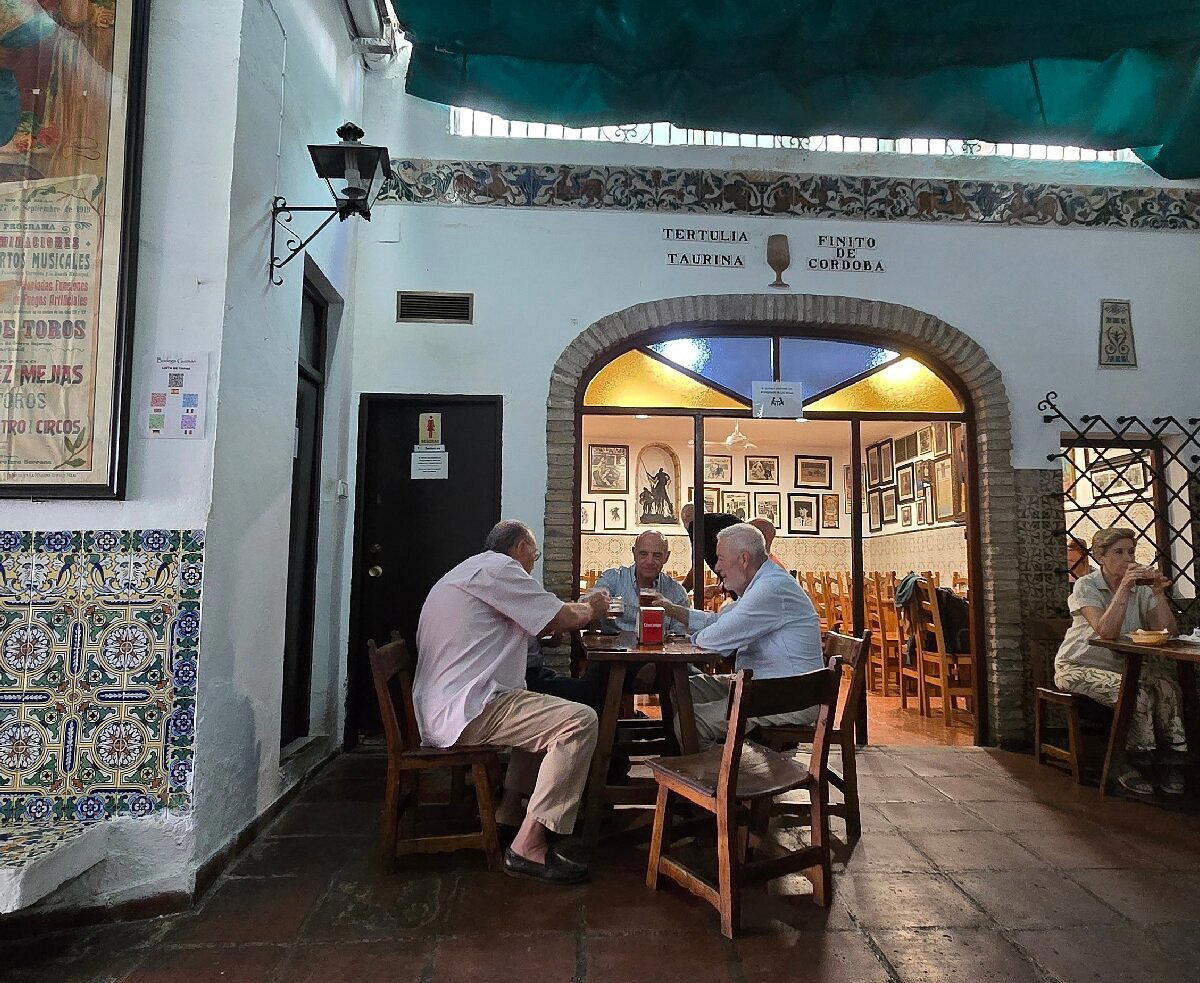
A Street Corner in the Judería That Has Not Changed Its Mind
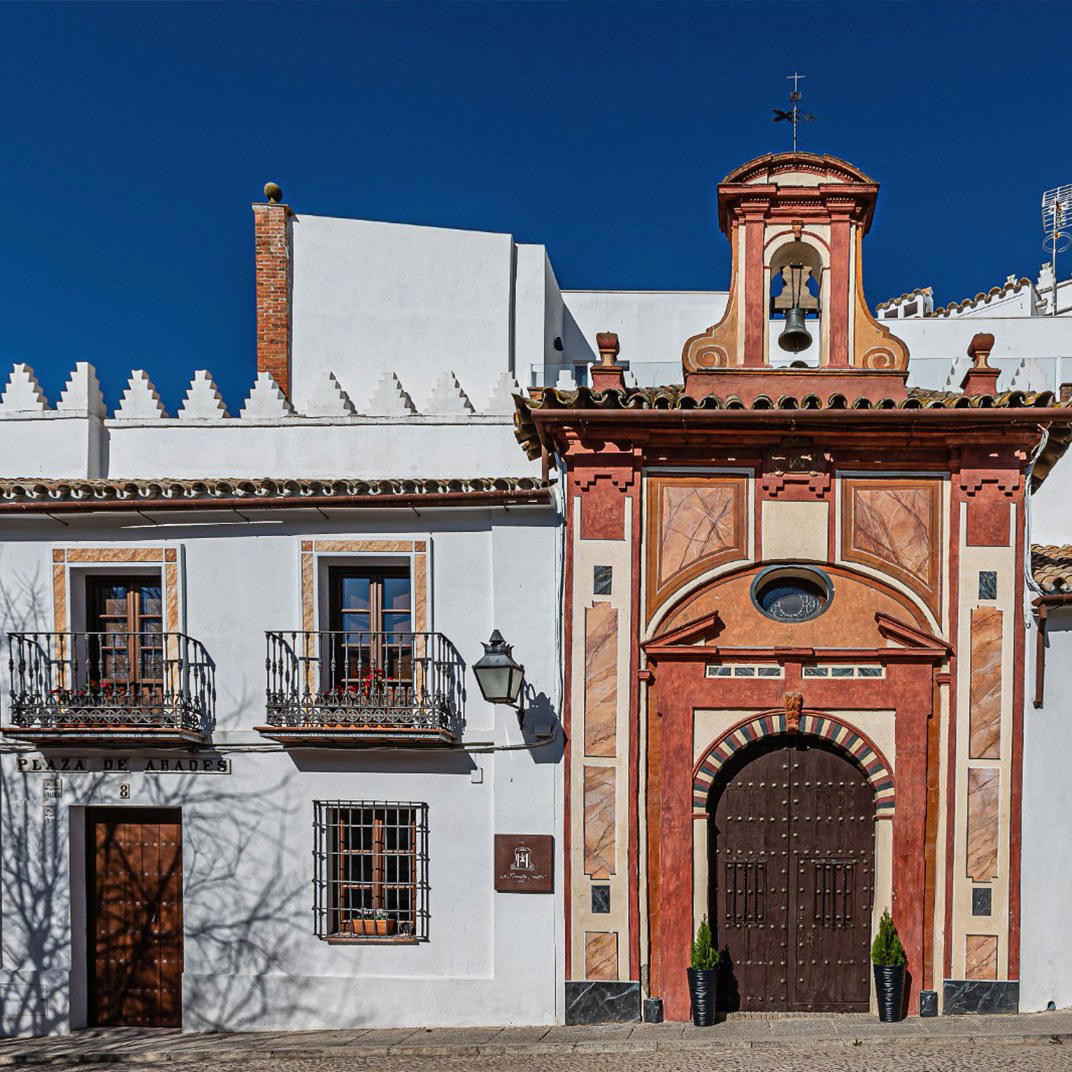
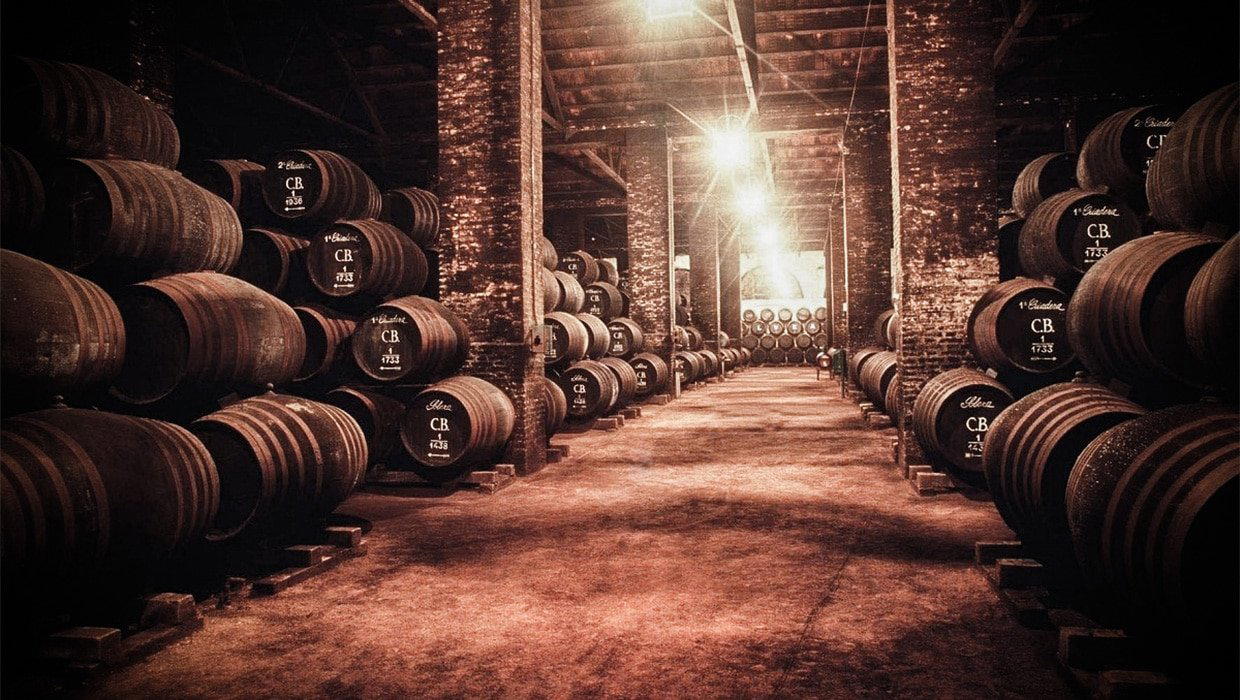
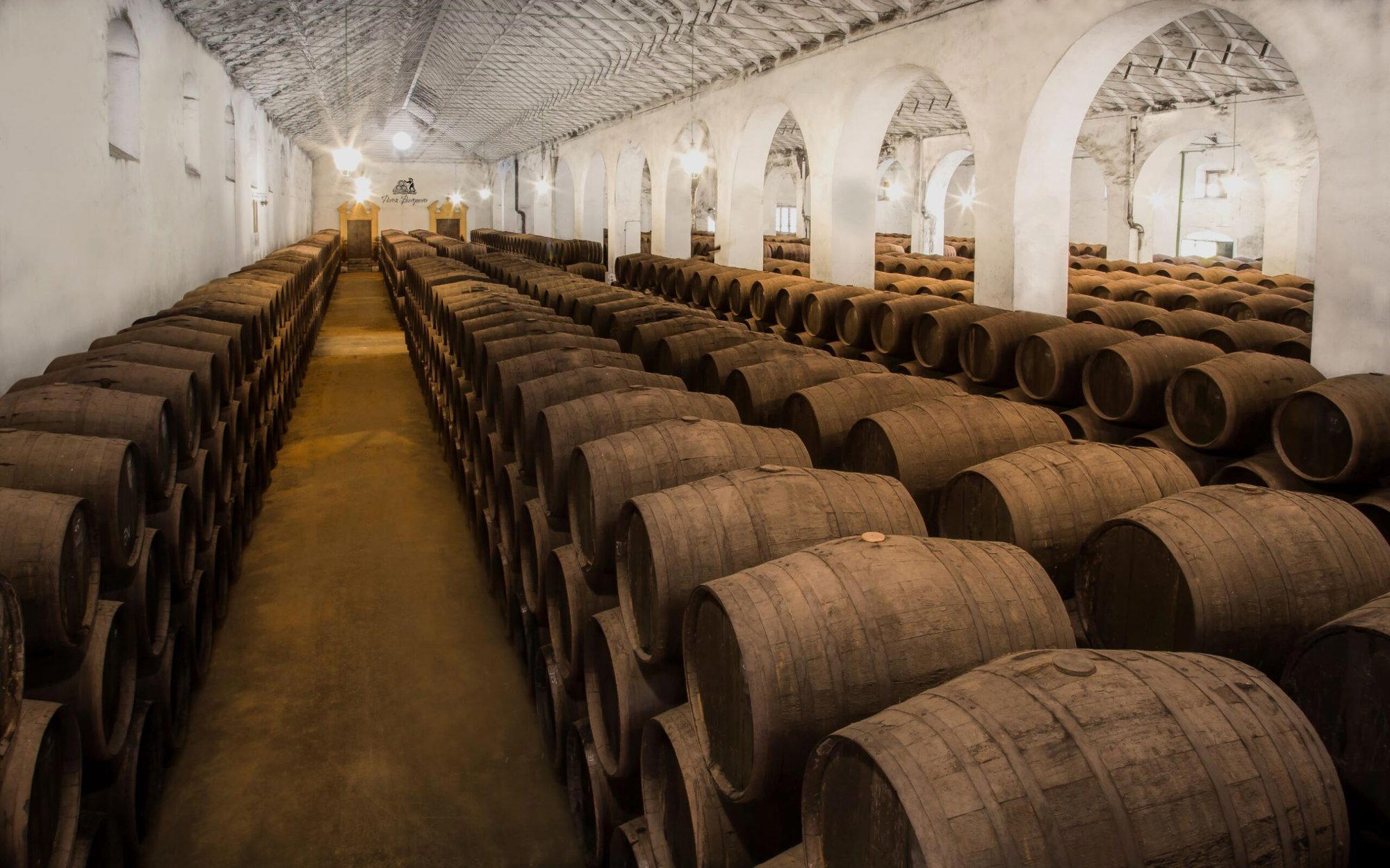
Calle Judíos runs through the heart of Córdoba's old Jewish quarter, close enough to the Mezquita-Catedral that you can hear tour groups assembling outside its walls. Walk far enough from the main drag and the noise drops. The buildings press in closer, the light shifts, and Bodega Guzmán appears on the corner of number 7 — a traditional Andalusian bodega of the kind that Córdoba's older neighbourhoods have been steadily losing to tourist-facing formats. Terracotta, wooden barrels stacked against whitewashed walls, the smell of cured meat and aged wine vinegar: the physical environment announces itself before you have read a word of the menu.
This is a category with a specific meaning in southern Spain. A bodega, in the classical Córdoban sense, is not a restaurant that happens to sell wine. It is a drinking and eating house where wine comes first and food is designed to support it — primarily local Montilla-Moriles wines rather than Rioja or Jerez, drawn from the clay amphoras and barrels that are the region's ageing vessels of choice. The distinction matters because it shapes every decision on the plate.
Montilla-Moriles and the Logic of Local Wine
Córdoba's wine culture runs on the DO Montilla-Moriles appellation, produced roughly 40 kilometres south of the city from Pedro Ximénez grapes grown on chalky albariza soils. The wines span the same style spectrum as Sherry, fino, amontillado, oloroso, Pedro Ximénez, but are made without fortification in their dry styles, because the hot inland climate pushes natural alcohol high enough on its own. In a traditional bodega setting, these wines arrive young and local, and the food is calibrated accordingly.
Ingredient sourcing in a bodega like this follows a logic that predates the farm-to-table language of contemporary fine dining. The preserved products, salchichón, jamón, morcilla, come from the mountain communities of the Sierra Morena to the north. Córdoba's position at the edge of that range has always made it a natural distribution point for Iberian pork products. The aceitunas aliñadas, marinated olives seasoned with garlic, cumin, and wild oregano, reflect a spice tradition that goes back to the period when the city was the largest in Western Europe and its markets traded in North African aromatics. The kitchen here does not need to explain provenance with a menu note; the products carry their geography with them.
This approach to sourcing sits at the opposite end of the spectrum from what you find at Spain's technical vanguard. Operations like Aponiente in El Puerto de Santa María or El Celler de Can Roca in Girona spend considerable resources constructing sourcing narratives and applying technique to those ingredients. A bodega works differently: the sourcing has always been local and seasonal because that is what the format requires, not because it is a selling point.
Where Bodega Guzmán Sits in the Córdoba Eating Scene
Córdoba has a cluster of traditional bodega and tavern formats in and around the Judería and the Centro. Bodegas Mezquita and its second site, Bodegas Mezquita Céspedes, occupy a slightly more polished tier, with a broader menu and more deliberate tourist positioning. El Papagayo offers a different register again, as does Restaurante Umaueyon. La Casa Siria represents the city's North African–inflected thread, a reminder that Córdoba's food history runs through multiple civilisations. Bodega Guzmán, by contrast, occupies the narrower category of unreconstructed local institution: the kind of place where the clientele on a Tuesday afternoon at noon is Córdoban rather than visiting.
That positioning matters to visitors making choices. If your reference points for Spanish dining run toward the tasting-menu tier, Arzak in San Sebastián, DiverXO in Madrid, or Mugaritz in Errenteria, a traditional bodega operates on entirely different terms. There is no tasting menu, no progression logic, no wine pairing curation. You drink what they pour, you order what the barman recommends, and the measure of success is whether you spent two hours at a table without looking at your phone. Bodega Guzmán is built for exactly that rhythm.
For Spanish context at the other register, operations like Quique Dacosta in Dénia, Azurmendi in Larrabetzu, Martin Berasategui in Lasarte-Oria, Ricard Camarena in València, and Cocina Hermanos Torres in Barcelona represent a separate conversation about contemporary Spanish technique. A comparison with Le Bernardin in New York City or Lazy Bear in San Francisco belongs to an entirely different category. Bodega Guzmán's peer group is defined by tradition, neighbourhood, and the age of its barrels, not by Michelin coverage.
What to Understand Before You Go
Córdoba's old city is walkable, and Calle Judíos is central enough that most visitors staying in the Centro or Judería will pass it on foot. The bodega format is typically a lunch and early-evening operation in this part of Spain; the Spanish dining clock runs late by international standards, but traditional bodegas tend to be liveliest from midday through the early afternoon rather than at dinner. First-time visitors who arrive expecting restaurant dinner hours may find the energy different.
Given the address sits within the historic tourist circuit, the practical advice is to arrive early in the lunch window rather than mid-afternoon, when the local trade has cleared and the visiting crowd is thicker. No booking infrastructure is implied by the format, this is the kind of place where you walk in, find a barrel to stand at or a table in the back, and order by pointing. The physical space and the wine list are the attraction; do not arrive expecting an elaborate food programme.
A full view of what Córdoba offers across price points and formats is in our full Cordoba restaurants guide.
How Bodega Guzmán Córdoba compares with similar nearby venues.
| Venue | Cuisine | Price |
|---|---|---|
| Casa Rubio | Regional Cuisine | €€ |
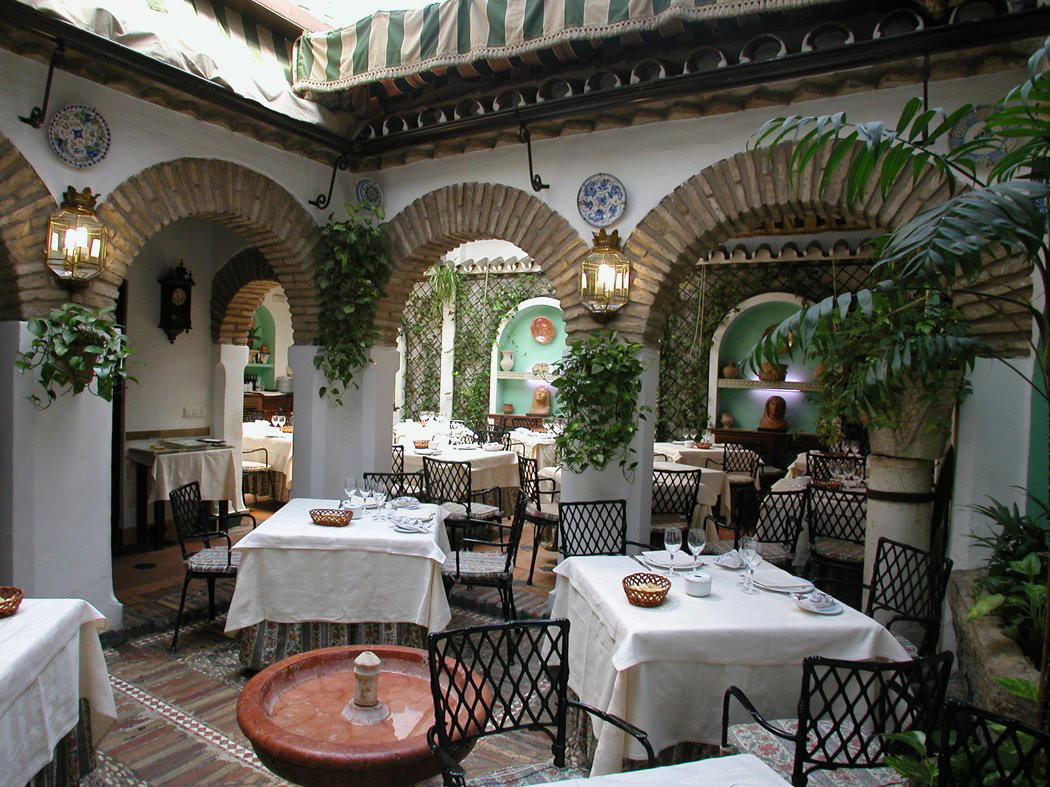
| Taberna el nº 10 | Traditional Cuisine | € |
Continue exploring
More in Córdoba
Restaurants in Córdoba
Browse all →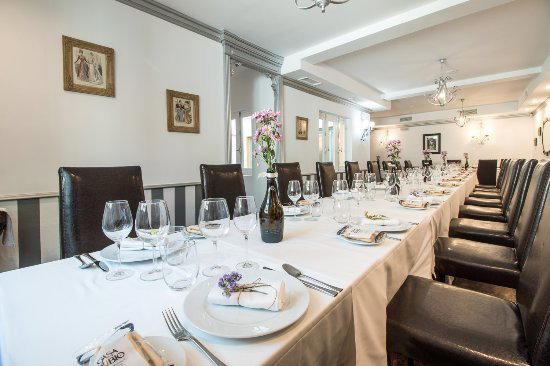
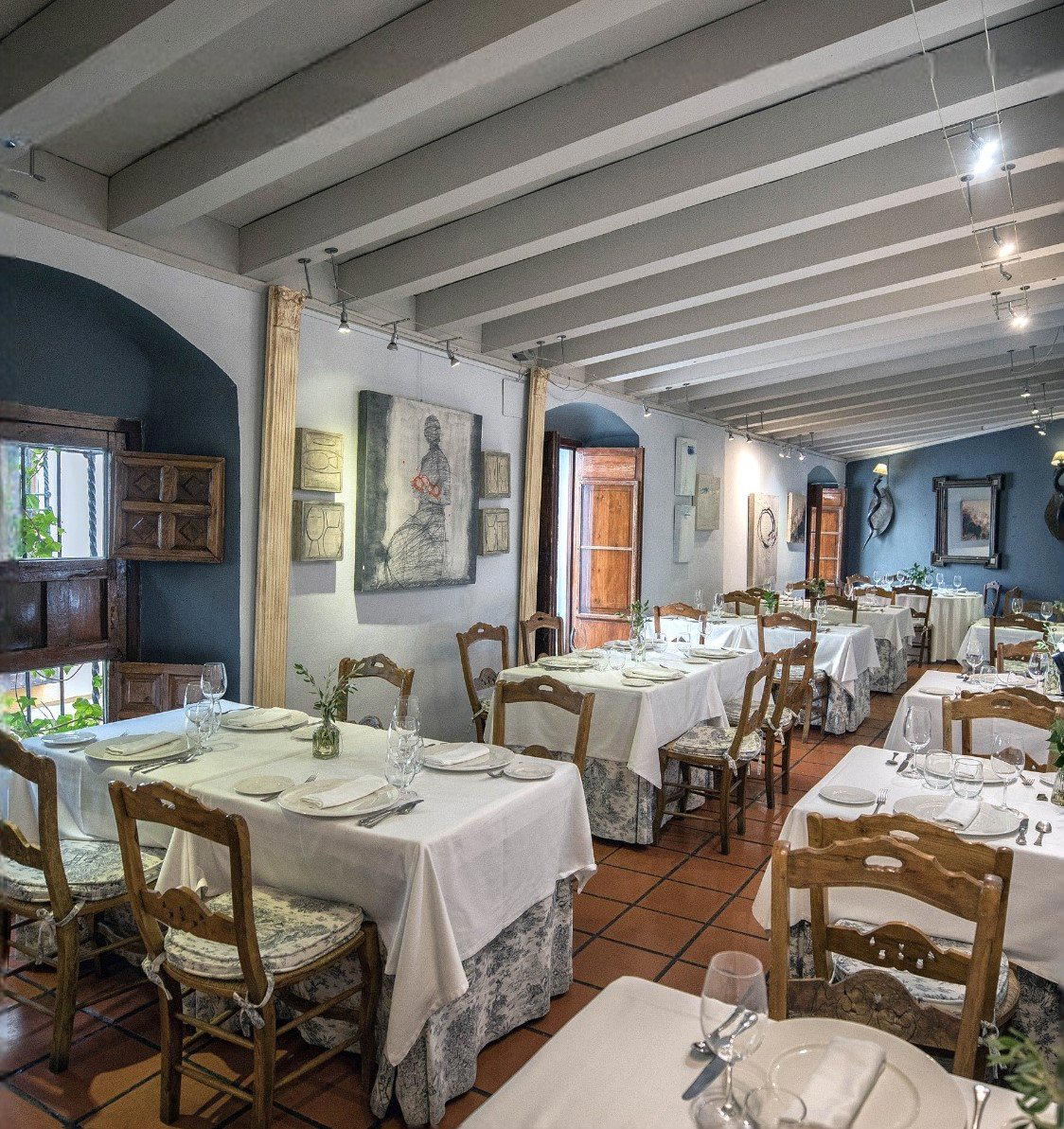
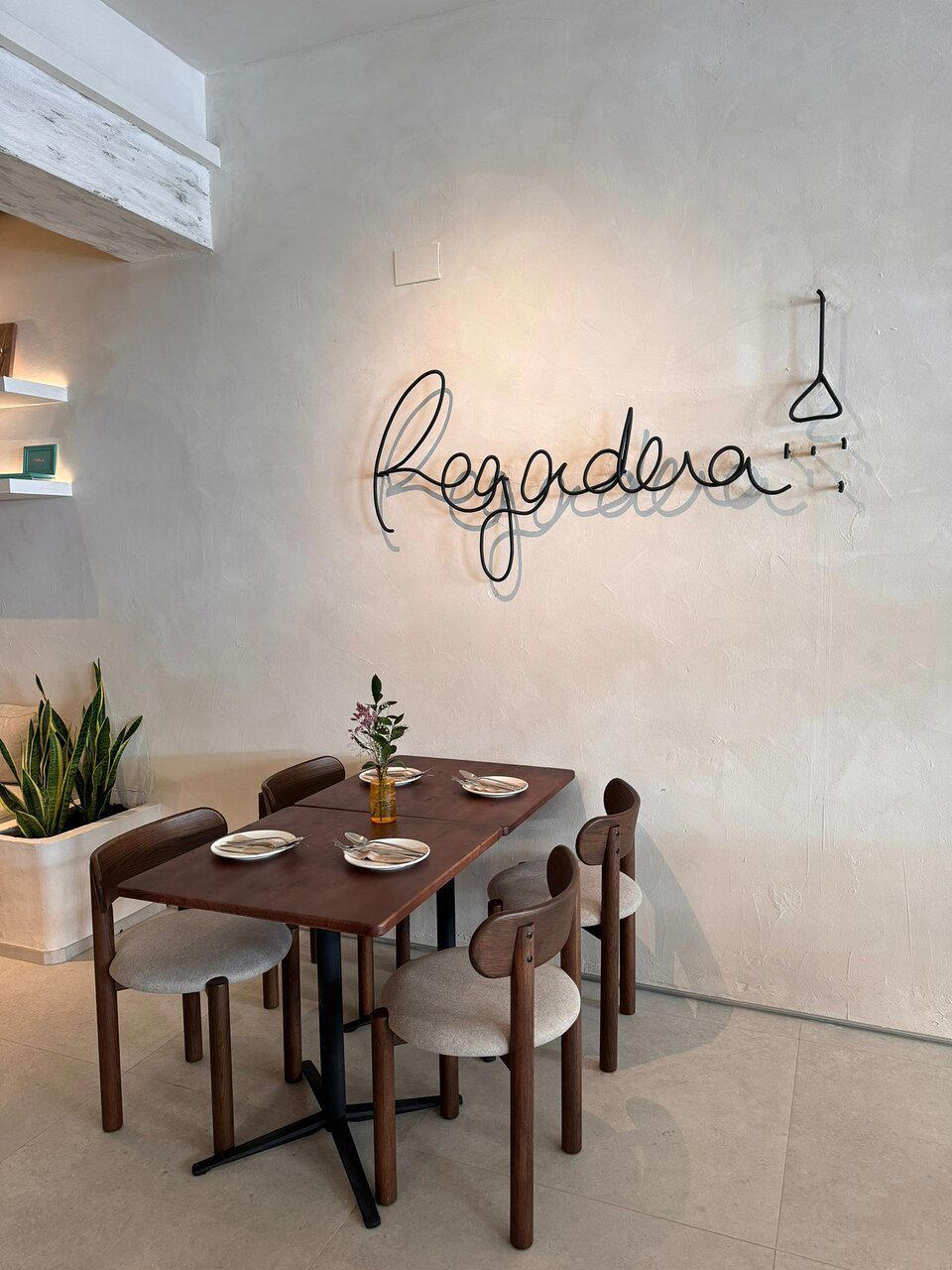
Bars in Córdoba
Browse all →Hotels in Córdoba
Browse all →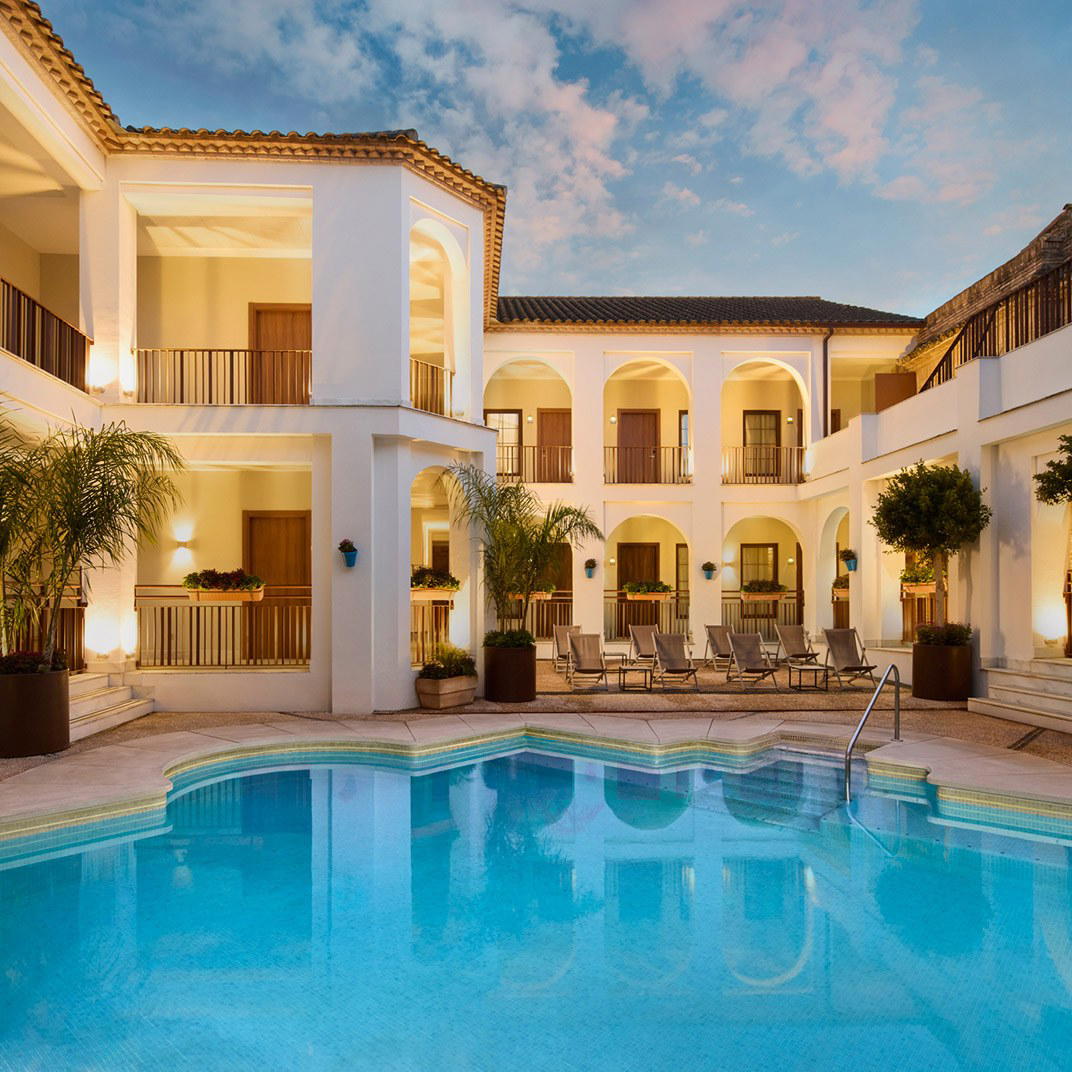

At a Glance
- Rustic
- Classic
- Lively
- Casual Hangout
- After Work
- Historic Building
- Beer Program
Current opening hours
- Monday
- 12–4 PM, 8:30–11:30 PM
- Tuesday
- 12–4 PM, 8:30–11:30 PM
- Wednesday
- 12–4 PM, 8:30–11:30 PM
- Thursday
- Closed
- Friday
- 12–4 PM, 8:30–11:30 PM
- Saturday
- 12–4 PM, 8:30–11:30 PM
- Sunday
- 12–4 PM
Hours can change for holidays and private events. Last verified .
Traditional no-frills atmosphere with local wines in casks and a charming rustic setting in the historic Juderia.
Know Before You Go
- Getting there
- C. Judíos, 7, Centro, 14004 Córdoba, Spain