Tamayo
On Larimer Street in Denver's Lower Downtown, Tamayo occupies a corner of the city's Mexican dining scene that tilts toward refinement without losing touch with the source. The kitchen works with ingredients and techniques rooted in Mexican regional tradition, placing it in a distinct tier from the casual taquerias that dominate most of the city's Mexican food conversation. For visitors building a serious Denver dining itinerary, it warrants attention alongside the broader LoDo restaurant corridor.
Pearl is the En Primeur Club membership app — saves, bookings, and concierge access live there. Same editors, same standards.
- Address
- 1400 Larimer St, Denver, CO 80202
- Phone
- (720) 946-1433
- Website
- eattamayo.com
- Directions
- Get directions
 Saves & bookings on Pearl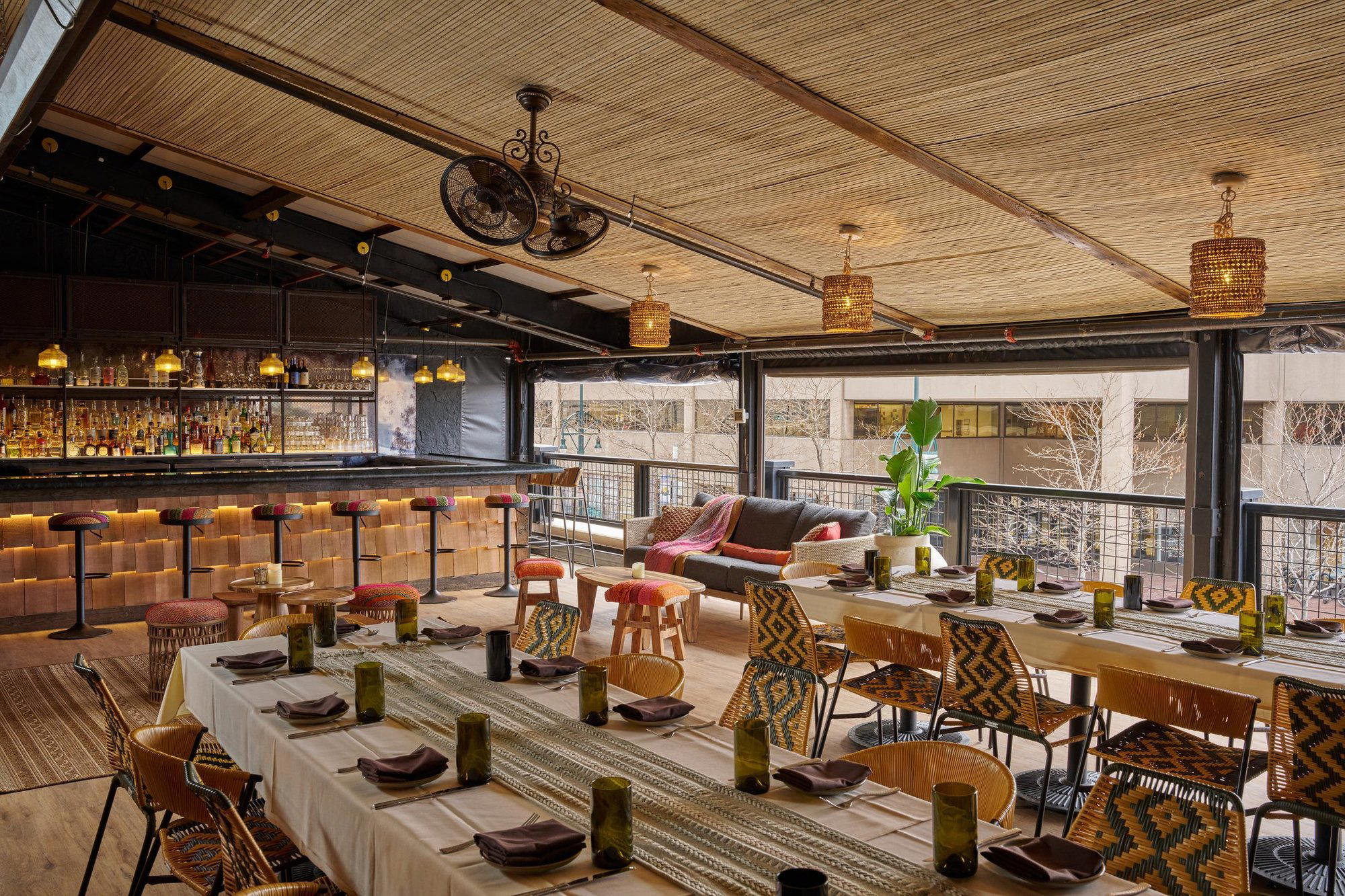
Larimer Street and the Case for Serious Mexican Cooking in Denver
Lower Downtown Denver, the compressed grid of late-nineteenth-century brick warehouses between Union Station and Coors Field, has spent two decades establishing itself as the city's primary address for ambitious restaurant openings. The blocks around Larimer Street in particular have attracted concepts willing to work at a higher register of technique and sourcing. Tamayo, at 1400 Larimer St, sits inside that pattern: a Mexican kitchen operating at a pitch that treats the cuisine not as a casual category but as a platform for ingredient-focused cooking.
The address itself carries context. Larimer Street runs through the commercial core of LoDo, where foot traffic from the nearby ballpark, hotel clusters, and the weekend population of the 16th Street corridor creates steady demand. Restaurants here compete not just on food but on the full package, space, service register, and a reason to sit down for two hours rather than move on. Tamayo has held that corner long enough to become part of the neighbourhood's dining vocabulary rather than a novelty within it.
The Sourcing Question: What Mexican Regional Cooking Demands
The editorial case for ingredient sourcing in Mexican cooking is stronger than it might first appear. The cuisine draws on a supply chain that is genuinely specific: dried chiles from Oaxaca and Puebla that carry moisture levels and smoky profiles no domestic substitute replicates precisely; corn varieties whose masa starch composition differs meaningfully from commodity yellow corn; fresh herbs like epazote and hierba santa that don't travel well and rarely appear in Anglo-market supply chains. Kitchens that treat these inputs seriously produce food that reads differently at the level of texture and base flavour, the kind of difference that justifies a higher price tier and a seated dining format.
Denver's position gives it some geographic advantages here. The city sits within reasonable distance of Southwest sourcing networks that supply New Mexican and Colorado-grown chiles, and the broader Rocky Mountain agricultural corridor has produced a generation of ingredient-focused suppliers across proteins and produce. Mexican kitchens that tap that infrastructure alongside imported pantry staples can build a more coherent sourcing story than they could two decades ago. Tamayo's address in LoDo, serving a clientele familiar with that sourcing language from other ambitious restaurants in the neighbourhood, positions it to have that conversation with its guests.
Where Tamayo Sits in the Wider Tier of Ingredient-Led Restaurants
The national conversation about sourcing-led, technique-driven cooking tends to cluster around a particular set of reference points: farm-integrated properties like Blue Hill at Stone Barns in Tarrytown or Single Thread Farm in Healdsburg, where the agricultural relationship is the literal architecture of the menu. At the tasting-menu end of the progressive American canon, places like Lazy Bear in San Francisco or Alinea in Chicago push sourcing through a technical lens. Cuisine-specific restaurants like Atomix in New York City have made the case that a national tradition, in that instance Korean, can sit at the same table as any European fine-dining format when the ingredient sourcing and technique are rigorous enough.
Tamayo is making a version of that argument for Mexican cooking in the Mountain West. The comparable set isn't Le Bernardin in New York City or The French Laundry in Napa, those operate at a price and institutional gravity that belongs to a different category entirely. The more relevant comparison is with restaurants like Albi in Washington, D.C., which applies similar seriousness to Eastern Mediterranean tradition, or Providence in Los Angeles, where a specific culinary tradition gets treated as deserving the same research and sourcing discipline as any haute cuisine reference. Addison in San Diego and Emeril's in New Orleans similarly represent regional American kitchens that have claimed a premium tier through sourcing credibility and format discipline. 8 1/2 Otto e Mezzo Bombana in Hong Kong and The Inn at Little Washington complete a broader picture of how cuisine-specific ambition operates across different geographies and price points. Le Bernardin remains the clearest example of what happens when sourcing discipline becomes a restaurant's entire identity, but the model translates across cuisines and cities.
Atmosphere and Format: What to Expect Walking In
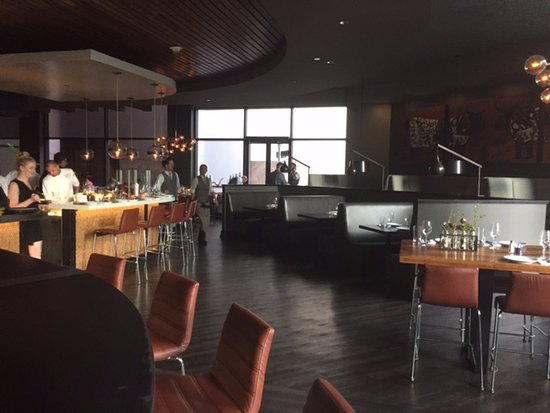
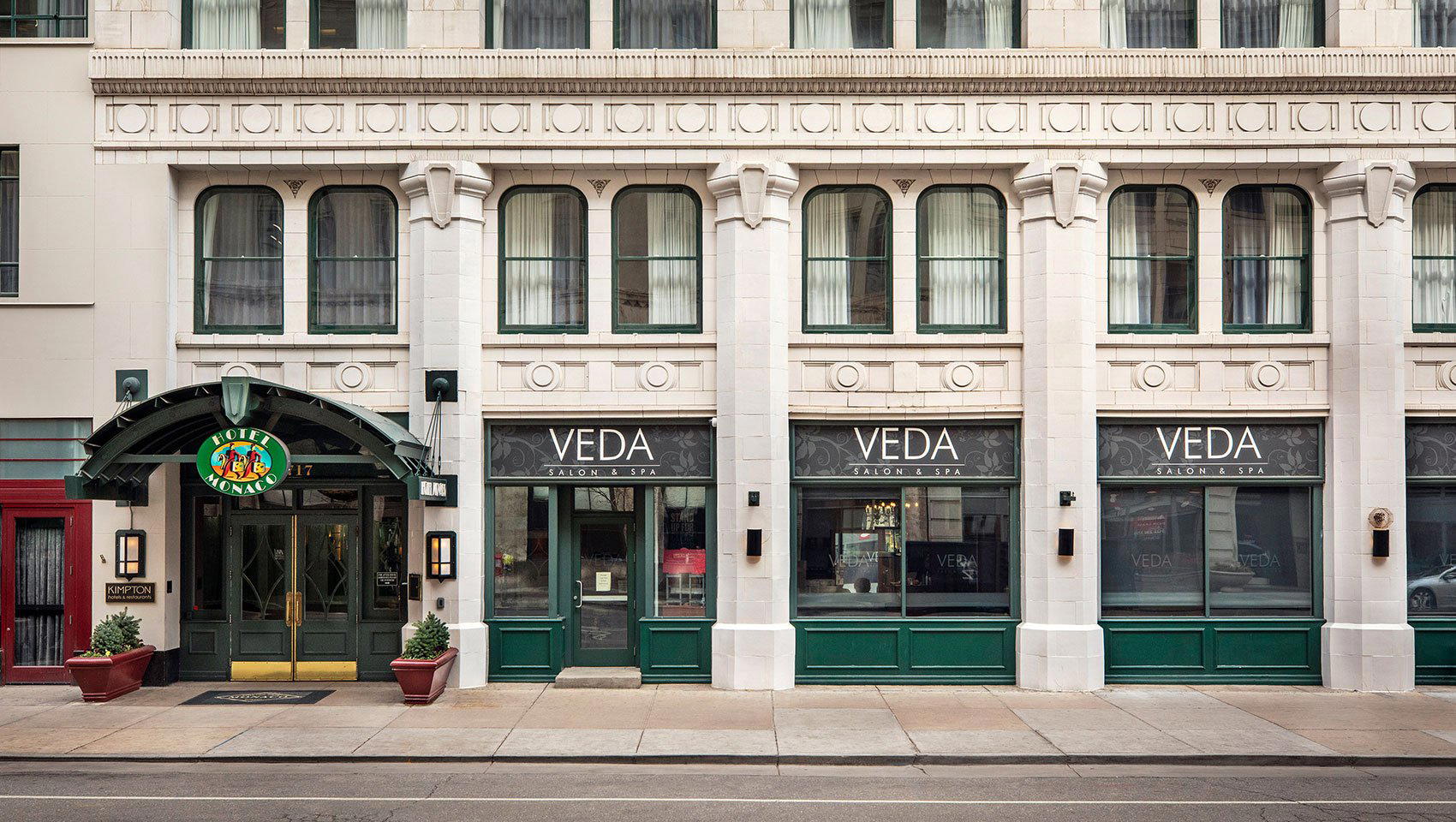
LoDo dining rooms tend toward warehouse volumes, high ceilings, exposed brick, the ambient noise that comes with large spaces and hard surfaces. Tamayo's Larimer Street corner positions it inside that neighbourhood visual grammar while working a warmer palette that references its Mexican identity without the decorative literalism that undercuts serious cooking in lesser venues. The room's elevation above street level and its proximity to the Larimer Street pedestrian energy mean the before-dinner approach, the light off the brick facades, the noise of the corridor, is part of the experience before you sit down.
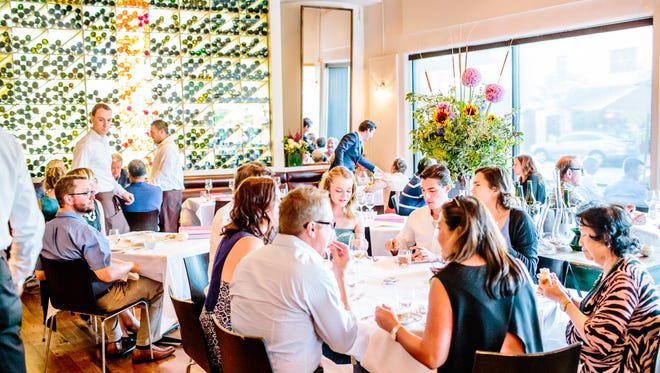
The format works as a seated dining destination rather than a quick-turn table. Guests arriving for dinner on weekend evenings should expect the room to be operating near capacity, and the energy reflects that: conversation-level noise, attentive service pacing, a drinks program that gives the meal room to develop.
Planning Your Visit
Tamayo sits at 1400 Larimer St in LoDo, walkable from Union Station and the main downtown hotel corridor. For weekends and Friday evenings, a reservation is recommended, the Larimer Street corridor draws a large post-work and pre-game crowd, and the restaurant's format and positioning attract guests who have planned their evening around it rather than stumbled in. Weekday lunches and early weekday dinners tend to offer more flexibility for walk-in visitors, though the room's character is better represented in evening service when the kitchen is running at full tempo.
Comparison Snapshot
Comparable venues nearby, for context on price, style, and recognition.
| Venue | Cuisine | Price | Notes |
|---|---|---|---|
| TamayoThis venue — the venue you are viewing | Modern Mexican | $$$ | Not listed |
| Que Bueno Suerte | Modern Mexican Fusion | $$$ | Platt Park |
| Los Chingones | Modern Mexican Tacos | $$ | Curtis Park |
| Corridor 44 | Modern American Champagne Bar | $$$ | LoDo |
| Ultreia | Spanish & Portuguese Tapas Gastroteka | $$$ | LoDo |
| Le Bilboquet Denver | Classic French Bistro with Modern Influences | $$$ | Cherry Creek |
Continue exploring
More in Denver
Restaurants in Denver
Browse all →
Bars in Denver
Browse all →
Hotels in Denver
Browse all →



At a Glance
- Lively
- Trendy
- Modern
- Energetic
- Date Night
- Group Dining
- Special Occasion
- Brunch
- Rooftop
- Terrace
- Panoramic View
- Craft Cocktails
- Extensive Wine List
- Skyline
- Mountain
Current opening hours
- Monday
- 11 AM–9 PM
- Tuesday
- 11 AM–9 PM
- Wednesday
- 11 AM–9 PM
- Thursday
- 11 AM–9 PM
- Friday
- 11 AM–10 PM
- Saturday
- 10:30 AM–10 PM
- Sunday
- 10:30 AM–9 PM
Hours can change for holidays and private events. Last verified .
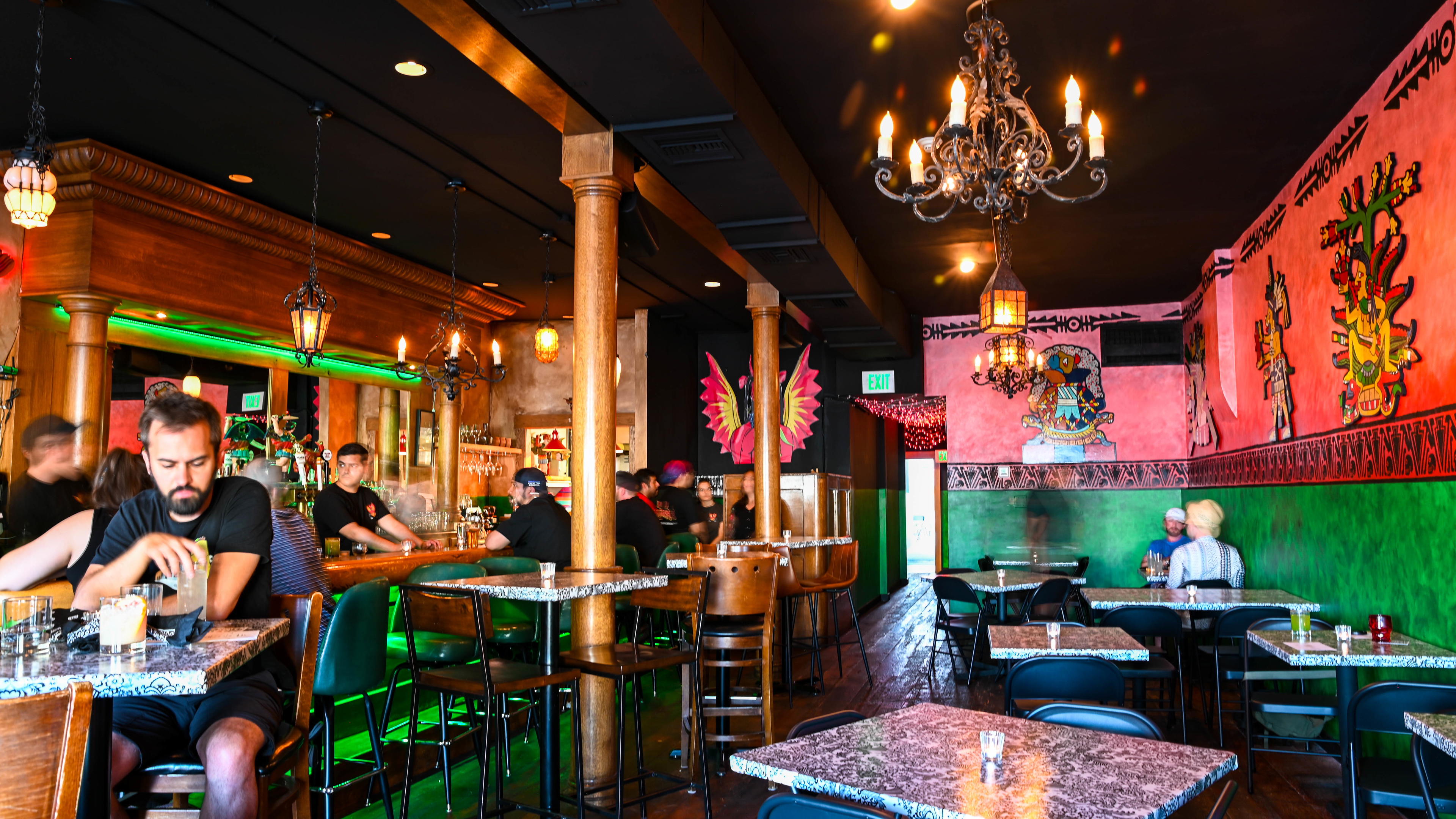
Lively and bold Mexican decor with awesome light fixtures, energetic atmosphere that can be loud.