Que Bueno Suerte
On South Pearl Street, one of Denver's most settled dining corridors, Que Bueno Suerte occupies a position that rewards the kind of guest who arrives with curiosity rather than a checklist. The address alone, a block that has supported independent restaurants for decades, signals a neighbourhood-rooted identity rather than a destination-engineered one. For visitors mapping Denver's mid-to-serious dining tier, it belongs on the itinerary alongside the city's stronger contemporary and Latin-influenced programmes.
Pearl is the En Primeur Club membership app — saves, bookings, and concierge access live there. Same editors, same standards.
- Address
- 1518 S Pearl St, Denver, CO 80210
- Phone
- +17206427322
- Website
- quebuenosuerte.com
- Directions
- Get directions
 Saves & bookings on Pearl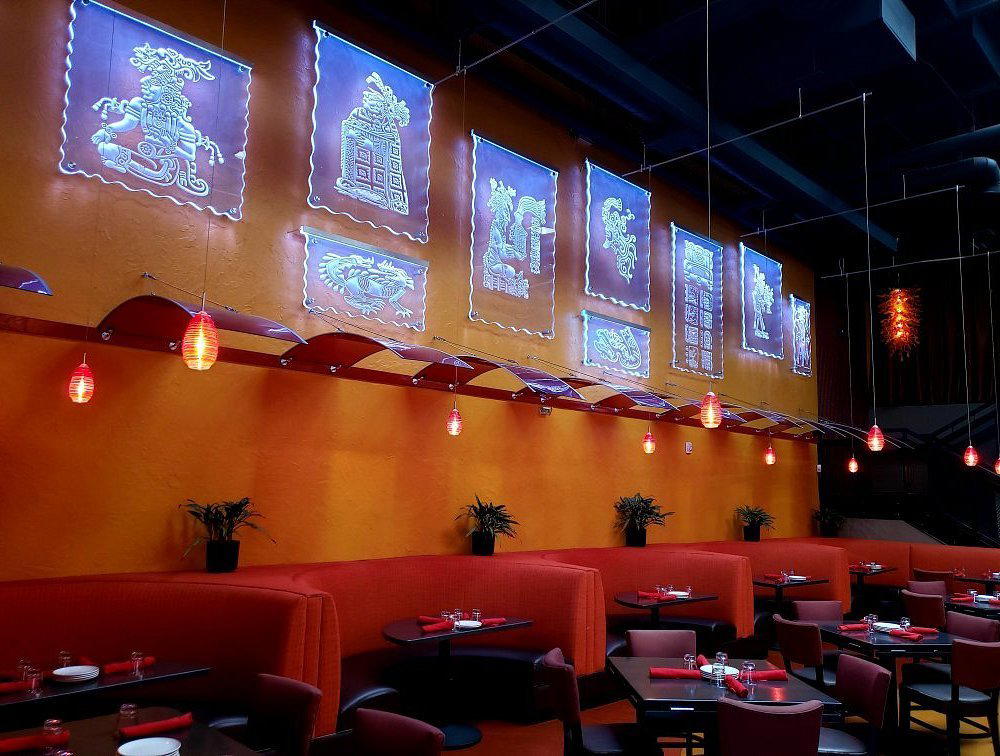
South Pearl Street and the Dining Corridor That Built Denver's Independent Scene
Some restaurant addresses carry institutional weight before you open the door. The 1500 block of South Pearl Street is one of them. For roughly three decades, this stretch of Denver's Platt Park neighbourhood has functioned as a proving ground for independent operators, the kind of block where leases turn over slowly, regulars are possessive about their tables, and the neighbourhood's food identity is built restaurant by restaurant rather than by a single marquee opening. Que Bueno Suerte, at 1518 S Pearl St, sits within that inherited context.
South Pearl draws a different crowd than RiNo or LoHi, the two neighbourhoods that dominate Denver's current food-media cycle. The energy here skews residential and unhurried. Weekend farmers' markets still pull foot traffic on summer mornings. The dining room composition on any given evening tends toward couples who live within walking distance, a configuration that pressures operators to sustain rather than spike, to be the restaurant people return to rather than the one they photograph once and move on from. That structural demand shapes what kind of programme survives here.
Denver's Wine Programme Tier: Where Que Bueno Suerte Fits
Denver's wine culture has matured significantly since the early 2010s, when the city's better lists were derivative of coastal models, heavy California Cabernet, token Burgundy, little else. The current generation of serious Denver programmes, found at places like Brutø and The Wolf's Tailor, operates with a different logic: natural and low-intervention producers sit alongside regional American bottlings, and the list functions as an editorial statement rather than a hedge against complaints.
The wine programmes most likely to endure in neighbourhood-anchored rooms are those that read the local demographic correctly. South Pearl's regulars tend to be educated drinkers without the appetite for the maximalist tasting-menu formats that drive list ambition at Beckon or the more technique-forward end of Denver's contemporary tier. A well-constructed list in this context prizes approachability at the mid-price range, a handful of adventurous producer selections for guests who want to be led, and enough depth in the by-the-glass programme to support multiple visits without repetition. The editorial angle here matters: a list that curates rather than accumulates earns more trust from a returning neighbourhood clientele than one that signals ambition through sheer volume.
For comparison, consider how Alma Fonda Fina has approached beverage programming in its Mexican-influenced format, pairing mezcal and agave spirits with wine selections that reflect the cuisine's weight and acidity rather than defaulting to obvious pairings. That kind of programme discipline is what separates a neighbourhood room from a merely pleasant one. Across American dining more broadly, the venues that have built the deepest wine identities, from Single Thread Farm in Healdsburg to Blue Hill at Stone Barns in Tarrytown, share a commitment to list coherence over list size.
Reading a Room Before You Order
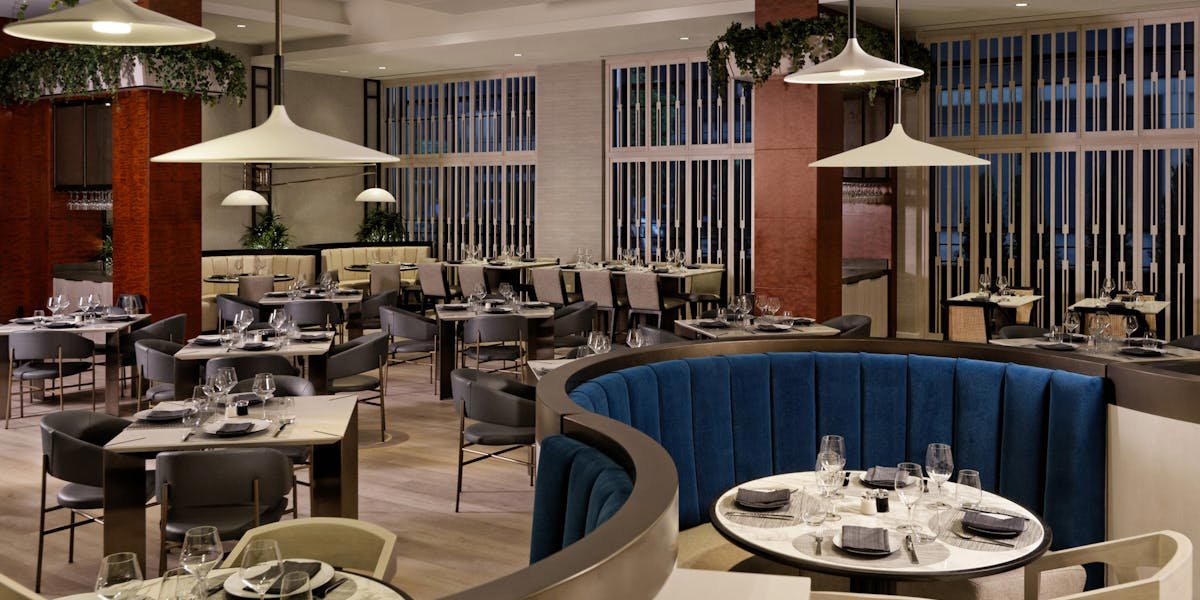
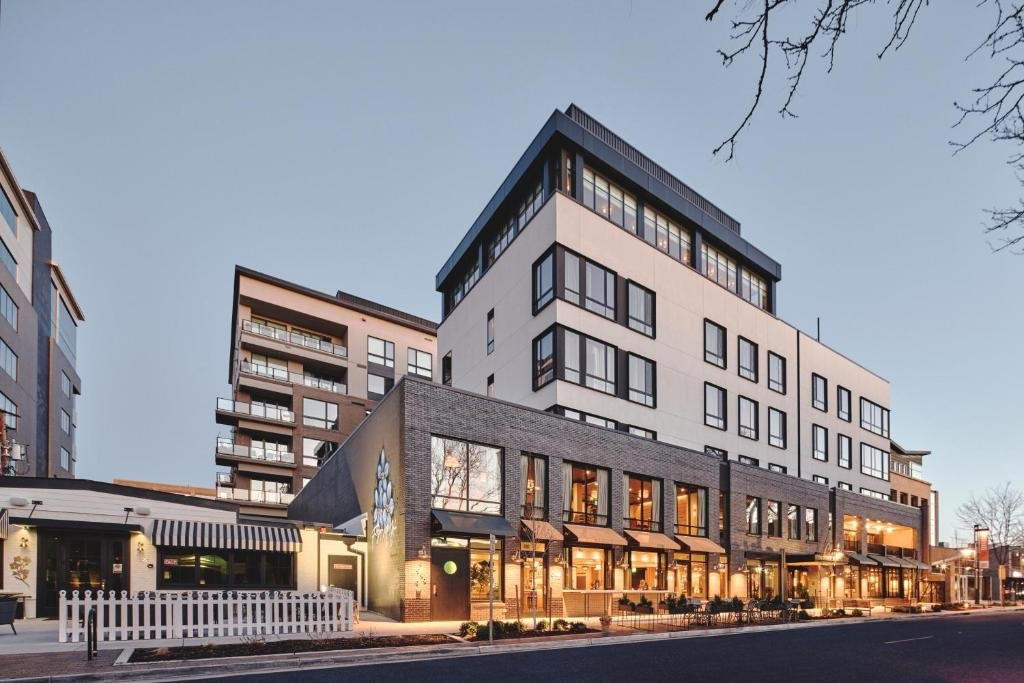
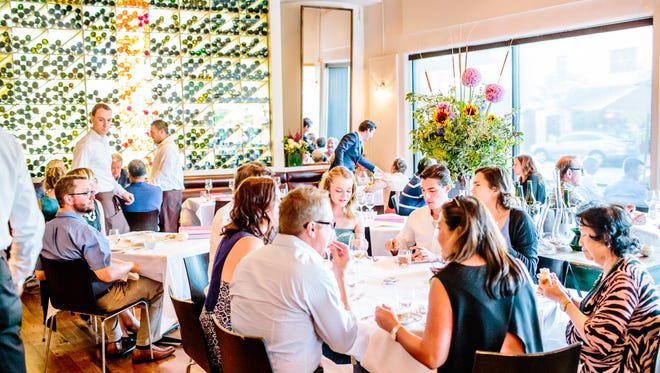
The physical approach to Que Bueno Suerte gives away something about what to expect inside. South Pearl's streetscape is low-rise and commercial in the way that pre-gentrification Denver blocks tend to be: modest storefronts, a mix of old and newer tenants, light foot traffic outside peak hours. The room itself is unlikely to be the kind of high-design environment that photographs well for social media. What South Pearl rooms typically offer instead is a functional intimacy, small enough that service is personal, old enough that the room has absorbed some character from the years.
That physical register matters when you're calibrating expectations. The strongest neighbourhood restaurants in any American city, think of what Annette has built in Aurora, or what the more grounded end of New Orleans dining looks like at Emeril's, succeed because they understand the room they're working with. The physical environment sets a contract with the guest: this is not a destination for formal occasion dining, it's a room for eating well with people you'd rather be with than impressed by.
The Broader American Dining Context
Denver's restaurant tier has spent the last decade working to close the gap with the coastal cities that have historically set the national dining agenda. The Michelin-rated rooms of Le Bernardin in New York City, the precision of Alinea in Chicago, and the producer-obsessed rigour of The French Laundry in Napa remain the reference points against which serious American dining is measured nationally. But the more interesting development in cities like Denver is the parallel growth of a mid-tier that doesn't aspire to that format at all, neighbourhood rooms that price accessibly, change their programmes seasonally, and build their following through repetition rather than spectacle.
That tier now includes credible operators across Denver's different neighbourhoods, and South Pearl is one of its anchors. For visitors who have already covered the higher-ticket end of the Denver list, South Pearl addresses like Que Bueno Suerte's are a logical next step. The same principle applies in other American cities: one honest read on a food city often comes not from its celebrated tasting-menu rooms but from its neighbourhood dining rooms that survive on repeat business rather than first-timer buzz. See Providence in Los Angeles, Addison in San Diego, or Atomix in New York City for what the higher end of that comparison looks like, then use Denver's South Pearl corridor as the counterpoint.
International reference points for programme depth include 8½ Otto e Mezzo Bombana in Hong Kong and The Inn at Little Washington, both of which demonstrate what sustained neighbourhood-adjacent commitment to a programme can build over time, even if the format and price point are entirely different from what South Pearl supports.
At a Glance
Comparable venues nearby, for context on price, style, and recognition.
| Venue | Cuisine | Price | Notes |
|---|---|---|---|
| Que Bueno SuerteThis venue — the venue you are viewing | Platt Park, Modern Mexican Fusion | $$$ | Not listed |
| Mar Bella Boqueria | Not listed | $$$ | Cherry Creek North, Spanish Neo-Bistro Tapas and Omakase |
| Rougarou | Curtis Park, Shapeshifting Southern | $$$ | Not listed |
| The Plimoth | Not listed | $$$ | Skyland, Modern American with European Influences |
| Call Me Pearl | Ballpark, Seafood Cocktail Lounge | $$$ | Not listed |
| Ash & Agave | Cherry Creek, Coastal Mexican Grill | $$$ | Not listed |
Continue exploring
More in Denver
Restaurants in Denver
Browse all →
Bars in Denver
Browse all →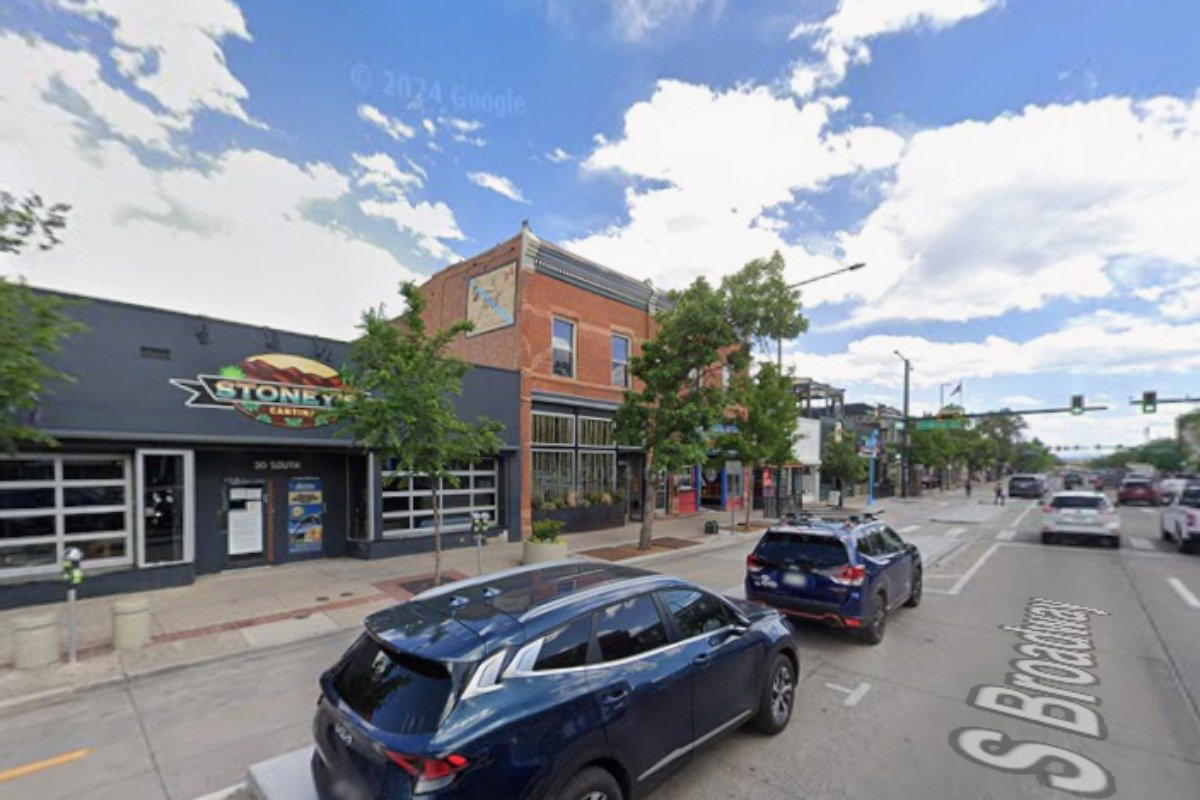
Hotels in Denver
Browse all →

At a Glance
- Trendy
- Modern
- Lively
- Date Night
- Brunch
- Casual Hangout
- Open Kitchen
- Craft Cocktails
Current opening hours
- Monday
- 11 AM–10 PM
- Tuesday
- 11 AM–10 PM
- Wednesday
- 11 AM–10 PM
- Thursday
- 11 AM–10 PM
- Friday
- 11 AM–10 PM
- Saturday
- 11 AM–10 PM
- Sunday
- 10 AM–10 PM
Hours can change for holidays and private events. Last verified .
Lively interiors with artful design, moderate noise, and an immersive atmosphere celebrating Mexican boldness.