Our verdict
Nagano occupies a quietly significant address in Vienna's first district, at Schellinggasse 3 in the 1010 postal zone, where the city's appetite for Japanese-inflected precision dining has found a considered home.

Pearl is the En Primeur Club membership app, where members save venues, book tables and use the concierge.

The menu
What to order
- Francesca-chan rolls
- Crusty Crab rolls
- Omakase
A First District Address and What It Signals
Vienna's first district has long functioned as the city's premium dining corridor. The 1010 postal zone carries a specific weight: rents are high, foot traffic is tourist-heavy, and the restaurants that survive there over time tend to do so because a local clientele has decided they are worth the inconvenience of central pricing. Schellinggasse 3 places Nagano squarely inside that pressure zone, and the address alone invites comparison with the capital's most technically demanding tables. Nearby, Konstantin Filippou and Amador have both built reputations at the €€€€ tier through modern European and creative formats respectively. Nagano enters that conversation with a Japanese-leaning identity at a moment when Vienna's appetite for precision-driven Asian cuisine is measurably more sophisticated than it was a decade ago.
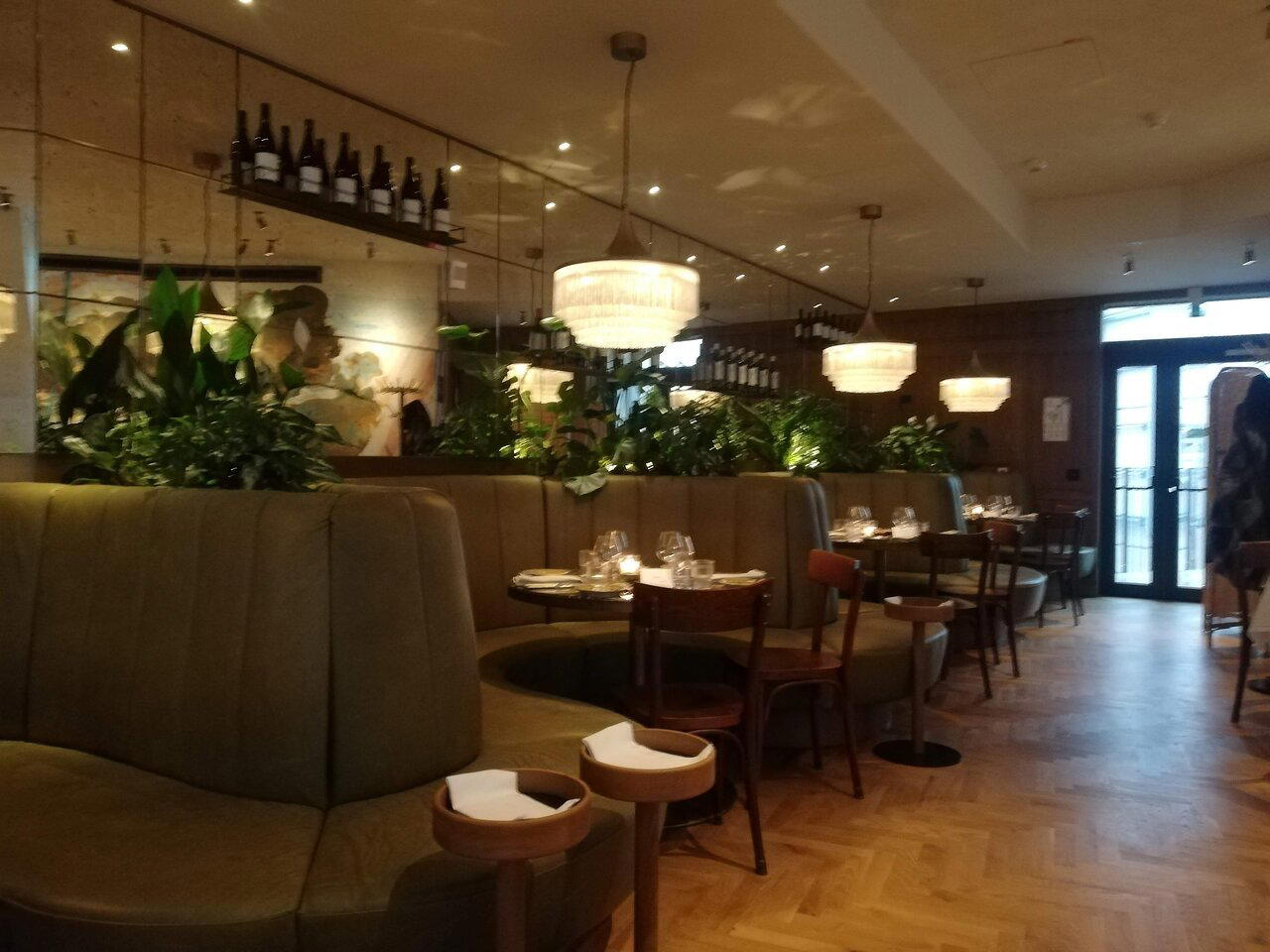
The Physical Container: Space as Editorial Statement
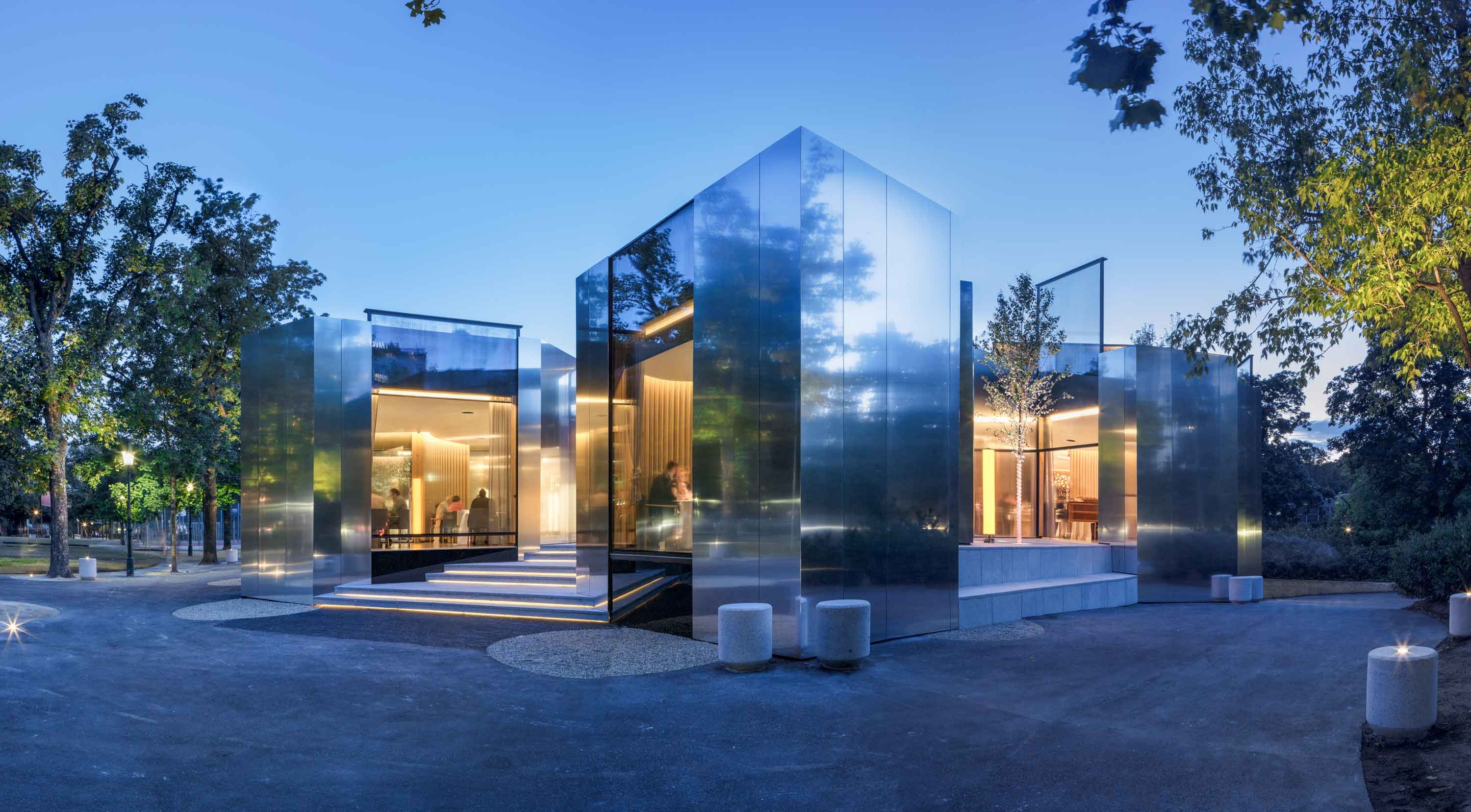
In a city where dining room architecture tends toward the grand, coffered ceilings, Ringstrasse-era molding, chandeliers that predate the First Republic, a Japanese-named venue in the first district represents a deliberate counter-position. The design choices made for a space carrying the name of a Japanese alpine prefecture implicitly signal restraint: material honesty over decorative excess, considered proportion over visual noise. This is a pattern visible across the more credible Japanese and Japanese-influenced restaurants operating in European capitals. At Atomix in New York City, the dining room architecture functions as an argument about how to receive food, the seating arrangement, counter geometry, and material palette all participate in the act of service. The question worth asking of any European venue working within this tradition is whether the physical space reinforces or contradicts the culinary proposition. A room that seats guests at the right distance from the kitchen, that controls acoustic bleed, and that manages natural light across a service is doing real work. One that simply applies Japanese aesthetic references to a European floor plan is doing something more superficial.
Vienna's premium dining rooms have historically erred toward the theatrical. Steirereck im Stadtpark deploys its Stadtpark setting as spatial context; Mraz and Sohn operates from a deliberately industrial frame. Nagano's Schellinggasse address suggests a narrower, more concentrated space, the kind of interior that, in the leading examples of the format, makes you aware of the room's boundaries as a feature rather than a limitation.
The Vienna Context: Japanese Precision in a European Capital
Across European capitals, Japanese-influenced fine dining has moved through several phases. The early phase was largely about importing Japanese product, wagyu cuts, high-grade tuna, yuzu, into European kitchens without changing the underlying logic of service or presentation. A second phase applied Japanese technique to local ingredients, producing menus that read as hybrid but often felt like neither tradition. The more demanding current position, visible in rooms from London to Copenhagen, asks whether the spatial and service logic of Japanese dining can be transplanted intact, or whether it necessarily transforms on contact with a European audience and European staffing culture.
Vienna's high-end restaurant scene has its own trajectory to consider. The city's creative dining tradition runs through venues like Doubek and the broader Austrian creative tier that includes Döllerer in Golling an der Salzach and Obauer in Werfen. These are kitchens with deep roots in Austrian product and technique. A Japanese-named venue in the first district is proposing something distinct from that lineage, and the coherence of that proposal depends heavily on whether the room, the service logic, and the menu all make the same argument.
Vienna's €€€€ tier is not especially large. The venues that occupy it, Steirereck, Konstantin Filippou, Mraz and Sohn, Silvio Nickol, APRON, each have a distinct identity and a track record legible to the city's serious dining community. A Japanese-oriented newcomer enters this tier with a different competitive logic: it is not trying to out-Austrian the Austrian kitchens, nor is it directly competing with the modern European frameworks.
For context on what the most rigorous version of this format produces, Le Bernardin in New York City illustrates how a non-local culinary tradition, applied with total conviction in a foreign city, can become the reference point for an entire category. The analogy is not perfect, Le Bernardin is French in New York, not Japanese in Vienna, but the structural logic is similar: a cuisine transplanted with enough fidelity and enough technical depth to earn standing in a city that has its own strong culinary identity.
Within Austria, the creative dining tier extends well beyond Vienna. Ikarus in Salzburg, Griggeler Stuba in Lech, and Gourmetrestaurant Tannenhof in Sankt Anton am Arlberg each represent the country's appetite for ambitious cooking outside the capital. Nagano's first district position is a deliberate concentration of resources in the city that aggregates the most international dining traffic in Austria, which is a different strategic choice from the regional destination model that venues like Kräuterreich by Vitus Winkler, Landhaus Bacher in Mautern an der Donau, Ois in Neufelden, Schwarzer Adler in Hall in Tirol, and Restaurant 141 by Joachim Jaud in Mieming have each pursued.
Planning Your Visit
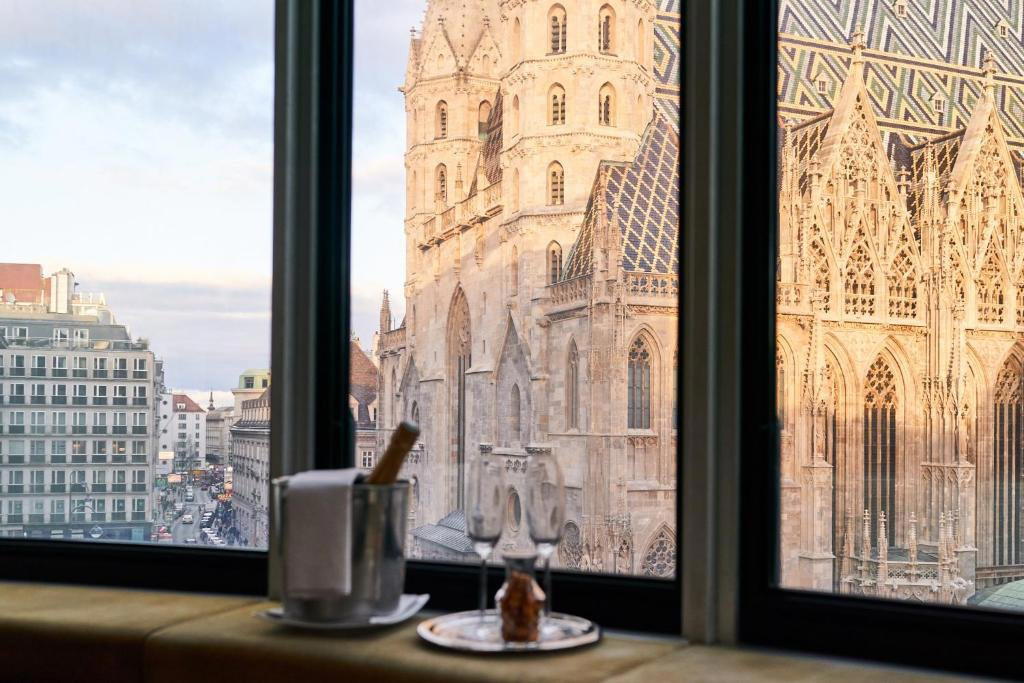
Nagano is located at Schellinggasse 3, 1010 Wien, placing it within walking distance of the Stephansdom and the major first district transit connections. For current hours, reservation procedures, and menu pricing, direct contact with the venue or a current listing check is advisable, as those details are subject to change. For a broader orientation to Vienna's dining scene at this level, our full Vienna restaurants guide maps the capital's most significant tables by neighbourhood, format, and price tier.
Frequently asked questions
What's Nagano's location?
Nagano is located at Schellinggasse 3, 1010 Wien, Austria, Vienna.
Is Nagano suitable for a formal business dinner in Vienna's first district?
Schellinggasse 3 in the 1010 postal zone is one of the more deliberate restaurant addresses in Vienna, situated within walking distance of Stephansdom and the main first-district transit connections. First-district Japanese fine dining in this format typically involves a structured course progression, which suits smaller groups looking for a controlled, focused setting rather than a conventional à la carte table. For parties requiring flexible timing or large group seating, confirming format and capacity directly with the venue is advisable.
What should I order at Nagano?
Specific menu details for Nagano are not published in advance, which is consistent with Japanese counter-format dining where the kitchen dictates the progression. Given the venue's position in Vienna's first district, a corridor occupied by tasting-menu-driven restaurants, arriving without fixed expectations is the more practical approach.
How hard is it to get a table at Nagano?
The address at Schellinggasse 3 places it among a small cluster of serious dining destinations in the 1010 zone, where foot-traffic walk-ins are rarely viable. Contacting the venue directly to confirm booking windows is the safest first step.
What's the standout thing about Nagano?
The address itself carries weight: Schellinggasse 3 in Vienna's first district is not where restaurants take risks on concept. The fact that a Japanese-inflected kitchen occupies this space signals a positioning that sits alongside Steirereck and Konstantin Filippou in terms of neighbourhood credibility, even if the format differs sharply. In a European capital still dominated by grand Austro-Hungarian dining rooms, that specificity of identity is relatively rare.
Do they accommodate allergies at Nagano?
No published allergy or dietary policy is available for Nagano. Japanese fine dining formats in Europe generally require guests to declare dietary restrictions at the time of booking rather than on arrival, given the structured nature of the courses. Reaching out to Nagano at Schellinggasse 3, 1010 Wien ahead of your reservation is the appropriate channel for confirming what the kitchen can accommodate.
Comparison Snapshot
Comparable venues nearby, for context on price, style, and recognition.
| Venue | Cuisine | Price | Notes |
|---|---|---|---|
| NaganoThis venue (the venue you are viewing) | Modern Japanese Fusion | $20–30 | Not listed |
| Shoyu Ramen | Authentic Japanese Ramen | $10–20 | Staatsoper |
| o.m.k 1010 | Modern Japanese Sushi & Noodle Shop | $10–20 | Innere Stadt |
| Teka Sushi | Traditional Japanese Sushi | $20–30 | Doebling |
| Asahimoto | Authentic Japanese Sushi & Ramen | $10–20 | Kaiserebersdorf |
| Ebi Mini | Japanese Sushi & Ramen | $20–30 | Hofburg |
Continue exploring
More in Vienna
Restaurants in Vienna
All restaurants in Vienna →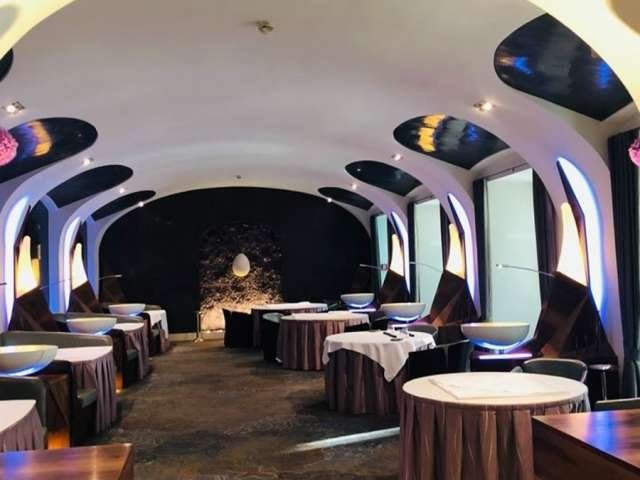
Bars in Vienna
All bars in Vienna →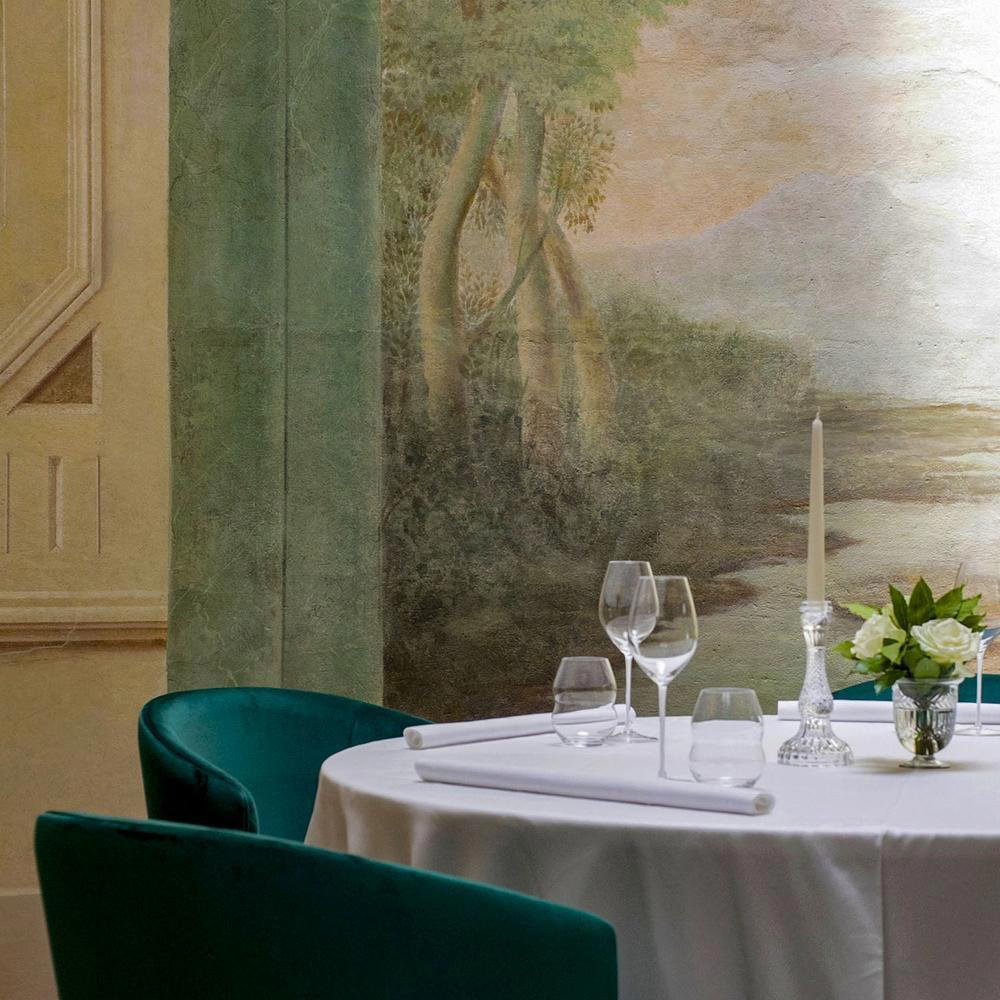
Details
- Cozy
- Modern
- Trendy
- Romantic
- Date Night
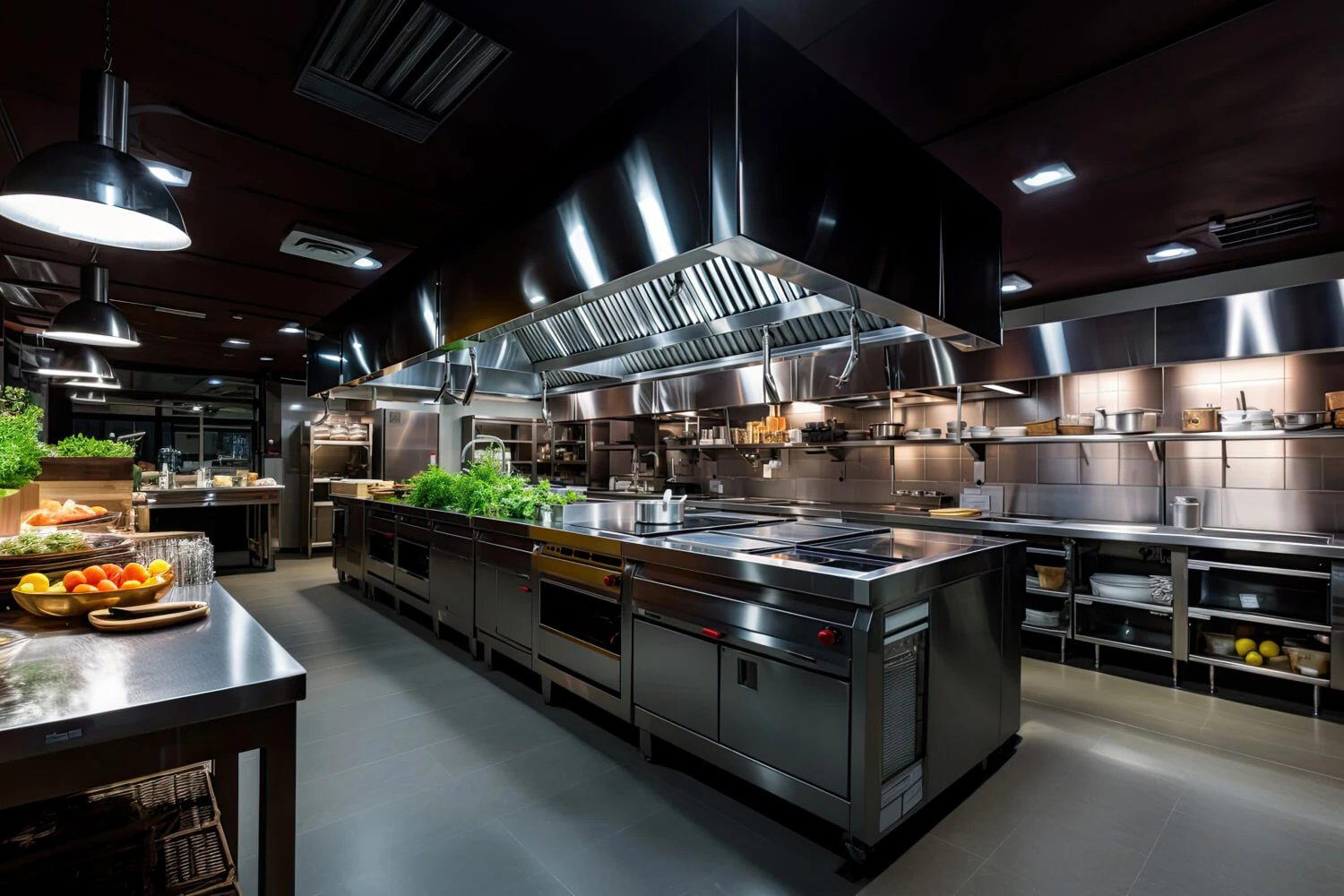
- Open Kitchen
- Craft Cocktails
- Omakase
- A La Carte
- Small Plates
- Sake Program
Current opening hours
- Monday
- 12–2:30 PM, 5:30–10:30 PM
- Tuesday
- 12–2:30 PM, 5:30–10:30 PM
- Wednesday
- 12–2:30 PM, 5:30–10:30 PM
- Thursday
- 12–2:30 PM, 5:30–10:30 PM
- Friday
- 12–2:30 PM, 5:30–10:30 PM
- Saturday
- 12–2:30 PM, 5:30–10:30 PM
- Sunday
- Closed
Hours can change for holidays and private events. Hours as of .
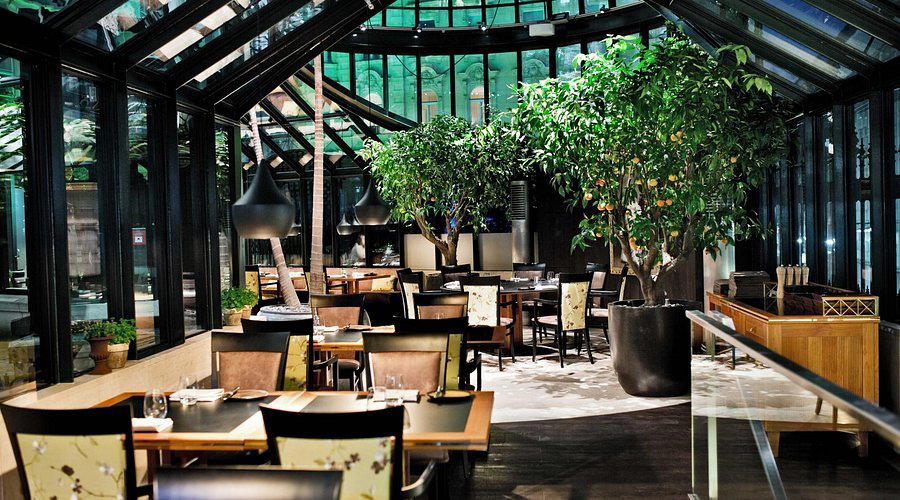
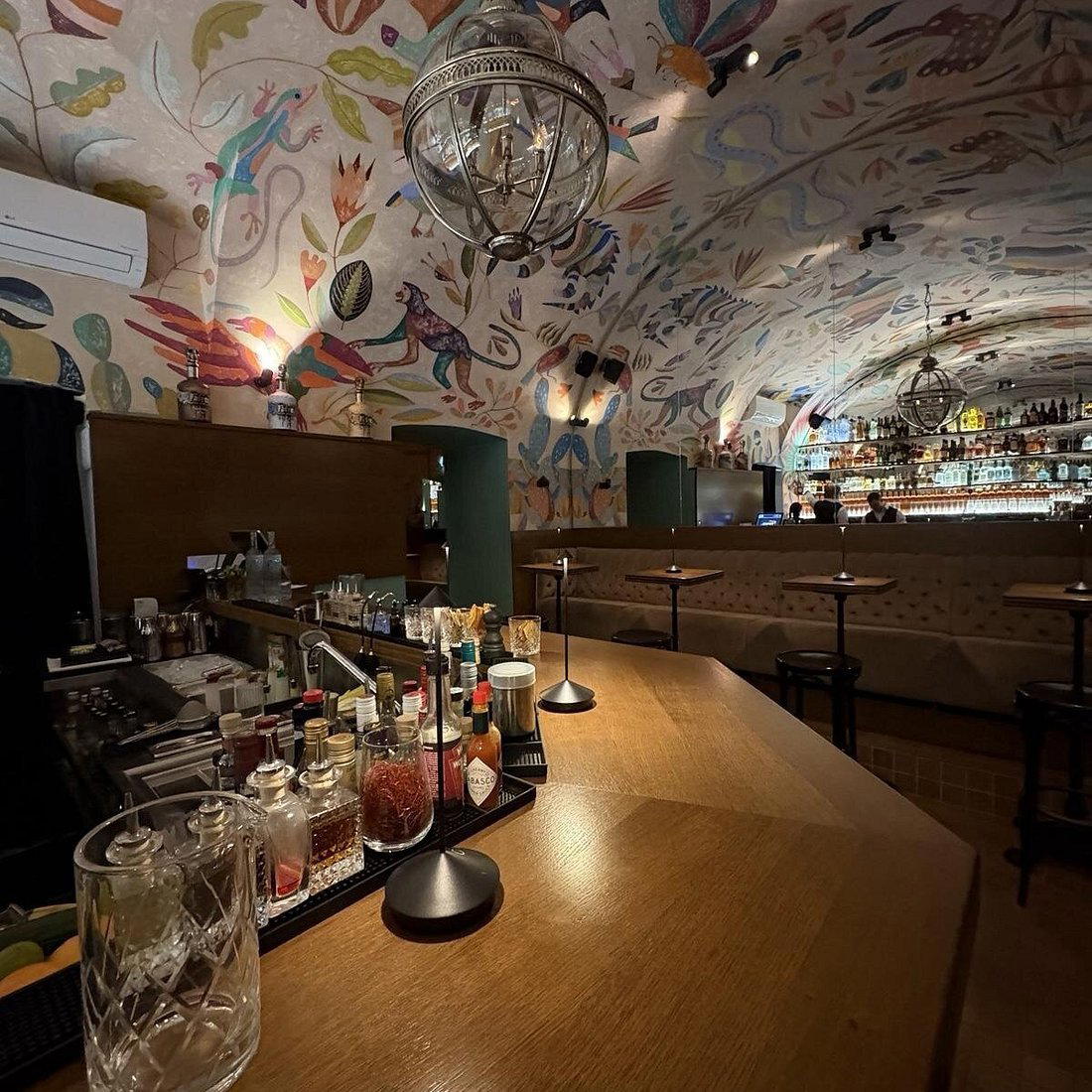
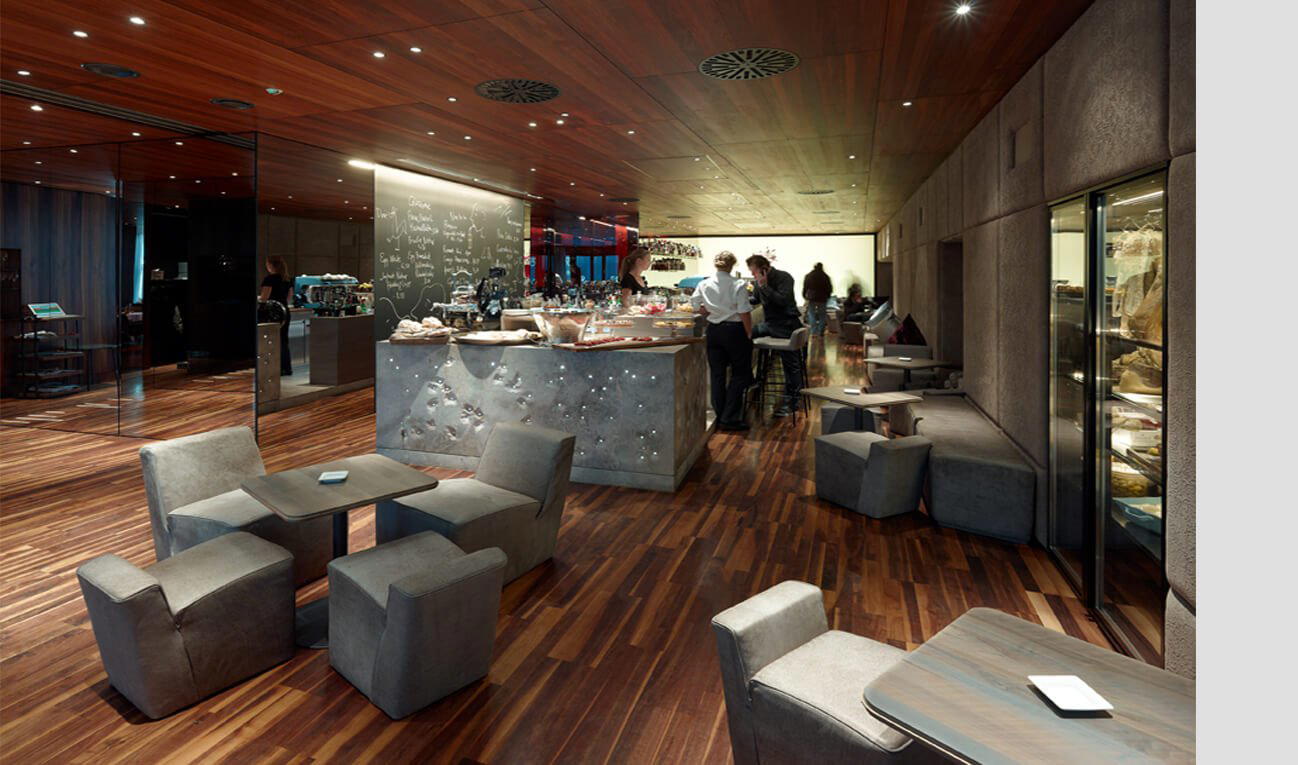
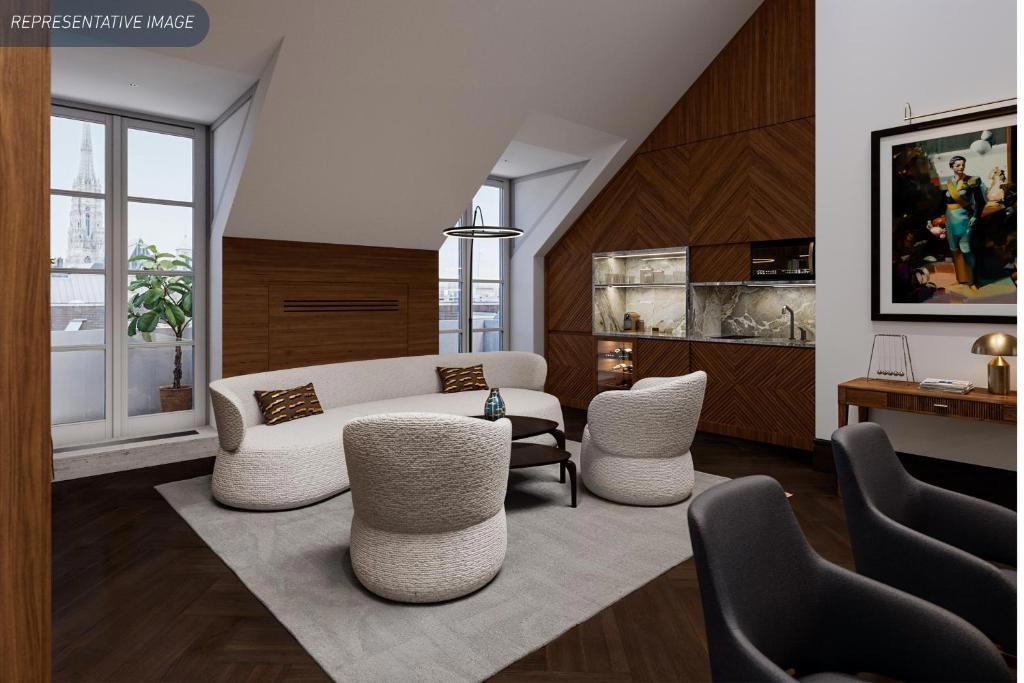
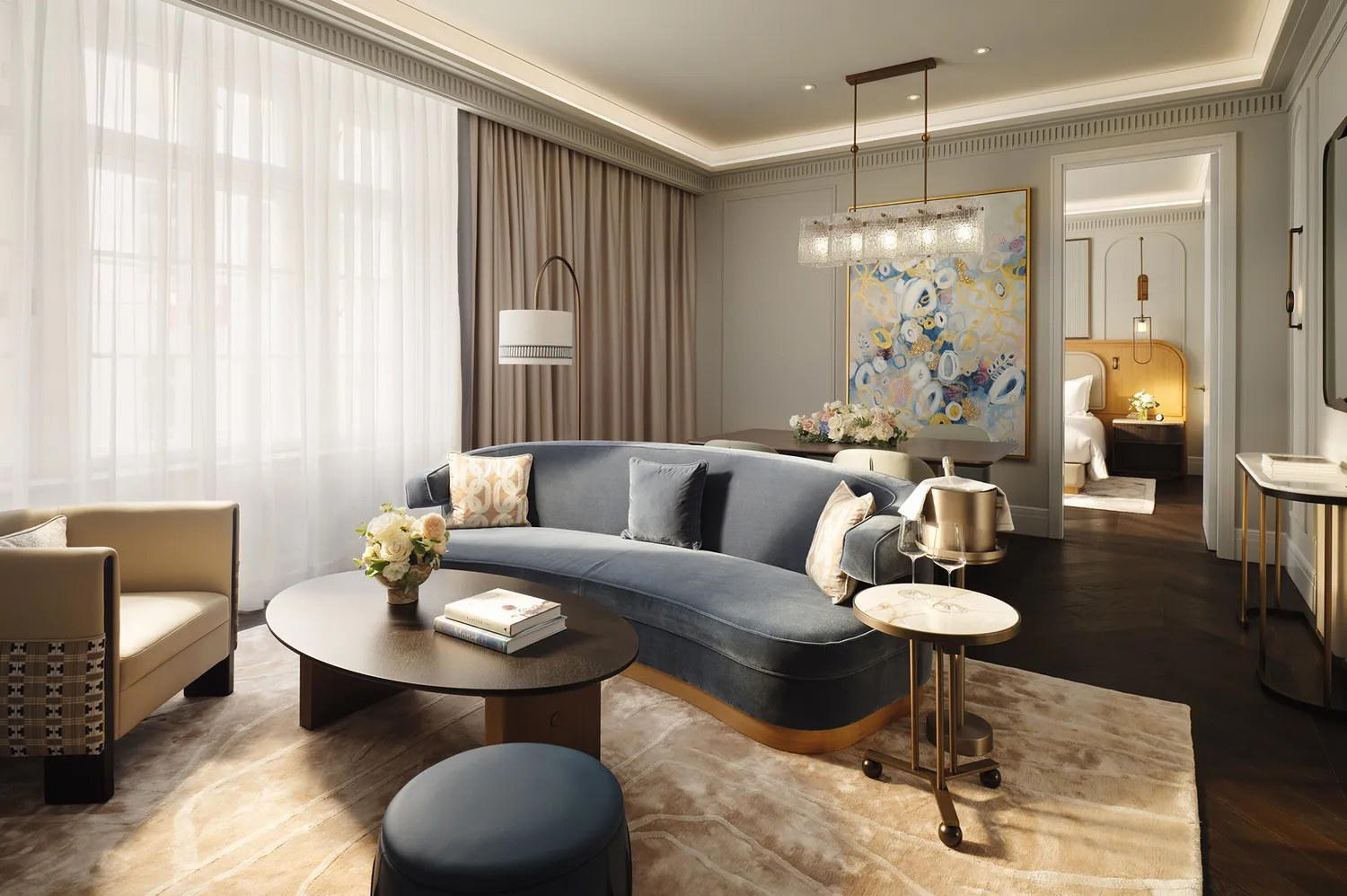
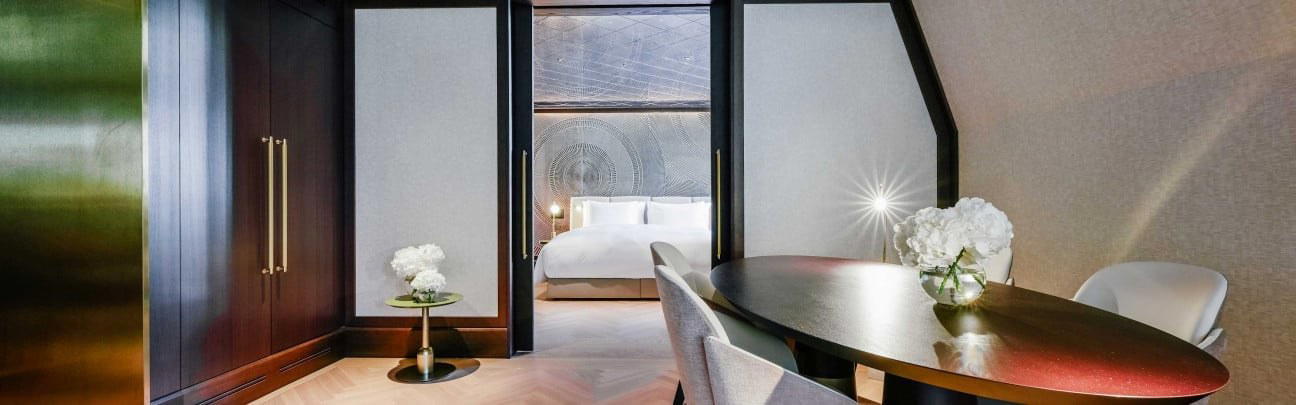
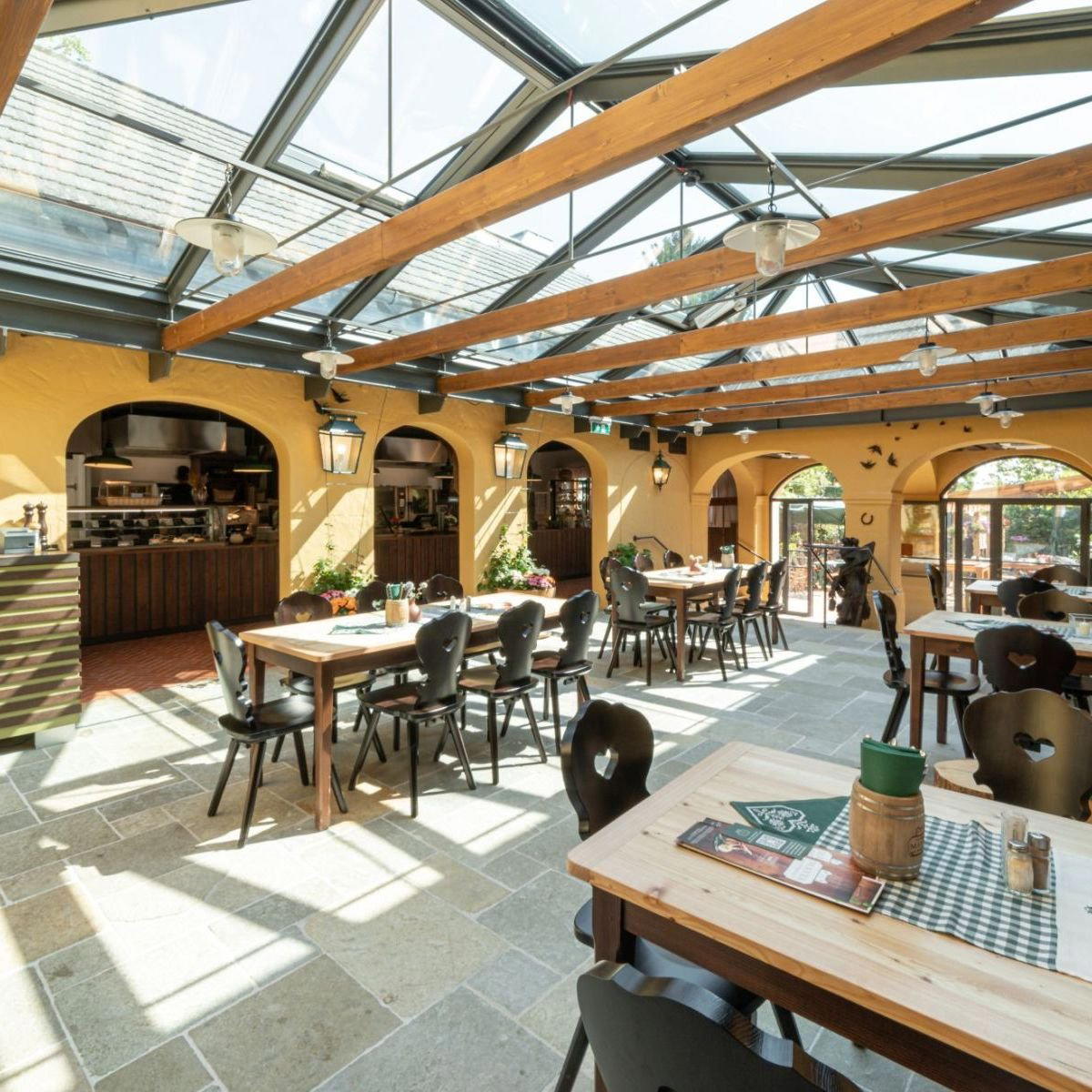
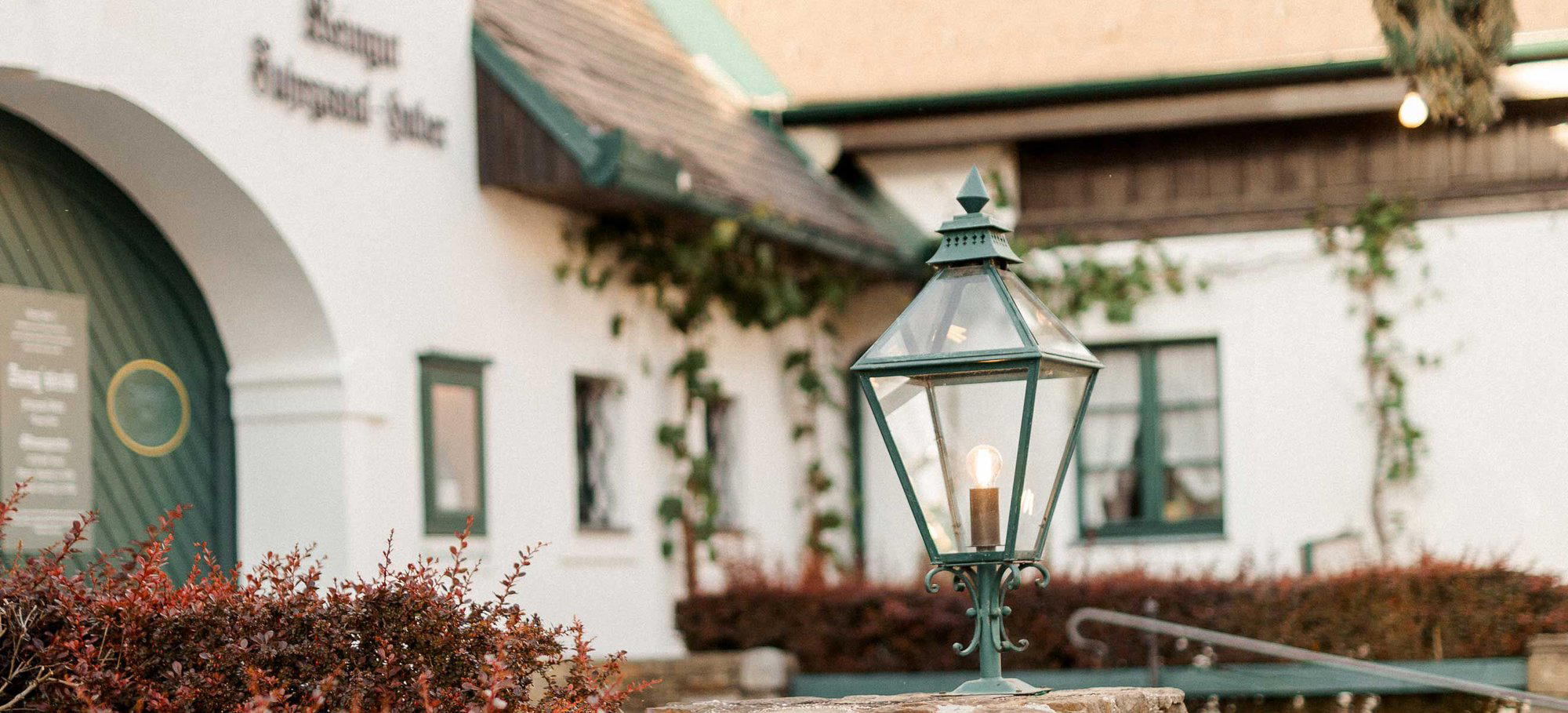
Modern and cozy interior with courtyard views, artsy vibe, casual yet romantic atmosphere.