
A fourth-generation oden counter on Kiritoshi Alley in Gion, Oito holds a Michelin Bib Gourmand for a single-item lunch format built around a broth handed down through the family since the venue's founding. Daikon, eggs simmered for days, beef tendon, and takikomi-gohan compose a meal that sits well outside Kyoto's kaiseki register, quieter in register, longer in lineage.
Pearl is the En Primeur Club membership app — saves, bookings, and concierge access live there. Same editors, same standards.
- Address
- Japan, 〒605-0073 Kyoto, Higashiyama Ward, 祇園町北側253
- Phone
- +81 75-561-3575
- Directions
- Get directions
 Saves & bookings on Pearl
A Townhouse Counter in the Geisha District
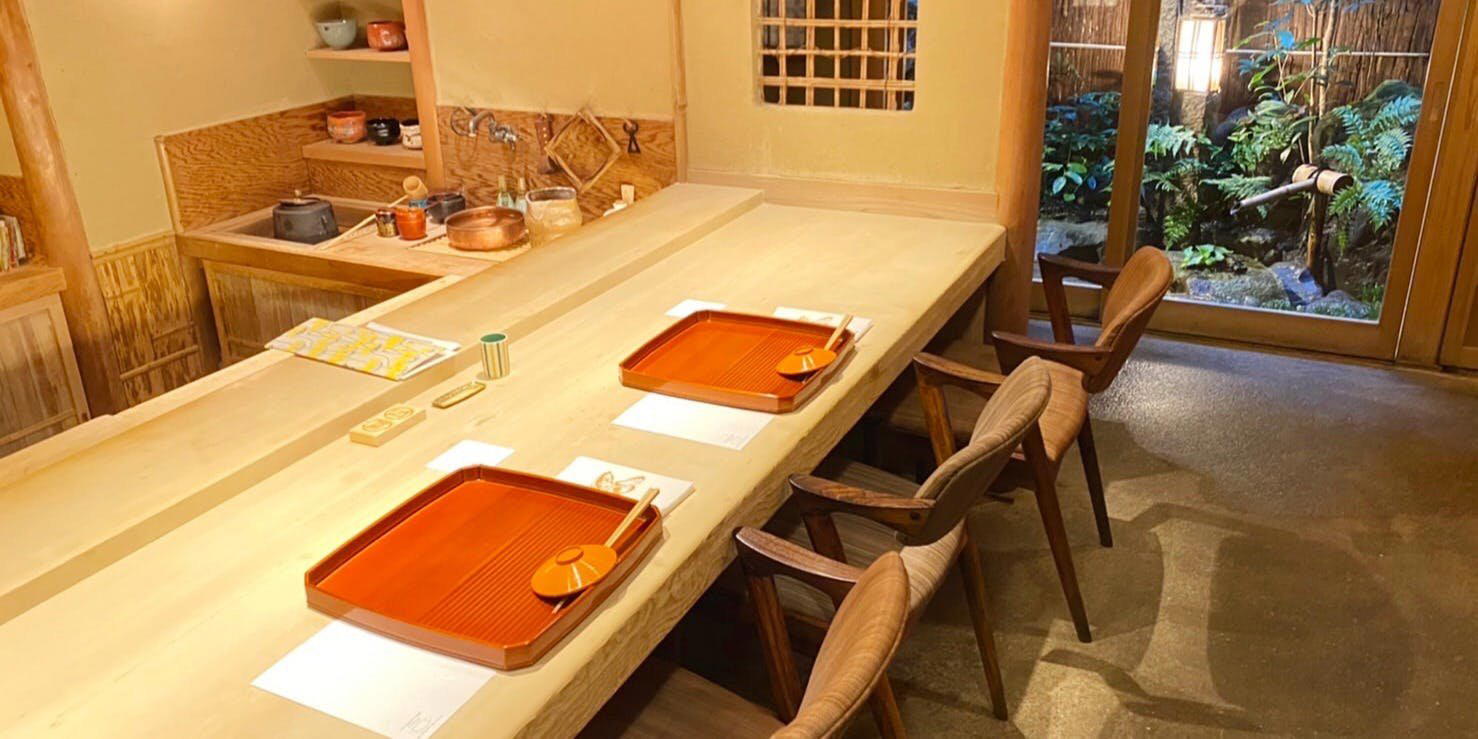
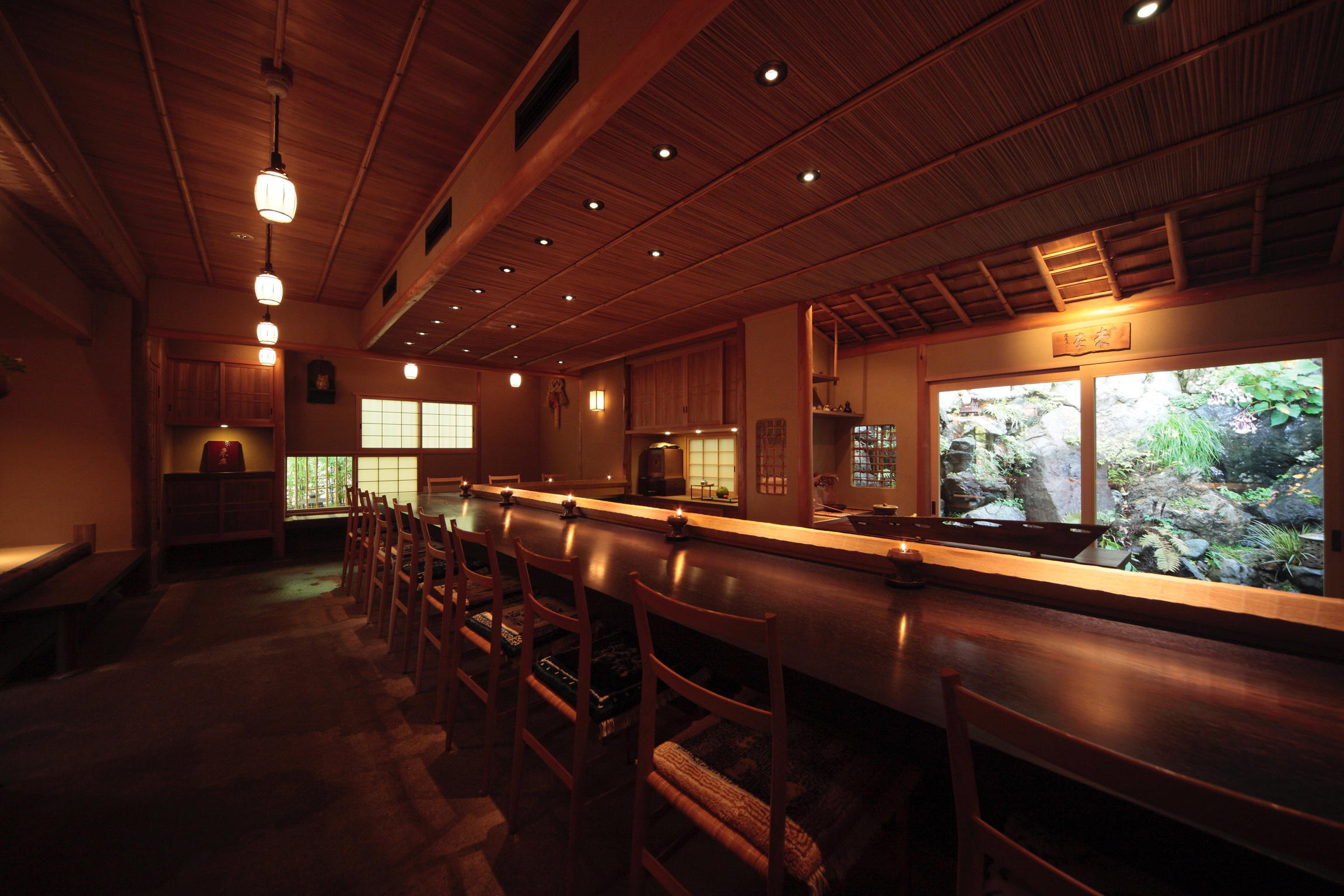
Kiritoshi Alley cuts through Gion's northern side in the kind of half-light that makes the neighbourhood feel continuous with an earlier century. The building here follows the traditional townhouse format, narrow frontage, wood and plaster, proportioned for a street where foot traffic moves at a deliberate pace. Inside, portraits of maiko line the walls, tying the space to the geisha-district context rather than reaching for a more generic rustic aesthetic. This is the physical setting for one of Kyoto's most disciplined lunch formats: a single-menu oden counter with four generations of recorded history behind the broth.
Oden occupies a particular position in Japanese food culture, a winter staple across the country, but one that varies significantly by region. Kanto-style broth runs darker and saltier; Kansai-style, which covers Kyoto and Osaka, tends toward a clearer, kombu-forward base that lets individual ingredients express themselves. Oito's broth, described in the venue's own records as having a deep, lustrous colour, sits within that Kansai lineage but carries the additional complexity of a stock maintained and built upon across generations. The founder's original preparation has not been replaced; it has been continued.
One Menu, Multiple Decisions
The format is not unusual for this category of specialist counter, but the discipline with which it is applied here is worth noting. Lunch consists of five oden items chosen by the diner, accompanied by takikomi-gohan, a seasoned rice cooked with vegetables and sometimes meat or seafood. The selection process is where most of the meaningful variation occurs. Daikon appears in several preparations, each absorbing flavour from the broth at a different rate and texture. Eggs are simmered for days rather than hours, producing a depth of colour and flavour that marks them as a different object from the soft-boiled eggs that appear in casual izakaya oden. Beef tendon, when available, is among the more requested items, and the venue's own recommendation pairs it with tofu or konnyaku, the tendon's richness balanced against ingredients that carry the broth rather than competing with it.
The logic of that pairing speaks to something broader about how oden functions as a considered meal rather than a casual one. The composition of five items is effectively the diner's editorial work, and getting it right, balancing textures, weights, and broth absorption, produces a more coherent bowl. For a special occasion lunch in Kyoto, this format offers something that the formal kaiseki rooms of Gion Sasaki or Hyotei do not: total informality, full engagement with the ingredient, and a price point (¥¥) that puts it well below the ¥¥¥¥ tier those rooms occupy.
Occasion Dining at a Different Register
Most Kyoto occasion dining defaults to the kaiseki format, sequential courses, lacquerware, a choreographed progression from raw to simmered to grilled. It is a format with genuine depth, and venues like Isshisoden Nakamura execute it at a high level. But the assumption that celebration requires ceremony, or that a milestone meal must involve multiple hours and multiple courses, misses what a place like Oito offers.
The Michelin Bib Gourmand, awarded in 2025, signals something specific in the Guide's framework: quality that meaningfully exceeds what the price would lead you to expect. The Bib Gourmand operates as a different kind of recognition, one that speaks directly to the value proposition at a ¥¥ counter. For travellers planning a Kyoto itinerary around food, this category of recognition often identifies the meals that prove most memorable, not because of theatre, but because of specificity and depth.
The generational story matters here not as biography but as evidence. Chef Sergey Pak maintains that continuity at the counter. Across the lane from where geisha have walked for centuries, a lunch that costs a fraction of Kyoto's formal dining scene carries a lineage that many ¥¥¥¥ rooms cannot match. That asymmetry is part of what makes it an appropriate choice for a meal you want to remember.
Oden in Kyoto vs. Osaka
Gion is not the only address for serious oden in the Kansai region. Osaka runs its own oden tradition, and venues like Man-u and Yoshitaka operate in a city where the format is integrated into everyday eating at multiple price points. The Kyoto version, as expressed at Oito, is more contained, a single lunch offering in a district better known for kaiseki, tea ceremony, and the preservation of formal craft traditions. That narrowness of focus is consistent with how Gion operates more broadly: fewer things, done with more attention.
For visitors building a broader Japan itinerary, the contrast holds across cities. Harutaka in Tokyo, HAJIME in Osaka, akordu in Nara, Goh in Fukuoka, 1000 in Yokohama, and 6 in Okinawa each represent their respective city's high-commitment dining at a different register. Oito sits apart from all of them, not competing for the same occasion, but filling a category that serious itinerary-builders tend to seek out: a specialist, credentialed, deeply specific lunch that carries more weight than its price suggests.
Within Gion's Eating Geography
The northern side of Gion, where Oito sits at 祇園町北側253, holds several restaurants operating in the mid-tier register. Takocho and Fuyacho 103 both operate nearby in a similar price range, each with a specific format that rewards advance research rather than walk-in improvisation. The neighbourhood pattern is consistent: small operations, fixed or limited menus, counters or intimate rooms. Oito fits that pattern exactly, and the Kiritoshi Alley address places it within walking distance of the Yasaka Shrine approach and the Hanamikoji street that most visitors use to enter Gion from the south.
The alley itself is worth the minor navigation effort. Gion's main streets carry tourist volumes; the side alleys, particularly around the Kiritoshi crossing, retain a quieter character that the neighbourhood's reputation depends on but that is increasingly rare in practice.
Planning Your Visit
Oito operates as a lunch counter with a fixed single-menu format. Format: Five oden items of the diner's choice, plus takikomi-gohan. Price range: ¥¥ (Michelin Bib Gourmand 2025). Address: Kiritoshi Alley, Gion, Higashiyama Ward, Kyoto (祇園町北側253). Booking: Reservation essential. Getting there: Gion-Shijo Station (Keihan Main Line) puts you in the neighbourhood's southern entry; Kiritoshi Alley is a short walk north through the district.
Cuisine and Recognition
Comparable venues nearby, for context on price, style, and recognition.
| Venue | Cuisine | Price | Awards | Notes |
|---|---|---|---|---|
| OitoThis venue — the venue you are viewing | Traditional Japanese Oden | $$ | Bib Gourmand | Not listed |
| Gombei | Traditional Kyoto Soba & Udon | $$ | Bib Gourmand | Higashiyama |
| Saketosakana DNA | Japanese Izakaya with Fresh Seafood | $$ | Bib Gourmand | Shimogyō |
| Ikkon Uehara | Kyoto Kappo and Kaiseki | $$ | Bib Gourmand | Kita |
| Choshoku Kishin | Traditional Japanese Breakfast | $$ | Bib Gourmand | Higashiyama |
| Itsutsu | Luxury Soba Kaiseki | $$$ | Bib Gourmand | Kita |
Recognition history
Dated appearances from independent guides and award organizations, with the underlying list record or original source where available.
Michelin Bib Gourmand
Michelin
Michelin Bib Gourmand
Michelin
Michelin Bib Gourmand
Michelin
Continue exploring
More in Kyoto
Restaurants in Kyoto
Browse all →
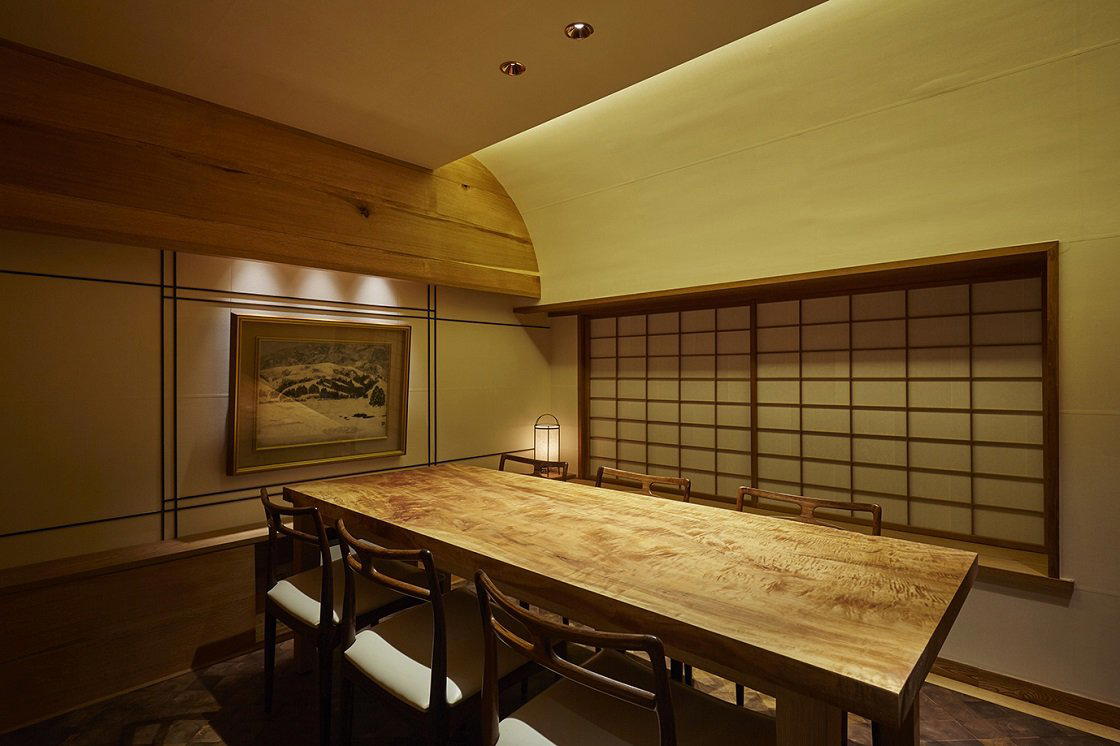
Bars in Kyoto
Browse all →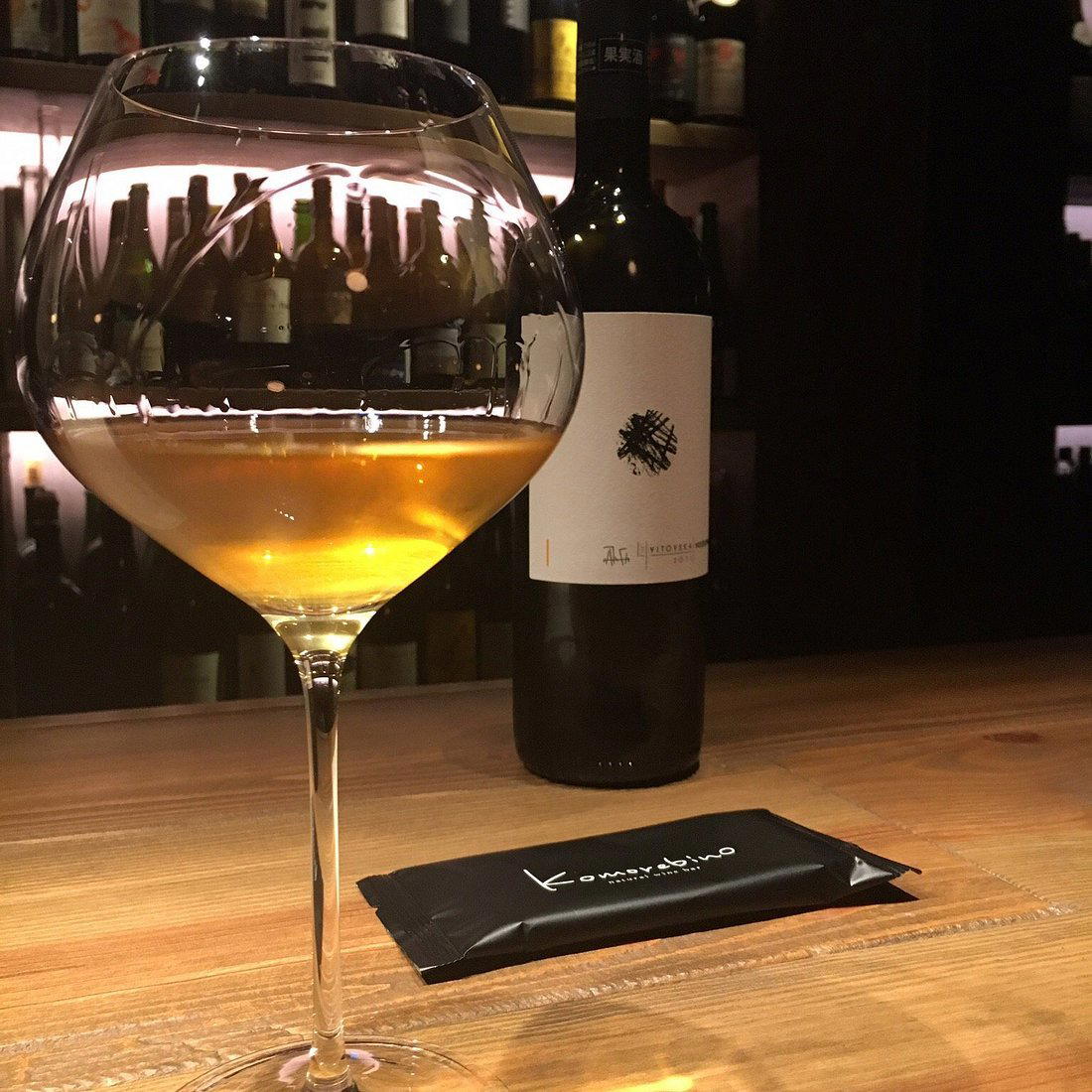
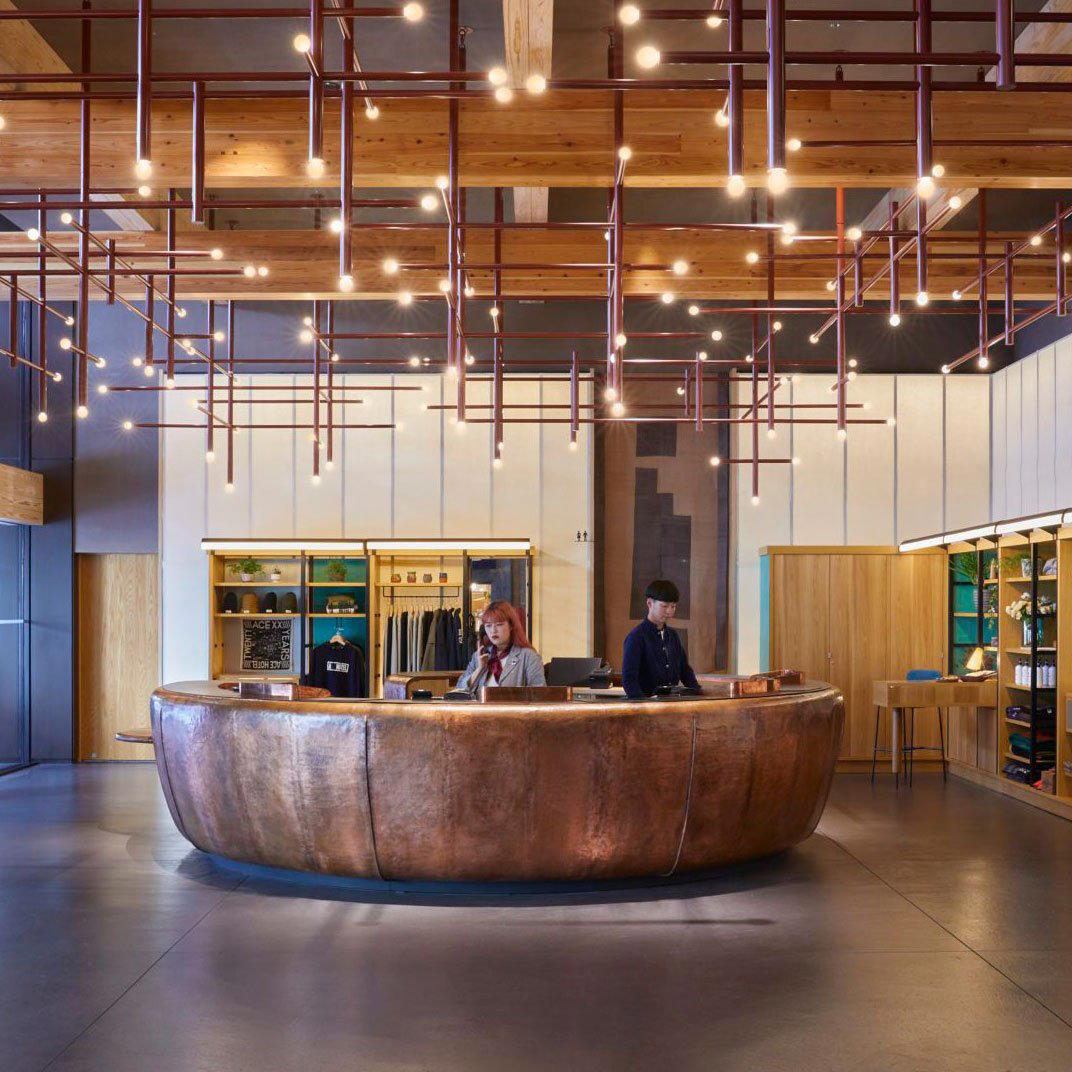
Hotels in Kyoto
Browse all →
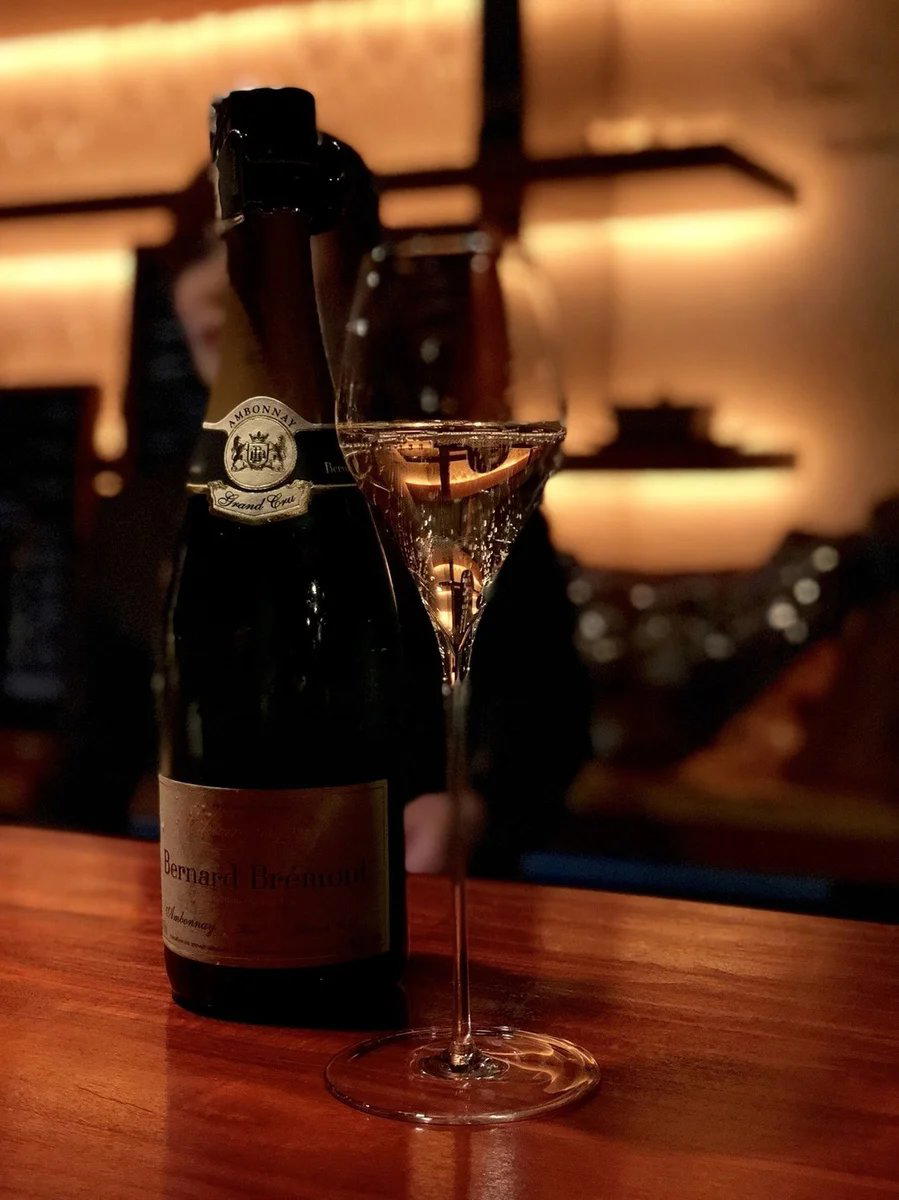
Wineries in Kyoto
Browse all →
At a Glance
- Cozy
- Intimate
- Classic
- Solo
- Special Occasion
- Open Kitchen
- Sake Program
Current opening hours
- Monday
- 12–1 PM
- Tuesday
- Closed
- Wednesday
- Closed
- Thursday
- 12–1 PM
- Friday
- 12–1 PM
- Saturday
- 12–1 PM
- Sunday
- 12–1 PM
Hours can change for holidays and private events. Last verified .
Cozy townhouse atmosphere with portraits of maiko on walls, warm aromas of simmering dashi, and intimate counter seating evoking geisha-district charm.