
Tucked inside a mixed-use complex on Owaricho, Fuyacho 103 is a Michelin Bib Gourmand oden counter where wood-panelled warmth and a coffered ceiling set the scene for a menu that spans classic daikon and deep-fried tofu alongside Italian-inflected additions like caciocavallo cheese and dashi-paired steak. At a mid-range price point, it represents Kyoto's quieter, more personal register of dining.
Pearl is the En Primeur Club membership app — saves, bookings, and concierge access live there. Same editors, same standards.
- Address
- 225 Owaricho, Nakagyo Ward, Kyoto, 604-0934, Japan
- Phone
- +81 75-213-8080
- Website
- instagram.com
- Directions
- Get directions
 Saves & bookings on Pearl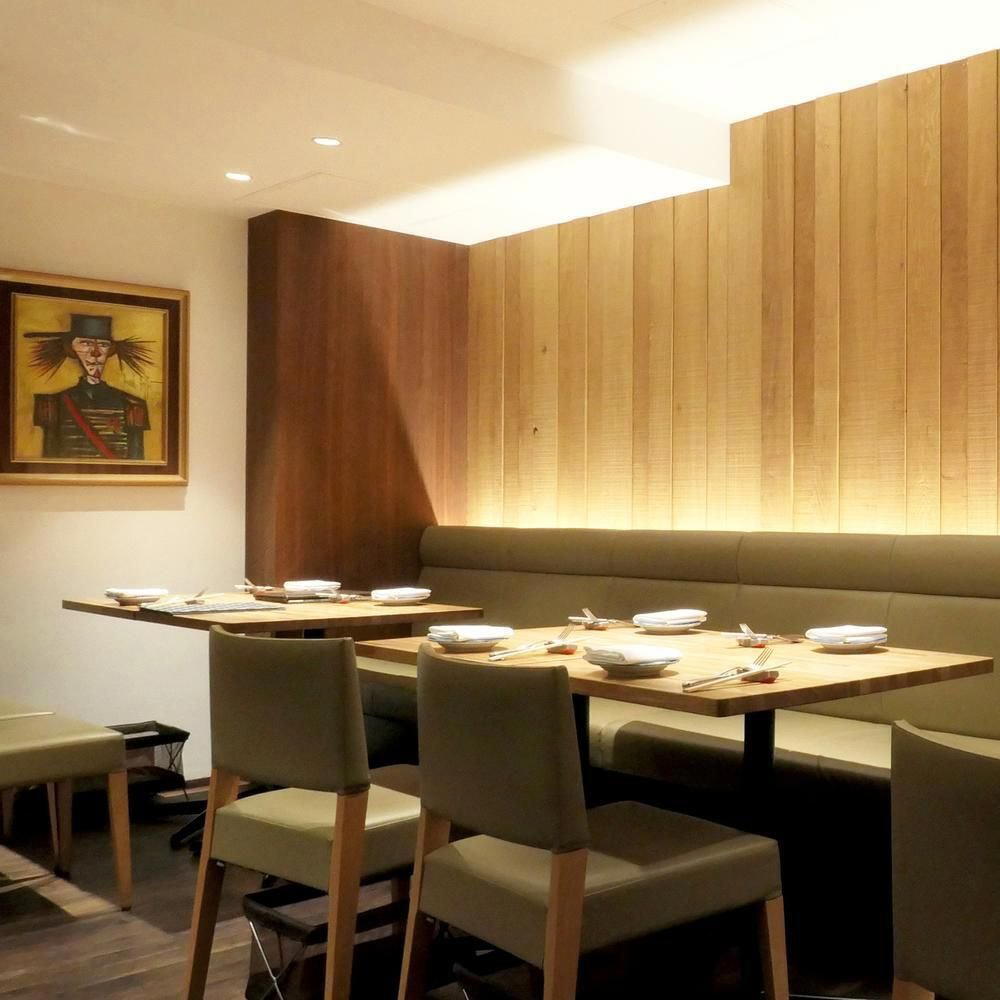
Wood, Steam, and the Geometry of a Good Oden Counter
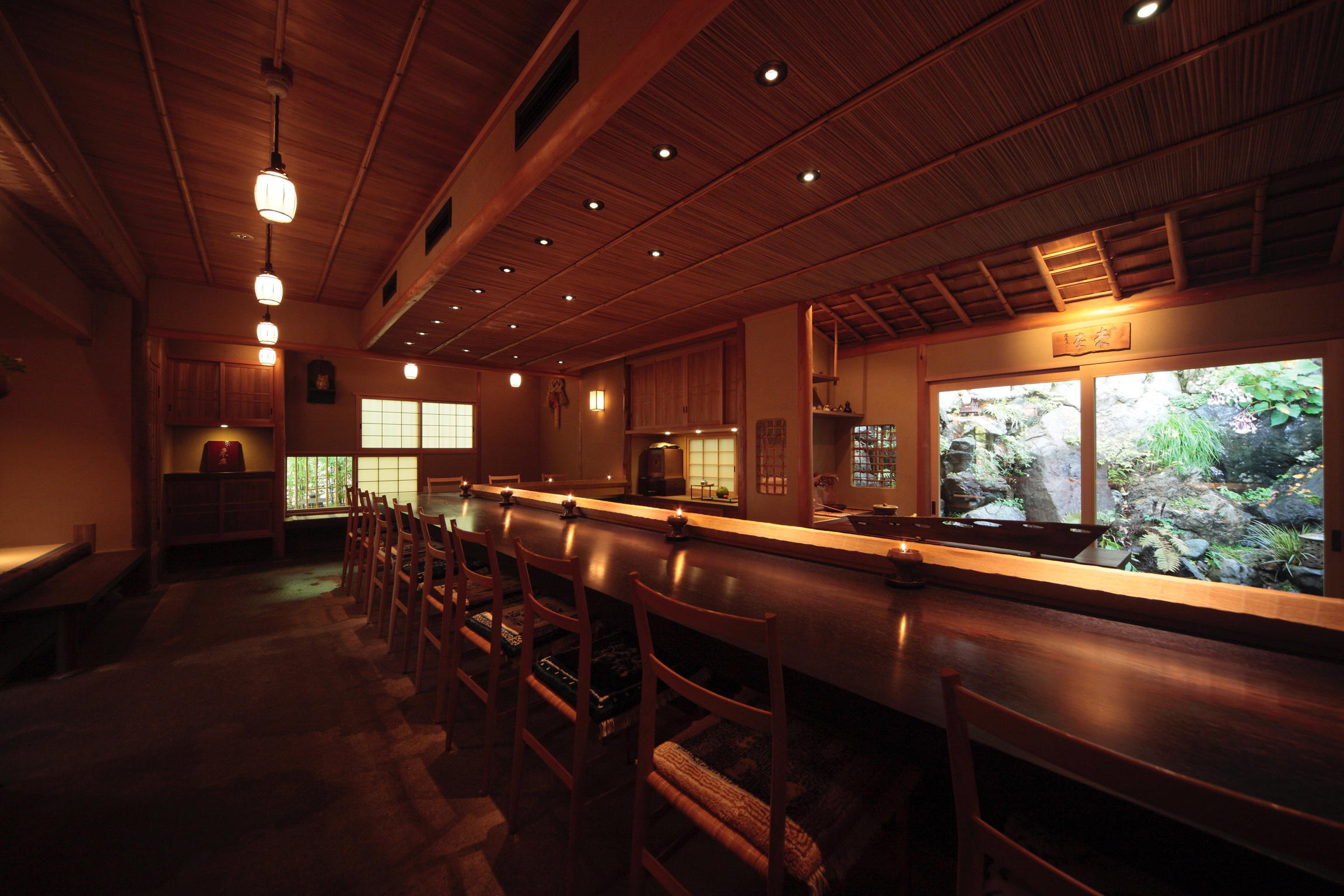
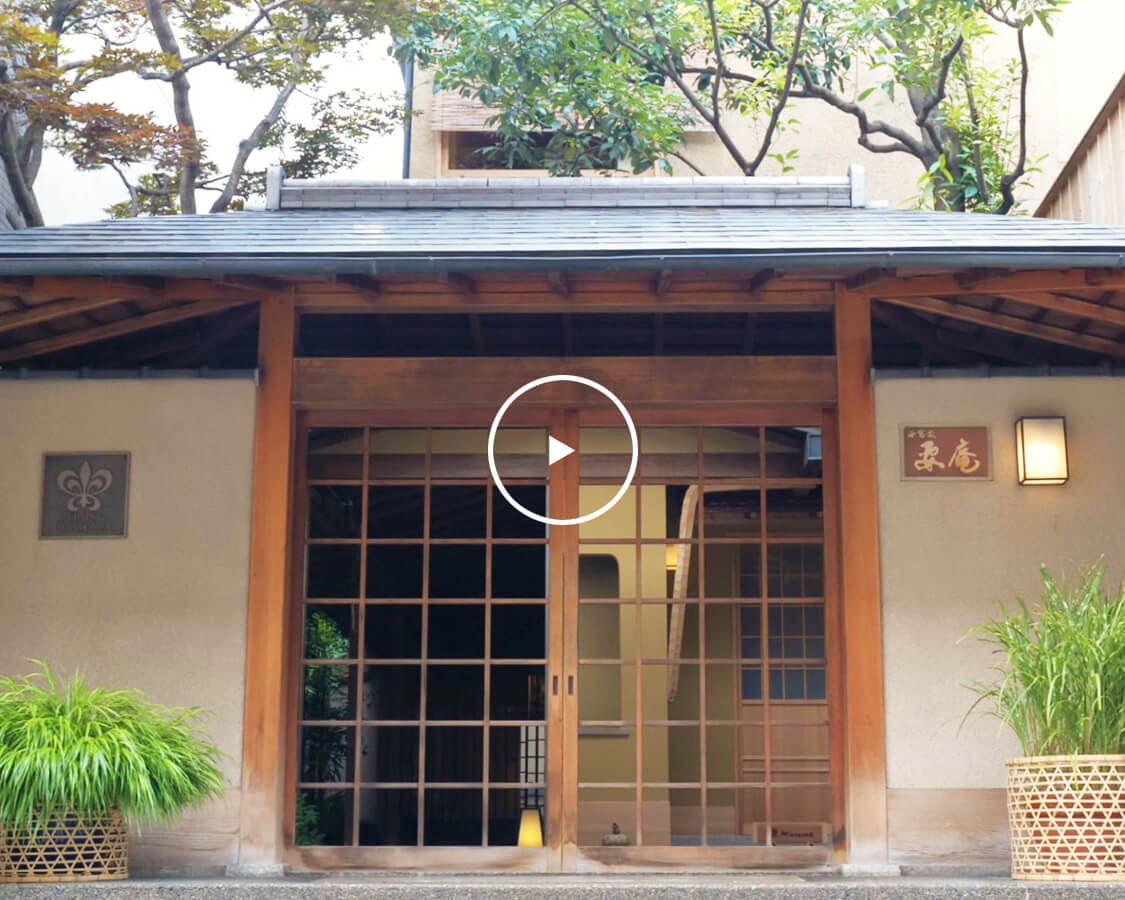
The address is also the name. Fuyacho 103 occupies a unit inside a mixed-use building on Owaricho in Nakagyo Ward, and the decision to use the postal number as the restaurant's identity signals something about how the place positions itself: without fanfare, without a curated brand story. The threshold, once crossed, delivers something quite different from the anonymous exterior. Wood panelling lines the walls and the ceiling is coffered in a pattern that mirrors, deliberately or not, the partitioned sections of a traditional oden pot. The formal reference to the dish being cooked is quiet but consistent, and the physical warmth of the interior matches the warmth of the broth itself.
Oden occupies an interesting position in Japanese food culture. It is everyday food, the kind sold from convenience store vats and pushed through city winters on mobile carts, yet it is also a format that rewards serious attention. The long, slow simmering of ingredients in a light, often kombu-and-bonito dashi creates a dish where restraint in seasoning and quality of ingredient make the difference between something forgettable and something that holds your attention across multiple rounds of ordering. Kyoto's version tends toward a cleaner, paler dashi than the darker Kanto-style broths common in Tokyo, and the city's kaiseki tradition has always prized that kind of transparency in a cooking liquid.
Where Italian Training Meets Dashi Logic
What distinguishes Fuyacho 103 from a standard oden counter is the kitchen's previous life in Italian cuisine. The menu carries the conventional anchors of the format: daikon radish and deep-fried tofu are present, and they function as the grounding point for first-time visitors. But the same menu includes caciocavallo cheese, a stretched-curd southern Italian cheese with a firm, slightly tangy character that takes on a slow-simmered warmth when introduced to the oden pot. The logic is coherent once you understand both traditions: Italian cooking has always been interested in how heat, time, and fat transform a modest ingredient, and oden is built on exactly that principle.
The steak preparation follows the same cross-cultural thinking. Taking a structural cue from bistecca alla Fiorentina, where quality of cut and simplicity of treatment are the whole argument, the dish pairs the steak with oden dashi rather than the olive oil and aromatics of the Tuscan version. The dashi absorbs and amplifies the meat's character in a way that the Florentine tradition would understand, even if the execution is entirely Japanese. This kind of translation is not novelty for its own sake. It reflects a kitchen that has thought seriously about where two culinary systems share underlying logic.
Within Kyoto's broader dining geography, this approach places Fuyacho 103 in a specific niche. The city's headline addresses, from the three-Michelin-starred kaiseki precision of Gion Sasaki to the multi-generational Japanese formality of Hyotei and Isshisoden Nakamura, all operate at the ¥¥¥¥ tier and demand considerable planning and budget. The restaurant sits at ¥¥, a significant price distance from those rooms, and offers something those rooms are not set up to deliver: the informal rhythm of a counter meal built around a single, ancient cooking format that has been quietly rethought.
The Michelin Bib Gourmand Signal
The 2025 Michelin Bib Gourmand recognition matters here in a specific way. The Bib is awarded to restaurants that inspectors consider good value, and in a city where the kaiseki tier commands prices that price out most spontaneous dining, a Bib Gourmand counter with creative credentials and a coherent kitchen point of view is a useful finding for anyone spending serious time in Kyoto.
For comparison within the oden category specifically, Man-u and Yoshitaka in Osaka represent how the format plays in a city with a more assertive street-food tradition, where the dashi tends to be bolder and the atmosphere correspondingly louder. The restaurant reads as the Kyoto answer: more considered, spatially quieter, and shaped by the kind of culinary education that makes an Italian cheese feel at home in a Japanese broth.
Planning a Visit to Fuyacho 103
The restaurant is located at 225 Owaricho, Nakagyo Ward, in the central part of Kyoto that places it within reasonable walking distance of the Kawaramachi and Sanjo areas. The address doubles as the name, which is helpful when navigating to a building that gives little away from the street. The ¥¥ price positioning means a meal here is accessible without the advance planning that the city's high-end kaiseki rooms require, though the compact nature of oden counters and the restaurant's Bib Gourmand profile suggest that arriving without a reservation, particularly on a weekend or during peak seasons like cherry blossom in late March and April or autumn foliage in November, carries some risk of finding no space. Booking in advance is the sensible approach.
For other dining contexts in Kyoto, the city has depth across categories: If the Italian-Japanese crossover approach at the restaurant is of interest, akordu in Nara offers a different angle on European techniques meeting Japanese ingredients, and HAJIME in Osaka represents the full-scale version of that ambition at a different price register. For other Kyoto counter formats and informal dining, Oito and Takocho offer adjacent registers worth considering.
What Regulars Order at Fuyacho 103
The menu at the restaurant anchors itself in oden fundamentals: daikon radish and deep-fried tofu are the entry points that most diners use to orient themselves to the dashi's character before moving into the kitchen's more unusual contributions. The caciocavallo cheese and the dashi-paired steak are the clearest expressions of how the kitchen's dual background shapes the menu, and they are what distinguish an evening here from an oden counter working strictly within tradition. For first visits, the approach of ordering one or two classics first, then moving into the crossover dishes, reflects the underlying logic of how oden counters invite exploration: gradually, by rounds, with the broth deepening in flavour as the session continues.
Cuisine Context
Comparable venues nearby, for context on price, style, and recognition.
| Venue | Cuisine | Price | Awards | Notes |
|---|---|---|---|---|
| Fuyacho 103This venue — the venue you are viewing | Traditional Oden with Dashi Mastery | $$$ | Bib Gourmand | Not listed |
| Okuniya Mambei | Traditional Kyoto Unagi Kabayaki | $$$ | Michelin Plate | Nakagyō |
| Kikunoi Mugesambo | Kaiseki Bento Cafe | $$$ | Bib Gourmand | Shimogyō |
| Juu-go | Handmade 100% Buckwheat Soba | $$$ | Bib Gourmand | Sakyō |
| Vegan Ramen UZU | Modern Vegan Ramen | $$$ | Bib Gourmand | Nakagyō |
| Tsuroku | Kyoto Kappo | $$$$ | Michelin Plate | Nakagyō |
Recognition history
Dated appearances from independent guides and award organizations, with the underlying list record or original source where available.
Michelin Bib Gourmand
Michelin
Michelin Bib Gourmand
Michelin
Continue exploring
More in Kyoto
Restaurants in Kyoto
Browse all →
Bars in Kyoto
Browse all →
Hotels in Kyoto
Browse all →

Wineries in Kyoto
Browse all →
At a Glance
- Cozy
- Intimate
- Rustic
- Date Night
- Casual Hangout
- Special Occasion
- Open Kitchen
- Sake Program
Current opening hours
- Monday
- 5:30–11 PM
- Tuesday
- 5:30–11 PM
- Wednesday
- 5:30–11 PM
- Thursday
- 5:30–11 PM
- Friday
- 5:30–11 PM
- Saturday
- 5:30–11 PM
- Sunday
- 5:30–11 PM
Hours can change for holidays and private events. Last verified .
Cozy elbow-to-elbow seating with bossa nova tunes, dashi aromas, and rustic brick kitchen island.