Star Wine List
Our verdict
TAK occupies a considered space in Oslo's mid-to-upper dining tier, recognised on Star Wine List with a White Star for its wine program. Located at Sommerrogata 1 in the Frogner-adjacent quarter, the restaurant draws visitors looking for a serious yet accessible wine-led experience without the formality of Oslo's tasting-menu heavyweights. A sound choice for wine-focused evenings in the Norwegian capital.

Pearl is the En Primeur Club membership app — saves, bookings, and concierge access live there. Same editors, same standards.
- Address
- Sommerrogata 1, 0255 Oslo, Norway
- Phone
- +47 214 04 930
- Hours
- Mon ClosedTue 5–11 PMWed–Sat 5 PM–12 AMSun Closed
- Website
- sommerrohouse.com
- Directions
- Get directions
The menu
What to order
- King_crab
- Spicy_tuna
- Torched_salmon_nigiri
A Room That Does the Work
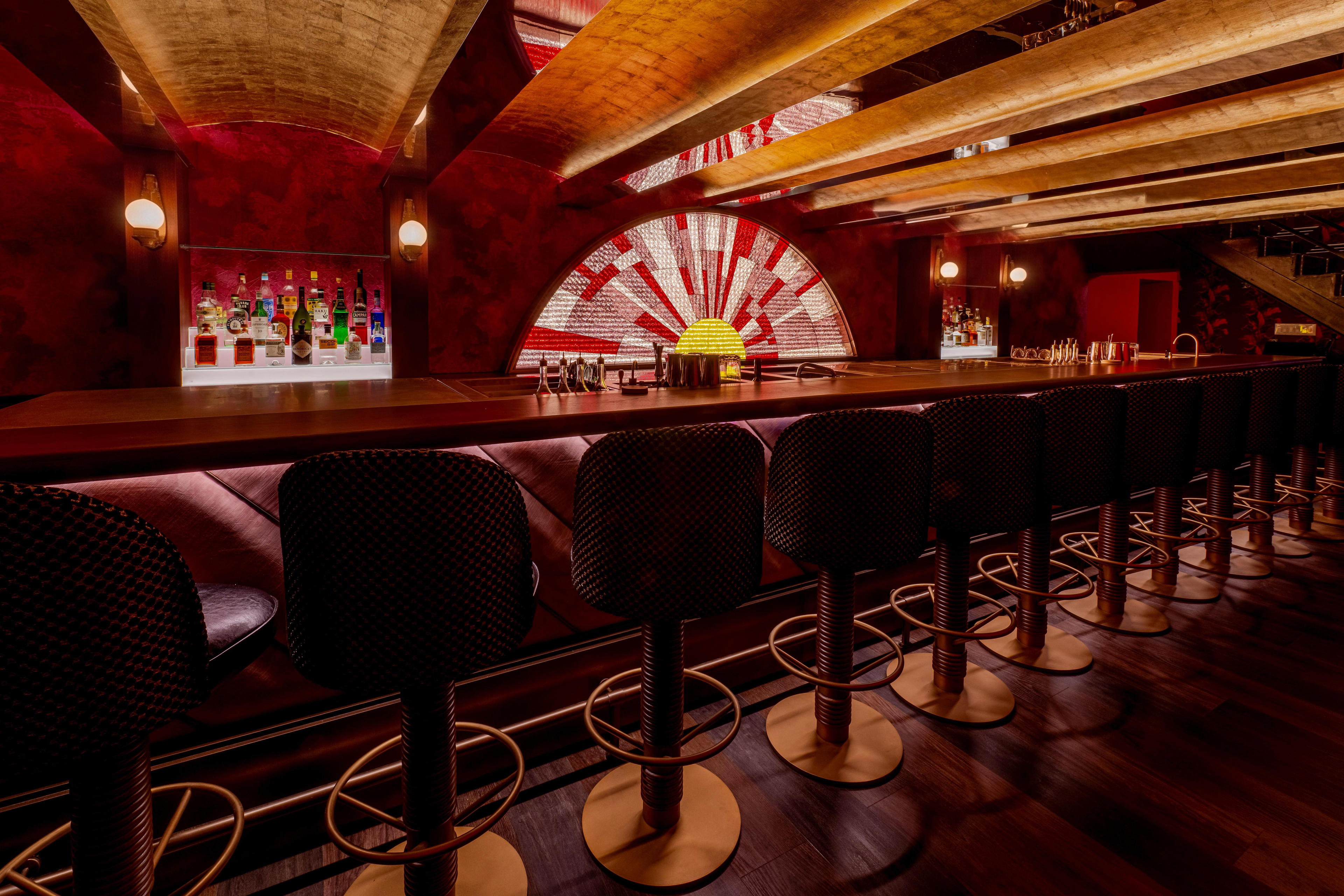
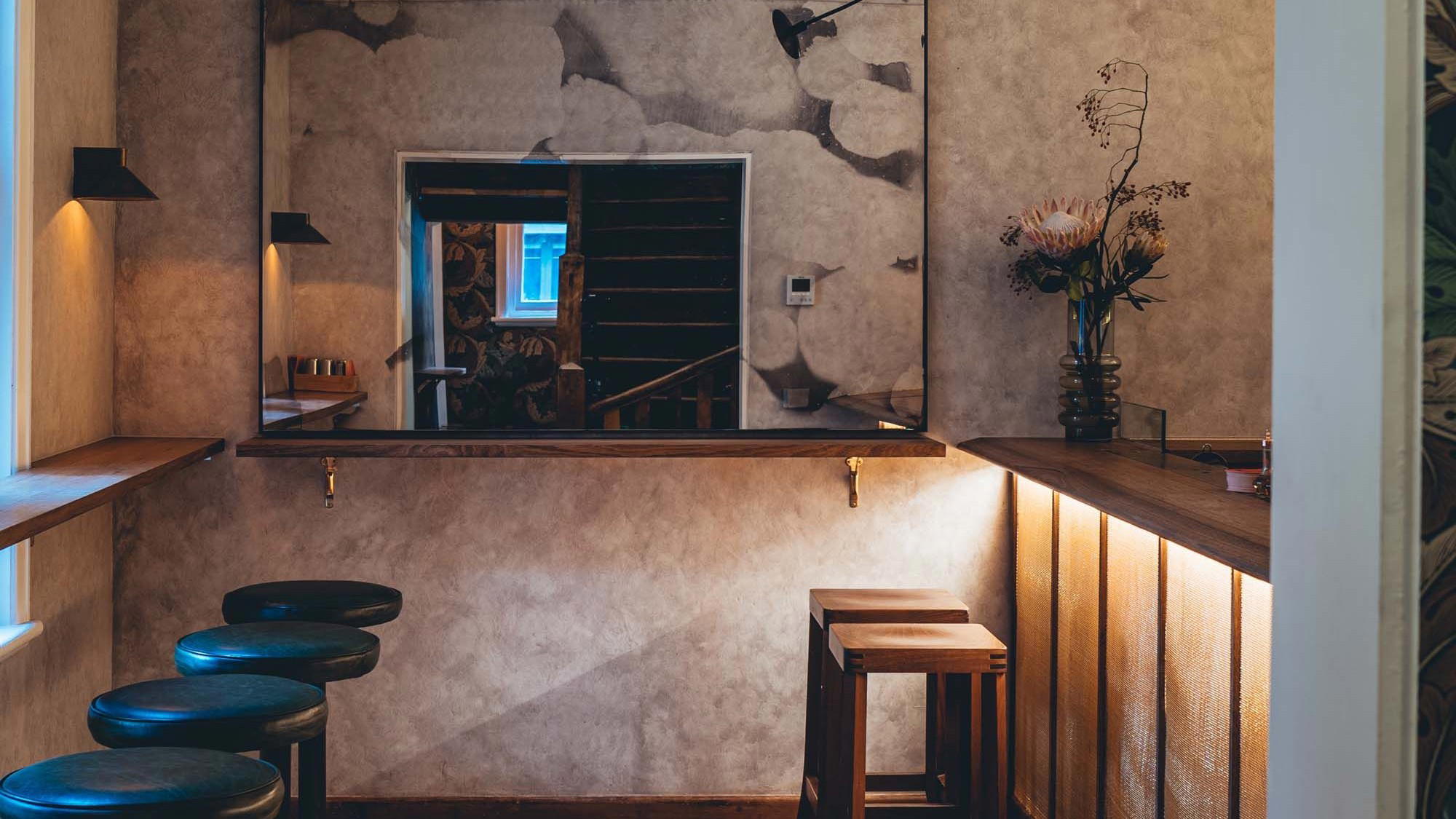
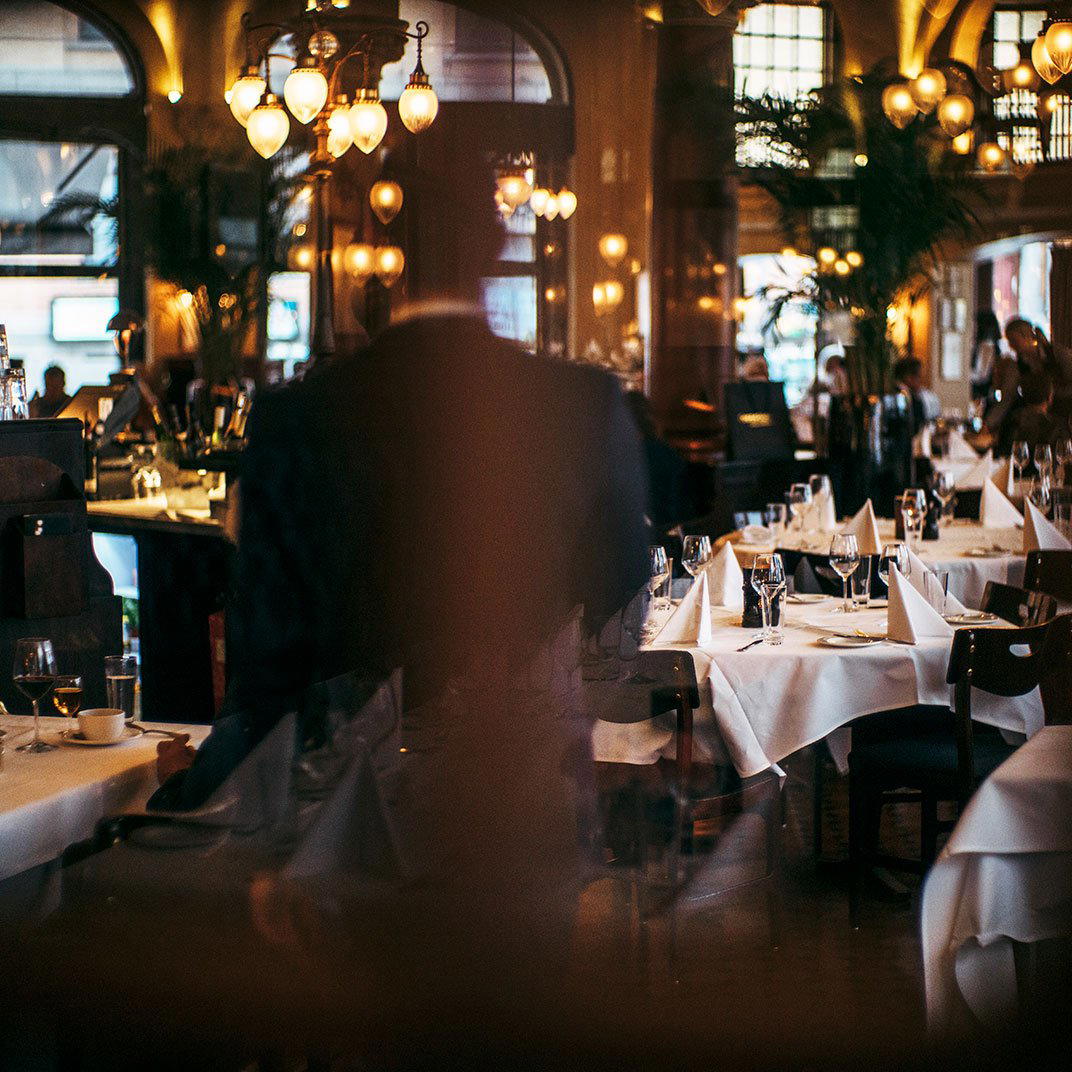
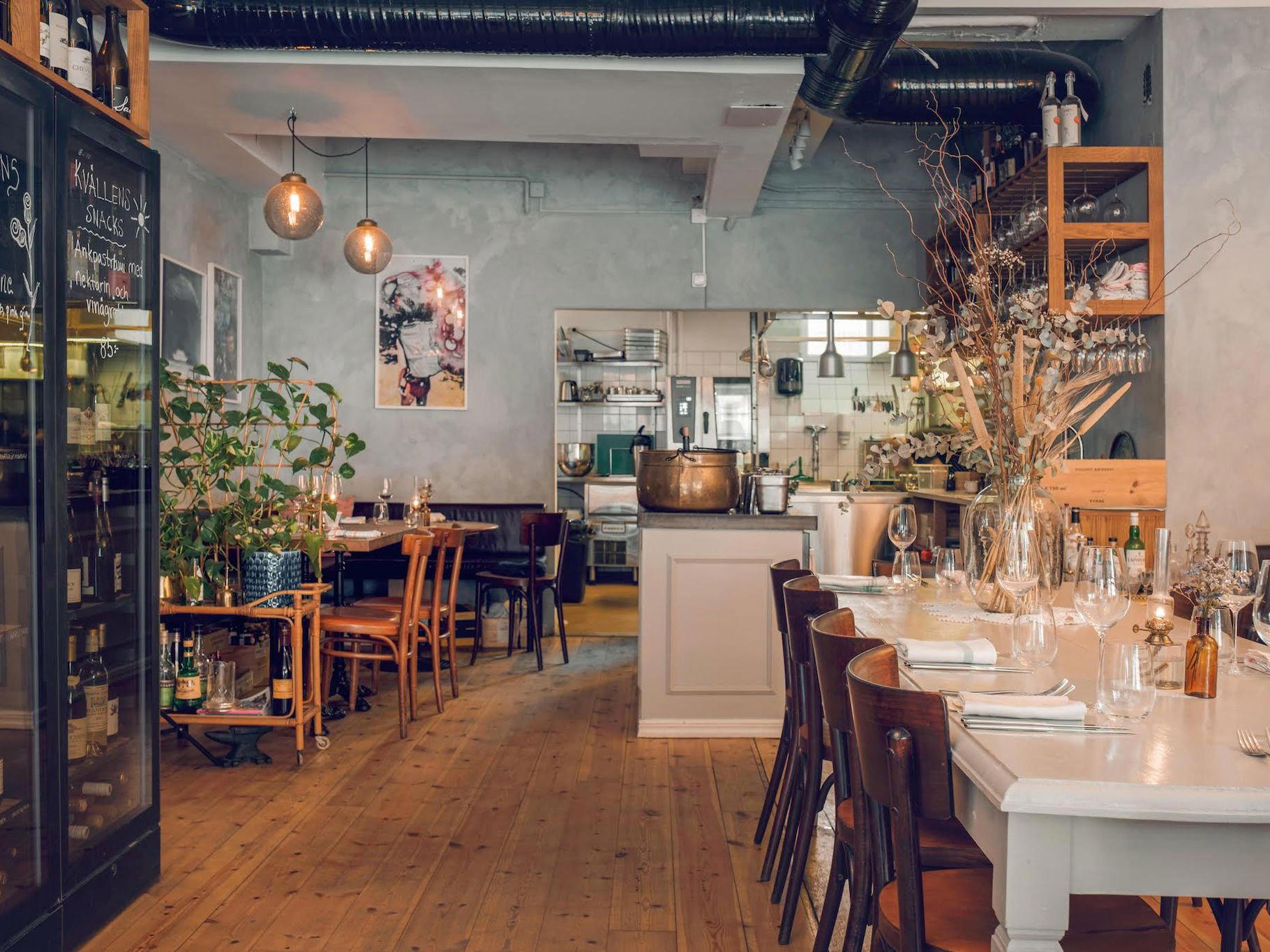
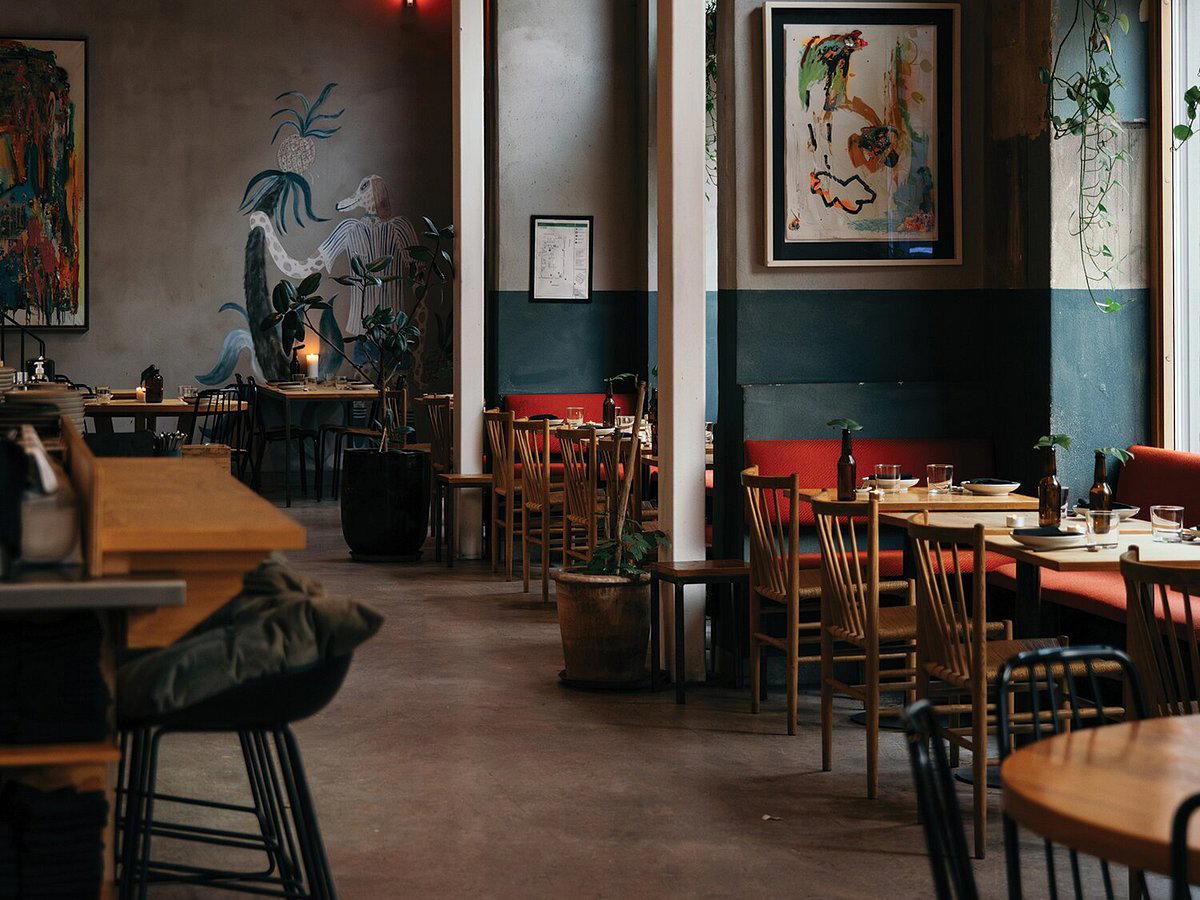
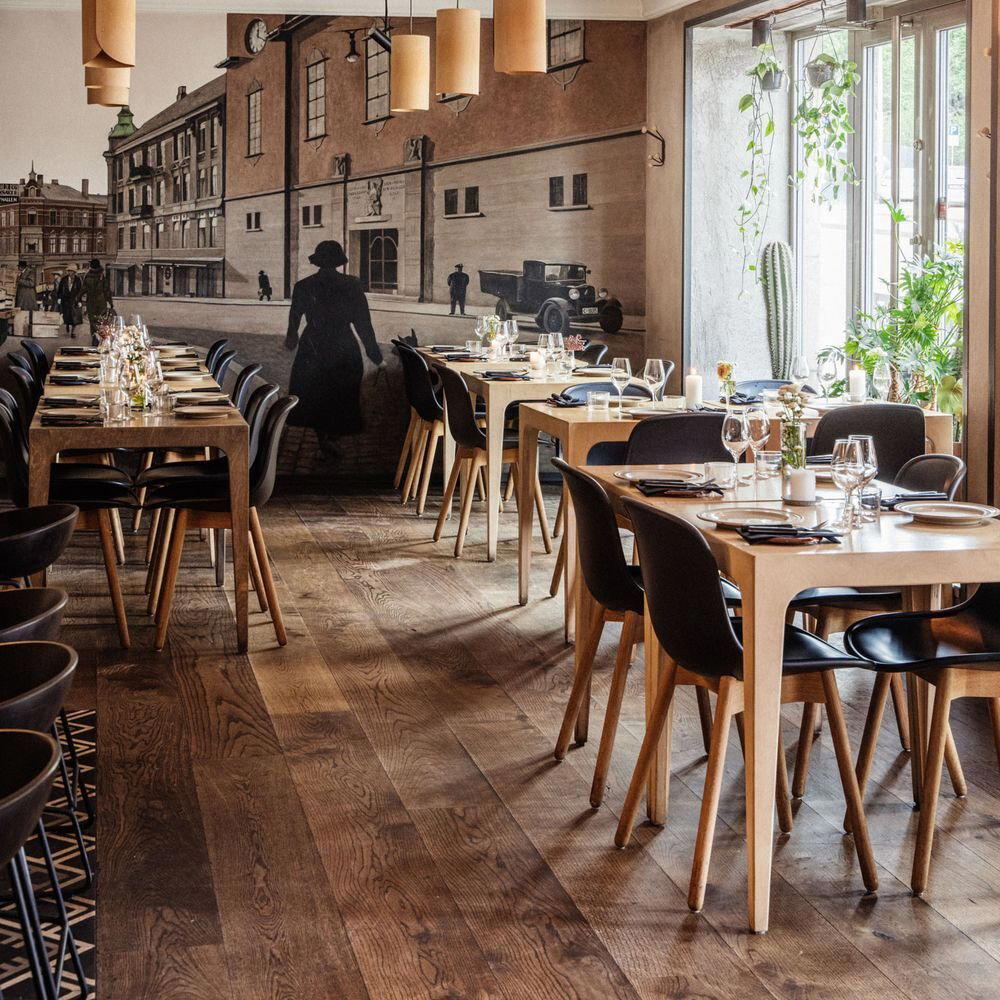
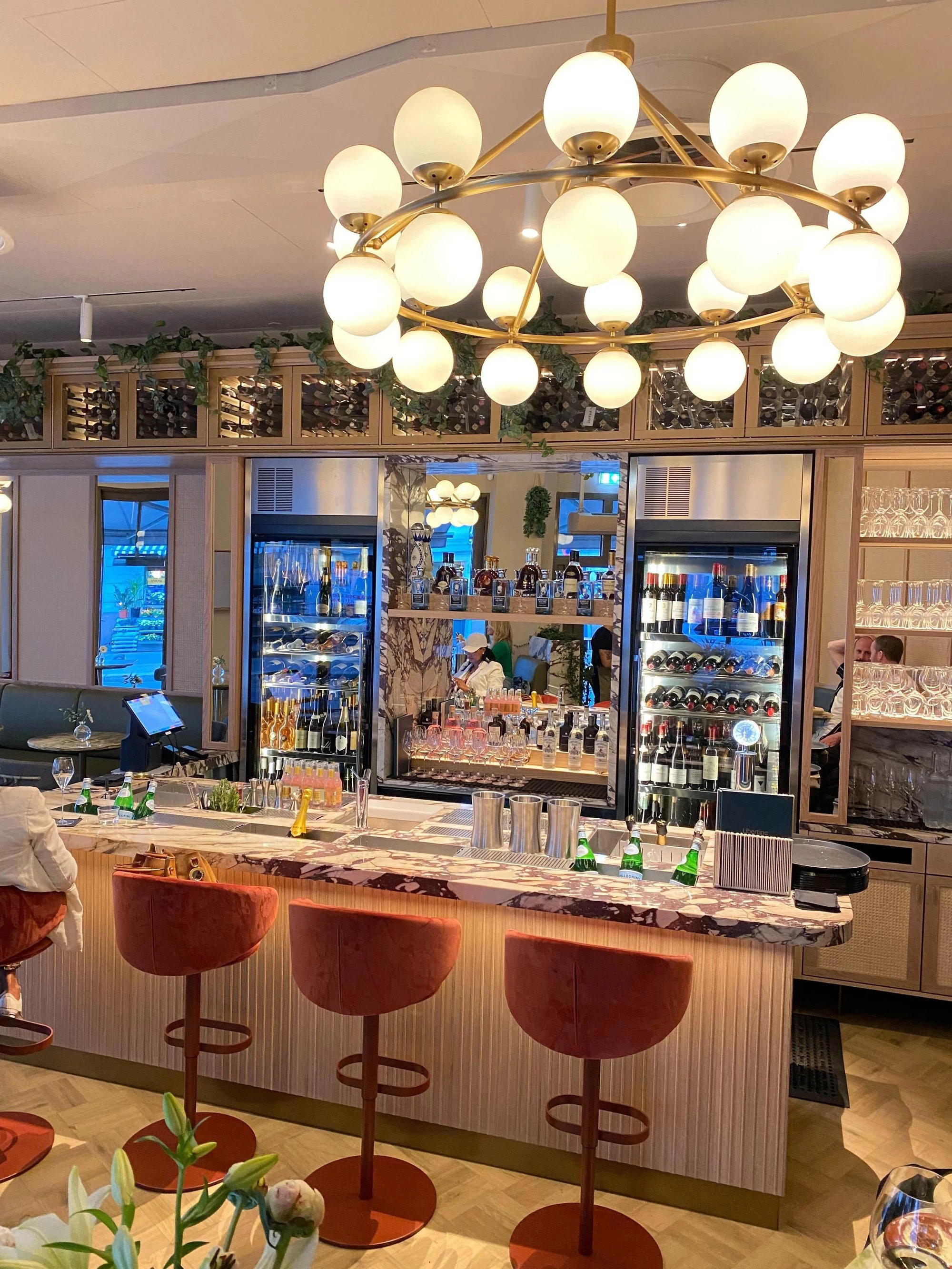
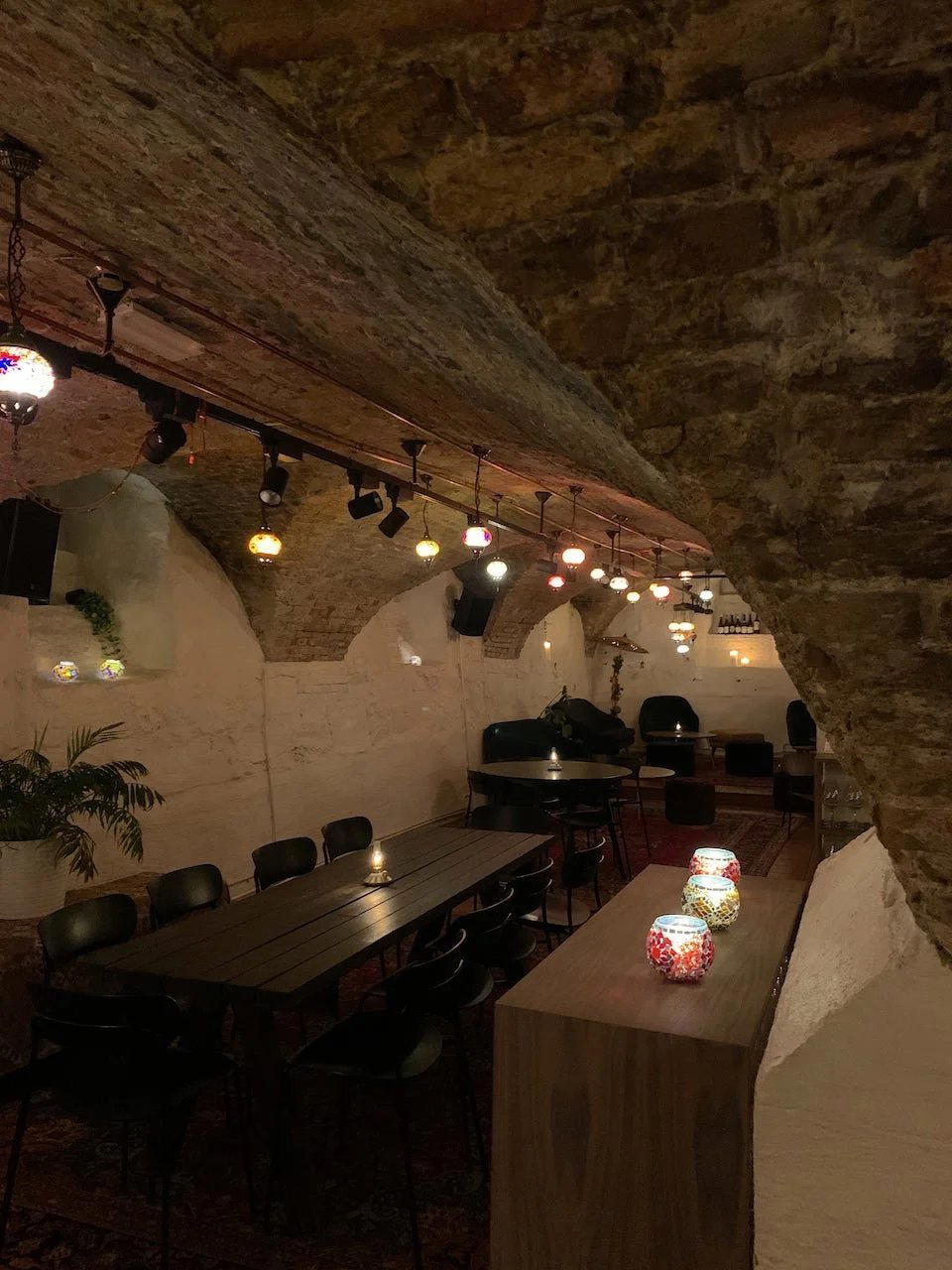
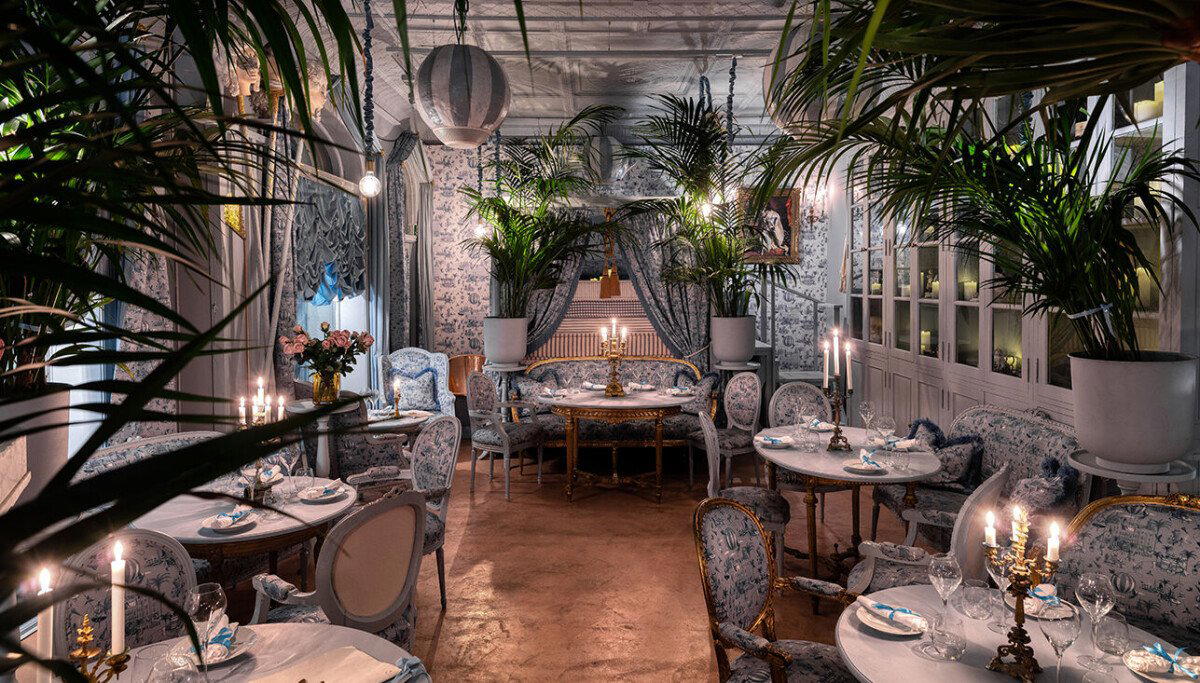
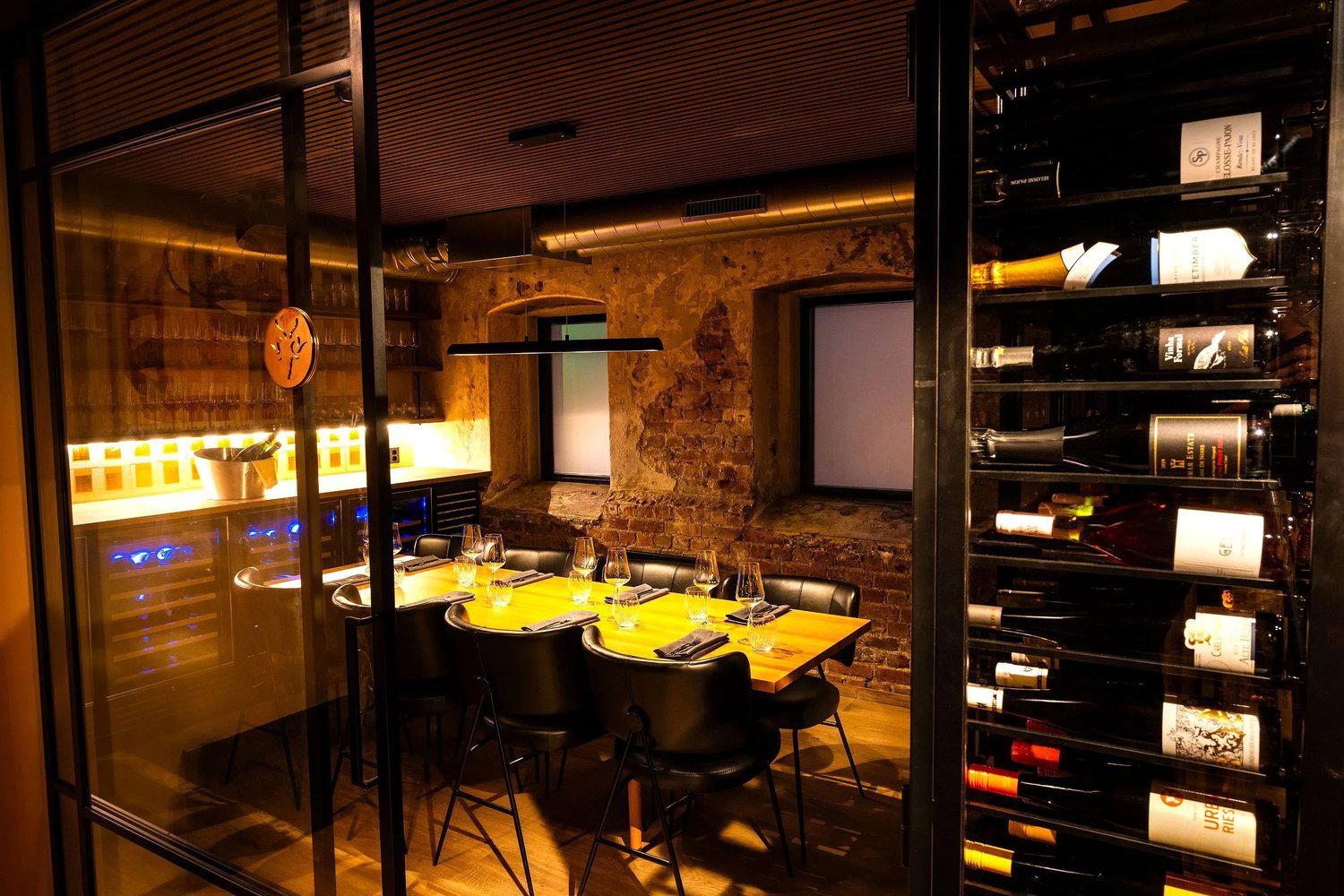
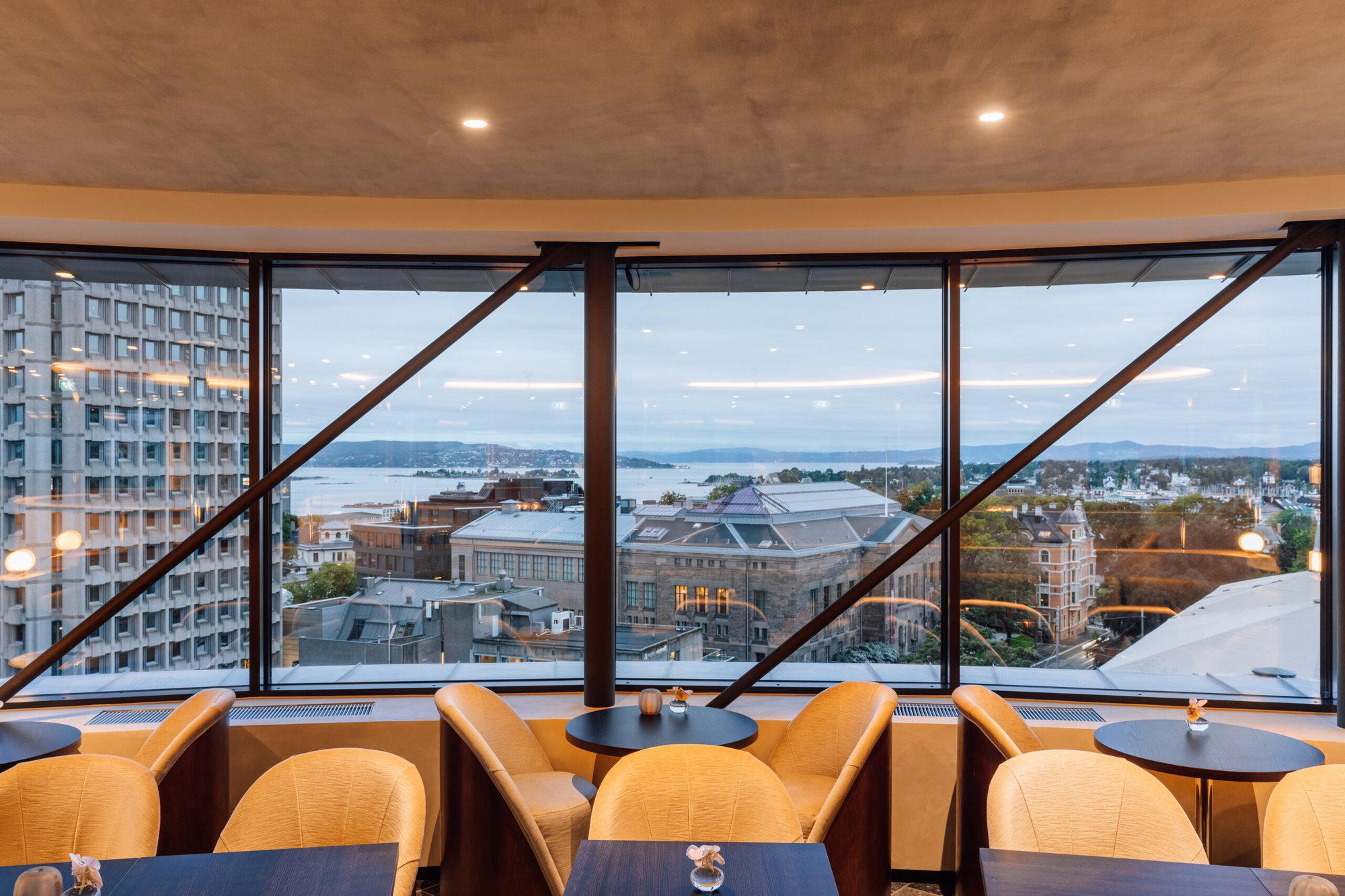
Oslo has developed a habit of putting serious restaurants inside spaces that carry architectural weight before a single plate arrives. TAK, at Sommerrogata 1 in the western quarter of the city, fits that pattern. The address places it just outside the densest cluster of Frogner's neighbourhood restaurants, close enough to draw from that catchment but with enough distance to feel like a deliberate destination rather than a convenient corner choice. First impressions in spaces like this tend to be structural: how the room is proportioned, how light moves across the interior through the day, and how seating arrangements signal the kind of dining the kitchen has in mind.
The broader trend in Oslo's restaurant design over the past decade has moved away from maximalist Nordic kitsch — antlers, rough-hewn pine, theatrical darkness — toward something quieter and more considered. The city's serious dining rooms now tend toward restraint: materials that age well, lighting calibrated to conversation rather than spectacle, and layouts that allow tables enough distance for the evening to feel private without the room reading as empty. TAK sits within this movement. The physical container here is part of the proposition, not incidental to it.
Where TAK Sits in Oslo's Dining Spread
To understand TAK's position, it helps to map Oslo's dining tiers briefly. One tier below, Kontrast anchors the serious tasting-menu category with a Scandinavian identity and a wine list that draws consistent attention. Hot Shop occupies a more relaxed register in the New Nordic space, and Bar Amour has built a following in the creative bar-dining overlap. French-leaning options like Mon Oncle complete a mid-upper bracket that is more varied than Oslo's Michelin-focused reputation might suggest.
TAK occupies the space between neighbourhood restaurant and destination dining. It is not structured around a tasting-menu commitment, which places it in a tier where individual choice, wine pairing, and the quality of a single well-chosen evening carry more weight than a prescribed progression. For a city that increasingly prices its serious restaurants toward the €€€€ bracket, this positioning has real utility. See our full Oslo restaurants guide for a broader picture of how the city's options distribute across cuisine types and price points.
The Wine Program and the White Star
The detail that anchors TAK's credentials in the record is its White Star recognition from Star Wine List, published in August 2023. Star Wine List evaluates wine programs on selection depth, list construction, and the relationship between the cellar and the kitchen's direction. A White Star places TAK in a tier of Oslo restaurants where the wine program is considered a genuine part of the offering rather than a functional support to the food.
Oslo's wine culture has matured considerably. The city's proximity to Scandinavian natural wine circuits, combined with a population that travels frequently and returns with calibrated expectations, has pushed restaurants to build lists with real editorial depth. The better Oslo wine lists now read less like standard European imports and more like considered positions on producer, region, and style. TAK's recognition in this context signals that the list here has structure and intent behind it, which changes how an evening is planned: pairing by the glass becomes worth exploring, and the sommelier relationship, where offered, carries practical value.
For comparison, Norway's wine-serious dining culture extends well beyond the capital. RE-NAA in Stavanger and FAGN in Trondheim each operate serious programs in their respective cities, and more remote settings like Iris in Rosendal and Under in Lindesnes demonstrate that Norway's fine dining infrastructure has genuine geographic spread. In Bergen, Gaptrast holds its own, and Boen Gård in Tveit adds a country-house dimension to the national picture. TAK's place in Oslo, then, is one node in a wider Norwegian restaurant culture that rewards attention beyond the capital.
The Room as Argument
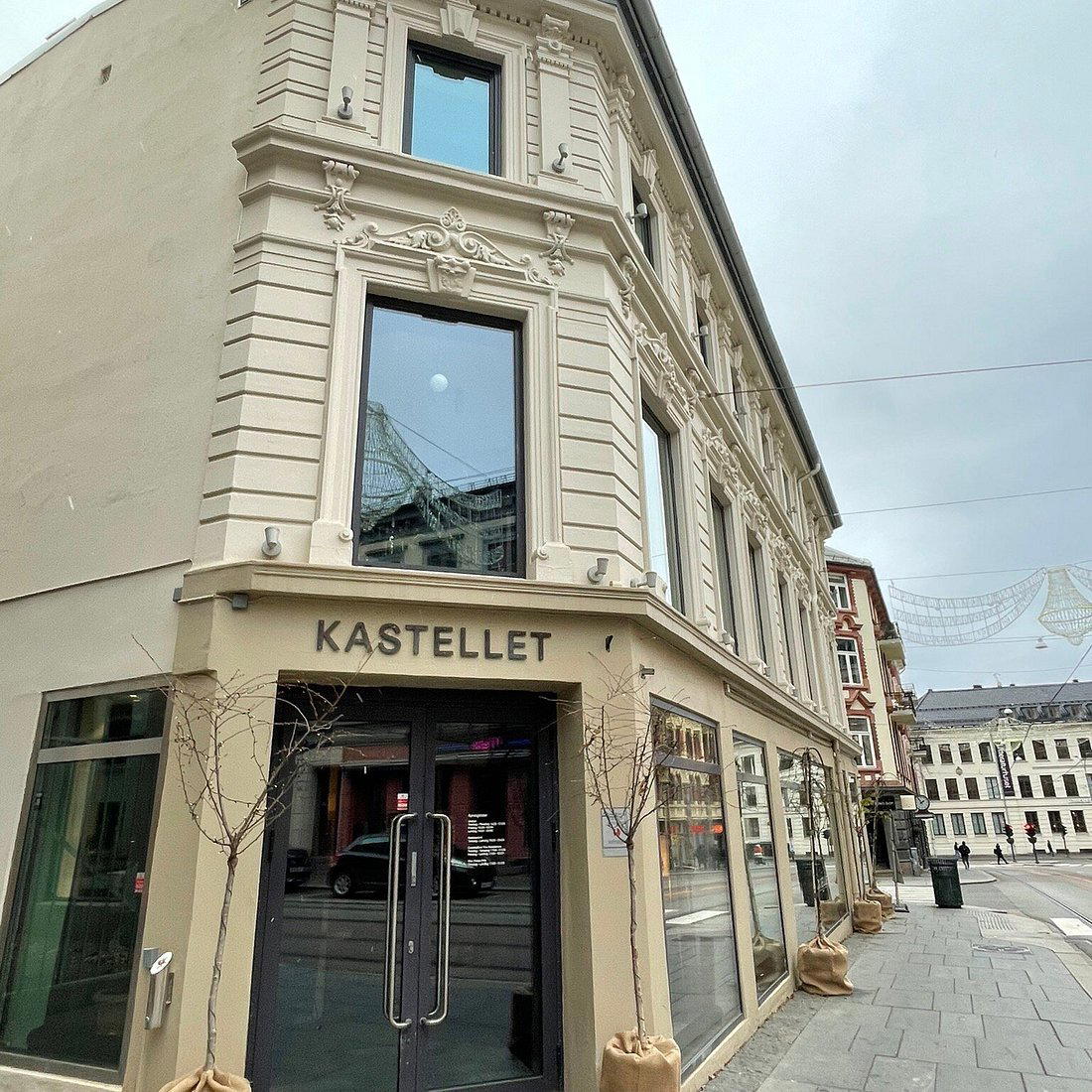
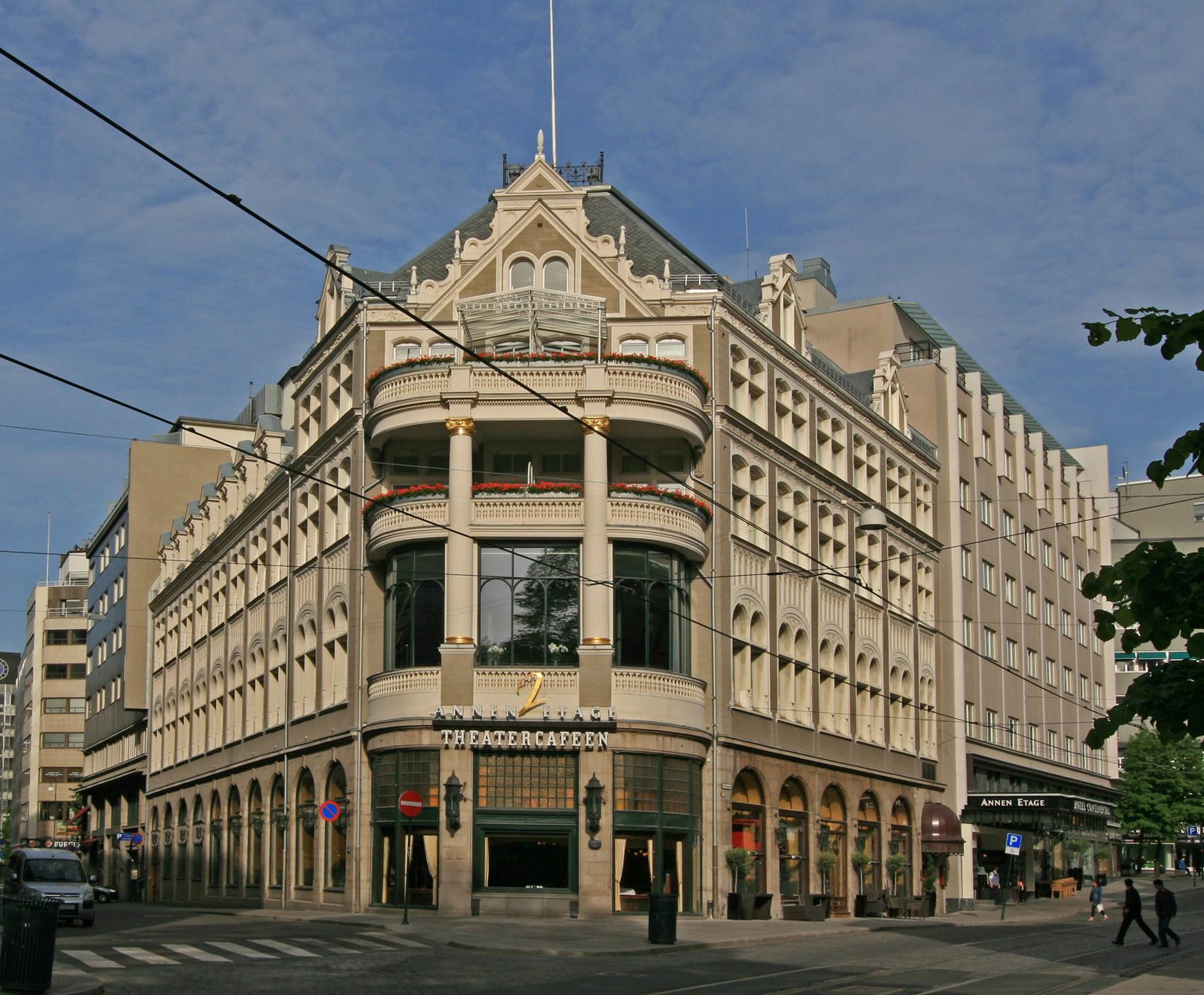
Interior architecture in restaurants does specific argumentative work. A long counter positions the kitchen as theatre. A low ceiling and close table spacing creates the impression of a room perpetually full. High ceilings and natural materials signal permanence and resource. TAK's physical address on Sommerrogata places it in a building stock that tends toward early twentieth-century solidity: stone facades, decent ceiling heights, the kind of structural bones that a considered interior fit-out can use rather than fight against.
This matters for how an evening actually unfolds. Restaurants that have invested in the physical container tend to attract guests who stay longer, order more deliberately, and treat the wine list as part of the experience rather than a necessary overhead. The correlation between considered space design and serious wine programs is not accidental: both reflect the same decision to compete on depth rather than volume. TAK's White Star recognition and its architectural address belong to the same logic.
In Oslo's better mid-tier rooms, the question is usually whether the kitchen positions itself as visible or contained, and whether bar seating offers an alternative format for solo diners or couples who prefer proximity to the wine program over the full table experience. Either approach can work; the better rooms make the choice legible from the moment you enter.
Planning a Visit
TAK's address at Sommerrogata 1 is reachable by tram from central Oslo, with the western residential neighbourhoods served by lines running through Frogner and toward Majorstuen. The area is walkable from the palace quarter on a clear evening, making it a natural endpoint for an afternoon that begins in the city centre. Booking is advisable for weekend evenings, particularly given the wine program's recognition, guests who come specifically for the list tend to occupy tables longer, which compresses availability. Midweek visits generally allow more flexibility, and the wine-by-the-glass selection tends to benefit from quieter service pacing.
For those building a broader Oslo itinerary, our Oslo hotels guide, Oslo bars guide, Oslo wineries guide, and Oslo experiences guide cover the rest of the city's premium offering in comparable depth. Internationally, the wine-serious restaurant model that TAK represents has equivalents in other categories: Le Bernardin in New York City and Emeril's in New Orleans each demonstrate how a clear program identity, whether built around seafood technique or a regional culinary point of view, anchors a restaurant's reputation across years. TAK's wine-first identity serves a comparable function in its own market.
Frequently asked questions
How do I find TAK?
TAK is located at Sommerrogata 1, 0255 Oslo, Norway, Oslo.
Is TAK Michelin-listed?
TAK has received recognition including: TAK is a restaurant in Oslo, Norway. It was published on Star Wine List on August 31, 2023 and is a White Star..
What's the must-try dish at TAK?
TAK's specific menu is not detailed in the public record, so naming a single dish would be speculation. What is documented is the wine program: Star Wine List awarded TAK a White Star in August 2023, which signals that the beverage side of the meal is worth treating as a primary reason to visit, not an afterthought. Order with that in mind.
Can I walk in to TAK?
TAK is located at Sommerrogata 1 in Oslo's western residential quarter, and no walk-in policy is confirmed in the public record. Given its White Star recognition from Star Wine List, the restaurant draws a deliberate clientele, and securing a reservation in advance is the more reliable approach.
Recognition, Side-by-Side
Comparable venues nearby, for context on price, style, and recognition.
| Venue | Cuisine | Price | Awards | Notes |
|---|---|---|---|---|
| TAKThis venue — the venue you are viewing | Nordic-Japanese Fusion | $50–100 | Star Wine List | Not listed |
| Park 29 | Classic French and Italian inspired with Norwegian ingredients | $50–100 | Star Wine List | Homans Byen |
| Baltazar Ristorante e Enoteca | Classic Italian Trattoria | $50–100 | Star Wine List | St. Hanshaugen |
| Nedre Foss Gård | Seasonal Scandinavian European | Not listed | Star Wine List | Fredensborg |
| Tolvte og Kranen | European Bistro with Norwegian Flair | $50–100 | Star Wine List | St. Hanshaugen |
| Kolonihagen Frogner | Nordic Farm-to-Table with Foraged Ingredients | $50–100 | Star Wine List | Briskeby |
Recognition history
Dated appearances from independent guides and award organizations, with the underlying list record or original source where available.
Star Wine List
Star Wine List