
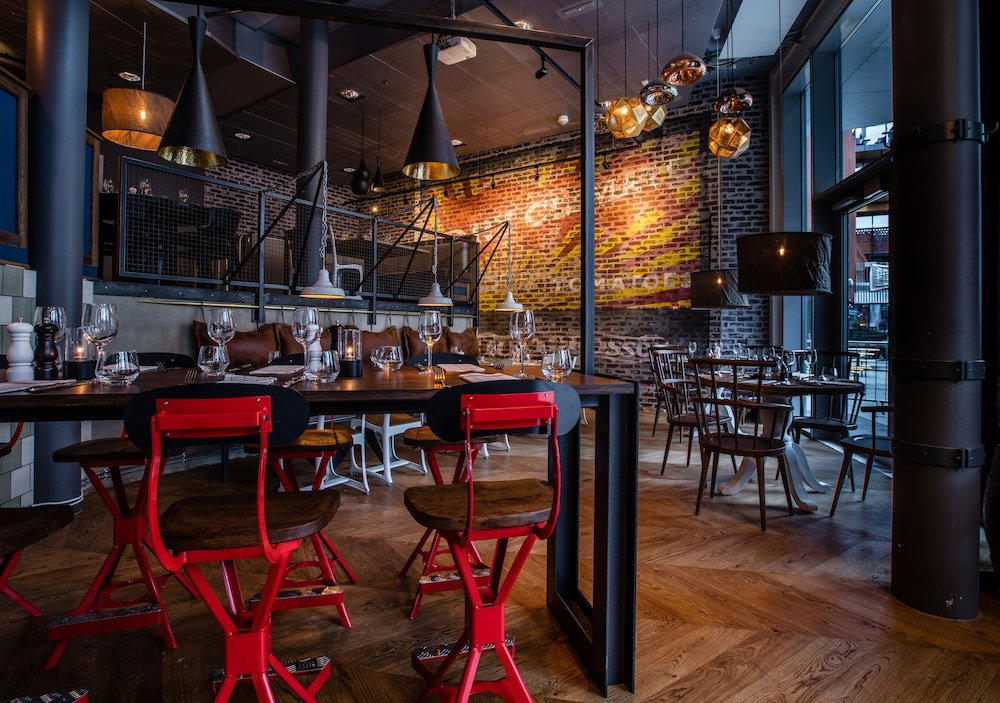
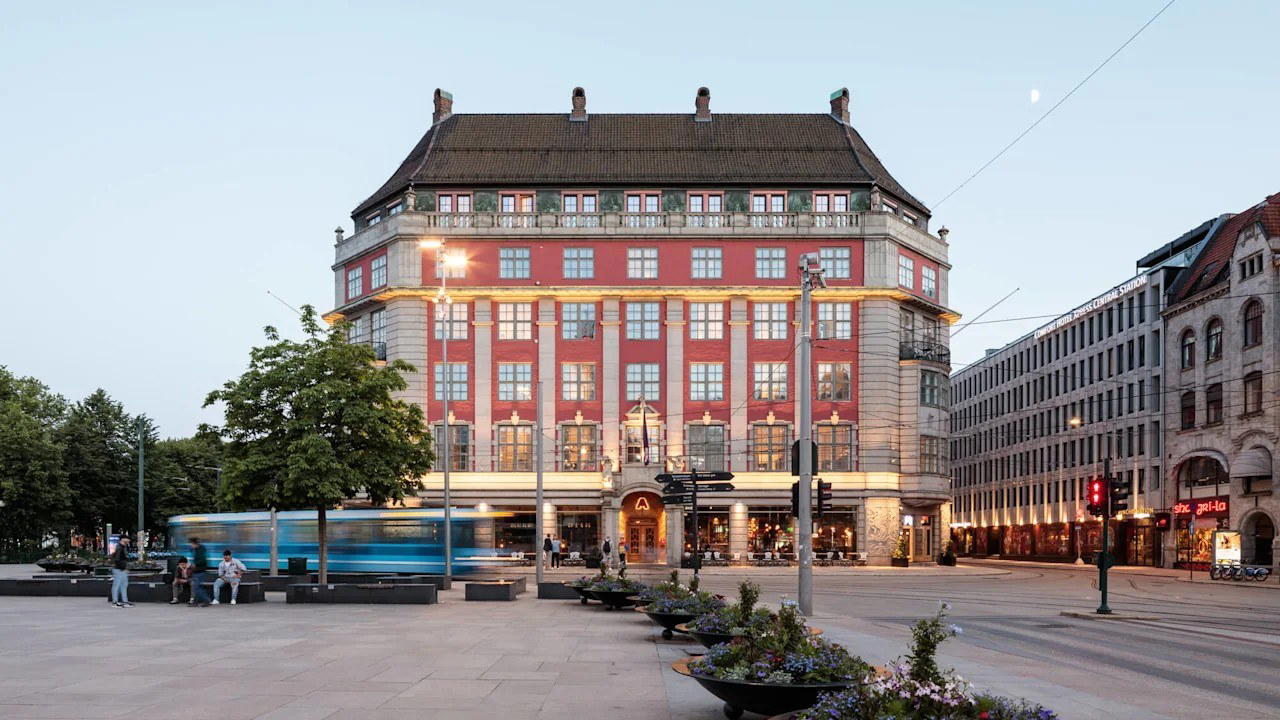
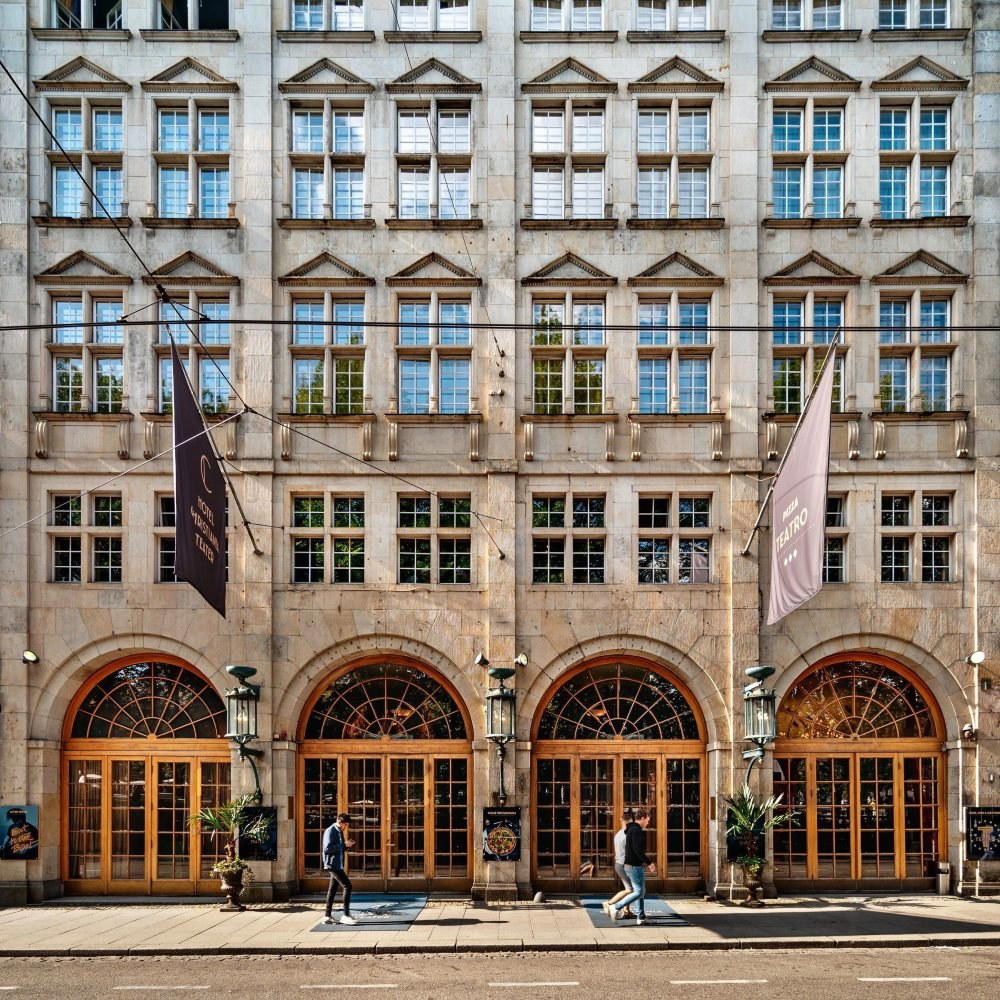
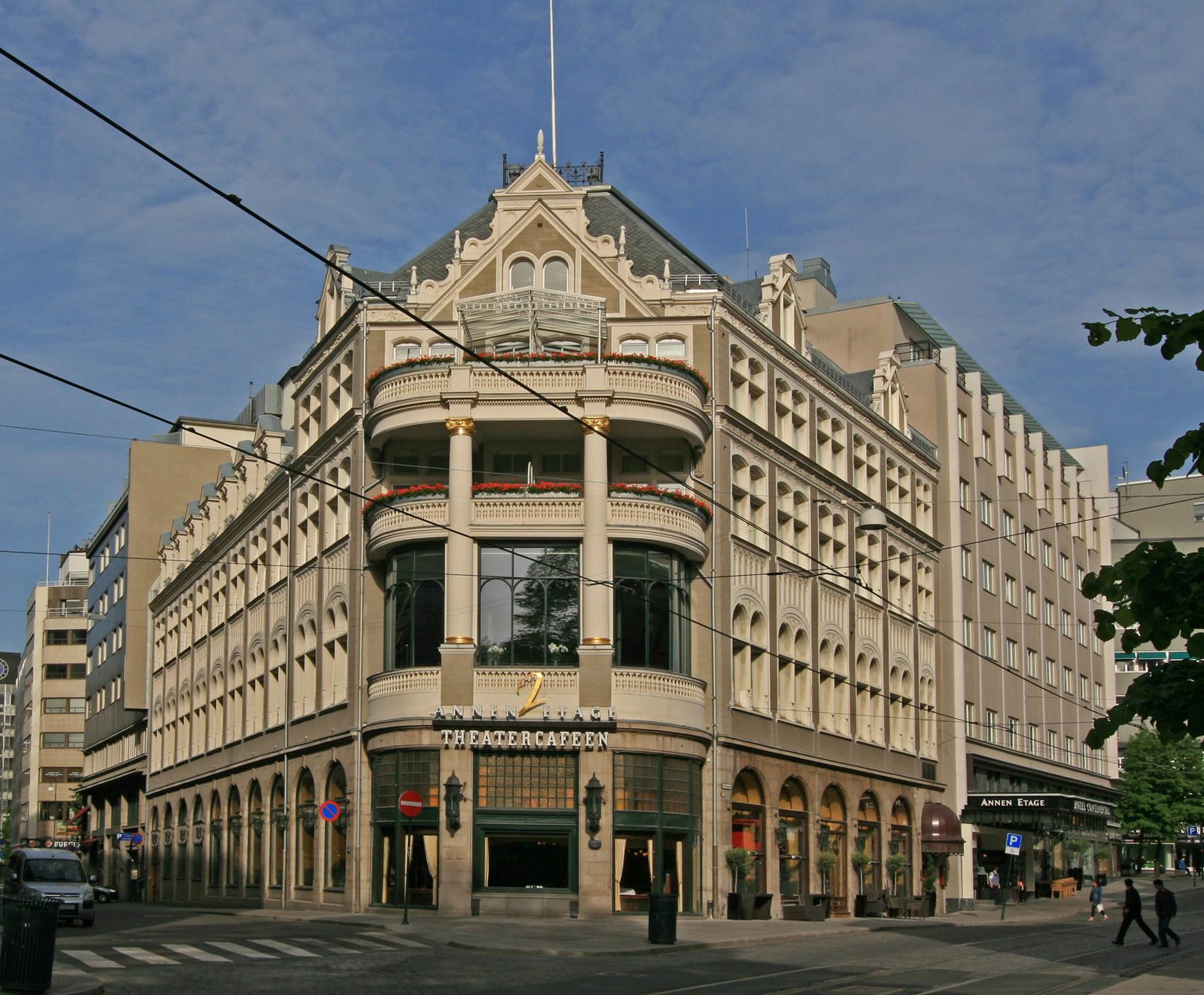
Nedre Foss Gård occupies a listed historic building in Oslo's Grünerløkka district, its brass fittings, leather seating, and fishbone parquet floor placing it among the city's more atmospheric brasserie settings. The kitchen operates in a register distinct from Oslo's tasting-menu circuit, offering a format closer to the classic European brasserie tradition than the New Nordic omakase wave. A reliable address for those who want serious cooking in a room that earns its keep on atmosphere alone.
Pearl is the En Primeur Club membership app — saves, bookings, and concierge access live there. Same editors, same standards.
- Address
- Nordre gate 2, 0551 Oslo, Norway
- Phone
- +47 92 33 82 93
- Website
- nedrefossgaard.no
- Directions
- Get directions
 Saves & bookings on Pearl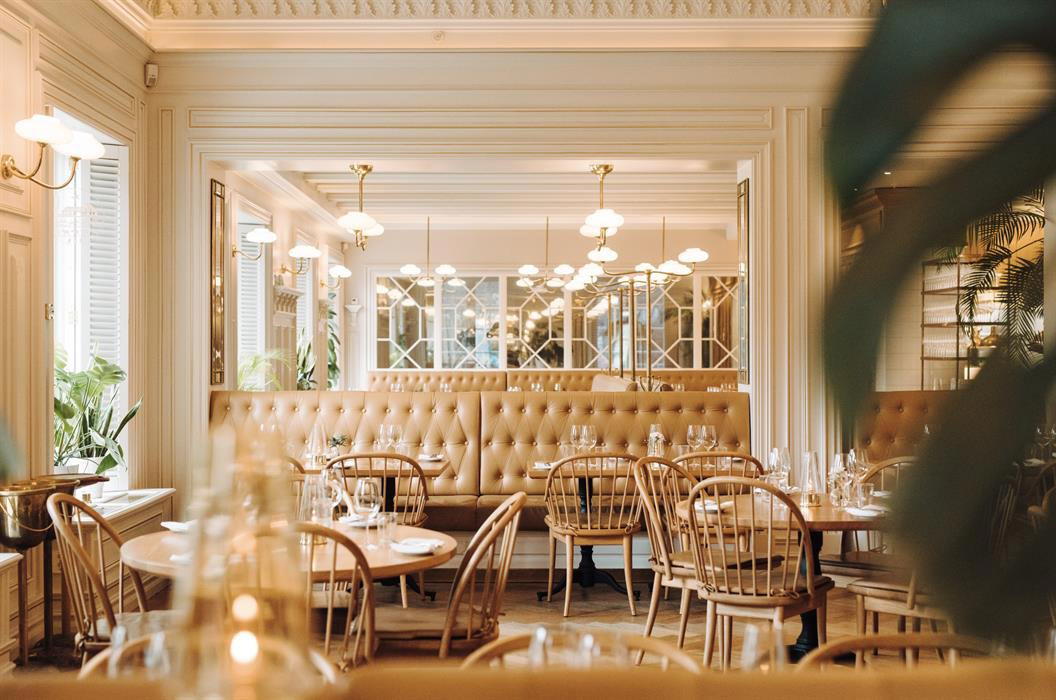
A Brasserie That Earns Its Room
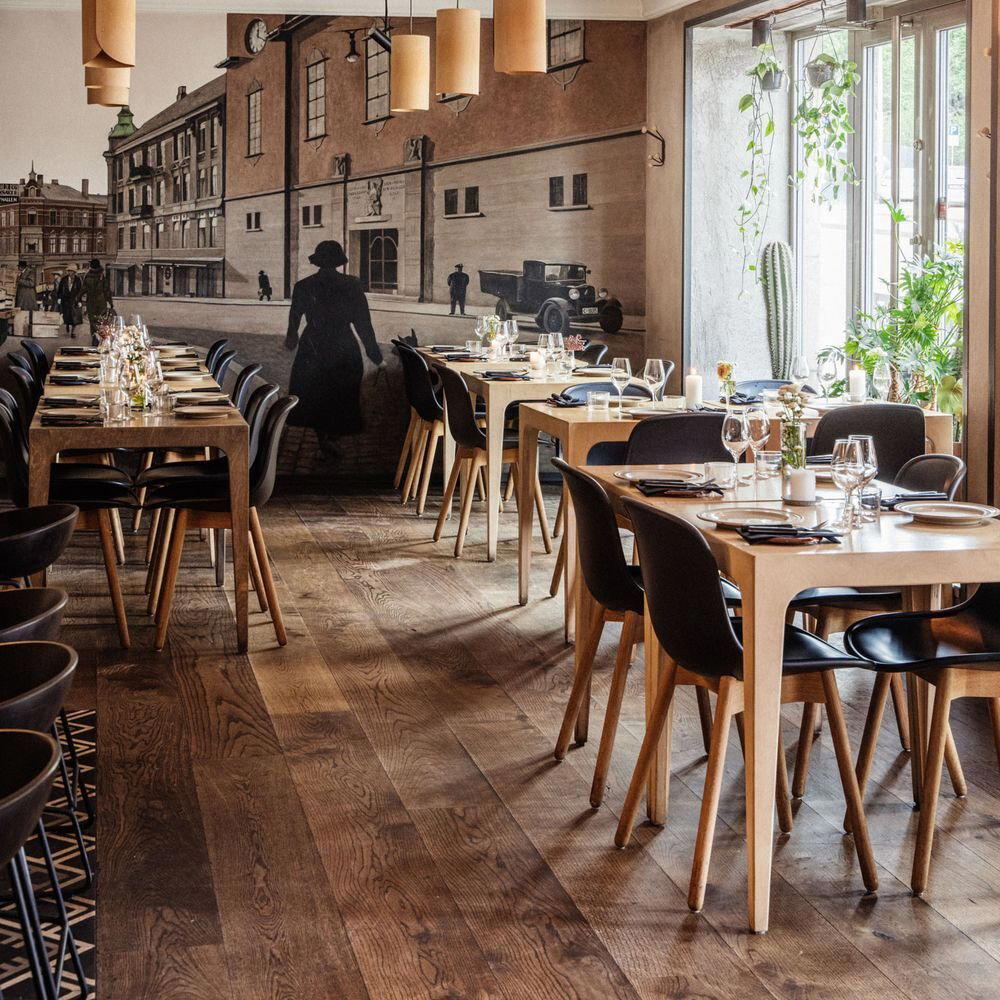
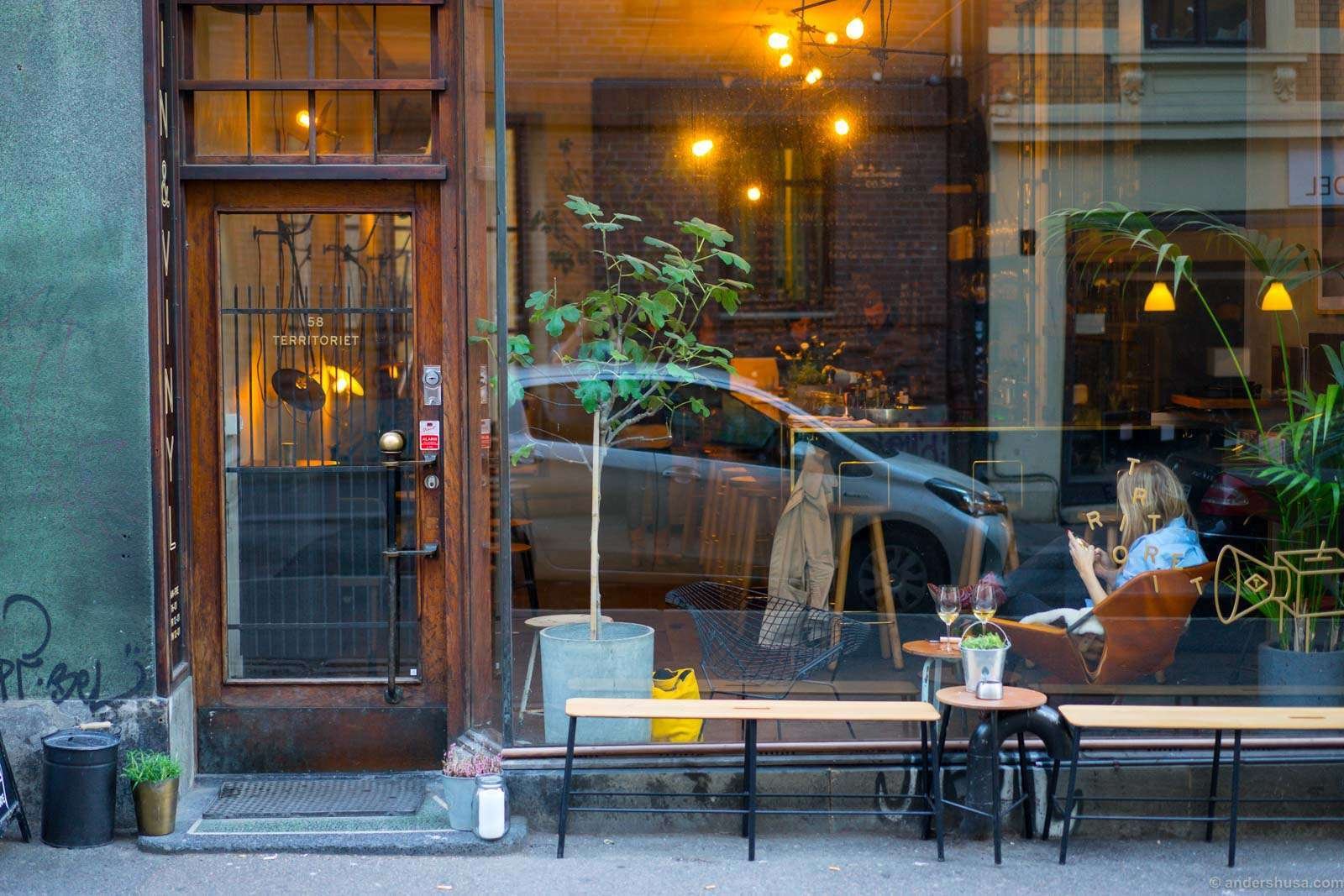
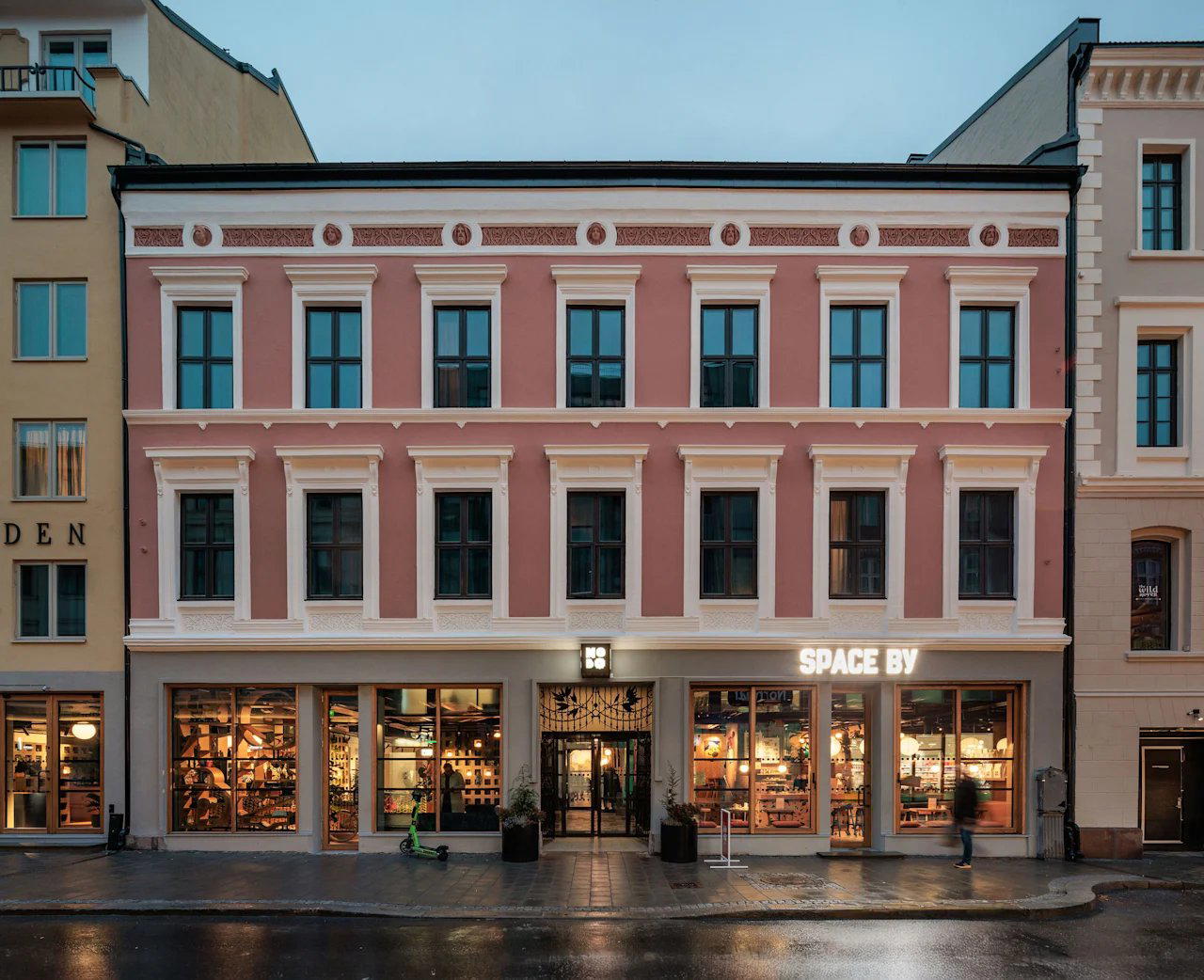
There is a particular kind of Oslo dining room that the tasting-menu conversation tends to overlook. Not the neighbourhood canteen, not the Michelin-tracked counter, but the brasserie that draws its authority from architecture as much as from the plate. Nedre Foss Gård, at Nordre gate 2 in Grünerløkka, belongs to that category. The building is listed, and the restoration has been executed with a restraint that respects the original structure without turning it into a museum piece. Brass catches the light from the tall windows; leather seating absorbs the room's ambient noise; a fishbone parquet floor anchors the whole composition in a material tradition that predates the minimalist Nordic interiors that define so much of contemporary Oslo hospitality.
Approaching the address, the shift from the neighbourhood's street-level activity is immediate. Grünerløkka has evolved considerably over the past two decades, moving from a working-class inner-city district into one of Oslo's most active quarters for independent hospitality. That broader context matters here: Nedre Foss Gård sits within a neighbourhood where dining formats range from casual all-day spots to more considered evening destinations, and the brasserie occupies a position at the considered end without committing to the high formality of the city's fine-dining tier.
Where the Food Comes From, and Why That Shapes the Menu
The brasserie format, as a category, tends to connect its kitchens more directly to market and seasonal supply chains than the tasting-menu model, which often programmes dishes months in advance. In Oslo, that distinction has real meaning. Norway's cold-water fisheries, its short but productive growing season, and its established foraging culture give brasserie kitchens access to ingredients that shift with genuine seasonal rhythm rather than curated narrative. The North Sea and Norwegian fjords supply some of Europe's most consistently sourced seafood, a fact that restaurants from RE-NAA in Stavanger to Under in Lindesnes have built significant reputations around.
For a brasserie operating in this supply environment, the question is less whether quality ingredients are available and more how the kitchen chooses to handle them. The classic brasserie register, direct preparation, honest saucing, protein treated as the main event rather than a vehicle for technique, suits Norwegian produce well. Shellfish, cured fish, root vegetables, and game all translate cleanly into a format where sourcing is the primary creative statement rather than a supporting footnote. Oslo's position in the broader Norwegian dining conversation, alongside destinations like FAGN in Trondheim and Gaptrast in Bergen, reflects how seriously the country's kitchens across multiple formats now engage with provenance.
The Brasserie in Oslo's Competitive Set
Oslo's dining scene has been reshaped over the past decade by the ascent of its tasting-menu addresses. Maaemo and Kontrast operate at the summit of the price bracket, each requiring advance planning and a commitment to a multi-hour format. Hot Shop occupies a more experimental register within the New Nordic conversation. That concentration at the tasting-menu end of the spectrum has, counterintuitively, made the case for a well-executed brasserie stronger rather than weaker. There is appetite in Oslo for a room where the decision to order more or less, to eat for an hour or for three, remains with the guest.
Nedre Foss Gård sits in this space, closer in spirit to the European brasserie tradition, think the glamour-without-ceremony register of a Paris or Brussels institution, than to the New Nordic framework that dominates critical conversation. Comparisons to Mon Oncle, Oslo's French-influenced address, are reasonable at the level of format and atmosphere, though the settings differ significantly. The fishbone floor and brass fittings at the restaurant give it a more material weight, a sense that the room has been lived in across decades rather than assembled for effect. For reference points further afield, the combination of serious sourcing and classic brasserie format has parallels with how Le Bernardin in New York City treats seafood as both material and argument, though the restaurant operates at a different register and scale.
The Atmosphere as an Argument
In Oslo's hospitality writing, atmospheric venues sometimes get treated as secondary to technique-led kitchens. That framing undersells what a well-restored historic room contributes to the meal. The quality of light in a high-ceilinged dining room, the acoustic behaviour of leather and wood, the visual weight of brass against pale walls, these are not decorative details but functional ones that shape how long guests stay, how they pace their eating, and how the meal is remembered. Oslo has a number of addresses that deliver technically accomplished food in rooms that make no particular demands on the diner's attention. The restaurant inverts that balance: the room makes a claim, and the kitchen's job is to justify the setting.
For visitors working through Oslo's broader scene, the address fits well alongside Bar Amour for a different kind of evening. Those planning a wider Norwegian itinerary should also consider Iris in Rosendal, Boen Gård in Tveit, and Emeril's in New Orleans for a transatlantic point of comparison on the brasserie-heritage restaurant format.
Planning Your Visit
The restaurant is located at Nordre gate 2, 0551 Oslo, in the Grünerløkka district, which sits northeast of the city centre and is well served by tram and on foot from the Akerselva riverside. Given the venue's setting in a listed building with a glamorous and well-regarded dining room, booking ahead is advisable, particularly for weekend evenings when the neighbourhood draws significant foot traffic. Current hours, reservation options, and menu details are best confirmed directly with the venue, as pricing and format information is not independently verified for this listing.
Side-by-Side Snapshot
Comparable venues nearby, for context on price, style, and recognition.
| Venue | Cuisine | Price | Notes |
|---|---|---|---|
| Nedre Foss GårdThis venue — the venue you are viewing | Seasonal Scandinavian European | $$$ | Not listed |
| Ekspedisjonshallen | Classic Brasserie | $$$ | Ruselokka |
| Vin Tjuvholmen | European Wine Bar | $$$ | Aker Brygge |
| B VIN | European Wine Bar | $$$ | Enerhaugen |
| Chez Colin | Classic French Bistro | $$$ | Fredensborg |
| Tolvte og Kranen | European Bistro with Norwegian Flair | $$$ | St. Hanshaugen |
Recognition history
Dated appearances from independent guides and award organizations, with the underlying list record or original source where available.
Star Wine List
Star Wine List
Continue exploring
More in Oslo
Bars in Oslo
Browse all →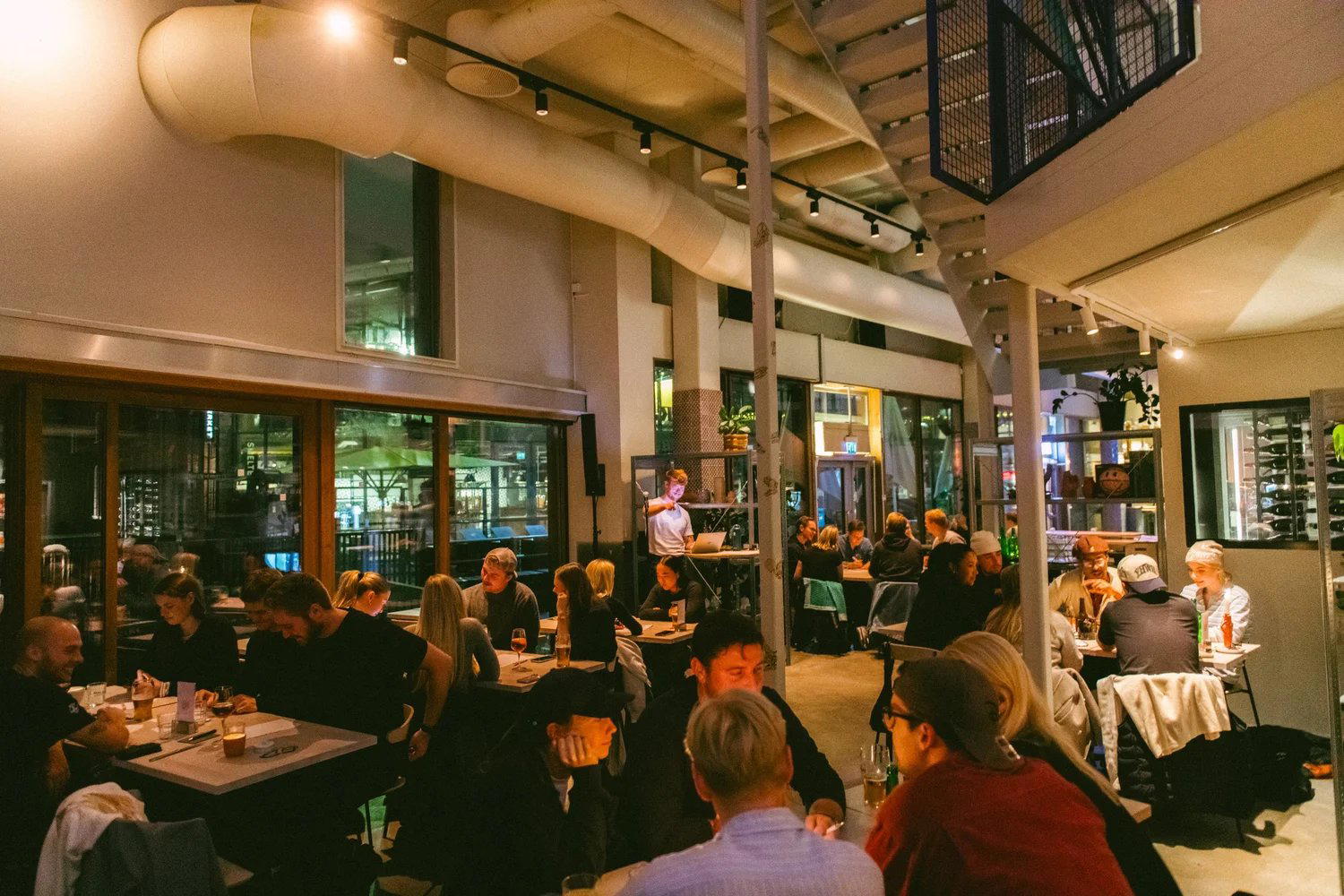
At a Glance
- Cozy
- Rustic
- Elegant
- Historic
- Scenic
- Brunch
- Date Night
- Family
- Celebration
- Historic Building
- Private Dining
- Extensive Wine List
- Local Sourcing
- Waterfront
- Garden
Current opening hours
- Monday
- 12–9:30 PM
- Tuesday
- 12–9:30 PM
- Wednesday
- 12–9:30 PM
- Thursday
- 12–9:30 PM
- Friday
- 12–9:30 PM
- Saturday
- 12–9:30 PM
- Sunday
- 12–8 PM
Hours can change for holidays and private events. Last verified .
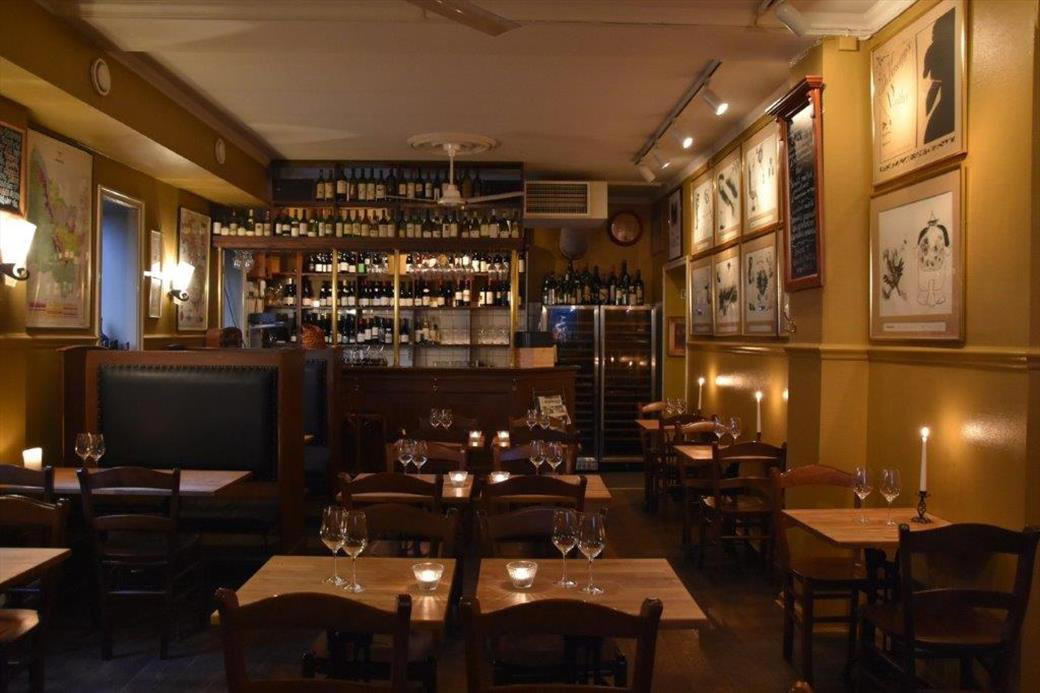
Cozy and elegant with historic charm, soft lighting, fireplaces, wooden details, and lush greenery in a beautifully restored setting.