
Kolonihagen Frogner occupies a characterful old building on Frognerveien, positioning itself as Oslo's clearest expression of the organic-first dining philosophy at a more accessible price point than the city's tasting-menu tier. The kitchen and wine list share the same brief: simple, seasonal, and certified organic. It sits comfortably between neighbourhood bistro and considered destination.
Pearl is the En Primeur Club membership app — saves, bookings, and concierge access live there. Same editors, same standards.
- Address
- Frognerveien 33, 0263 Oslo, Norway
- Phone
- +47 99 31 68 10
- Website
- kolonihagenfrogner.no
- Directions
- Get directions
 Saves & bookings on Pearl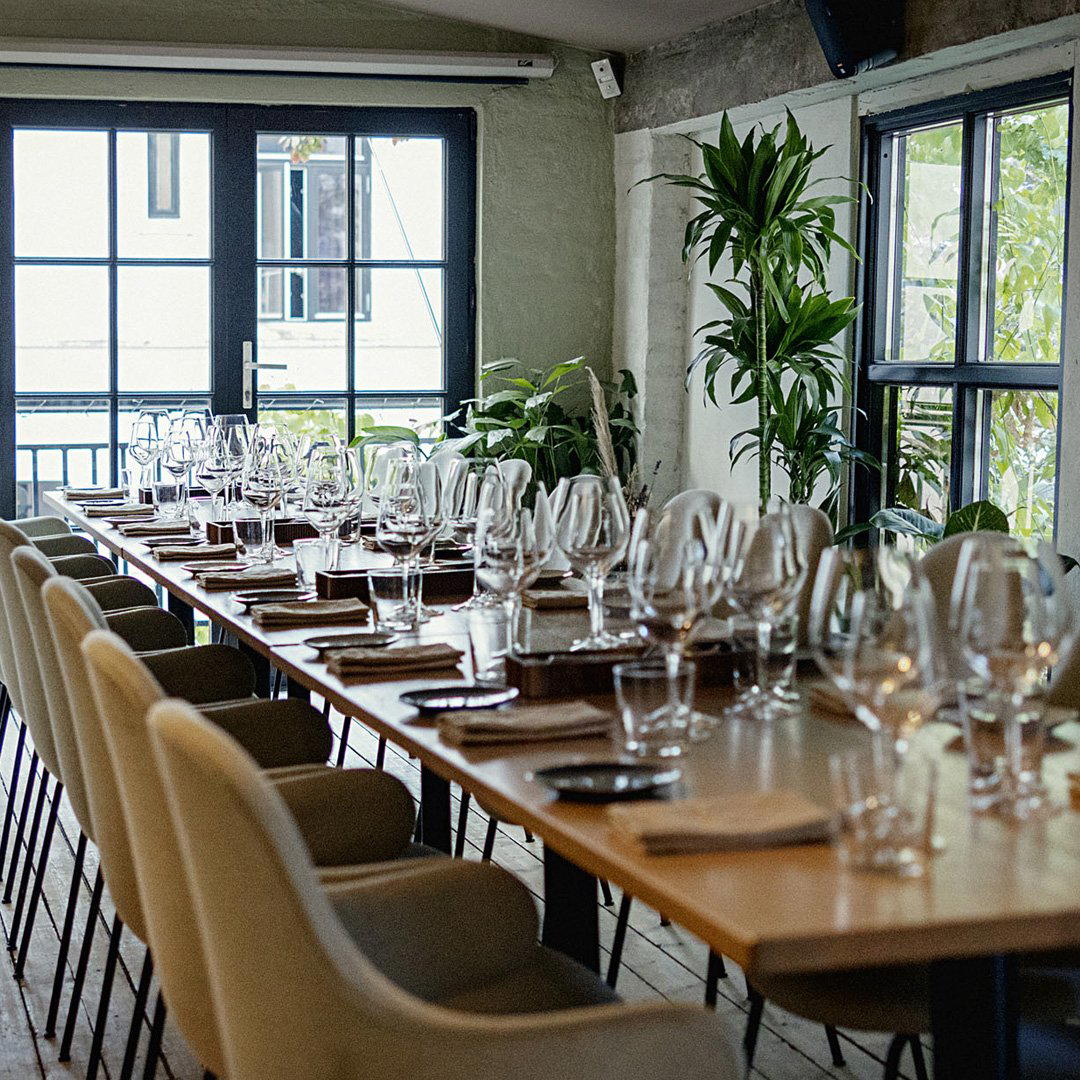
Where Frogner's Quiet Money Meets an Organic Conviction
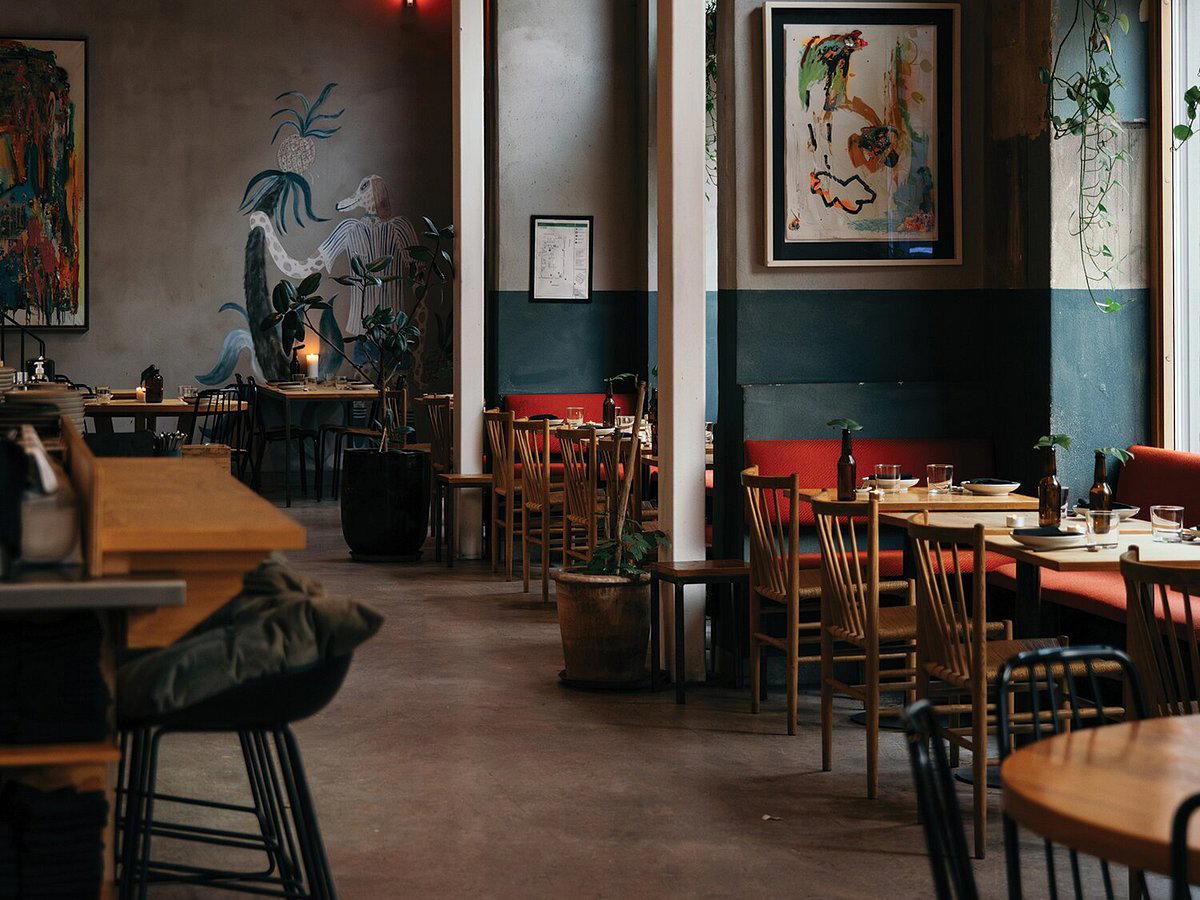
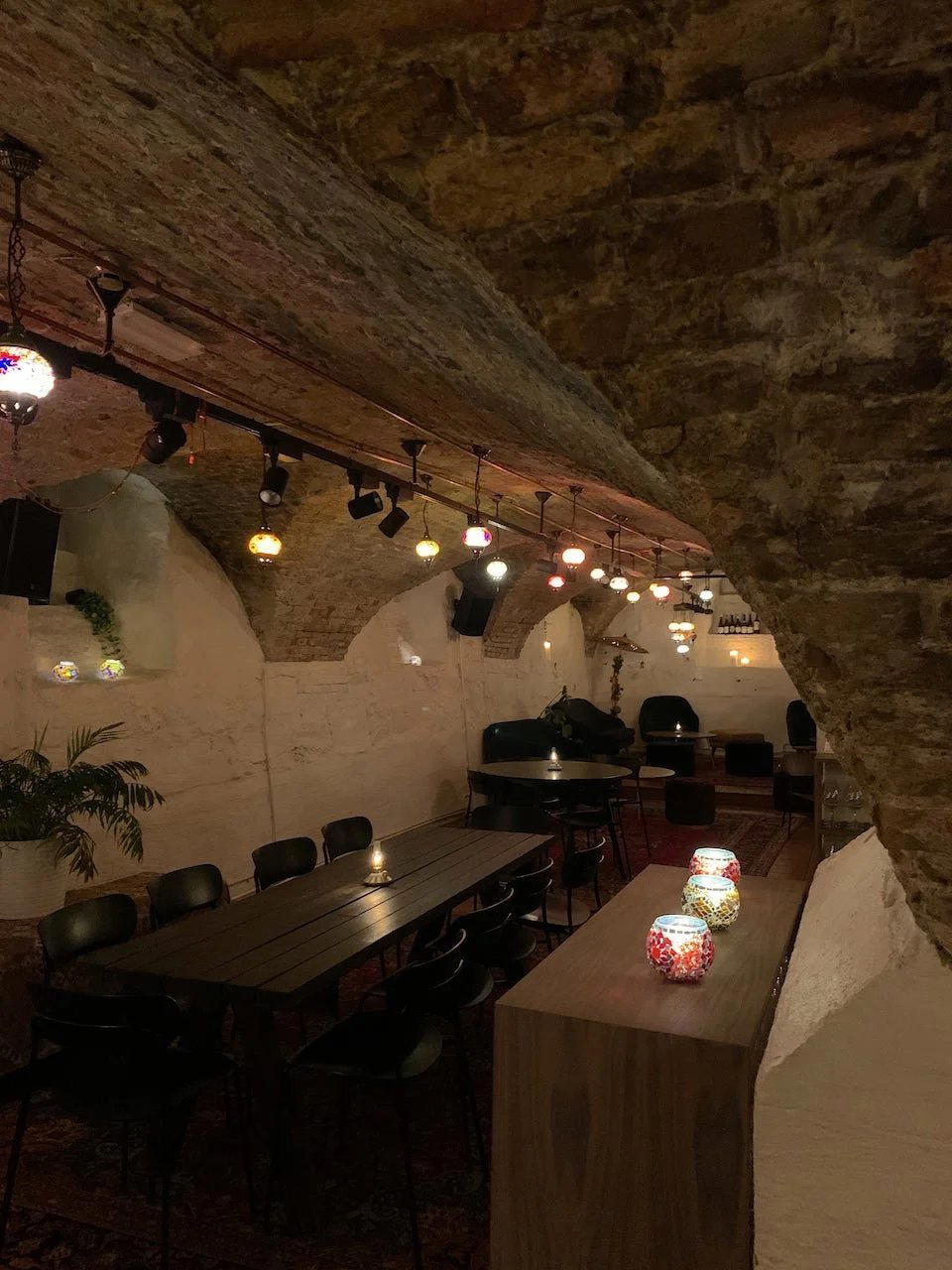
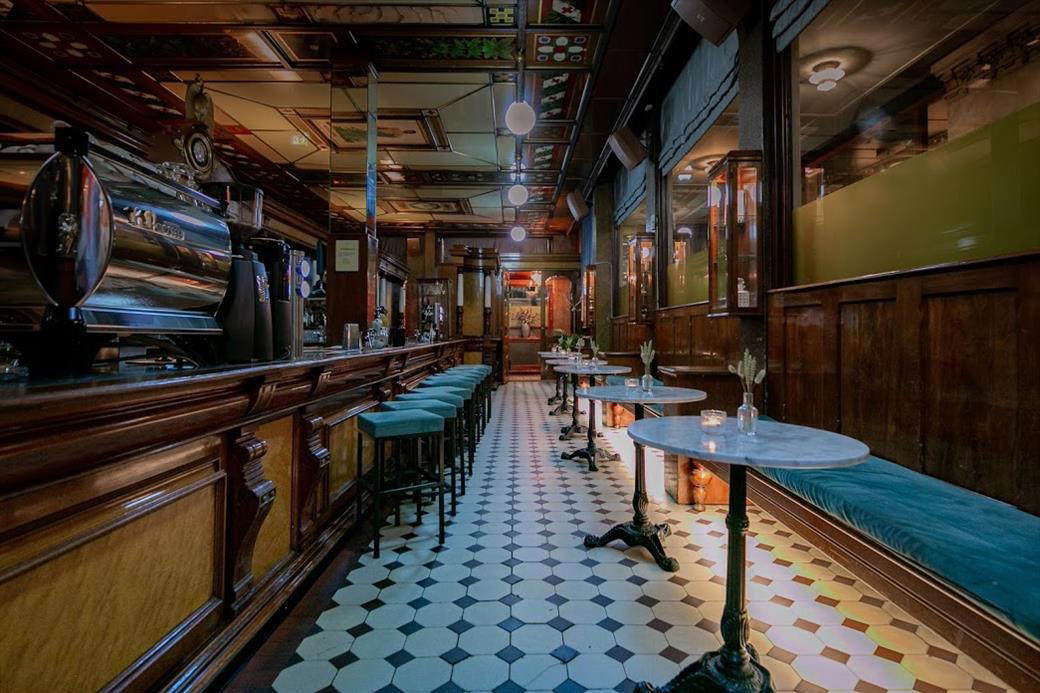
Frognerveien is not the street Oslo directs its visitors toward first. The neighbourhood, west of the palace gardens and lined with early-twentieth-century apartment buildings and embassies, runs on local regulars and a certain residential self-sufficiency. Kolonihagen Frogner is a restaurant at Frognerveien 33 in Oslo, serving Nordic farm-to-table cooking with foraged ingredients. Kolonihagen Frogner sits inside that rhythm, occupying a building whose age shows in the right ways: worn wood, generous ceiling height, a room that has absorbed decades of meals rather than being designed to simulate the feeling of one. The atmosphere at the door is quieter than what you find in Grünerløkka or along Torggata, and that is entirely the point.
Oslo's restaurant scene divides sharply between the tasting-menu tier, where Maaemo and Kontrast compete at €€€€ price points with elaborate multi-course formats, and a more casual bracket where the cooking is still ingredient-led but the format does not demand a three-hour commitment. Kolonihagen Frogner occupies that second tier with a clear identity: organic produce, natural and organic wines, and a menu constructed around what that commitment allows rather than around technical showmanship. It is a different competitive set from Maaemo, and it is honest about that.
The Organic Brief, Applied to Everything
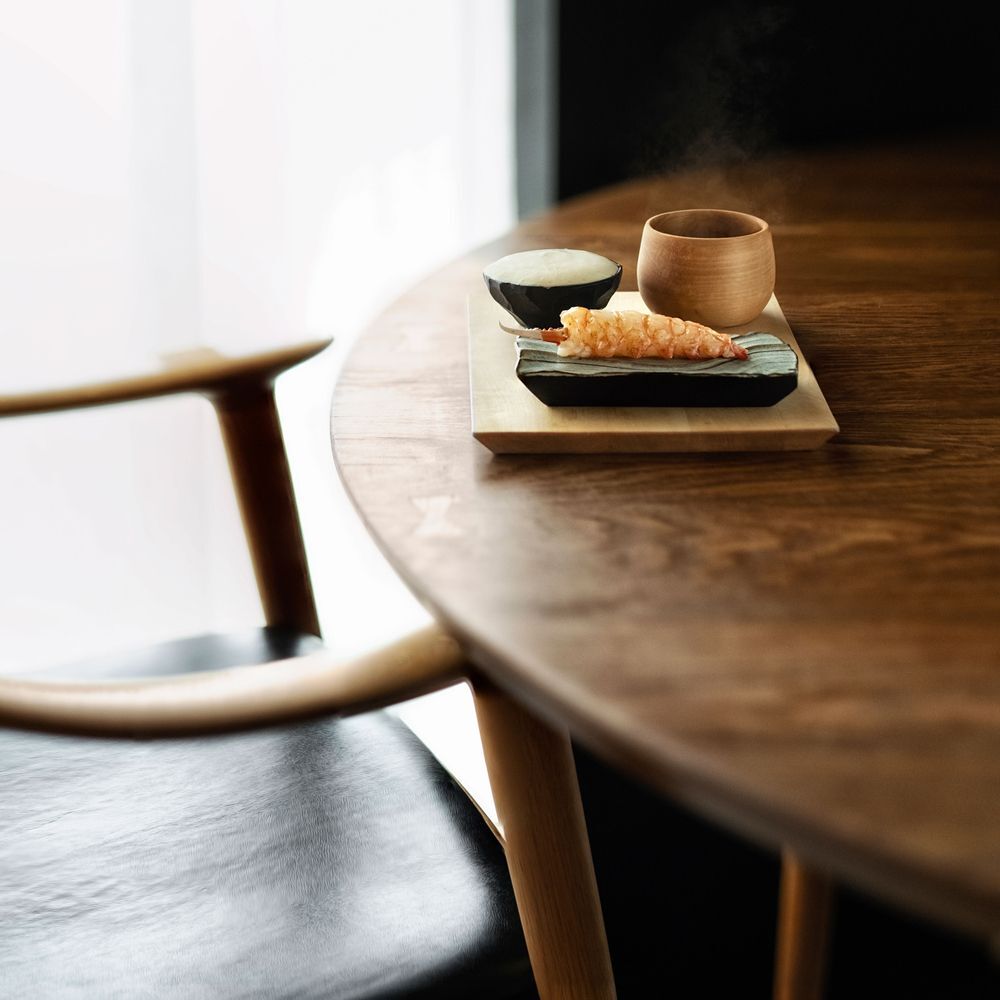
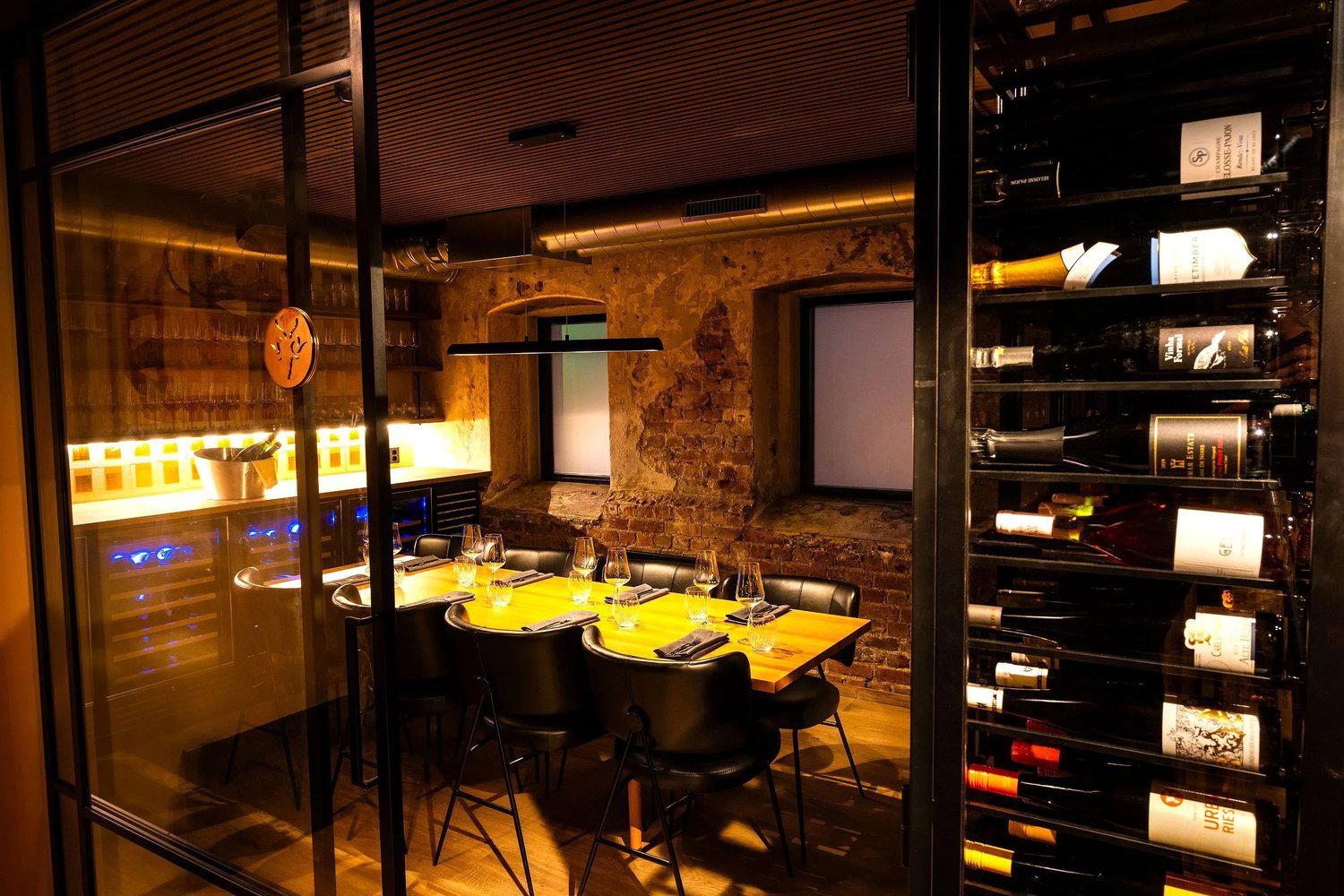
The restaurant's organics-first approach is not a marketing position applied selectively to headline ingredients. It runs through the full menu and, more unusually, the wine list with equal discipline. Natural and organic wine programs in Oslo have grown considerably over the past decade, but they tend to cluster in wine-bar formats rather than full-service restaurants. The restaurant holds both together: a kitchen brief and a cellar brief that share the same logic. That consistency has its own integrity, and it separates the restaurant from places that serve conventional produce alongside an organic wine list, or vice versa.
For context across Norway's organic dining conversation, venues like RE-NAA in Stavanger and FAGN in Trondheim operate at the fine-dining end of the Nordic produce-led tradition, with price points and formats to match. The restaurant applies a version of the same philosophy at a format that allows for spontaneous decisions and shorter visits. That accessibility is part of what makes it worth understanding on its own terms rather than as a lesser version of the tasting-menu tier.
Lunch vs. Dinner: Two Different Restaurants in the Same Room
The lunch-versus-dinner divide at the restaurant is sharper than at most Oslo restaurants of comparable standing. Daytime here follows the logic of the Frogner neighbourhood itself: unhurried, local, a room populated by people who live within ten minutes and know the menu without consulting it. The light through older windows does particular work in the afternoon, and the room in that context reads as something between a canteen and a neighbourhood institution. The value calculation at lunch also differs; the format is less elaborate, the investment lower, and the experience of the space in daylight reveals different qualities in the room.
Evening service changes the register. The organic wine list becomes the focus alongside the food, the room fills with a slightly more deliberate crowd, and the meal takes on a considered pace rather than the practical rhythm of lunch. Neither version is the definitive one; they serve genuinely different purposes, and a regular will understand both. If the choice is forced, the value-per-experience ratio at lunch is strong, while dinner is the occasion to work through the wine list properly.
Oslo's evening dining options at the more casual tier include Bar Amour for creative small plates and Hot Shop for New Nordic formats at the €€€ bracket. Mon Oncle handles the French bistro instinct in Oslo if the organic Nordic direction is not what the evening calls for.
The Frogner Address and What It Signals
Address context matters in Oslo. Frognerveien 33 puts the restaurant inside a residential quarter that has historically housed embassies, galleries, and a concentration of Norwegians who have strong opinions about where they eat and a preference for consistency over novelty. That demographic has kept the restaurant functioning as a neighbourhood anchor rather than a destination that cycles through transient interest. The restaurant operates on a model that depends on return visits rather than first-timer traffic, which shapes everything from the wine list depth to the room's pace.
Those exploring further across Norway will find comparable produce-led commitments at Gaptrast in Bergen, Iris in Rosendal, Under in Lindesnes, and Boen Gård in Tveit, each with distinct geographic and format logics.
A Lean Comparison
Comparable venues nearby, for context on price, style, and recognition.
| Venue | Cuisine | Price | Notes |
|---|---|---|---|
| Kolonihagen FrognerThis venue — the venue you are viewing | Not listed | $$$ | Not listed |
| TAK | Ruselokka, Nordic-Japanese Fusion | $$$ | Not listed |
| Vinoteket | Ruselokka, Modern Neapolitan-Style Pizza | $$$ | Not listed |
| Park 29 | Not listed | $$$ | Homans Byen, Classic French and Italian inspired with Norwegian ingredients |
| J2 Korean BBQ | Homans Byen, Modern Korean BBQ | $$$ | Not listed |
| Pier 42 | Not listed | $$$ | St. Hanshaugen, Cocktail Bar |
Recognition history
Dated appearances from independent guides and award organizations, with the underlying list record or original source where available.
Star Wine List
Star Wine List
At a Glance
- Cozy
- Intimate
- Rustic
- Romantic
- Scenic
- Date Night
- Business Dinner
- Special Occasion
- Celebration
- Courtyard
- Garden
- Open Kitchen
- Standalone
- Sommelier Led
- Farm To Table
- Organic
- Biodynamic
- Local Sourcing
- Garden
Current opening hours
- Monday
- Closed
- Tuesday
- 12–3 PM, 5–10 PM
- Wednesday
- 12–3 PM, 5–10 PM
- Thursday
- 12–3 PM, 5–10 PM
- Friday
- 12–3 PM, 5–11 PM
- Saturday
- 1–4 PM, 5–11 PM
- Sunday
- Closed
Hours can change for holidays and private events. Last verified .
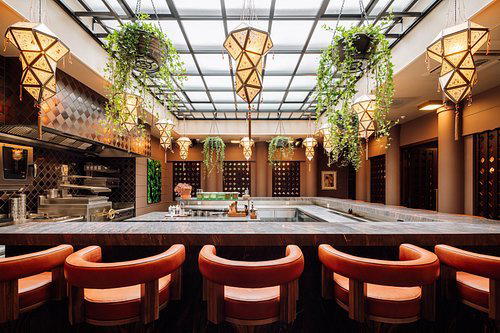
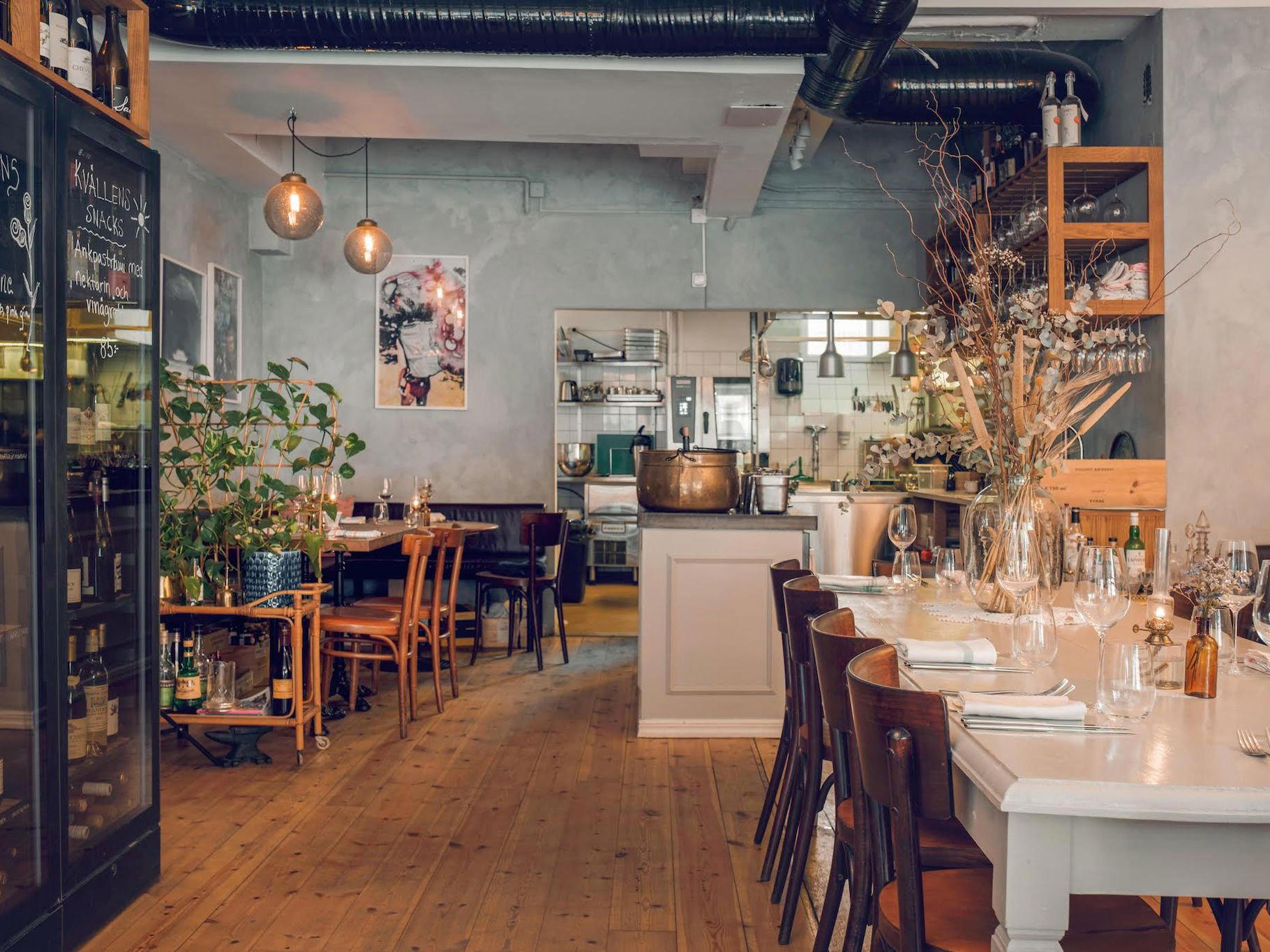
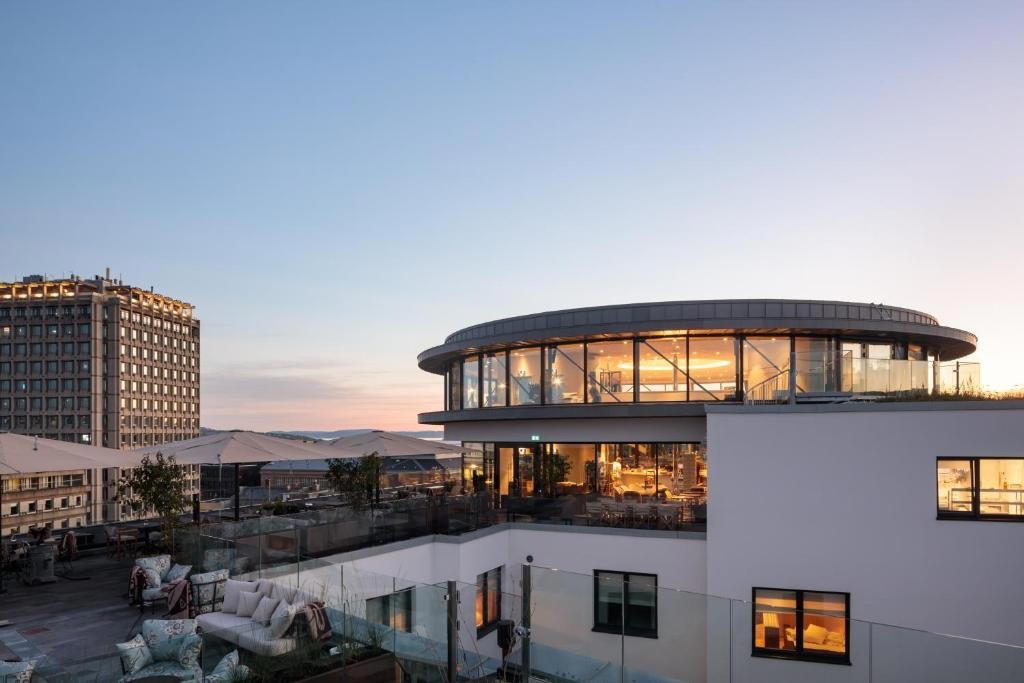
Warm, intimate setting with rustic industrial-chic design featuring exposed brick, open fireplace, wooden tables, candlelight, white furnishings, and a secluded courtyard garden with natural light.