

World's 50 Best #39 · Top 500 Bars Best Bars #480
Our verdict
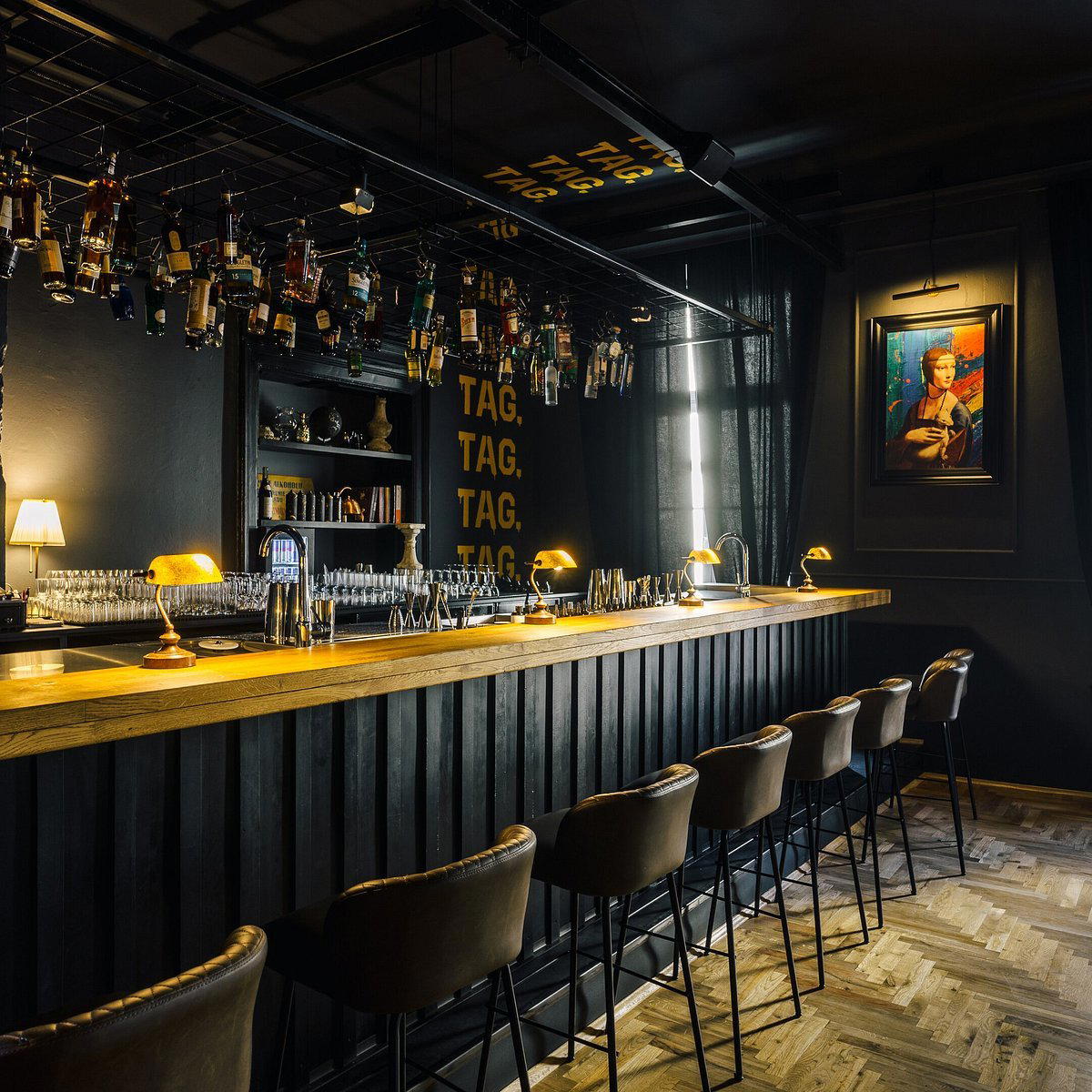
TAG occupies a corner of Kraków's old city fortifications district at Podwale 7, operating in the mid-to-upper tier of the city's modern dining scene. The restaurant draws visitors and locals navigating Kraków's increasingly competitive restaurant roster, where tasting-format and à la carte menus now coexist across a range of price points and culinary references. For context on how TAG sits within that broader field, see our full Kraków restaurants guide.

Pearl is the En Primeur Club membership app — saves, bookings, and concierge access live there. Same editors, same standards.
- Address
- Podwale 7, 31-118 Kraków, Poland
- Phone
- +48533431659
- Hours
- Mon ClosedTue 7 PM–12 AMWed–Thu 7 PM–1 AMFri–Sat 6 PM–2 AMSun Closed
- Website
- tagcocktails.com
- Directions
- Get directions
- Booking
- Book on the venue's website
Where Kraków's Menu Logic Gets Interesting
Podwale, the street running along the inner edge of Kraków's Planty park ring, sits just outside the pressure zone of the Main Market Square. Restaurants here operate with slightly less tourist foot traffic and slightly more room to make considered decisions about format, price, and menu architecture. That positioning matters. In a city where the dining tier between budget milk bars and high-concept tasting rooms has widened considerably over the past decade, the choices a restaurant makes about how to structure its menu tell you more about its ambitions than its address does.
TAG, at Podwale 7, sits inside that wider context. Kraków's modern dining scene has matured to the point where a restaurant's menu format — whether it commits to a single tasting route, offers a hybrid of set and à la carte options, or builds around a specific ingredient logic — functions as a positioning statement. The city now has enough dining density that a restaurant without a clear structural idea tends to drift between categories rather than define one. See our full Krakow restaurants guide for a wider map of how these tiers currently break down.
Reading the Menu as a Document
Across Poland's larger cities, the most discussed restaurants tend to be the ones where the menu architecture is doing deliberate work. At Bottiglieria 1881 Restaurant in Kraków, the tasting menu functions as a concentrated argument about Central European ingredient history. At Arco by Paco Pérez in Gdańsk, the menu imports a Mediterranean structural logic into a Baltic port city. At hub.praga in Warsaw, the format is deliberately casual and rotational. Each of these positions is legible because the menu structure itself communicates it.
The question worth asking about any Kraków restaurant in the mid-to-upper tier is whether the menu is making an argument or simply presenting options. The former requires a point of view: a seasonality framework, a regional sourcing commitment, a technique-led sequence, or a wine pairing philosophy that shapes what gets ordered and in what order. The latter is more common and less interesting. TAG's address on Podwale places it adjacent to restaurants like 3 Rybki and Aqua e Vino, both of which have developed recognisable menu identities within Kraków's dining field.
Kraków's Dining Tier in 2024
The city's restaurant scene now spans a wider range than it did before 2015. At the entry level, milk bars and casual Polish kitchens remain genuinely competitive on price and portion. In the middle tier, a generation of wine-forward bistros and ingredient-led restaurants has established itself with enough consistency to attract repeat local business alongside tourist trade. At the upper end, a handful of venues operate with tasting menus, curated wine lists, and booking lead times that place them in conversation with comparable rooms in Warsaw, Poznań, and Wrocław.
Within this structure, Podwale-area restaurants like TAG draw from multiple demand pools: Old Town visitors who want something more considered than tourist-facing trattorias, local professionals who use the Planty fringe as a reliable mid-week dining zone, and food-focused travellers who are working through Kraków's more discussed addresses. Alchemia and Ariel serve adjacent but distinct audiences in the same neighbourhood radius. Bianca occupies a different price point in the same general zone.
For context on how Kraków's tier compares to other Polish cities: Muga in Poznań and Kwestia Czasu in Białystok both represent the kind of regionally-specific, ingredient-forward positioning that Poland's secondary cities have developed with increasing confidence. Giewont in Kościelisko shows how mountain-region sourcing can underpin a distinct menu identity. The national frame is competitive enough that a Kraków restaurant without a clear structural identity is working against the current.
What Menu Architecture Reveals
The most useful way to assess a restaurant's menu is to look at what it omits as much as what it includes. A menu that covers too much culinary ground, Polish classics alongside pan-Asian accents alongside French technique, signals either a commercial hedge or an absence of editorial control. A menu that commits to a narrower register, even if that register is hybrid, suggests the kitchen has made decisions about what it is and what it is not.
In cities like Kraków, where international dining references are available but local ingredient culture is genuinely strong, the most coherent menus tend to be the ones that use Polish seasonal produce as a foundation and apply technique selectively rather than decoratively. This is the approach that has sustained the longer-running addresses in Kraków's upper tier, and it is the framework against which newer or less-documented venues are implicitly measured by the city's regular dining audience.
For international reference points on how menu architecture functions at the highest level, Le Bernardin in New York City demonstrates what a single-protein focus looks like when applied with full commitment across every menu decision. Atomix in New York City shows how a cultural reference framework can structure a tasting sequence without reducing it to a theme. These are not peer comparisons for a Kraków mid-tier restaurant, but they illustrate the principle: menu architecture as a legible argument.
Further afield in Poland, Hashi Sushi in Gdansk, Hattori Hanzo in Czestochowa, and Cudne Manowce in Olsztyn each represent how single-format or single-reference menus operate outside Poland's two largest cities. Włoska Restauracja Bellanuna in Rzeszow takes a regional Italian identity as its anchor. The pattern across all of these is that menu specificity, rather than breadth, tends to drive the clearest dining identities in Polish cities of this scale.
Planning Your Visit
TAG is located at Podwale 7 in Kraków's inner ring, within walking distance of the Main Market Square and the Wawel approach. The Planty park corridor makes the address easy to reach on foot from most central accommodation. Given the absence of confirmed booking data, contacting the restaurant directly before your visit is the sensible approach, particularly on weekends when Kraków's central dining addresses run at fuller capacity. The Podwale strip operates across a range of formats and price points, which makes it a practical anchor for a broader evening in the neighbourhood.
Frequently asked questions
Where is TAG located?
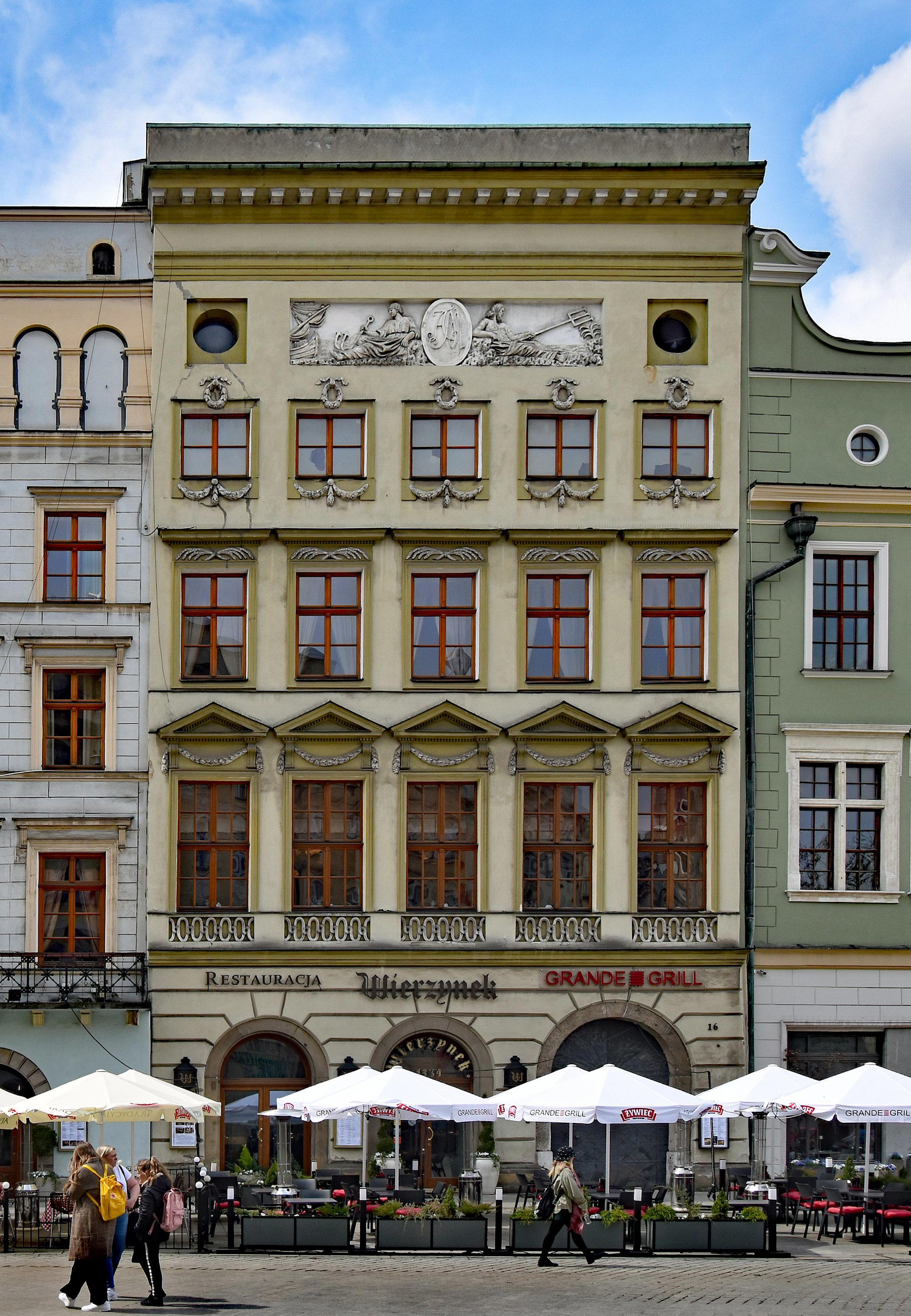
TAG is located at Podwale 7, 31-118 Kraków, Poland, Krakow.
How does TAG's location on Podwale compare to eating directly on the Main Market Square in Kraków?
Podwale runs along the inner edge of the Planty park ring, which puts TAG roughly one block outside the Main Market Square's immediate footprint. That positioning matters: restaurants on Rynek Główny itself carry a significant tourist premium in both pricing and kitchen ambition, while addresses on the Planty fringe tend to draw a higher share of local repeat diners. For visitors to Kraków, Podwale 7 is walkable from the square in under five minutes while sitting in a noticeably quieter operational zone.
What's the must-try dish at TAG?
What the Kraków dining context does suggest is that restaurants occupying this tier of the Planty fringe tend to anchor menus around a focused set of courses rather than sprawling à la carte lists. Visiting with an open approach to the full menu, rather than a single-dish target, is the more reliable strategy at addresses like this.
Should I book TAG in advance?
Podwale 7 places TAG inside Kraków's central dining corridor, where occupancy on Thursday through Saturday evenings runs consistently high across the mid and upper-mid restaurant tier. Central Kraków addresses at this level of positioning rarely hold walk-in capacity on peak nights.
Where the Accolades Land
Comparable venues nearby, for context on price, style, and recognition.
| Venue | Cuisine | Price | Awards | Notes |
|---|---|---|---|---|
| TAGThis venue — the venue you are viewing | Modern Classic Cocktails | Not listed | World's 50 Best #39 · Top 500 Bars Best Bars #480 | Not listed |
| Restauracja Cechowa | Traditional Polish | $10–20 | Not listed | Old Town |
| Ramen People | Authentic Japanese Ramen | $10–20 | Not listed | Stare Miasto |
| Restaurant Galicyjska | Traditional Polish Noble Cuisine | $20–30 | Not listed | Stare Miasto |
| Szara Gęś | Modern Polish Fine Dining | $50–100 | Star Wine List | Old Town/Main Square (Rynek Główny) |
| Oranżeria | Modern European with Polish Influences | $50–100 | Not listed | Stare Miasto |
Recognition history
Dated appearances from independent guides and award organizations, with the underlying list record or original source where available.
World's 50 Best Europe's Best Bars #39
World's 50 Best
Top 500 Bars Best Bars #480
Top 500 Bars
Details
- Modern
- Trendy
- Intimate
- Date Night
- Casual Hangout
- Design Destination
- Craft Cocktails
- Small Plates
- Classic Cocktails
- Modern Twists
Current opening hours
- Monday
- Closed
- Tuesday
- 7 PM–12 AM
- Wednesday
- 7 PM–1 AM
- Thursday
- 7 PM–1 AM
- Friday
- 6 PM–2 AM
- Saturday
- 6 PM–2 AM
- Sunday
- Closed
Hours can change for holidays and private events. Last verified .
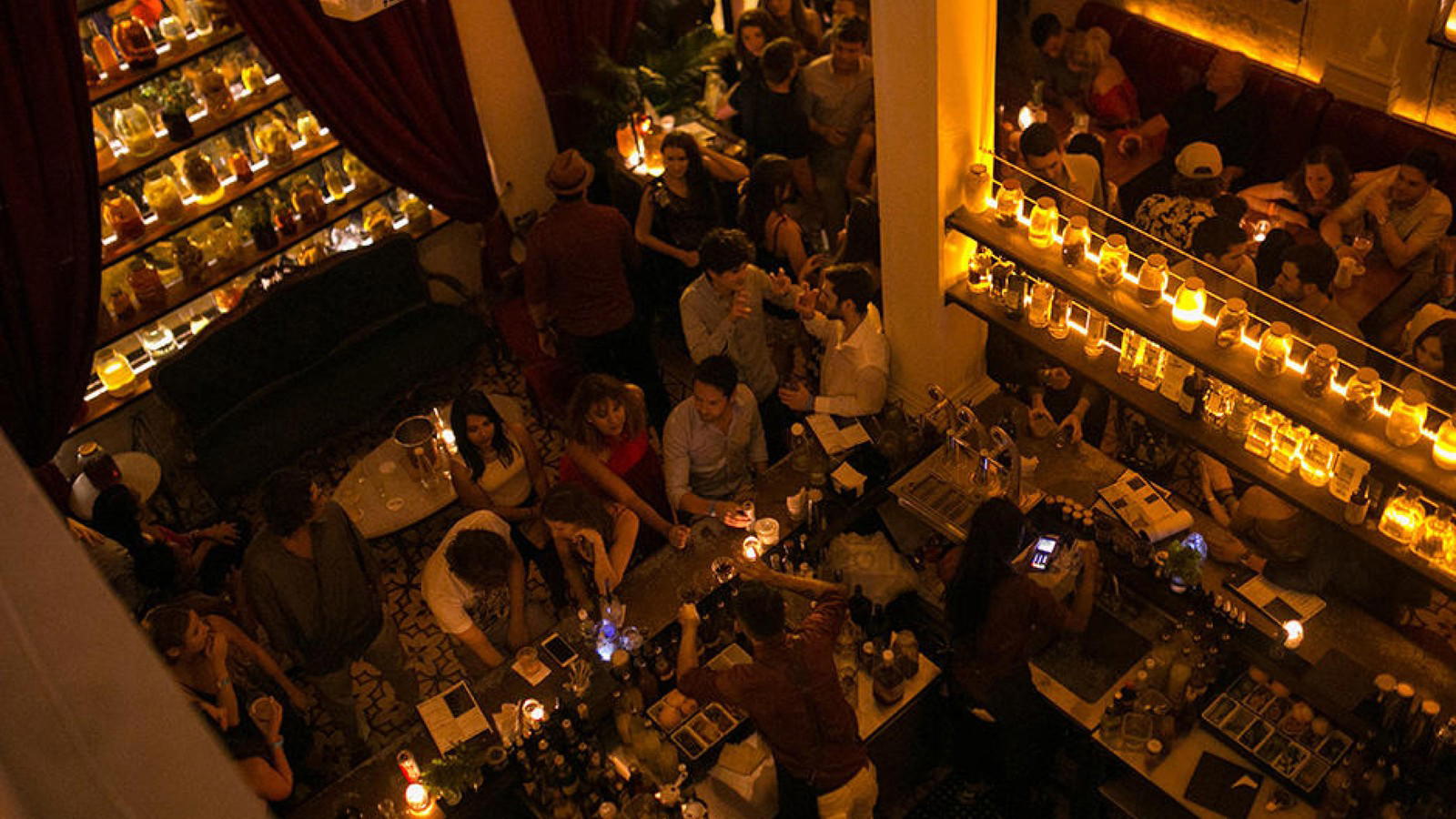
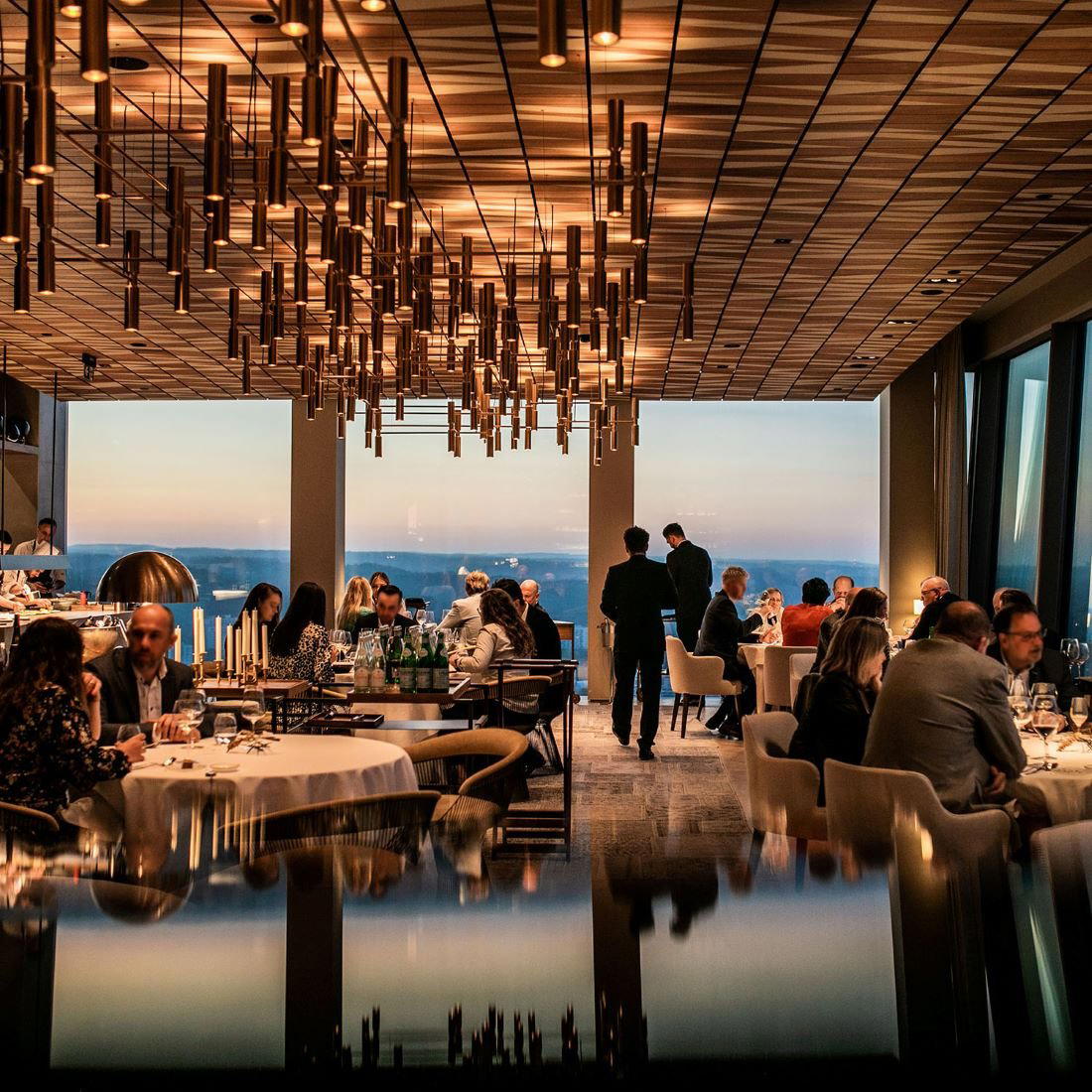
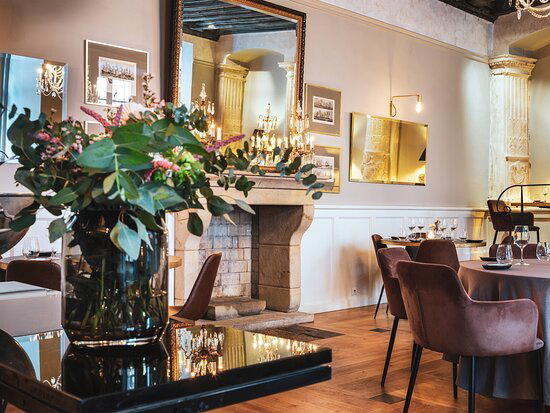
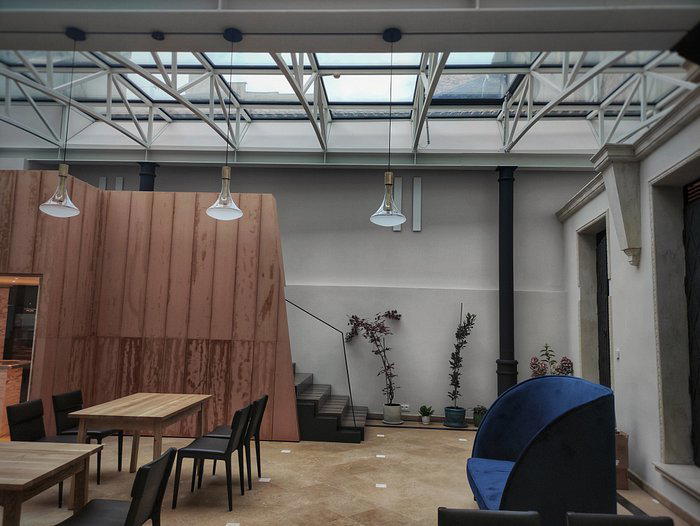
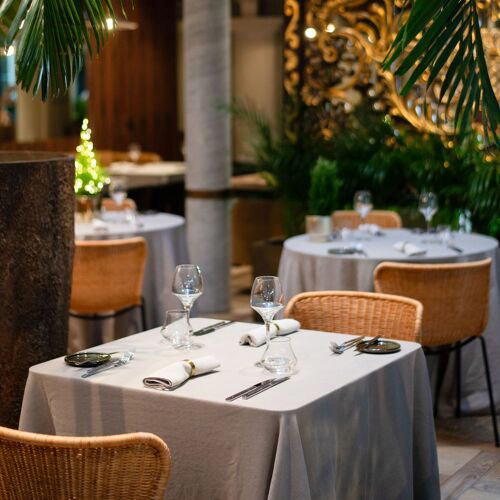
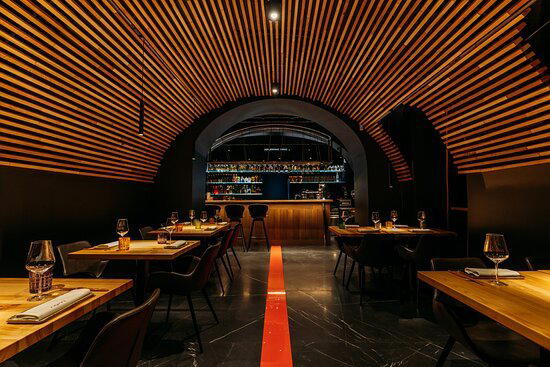
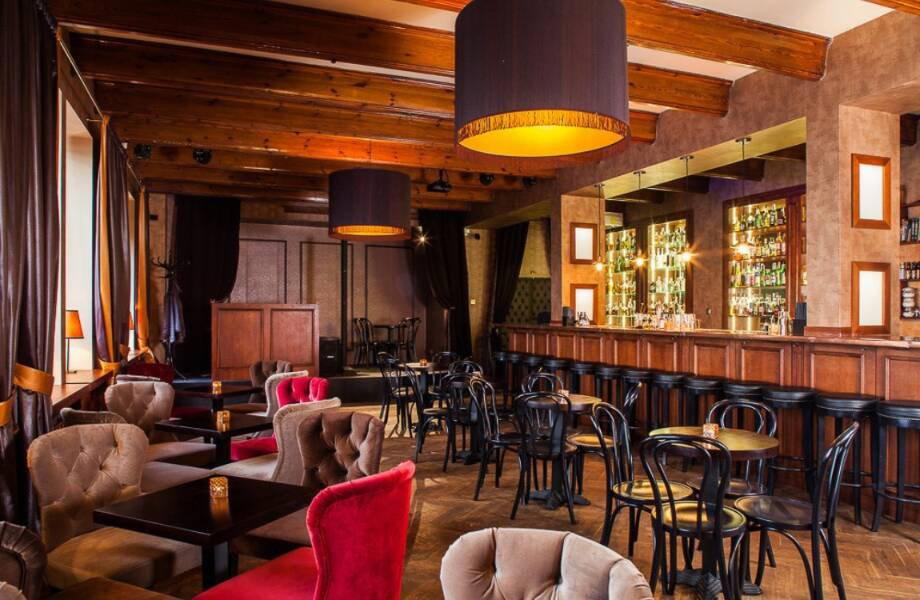
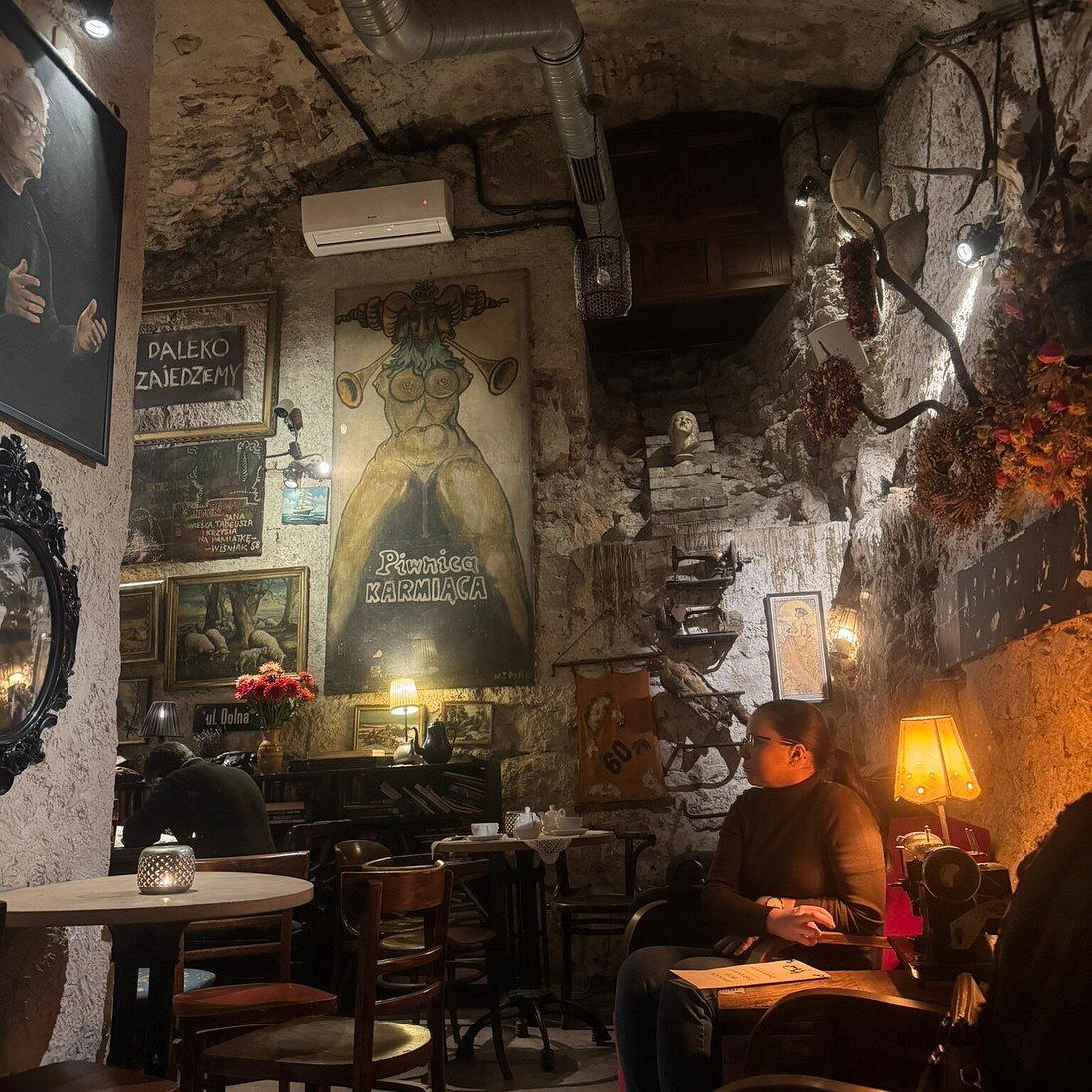
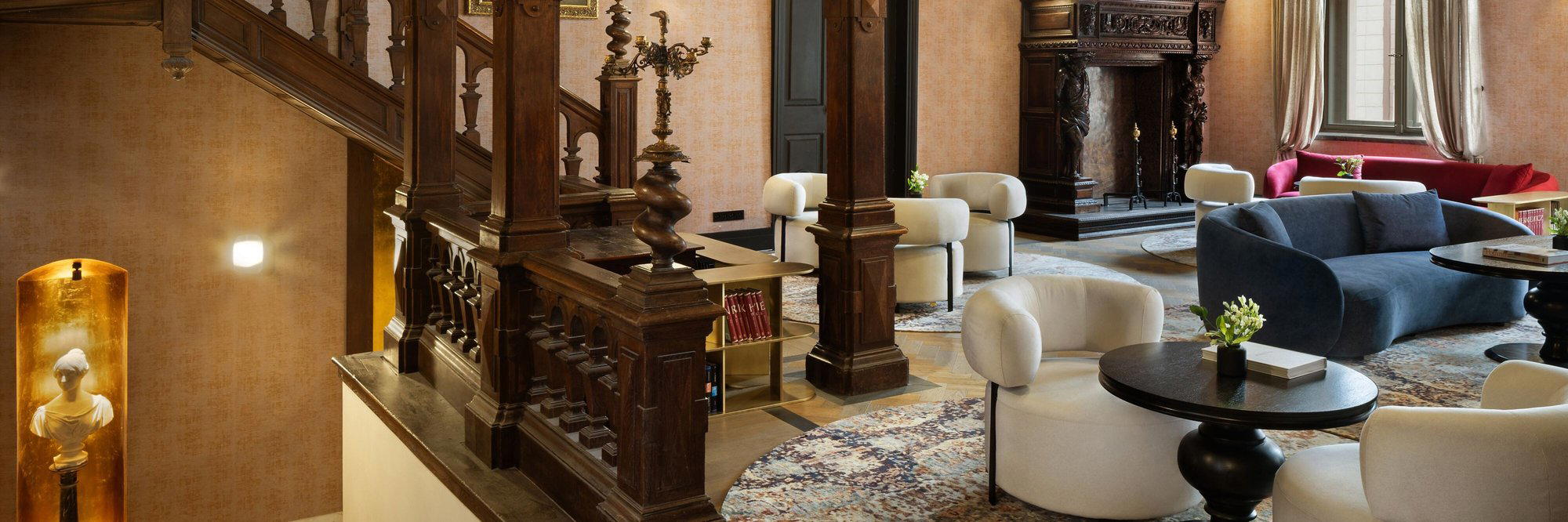
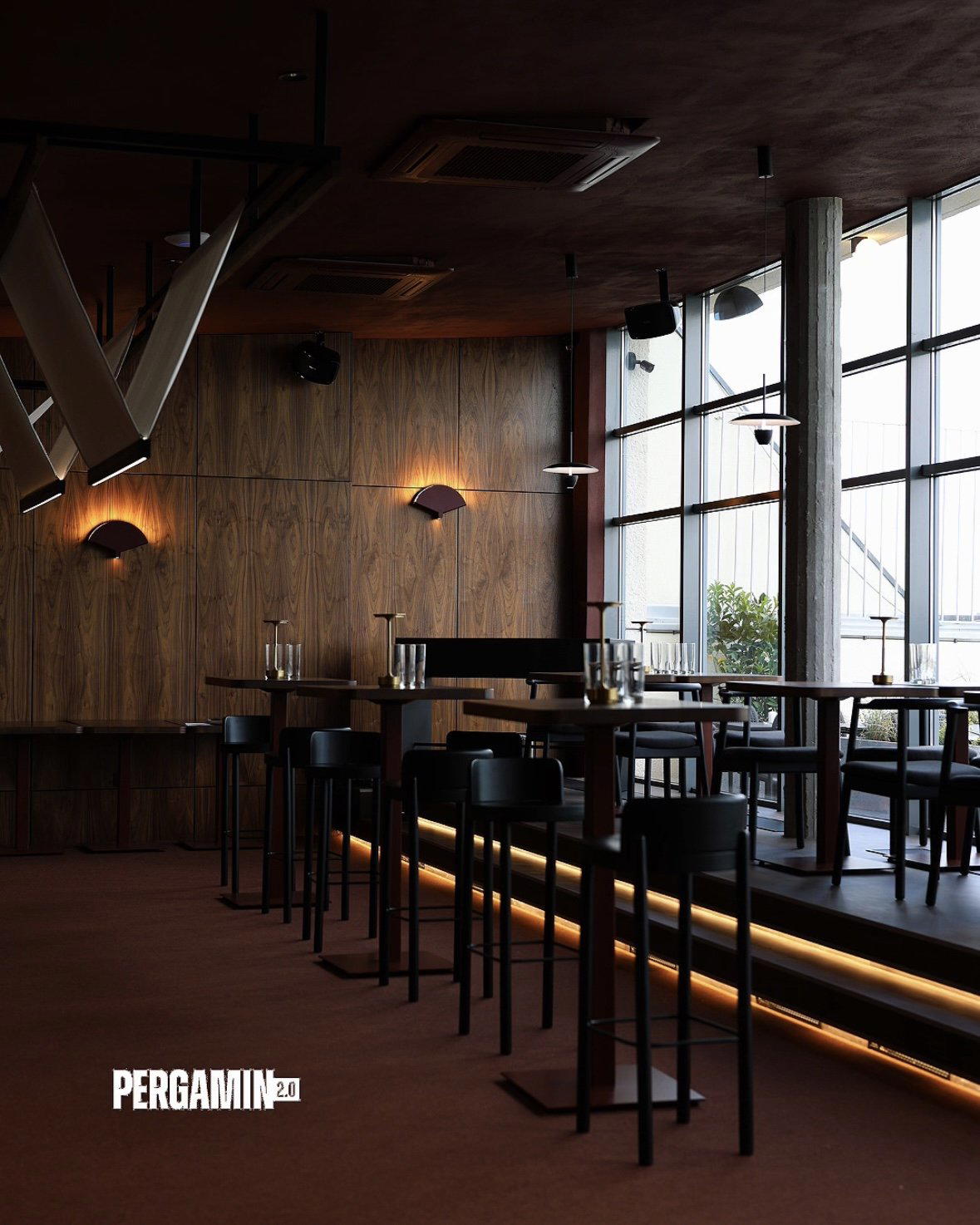
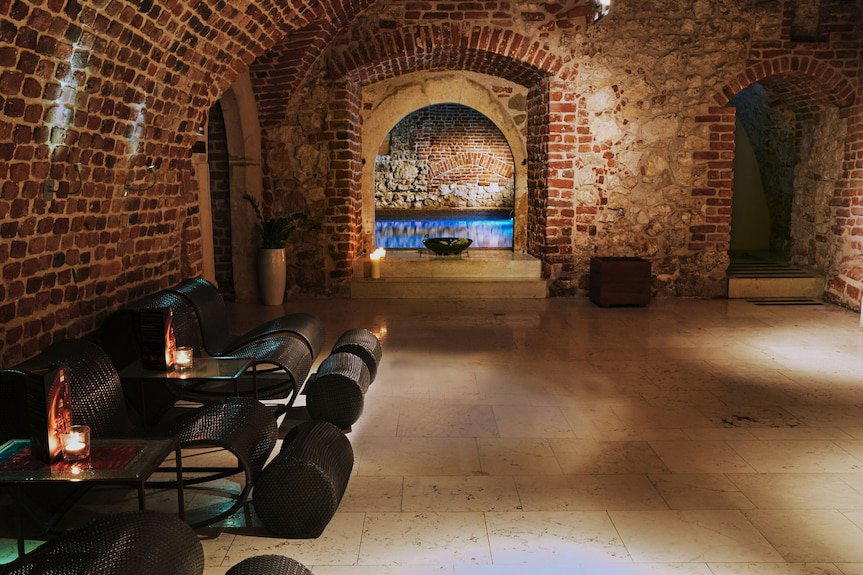
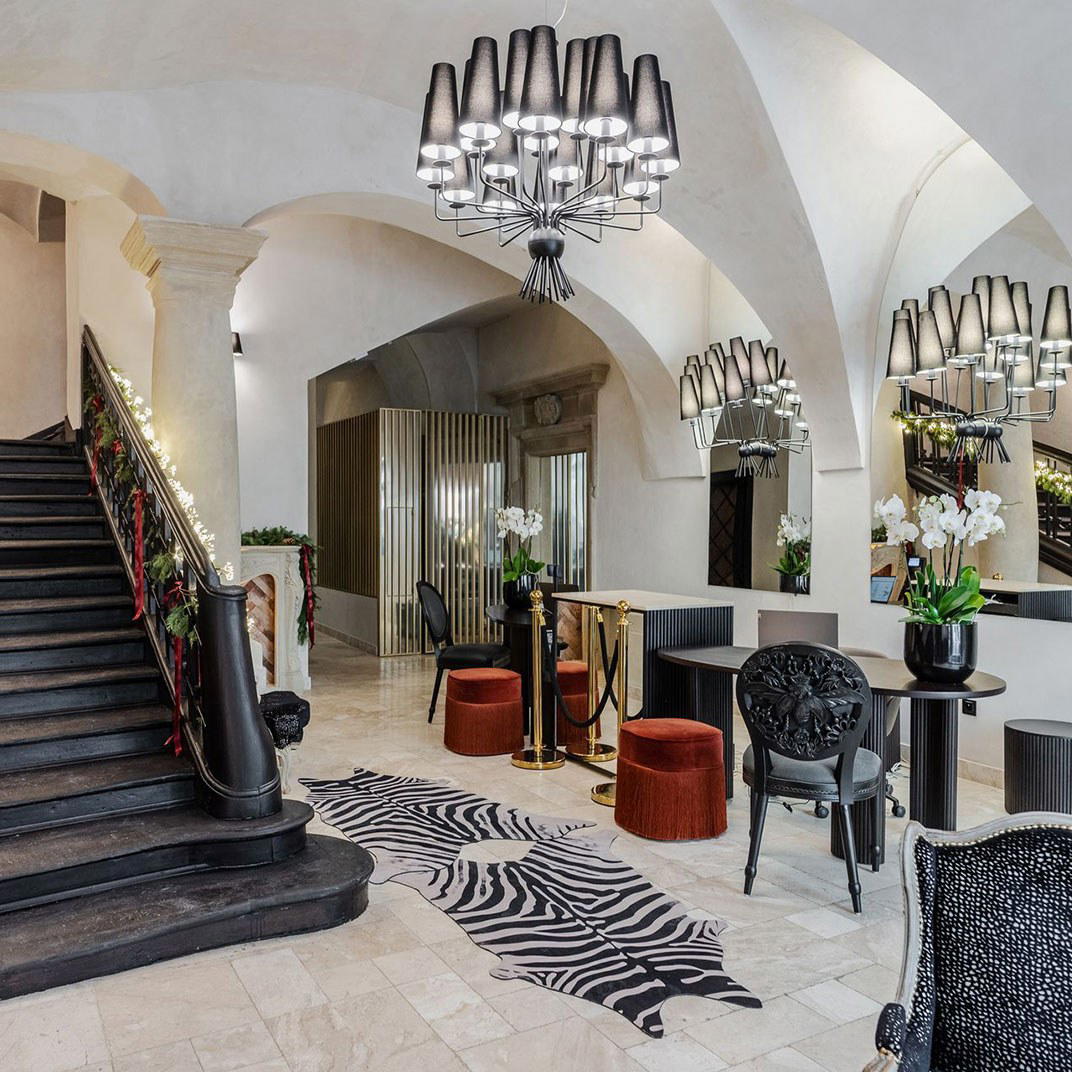
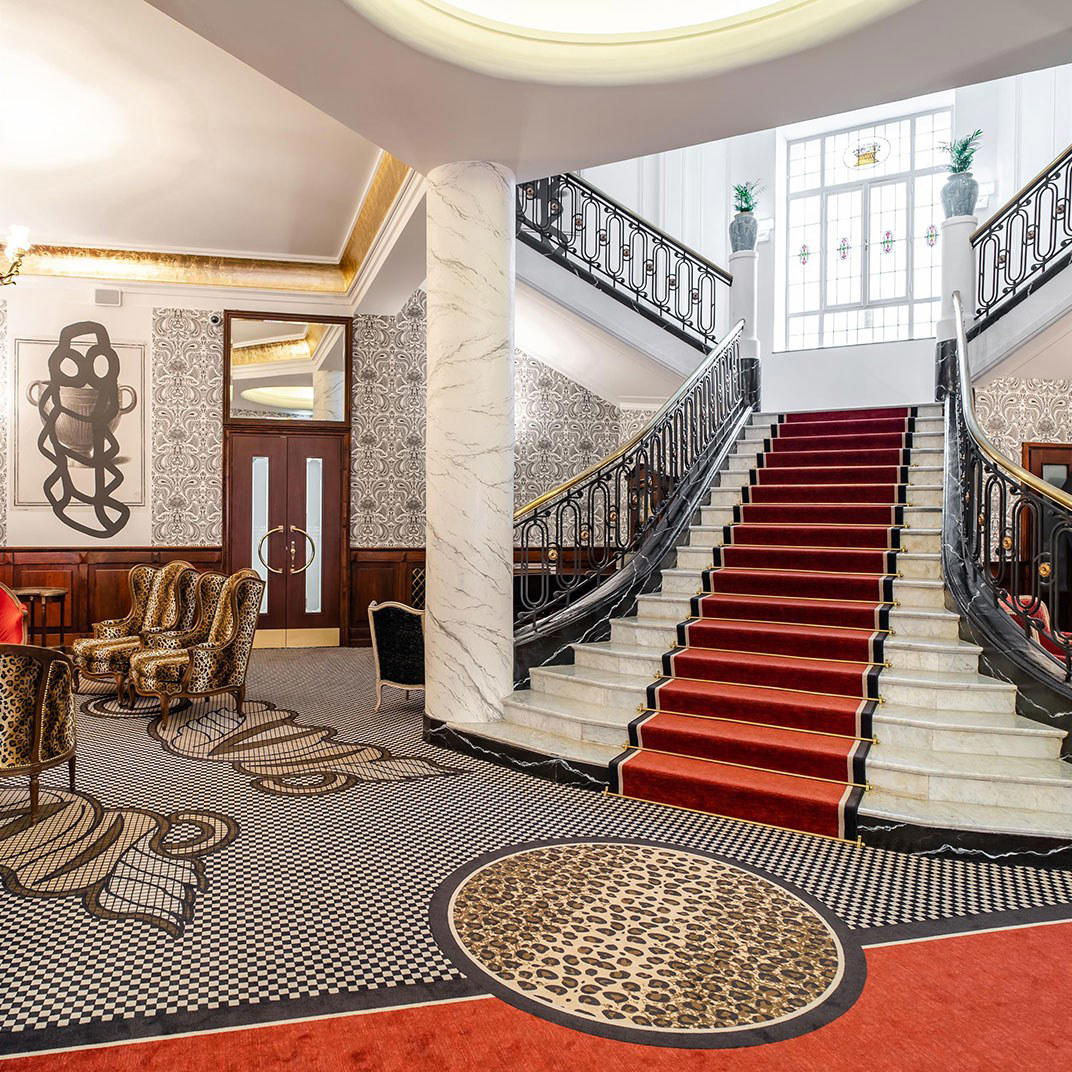
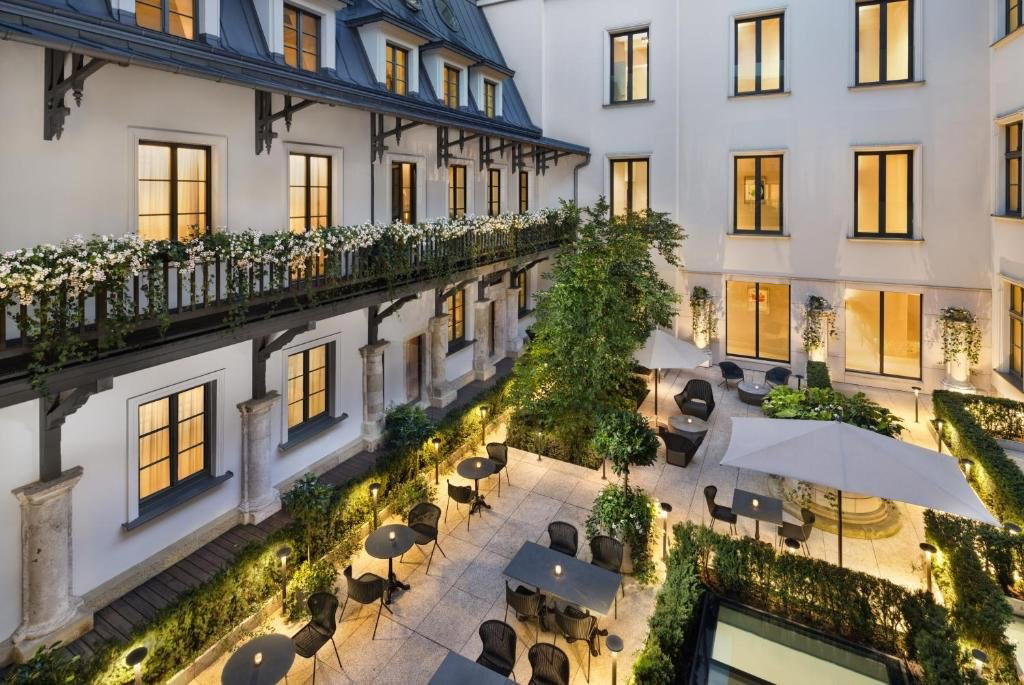
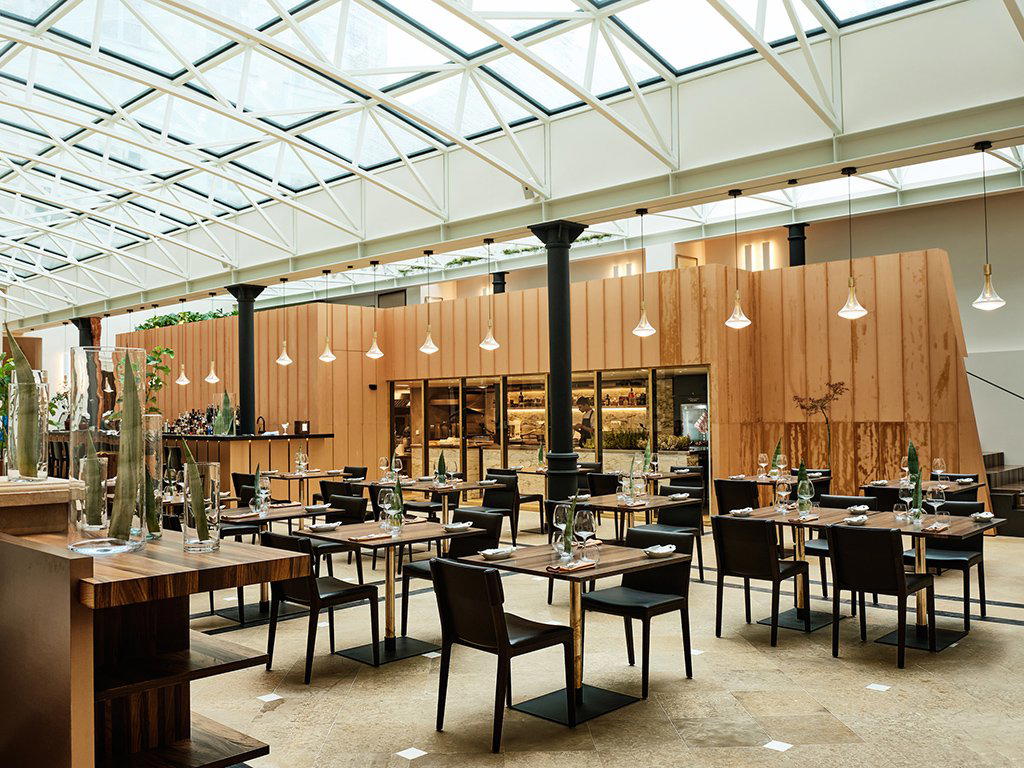
Warm, relaxed atmosphere resembling an art gallery with comfortable seating, cool vibes, and a fun, creative menu.