Oranżeria occupies a storied address on plac Kossaka in central Kraków, positioning itself within the city's upper tier of dining rooms where setting and culinary ambition are expected to match. For visitors planning ahead, its location places it within easy reach of the Old Town while sitting in a comparable set that includes some of the city's more serious kitchens.
 Discover on Pearl
Pearl is the En Primeur Club membership app — saves, bookings, and concierge access live there. Same editors, same standards.
- Address
- plac Kossaka 1, 31-106 Kraków, Poland
- Phone
- +48 664 463 059
- Website
- cafeoranzeria.pl
A Room Worth Planning For
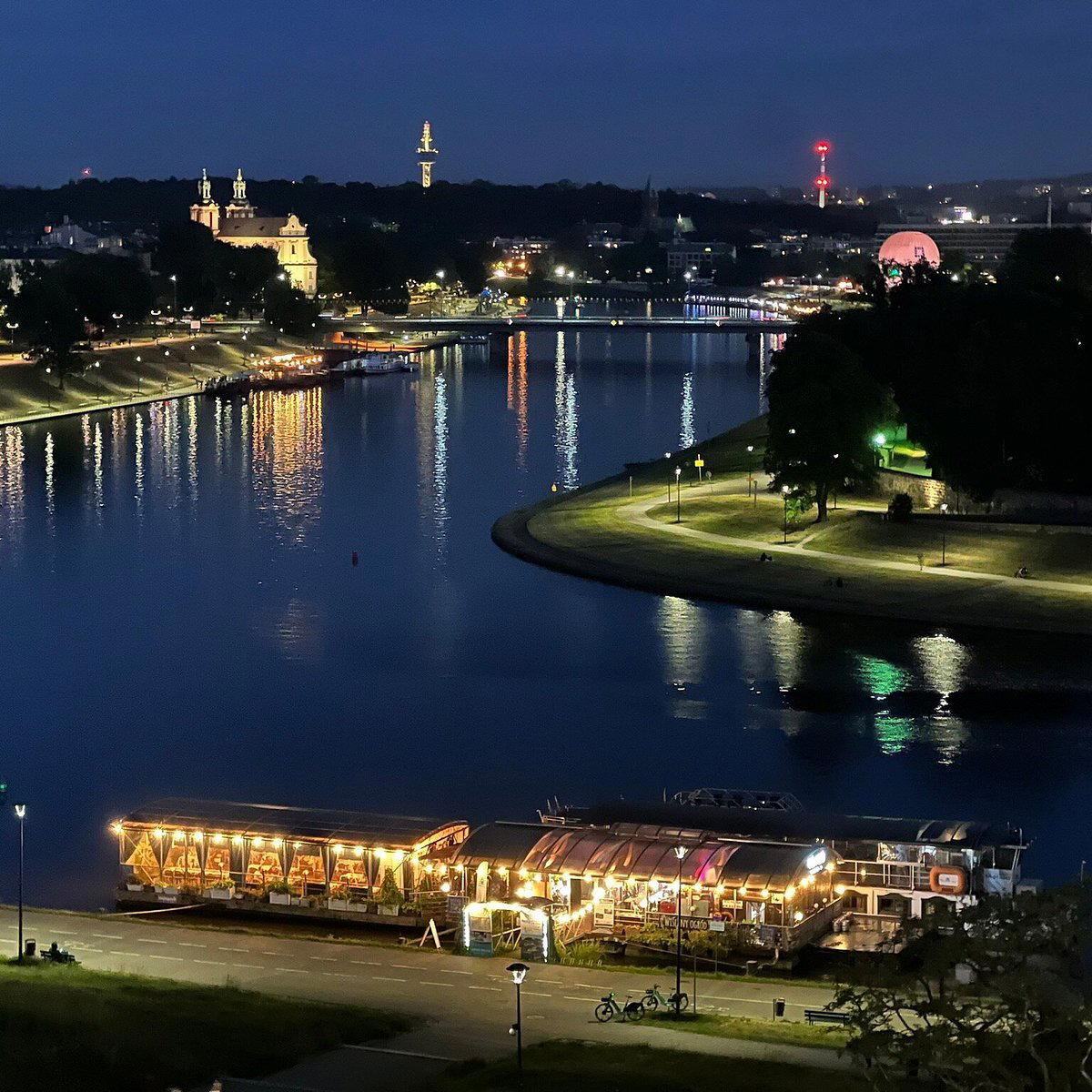
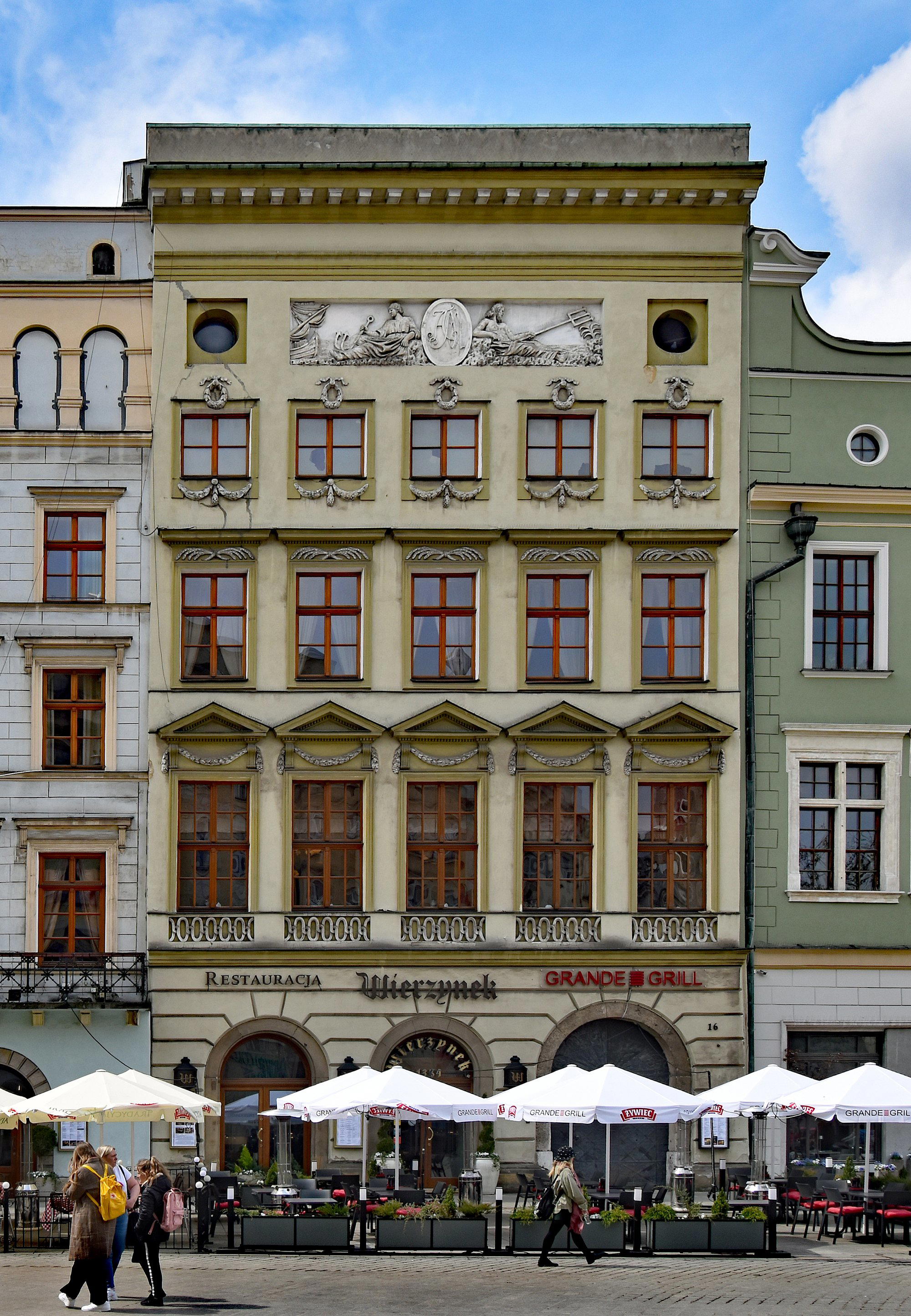
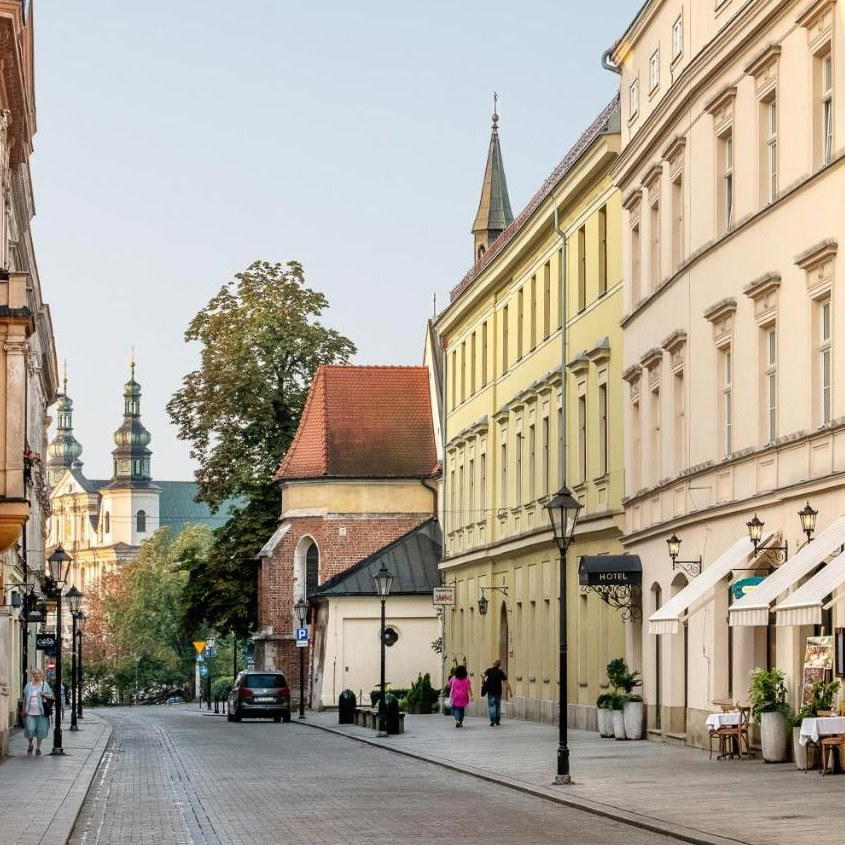
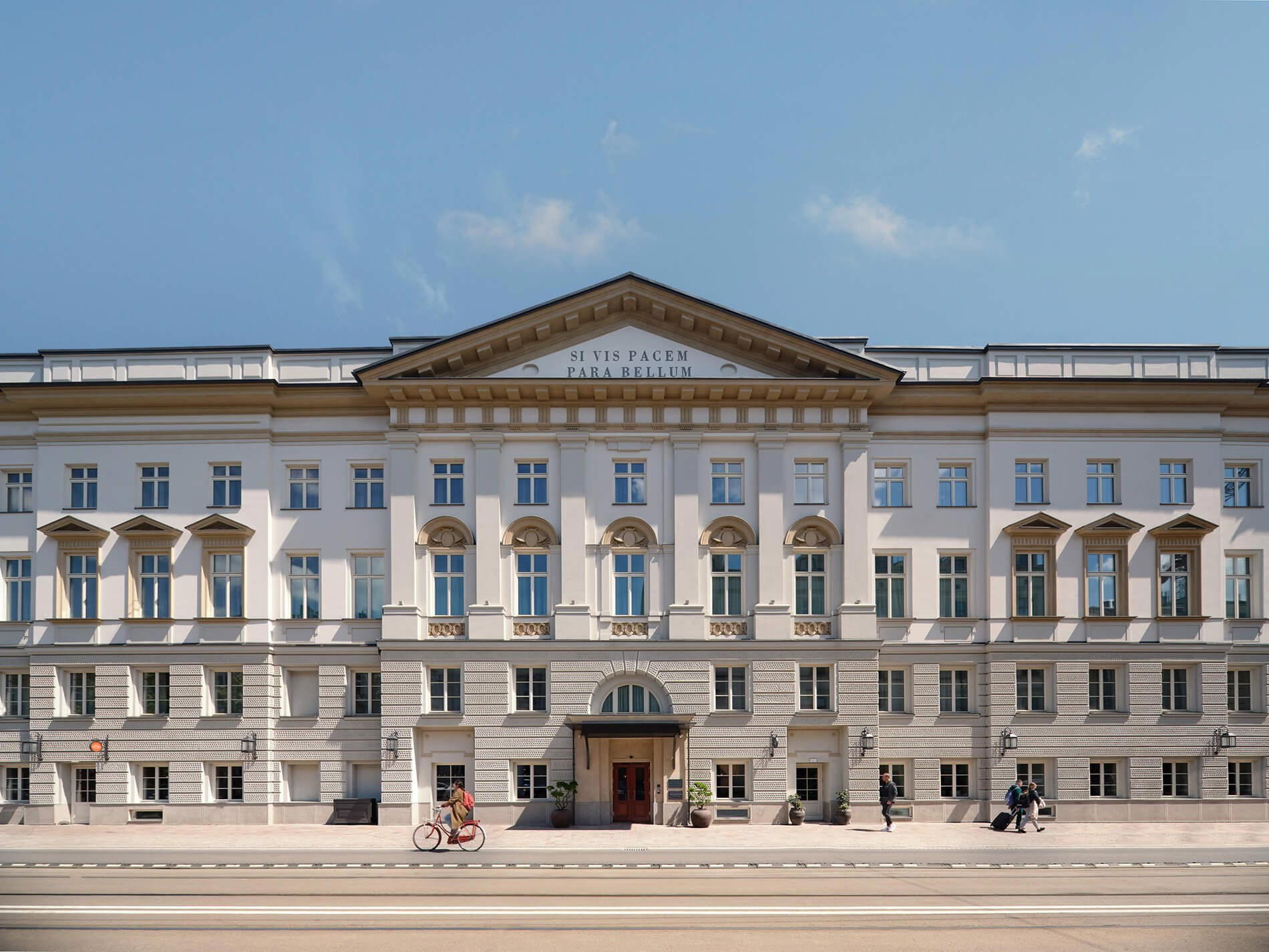
Plac Kossaka sits on the northern edge of Kraków's Old Town, where the city's historic core gives way to quieter residential streets and the occasional cultural institution. The square itself carries more weight than its modest scale suggests: it is named after Juliusz Kossak, the 19th-century Polish painter, and the architecture around it reflects the kind of mid-bourgeois solidity that defines much of central Kraków's built environment. Oranżeria takes its place at plac Kossaka 1, and the address alone signals something about positioning. In a city where the dining room as physical statement has become increasingly important, location functions as a first impression before anything reaches the table.
Kraków's restaurant scene has shifted considerably over the past decade. The city that once traded almost entirely on its medieval atmosphere and tourist-friendly pricing now sustains a tier of genuinely ambitious kitchens, several of which carry or have carried Michelin recognition. Bottiglieria 1881 Restaurant in Kraków holds a Michelin star and represents the high end of that shift, while addresses like 3 Rybki and Aqua e Vino occupy the space between casual and fine dining that most visitors end up spending the most time in. Oranżeria enters this context as a named destination on a historically resonant square, and that placement carries its own set of expectations.
What Draws the Advance Planner
The editorial angle here is logistics, because for a certain kind of traveller to Kraków, knowing how to approach a booking matters more than any individual dish description. Polish dining at this address tier does not always follow the online-booking orthodoxy that has become standard in London or Copenhagen. Many Kraków restaurants in the upper-middle range still handle reservations by phone or through third-party platforms with varying lead times. For Oranżeria specifically, booking is recommended.
The broader pattern across Kraków's more considered restaurants is that weekend tables at dinner, particularly during summer and the lead-up to Christmas, fill well ahead of time. Kraków receives significant visitor numbers relative to its size: the city draws travellers from across Europe for its preserved medieval centre, the Kazimierz district, and proximity to Wieliczka and Auschwitz. That volume creates pressure on dining rooms that have not dramatically expanded capacity in response. Visitors arriving without a reservation on a Friday or Saturday evening in peak season will find the upper tier of Kraków restaurants difficult to enter without advance planning. Arriving earlier in the week, or booking through your hotel concierge if staying at one of the larger Old Town properties, remains the most reliable path in.
Placing Oranżeria in the Kraków Context
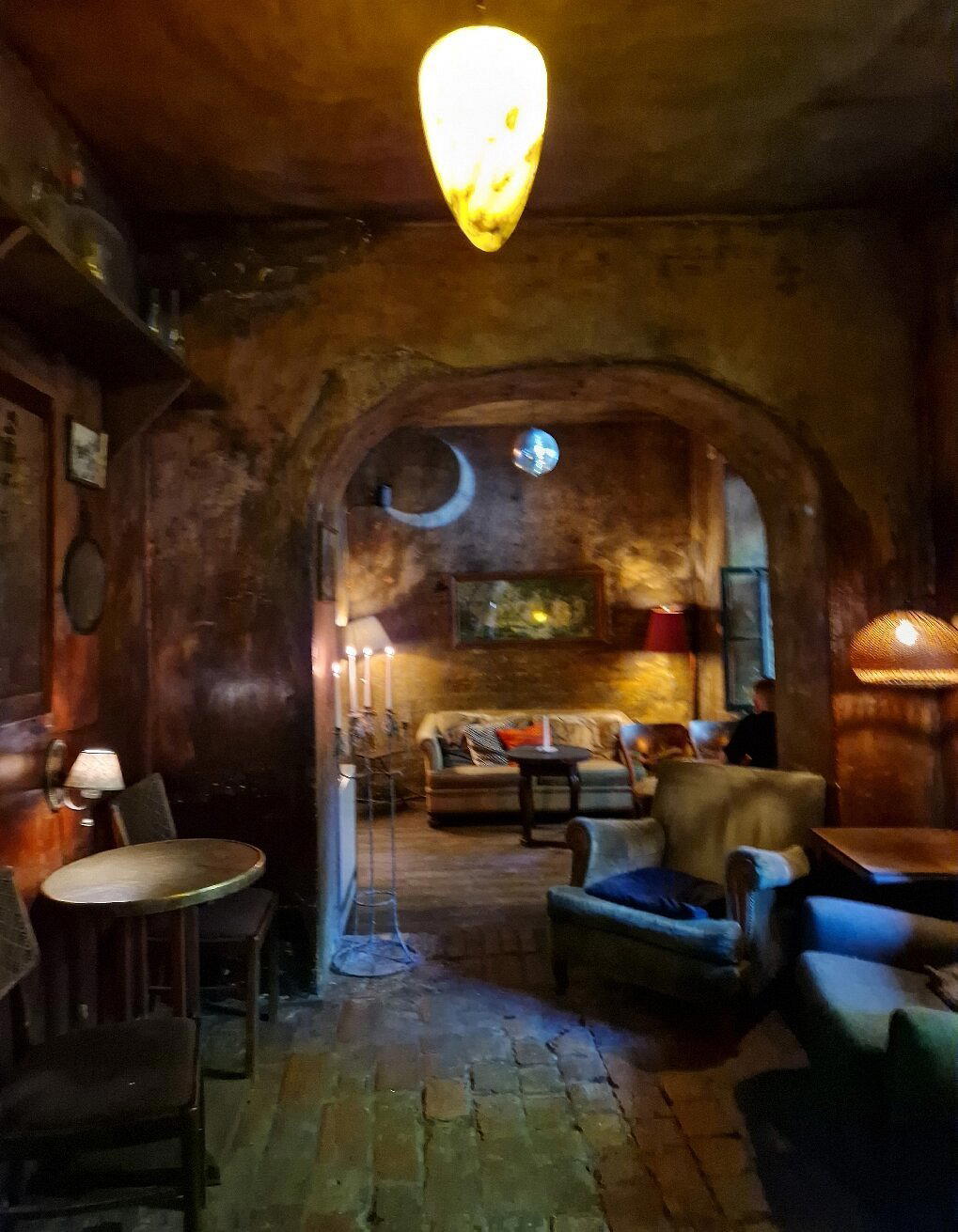
Name Oranżeria references the orangery tradition, those glass-and-iron garden rooms that were a fixture of European aristocratic estates from the 17th century onward. In a Polish context, the orangery carries specific cultural weight: these spaces were places of winter gathering, of cultivated plants in a cold climate, of a certain theatrical warmth against the season. Whether the space itself delivers on that architectural reference in its interior design is something a visitor will determine on entry, but the name sets a register. It suggests enclosure, light, and a self-conscious nod to Polish heritage.
That kind of conceptual framing is increasingly common among Kraków's newer dining addresses. The city has developed a strand of restaurants that use Polish cultural or historical reference as both design vocabulary and menu philosophy, positioning themselves against the more generic Central European hotel dining that dominated a generation ago. Alongside the more straightforwardly contemporary kitchens like Akita Ramen and the long-established Kazimierz institution Alchemia, this heritage-inflected strand gives the city's restaurant map a genuine range. For a broader view of how these addresses relate to one another, our full Kraków restaurants guide maps the city's dining character by neighbourhood and category.
Poland's wider fine-dining ambitions are visible in cities beyond Kraków. Muga in Poznań and Arco by Paco Pérez in Gdańsk represent different expressions of what Polish restaurant ambition looks like in 2024, while hub.praga in Warsaw shows what happens when the format becomes more democratic. Within Kraków, Ariel in Kazimierz demonstrates how heritage theming can operate at scale, with a different pitch than Oranżeria's more intimate square-facing position.
Planning Your Visit
Plac Kossaka is walkable from the main market square, Rynek Główny, in under ten minutes, and sits close enough to the Planty ring to be reached comfortably from most Old Town hotels. For visitors travelling beyond Kraków, the comparison set extends to mountain dining at Giewont in Kościelisko, which takes a very different environmental approach. Those using Kraków as a base for longer Polish itineraries might also note addresses like OK Wine Bar in Wrocław or Bar Przystań in Sopot for coastal contrast. For international reference points at the highest end of the precision-cooking spectrum, Le Bernardin in New York City and Lazy Bear in San Francisco illustrate what chef-driven tasting format dining looks like at a different scale entirely.
For Oranżeria, arriving with a reservation is the advised approach. Seasonal timing matters: Kraków's peak visitor season runs from May through September, with a secondary surge around December for the Christmas markets. Both periods create the highest pressure on tables. Shoulder season visits in March, April, or October offer meaningfully better availability across the upper tier of the city's dining rooms, and the city itself is often easier to move through without the summer crowds on the Rynek.
How It Stacks Up
Comparable venues nearby, for context on price, style, and recognition.
| Venue | Cuisine | Price | Awards | Notes |
|---|---|---|---|---|
| OranżeriaThis venue — the venue you are viewing | Modern European with Polish Influences | $$$ | , | |
| Czarna Kaczka | Traditional Polish | $$ | , | Stare Miasto |
| 3 Rybki | Modern Polish with Seafood Focus | $$$ | , | Stare Miasto |
| Alchemia | International Gastropub | $$ | , | Kazimierz |
| OLIO Welovepizzanapoletana | Authentic Neapolitan Pizza | $$ | riverside | |
| Restaurant Venue by Chez Nicholas | French-Asian Fusion Fine Dining | $$$ | , | Old Town |
At a Glance
- Romantic
- Scenic
- Elegant
- Sophisticated
- Date Night
- Business Dinner
- Special Occasion
- Rooftop
- Terrace
- Panoramic View
- Hotel Restaurant
- Open Kitchen
- Extensive Wine List
- Craft Cocktails
- Skyline
- Waterfront
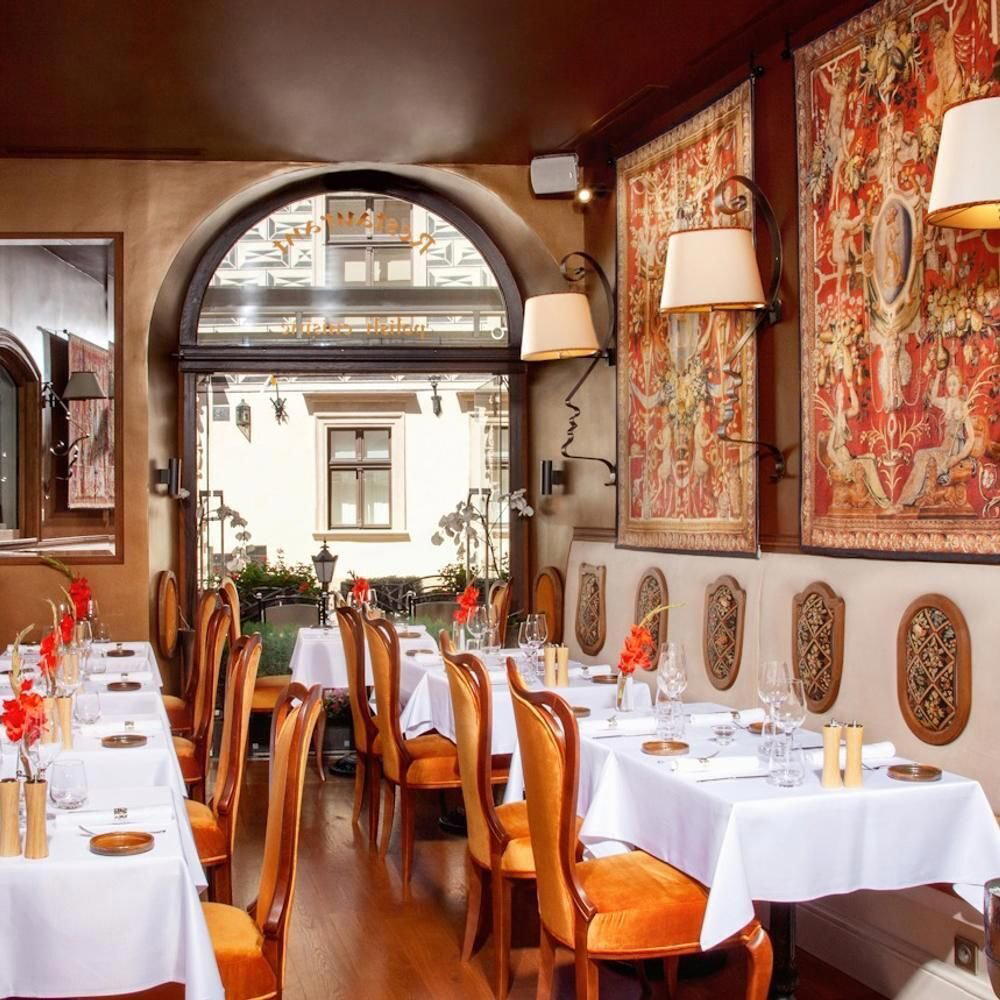
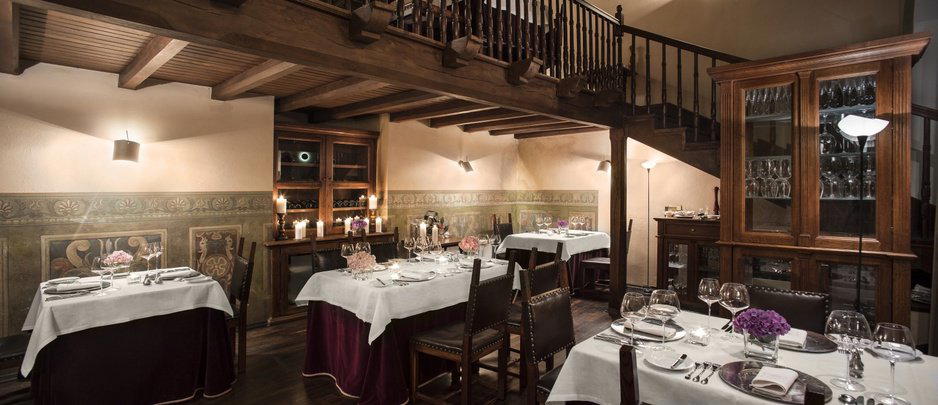
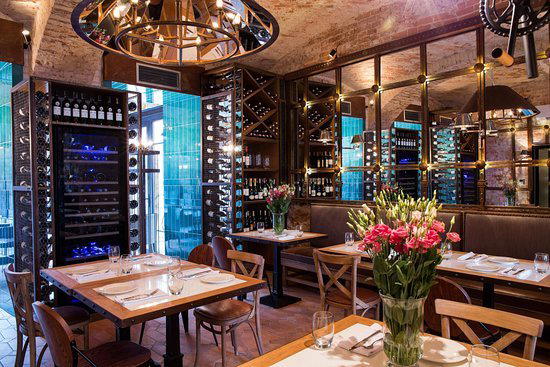
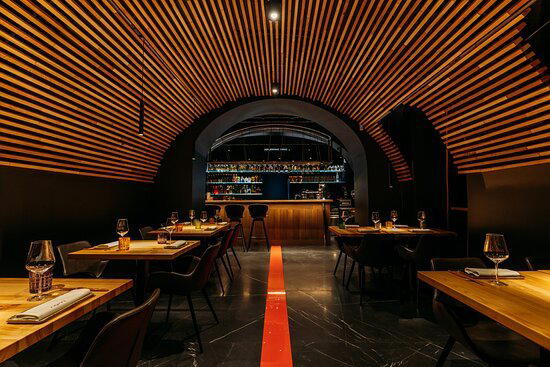
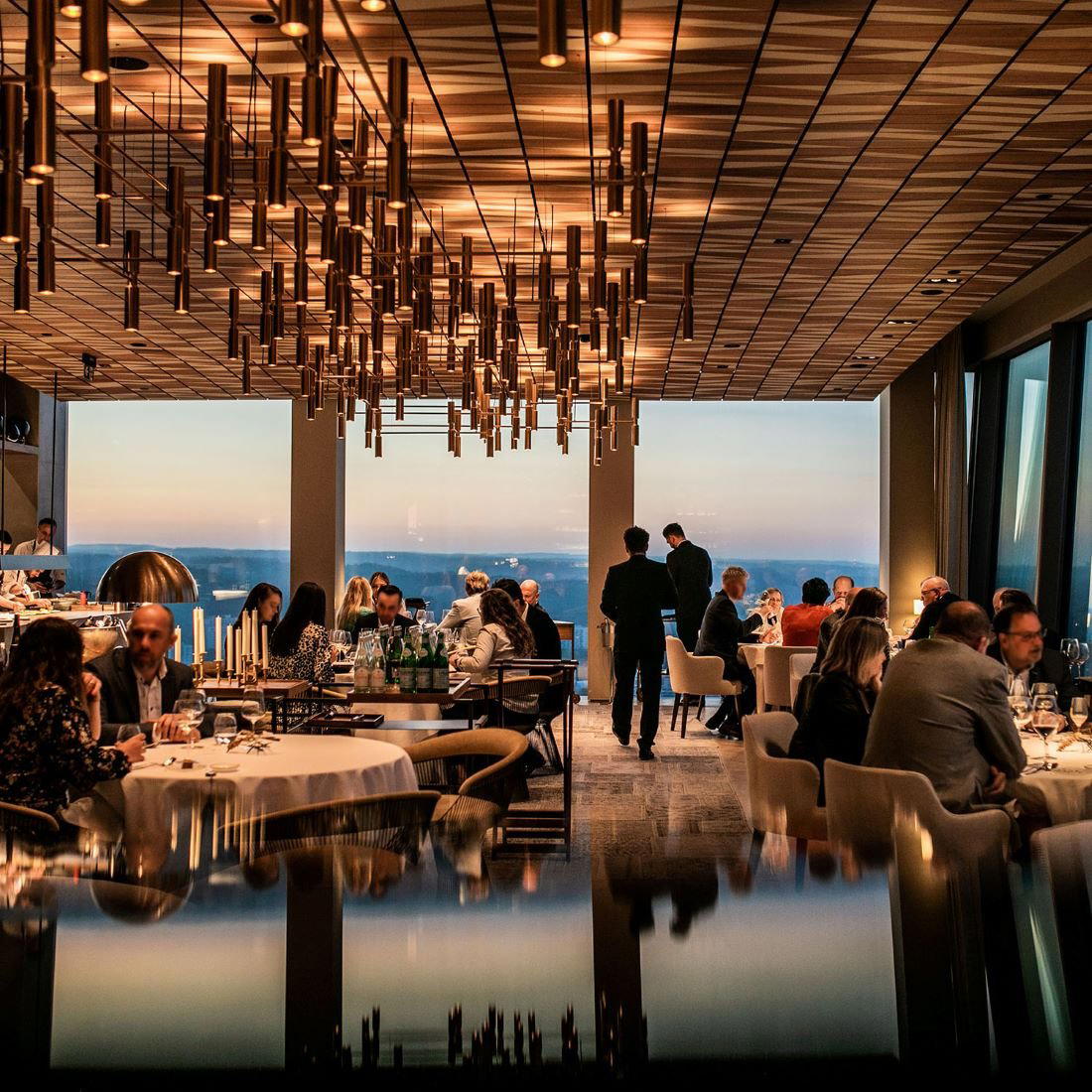
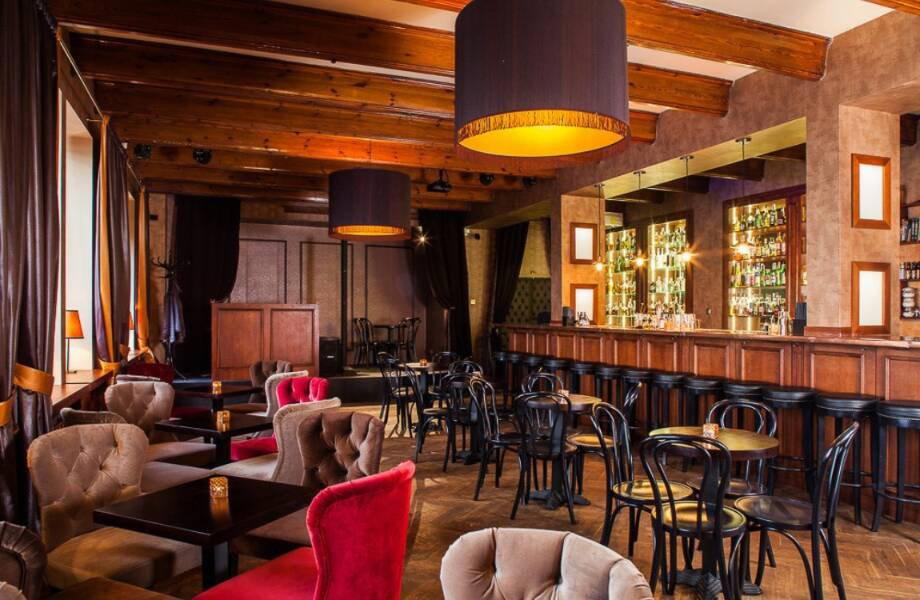
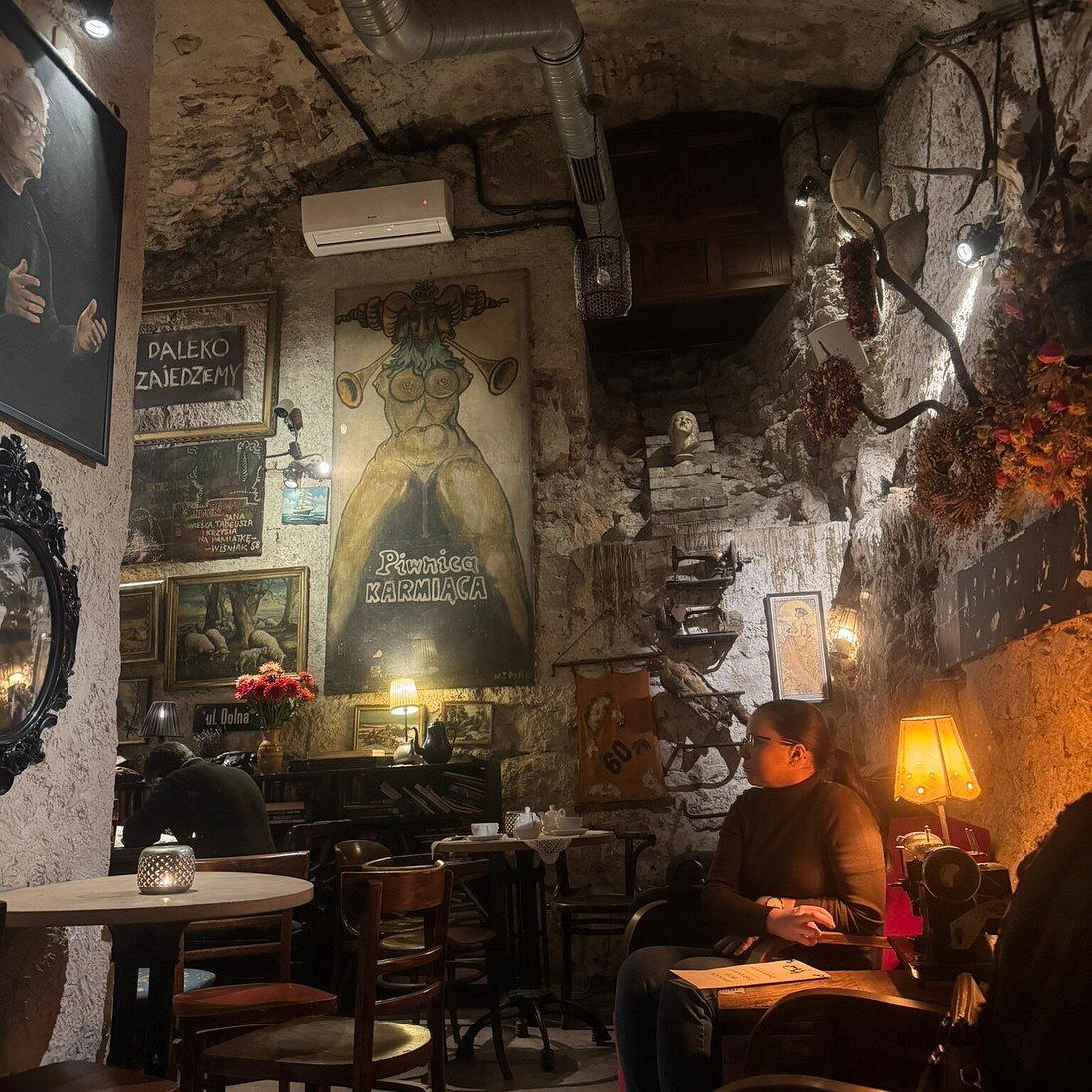
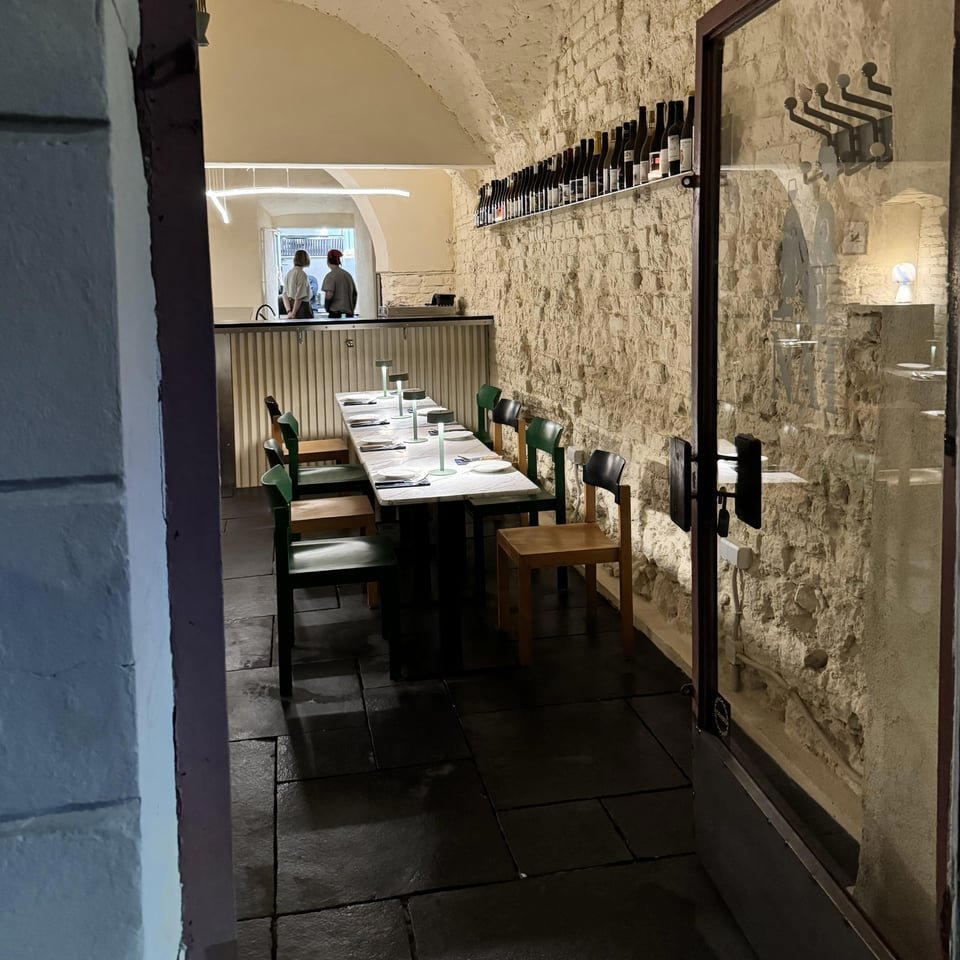
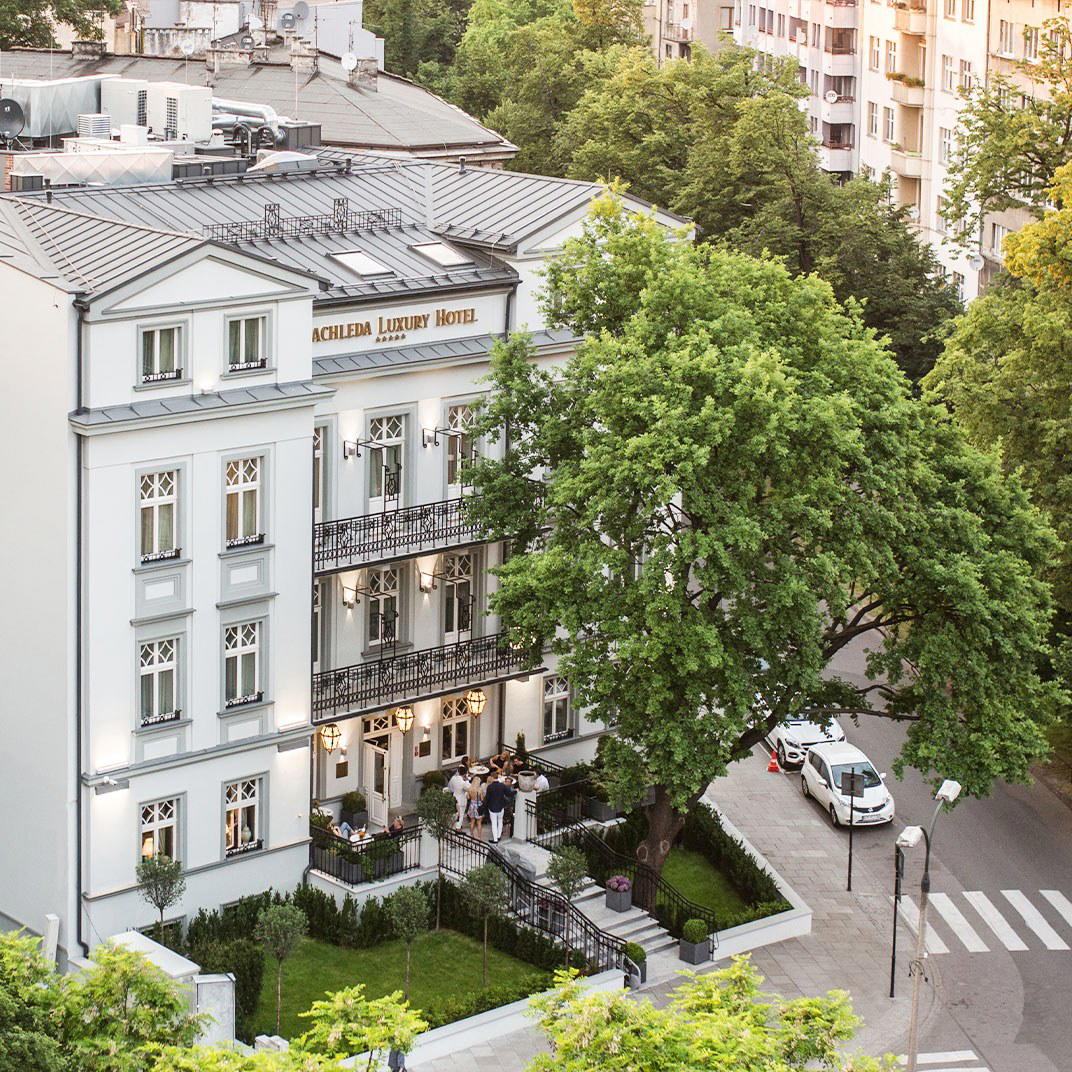
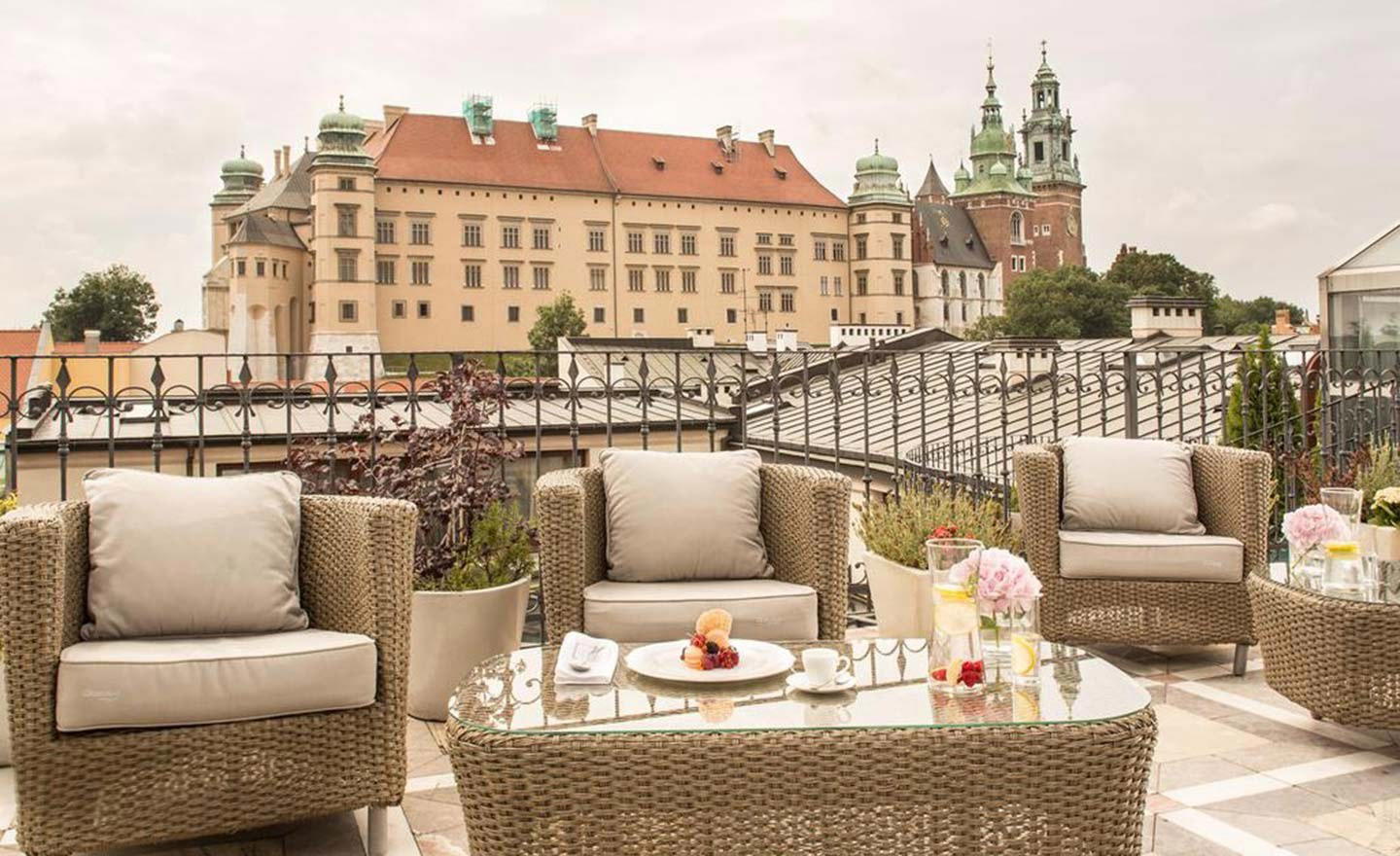
Bright and sophisticated with floor-to-ceiling windows flooding the space with natural light; the ambiance is captivating and refined, with an open-air terrace providing seasonal outdoor dining.