Ramen People on Karmelicka 22 brings Japanese ramen culture to central Kraków, operating in a city where Asian noodle formats have moved from novelty to established dining category. The address places it within walking distance of the Old Town, making it a practical stop in a neighbourhood that spans everything from casual Polish lunch spots to creative tasting menus.
Pearl is the En Primeur Club membership app — saves, bookings, and concierge access live there. Same editors, same standards.
- Address
- Karmelicka 22, 31-128 Kraków, Poland
- Phone
- +48 882 020 402
- Website
- ramenpeople.pl
- Directions
- Get directions
 Saves & bookings on Pearl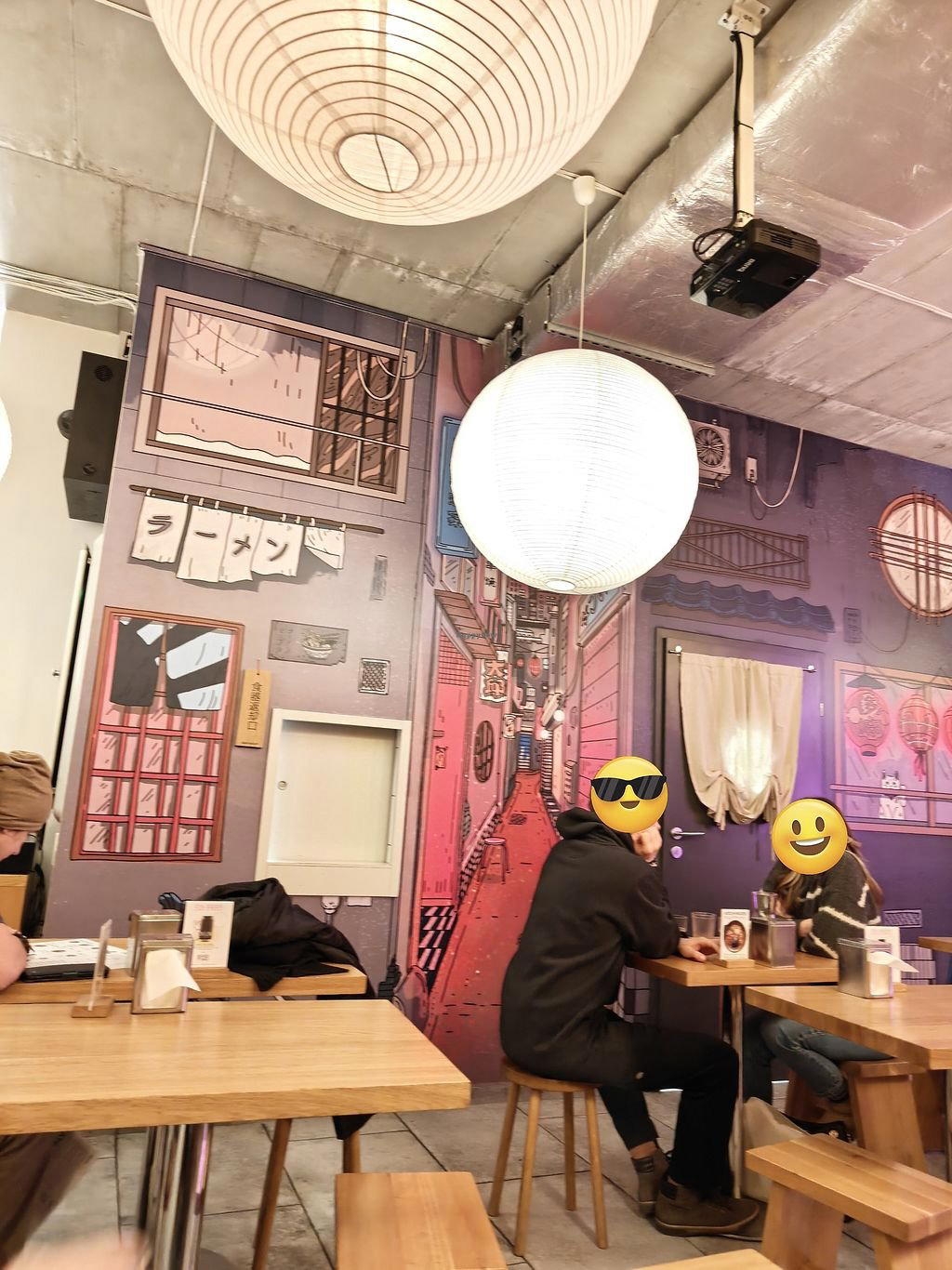
Japanese Broth Culture Arrives on Karmelicka
Karmelicka Street runs south from the Planty gardens toward the Piasek district, a stretch where Kraków's dining scene sheds some of its tourist-facing gloss and settles into the rhythms of a working neighbourhood. Coffee shops occupy former pharmacy spaces, small wine bars sit between bookshops, and the restaurants here tend to serve a local clientele rather than a coach-tour crowd. It is into this context that Ramen People has arrived, occupying number 22 on a street that rewards walking slowly.
The address matters because Kraków's Asian dining category has followed a particular trajectory. A decade ago, sushi bars and pan-Asian canteens dominated the non-European offer. Ramen, as a dedicated format, arrived later and more deliberately, tracking a broader European pattern in which Japanese broth culture moved from niche curiosity to recognised culinary category in cities where serious eating is taken seriously. Kraków, with its large student population, its tourist infrastructure, and its growing appetite for international formats done properly, was a natural landing point.
What Ramen Represents as a Culinary Form
Ramen is one of the more demanding formats to execute outside Japan, and that difficulty is partly what makes dedicated ramen restaurants a useful signal of a city's culinary maturity. The discipline requires long broth development, typically twelve to twenty hours for tonkotsu styles, precise noodle calibration, and a sequencing of toppings that balances fat, salt, acid, and umami within a single bowl. Unlike sushi, which can be approximated with decent fish and trained knife work, ramen's quality lives almost entirely in the broth, and broth cannot be faked or fast-tracked.
Japanese ramen itself carries significant regional variation. Sapporo's miso-based bowls differ structurally from Hakata's pork-bone tonkotsu, which differs again from Tokyo's shoyu-seasoned chicken broths. Each tradition reflects local ingredient availability and historical eating patterns. When ramen moves to European cities, the more serious operators tend to anchor on one or two regional styles rather than offering a generic pan-Japanese broth, which is where credibility in the format begins to separate from casual approximation. Across Poland, this pattern is visible at venues like Akita Ramen in Kraków, which occupies a similar space in the city's Japanese noodle category.
Kraków's Position in Poland's Asian Dining Evolution
Poland's larger cities have each developed their own relationship with Japanese and broader Asian dining. Warsaw's scale has allowed more specialisation, with dedicated Japanese counters and Korean formats finding stable audiences. Poznań has its own emergent scene, documented in venues like Muga in Poznań. Gdańsk has produced operators like Hashi Sushi working the Japanese category from a coastal perspective. Warsaw's creative dining, meanwhile, is represented by spots like hub.praga.
Kraków occupies a specific position in this geography. It is Poland's second city by tourist volume but its most concentrated in terms of walkable dining density within the Old Town and its adjacent neighbourhoods. The Kazimierz district, a short distance from Karmelicka, has developed particularly strong credentials in independent food and drink. What that density creates is a competitive filter: formats that do not execute well tend not to survive in a market where visitors and locals alike have options within a ten-minute walk. Ramen People's presence on Karmelicka puts it inside that competitive zone, where reputation travels quickly and repeat visits are the real metric.
Beyond Kraków, the Polish dining scene has produced a number of notable addresses in unexpected locations. Hattori Hanzo in Czestochowa brings Japanese-influenced formats to a city not typically associated with international dining, while Kwestia Czasu in Białystok and Cudne Manowce in Olsztyn demonstrate that serious cooking has dispersed well beyond the major metropolitan centres.
Where Ramen People Sits in Kraków's Dining Order
Kraków's upper dining tier is anchored by tasting-menu addresses with significant investment in sourcing and technique. Bottiglieria 1881 represents the Modern Polish end of that bracket, while Artesse operates in the creative, multi-course format at a higher price point. Amarylis covers modern cuisine in a similar register. The restaurant does not compete in that tier, nor is it trying to. The ramen format is fundamentally a single-dish, walk-in category, positioned closer to the everyday end of the dining spectrum, where quality is measured by consistency of broth, freshness of toppings, and the discipline to resist over-complicating a format that rewards restraint.
In that sense, its nearest competitive reference is not the tasting-menu venues but other dedicated noodle and Asian soup formats operating in Kraków's mid-market. Bufet represents another point on the casual-but-considered end of Kraków's dining spectrum. The city's Thai dining, represented by addresses like MOLÁM, occupies a similar everyday price bracket. What distinguishes the better operators in this tier is sourcing discipline and broth depth, the two variables that most visibly separate a considered ramen operation from a generic noodle shop.
For reference on how Japanese-influenced formats perform at the higher end of the market elsewhere, Atomix in New York City demonstrates what Korean fine dining looks like when it reaches international recognition, while Le Bernardin shows how a single-protein focus, sustained over decades, builds category authority. The logic is different in scale, but the principle, doing fewer things with greater precision, applies at any price point.
In terms of regional geography, Arco by Paco Pérez in Gdańsk and Górnik in Krakow represent how different cities and neighbourhoods within Poland are building distinct dining identities. Giewont in Kościelisko and Włoska Restauracja Bellanuna in Rzeszow extend that picture further into smaller cities.
Planning a Visit
The restaurant is located at Karmelicka 22, 31-128 Kraków, in the Piasek neighbourhood, a short walk from the Planty ring and within comfortable reach of the Old Town on foot. The ramen format generally suits drop-in dining rather than advance booking, though early evening tends to fill quickly at popular addresses in this category. Current hours and pricing are listed below. The address is within easy reach by tram along the Karmelicka corridor.
Price Lens
Comparable venues nearby, for context on price, style, and recognition.
| Venue | Cuisine | Price | Notes |
|---|---|---|---|
| Ramen PeopleThis venue — the venue you are viewing | Stare Miasto, Authentic Japanese Ramen | $$ | Not listed |
| The Trust | Not listed | $$$ | Kazimierz, Cocktail Bar with Food Pairings |
| Flisacka 3 | Not listed | $$ | Półwsie Zwierzynieckie, Modern Polish Fusion |
| KUKU | Not listed | $$ | Stare Miasto, Authentic Taiwanese Noodles & Bubble Tea |
| Oranżeria | Not listed | $$$ | Stare Miasto, Modern European with Polish Influences |
| Mr Broda Sandwich Bar | Not listed | $ | Kazimierz, American Deli - Pastrami & Roast Beef Sandwiches |
At a Glance
- Cozy
- Lively
- Trendy
- Casual Hangout
- Solo
- Group Dining
- After Work
- Open Kitchen
- Terrace
- Sake Program
- Beer Program
- Local Sourcing
Current opening hours
- Monday
- 12–9 PM
- Tuesday
- 12–9 PM
- Wednesday
- 12–9 PM
- Thursday
- 12–9 PM
- Friday
- 12:30–10 PM
- Saturday
- 1–10 PM
- Sunday
- 1–9 PM
Hours can change for holidays and private events. Last verified .
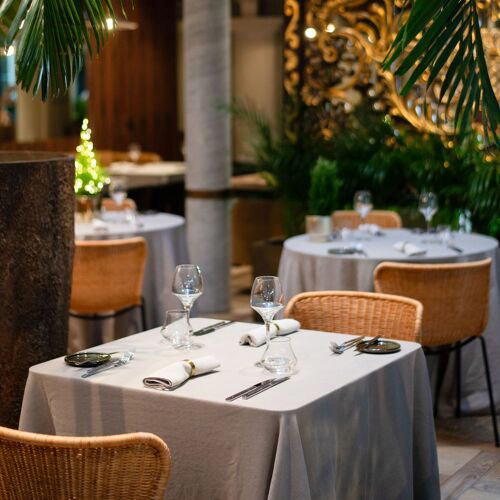
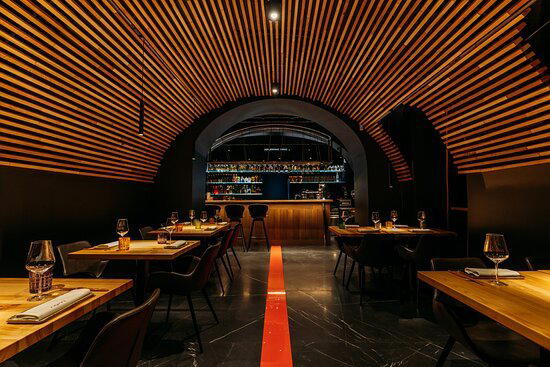
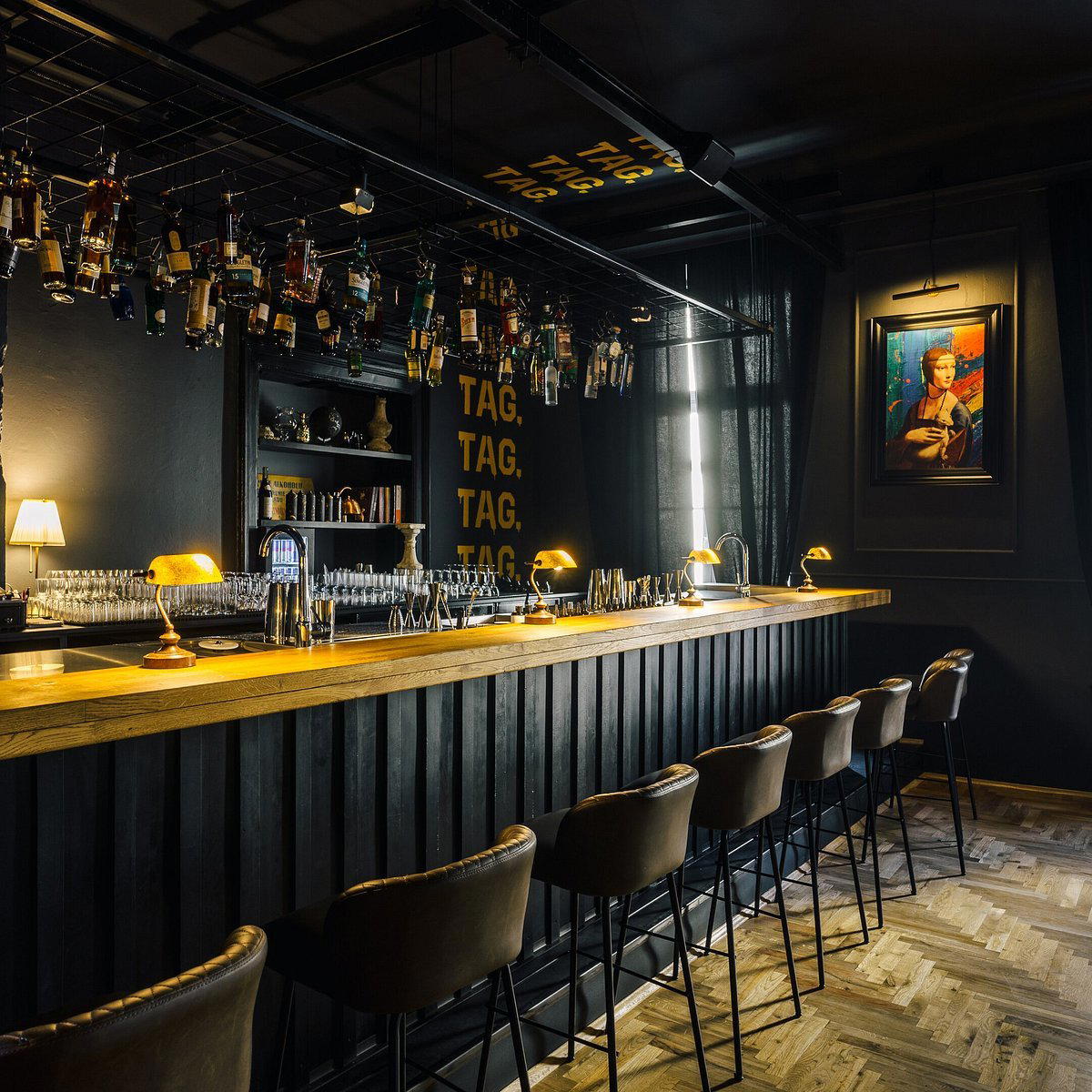
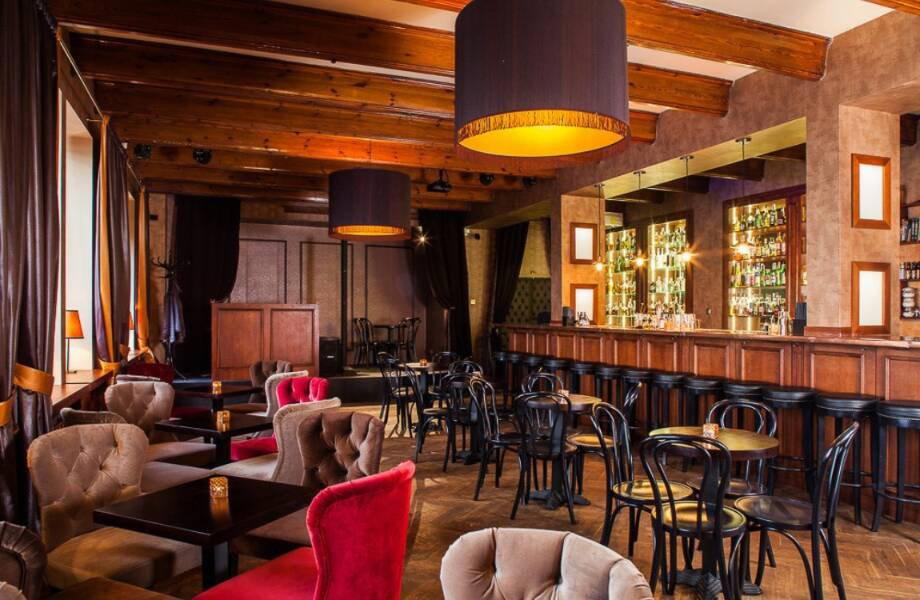
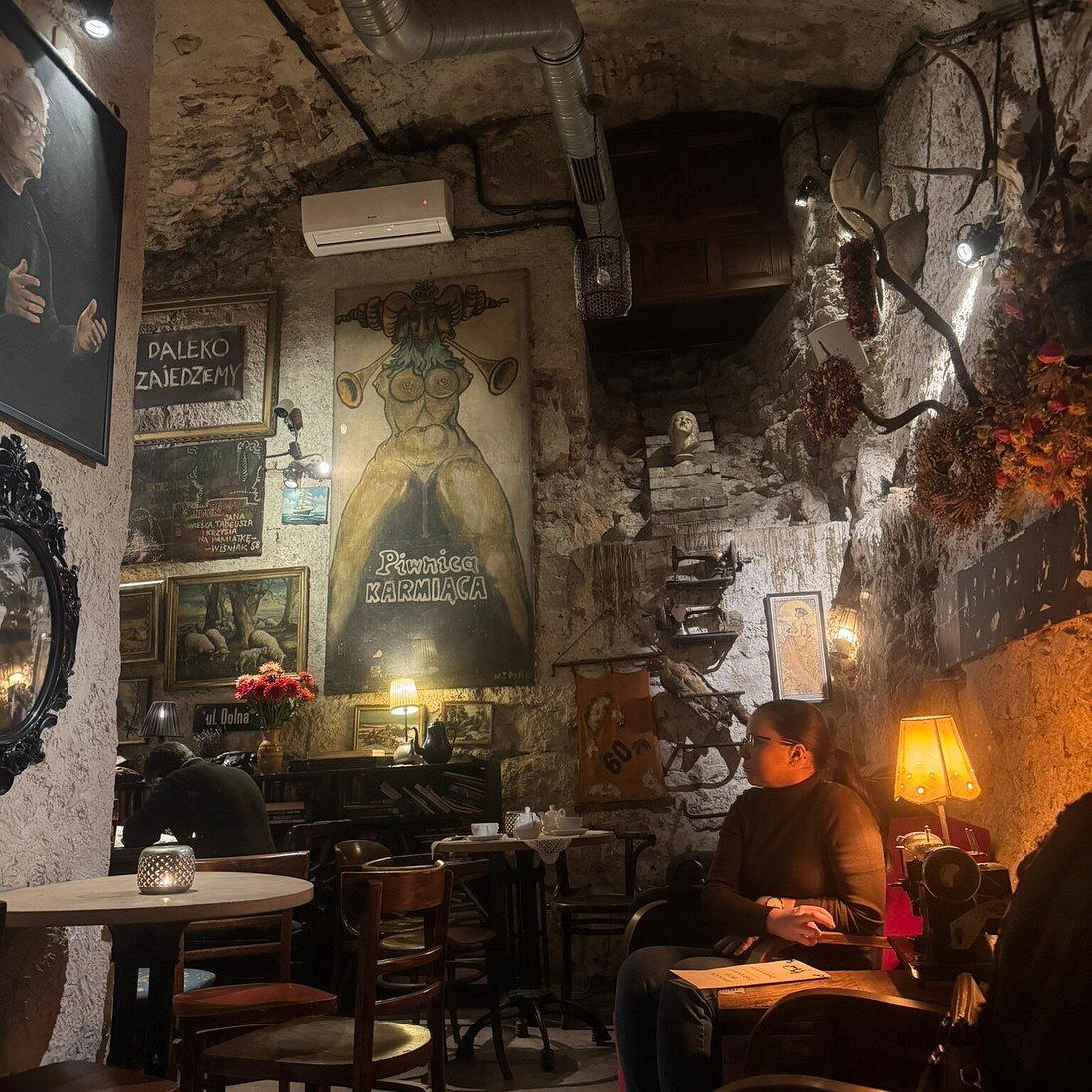
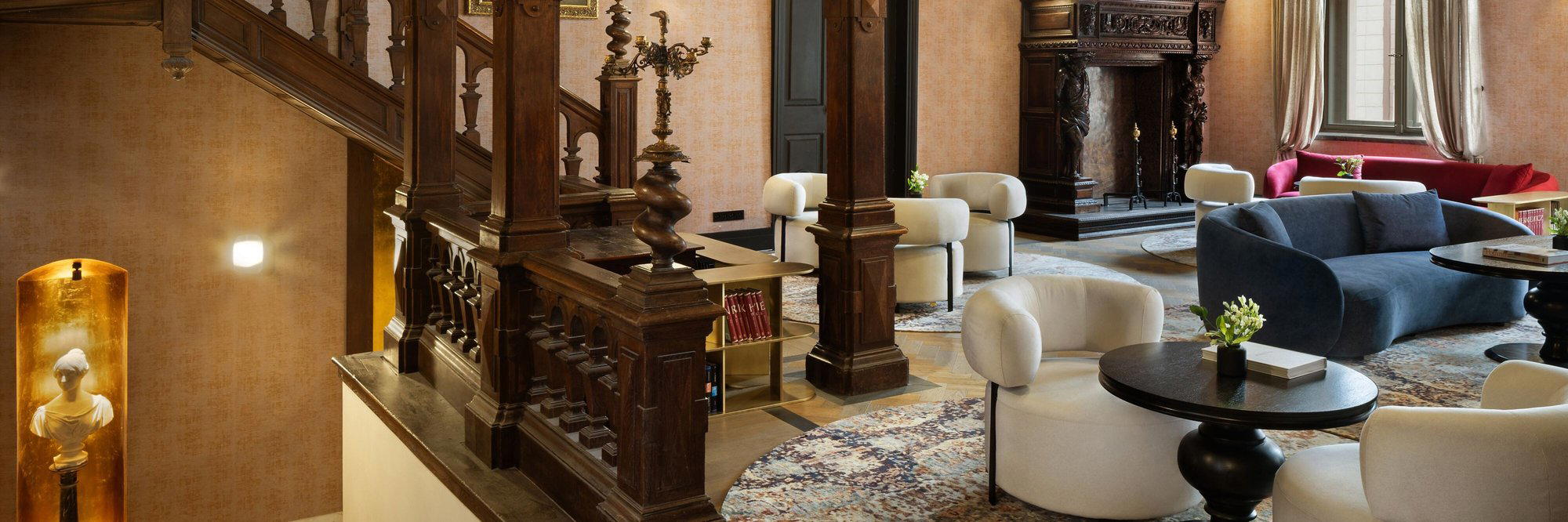
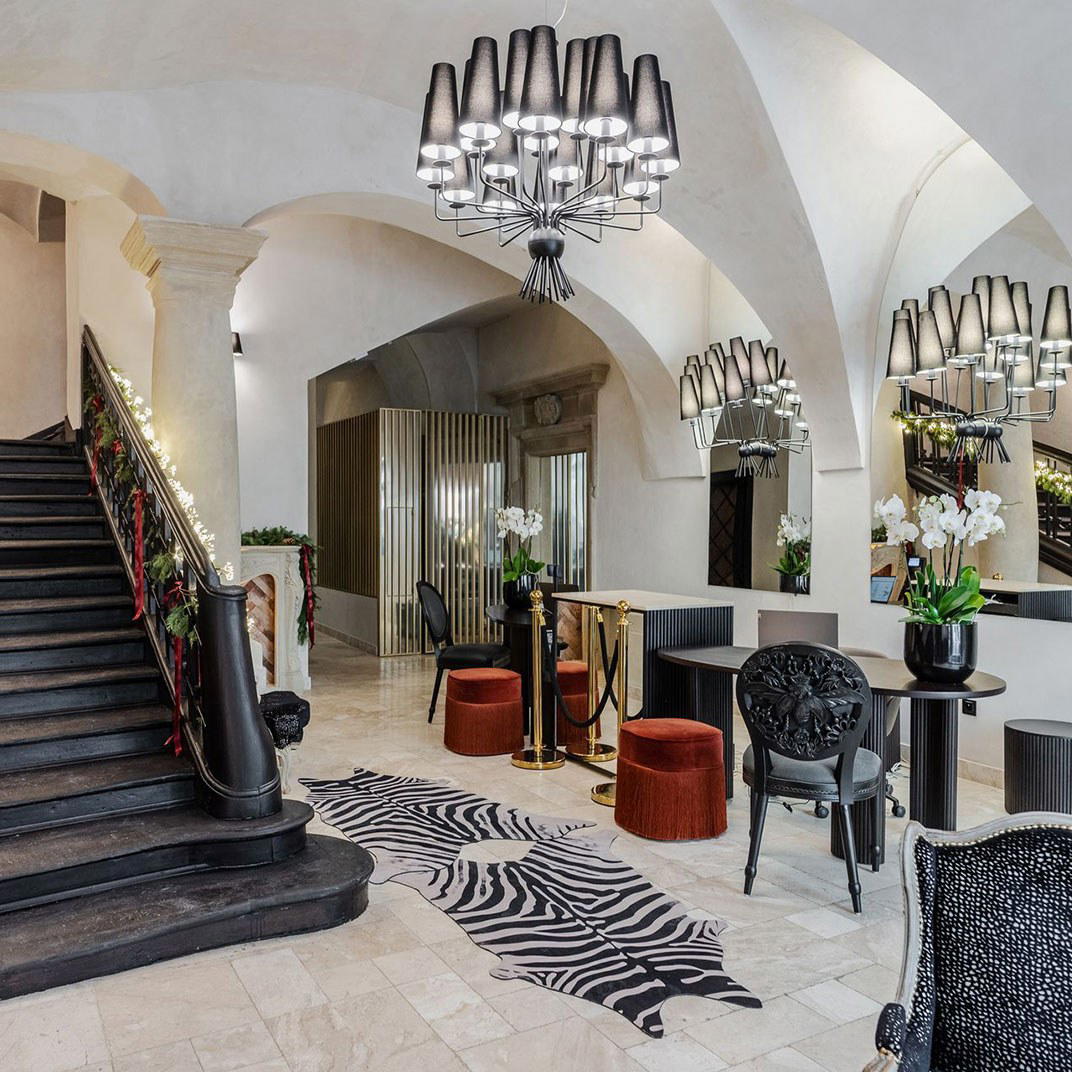
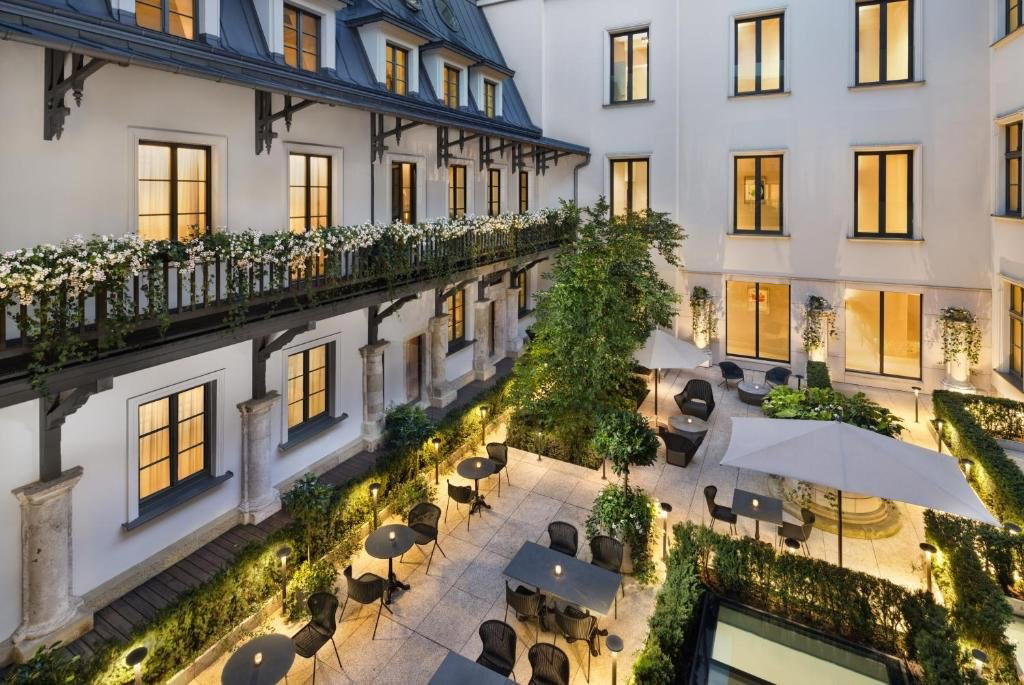
Lively and welcoming with a bustling atmosphere; features Japanese wooden bath stools for seating and a quiet terrace available in warm seasons.