Our verdict
On Szeroka Street in Kazimierz, Ariel occupies one of the most historically resonant addresses in Krakow's former Jewish quarter. The restaurant has long served as a reference point for traditional Jewish and Central European cuisine in the neighbourhood, drawing visitors and locals who want to eat within the context of the district's layered history rather than apart from it.

Pearl is the En Primeur Club membership app, where members save venues, book tables and use the concierge.
The menu
What to order
- Stuffed goose neck
- Carp
- Roast goose
- Gefilte fish
Szeroka Street and the Weight of Kazimierz
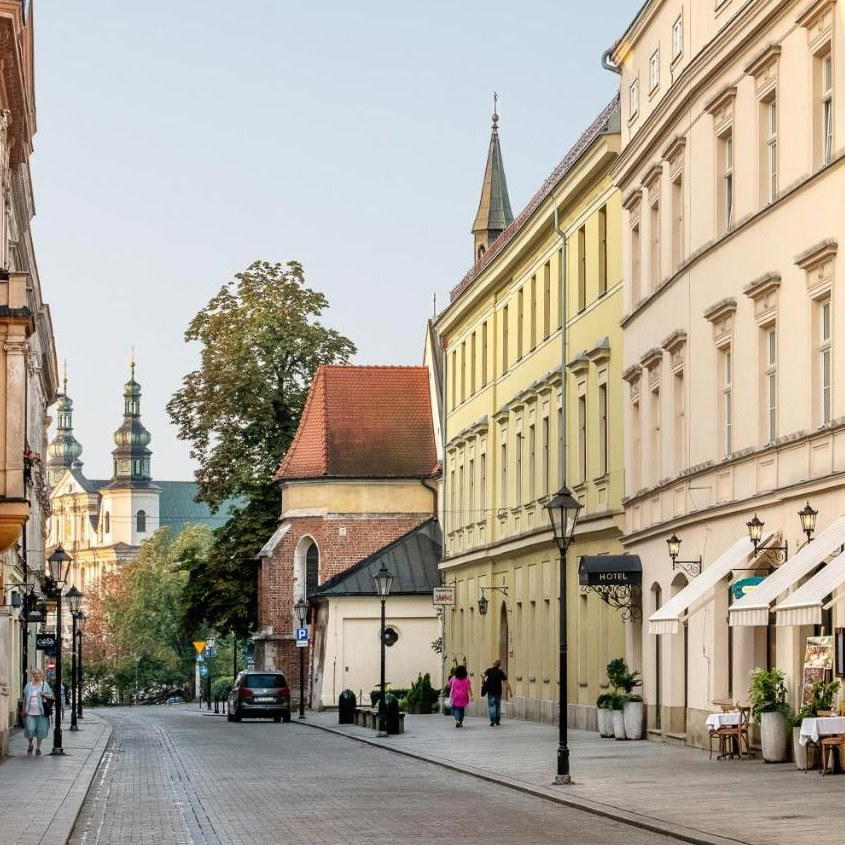
Szeroka Street is one of those addresses that carries more history per square metre than most cities manage across entire districts. The wide, rectangular plaza at the heart of Kazimierz, Krakow's former Jewish quarter, is lined with buildings that predate the Second World War, and walking its length means moving through a neighbourhood that was almost entirely erased and has spent the better part of three decades being carefully, sometimes imperfectly, reconstructed. Ariel sits at numbers 17 and 19, in a position that places it directly within that historical argument. The setting is not incidental to the meal; it is the meal's primary frame.
Kazimierz as a dining destination operates differently from the rest of Krakow. While the Old Town's restaurant scene has moved steadily toward contemporary Polish cooking, tasting menus, and natural wine lists, much of what draws visitors to Kazimierz is the desire to eat within a specific historical context. The neighbourhood's restaurants are, in large part, trading in memory and reconstruction, and the sourcing choices that drive their menus reflect that. Traditional Jewish Ashkenazi cooking, Central European Jewish food, and Polish regional cuisine sit in close proximity here, sometimes in the same kitchen.
The Sourcing Logic Behind Traditional Jewish Cooking in Krakow
Understanding what ends up on a plate at a Kazimierz restaurant like Ariel requires understanding the sourcing logic of Ashkenazi cuisine more broadly. This is not a food tradition built around luxury produce or terroir-driven ingredient stories in the way that, say, French regional cooking is. It is a cuisine defined by transformation: by what happens when modest, widely available ingredients, root vegetables, freshwater fish, poultry, preserved meats, legumes, are worked carefully over time. Gefilte fish made from freshwater carp. Cholent, the slow-cooked Sabbath stew of barley, beans, and meat. Herring prepared in multiple ways, with onion, with cream, with apple. These are dishes whose sourcing questions point toward Polish rivers, local farms, and regional market traditions rather than toward imported specialty goods.
That sourcing relationship to local Central European agriculture is part of what makes the cuisine coherent in Krakow specifically. The ingredients that define Ashkenazi cooking are, in large part, the same ingredients that define old Polish regional cooking: beets, cabbage, carp, goose fat, rye. The two traditions diverged at the level of preparation and observance, not at the level of raw material. A restaurant on Szeroka Street is, in theory, ideally positioned to honour both threads, because the market infrastructure that supplies one largely supplies the other.
Compared to the more format-driven dining experiences elsewhere in the city, such as the tasting menu approach at Bottiglieria 1881 Restaurant in Kraków or the contemporary Italian direction at Aqua e Vino, the Kazimierz restaurant model tends to prioritise breadth of traditional dishes over editorial curation. You are less likely to encounter a ten-course progression and more likely to find a menu that reads like an archive.
What to Expect from the Room and the Experience
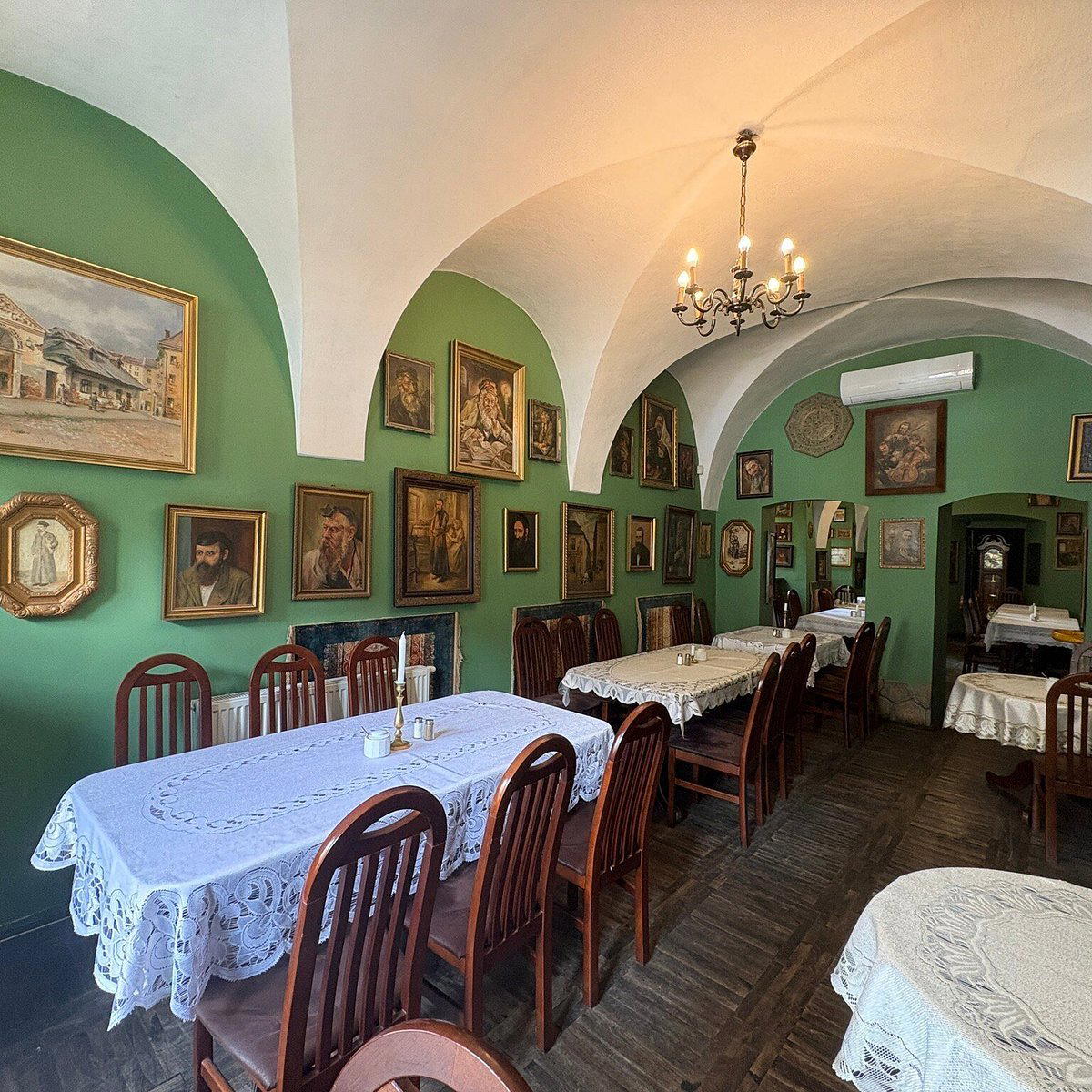
The physical environment at Ariel reflects the broader Kazimierz approach to space: interiors that reference pre-war Jewish life in Central Europe through furniture, objects, and decoration that mix antique and reconstructed elements. Live klezmer music features regularly in the evenings, which positions the restaurant clearly within the cultural-experience end of the dining spectrum rather than the purely gastronomic. This is a point worth being clear-eyed about. Ariel is not primarily competing with Krakow's more technically ambitious kitchens, such as 3 Rybki or the focused ramen offer at Akita Ramen. It is operating in a different category, one where atmosphere and historical context are the primary product.
The evening setting, in particular, draws heavily on the neighbourhood's identity as a cultural destination. Kazimierz has been a significant draw for international visitors since at least the mid-1990s, when Steven Spielberg's filming of Schindler's List brought sustained global attention to the quarter. Three decades on, the neighbourhood has developed a dual identity: it is a working, gentrifying area of galleries, bars like Alchemia, and independent restaurants, and it is also a heritage tourism site. Ariel sits squarely in both worlds.
For visitors comparing options on Szeroka Street and the streets immediately adjacent, it is worth noting that lunch service tends to be more relaxed and less oriented toward the full cultural programme. Dinner, particularly on weekends, leans into the klezmer and candlelight setting more deliberately. Booking ahead is sensible for dinner, especially between April and October when Krakow's tourism volume peaks. The broader Kazimierz neighbourhood is walkable from the Old Town in under fifteen minutes, and the area is well served by trams along the ring road.
Ariel in the Context of Polish Dining More Broadly
Poland's restaurant scene has developed considerably over the past decade, and the range of serious cooking now available across the country reflects that. In Warsaw, hub.praga represents one end of the contemporary Polish dining spectrum. In Gdansk, Arco by Paco Pérez brings an internationally trained perspective to the Baltic coast. In Poznan, Muga has built a reputation for considered modern cooking. Even in the mountains, Giewont in Kościelisko offers a regionally grounded alternative. Krakow itself holds Bianca and other addresses that push in more contemporary directions.
Ariel does not compete in that modernist register, and it is not trying to. Its reference point is the pre-war culinary tradition of Central European Jewish life, interpreted for a contemporary dining public that is often encountering this cuisine for the first time. That is a specific and legitimate purpose, and it places Ariel alongside a small number of restaurants across Europe, many of them in cities with significant pre-war Jewish populations, that are doing similar reconstructive work.
For readers exploring the wider Krakow dining scene, our full Krakow restaurants guide maps the city's options across cuisines and neighbourhoods. Other international reference points for thinking about the premium end of European dining, from a technical or ambition standpoint, include Le Bernardin in New York City and Lazy Bear in San Francisco, both of which illustrate how defined-format restaurants build sustained reputations around consistent point of view.
Planning Your Visit
Ariel is located at Szeroka 17/19 in the Kazimierz district of Krakow. The restaurant is open for lunch and dinner, and the evening programme, including live klezmer, makes dinner the fuller experience if cultural context is part of what you are looking for. Visitors arriving by foot from the Old Town should allow roughly ten to fifteen minutes from the main market square. The neighbourhood is compact and most of Kazimierz's points of interest are within easy walking distance of Szeroka Street itself.
Frequently asked questions
What's Ariel's location?
Ariel is located at Szeroka 17/19, 31-053 Kraków, Poland, Krakow.
Is Ariel in Krakow appropriate for visitors with no background in Jewish culinary traditions?
Ariel positions itself deliberately for visitors encountering Ashkenazi cuisine and Kazimierz's history for the first time, making it one of the more accessible entry points into this culinary tradition in Poland. The setting on Szeroka Street, the social and commercial centre of pre-war Jewish Krakow, provides immediate historical context before a dish arrives. The evening programme, which includes live music, adds a cultural layer that functions independently of prior knowledge.
What's the must-try dish at Ariel?
The most direct entry point into Ashkenazi cooking at Ariel is through the dishes that define the tradition at its most legible, gefilte fish being the clearest example, rooted in the Ashkenazi preservation logic of freshwater fish preparation. These are dishes shaped by centuries of Central European Jewish cooking practice, not by contemporary Polish restaurant trends. Ordering from that core of the menu gives the meal its proper frame within Kazimierz's history.
How hard is it to get a table at Ariel?
Ariel at Szeroka 17/19 is one of the longer-established addresses in Kazimierz, and the neighbourhood draws substantial visitor volumes between April and October. During peak season, walk-in availability on evenings with live music is limited, and booking ahead is the practical approach. Outside the main tourist window, the restaurant is considerably more accessible without prior arrangement.
At-a-Glance Comparison
Comparable venues nearby, for context on price, style, and recognition.
| Venue | Cuisine | Price | Awards | Notes |
|---|---|---|---|---|
| ArielThis venue (the venue you are viewing) | Traditional Jewish Eastern European | $20–30 | Not listed | Not listed |
| Restaurant Galicyjska | Traditional Polish Noble Cuisine | $20–30 | Not listed | Stare Miasto |
| Czarna Kaczka | Traditional Polish | $20–30 | Not listed | Stare Miasto |
| 3 Rybki | Modern Polish with Seafood Focus | $50–100 | Not listed | Stare Miasto |
| Górnik | Traditional Polish Milk Bar | Not listed | Not listed | Śródmieście |
| Szara Gęś | Modern Polish Fine Dining | $50–100 | Star Wine List | Old Town/Main Square (Rynek Główny) |
Continue exploring
More in Kraków
Restaurants in Kraków
All restaurants in Kraków →
Bars in Kraków
All bars in Kraków →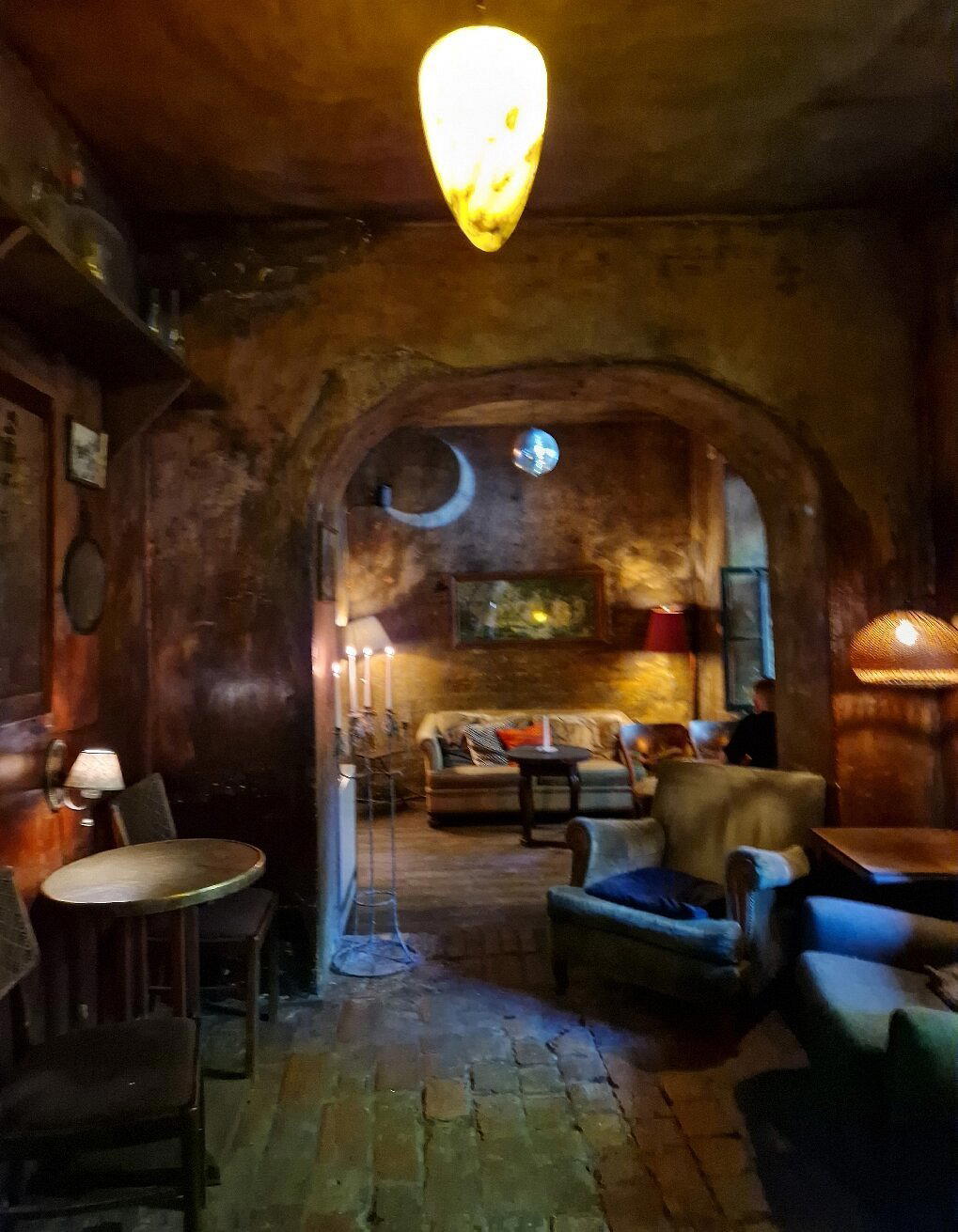
Details
- Cozy
- Historic
- Intimate
- Classic
- Special Occasion
- Date Night
- Celebration
- Live Music
- Historic Building
- Open Kitchen
- A La Carte
- Vegetarian Friendly
- Kosher
Current opening hours
- Monday
- 1–11 PM
- Tuesday
- 1–11 PM
- Wednesday
- 1–11 PM
- Thursday
- 1–11 PM
- Friday
- 1–11 PM
- Saturday
- 12–11 PM
- Sunday
- 12–11 PM
Hours can change for holidays and private events. Hours as of .
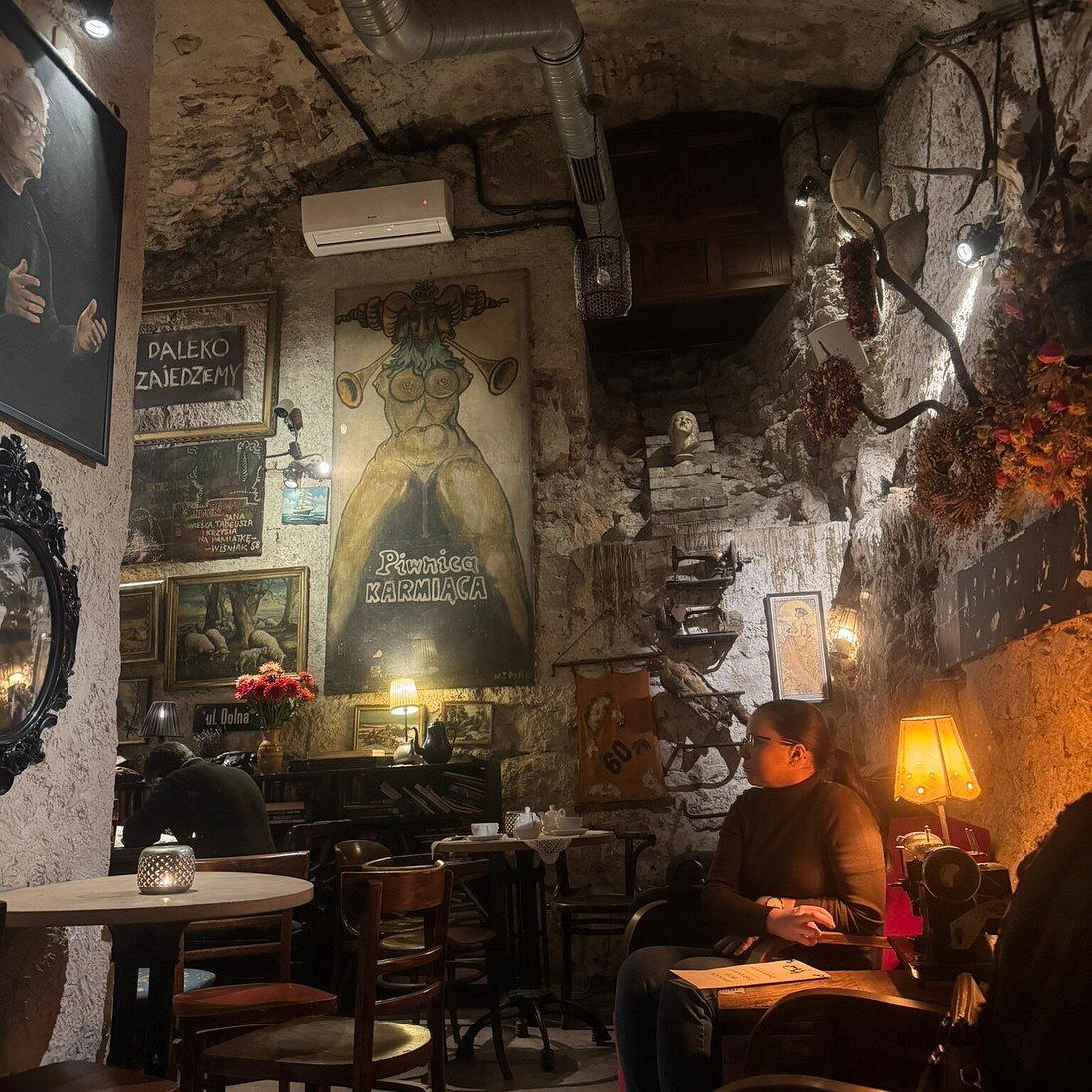
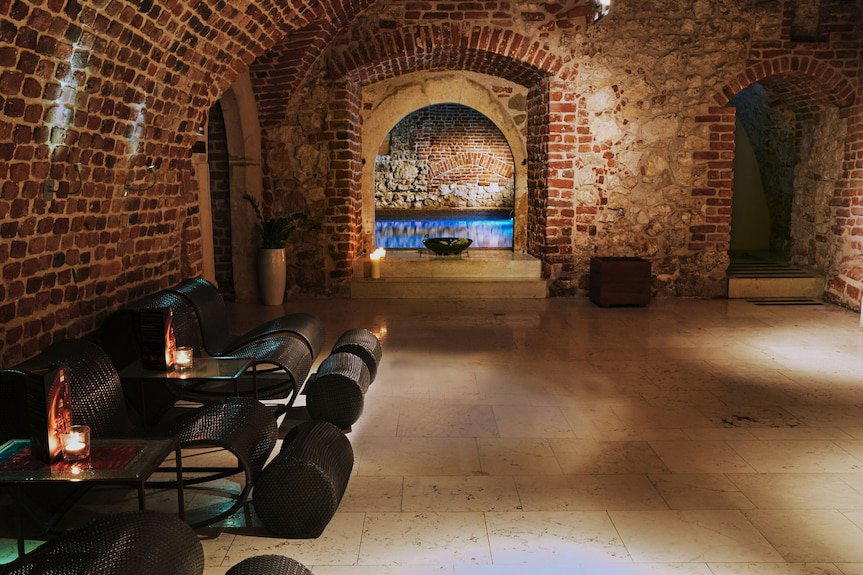
Cozy, old-world atmosphere with antique lamps, eclectic paintings, historic photographs, overstuffed armchairs, and bric-a-brac resembling a grandmother's drawing room.