Our verdict
The name, Polish for 'three fish', signals a focus on aquatic produce in a landlocked city, which itself tells you something about the kitchen's sourcing ambitions.

Pearl is the En Primeur Club membership app, where members save venues, book tables and use the concierge.
The menu
What to order
- Pan fried turbot with squid carpaccio
- Hummer dumpling
A Landlocked City With a Fish Counter Worth Knowing
Kraków sits roughly 250 kilometres from the nearest coastline, which makes any serious fish-focused restaurant here a deliberate provocation. The address puts 3 Rybki in direct proximity to a tier of establishments that have shaped how the city's serious dining scene is perceived internationally. Bottiglieria 1881 Restaurant in Kraków, which holds Michelin recognition, operates within the same neighbourhood orbit, and the comparative pressure that creates is not incidental. Kraków's Old Town restaurant corridor rewards specificity: operators who try to be everything tend to fade, while those with a clear ingredient thesis hold ground.
What Sourcing Means in This Context
The name 3 Rybki functions as both brand and promise. In Central European fine dining, fish has long been the category that separates kitchens willing to invest in supply chain relationships from those relying on commodity product. The stretch from the Baltic coast, Pike-perch, zander, trout from mountain streams, freshwater crayfish from the Małopolska region, through to North Sea and Atlantic sourcing represents a genuine logistical commitment. A kitchen anchoring its identity in fish, particularly at an Old Town address where rent and footfall economics push many operators toward safer proteins, is signalling something deliberate about its culinary priorities. Arco by Paco Pérez in Gdańsk, operating with direct access to Baltic catch, approaches fish from a coastal advantage. Muga in Poznań and hub.praga in Warsaw each represent different versions of ingredient-conscious Polish cooking in their respective cities. 3 Rybki's position in Kraków places it inside that national conversation about where Polish restaurant kitchens source, and why it matters, without the geographic convenience of a port city. Kraków's Old Town has seen significant dining investment over the past decade, with the market shifting from tourist-facing traditional restaurants toward a more internationally literate tier that competes for both local regulars and visiting guests with specific dining expectations. The street sits close enough to the main square to benefit from Old Town foot traffic, but far enough that its clientele skews toward intentional visitors rather than walk-ins scanning menus in windows.
That positioning matters for an ingredient-led kitchen.enprimeurclub.com/restaurants/aqua-e-vino-krakow-restaurant">Aqua e Vino, seek out the cultural-historical atmosphere of Ariel, or look for a specific mood at Alchemia. The neighbourhood has trained a dining public that arrives with context rather than generic expectations. The former approach draws credibility from provenance and regional specificity; the latter from product quality at the top of its category.
In a European context, the fish-forward positioning is well-trodden at the highest level. Le Bernardin in New York City built decades of critical authority around exactly this thesis, that fish demands as much technical rigour as any protein category. What's changing in markets like Kraków is that the infrastructure for serious fish sourcing, previously the exclusive territory of coastal or capital-city kitchens, has become more accessible. Cold-chain logistics, regional fishery relationships, and a more sophisticated Polish dining public have all shifted the calculus.
Where 3 Rybki Sits in the Kraków Dining Tier
The Kraków dining scene now spans a wider range than its tourist-city reputation might suggest. Alongside well-established addresses, there is a growing cohort of restaurants making considered choices about ingredient sourcing, format, and competitive positioning. Czarna Kaczka and Bianca represent different points on that spectrum, and the full breadth of the city's current options is mapped in our full Kraków restaurants guide.enprimeurclub.com/restaurants/giewont-kocielisko-restaurant">Giewont in Kościelisko uses its mountain proximity for regional sourcing in the same way an Old Town Kraków kitchen might use urban supply chain access. Kwestia Czasu in Białystok, Cudne Manowce in Olsztyn, and Atomix in New York City or Japanese-inflected precision at Hashi Sushi in Gdansk and Hattori Hanzo in Czestochowa point to how ingredient specificity, whatever its category, has become the organising principle for serious dining across the world. For a restaurant with a fish-forward identity at this address, booking ahead is advisable, Old Town dining has compressed in terms of available covers at the quality end of the market, and walk-in availability at fish-focused kitchens tends to be limited on weekends and during the summer tourism peak.
Frequently asked questions
What's the address for 3 Rybki?
3 Rybki is located at Szczepańska 5, 31-011 Kraków, Poland, Krakow.
Does 3 Rybki focus on saltwater or freshwater fish, given Krakow's inland location?
Poland has a substantial freshwater fish tradition, with carp, pike-perch, and trout running through the country's historic cooking, and Krakow sits within reach of several river and lake sources. A restaurant operating under a fish-forward identity in this city has a credible freshwater argument to make alongside any sourced saltwater options. The address at Szczepańska 5 in the Old Town positions 3 Rybki as a dining destination rather than a casual fish-and-chips format, which suggests the sourcing question is one the kitchen takes seriously.
What's the must-try dish at 3 Rybki?
The restaurant's name, which translates to 'three fish,' signals where the kitchen's identity sits: fish preparations are the logical anchor for any visit. Krakow's Old Town has no shortage of Central European comfort cooking, so a restaurant that commits this explicitly to a single protein category is making an argument worth testing directly. Fish at this address is the coherent starting point rather than a side consideration.
Is 3 Rybki reservation-only?
Szczepańska 5 places 3 Rybki in Krakow's Old Town core, an area that draws consistent foot traffic alongside local diners with specific intent. Restaurants with a defined culinary focus in this part of the city tend to fill earlier in the evening than broader tourist-facing addresses. Booking ahead is the more reliable approach, particularly for dinner on weekends, though walk-in availability at off-peak hours is a realistic possibility.
What's 3 Rybki best at?
The clearest argument 3 Rybki makes is conceptual: operating a fish-named restaurant in a city 250 kilometres from the nearest coastline requires a deliberate sourcing position and a kitchen willing to back it. In a Krakow dining tier that now extends well beyond tourist staples, that kind of ingredient commitment marks a specific lane. The fish preparations are where that thesis is either proven or not.
How It Stacks Up
Continue exploring
More in Kraków
Restaurants in Kraków
All restaurants in Kraków →
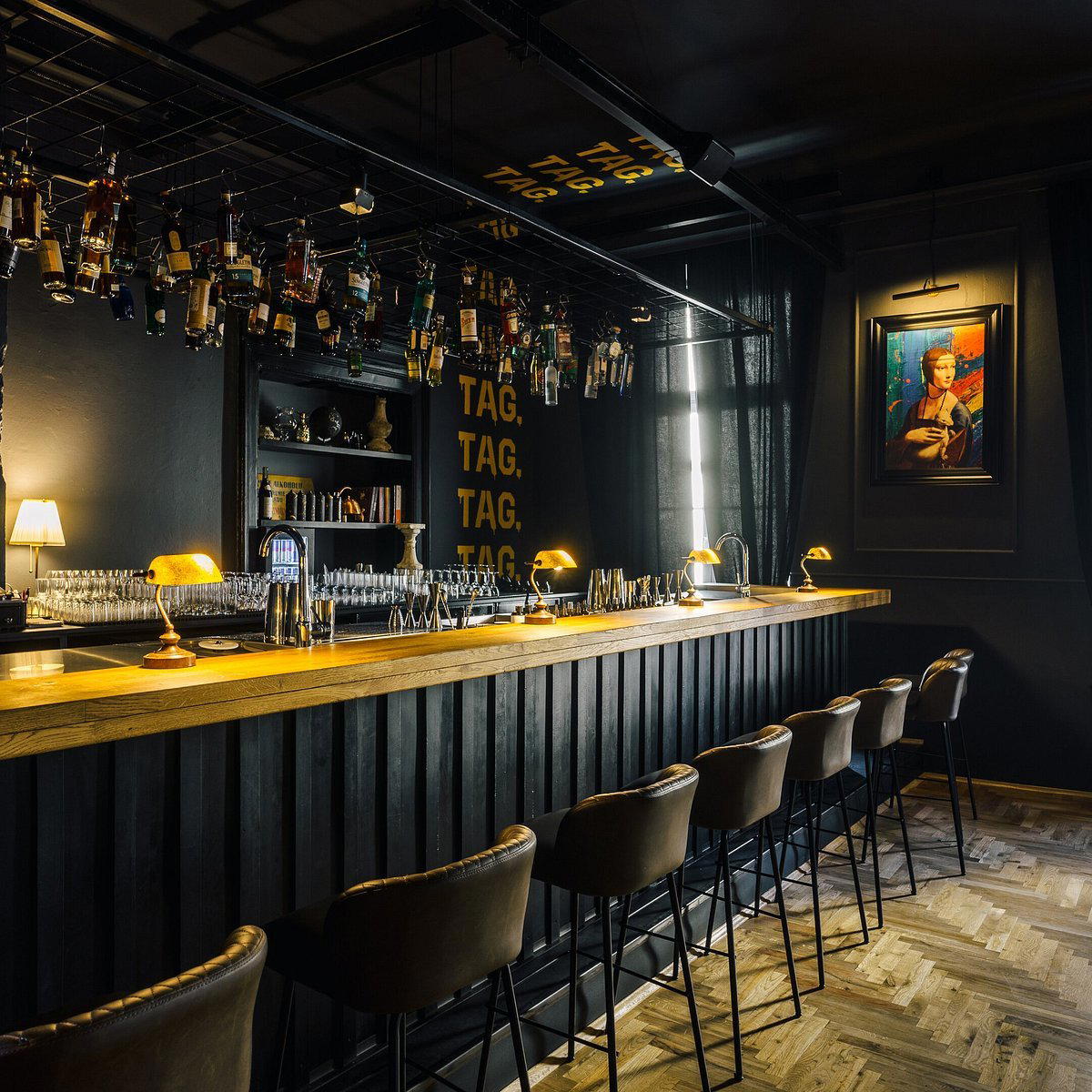
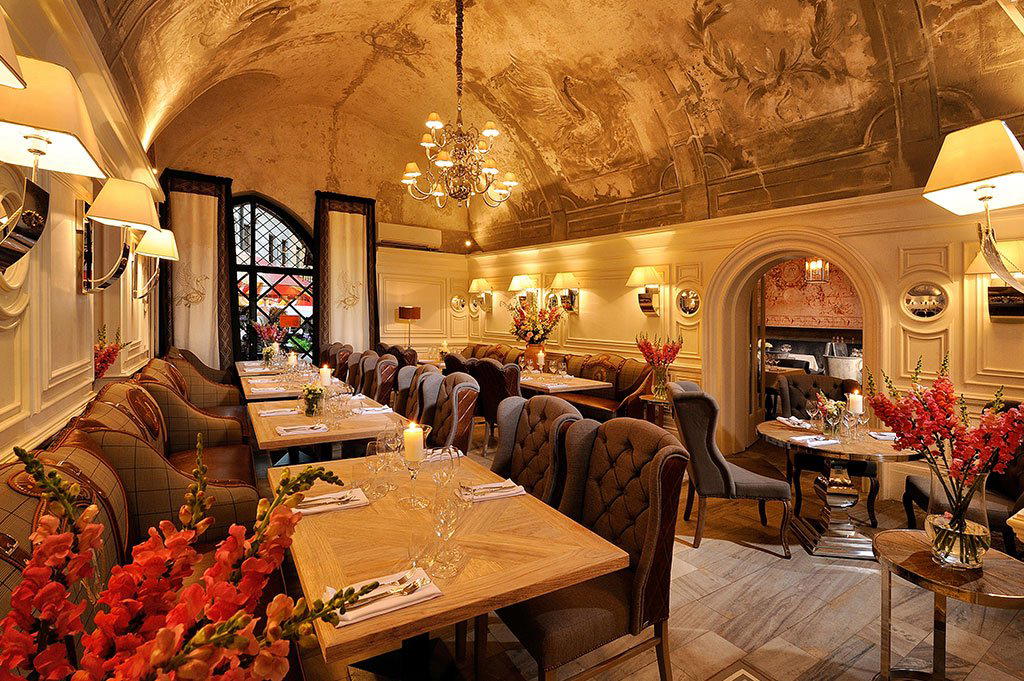
Bars in Kraków
All bars in Kraków →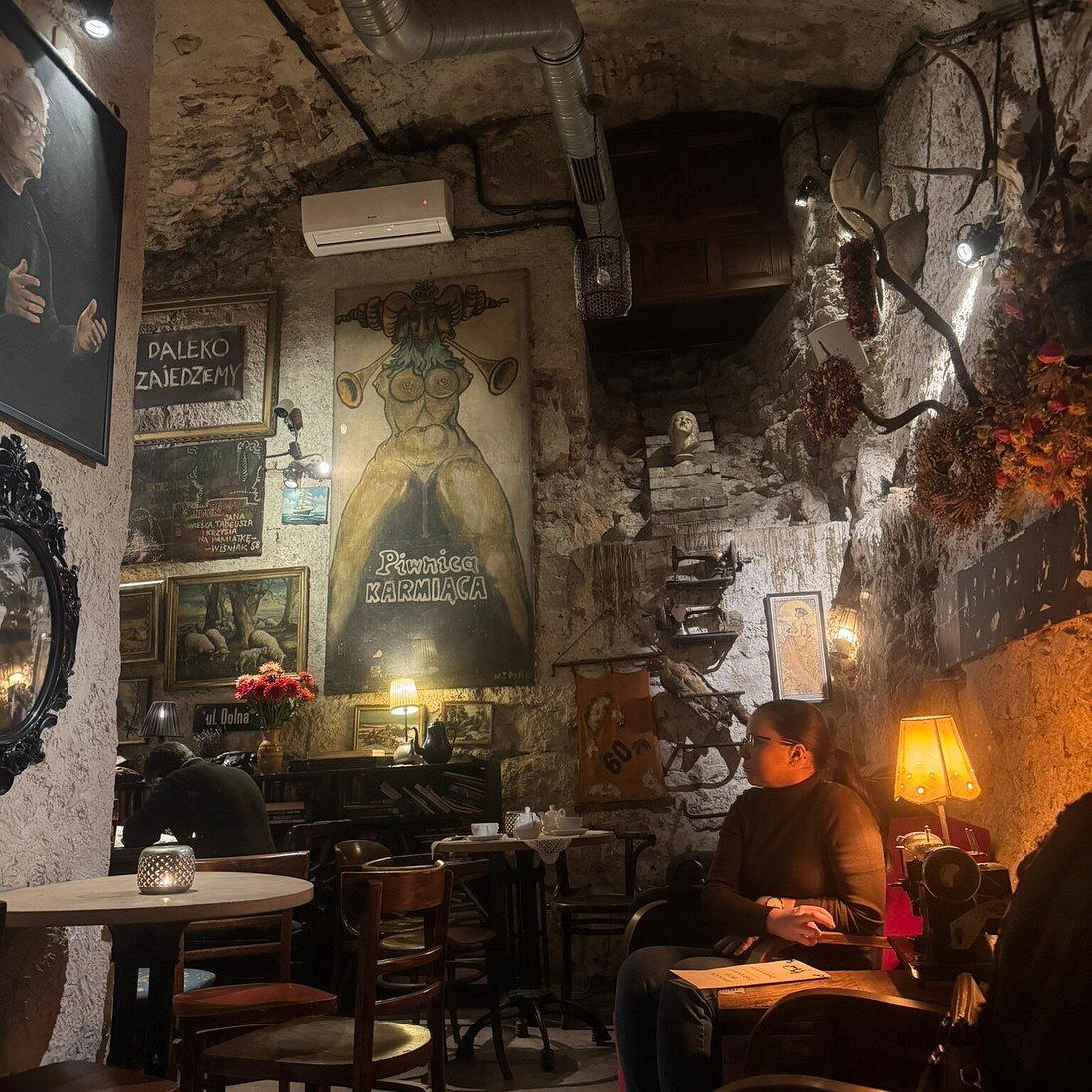
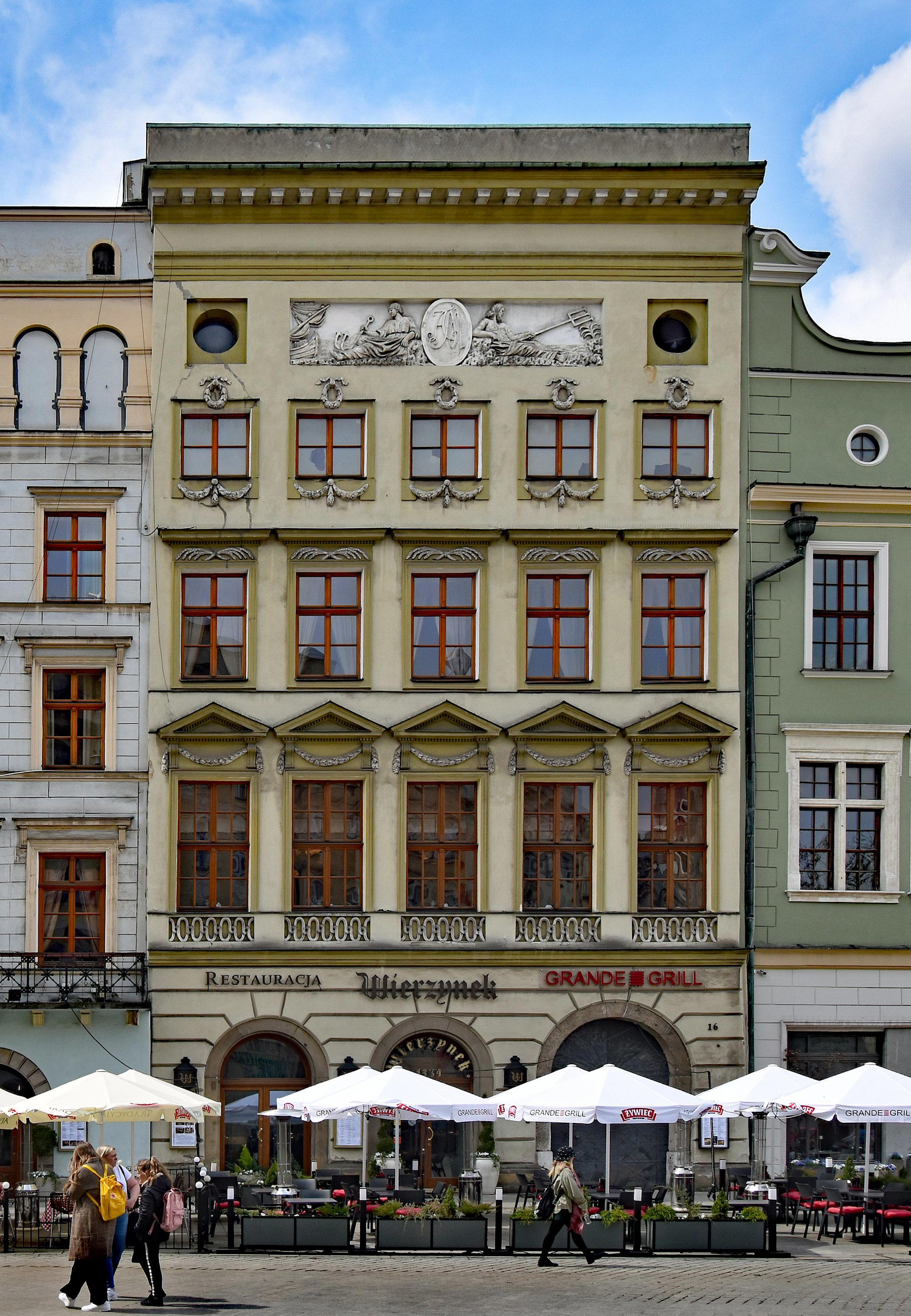

Details
- Elegant
- Sophisticated
- Cozy
- Classic
- Date Night
- Special Occasion
- Business Dinner
- Historic Building
- Hotel Restaurant
- A La Carte
- Vegetarian Friendly
- Gluten Free Options
Current opening hours
- Monday
- Closed
- Tuesday
- 5–10:30 PM
- Wednesday
- 5–10:30 PM
- Thursday
- 5–10:30 PM
- Friday
- 5–10:30 PM
- Saturday
- 5–10:30 PM
- Sunday
- Closed
Hours can change for holidays and private events. Hours as of .
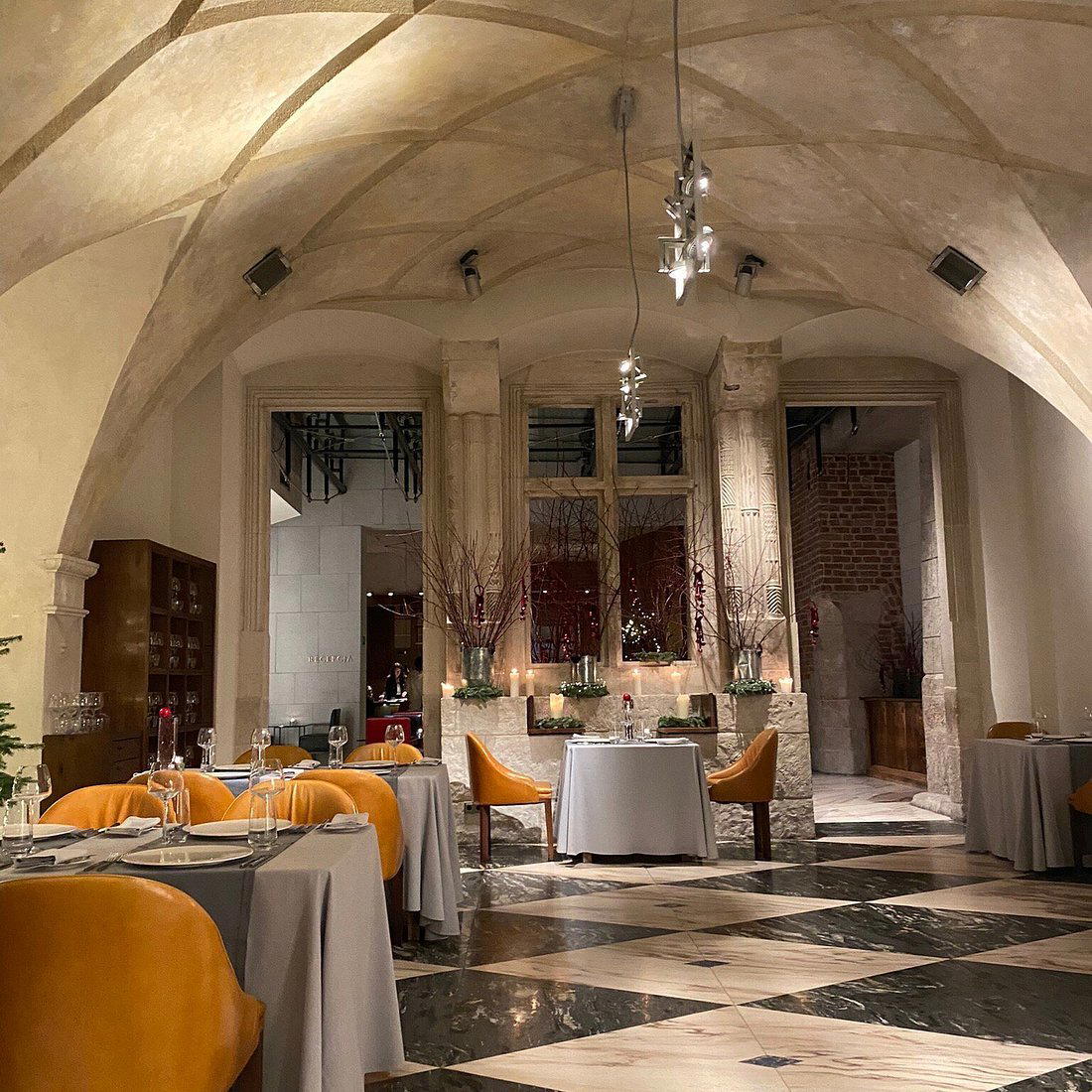
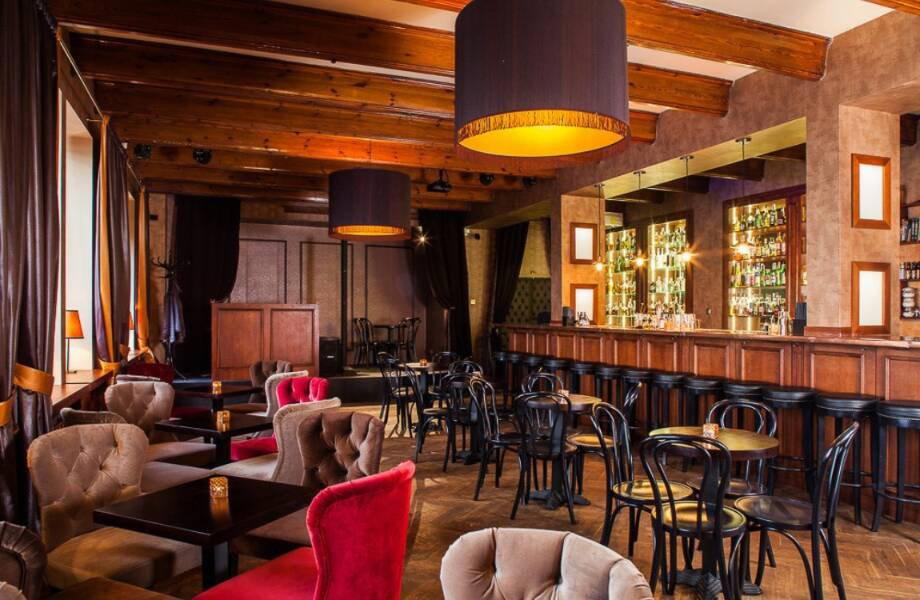
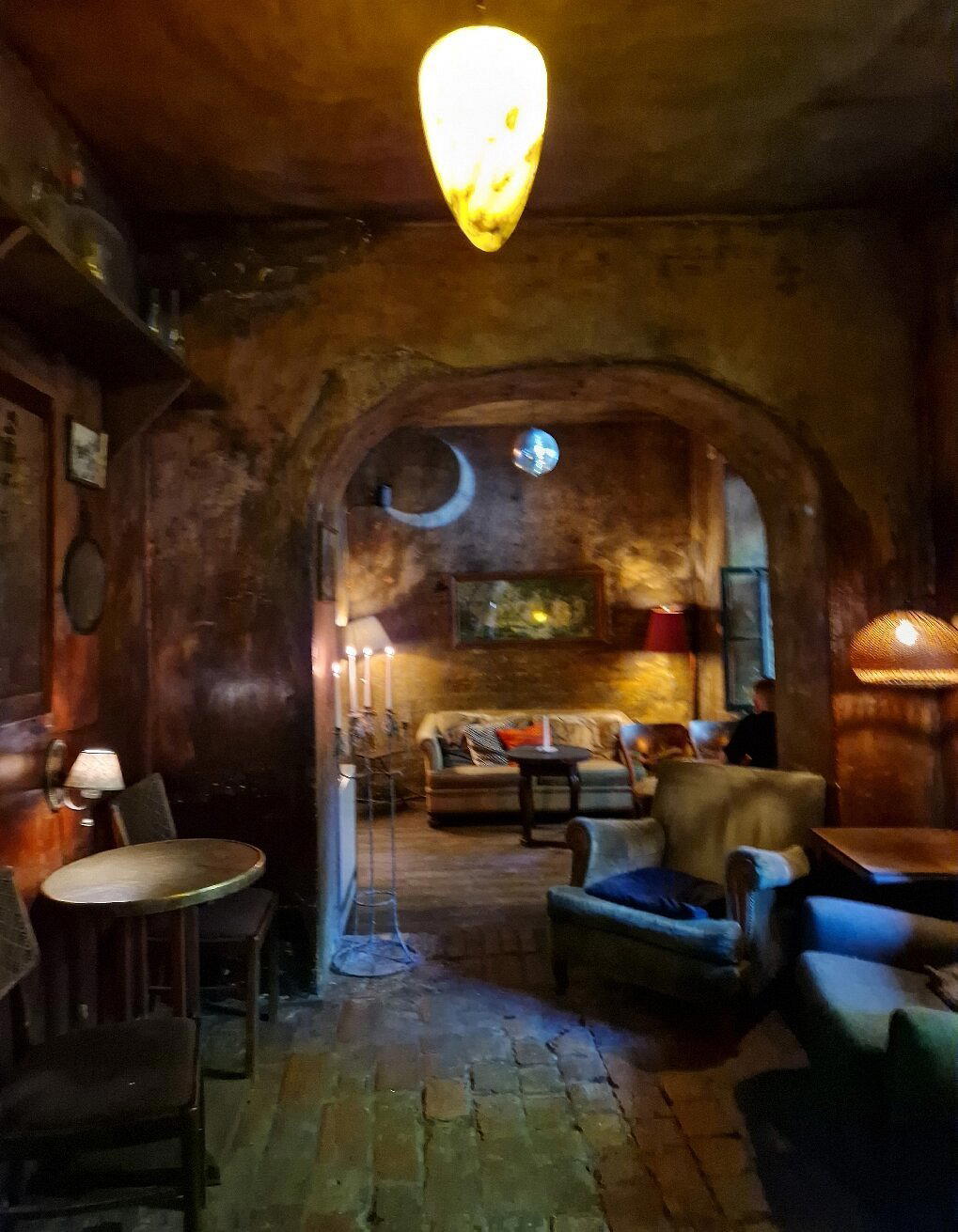
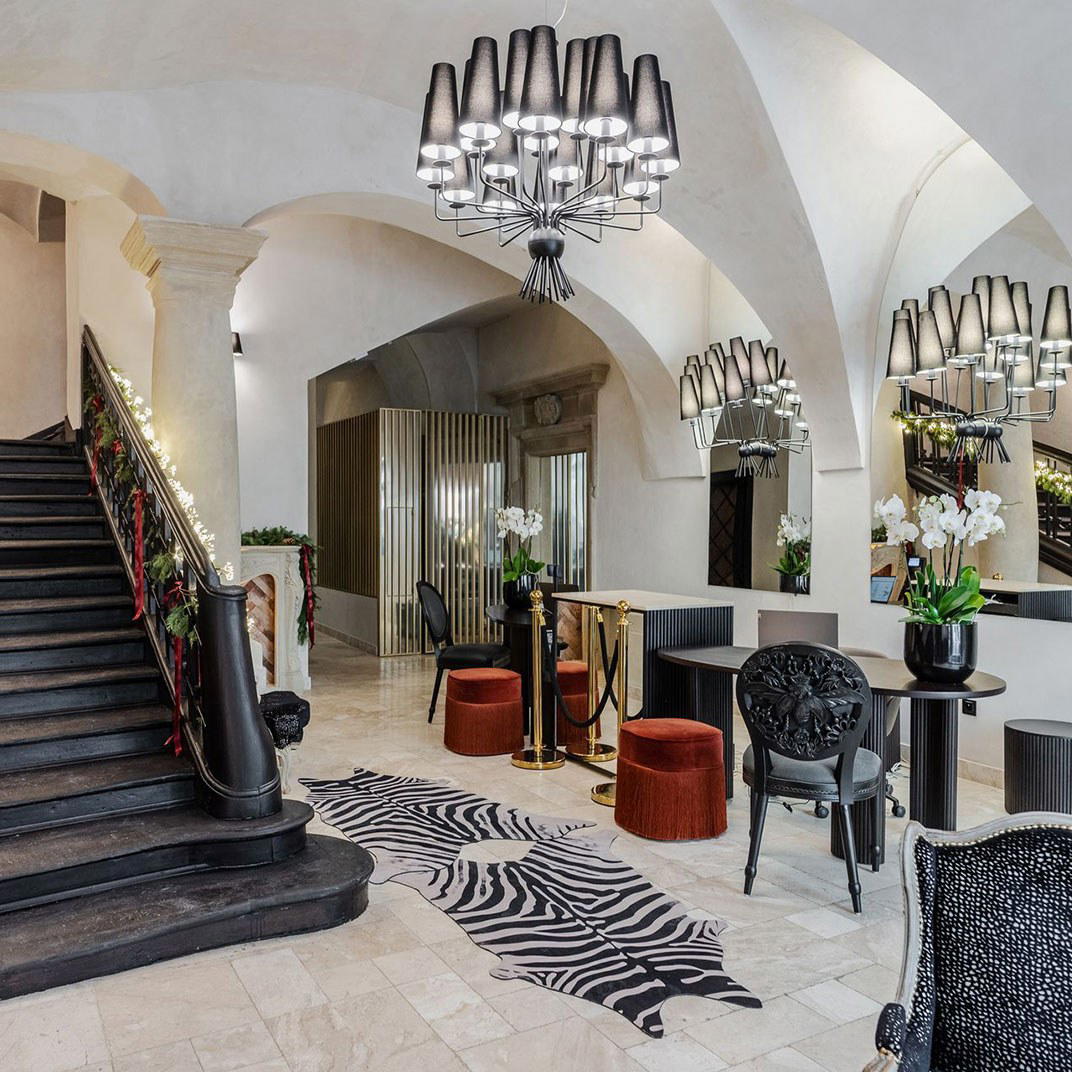
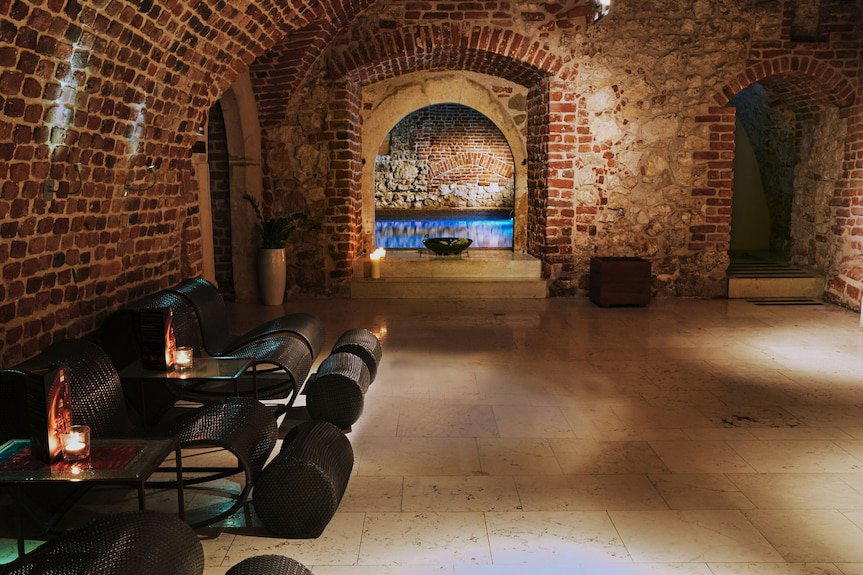
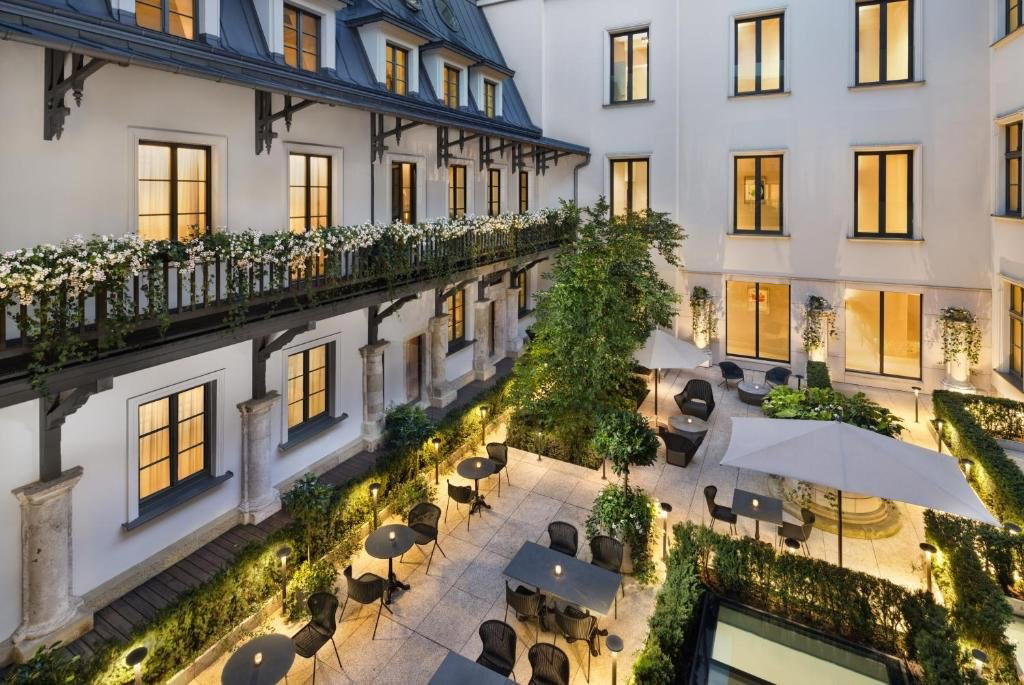
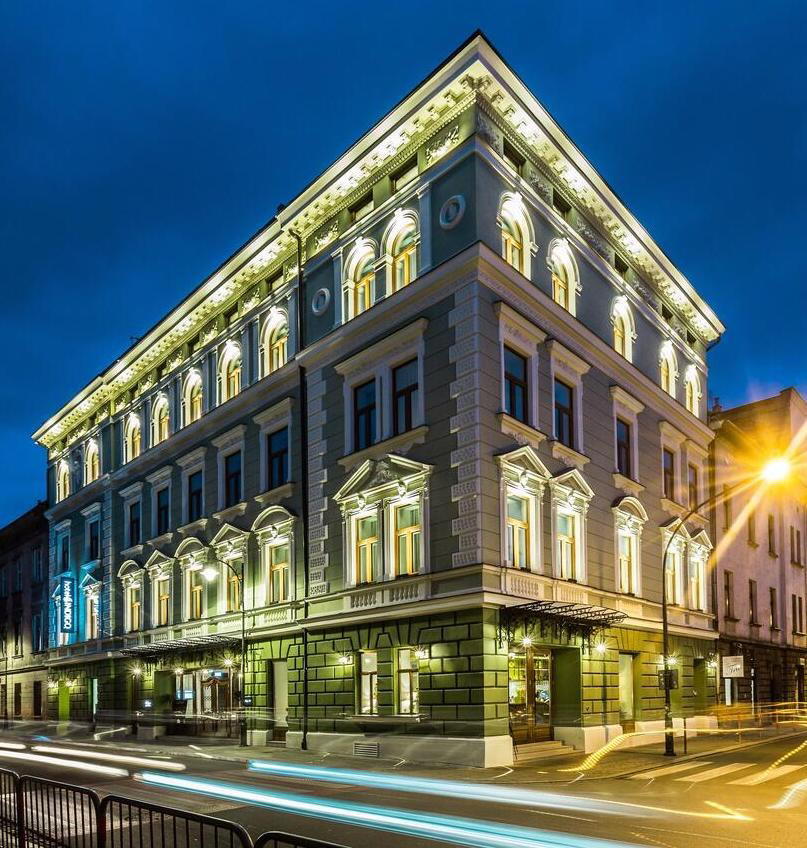
Sophisticated atmosphere with exposed brick, vaulted ceilings, ribbed vaults, and Gothic windows contrasting modern dining rooms.