Our verdict
Alchemia occupies a storied address in Kazimierz, Krakow's former Jewish quarter, where the bar-café format has anchored the neighbourhood's bohemian social life for years. The space layers candlelight, worn wood, and mismatched furniture into an atmosphere that sets it apart from the polished venues competing for the same evening crowd. For visitors reading the Kazimierz scene, Alchemia is a reliable orientation point.

Pearl is the En Primeur Club membership app, where members save venues, book tables and use the concierge.
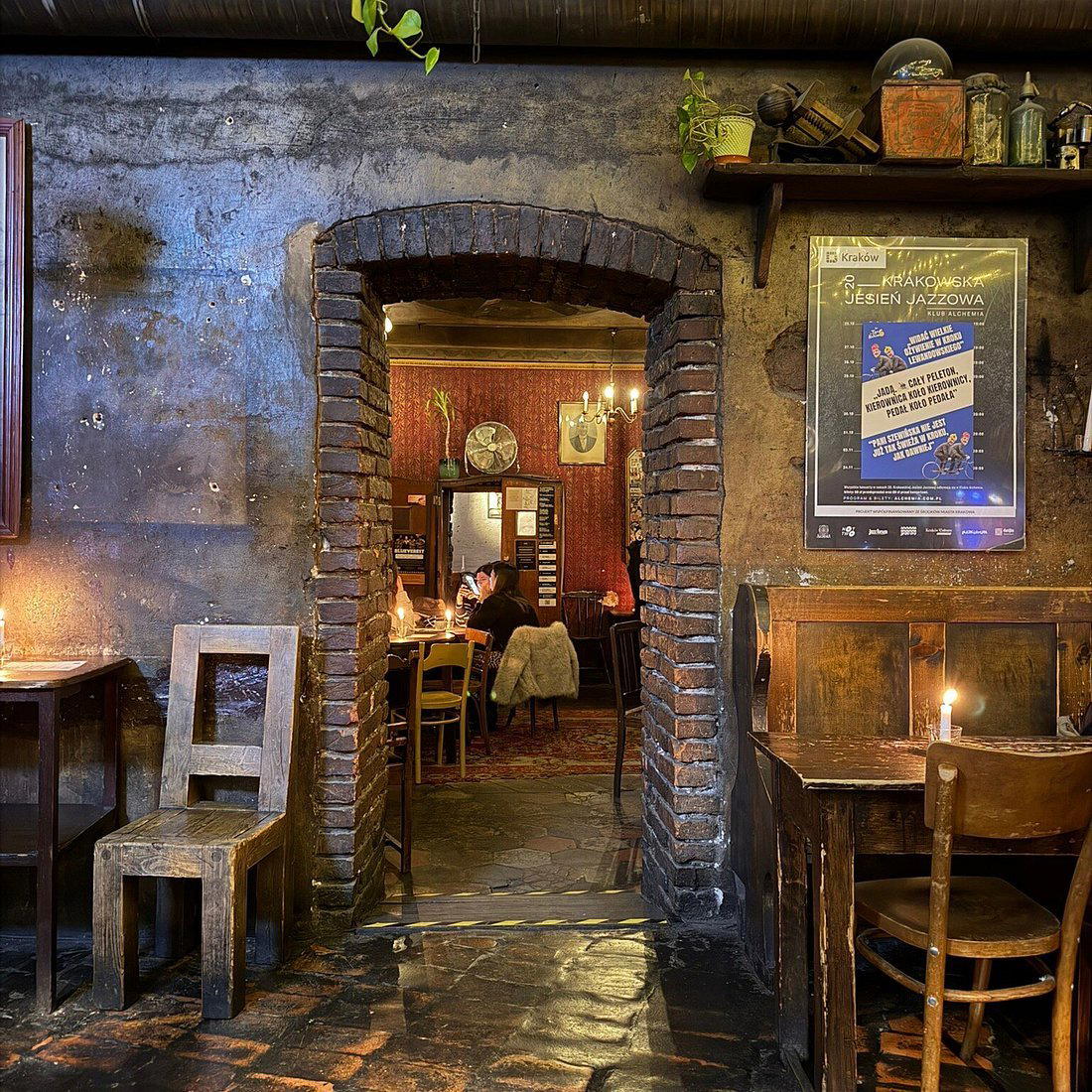
The Room Itself: What Kazimierz Looks Like at Its Most Deliberate
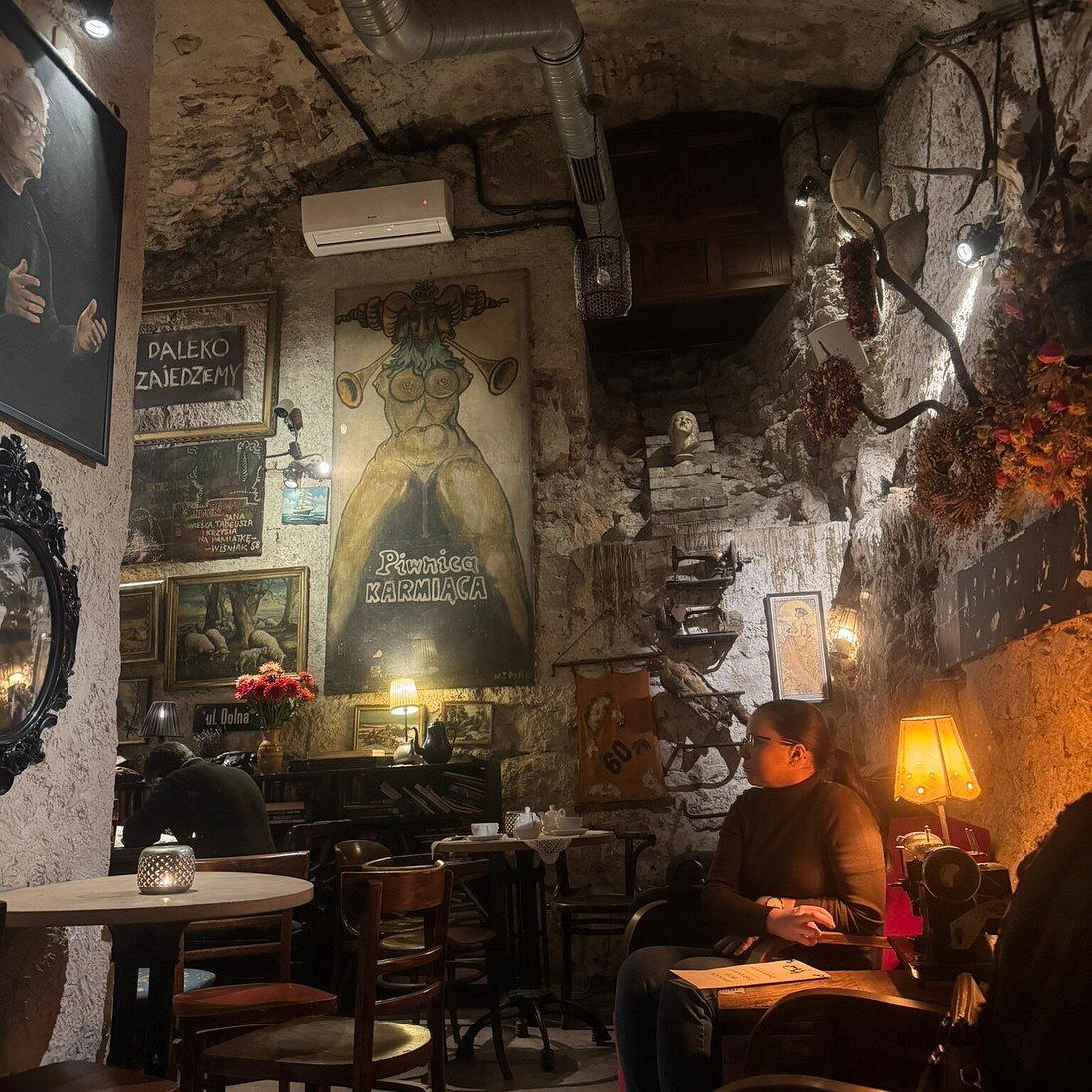
There is a particular design logic that defines the best-loved gathering spaces in Central European cities: accumulated rather than curated, where the furniture looks inherited and the candlelight does not apologise for the darkness it creates. The address has become something of a reference point for how the neighbourhood presents itself to the world, not as a tourist district performing its own history, but as a working social space that happens to be extraordinarily atmospheric.
The interior architecture works through layering: low ceilings, exposed brick or plaster at various stages of repair, heavy wooden furniture that has absorbed decades of use, and candles placed not for romance in the boutique-hotel sense but because they are the appropriate light source for a room that was built before electricity was an assumption. Krakow's Kazimierz has become one of Central Europe's more studied examples of neighbourhood regeneration, and Alchemia's physical container is a useful case study in how design-by-accumulation can feel more authentic than anything constructed from scratch.
Kazimierz and the Scene Alchemia Belongs To
To understand what Alchemia represents, it helps to know what Kazimierz went through. The quarter was Krakow's Jewish district for centuries, fell into significant disrepair during and after the Second World War, and began a slow cultural revival from the 1990s onward, accelerated partly by the attention Steven Spielberg's filming of Schindler's List brought to the area. By the 2000s, Kazimierz had developed a distinct identity as Krakow's bohemian quarter: independent galleries, Jewish heritage restaurants, bars that stayed open late, and a social mix that skewed younger and more international than the Old Town.
Within that scene, certain venues function as anchors, places that predate the wave of trendy openings and give the neighbourhood a sense of continuity. Alchemia occupies that position. It sits alongside establishments like Ariel, which addresses Kazimierz's Jewish culinary heritage more directly, and a wider set of Krakow dining options that range from the refined Polish cooking at Bottiglieria 1881 Restaurant in Kraków to the Italian approach at Aqua e Vino. Alchemia does not compete on food ambition with those venues; it competes on atmosphere, accessibility, and the kind of unprogrammed evening that a polished restaurant cannot offer. OK Wine Bar in Wrocław and hub.praga in Warsaw each occupy their own version of this second category, where the drink and the room matter as much as the plate.
Multiple Rooms, Multiple Registers
One of Alchemia's less-discussed spatial qualities is that it operates across more than one room, which changes how the evening unfolds depending on where you end up. The front section functions as a bar and café, a space for daytime coffee or an early-evening drink without commitment to a longer stay. Further in, the rooms deepen and the atmosphere shifts: the candlelight grows more pronounced, the seating more settled, and the sense of the outside world more distant. In warmer months, a courtyard extends the footprint outdoors, which is when the venue's relationship to the street and the neighbourhood becomes most visible.
This multi-room format is worth noting because it gives Alchemia a flexibility that single-room venues cannot match. A meeting at a café table near the entrance carries a different social register than an evening spent at the back of the building. The building itself appears to have retained its original room structure rather than been opened up into a contemporary open-plan format, which contributes to the sense of spatial history. For visitors accustomed to Krakow's more formal dining options, places like 3 Rybki or Bianca, the contrast in spatial logic is immediate.
How Alchemia Fits a Krakow Itinerary
Krakow's restaurant scene has grown considerably more sophisticated in the last decade. The city now has serious competition on the fine-dining and creative-Polish fronts, with venues like Akita Ramen showing how the city's appetite for international formats has developed. Against that backdrop, Alchemia's value is different: it offers context rather than destination dining. An evening that begins with dinner at a more food-forward restaurant and continues at Alchemia is a more complete picture of Kazimierz than either venue provides on its own. The kind of creative seriousness found at Muga in Poznań, the coastal setting of Bar Przystań in Sopot, or the technical ambition at Arco by Paco Pérez in Gdańsk represent different registers of the Polish hospitality scene. Alchemia addresses none of those registers directly, but it addresses something equally specific: the kind of evening that a city's social fabric depends on, where the room does the heavy lifting and the drink is secondary to the duration of the stay. Internationally, that function is served by venues as different as the long-table format at Lazy Bear in San Francisco or the precisely controlled atmosphere at Le Bernardin in New York City, though the ambition differs entirely. See our full Krakow restaurants guide for broader orientation across the city's dining tiers.
Practically, Alchemia is walkable from Krakow's main market square, Rynek Główny, in under fifteen minutes, placing it at the southern edge of the Old Town tourist corridor. Walk-in access is generally available, though weekend evenings bring the predictable volume that any neighbourhood anchor attracts.
Frequently asked questions
What's the address for Alchemia?
Alchemia is located at Estery 5, 31-056 Kraków, Poland, Krakow.
Is Alchemia suitable for live music or cultural events in Krakow?
Alchemia has a documented history of hosting live music and cultural programming across its separate rooms at Estery 5, which is part of why it became a reference point in the Kazimierz quarter rather than simply a bar. The venue's multi-room structure allows events to run in one space while other areas remain open for regular use. Checking current programming directly is advisable, as schedules vary by season.
What do regulars order at Alchemia?
Alchemia's regulars gravitate toward drinks rather than food, the bar format at Estery 5 is built around long evenings rather than structured dining. Beer and straightforward spirits are the practical anchors of an order here. The point is the room and the company, not the menu.
Can I walk in to Alchemia?
Walk-ins are the norm at Alchemia. The multi-room layout on Estery 5 in Kazimierz means there is usually somewhere to settle, even on busier nights. Weekends in summer draw heavier foot traffic from both locals and visitors moving through the quarter, so arriving earlier in the evening gives you more choice of where to sit.
What is Alchemia known for?
Alchemia is known as one of the defining gathering points of Krakow's Kazimierz quarter, a neighbourhood that spent decades underused before becoming central to the city's social and cultural life. The bar at Estery 5 is recognised for a deliberately unpolished interior, candles, worn furniture, mismatched objects, that reads as accumulated rather than designed. It functions as a reference point for the Kazimierz scene rather than a destination built around a single chef or concept.
Can Alchemia adjust for dietary needs?
Alchemia operates primarily as a bar rather than a kitchen-led venue, so the food offering is limited in scope. Dietary customisation is not a realistic expectation here. If a full meal with specific dietary requirements is the priority, Krakow's broader Kazimierz restaurant scene offers more structured options nearby.
Compact Comparison
Comparable venues nearby, for context on price, style, and recognition.
| Venue | Cuisine | Price | Awards | Notes |
|---|---|---|---|---|
| AlchemiaThis venue (the venue you are viewing) | International Gastropub | $10–20 | Not listed | Not listed |
| Bianca | Italian Pasta & Wine | $20–30 | Not listed | Stare Miasto, Italian Pasta & Wine |
| Akita Ramen | Japanese Ramen | $10–20 | Not listed | Kazimierz, Japanese Ramen |
| Restauracja Cechowa | Traditional Polish | $10–20 | Not listed | Old Town, Traditional Polish |
| 3 Rybki | Modern Polish with Seafood Focus | $50–100 | Not listed | Stare Miasto, Modern Polish with Seafood Focus |
| ZaKładka -Bistro de Cracovie | French | Not listed | Michelin Plate | Podgórze, French-Polish Bistro |
Continue exploring
More in Kraków
Restaurants in Kraków
All restaurants in Kraków →
Bars in Kraków
All bars in Kraków →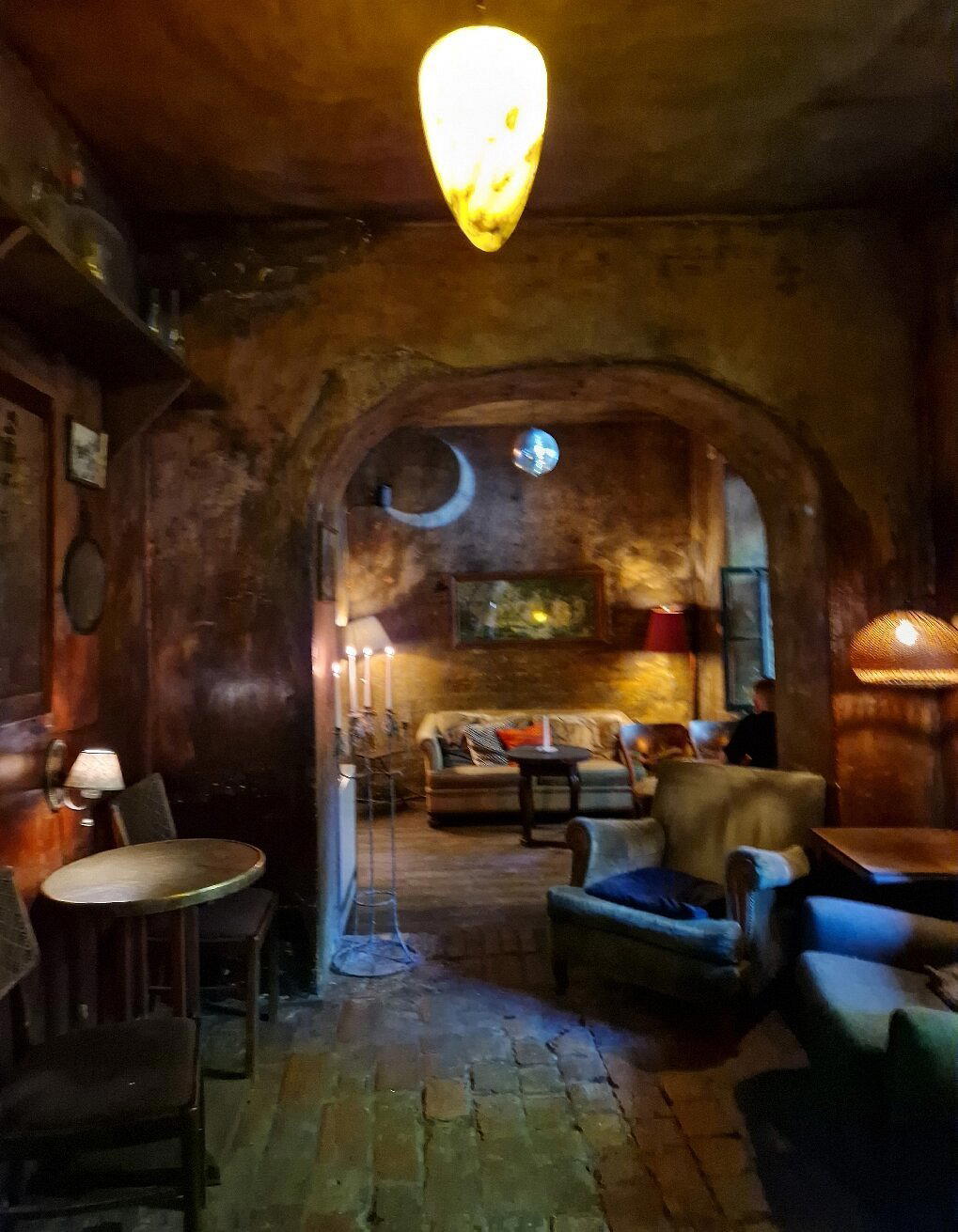
Details
- Cozy
- Bohemian
- Intimate
- Trendy
- Casual Hangout
- Late Night
- Brunch
- Open Kitchen
- Craft Cocktails
- Beer Program
- Street Scene
- A La Carte
- Small Plates
- Craft Cocktails
- Beer
- Vegetarian Friendly
- Vegan Options
- Gluten Free Options
Current opening hours
- Monday
- 9 AM–2 AM
- Tuesday
- 9 AM–2 AM
- Wednesday
- 9 AM–2 AM
- Thursday
- 9 AM–3 AM
- Friday
- 9 AM–4 AM
- Saturday
- 9 AM–4 AM
- Sunday
- 9 AM–2 AM
Hours can change for holidays and private events. Hours as of .
Candle-lit, cozy interior with gothic lab equipment, uneven floors, wood-burning fireplaces, and a dark academia vibe.