Michelin Plate
Our verdict
A 2024 Michelin Plate and a wine list of over 300 Italian labels signal a kitchen operating with conviction. The Old Town address puts it at the centre of Kraków's most concentrated dining corridor, steps from Wawel and the Rynek Główny.

Pearl is the En Primeur Club membership app, where members save venues, book tables and use the concierge.
The menu
What to order
- Roast duck with pear
- Foie gras
- Lobster
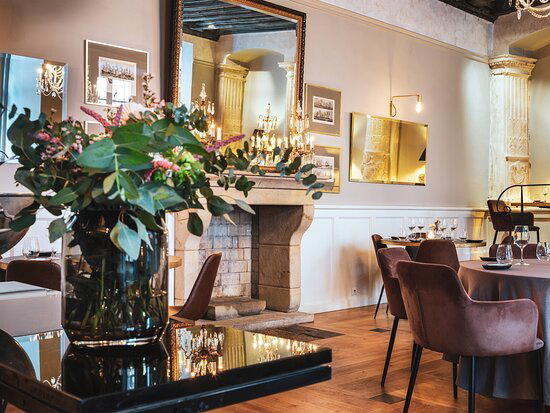
Inside the Atrium: Where the Old Town's Architecture Becomes the Dining Room
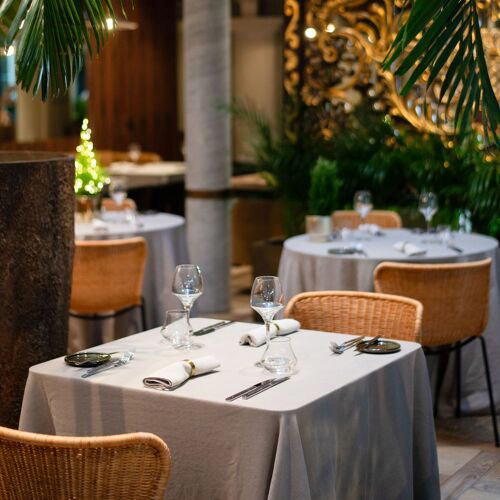
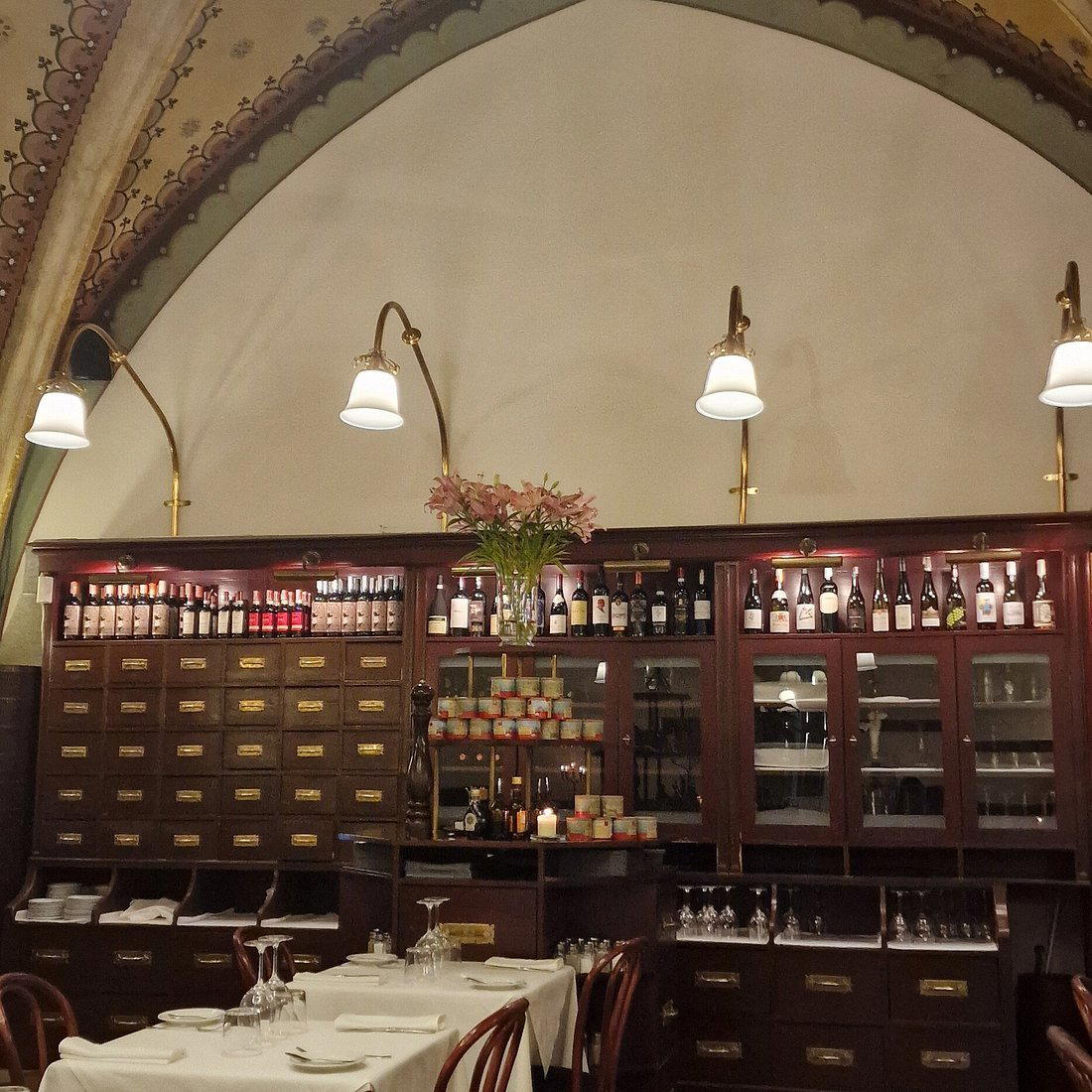
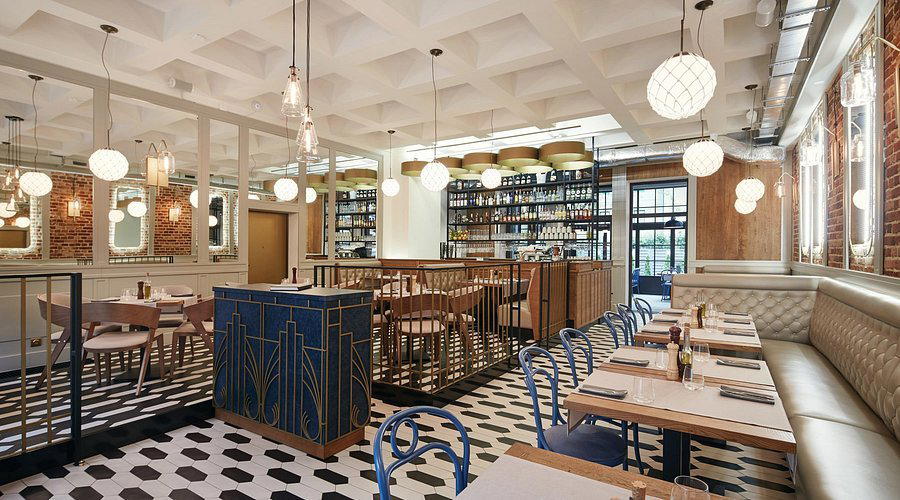
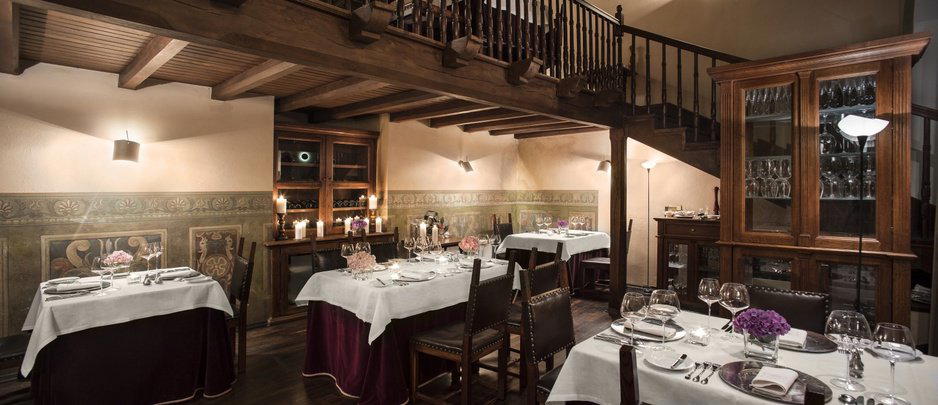
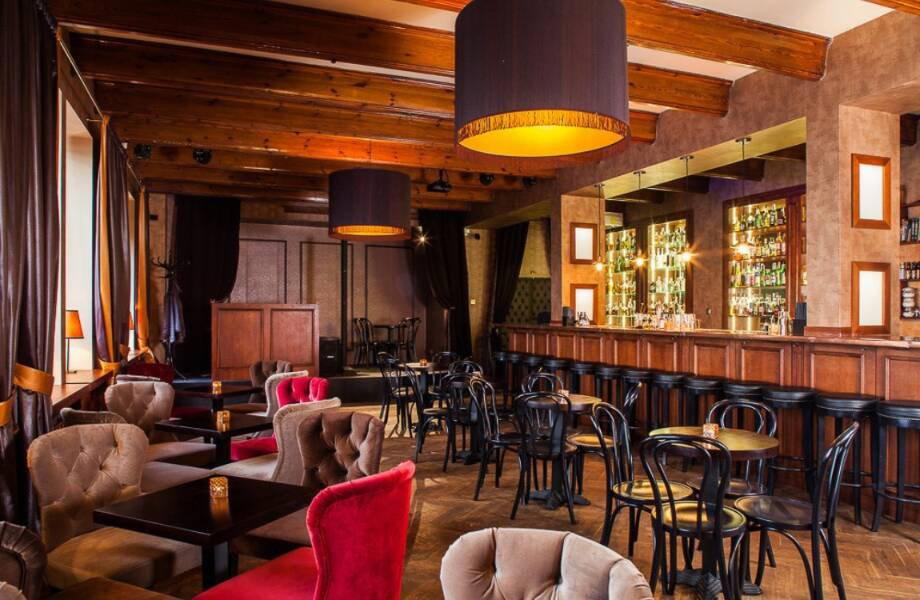
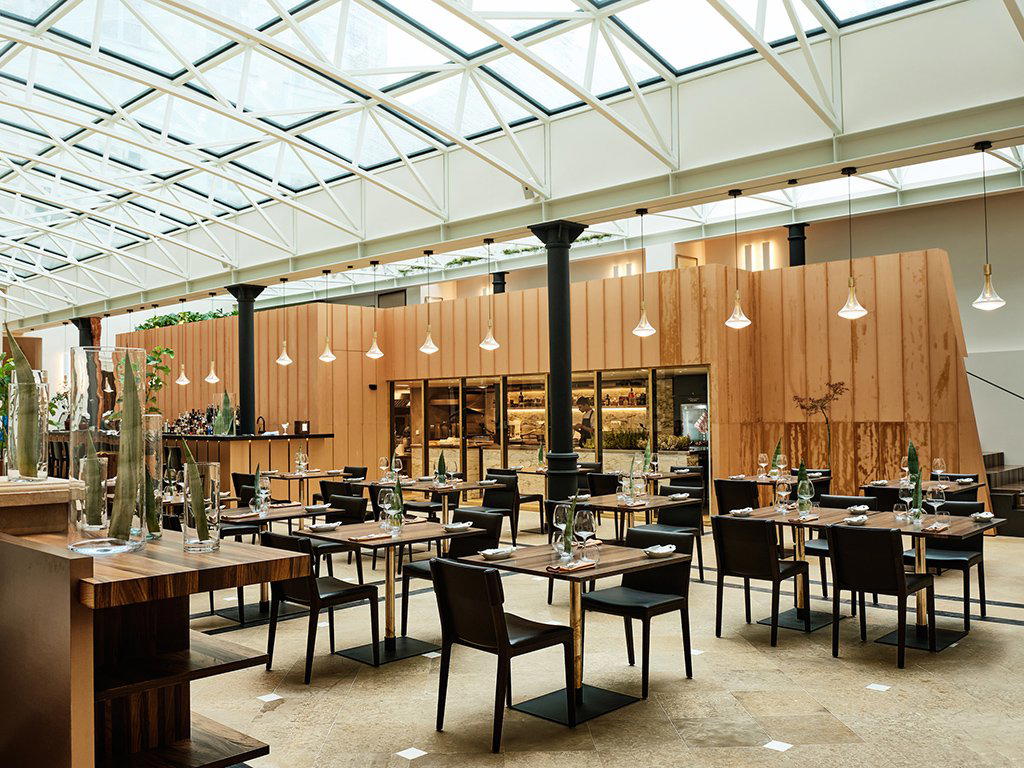
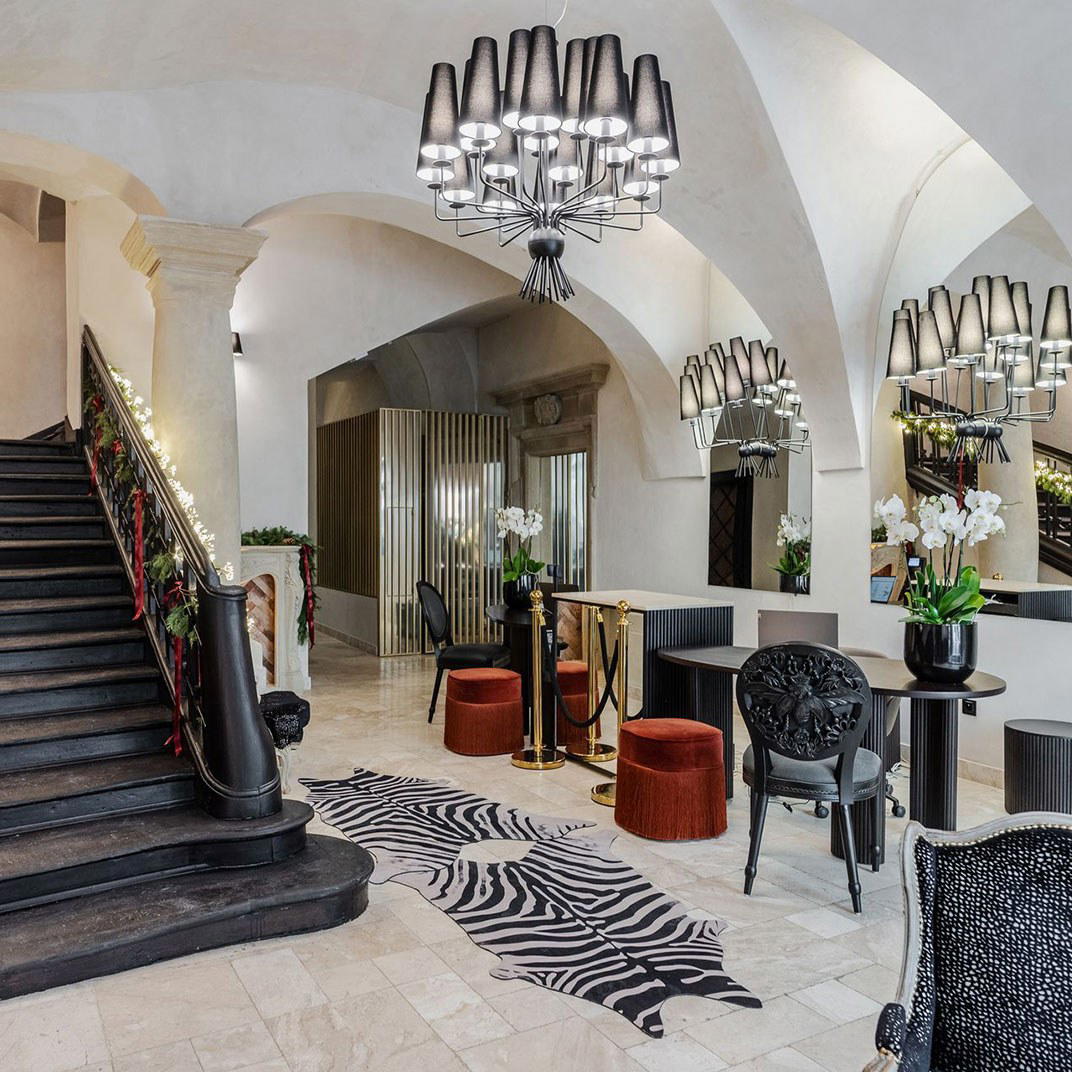
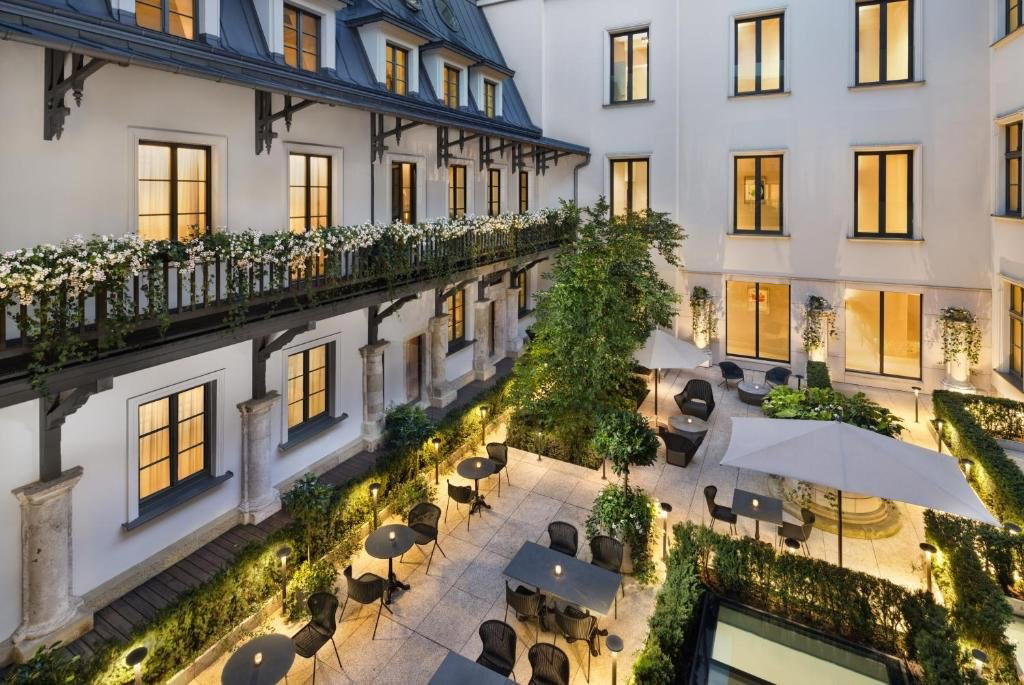
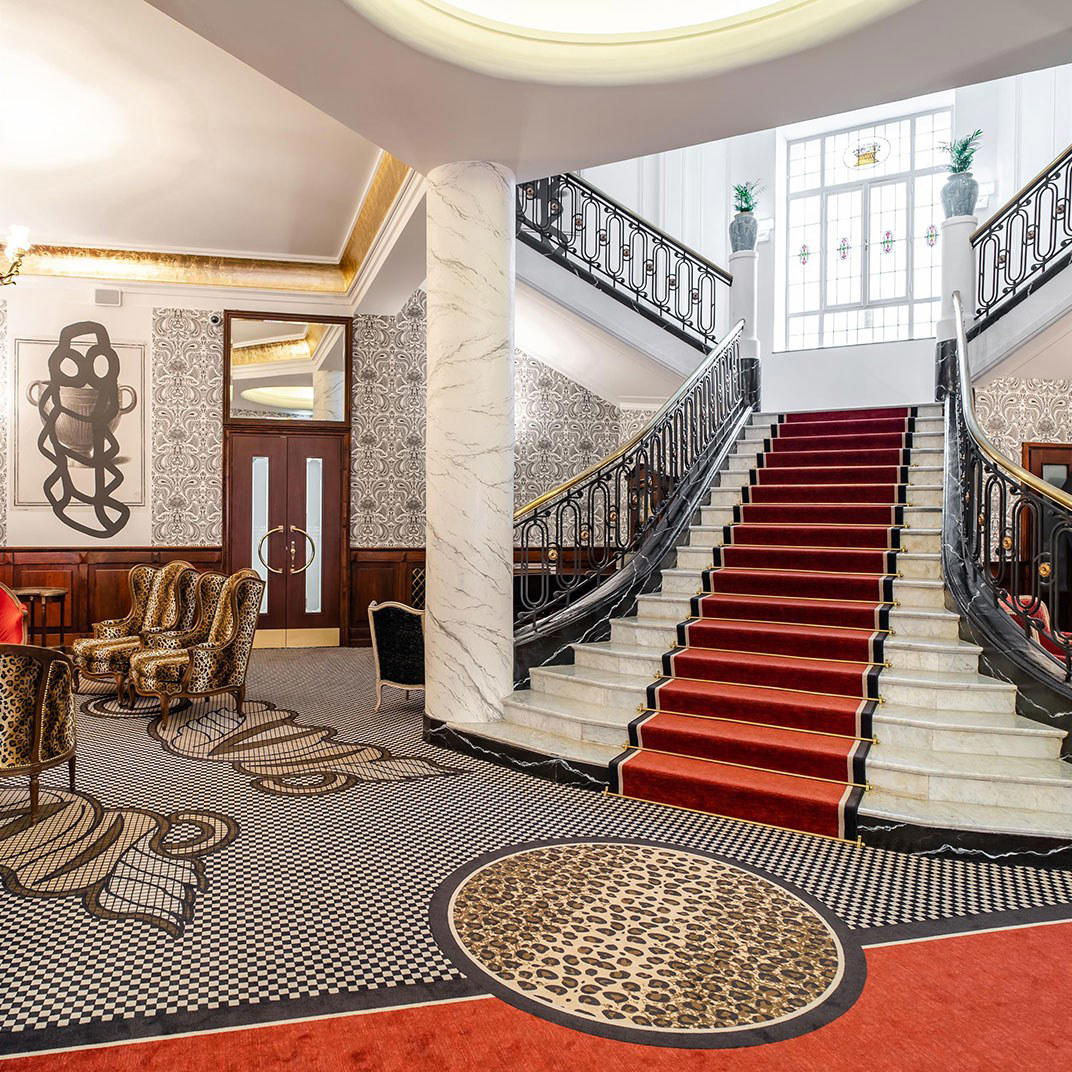
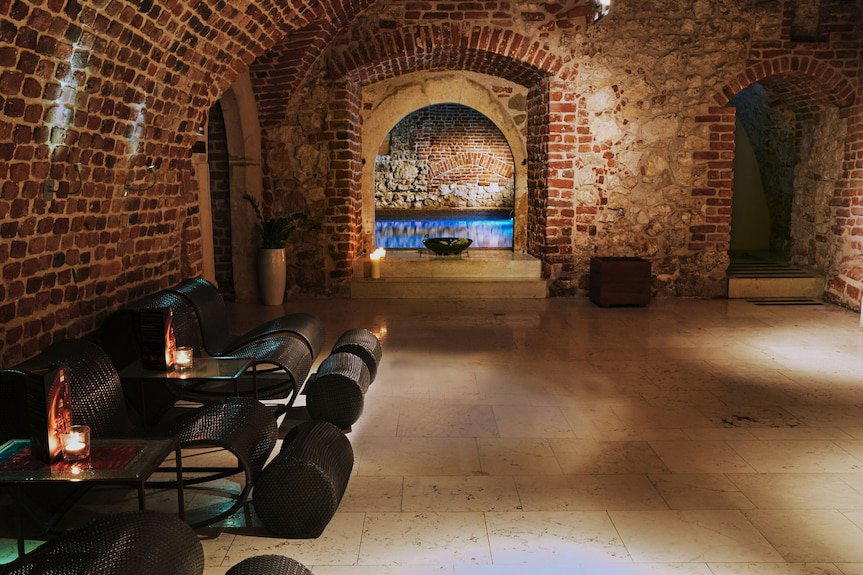
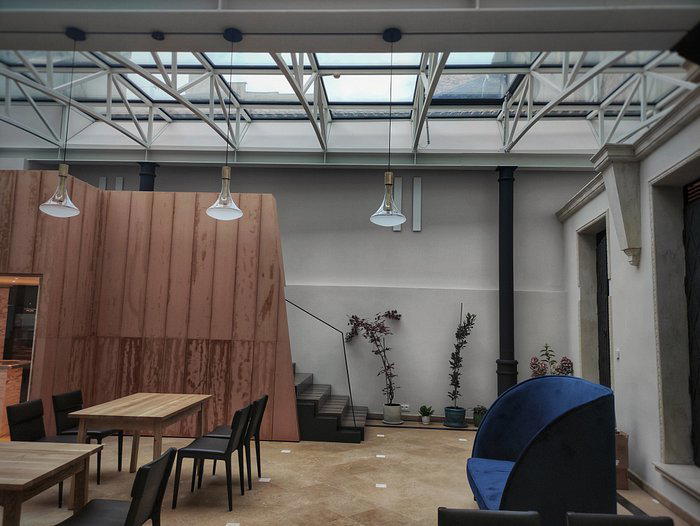
There is a specific kind of drama that older Central European cities reserve for their hotel restaurants. The room does not arrive gradually, it presents itself the moment you pass from the street. The lounge bar anchors one end; the open kitchen sits exposed at the other, giving the room a transparency that most hotel dining rooms in the city avoid. It is a setting that the building's three centuries of history have earned rather than manufactured. The density of restaurants, cafés, and bars along this axis is high, which means Pod Różą sits inside a competitive corridor rather than trading on neighbourhood isolation. For a wider survey of where this fits in the city's dining offer, see our full Kraków restaurants guide.
The Kitchen's Logic: Polish Ingredients, Classical Structure, Italian Accent
Modern Polish cooking in Kraków has split into at least two readable camps over the past decade. One strand pulls hard on regional identity, foraged produce, ferments, the language of the highlands and the marshes. The other works from a classical European base and uses Polish sourcing as ingredient discipline rather than ideological statement. Pod Różą occupies the second position. Quality Polish produce underpins dishes that are constructed with classical technique and confident presentation, while an Italian influence runs through the flavour profile with enough consistency to shape the wine programme as well.
That Italian thread is more than decorative. The wine list runs to over 300 Italian labels, a depth that implies a considered pairing philosophy and a kitchen that references Italian culinary tradition at structural, not just garnish, level. Bold flavours and assured plating are the reported register: this is not a kitchen that retreats into minimalism or uses restraint as a substitute for decision-making. Comparable modern cuisine at the €€€ price tier in Kraków includes Copernicus, which operates within a similarly historic hotel context, and Amarylis, which approaches the category from a different neighbourhood position. At the more experimental end of the Kraków spectrum, Folga and Filipa 18 occupy a younger, more format-driven niche, while Bufet KRK works at a lower price point and more casual register. In the Michelin framework, the Plate denotes a kitchen producing food of good quality, it is a commitment of consistency at a level the guide considers worth tracking, without the full starred designation. That distribution means a Plate in Kraków carries genuine positional weight: it places Pod Różą inside a national conversation about where Polish modern cuisine is heading, alongside addresses like Arco by Paco Pérez in Gdańsk, Muga in Poznań, and Acquario in Wrocław, each working within their own regional register but sharing a commitment to classical discipline at a premium tier. For the starred end of that Polish spectrum, hub.praga in Warsaw and the mountain-adjacent Giewont in Kościelisko offer useful comparisons.Frantzén in Stockholm than with the open-format hotel dining rooms that populate most capital cities.
For context on how that compares with peer restaurants in the city, 1911 Restaurant in Sopot and FZN by Björn Frantzén in Dubai represent what sustained Michelin-adjacent modern cuisine looks like at different price registers internationally.
The Hotel Context and What It Adds
Hotel restaurants in historic city centres carry a structural liability: they are often sized for occupancy over culinary ambition, designed for guests who cannot or will not go out, and managed at a remove from the kitchen's creative decisions. Pod Różą operates inside this format but appears to have inverted the usual hierarchy. The atrium dining room overlooks the kitchen rather than hiding it, the wine programme reflects a specific editorial position rather than a generic European selection, and the culinary angle, classical base, Italian influence, Polish sourcing, has an internal logic that goes beyond hotel catering. That the building is 300 years old adds material gravity to the setting, but it is the kitchen's consistency that keeps the room relevant beyond its architectural asset.
Kraków's Old Town hotel stock is dense and competitive. Visitors considering where the city's premium hotel dining sits should cross-reference our full Kraków hotels guide, and those building a broader itinerary around the city's food and drink culture will find useful orientation in our full Kraków bars guide, our full Kraków wineries guide, and our full Kraków experiences guide.
Planning Your Visit
Pod Różą is at Św. The Old Town's pedestrianised core makes arrival by taxi or rideshare direct, with drop-off available on the adjacent streets. As a hotel restaurant with a glass atrium and a lounge bar component, the room handles both pre-theatre dinner timing and longer, wine-led evenings comfortably. The price tier sits at €€€, in line with Kraków's upper-mid dining bracket; the 300-label Italian wine list suggests a table that benefits from advance thought about the wine direction.
Frequently asked questions
What does dinner at Pod Różą typically cost?
Pricing at Pod Różą is listed as €€€.
Does Pod Różą have a Michelin star or similar recognition?
Pod Różą has received recognition including: In the centre of the 300 year old hotel of the same name, within a glass-covered atrium, you'll find this spacious restaurant boasting a lounge bar and a dining area overlooking the kitchen. Quality Polish ingredients power modern dishes un….
What's the signature dish at Pod Różą?
Pod Różą's menu is not publicly itemised, so no single dish can be confirmed as the kitchen's centrepiece. That combination, regional sourcing, French-trained discipline, Italian flavour logic, is effectively the restaurant's culinary signature, even if expressed across a rotating menu rather than one fixed dish.
Is Pod Różą focused on a specific cuisine style?
Where do I go for Pod Różą?
Pod Różą is located at wejście od, Floriańska, Św. Tomasza 14, 31-021 Kraków, Poland, Kraków.
Reputation First
| Venue | Cuisine | Price | Awards | Notes |
|---|---|---|---|---|
| Pod RóżąThis venue (the venue you are viewing) | Modern Polish with Italian Influences | Not listed | Michelin Plate | Not listed |
| Bottiglieria 1881 Restaurant | Modern Polish Fine Dining | $200–300 | 2 Michelin Stars · La Liste Top Restaurants | Modern Polish |
| Copernicus | Modern Polish Royal Cuisine | $30–50 | Michelin Plate | Not listed |
| Farina | Modern Seafood with Polish Influences | $50–100 | Michelin Plate · Wine Spectator Best of Award of Excellence | Not listed |
| MOLÁM | Modern Thai Canteen | $20–30 | Michelin Bib Gourmand | Not listed |
| Artesse | Modern Historical Polish Fine Dining | Not listed | Michelin Plate | Not listed |
Recognition history
Dated appearances from independent guides and award organizations, with the underlying list record or original source where available.
Michelin Plate
Michelin
Full recognition history (3 entries)
Michelin Plate
Michelin
Michelin Plate
Michelin