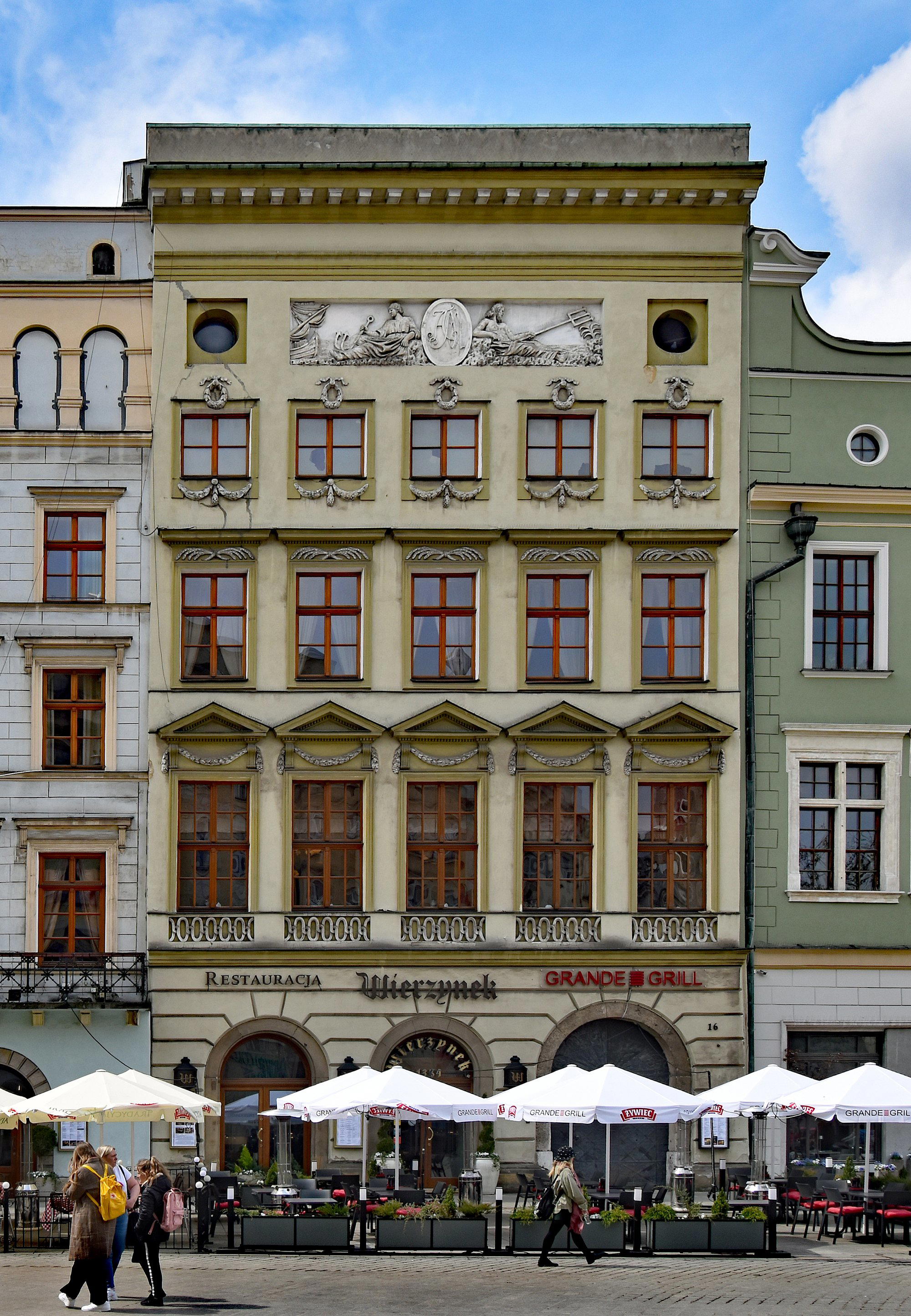
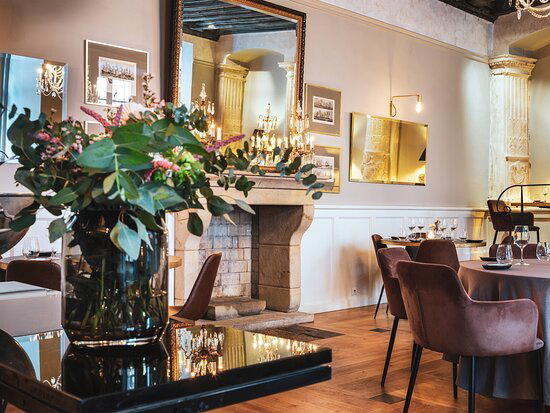
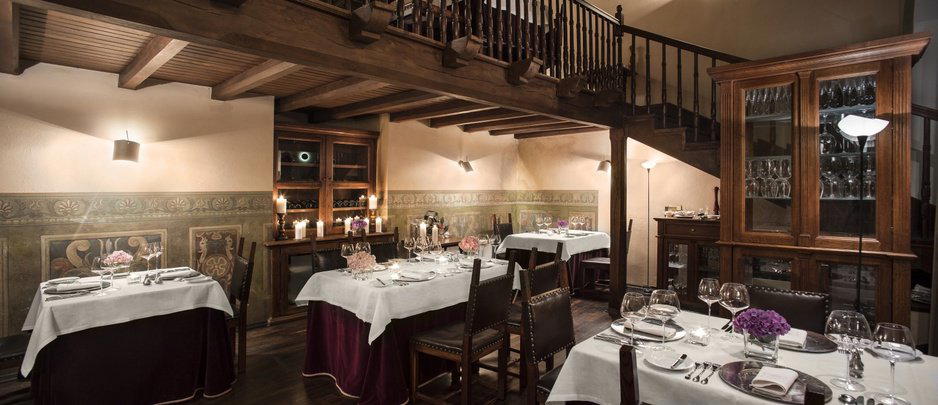
One of Kraków's oldest documented restaurants, Restauracja Wierzynek occupies a medieval tenement on Rynek Główny, the main market square, where it has served Polish and Central European cuisine for centuries. Its address places it at the centre of Kraków's historic dining circuit, a reference point against which the city's newer fine-dining arrivals are inevitably measured.
 Discover on Pearl
Pearl is the En Primeur Club membership app — saves, bookings, and concierge access live there. Same editors, same standards.
- Address
- Rynek Główny 16, 31-008 Kraków, Poland
- Phone
- +48 728 871 071
- Website
- wierzynek.pl
A Square That Sets the Standard
Kraków's Rynek Główny is one of the largest medieval market squares in Europe, and the buildings that frame it carry the weight of that history in every stone course. Restauracja Wierzynek occupies a position on that square that is, in the most literal sense, load-bearing for Kraków's fine-dining reputation. The restaurant has operated from this address, Rynek Główny 16, for long enough that it predates the modern concept of a restaurant entirely, tracing its documented hospitality lineage to the fourteenth century. Arriving here, the context does most of the atmospheric work before you reach the door: the Gothic towers of St. Mary's Basilica to the northeast, the Cloth Hall directly across the square, and the slow movement of visitors who treat the Rynek as both transit point and destination. Wierzynek sits at the intersection of those two uses.
For a broader picture of how Kraków's dining and drinking scene has developed around this historic core, the EP Club full Kraków restaurants guide maps the city's current offer across neighbourhoods and price tiers.
Where Wierzynek Sits in Kraków's Fine-Dining Bracket
Kraków's fine-dining market has expanded considerably since Poland's post-communist economic opening. A generation of younger Polish chefs trained abroad, predominantly in France, Scandinavia, and the United Kingdom, returned to open modern tasting-menu restaurants that now compete for the same international traveller spending that once defaulted almost entirely to Wierzynek by virtue of name recognition and location. That shift has sharpened the competitive context considerably. Wierzynek's comparable set today includes both the new-wave tasting-menu houses in Kazimierz and the formal hotel dining rooms in Stare Miasto, all operating at a price point designed to capture visitors with serious dining intent rather than the tourist traffic that fills the Rynek's outdoor cafés.
The dynamic mirrors a pattern visible in other European cities with strong medieval tourism infrastructure: the oldest named restaurant tends to hold a symbolic position that newer arrivals cannot easily replicate, while simultaneously facing pressure to maintain culinary relevance rather than coasting on heritage alone. Wierzynek's address means it will always be the first answer to the question of where to eat on the Rynek. Whether it earns that position on current kitchen output as much as on historical reputation is the more interesting question for a visitor planning a serious dinner.
Polish Cuisine and the Central European Table
The broader tradition Wierzynek represents, Central European formal dining rooted in game, freshwater fish, dairy, and root vegetables, has undergone a critical reassessment across the region over the past two decades. Chefs in Warsaw, Prague, Budapest, and Kraków itself have moved the conversation away from the heavy, stew-centred reading of Polish cuisine toward preparations that foreground ingredient quality and seasonal discipline. The ingredients themselves, venison from Polish forests, carp and pike from river systems that have supplied Central European tables for centuries, amber-coloured broths built over long reduction times, are well-suited to fine-dining treatment without requiring the kind of conceptual reframing that more internationally unfamiliar cuisines sometimes demand.
A restaurant in Wierzynek's position occupies an interesting point in that evolution. Its heritage locks it into an expectation of formality and Polish-inflected cooking, but the question of how far that cooking reflects contemporary technique versus period-appropriate presentation is one that the menu answers on any given visit. For context on how Kraków's broader hospitality scene has absorbed these influences, venues like Kogel Mogel and Eszeweria represent the city's more casual, creative tier, while Piwnica Pod Baranami and Górnik anchor the cultural bar and club circuit that gives the old town its after-dinner energy.
The Service Register and What It Signals
Formal restaurants in medieval European settings tend to run one of two service registers: the museum-piece model, where the antiquity of the surroundings translates into a stiffness that reads as reverence for history, and the confident-host model, where the historical context is worn lightly and the priority is that the guest is comfortable rather than impressed. The distinction matters because it determines whether a dinner here reads as an occasion or an obligation. Restaurants of this age and address in Central Europe that have remained commercially viable into the current era tend to do so because they resolved that question in favour of the guest. A venue that relies on the Rynek address and fourteenth-century pedigree without sustaining the kitchen and floor to match will, in a market with the depth Kraków now has, lose the traveller who is making deliberate choices rather than default ones.
The service register at Wierzynek has historically run formal, in keeping with the room. How that formality is calibrated at any given visit, whether it reads as assured or rigid, is the kind of variable that matters most at this price point and is leading assessed through current visitor accounts rather than historical expectation.
Planning a Visit
Rynek Główny 16 is at the geographic heart of Kraków's Stare Miasto, walkable from the main hotel corridor along Floriańska and Grodzka streets, and roughly fifteen minutes on foot from the Kraków Główny railway station. Advance reservations are advisable, particularly for dinner in the high season months of June through September and around Polish public holidays, when the Rynek operates at its busiest and tables at the square's senior restaurant address carry strong demand. Visitors arriving from Warsaw by rail, a journey of roughly two and a half hours on the express service, typically find the old town accessible on foot from the station without requiring a taxi or tram connection.
For those building a wider Polish itinerary, comparable formal hospitality contexts can be found at Copernicus Toruń Hotel in Toruń and through the wine and spirits specialists at Mielżyński in Poznań. For serious wine storage and sourcing, Podkowa Wine Depot in Żółwin occupies a niche that complements a high-end dining itinerary. Back in Kraków, Mercy Brown provides a natural landing point for the evening after a formal dinner at Wierzynek, sitting in a different register but drawing from the same old-town geography. For international reference points in craft cocktail programming, both Bar Leather Apron in Honolulu and Jewel of the South in New Orleans offer a useful calibration of what technically disciplined bar programs look like at comparable price tiers. Handroll in Warsaw sits at the opposite end of the format spectrum, minimal, precision-focused, and is worth noting for visitors triangulating between formality and modern concision in Polish dining.
Compact Comparison
Comparable venues nearby, for context on price, style, and recognition.
| Venue | Cuisine | Price | Notes |
|---|---|---|---|
| Restauracja WierzynekThis venue — the venue you are viewing | Stare Miasto, lounge | $$$$ | |
| Eszeweria | Kazimierz, pub | $$ | |
| Mercy Brown | Stare Miasto, speakeasy | $$$ | |
| Nat Bistro | $$ | center, wine_bar | |
| Piwnica Pod Baranami | Old Town, pub | $$ | |
| Oranżeria | $$$ | Stare Miasto, Modern European with Polish Influences |
At a Glance
- Classic
- Elegant
- Historic
- Iconic
- Sophisticated
- Special Occasion
- Date Night
- Historic Building
- Lounge Seating
- Private Rooms
- Conventional Wine
- Street Scene
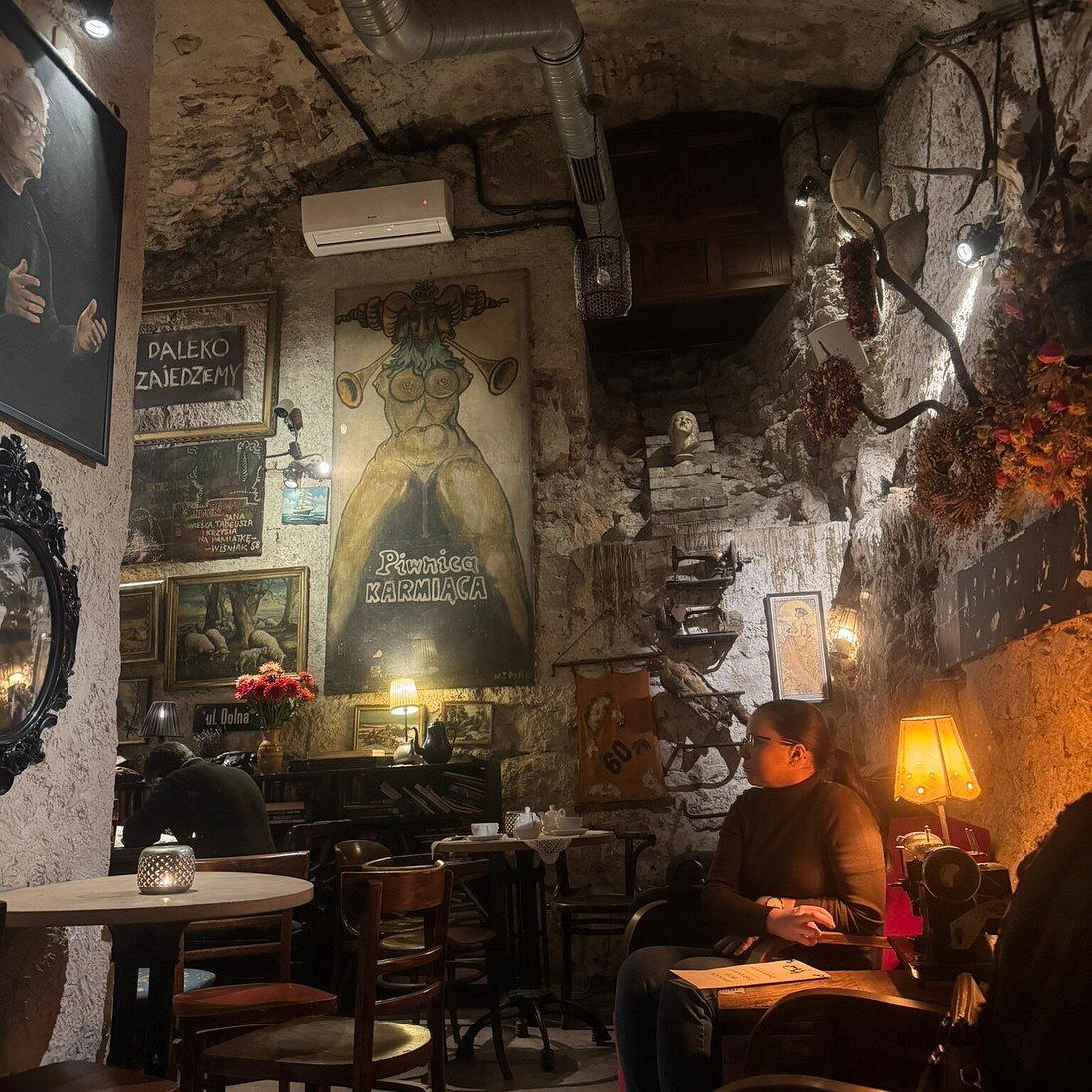
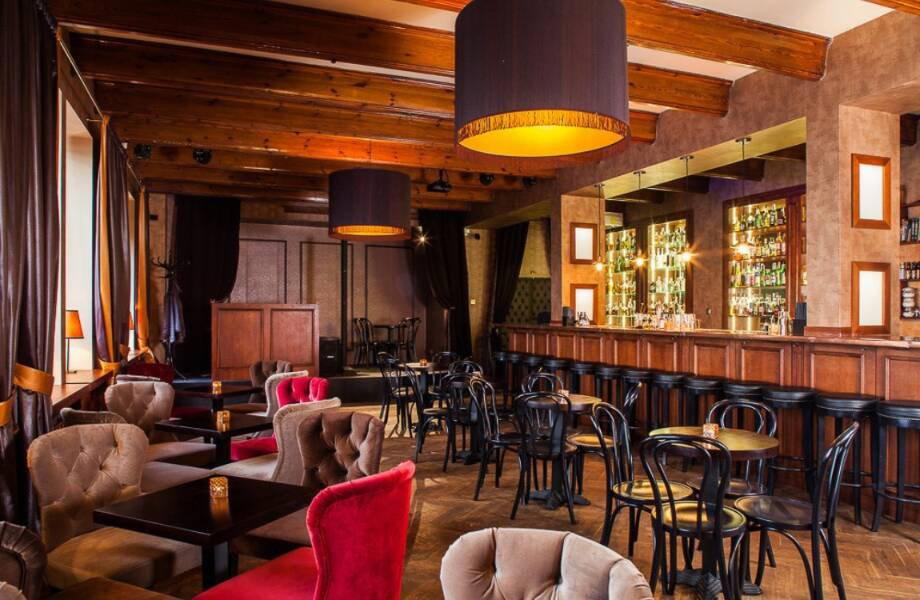
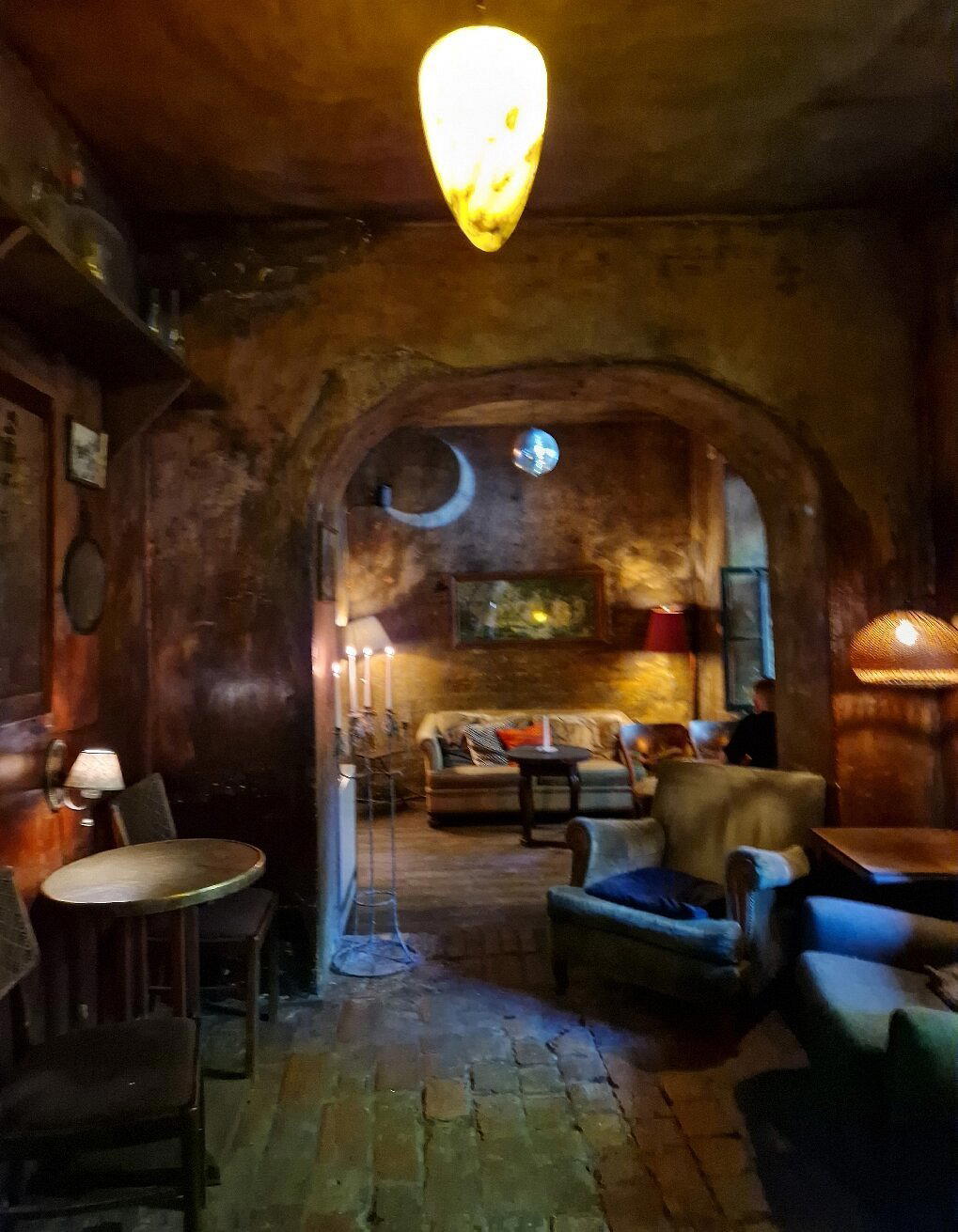
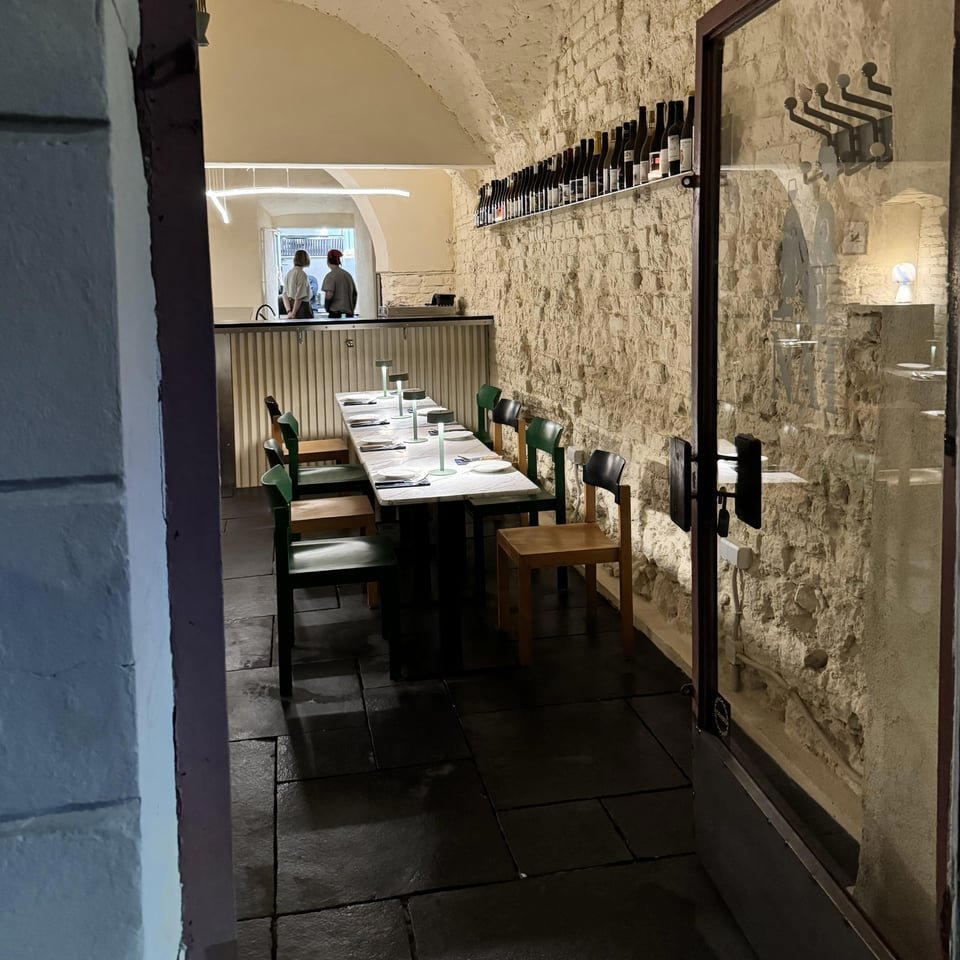
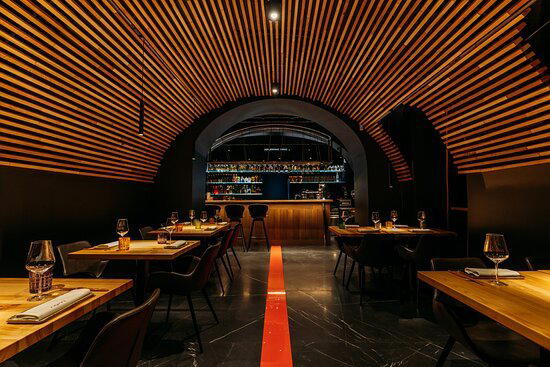
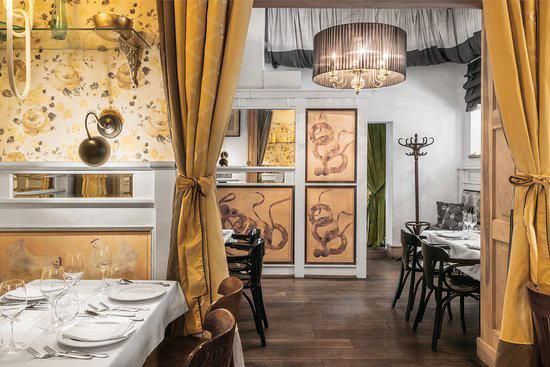
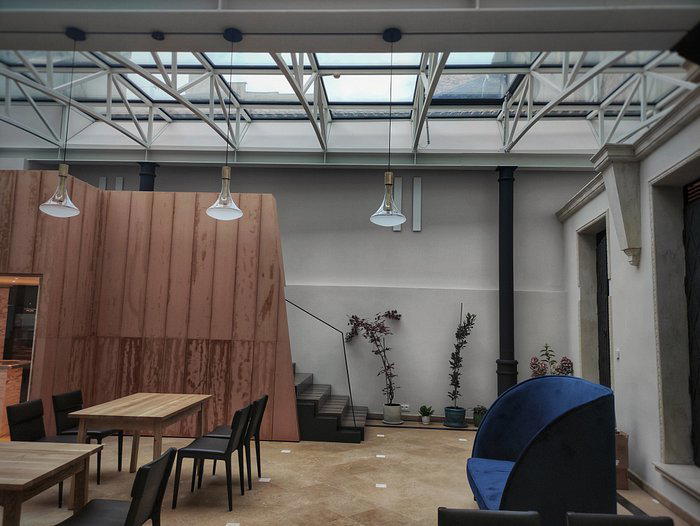
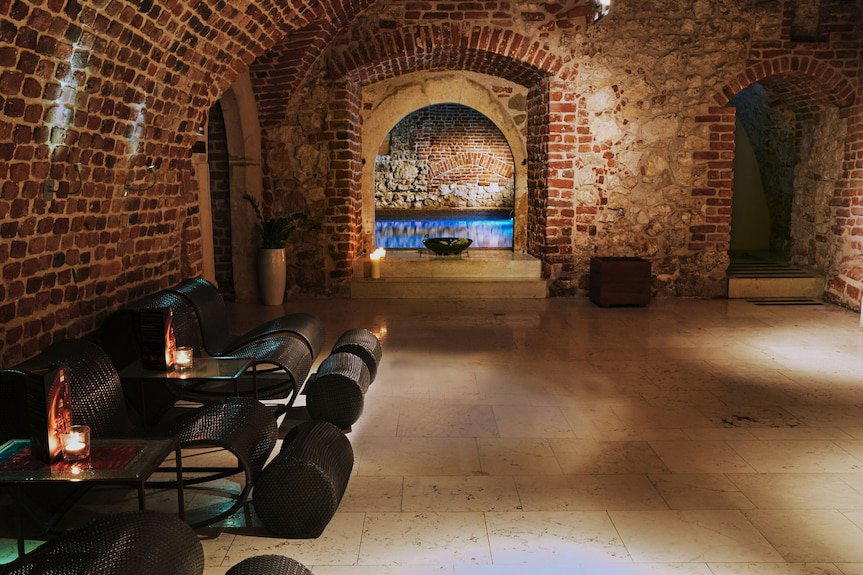
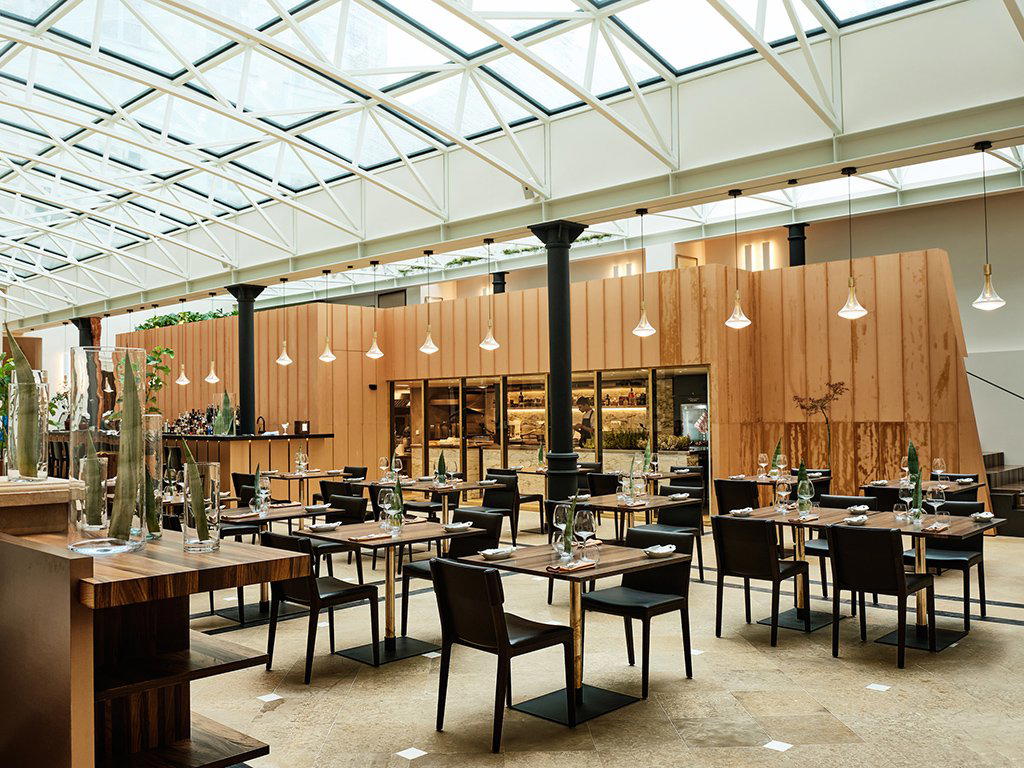
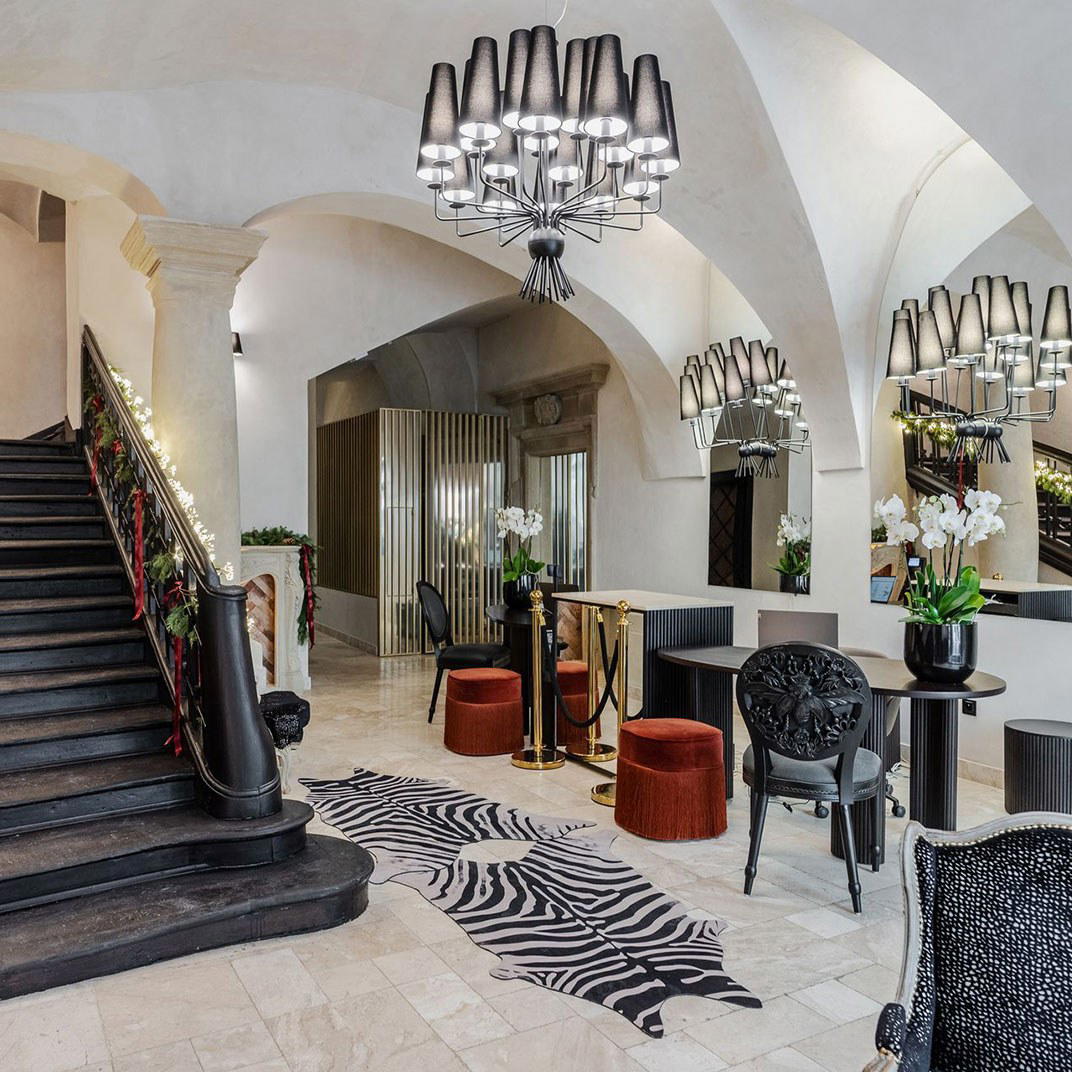
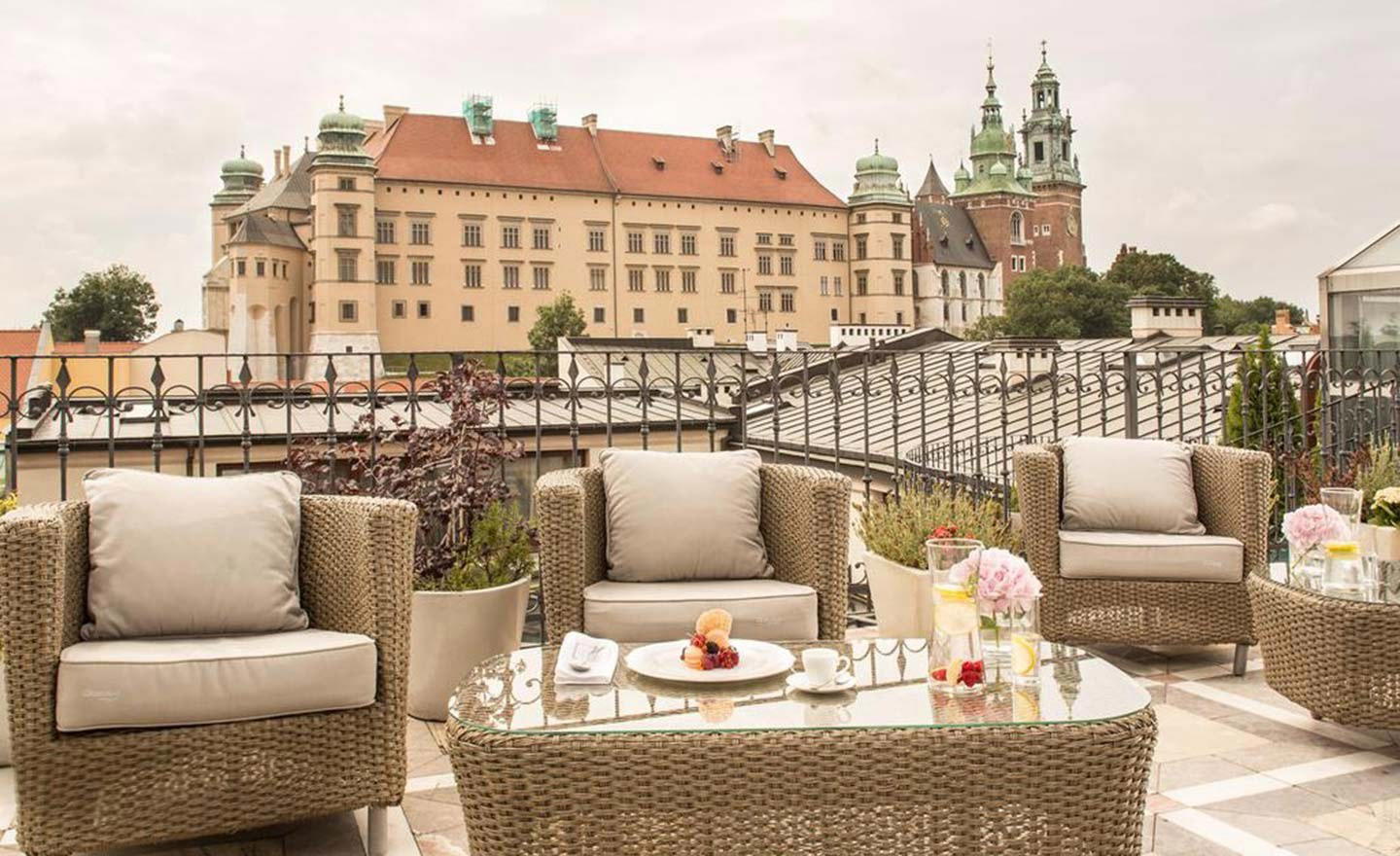
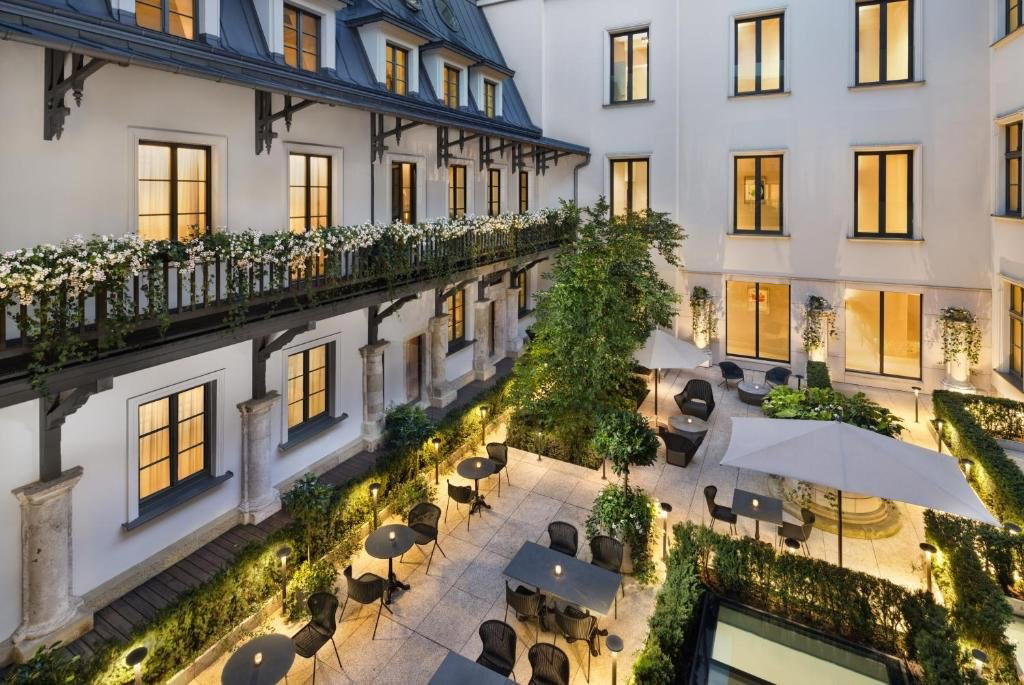
Elegant historic setting with decorative reminders of its storied past, offering courtly service amid venerable salons.