On Pijarska Street, a short walk from Krakow's Barbican, Restaurant Galicyjska draws on the cooking traditions of the historic Galicia region, the former Austro-Hungarian province that once stretched across southern Poland and western Ukraine. The kitchen works within that regional frame, making it a reference point for visitors seeking Polish dining with a specific geographic and historical identity rather than a generic Central European menu.
 Discover on Pearl
Pearl is the En Primeur Club membership app — saves, bookings, and concierge access live there. Same editors, same standards.
- Address
- Pijarska 9, 31-015 Kraków, Poland
- Phone
- +48124300762
- Website
- restauracja-galicyjska.pl
Where Galician Tradition Sets the Pace
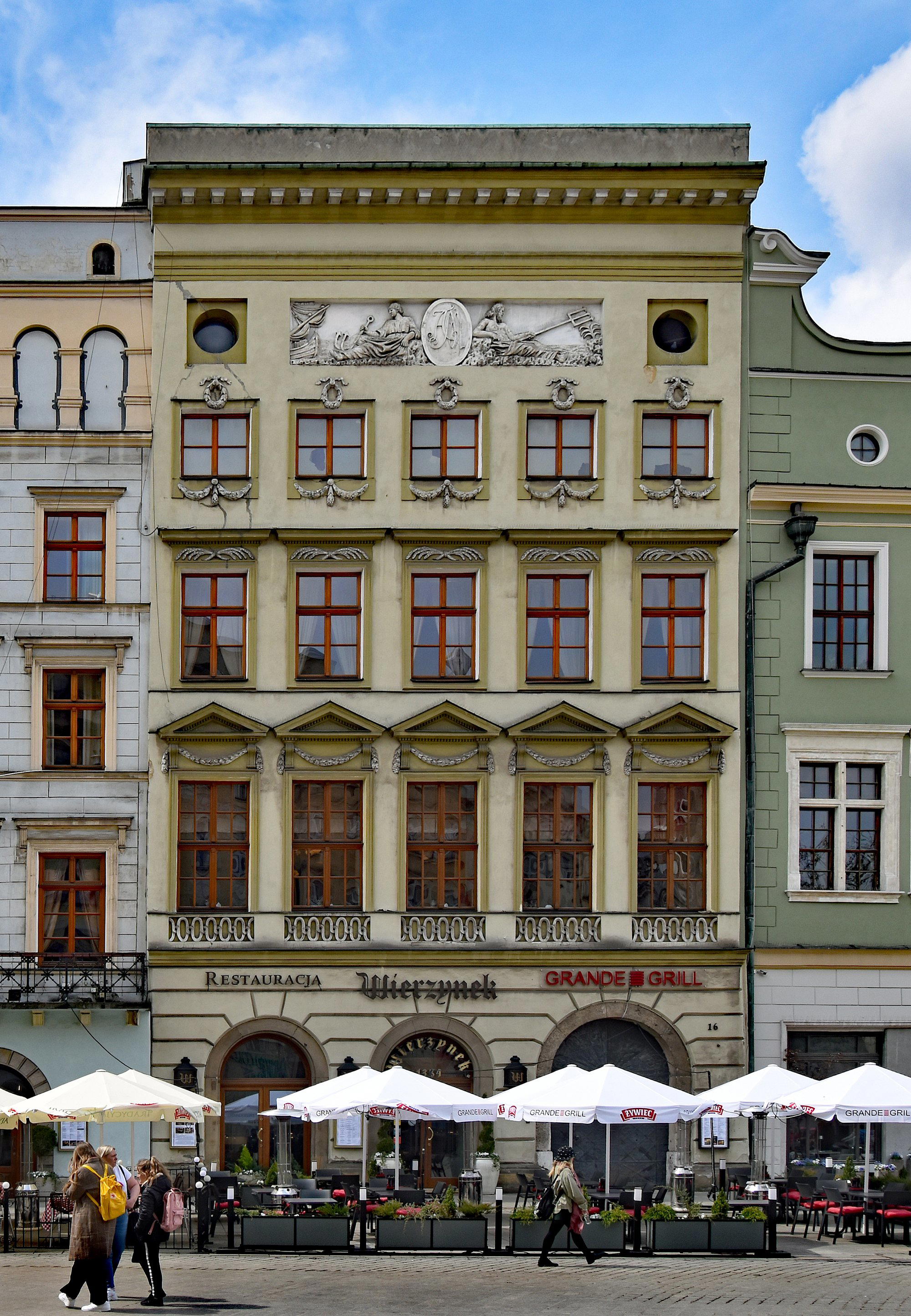
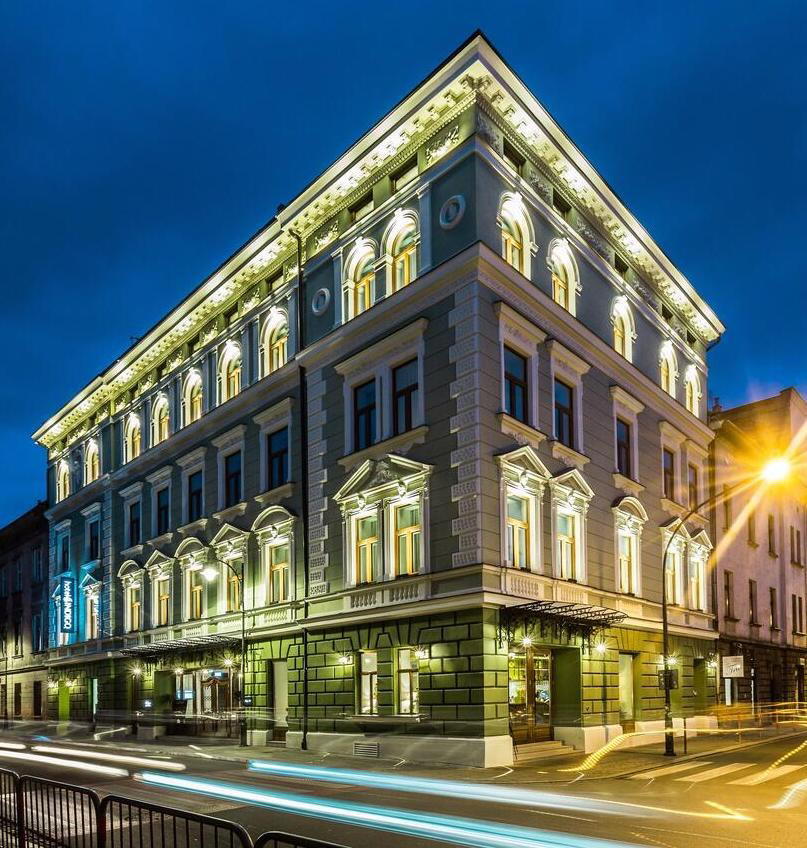
Pijarska Street runs along the northern edge of Krakow's Old Town, between the Barbican fortifications and the quieter stretch of Planty park that insulates the medieval core from the city beyond. This part of town carries a different rhythm from the tourist-dense Main Market Square a few minutes south: fewer souvenir stalls, more residential doorways, and a general sense that the street is used by people with somewhere specific to go. Restaurant Galicyjska sits at number 9 and serves Traditional Polish Noble Cuisine.
Galicia, as a geographic and cultural concept, refers to the territory administered by the Habsburg Empire from the late eighteenth century until 1918, covering what is now southern Poland and western Ukraine. The cooking that developed there was shaped by multiple communities, Polish, Jewish, Ukrainian, Armenian, and Austro-German, producing a cuisine with more layers than the shorthand of 'traditional Polish food' usually implies. A kitchen working within that tradition has material to draw on that goes beyond the standard bigos-and-pierogi repertoire: carp preparations, game dishes, cold meat presentations, sour-rye soups, and pastry forms that carry Viennese as much as Slavic influence. That regional specificity is the editorial premise of a place like Galicyjska, and it changes what you are eating when you sit down.
The Architecture of the Meal
Polish dining in a formal register tends to follow a structure that can feel unhurried to visitors accustomed to faster table turns. Starters arrive with a degree of ceremony: cold plates often precede hot ones, bread is treated as an accompaniment rather than a pre-meal filler, and the progression from soup through main to dessert is observed with a seriousness that reflects Central European restaurant customs more than contemporary Nordic-influenced tasting formats. At a Galician-themed table, that structure takes on additional weight, because the regional repertoire places real emphasis on the starter course, marinated herrings, pâtés, vegetable pickles, as food that requires attention rather than as something to clear before the main event.
This pacing matters for how you approach the reservation. The meal rewards a slower read.
Regional Identity in a Competitive Old Town
Krakow's restaurant density in and around the Old Town is high relative to its size. The Main Market Square and the streets immediately off it, including Pijarska, host restaurants that range from fully tourist-facing operations to places that maintain credibility with the city's own dining public. The latter group tends to distinguish itself through either a specific culinary position (regional Polish, wine-led, modern technique) or through consistency over time. Regional Polish cooking, particularly when anchored to a named geographic tradition like Galicia rather than a generic national identity, occupies a mid-range niche that sits between the city's most progressive kitchens and its mass-market folk-restaurant tier.
Within Krakow, the comparison set for a place like Galicyjska includes Ariel, which works the adjacent tradition of Kazimierz Jewish-Polish cooking, and 3 Rybki, which operates in a more contemporary Polish register. Bottiglieria 1881 Restaurant in Kraków represents the city's Michelin-starred tier, occupying a different price bracket and format entirely. Alchemia and Aqua e Vino operate in the Kazimierz district with distinct identities of their own, while Bianca takes a different directional turn toward Italian-influenced cooking. These comparisons are useful because they clarify what Galicyjska is not trying to do: it is not competing on molecular technique, Italian imports, or bar-restaurant crossover. Its competition is the question of whether a historically grounded regional menu can hold attention in a city that has seen considerable dining diversification over the past decade.
Poland's broader dining scene has developed its own ambitious tier. Arco by Paco Pérez in Gdańsk and hub.praga in Warsaw represent the kind of contemporary Polish and international cooking that now draws international attention, alongside Muga in Poznań and Giewont in Kościelisko, which works a mountain-region tradition with its own regional logic. In that national context, Galicyjska's positioning is less about competing with fine-dining progressives and more about maintaining a specific historical argument: that the cooking of the former Habsburg province deserves its own table rather than being absorbed into the undifferentiated category of 'Polish food.'
Further afield in the Polish dining map, places like Hashi Sushi in Gdansk, Hattori Hanzo in Czestochowa, Kwestia Czasu in Białystok, Cudne Manowce in Olsztyn, and Włoska Restauracja Bellanuna in Rzeszow demonstrate how geographically spread Poland's serious dining now is. The country is no longer a Warsaw-or-Krakow proposition for food-focused travel. And at the international reference level, the kind of disciplined regional specificity that Galicyjska represents finds parallels in how serious restaurants elsewhere, from Le Bernardin in New York City to Atomix in New York City, have built identity around a tightly defined culinary inheritance rather than a broad 'leading of everything' approach.
Planning Your Visit
Restaurant Galicyjska is at Pijarska 9, in Krakow's Old Town, within easy walking distance of the Main Market Square and the Barbican. The address is well-served by the city's tram and bus network, and the Old Town's pedestrian zone makes the final approach on foot direct from most central accommodation.
Cuisine-First Comparison
Comparable venues nearby, for context on price, style, and recognition.
| Venue | Cuisine | Price | Awards | Notes |
|---|---|---|---|---|
| Restaurant GalicyjskaThis venue — the venue you are viewing | Traditional Polish Noble Cuisine | $$ | , | |
| Restauracja Cechowa | Traditional Polish | $$ | , | Old Town |
| Ariel | Traditional Jewish Eastern European | $$ | , | Kazimierz |
| Flisacka 3 | Modern Polish Fusion | $$ | , | Półwsie Zwierzynieckie |
| Alchemia | International Gastropub | $$ | , | Kazimierz |
| ZaKładka -Bistro de Cracovie | French-Polish Bistro | $$ | , | Podgórze |
At a Glance
- Romantic
- Cozy
- Rustic
- Elegant
- Intimate
- Date Night
- Special Occasion
- Historic Building
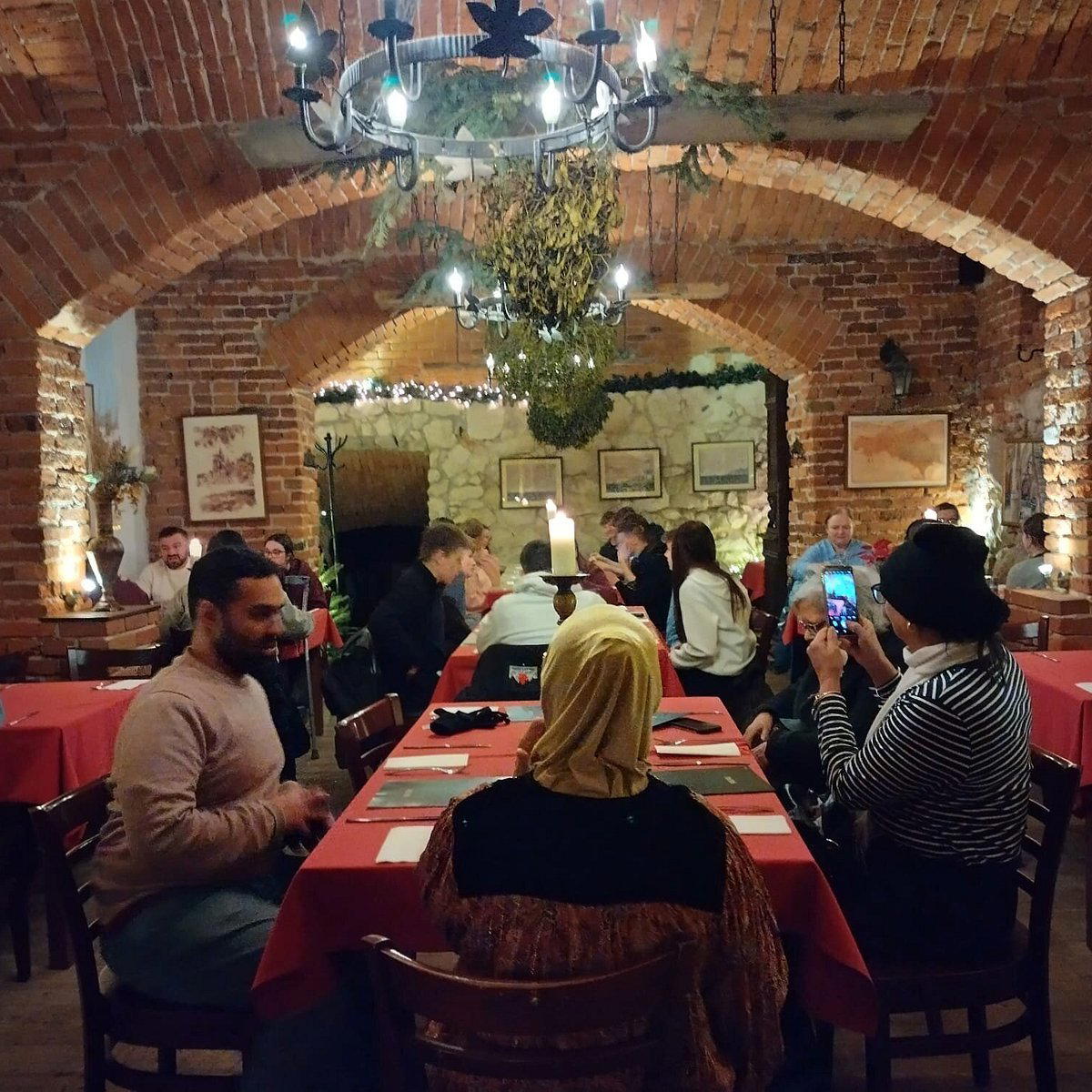
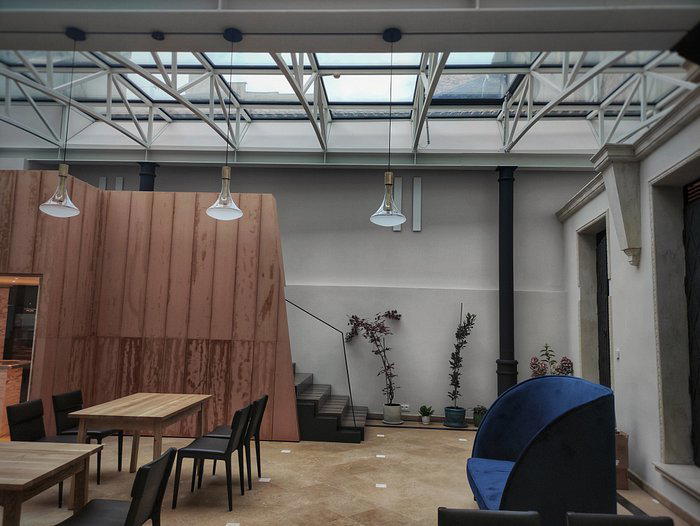
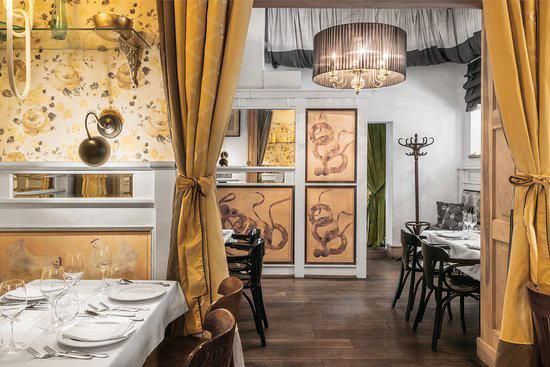
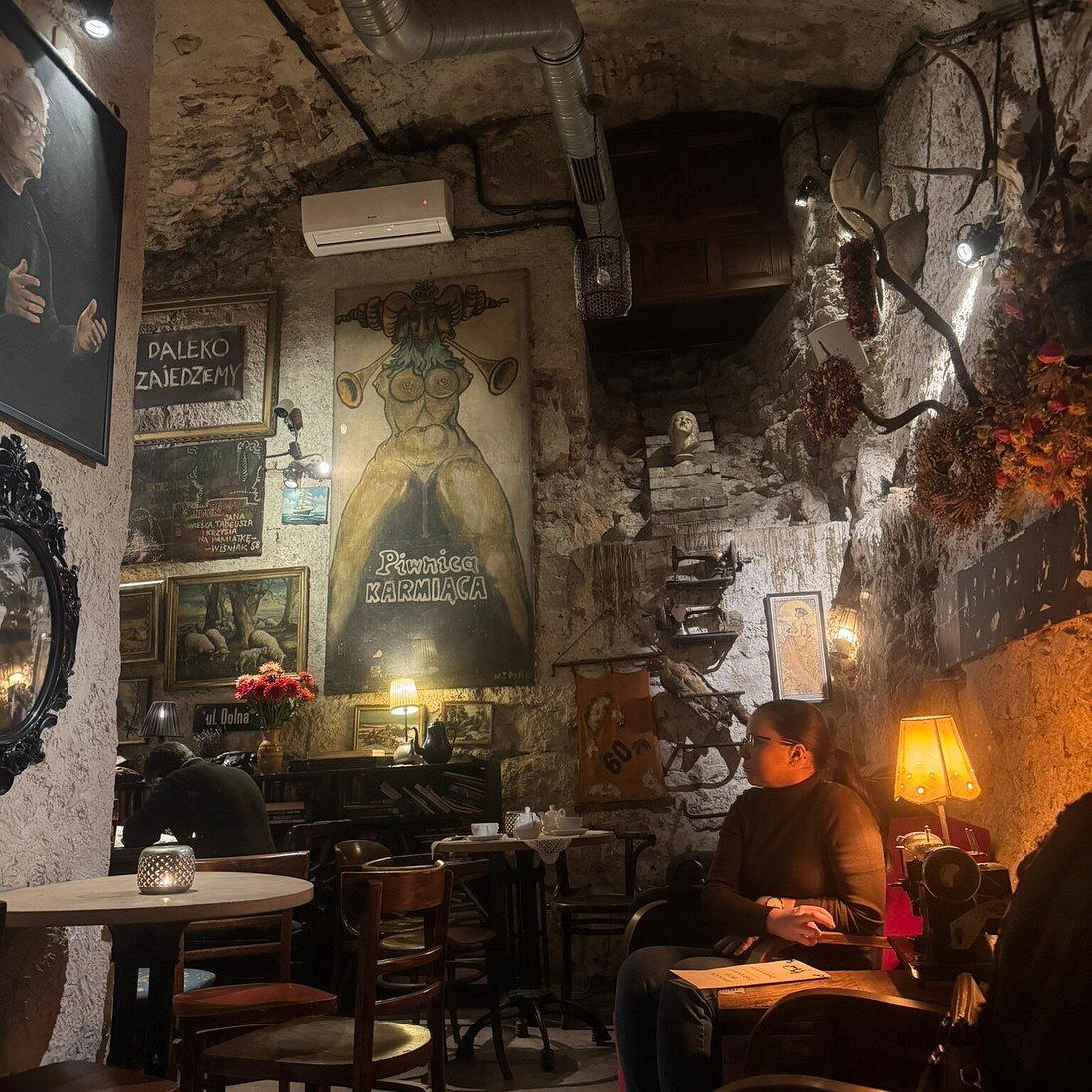
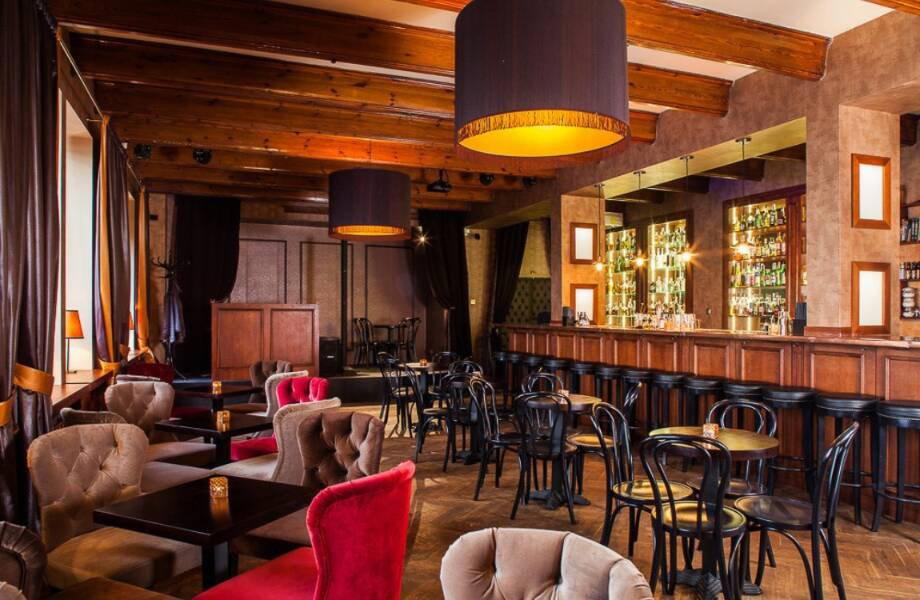
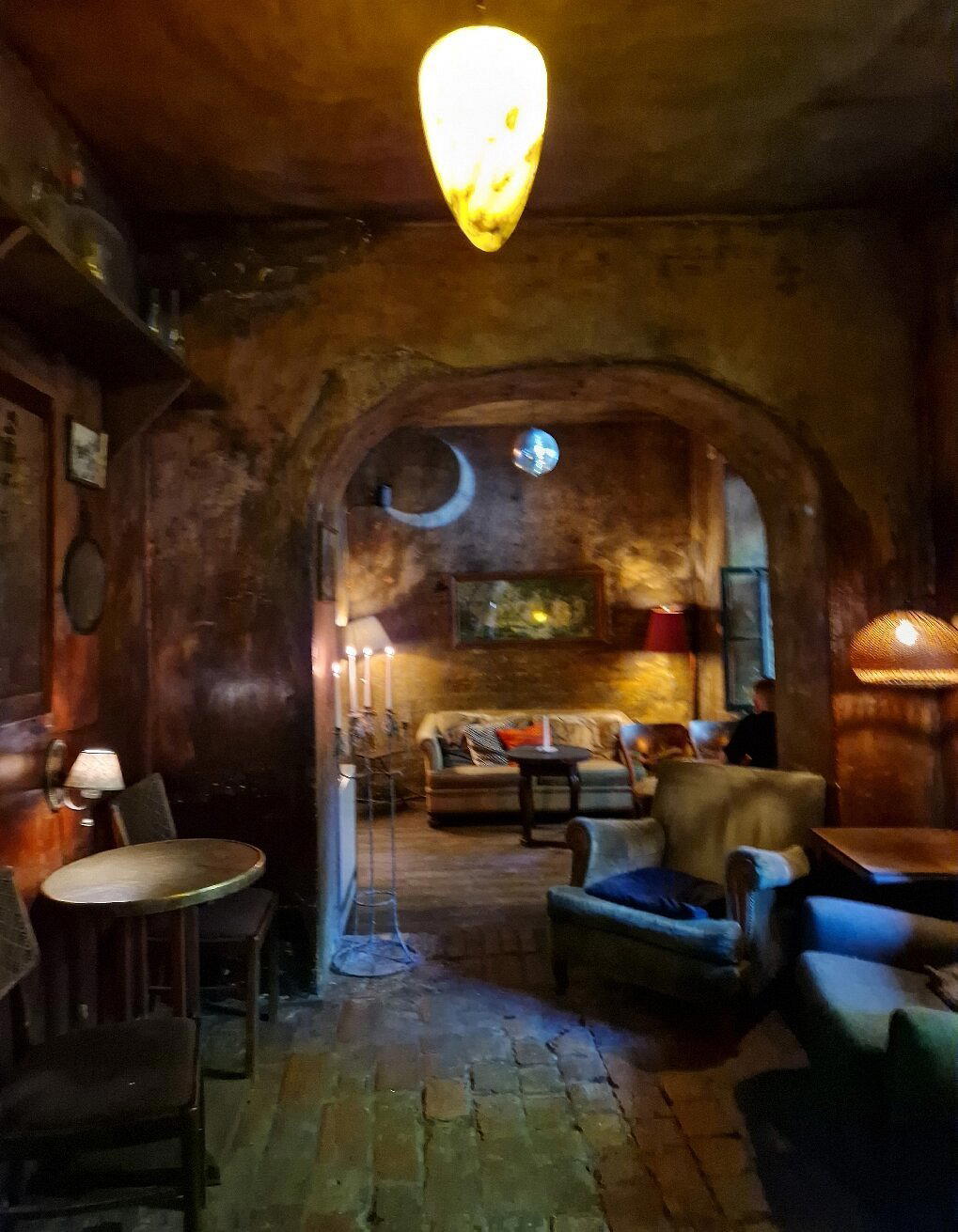
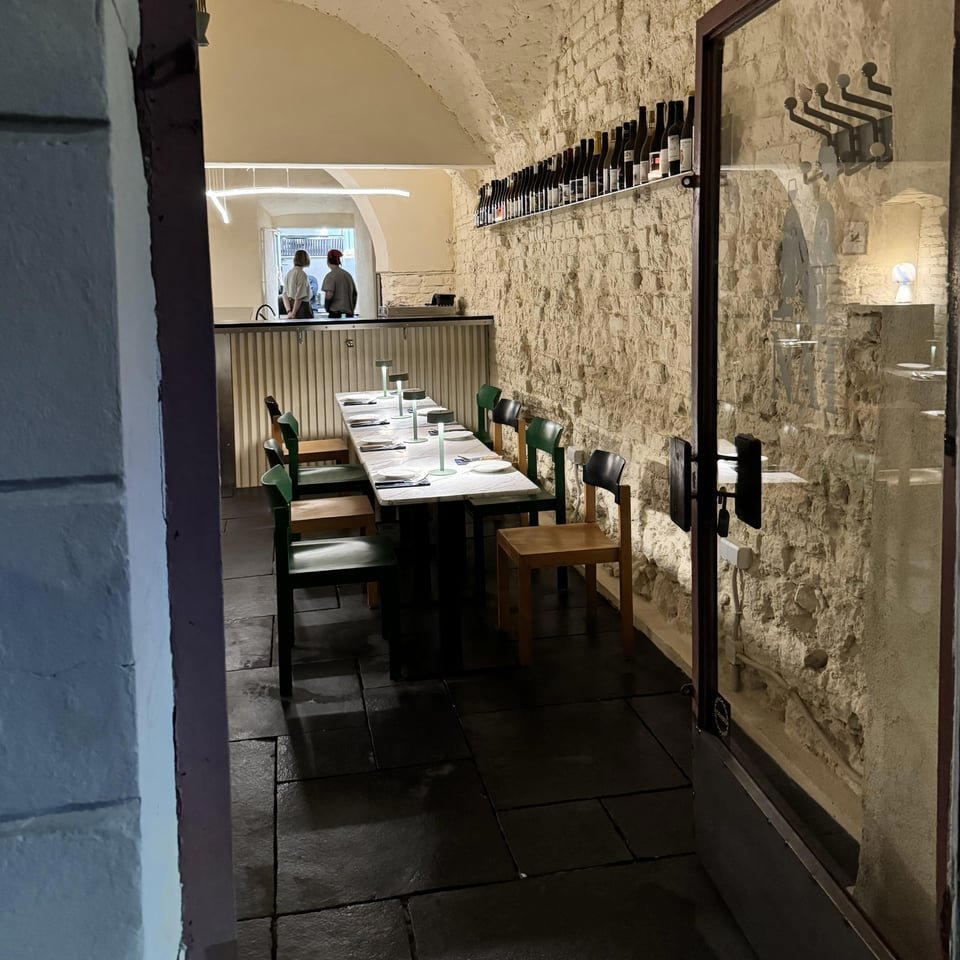
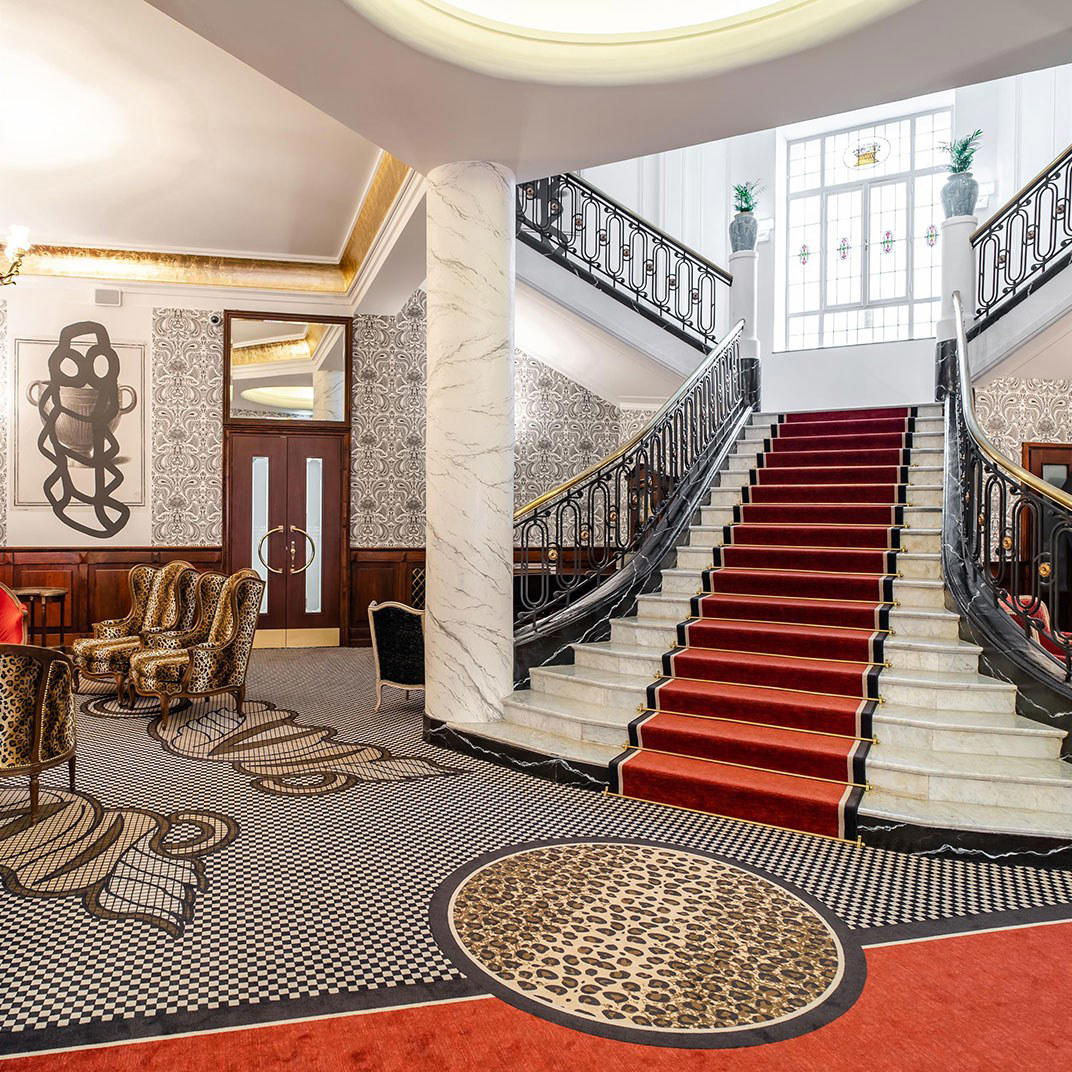
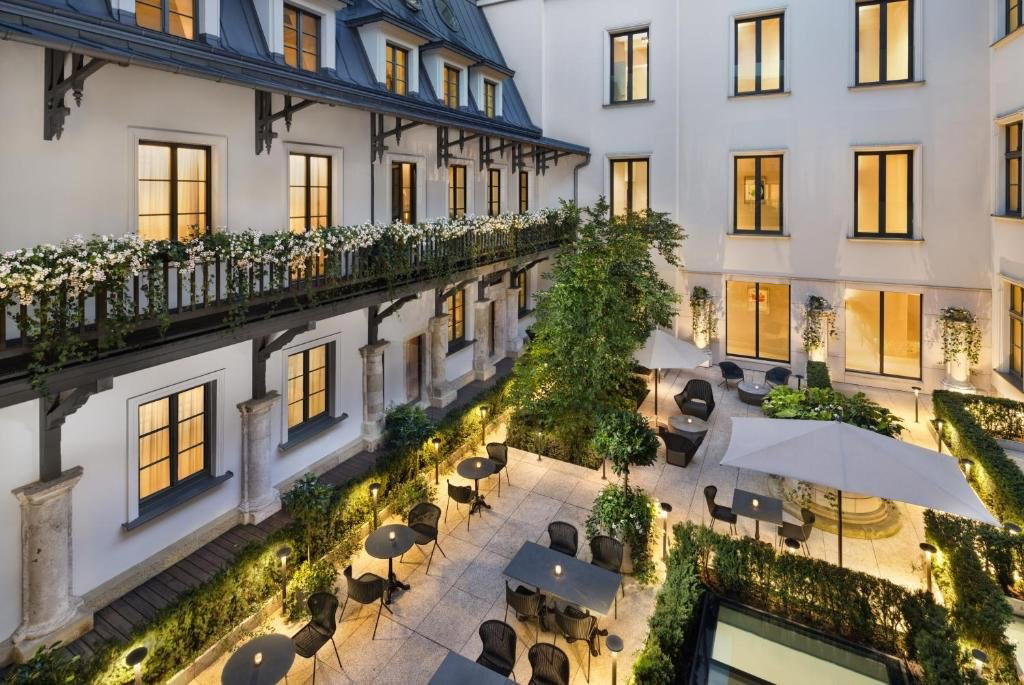
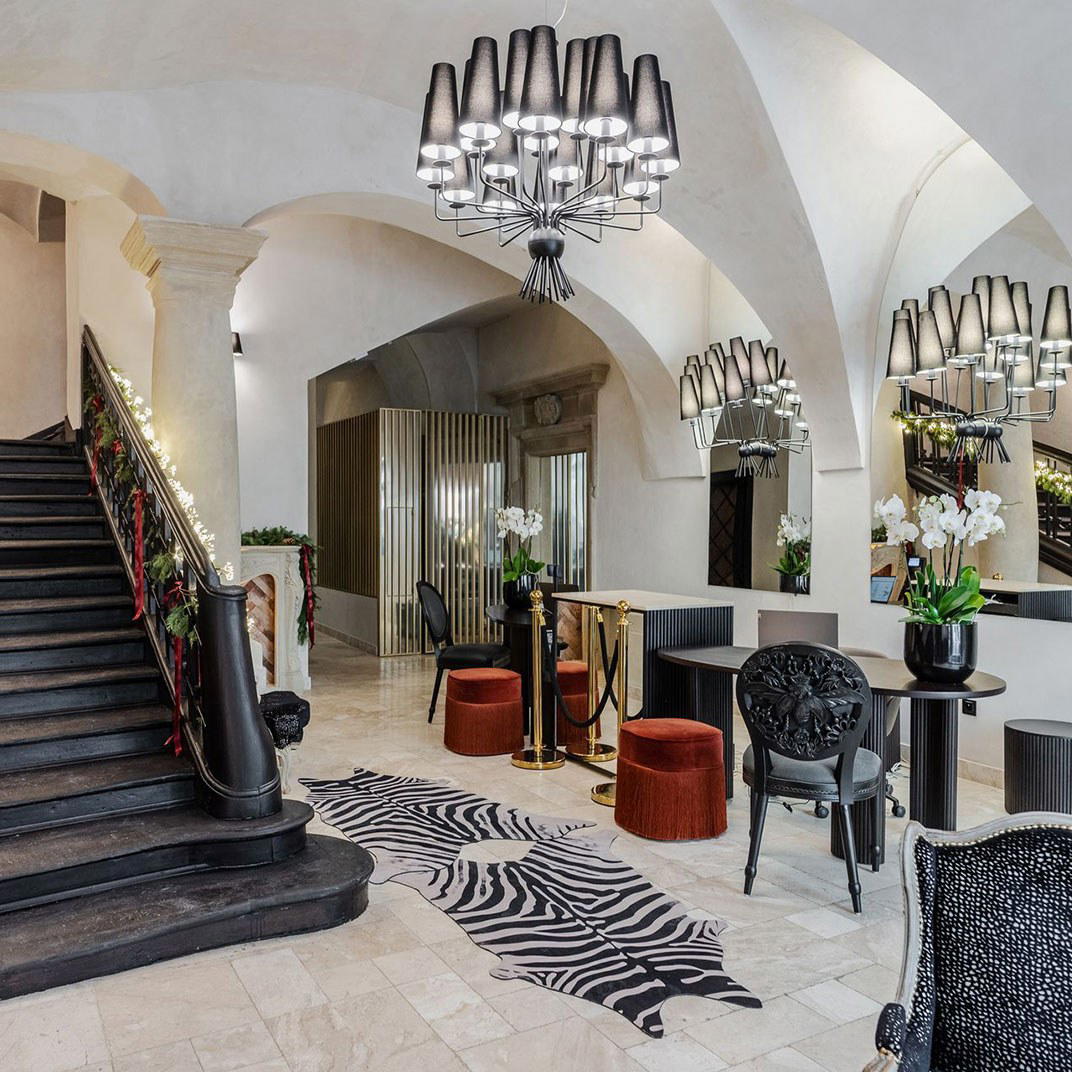
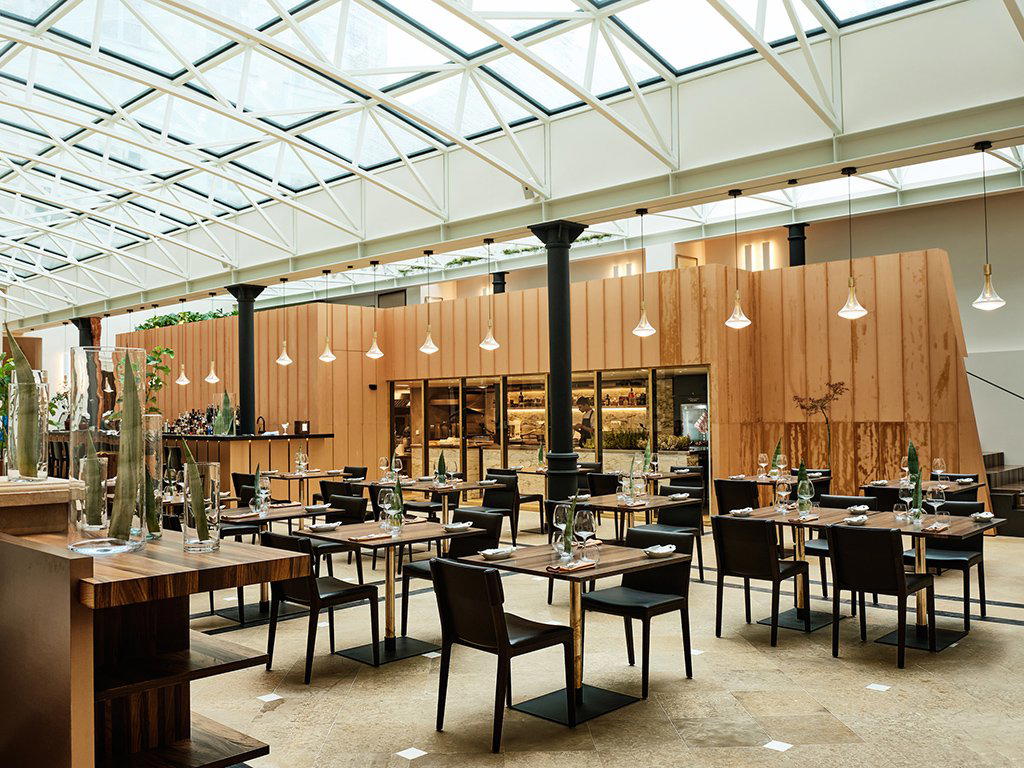
Cozy brick cellar with vaulted ceilings, soft candlelight, romantic atmosphere, and discrete decor enhancing the ancient ambiance.