
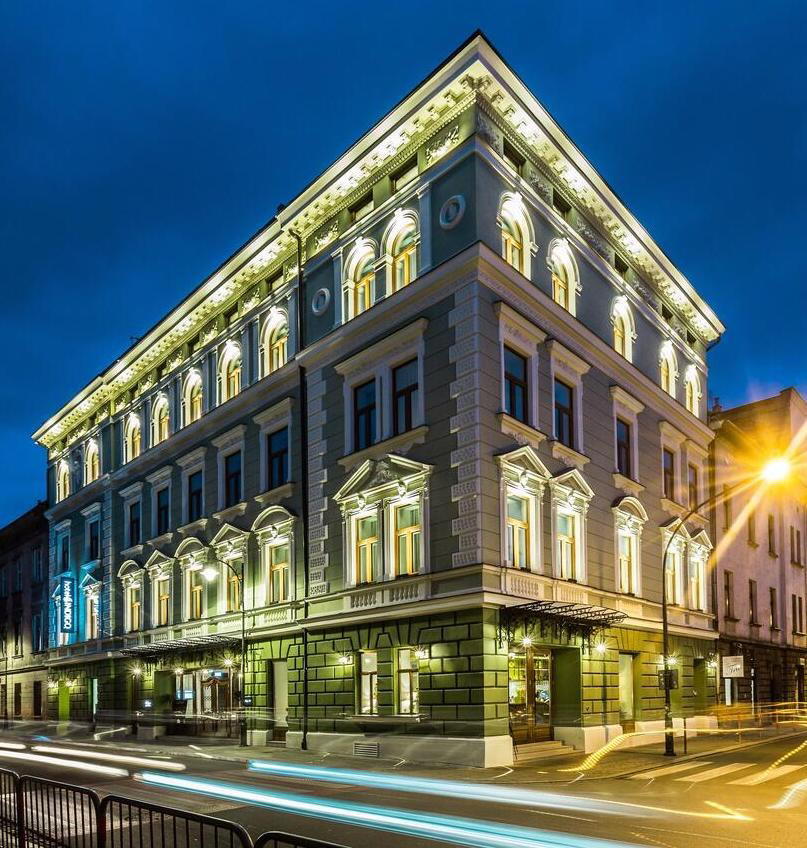
Hotel Stary occupies a restored medieval tenement on Szczepańska Street, steps from the Main Market Square in Krakow's Old Town. The property belongs to the tier of small-key Polish heritage hotels where architectural fidelity and proximity to the city's historic core are the primary selling points. For travellers prioritising location and historic fabric over international-chain uniformity, it represents one of the more considered addresses in the city centre.
Pearl is the En Primeur Club membership app — saves, bookings, and concierge access live there. Same editors, same standards.
- Address
- Szczepańska 5, 31-011 Kraków, Poland
- Phone
- +48 12 384 08 08
- Website
- stary.hotel.com.pl
- Directions
- Get directions
 Saves & bookings on Pearl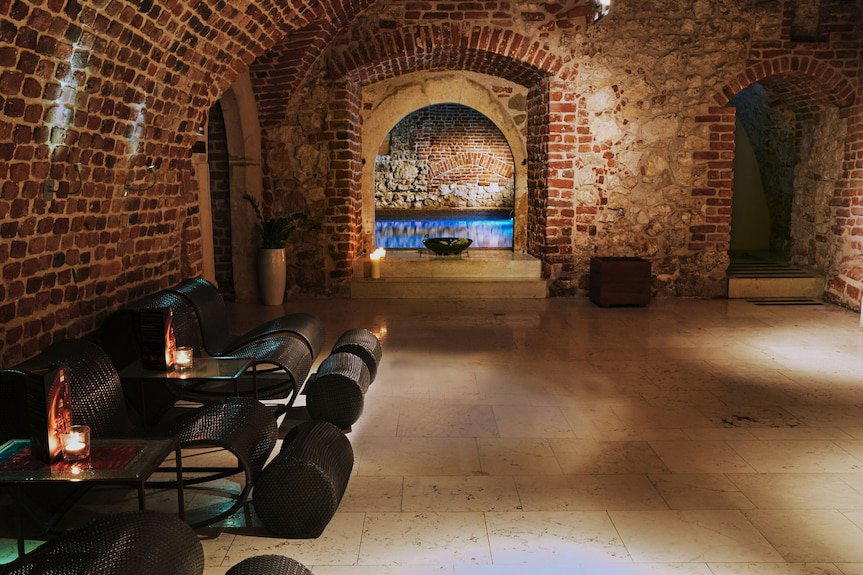
Stone, Timber, and Six Centuries of Krakow Overhead
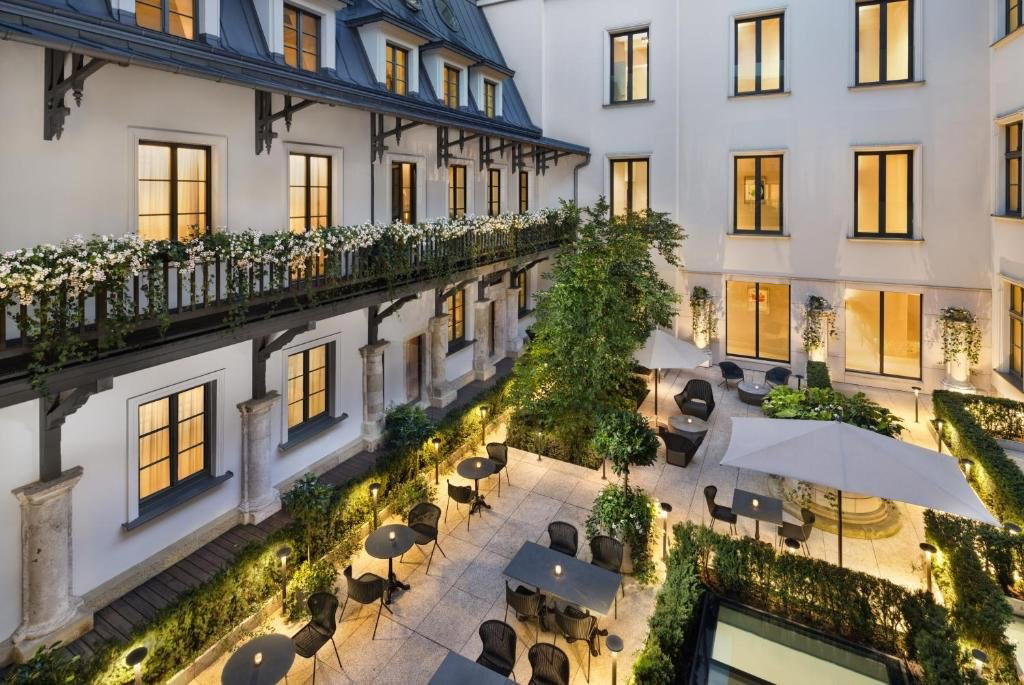
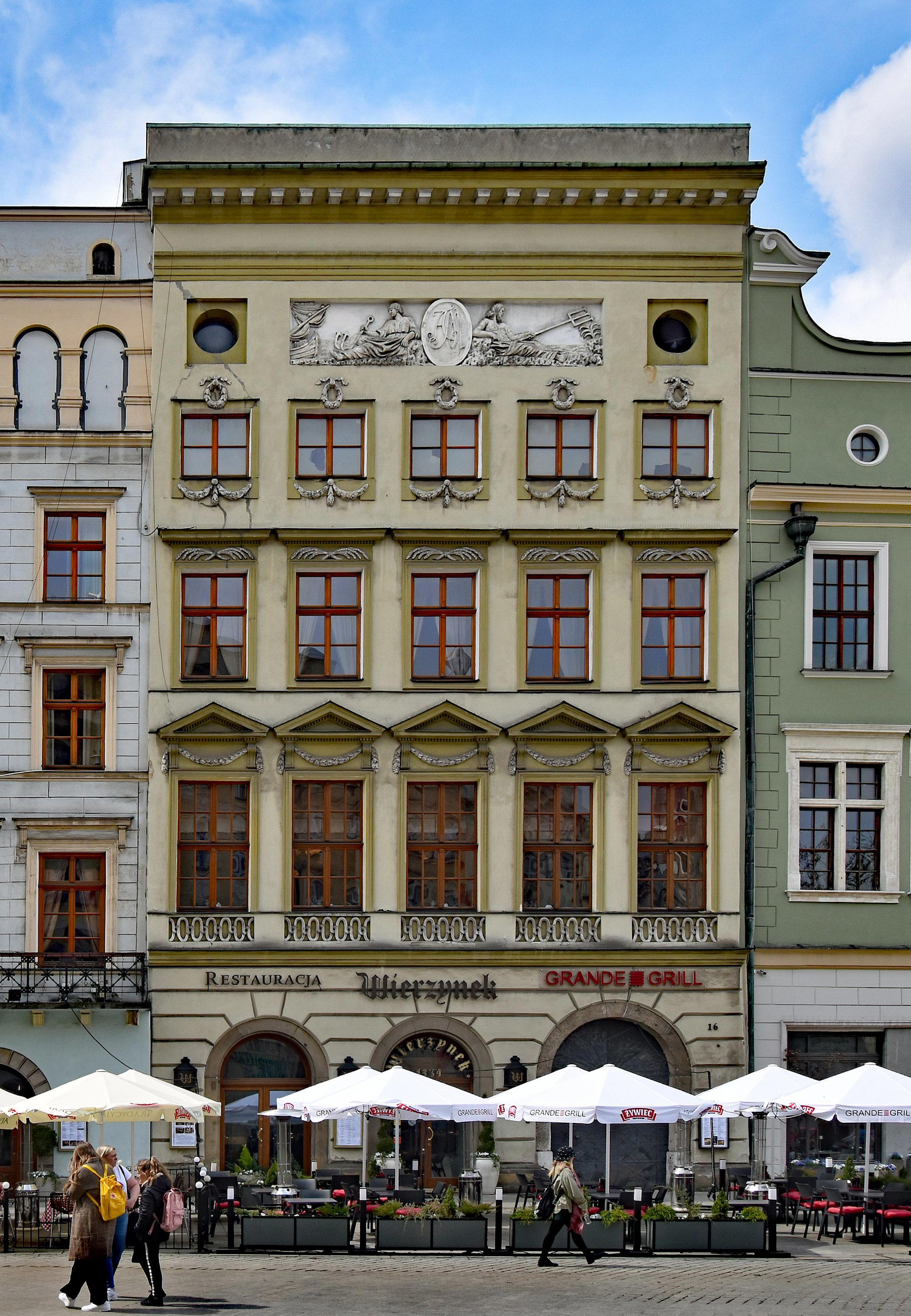
Szczepańska Street runs for less than two hundred metres, but those metres carry considerable weight. The narrow lane connects Plac Szczepański — home to the Bunker of Art gallery and the old Artistic Palace cinema — to the southwestern edge of the Rynek Główny, Krakow's Main Market Square. What lines the street is not the Austro-Hungarian civic architecture that dominates much of the broader Old Town, but an older, more compressed stratigraphy: medieval tenement foundations built over repeatedly, leaving buildings whose facades suggest one century while their bones belong to another. Hotel Stary, at number five, sits inside that layering. Approaching it from the market square end, the building reads as a handsome, if restrained, Old Town property. Getting inside tells a more complicated story.
Krakow's heritage hotel segment has developed along two distinct tracks over the past two decades. One group, which includes the Hotel Pod Różą, Likus Hotels, leans into conspicuous historic ornamentation, making the preserved or reconstructed period detail a central part of the guest experience. The other group preserves structural heritage while allowing contemporary interior design to coexist with it, creating a more layered ambiance where age is felt rather than performed. Hotel Stary has historically occupied the second category: a property where the medieval and Renaissance-era architectural elements persist not as decoration but as the actual load-bearing reality of the building.
What the Architecture Argues
The design argument at a property like Hotel Stary is essentially about restraint. In Polish cities with complex architectural histories, Krakow, Wrocław, Toruń, the post-communist luxury hotel market initially reached for maximalism, using gilded interiors and dramatic restorations to signal that premium hospitality had arrived. The more recent wave has moved toward a quieter register, where the quality of materials, the depth of the original fabric, and the precision of interventions carry more weight than visual spectacle. This is the broader shift that properties such as the H15 Palace, a Luxury Collection Hotel in Kraków also navigate, though through a different property type and flag affiliation.
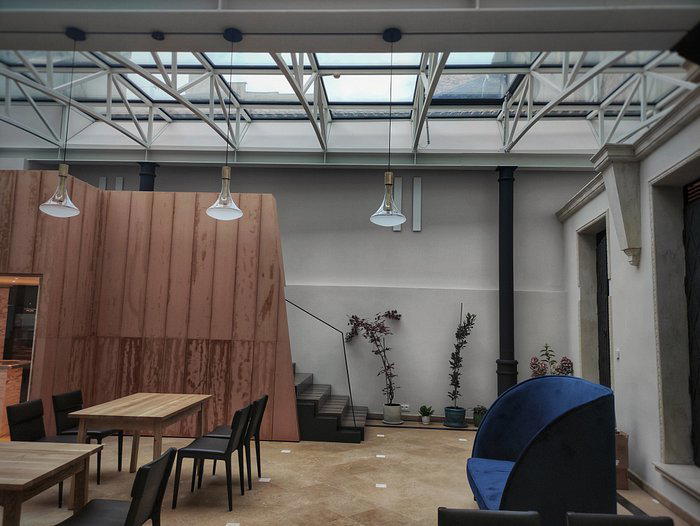
At a tenement-conversion hotel, the architectural interest concentrates in specific moments: the transition from a narrow street entrance to an interior courtyard, the way vaulted ceilings in lower levels push against lighter, more contemporary upper floors, the presence of exposed masonry in spaces that might otherwise be finished smooth. These are the details that differentiate a genuinely old building from a new-build designed to read as historic, and in a city where both exist within the same street, the distinction matters to a specific kind of traveller.
The Old Town Location as Competitive Advantage
Krakow's Old Town is a UNESCO World Heritage Site, and the Rynek Główny is its functional centre. The square hosts the Cloth Hall (Sukiennice), St. Mary's Basilica, and the Town Hall Tower, and it functions simultaneously as a tourist thoroughfare and a genuine civic space where residents circulate year-round. The radius immediately surrounding it contains the densest concentration of the city's premium hotel stock, but proximity is not uniform: a hotel on Szczepańska, a literal two-minute walk from the square's corner, occupies a different position than a property on a street requiring ten or fifteen minutes on foot.
Hotel Stary's address at Szczepańska 5 places it in the innermost ring, which carries practical implications beyond prestige. The major historic sites, Wawel Castle, the Collegium Maius, the Czartoryski Museum, are all reachable on foot in under twenty minutes without requiring public transport. For first-time visitors to Krakow who want to absorb the Old Town's density on foot, the location removes logistical friction that properties even slightly further from the core cannot. This matters especially in winter, when Krakow's shorter days and colder temperatures make walking distances more consequential. The city's Christmas market, which occupies the Rynek Główny from late November through early January, is effectively at the doorstep.
Design-led travellers who prefer a neighbourhood feel over Old Town proximity may find the PURO Kraków Kazimierz Hotel or the PURO Hotel Kraków (Stare Miasto) more aligned with their priorities, particularly if contemporary design and a younger, more socially oriented atmosphere matter more than heritage fabric and square-side access. These represent the other pole of Krakow's mid-to-premium hotel market: confident in their contemporary identity rather than their historic one.
Placing Hotel Stary in a Wider Polish Context
Polish heritage hospitality has expanded significantly in quality and ambition since the mid-2000s. Properties that once competed primarily on the basis of location and basic comfort have had to sharpen their design and service proposition as international flags, Marriott's Luxury Collection among them, have moved into converted palaces and historic buildings across the country. Across Polish cities, the comparison set is instructive: the Copernicus Toruń Hotel in Torun occupies a similarly dense Gothic-era city centre, while the Hotel Altus Palace in Wrocław works within a comparable tenement-to-hotel conversion logic. Each city's historic core presents slightly different constraints and opportunities, but the common thread is how much of the original building fabric can be preserved while making the spaces genuinely functional for contemporary guests.
Beyond Poland, the comparable design challenge appears at properties like Aman Venice in Venice, where the hotel operates inside a 16th-century palazzo and the architecture is effectively the amenity. The scale and price positioning differ enormously, but the underlying design logic, that the building's age and integrity are the primary offering, is consistent. For travellers who understand that framework, Hotel Stary in Krakow represents an accessible entry point into it. For a broader view of where it sits within the city's dining and hospitality scene, see our full Krakow restaurants guide.
Planning Your Stay
Hotel Stary is located at Szczepańska 5 in the heart of Krakow's Old Town, close enough to the Main Market Square that the walk requires no navigation. Krakow John Paul II International Airport is approximately 15 kilometres from the city centre, reachable by train (the fastest and most reliable option, approximately 17 minutes to Krakow Główny station) or taxi. The Old Town itself is a pedestrian zone, so guests arrive by vehicle to a drop-off point before covering the final distance on foot, a short walk on Szczepańska, where the building's entrance sits at street level. For travellers comparing heritage options across Poland, the H15 Boutique Hotel in Warsaw and the Hotel Monopol Katowice, Likus Hotels in Katowice offer useful points of reference in other Polish cities, each representing a different approach to placing a historic property within a modern hospitality context.
In Context: Similar Options
| Venue | Cuisine |
|---|---|
| Hotel StaryThis venue — the venue you are viewing | This venue |
Recognition history
Dated appearances from independent guides and award organizations, with the underlying list record or original source where available.
Michelin Selected
Michelin
At a Glance
- Elegant
- Sophisticated
- Romantic
- Historic
- Modern
- Romantic Getaway
- Anniversary
- Business Trip
- Weekend Escape
- Historic Building
- Rooftop Pool
- Panoramic View
- Wi Fi
- Pool
- Spa
- Fitness Center
- Room Service
- Concierge
- Business Center
- Skyline
- Street Scene
- Wi Fi
- Pool
- Spa
- Fitness Center
- Room Service
- Concierge
- Business Center
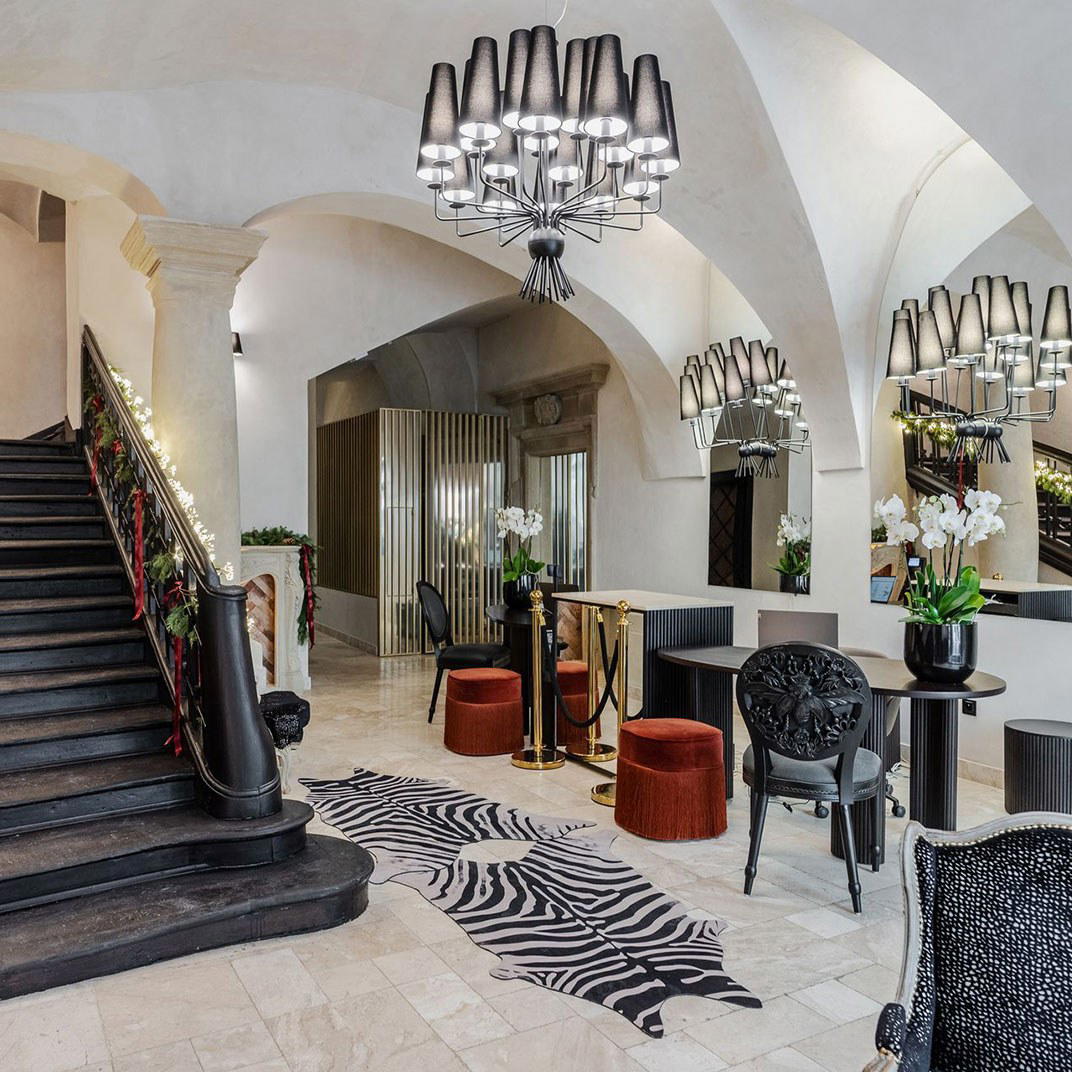
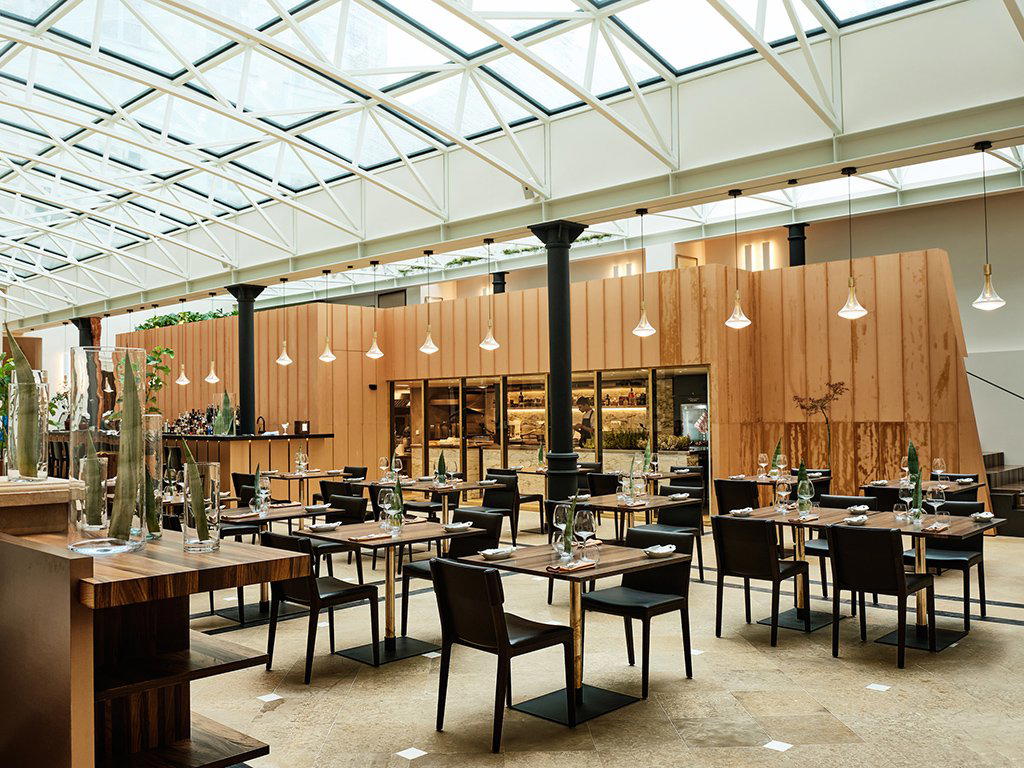
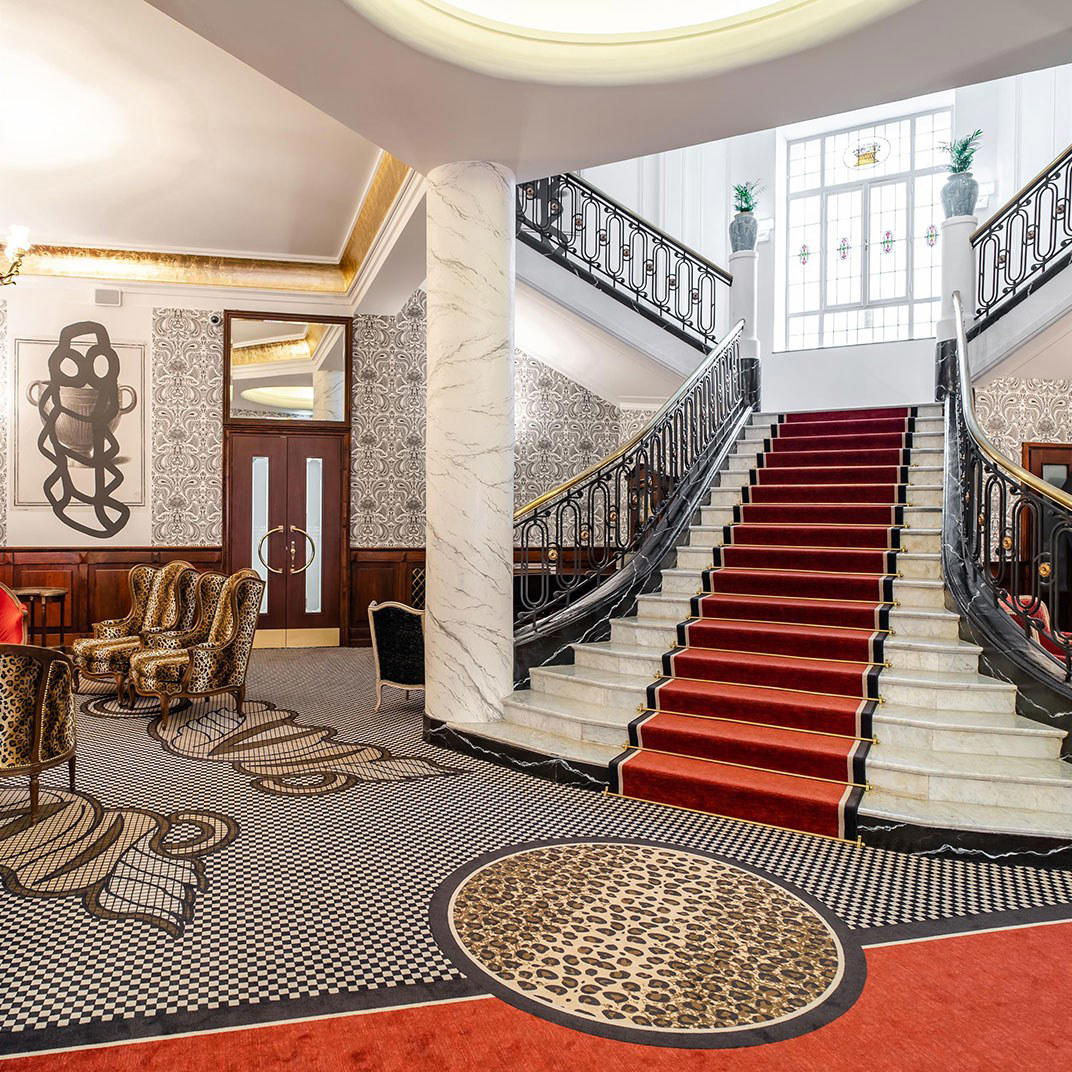
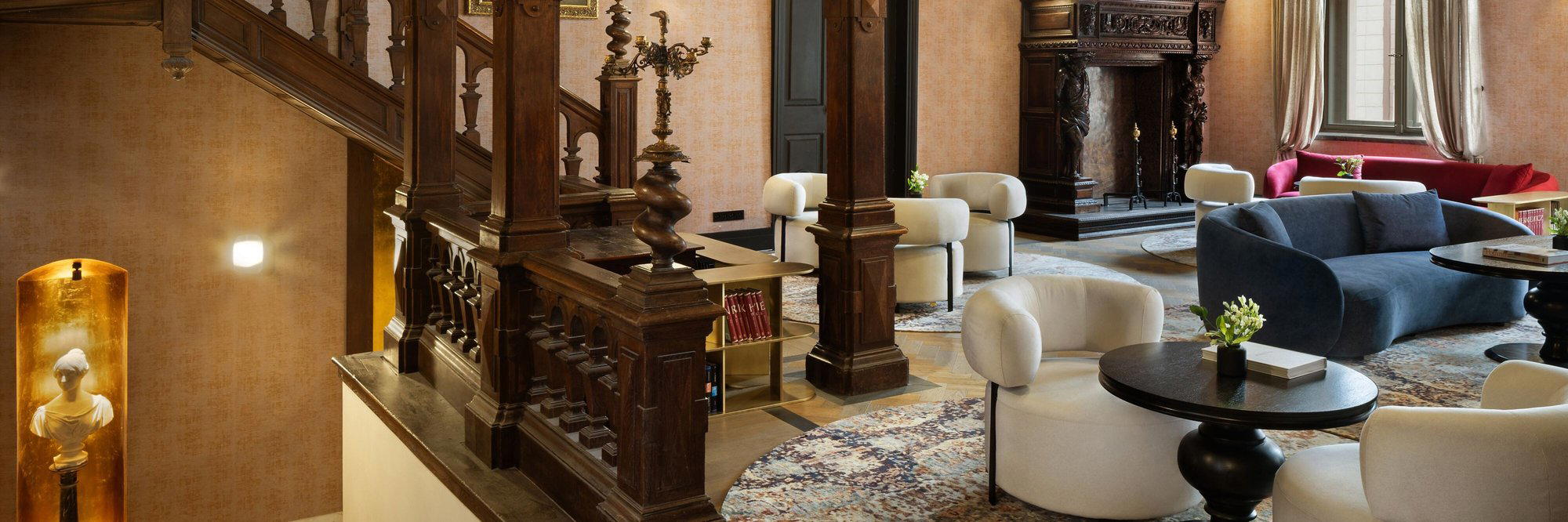
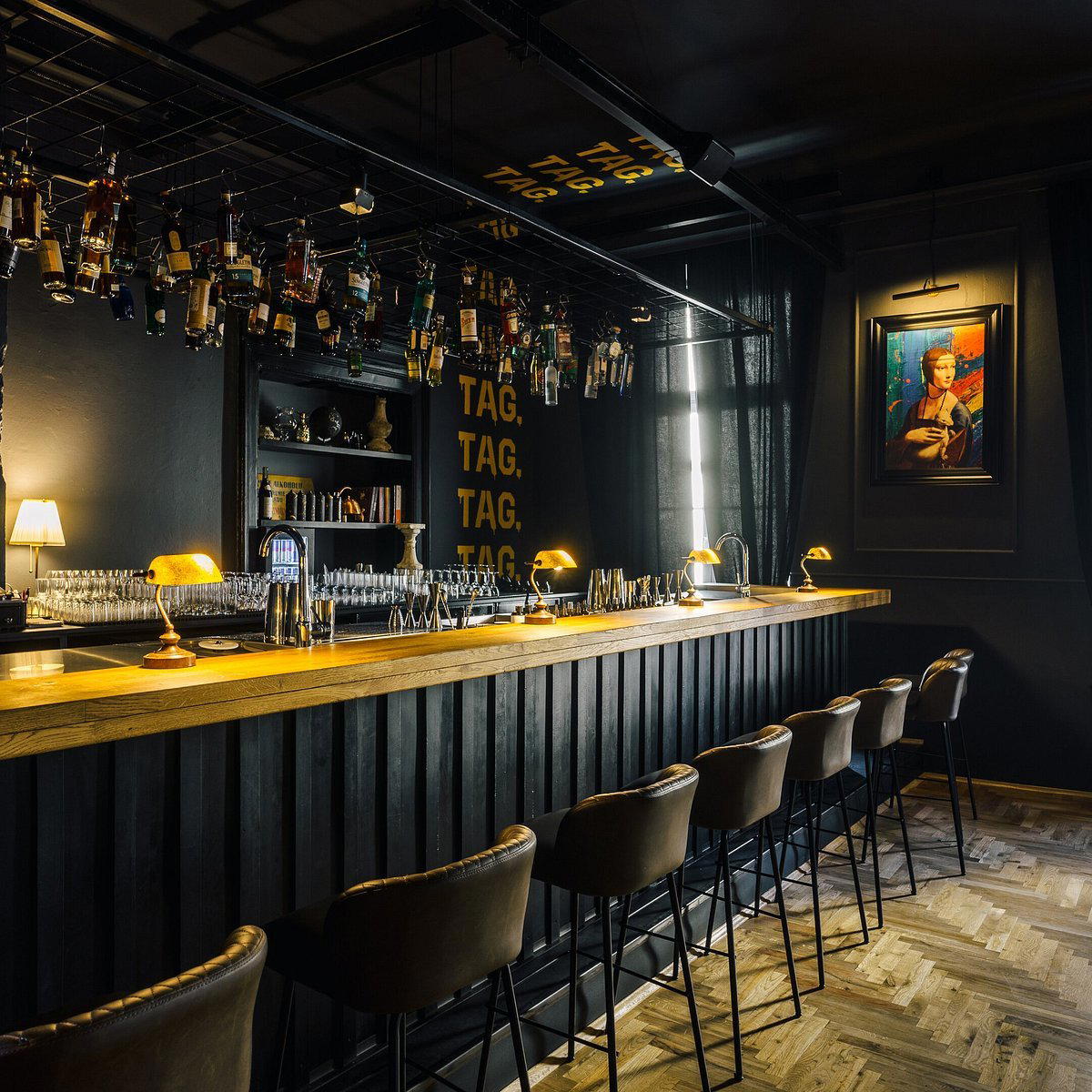
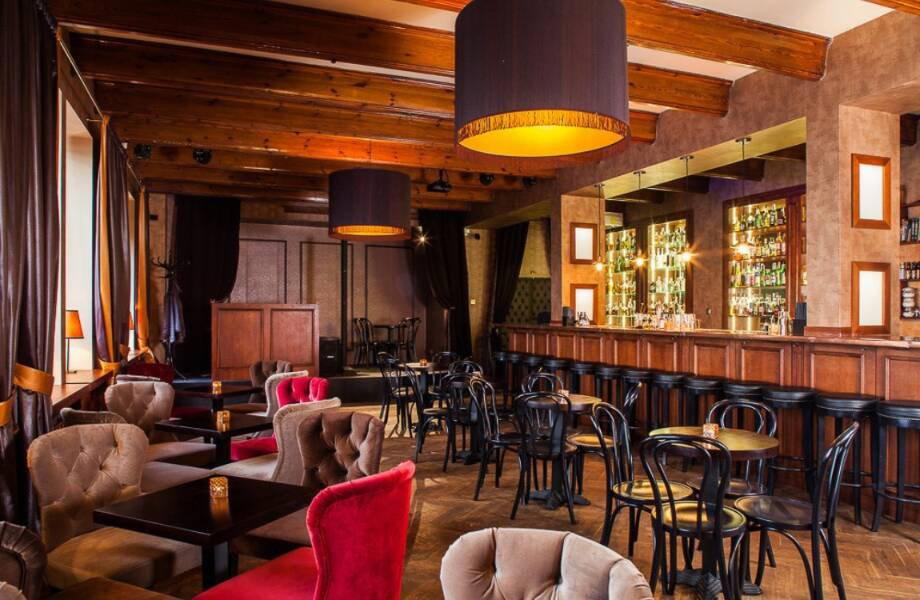
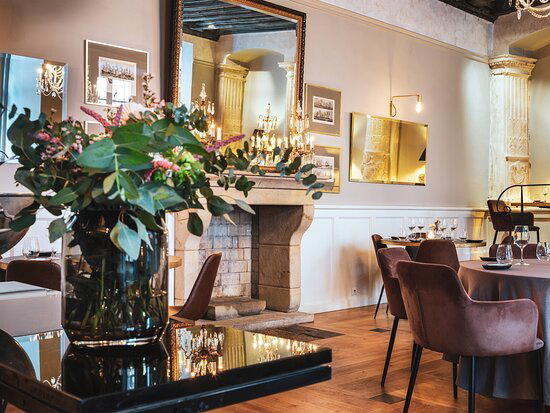
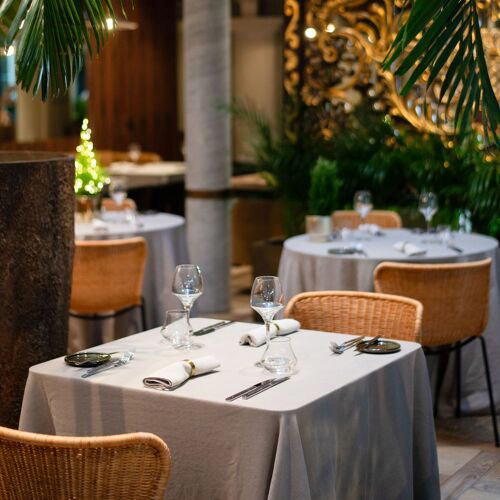
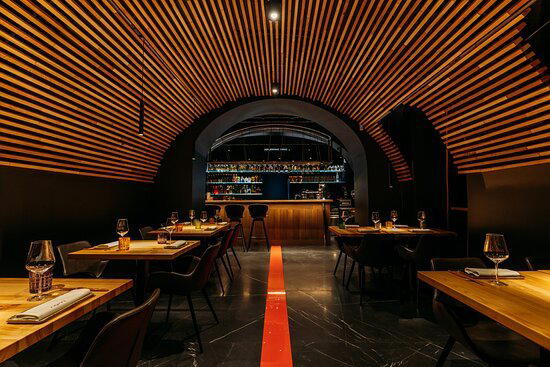
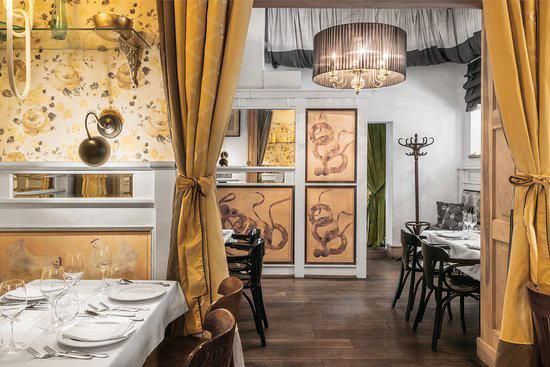
Sensual blend of gothic historical architecture and modern elegance with period wood, leather, silk, and marble under romantic medieval vaulted spa ceilings.
Know Before You Go
- Getting there
- Szczepańska 5, 31-011 Kraków, Poland