Restauracja Cechowa occupies a historic address on Jagiellońska Street in Kraków's Old Town, placing it inside one of Central Europe's most concentrated zones of traditional Polish dining. The restaurant draws on the guild-era character of its surroundings, making it a reference point for visitors seeking cuisine rooted in the city's pre-modern culinary traditions rather than its growing contemporary dining scene.
Pearl is the En Primeur Club membership app — saves, bookings, and concierge access live there. Same editors, same standards.
- Address
- Jagiellońska 11, 31-010 Kraków, Poland
- Phone
- +48 12 421 09 36
- Website
- cechowa.com
- Directions
- Get directions
 Saves & bookings on Pearl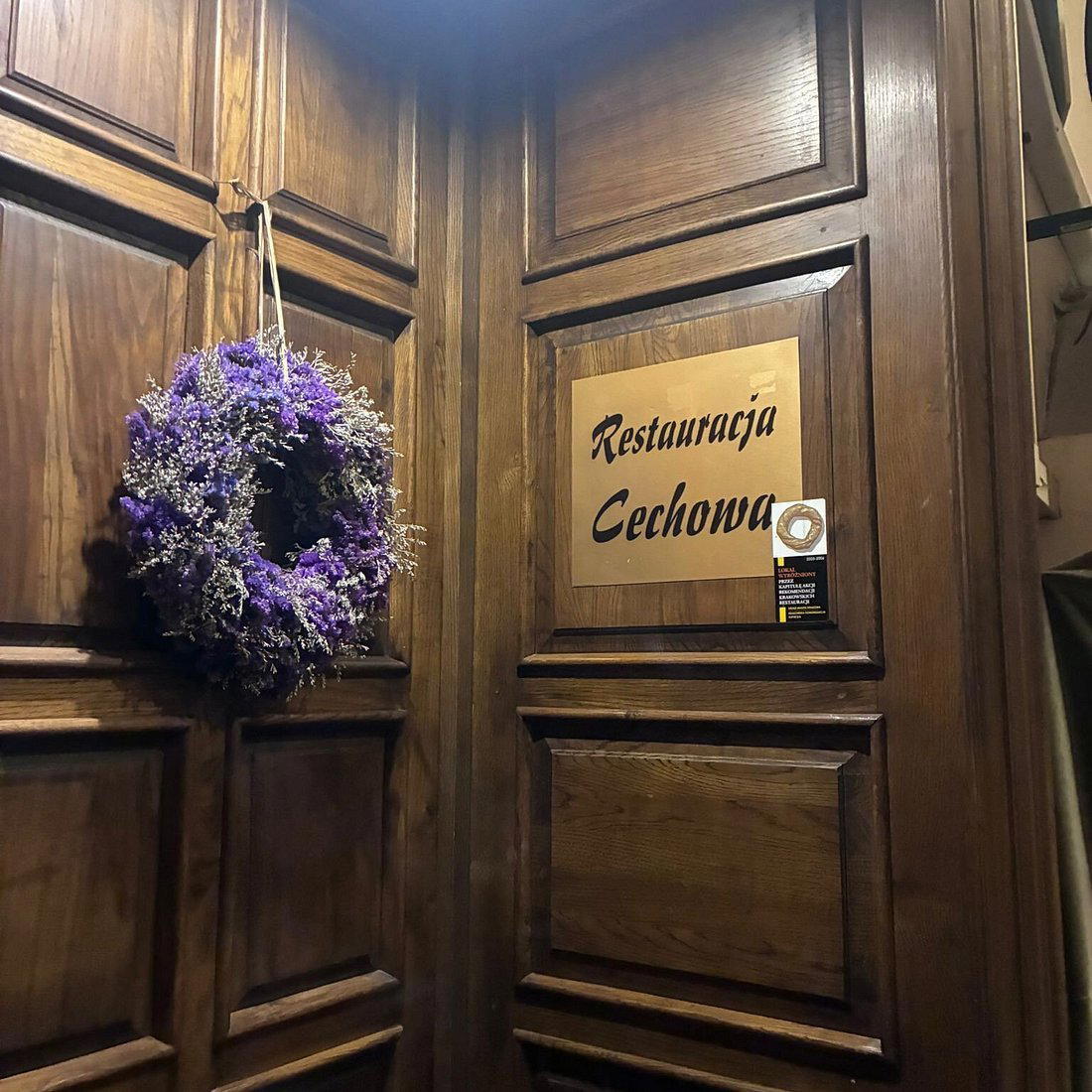
A Street That Sets the Terms
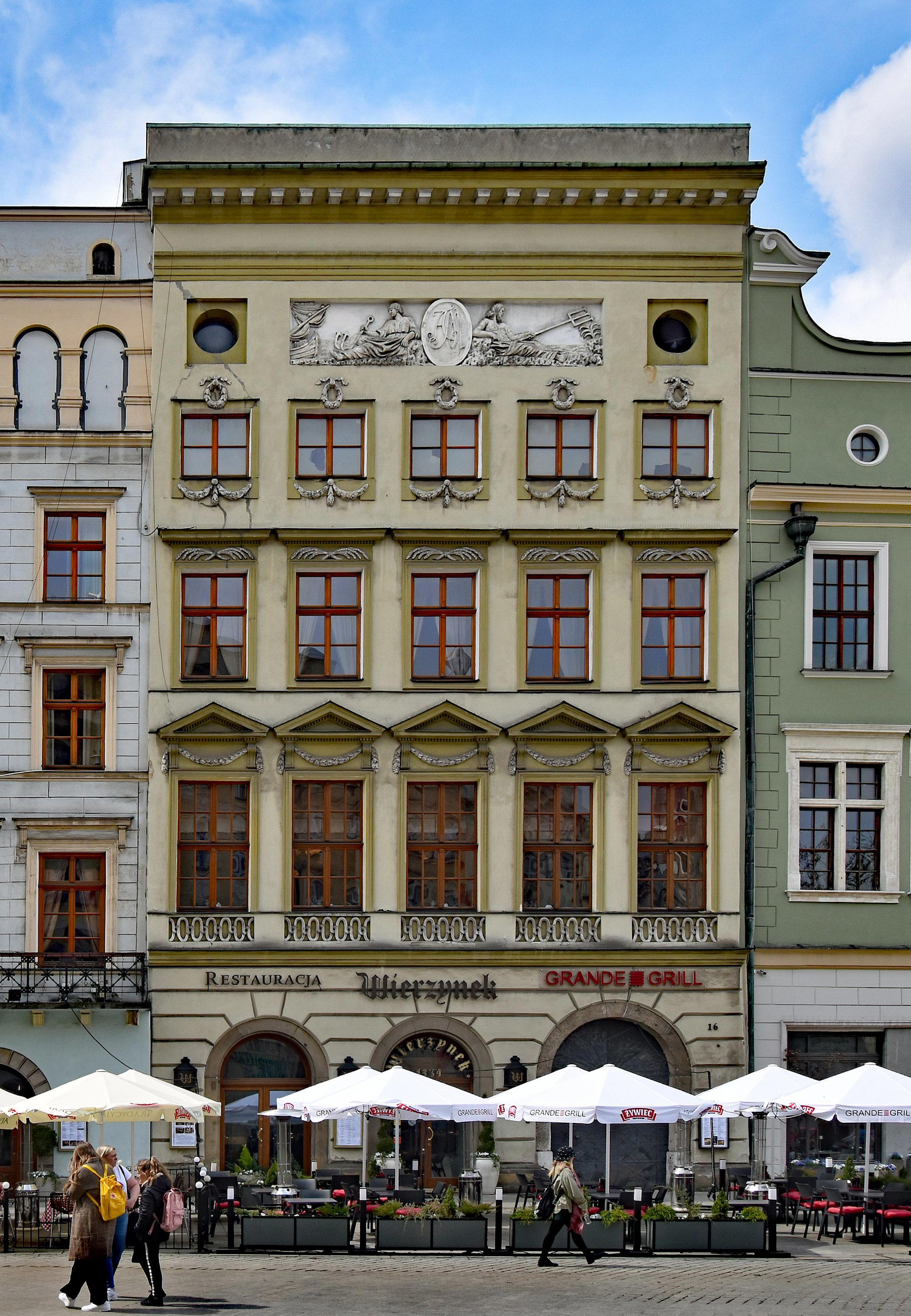
Jagiellońska Street runs through the heart of Kraków's Old Town at a register that most tourists miss. The Royal Road pulls crowds toward Wawel; the market square absorbs everyone else. Jagiellońska, by contrast, is a working street of the old city fabric, where guild houses and ecclesiastical buildings have stood since the medieval period. Restauracja Cechowa sits at number 11, and the address itself is the first piece of editorial information the venue communicates. In Polish, cechowa derives from cech, the guild system that organized Kraków's trades and crafts for centuries. The name is not decorative, it signals a deliberate alignment with the pre-industrial traditions of this particular neighbourhood, a claim that the dining culture here pre-dates tourism and owes nothing to it.
That kind of positioning matters in Kraków's Old Town, where the concentration of restaurants is high and the temptation to pitch at the tourist trade is considerable. The Old Town quarter holds some of Poland's most-visited streets and squares within a few hundred metres of each other, and many dining rooms in the area have oriented themselves accordingly: broad menus, accessible pricing, English signage at the door. Cechowa's guild-referencing identity marks a deliberate step in a different direction, toward the city's resident and historically literate visitor rather than its passing trade.
Where Cechowa Sits in Kraków's Dining Map
Kraków's restaurant scene has developed in two largely separate directions over the past decade. One current runs toward refined contemporary Polish cooking, exemplified by addresses like Bottiglieria 1881 Restaurant in Kraków, which operates at the level of international fine dining recognition. The other current, older and more continuous, preserves the regional Polish table in formats that emphasise tradition over transformation: pierogies made in-house, żurek served in bread bowls, roasted meats with the kind of fat-forward richness that Polish winters historically demanded. Cechowa occupies territory closer to the second current.
In a city where the contemporary end of the market is served by a growing number of ambitious kitchens, there is genuine editorial value in restaurants that hold the traditional line. Ariel in Kazimierz performs a comparable function for the Jewish culinary heritage of that district; Cechowa does something analogous for the guild-era Polish civic tradition of the Old Town. Both operate as cultural anchors as much as dining rooms.
The comparison set for Cechowa is not the city's fine dining tier. It sits closer to 3 Rybki and the mid-range traditional restaurants that serve Polish food in recognisable, unfussy formats. That peer group competes on authenticity signals and atmosphere as much as on technical cooking, and neighbourhood embeddedness matters more there than Michelin attention.
The Character of Traditional Polish Dining at This Register
Polish cuisine at the traditional end operates on principles that can seem stubbornly regional to palates trained on lighter Mediterranean registers. The cooking draws heavily on preserved ingredients: fermented rye, cured meats, pickled vegetables, smoked fish. Starch is structural rather than incidental. Soups are substantial enough to function as a course in their own right. This is a cuisine shaped by geography and climate, the long Polish winter demanded caloric density and preservation techniques that became, over time, the signature flavours of the table.
At the register Cechowa occupies, the expectation is not that these traditions will be reinterpreted or lightened, but that they will be executed with enough care to distinguish the kitchen from the tourist-trade versions of the same dishes that proliferate in the Old Town. The distance between a properly made żurek with good rye sourdough and a version assembled for speed and margin is considerable, and experienced diners in the city know which side of that line they are on within a few spoonfuls.
For context on how Polish traditional cooking is being handled across the country at both ends of the ambition spectrum, it is worth noting that venues like Muga in Poznań and Giewont in Kościelisko are applying different levels of technique to regional Polish ingredients. Arco by Paco Pérez in Gdańsk and hub.praga in Warsaw represent the contemporary end of Polish dining culture. Cechowa is not in conversation with that tier; it belongs to a different and longer tradition.
Planning a Visit: What to Know
Restauracja Cechowa's address on Jagiellońska 11 places it within walking distance of Kraków's main market square, the Collegium Maius, and the Czartoryski Museum. This is a useful practical fact: the restaurant is positioned to anchor a half-day in the Old Town rather than requiring a dedicated journey. For visitors combining it with Kazimierz, where Alchemia and the district's broader food and bar culture operate in a different register, the Old Town and Jewish quarter are walkable from each other, making both accessible in a single afternoon and evening. Those seeking contrast in cuisine type during a Kraków visit might consider Akita Ramen or Aqua e Vino for a change of direction. The restaurant is open daily from 12 to 10 PM, and reservations are recommended.
Midweek lunches in the traditional restaurants of this district tend to run at lower capacity than weekend evenings, which is worth bearing in mind if a quieter setting is the priority.
A Minimal comparable set
Comparable venues nearby, for context on price, style, and recognition.
| Venue | Cuisine | Price | Notes |
|---|---|---|---|
| Restauracja CechowaThis venue — the venue you are viewing | Old Town, Traditional Polish | $$ | Not listed |
| Ariel | Not listed | $$ | Kazimierz, Traditional Jewish Eastern European |
| Restaurant Galicyjska | Not listed | $$ | Stare Miasto, Traditional Polish Noble Cuisine |
| The Trust | Not listed | $$$ | Kazimierz, Cocktail Bar with Food Pairings |
| Flisacka 3 | Not listed | $$ | Półwsie Zwierzynieckie, Modern Polish Fusion |
| Zazie | Kazimierz, French Bistro | $$ | Not listed |
At a Glance
- Classic
- Cozy
- Elegant
- Family
- Casual Hangout
- Historic Building
- Local Sourcing
Current opening hours
- Monday
- 12–10 PM
- Tuesday
- 12–10 PM
- Wednesday
- 12–10 PM
- Thursday
- 12–10 PM
- Friday
- 12–10 PM
- Saturday
- 12–10 PM
- Sunday
- 12–10 PM
Hours can change for holidays and private events. Last verified .
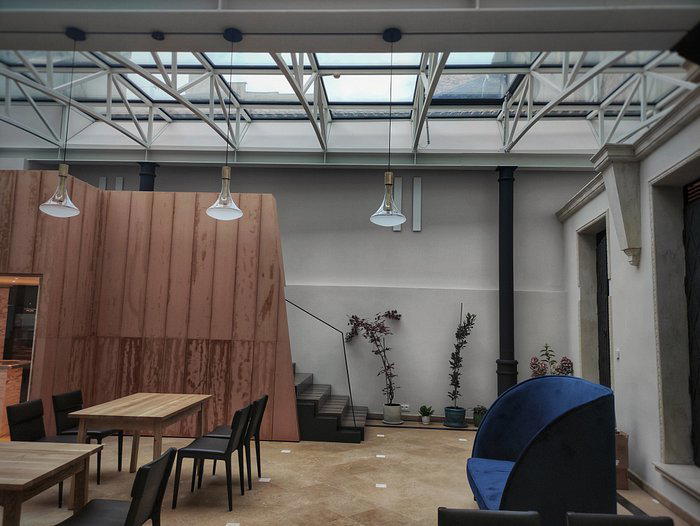
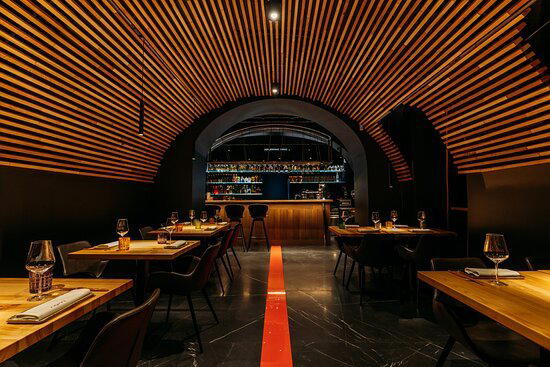
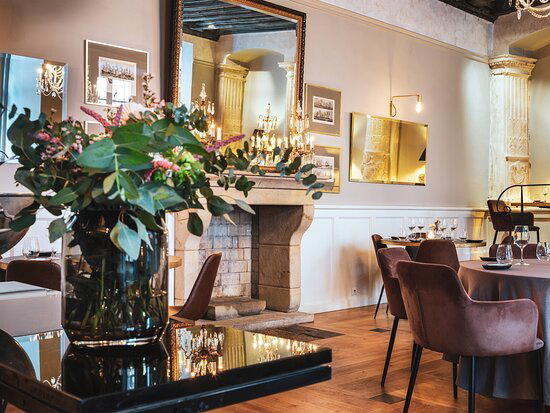
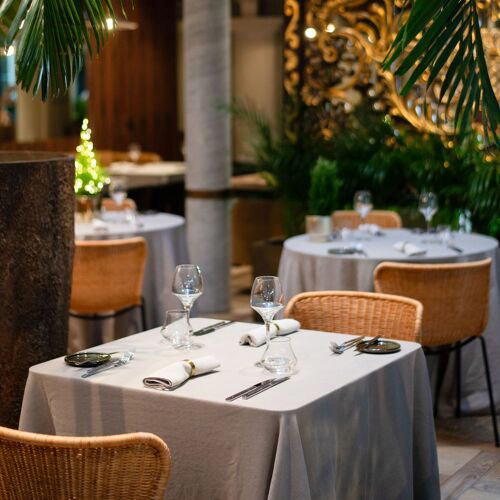
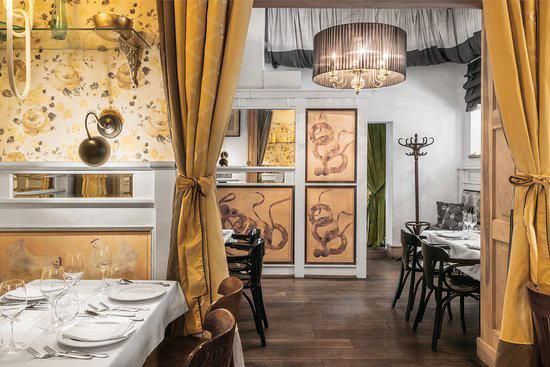
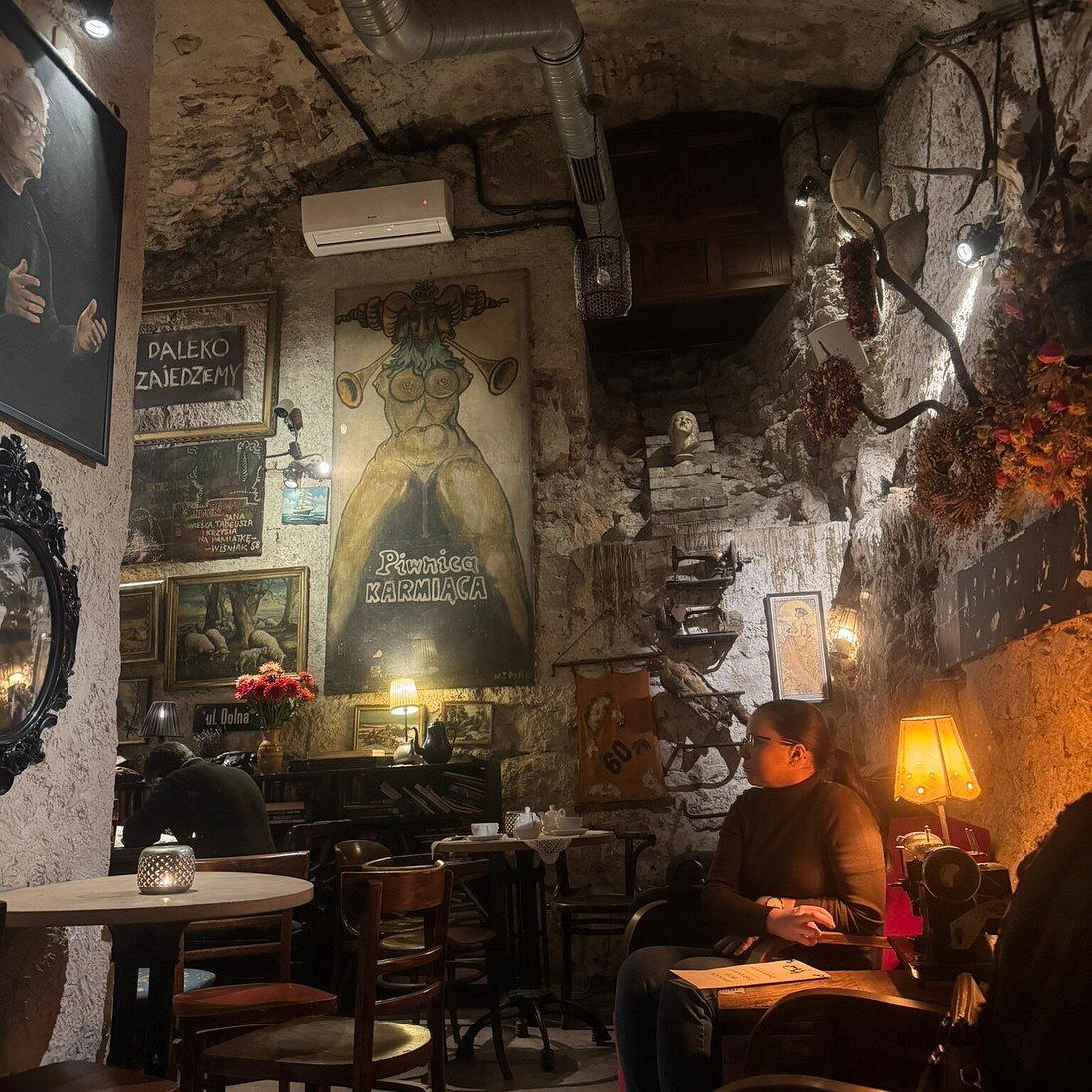
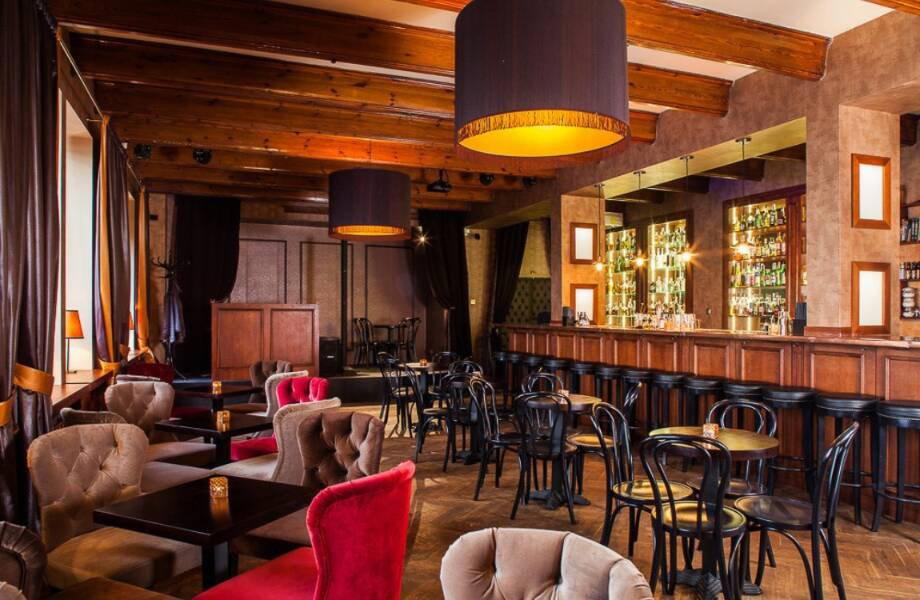
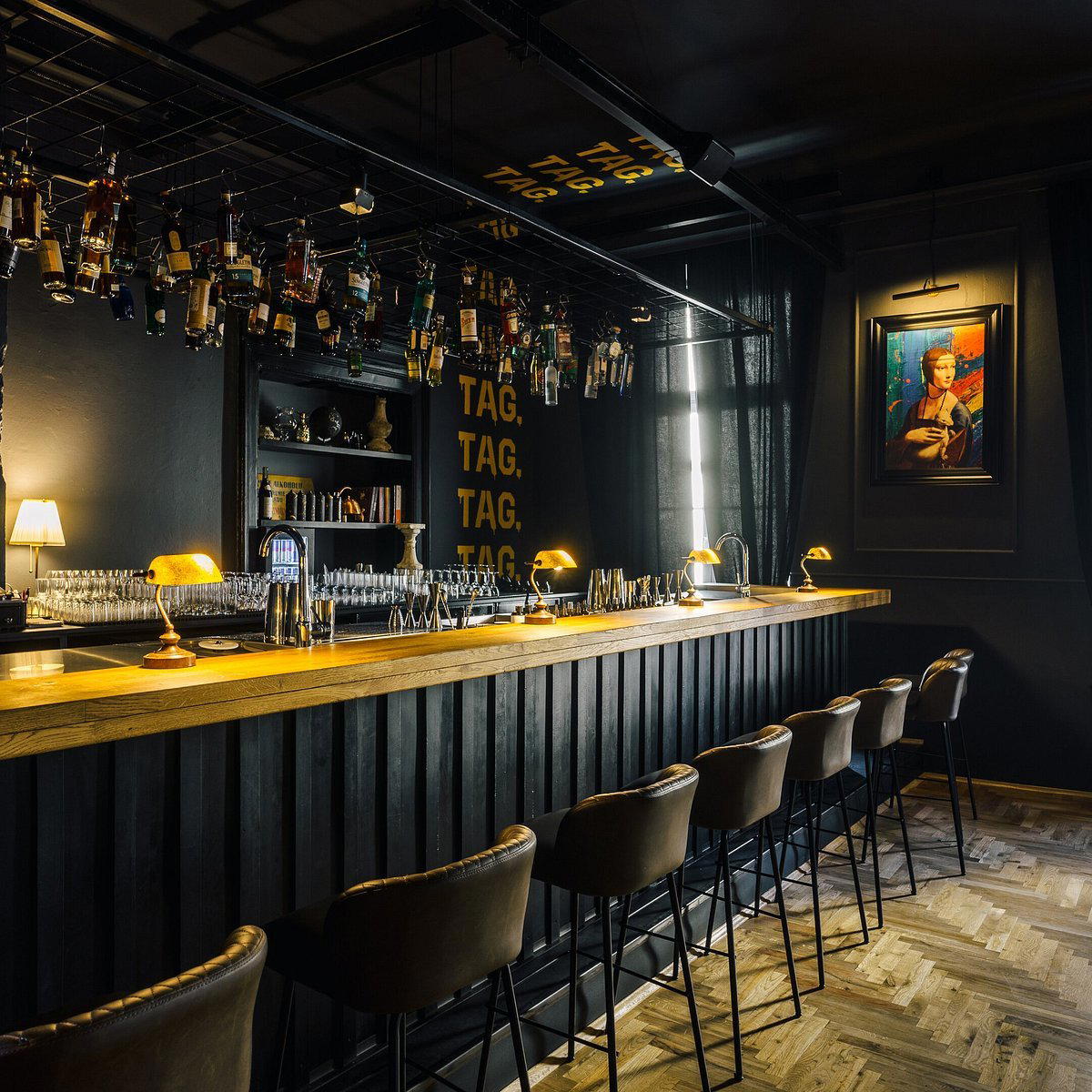
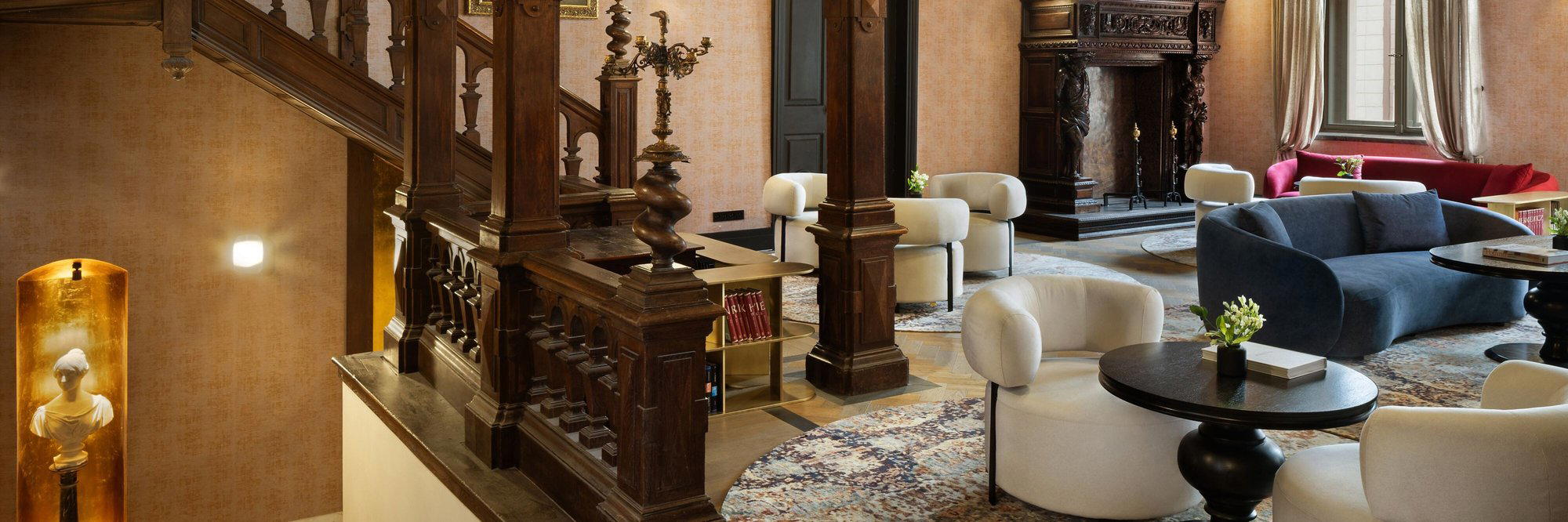
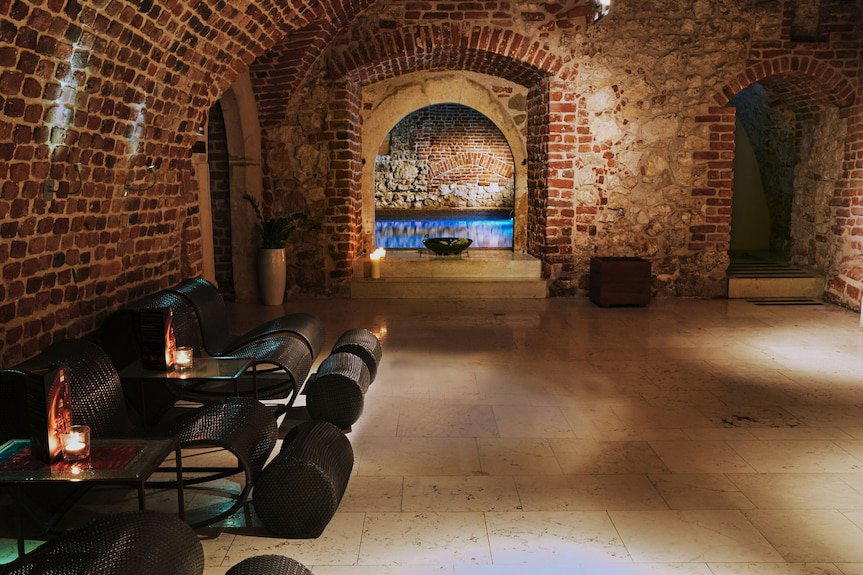
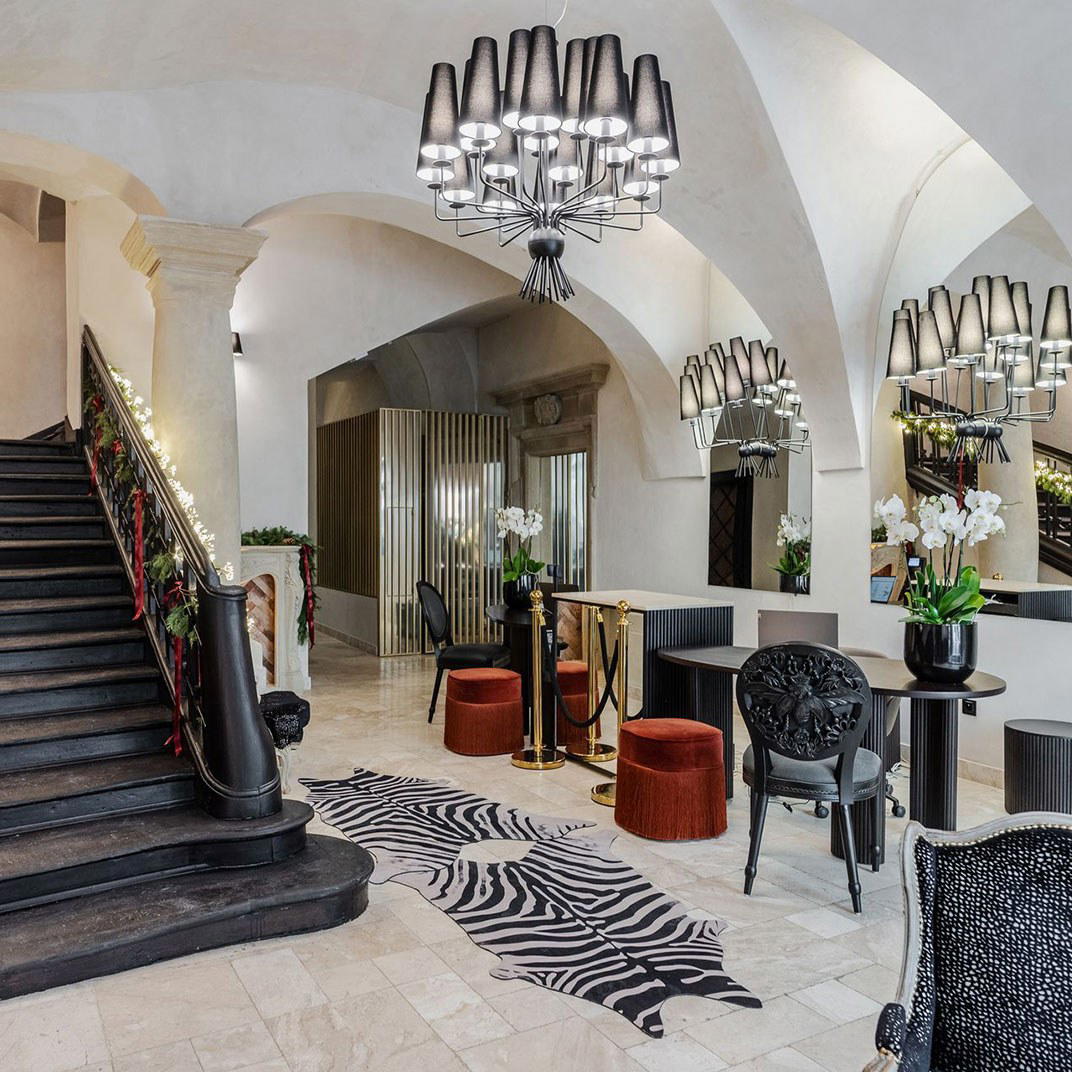
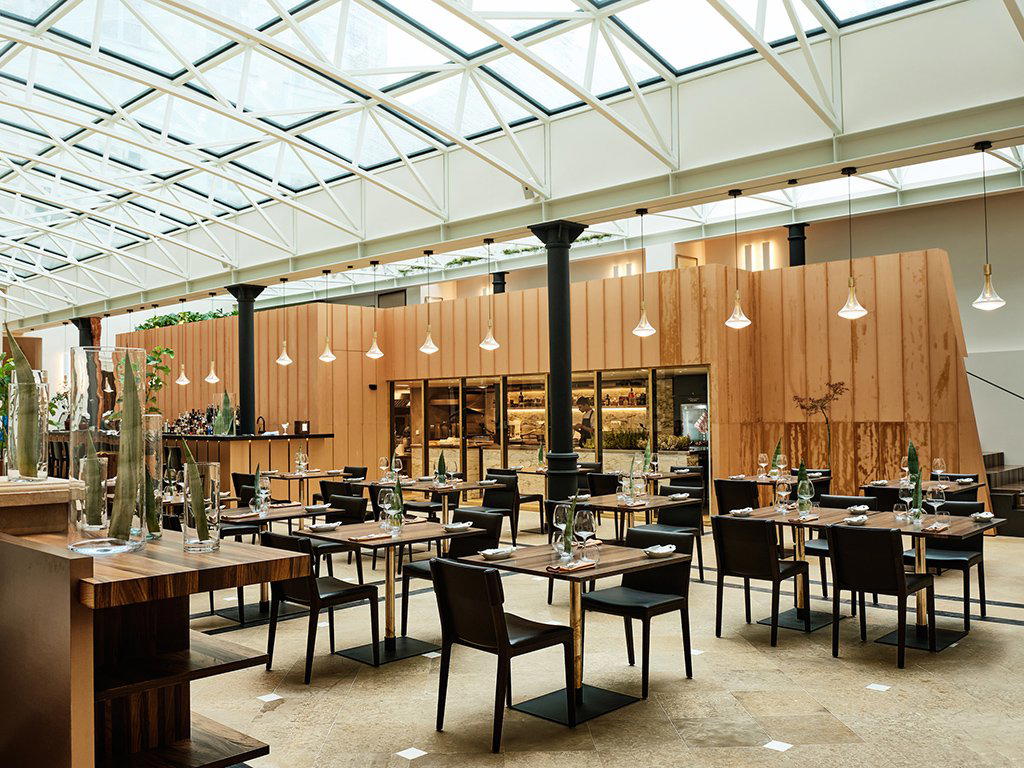
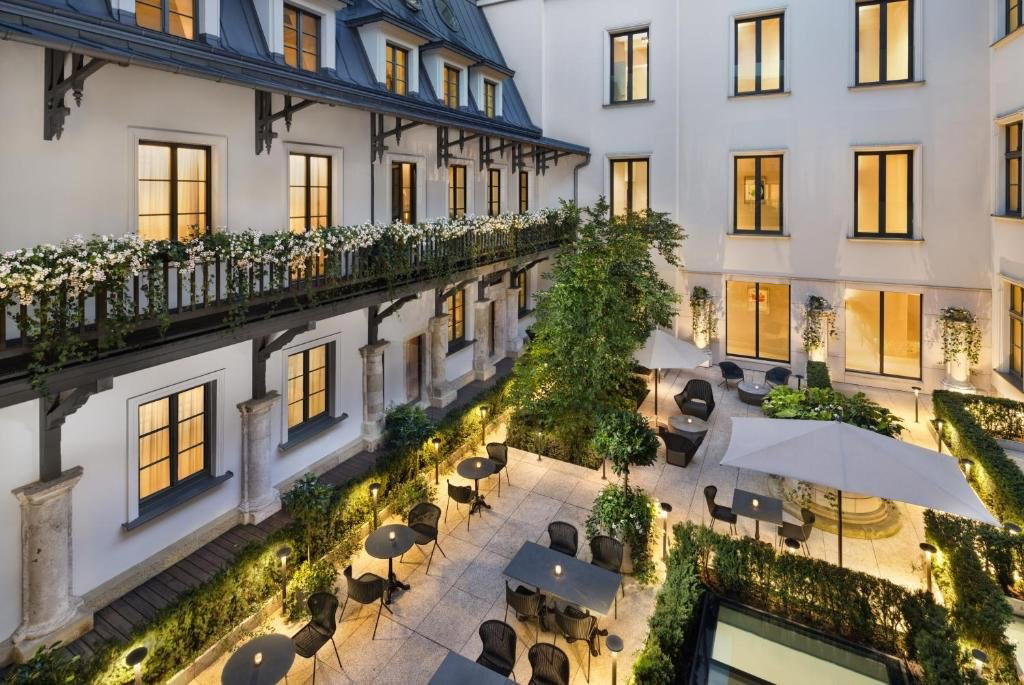
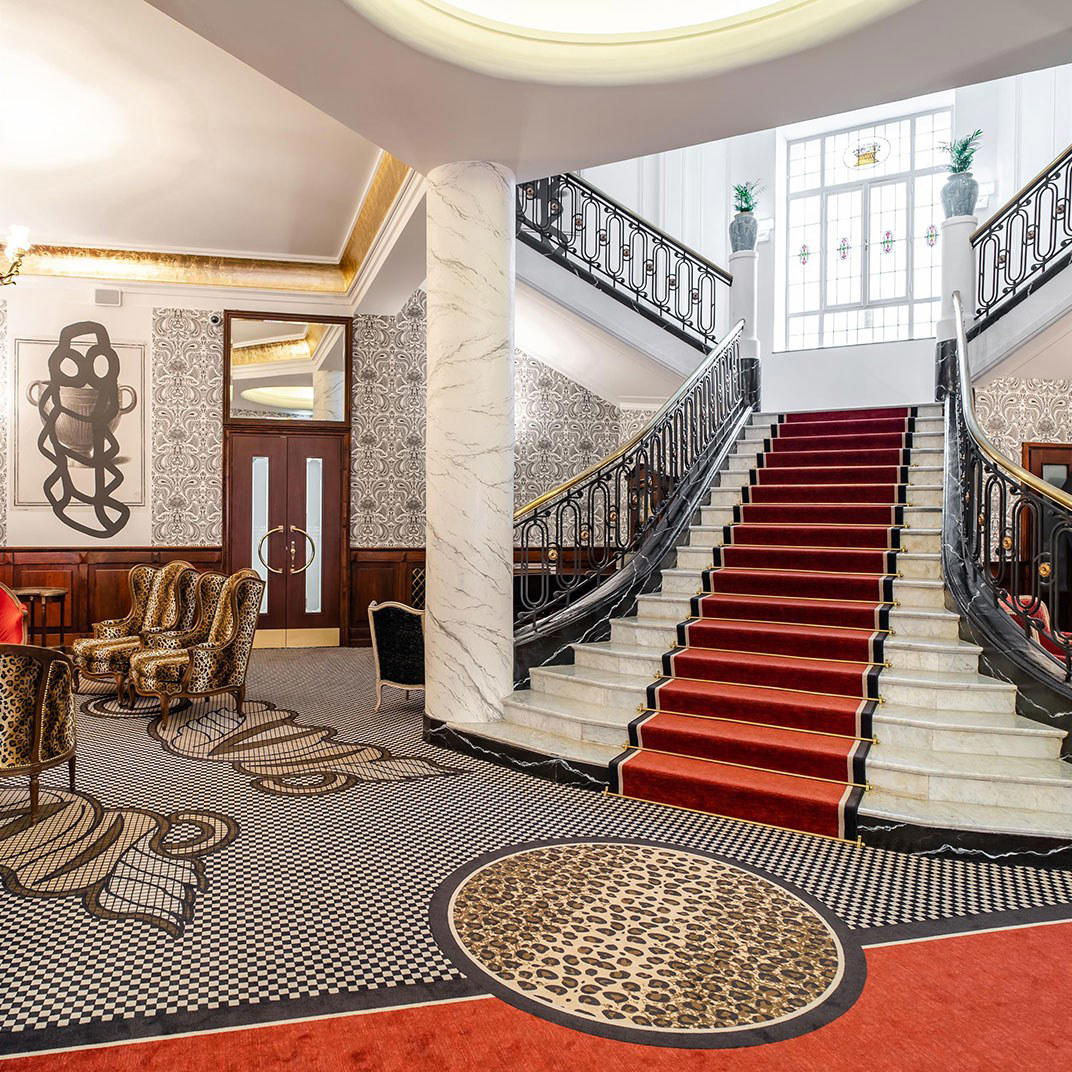
Quiet and relaxed traditional setting with elegant historic charm.