

Michelin Plate · Wine Spectator Best of Award of Excellence
Our verdict
Kraków's most focused seafood address sits on św. Marka street with a Michelin Plate recognition earned in both 2024 and 2025. Chef Monika Turasiewicz works within a city better known for pierogi and bigos than ocean-sourced produce, which makes Farina's sustained commitment to fish and shellfish all the more deliberate. The wine list, spanning around 700 selections, tilts toward Italy and California at mid-range pricing.

Pearl is the En Primeur Club membership app, where members save venues, book tables and use the concierge.
The menu
What to order
- Mussels a la Farina
- Black tortellini with salmon
- Prawns with chilli and honey
- Baby octopus
Seafood in a Landlocked City: The Case for Farina
Kraków sits roughly 300 kilometres from the Baltic coast and further still from any body of water associated with serious seafood culture. That geographical reality makes a dedicated, Michelin-recognised seafood restaurant in the Old Town an editorial curiosity worth examining. Across Poland, the cities most naturally associated with fish-forward cooking are the northern ones: Gdańsk, Sopot, Tricity. 1911 Restaurant in Sopot and Arco by Paco Pérez in Gdańsk both operate within reach of dockside supply chains that make their menus feel geographically grounded. Farina, on św. Marka 16, makes a different argument: that committed sourcing and technical focus can sustain a serious seafood programme even where the sea is an abstraction rather than a backdrop.
The Michelin Plate, awarded in both 2024 and 2025, signals exactly that. The Plate designation in the Michelin system denotes good cooking, a floor-level quality marker, not a ceiling, and its consecutive award to a seafood-specific kitchen in central Poland carries more weight than the same recognition given to a steakhouse or a Polish-inflected brasserie. It confirms that inspectors found the cooking coherent and the produce handled with care, regardless of how far it had travelled to reach the pan.
What Farina Is Doing Differently on the Kraków Scene
Kraków's current fine-dining cohort is dominated by modern Polish and creative-European formats. Bottiglieria 1881 holds two Michelin Stars in the modern Polish category; Artesse operates at the higher end of the creative spectrum. Copernicus and Amarylis both sit in the modern European tier at the €€€ price point. Farina's €€ positioning places it below that upper tier, yet its Michelin recognition places it above the standard mid-market competition. The result is a relatively unusual value-to-recognition ratio in a city where price and award status tend to track each other more closely.
That gap is partly explained by the cuisine category itself. Seafood restaurants, when they operate away from coastal tourist economies, tend to price against supply costs rather than against the prestige expectations of a destination dining market. Farina is priced for a local clientele as much as for visitors, which keeps it accessible without sacrificing the kitchen's evident ambition. The €€ tier in Kraków covers a broad range of experiences, compare, for instance, the casual register of Bufet KRK, but Farina's Michelin standing places it toward the more considered end of that bracket.
Chef Monika Turasiewicz and the Kitchen's Positioning
Chef Monika Turasiewicz leads the kitchen. In the context of Poland's emerging fine-dining scene, female-led Michelin-recognised kitchens remain a relatively small cohort, and Turasiewicz's work at Farina represents one of the more visible examples in the country. Rather than dwelling on individual biography, what matters editorially is the category signal: the kitchen delivers sustained quality in a specialist cuisine format that could easily default to tourist-facing mediocrity in this location. It doesn't. That consistency across two consecutive Michelin inspection cycles is the relevant credential.
The culinary profile is seafood-forward within a broadly European register, informed by Italian technique and seasonal discipline. Italian coastal cooking, the tradition that produced places like Gambero Rosso in Marina di Gioiosa Ionica and Alici on the Amalfi Coast, treats fish as the primary event rather than a supporting element in a meat-dominated menu. Farina's alignment with that tradition, in a Central European city with no native seafood culture, is a deliberate positioning choice rather than a default one. For comparison, Acquario in Wrocław operates a similar inland-seafood model in Poland's fourth-largest city, suggesting a broader pattern of seafood-specialist dining emerging in Polish cities away from the Baltic coast.
The Wine Programme: Depth and Direction
The wine list at Farina runs to approximately 700 selections across an inventory of around 4,400 bottles. That depth is substantial for a €€-priced restaurant in Kraków and positions the wine programme as a genuine point of differentiation rather than an afterthought. The list's primary strengths lie in California and Italy, a pairing that makes culinary sense given the kitchen's orientation, since Italian coastal whites and California's more restrained Chardonnay and Pinot Gris expressions both work logically with seafood preparation.
Pricing sits in the mid-range bracket, with a spread across price points rather than a concentration at the premium end. A corkage fee applies for guests bringing their own bottles. For a restaurant that holds Michelin recognition at a €€ price point, the combination of list depth, regional focus, and accessible pricing makes the wine dimension one of the more compelling reasons to book a full dinner rather than a casual meal.
Farina Within the Wider Polish Fine-Dining Conversation
Poland's recognised restaurant scene has developed quickly over the past decade, with Warsaw and the Tricity area accumulating the highest density of awarded kitchens. hub.praga in Warsaw and Muga in Poznań illustrate how that development has spread beyond the capital. Giewont in Kościelisko represents a different strand, grounded in mountain terroir rather than urban sophistication. Farina belongs to the urban specialist tier: a city-centre restaurant with a focused cuisine identity, Michelin recognition, and a wine programme built for serious engagement.
Within Kraków specifically, the pattern is worth noting. The city has a dense concentration of modern Polish fine dining, which creates a peer pressure toward local ingredients, historical narrative, and seasonal Polish produce as the default editorial frame. Farina resists that frame entirely. It operates as if the sea were nearby, importing that logic into a city whose culinary identity has historically looked to the mountains and the fields rather than the water. That resistance to local convention is, in its own way, the most interesting thing about the restaurant.
Planning a Visit
Farina is located at św. Marka 16 in Kraków's Old Town, within the historic centre and walkable from the main market square. At the €€ price point with Michelin recognition and a deep wine list, it represents a rational first choice for a seafood-focused dinner in the city, and a useful counterpoint to the modern Polish restaurants that dominate most visitors' itineraries. For broader planning, consult our full Kraków restaurants guide, and see our Kraków hotels guide, bars guide, wineries guide, and experiences guide for a fuller picture of what the city offers.
Frequently asked questions
What's the best thing to order at Farina?
Farina holds a Michelin Plate across both 2024 and 2025, which reflects consistency in the kitchen under Chef Monika Turasiewicz rather than a single standout dish. The restaurant's focus is seafood, which is a deliberate choice given Kraków's landlocked position, so the fish and shellfish preparations are central to what earns the recognition.
Is Farina more mid-range or high-end?
Pricing at Farina is listed as €€.
Where do I go for Farina?
Farina is located at św. Marka 16, 31-018 Kraków, Poland, Kraków.
In Context: Similar Options
Comparable options at a glance, pulled from our tracked venues.
| Venue | Cuisine | Price | Awards | Notes |
|---|---|---|---|---|
| FarinaThis venue (the venue you are viewing) | Modern Seafood with Polish Influences | $50–100 | Michelin Plate · Wine Spectator Best of Award of Excellence | Not listed |
| Bottiglieria 1881 Restaurant | Modern Polish Fine Dining | $200–300 | 2 Michelin Stars · La Liste Top Restaurants | Modern Polish |
| Copernicus | Modern Polish Royal Cuisine | $30–50 | Michelin Plate | Modern Cuisine |
| Filipa 18 | Modern Polish | $30–50 | Michelin Plate | Modern Cuisine |
| MOLÁM | Modern Thai Canteen | $20–30 | Michelin Bib Gourmand | Thai |
| Artesse | Modern Historical Polish Fine Dining | Not listed | Michelin Plate | Creative |
Recognition history
Dated appearances from independent guides and award organizations, with the underlying list record or original source where available.
Michelin Plate
Michelin
Wine Spectator Best of Award of Excellence
Wine Spectator
Full recognition history (4 entries)
Michelin Plate
Michelin
Michelin Plate
Michelin
Continue exploring
More in Kraków
Restaurants in Kraków
All restaurants in Kraków →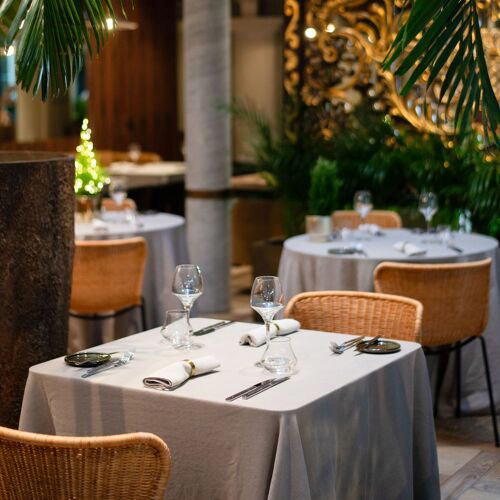
Bars in Kraków
All bars in Kraków →
Farina
The wine
Farina holds the Wine Spectator Best of Award of Excellence, which Wine Spectator gives to lists of usually 350 or more selections.
- Wine program
- Deep wine list
- Wine Spectator
- Wine Spectator Best of Award of Excellence
- Selections
- 700
- Bottles in cellar
- 4,400
- List strengths
- California, Italy
- Wine director
- Nancy Smith
- Extensive wine list
- Sommelier-led
Details
- Elegant
- Cozy
- Romantic
- Sophisticated
- Date Night
- Special Occasion
- Business Dinner
- Open Kitchen
- Extensive Wine List
- Sommelier Led
Current opening hours
- Monday
- 1–10 PM
- Tuesday
- 1–10 PM
- Wednesday
- 1–10 PM
- Thursday
- 1–10 PM
- Friday
- 1–10 PM
- Saturday
- 1–10 PM
- Sunday
- 1–10 PM
Hours can change for holidays and private events. Hours as of .
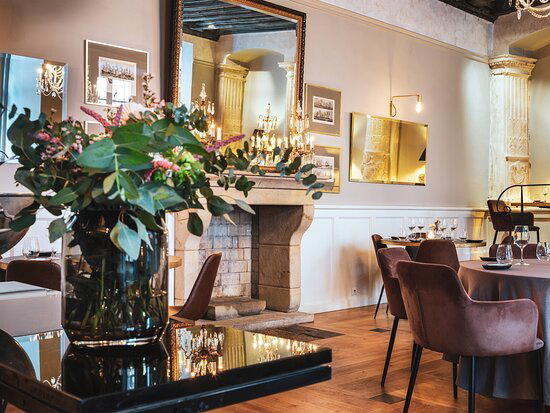
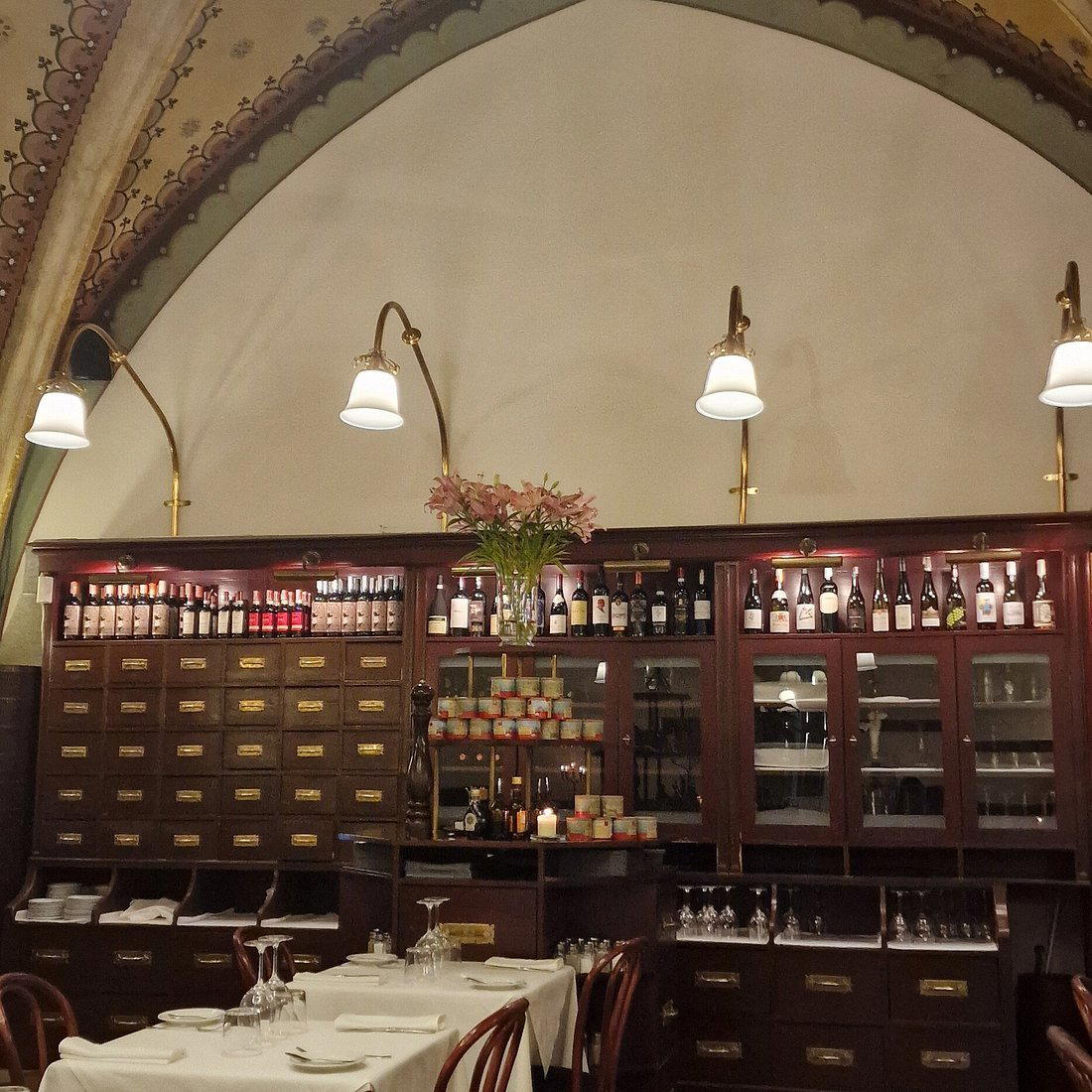
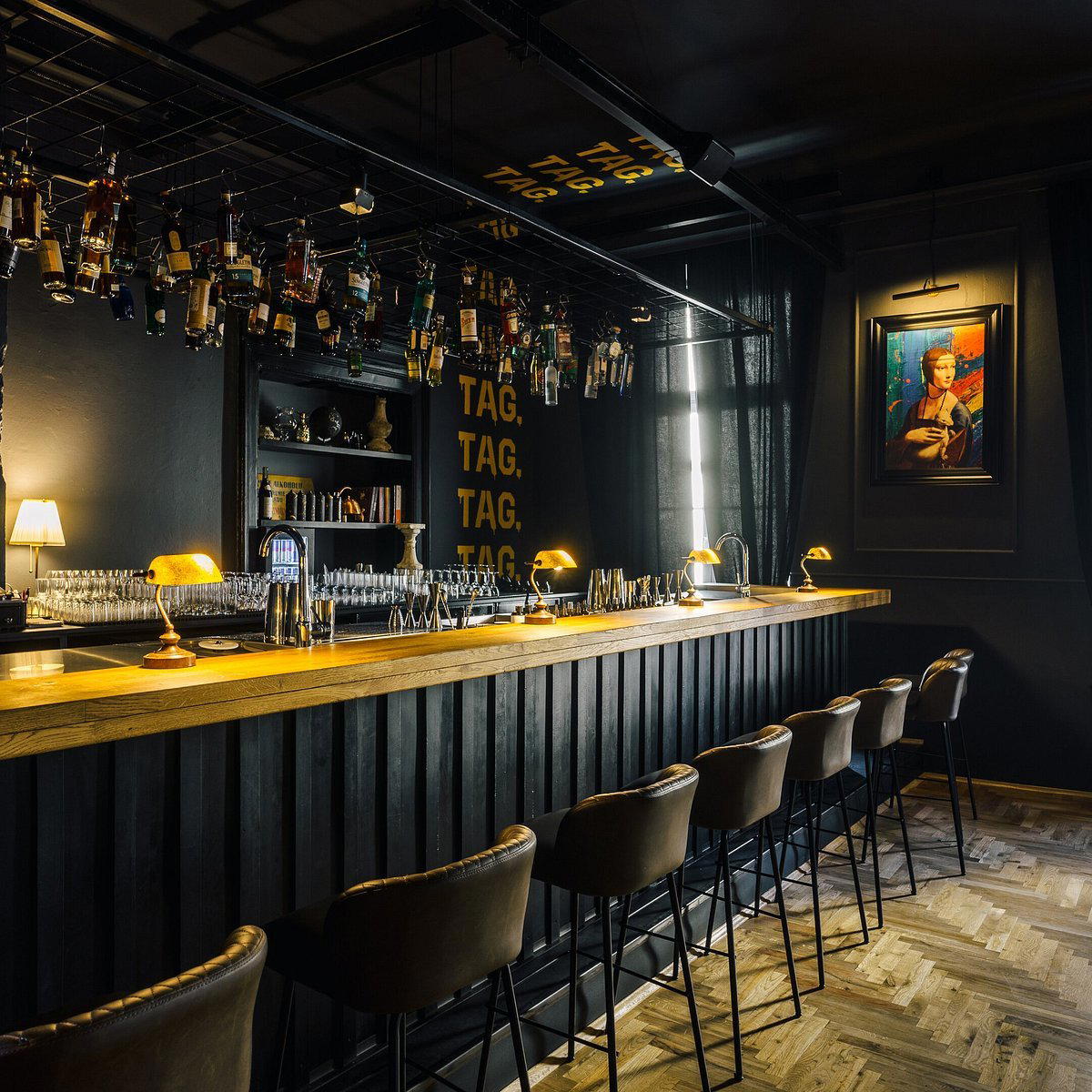
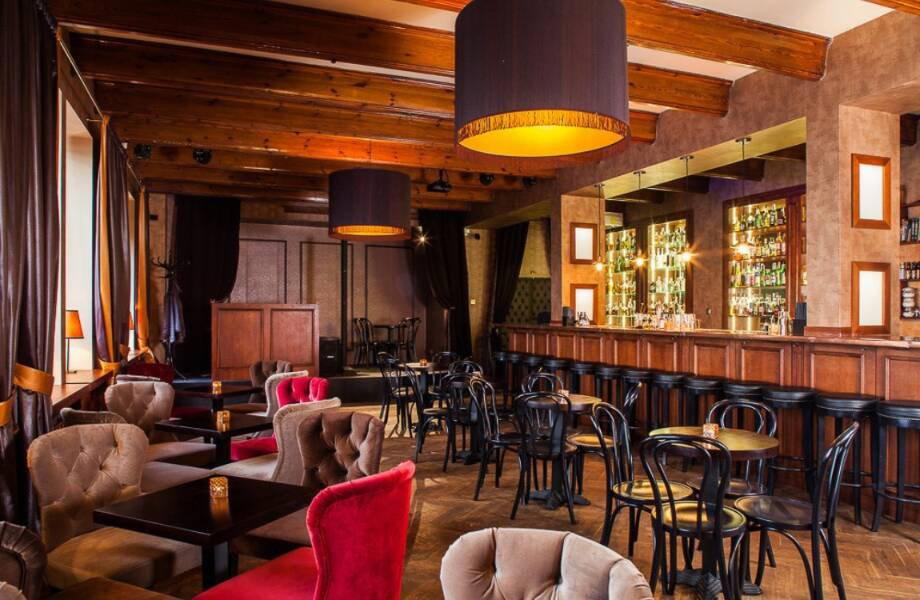
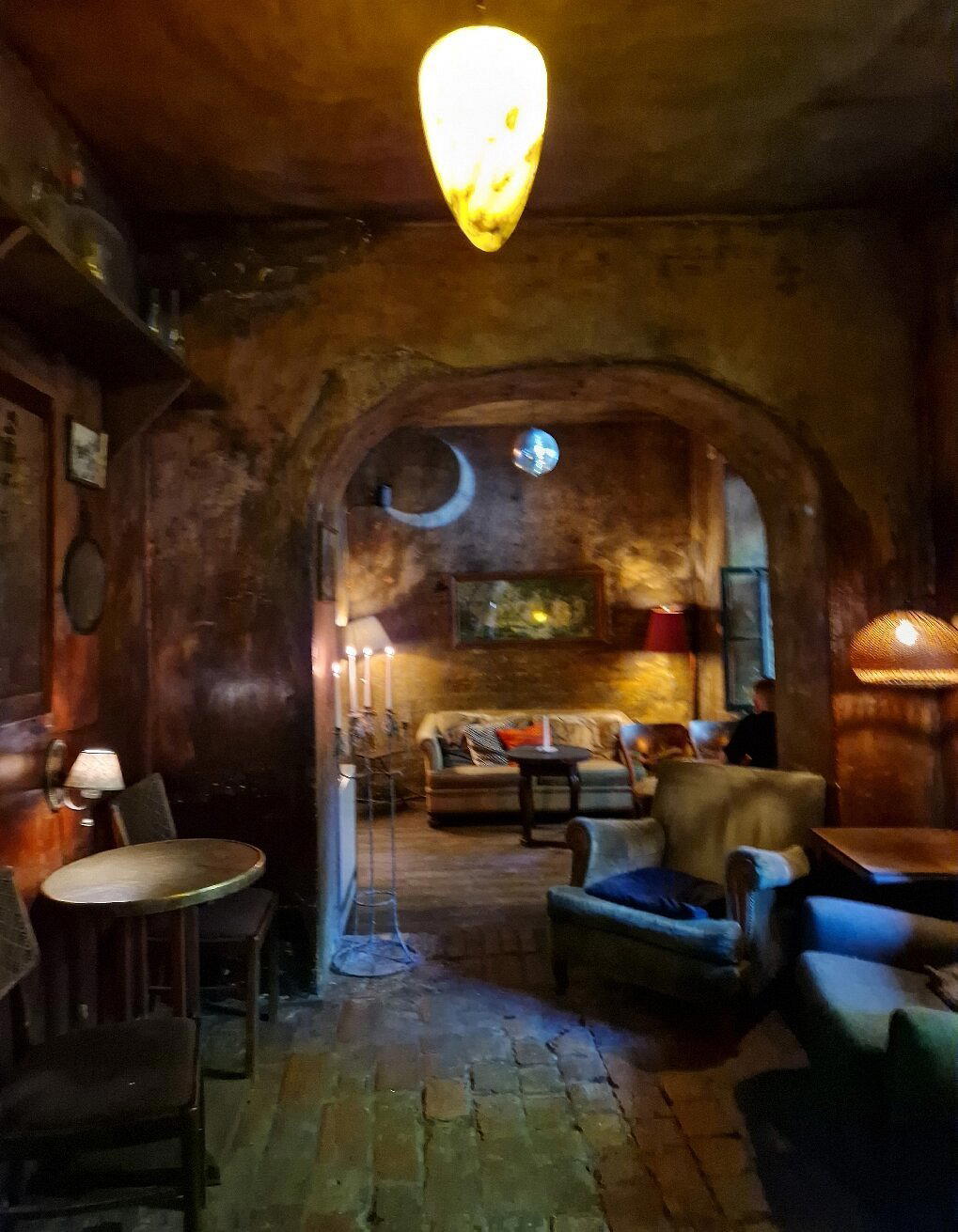
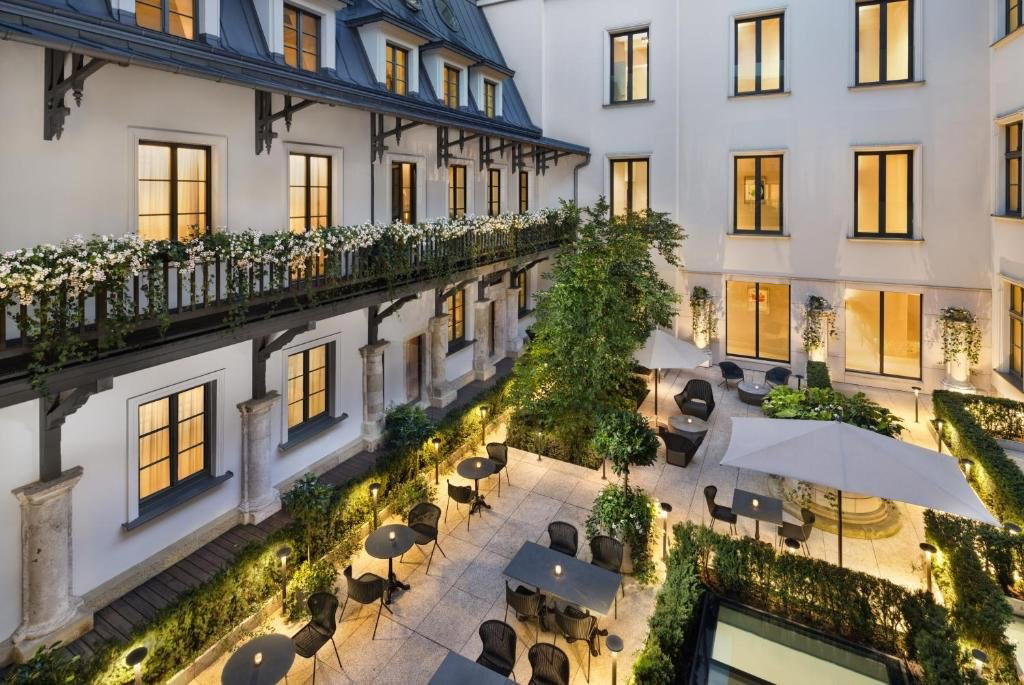
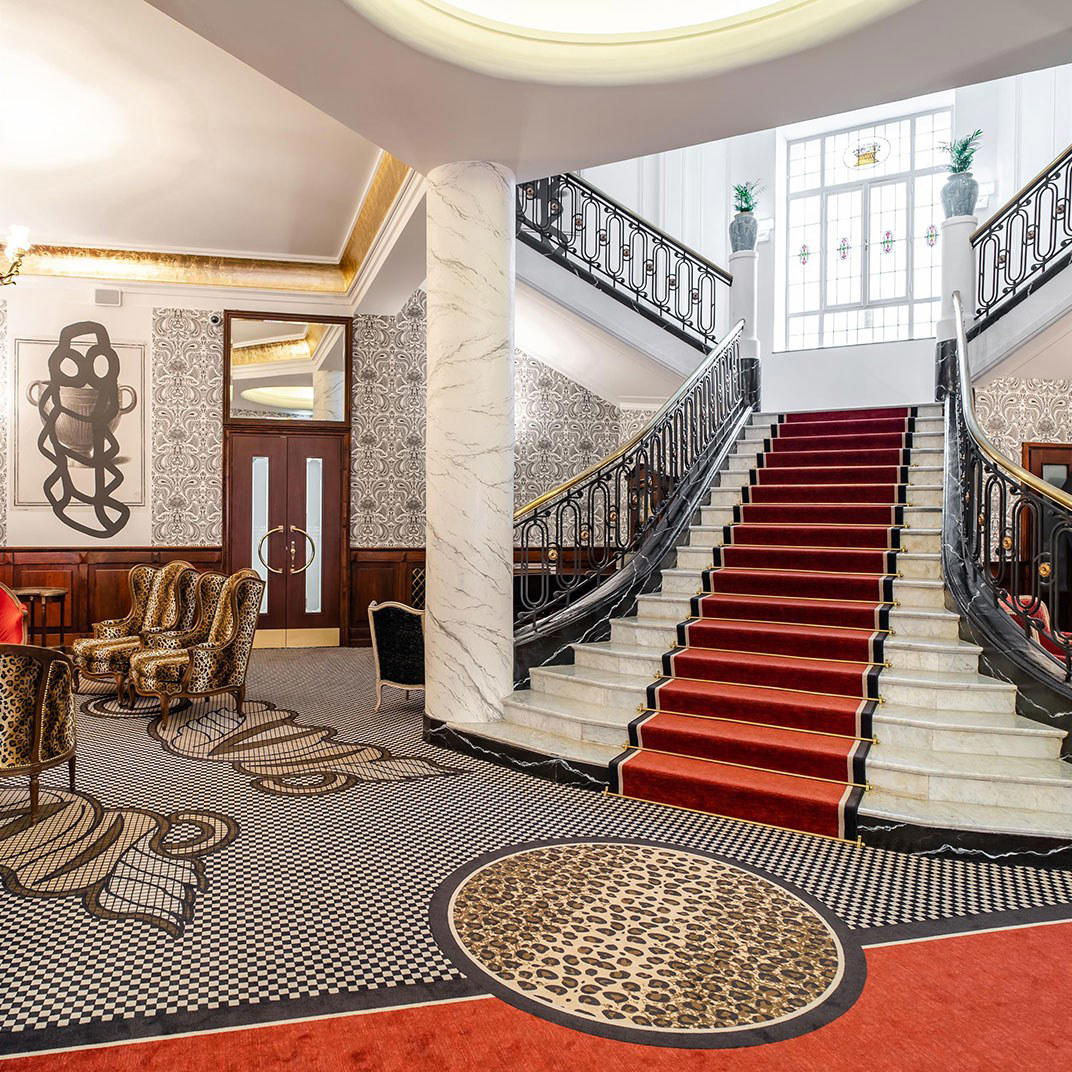
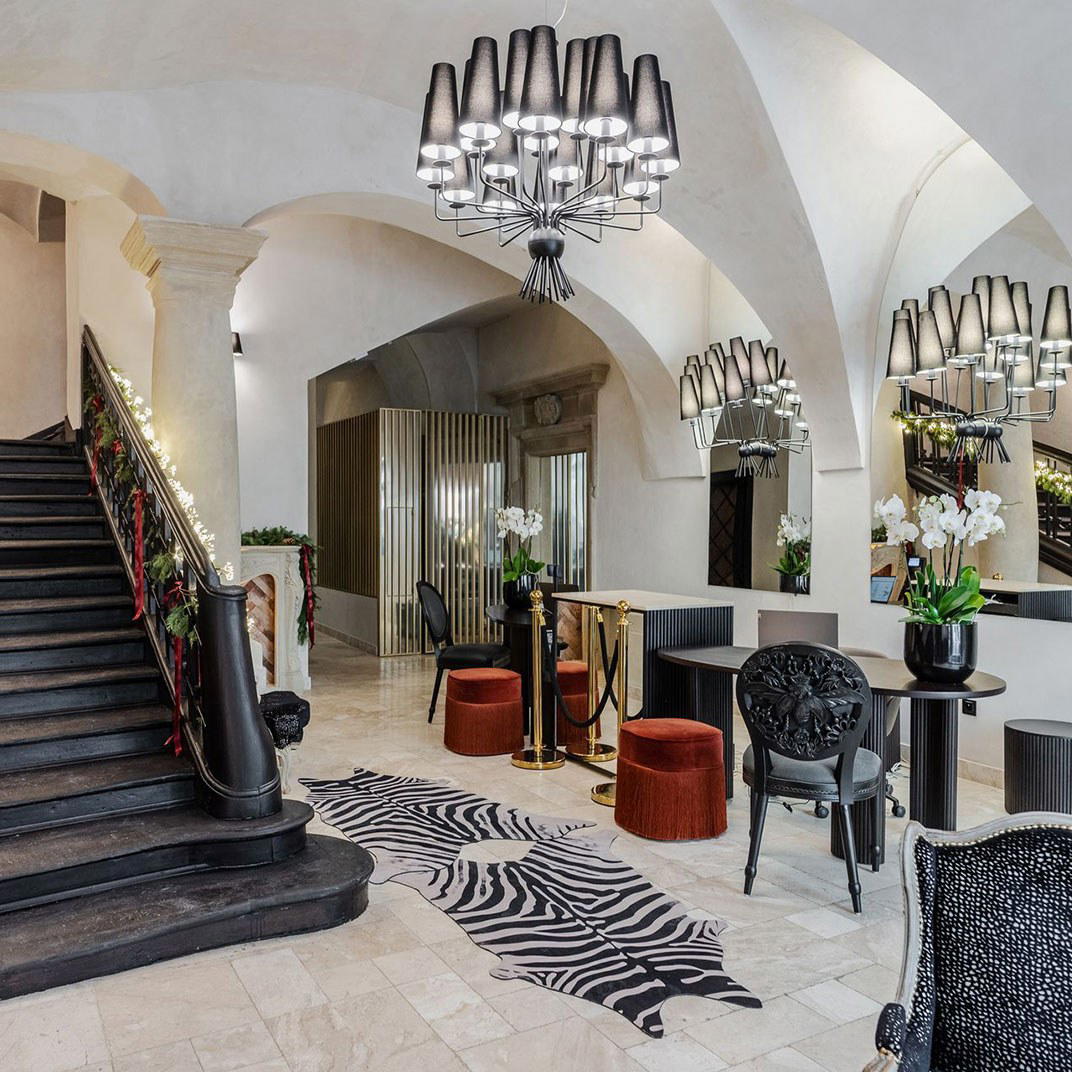
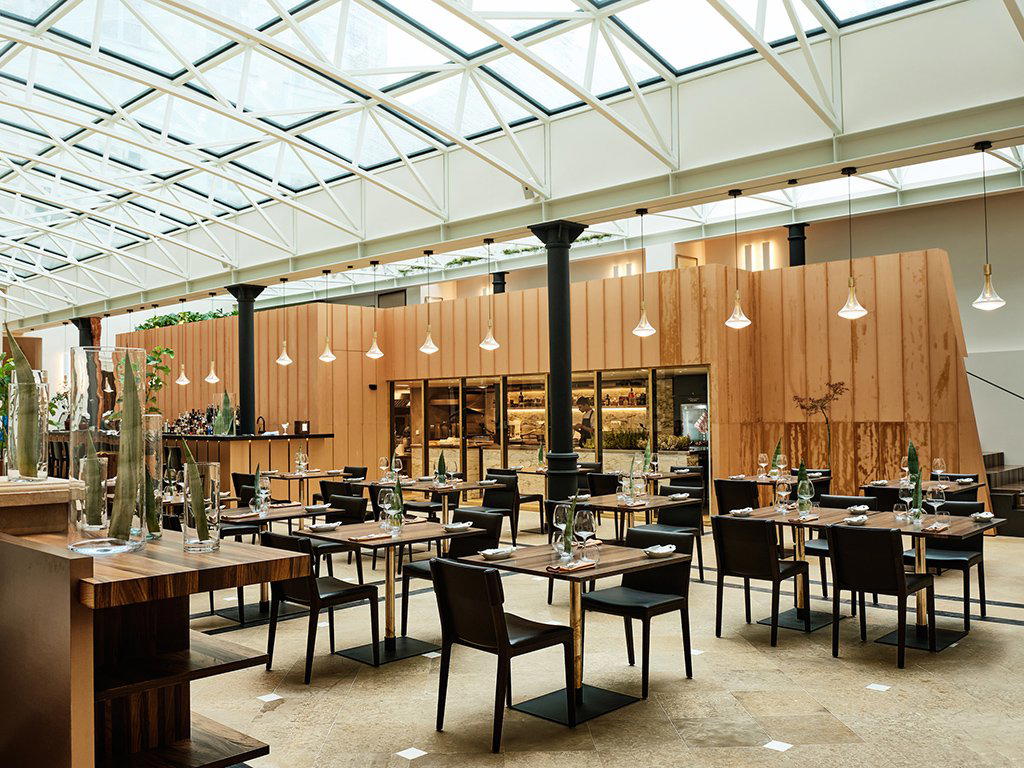
Elegant yet warm and cozy atmosphere across three distinct rooms in an old residential palace, praised for its relaxing, romantic, and inviting lighting and decor.