

A five-star address on Krakow's Floriańska Street, Hotel Pod Różą holds membership in the Great Hotels of the World collection, a designation shared by fewer than 600 properties globally. With 56 rooms and a position steps from the Barbican and St. Florian's Gate, it occupies a specific tier of Old Town luxury: heritage fabric, limited inventory, and a guest profile that skews toward travellers who book the address, not just the city.
Pearl is the En Primeur Club membership app — saves, bookings, and concierge access live there. Same editors, same standards.
- Address
- Floriańska 14, 31-021 Kraków, Poland
- Directions
- Get directions
 Saves & bookings on Pearl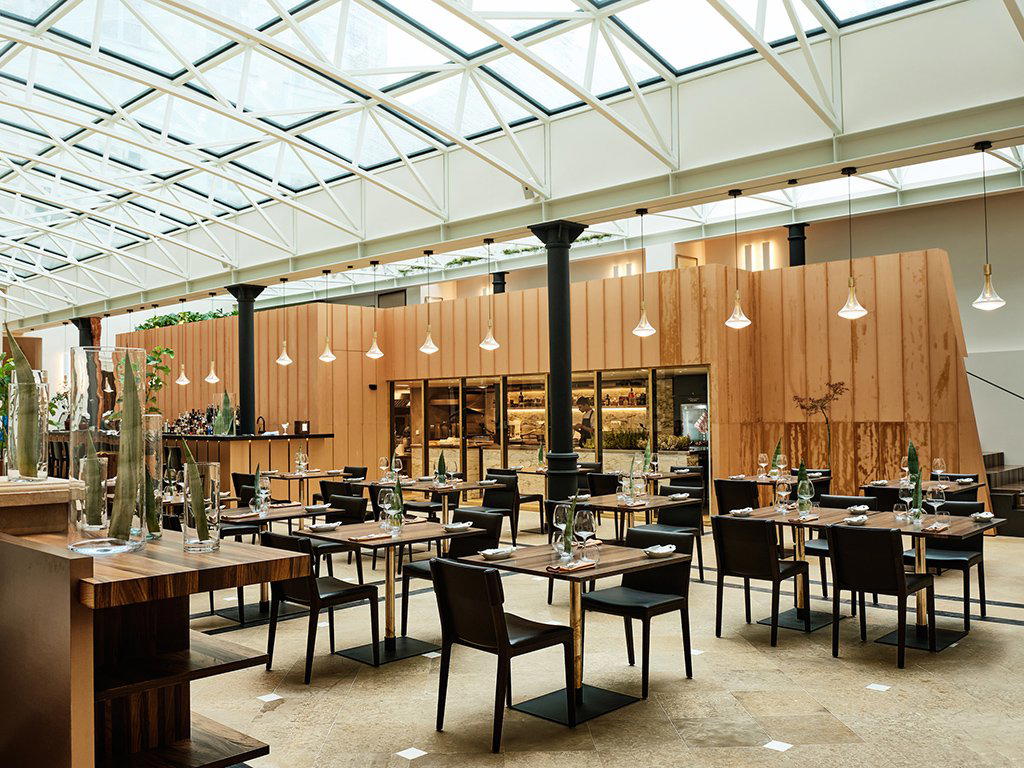
Where Floriańska Street Places You
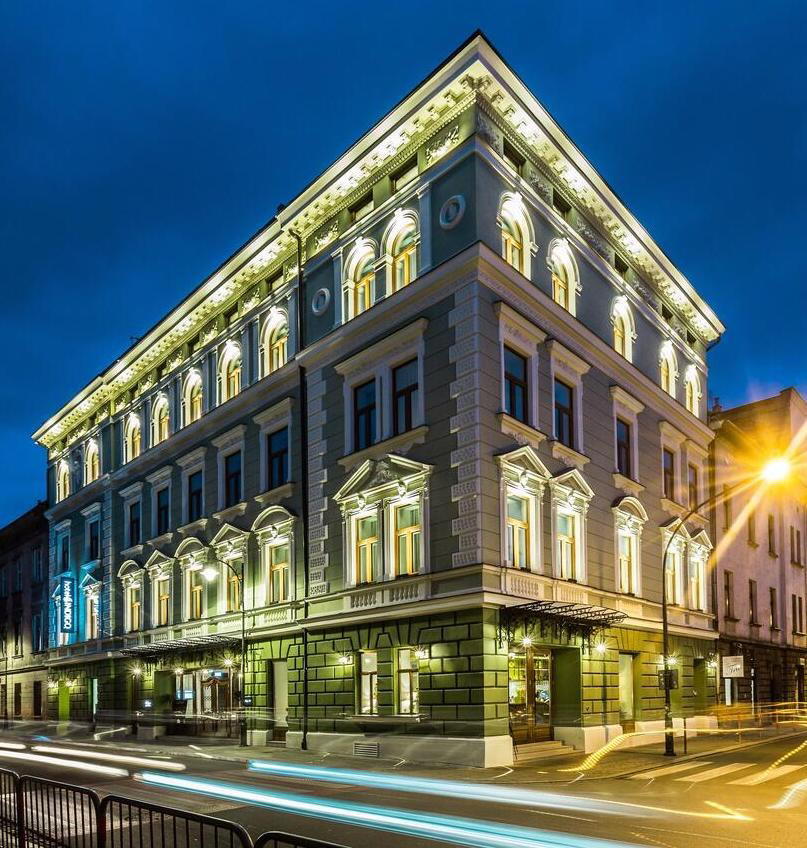
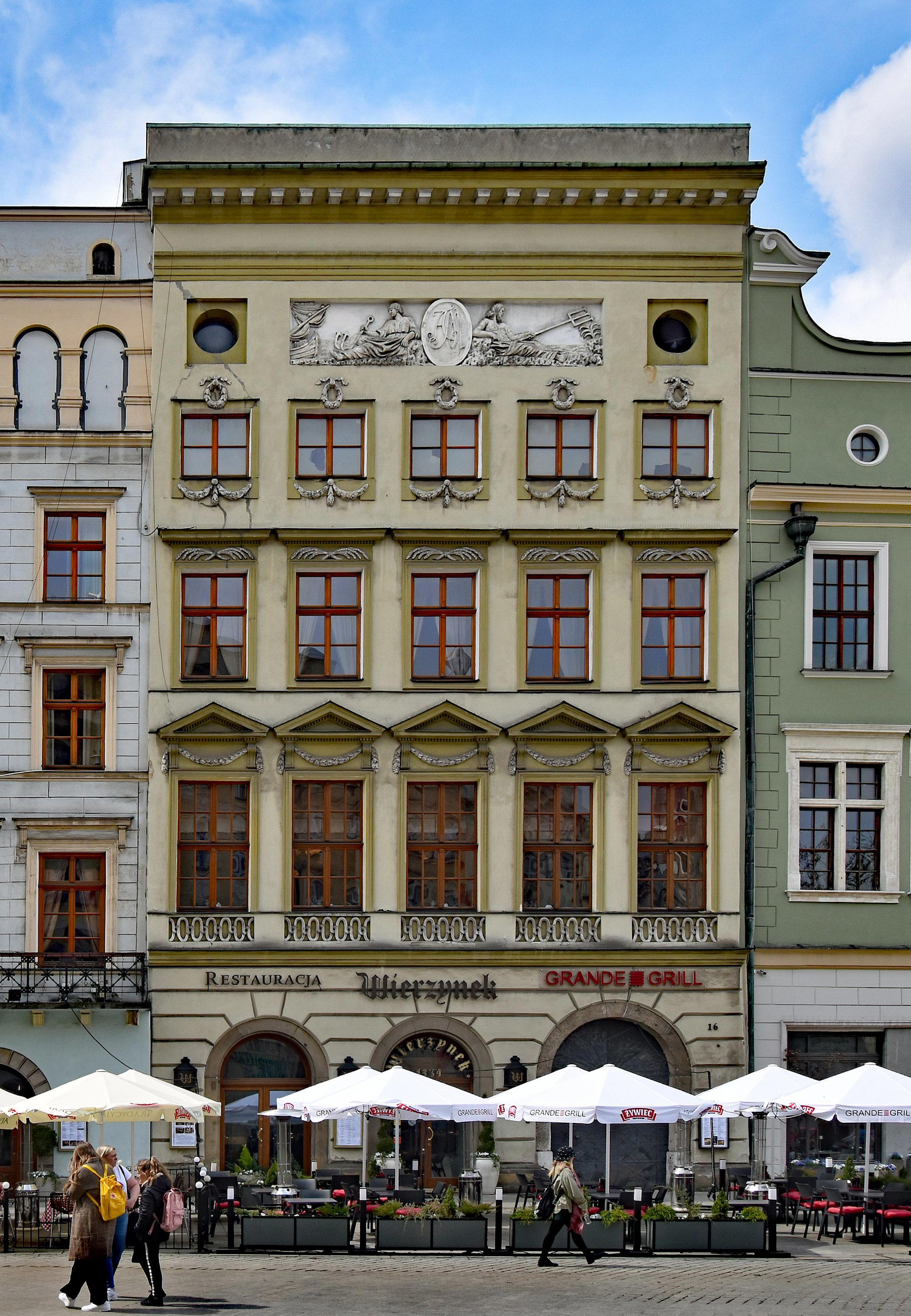
Hotel Pod Różą, Likus Hotels is a five-star hotel in Kraków, Poland, on Floriańska Street. Floriańska, the Royal Road axis connecting St. Florian's Gate to the Main Market Square, is where that hierarchy is most concentrated. Hotel Pod Różą at number 14 sits on this corridor, which means guests step from the lobby directly into the functional centre of Kraków's historic core. The Barbican is a three-minute walk north; the Cloth Hall, four minutes south. For a city where proximity to the Rynek Główny drives premium room rates across the board, this position is among the more direct available.
That locational specificity matters because Krakow's Old Town hotel supply is genuinely constrained. The city's Stare Miasto is a UNESCO World Heritage Site, which limits new development and preserves the character of existing stock. Properties that occupy historic townhouses, rather than purpose-built contemporary blocks, are relatively few, and those with consistent five-star classification fewer still. Pod Różą sits inside this constrained tier. For comparison, design-forward properties like PURO Hotel Kraków (Stare Miasto) and PURO Kraków Kazimierz Hotel compete on a different axis, contemporary programming and neighbourhood energy rather than historic fabric and legacy positioning.
The Great Hotels of the World Context
Membership in Great Hotels of the World is a supply-side trust signal worth understanding. The collection operates as a curated referral network of independent and boutique luxury hotels, properties that either predate or operate outside the major chain frameworks. Membership requires demonstrated five-star standards and is selective enough that the designation functions as a peer-set indicator: Pod Różą competes in the same referral tier as independent luxury properties across Europe, not against mid-market branded chains. The property's 56 rooms and single meeting room with theatre capacity for 40 confirm its positioning: this is a small-scale, high-density-of-service model, not a conference-hotel format. Events and corporate gatherings are possible, but the scale keeps the atmosphere residential rather than transactional.
That 56-room inventory places Pod Różą in a small-scale category. Across the luxury independent category, from Aman Venice with its 24 suites to the more expansive Badrutt's Palace Hotel in St. Moritz, the correlation between room count and service personalisation is well established. At 56 keys, Pod Różą sits in a range where staff-to-guest ratios can remain high and individual attention plausible, at least in principle.
Dining at a Heritage Address: What the Format Implies
The editorial angle worth addressing directly is what dining at a hotel like Pod Różą actually represents in Krakow's current food scene. Krakow has developed a serious independent restaurant culture over the past decade, particularly in Kazimierz, where former warehouses and Jewish quarter architecture have attracted chef-led projects with distinct identities. The hotel dining question for any Old Town five-star is therefore whether it functions as a destination in its own right or primarily serves in-house guests who prefer not to move through the city late at night.
What the property's membership profile and room scale suggest is a classical European hotel dining model: a restaurant that prioritises Polish and Continental staples executed at a reliable standard, likely with a wine list weighted toward international labels. This is a different proposition from the independent chef-led format increasingly common in the city's Stare Miasto periphery and Kazimierz neighbourhoods.
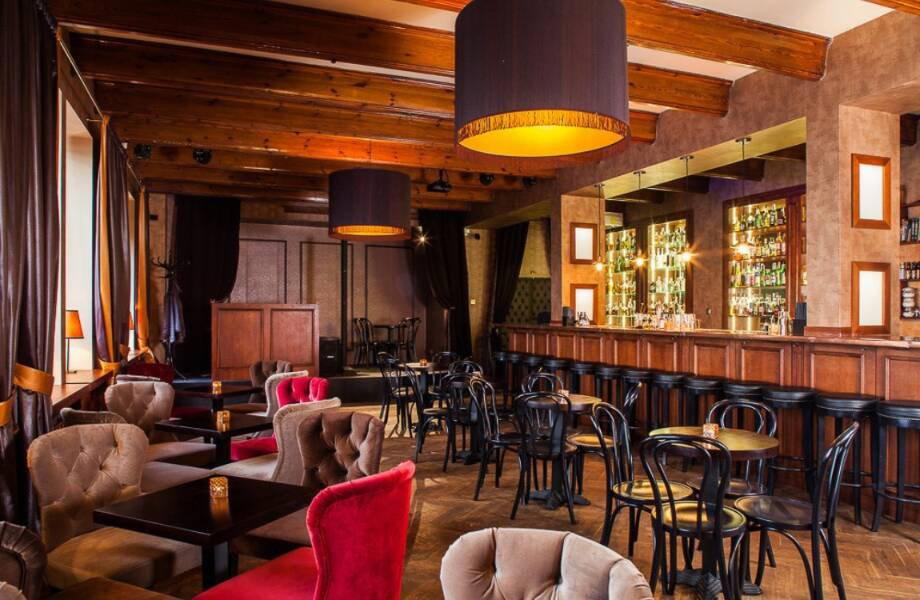
What a heritage property at this address does deliver, reliably, is a certain kind of morning experience: breakfast in a room with architectural weight, before the Royal Road fills with visitors. That ambient value, the sense of occupying historic space in the quieter hours, is consistent with what independent luxury hotel guests in this category tend to seek, and it is something that newer design-forward properties in the city cannot replicate regardless of their programming ambitions.
Positioning Within Polish Five-Star Heritage Hotels
Pod Różą's Likus Hotels affiliation is worth contextualising. The Likus group operates a small portfolio of heritage properties in Polish cities, Hotel Monopol Katowice, Likus Hotels in Katowice being the portfolio's most comparable sibling. The group's approach is preservation-led, with brand value built around the existing architectural and historic identity of the building. This places Likus in a similar operational philosophy to independent heritage operators elsewhere in Central Europe, where the building is the product and the brand is secondary.
Across Poland's broader luxury hotel spectrum, this heritage-preservation approach is one of two dominant models. The other is international-flag luxury: properties like H15 Palace, a Luxury Collection Hotel in Kraków, which carries Marriott's Luxury Collection designation and the brand infrastructure that entails. Both models serve the five-star segment but address different guest priorities: programme consistency and loyalty point integration on one hand, architectural authenticity and independence on the other. Pod Różą is clearly in the second camp.
For travellers building a broader itinerary through Poland's historic cities, the comparison set extends further: Copernicus Toruń Hotel in Toruń and Hotel Altus Palace in Wrocław occupy similar heritage-building niches in their respective cities, making them useful reference points for travellers who find the Pod Różą model compelling and want to replicate the experience elsewhere. Coastal options like Hilton Gdansk and design-independent properties like Quadrille in Gdynia complete a different part of the Polish luxury picture.
Planning Your Stay
Hotel Pod Różą is at Floriańska 14, 31-021 Kraków, a central Old Town address near the city's primary historic sites. At 56 rooms, availability can be limited at peak periods. The single meeting facility, with theatre capacity for 40, makes the property workable for small private events or executive retreats, though the scale is not suited to large-scale conferences. Guests comparing properties in the same tier should also consider Hotel Stary, which operates in a comparable Old Town five-star positioning. For travellers whose priorities extend to mountain access, Bachleda Residence Zakopane and Jaskolka Dom i SPA in Szklarska Poręba represent the premium end of the Tatra and Sudeten region alternatives.
Pricing, Compared
Comparable venues nearby, for context on price, style, and recognition.
| Venue | Price | Awards | Notes |
|---|---|---|---|
| Hotel Pod Różą, Likus HotelsThis venue — the venue you are viewing | $$$$ | 5-Star | Not listed |
| Hotel H15 Francuski Old Town | $$$$ | 4-Star | Old Town (Stare Miasto), Historic Art Nouveau palace blending Belle Époque elegance with contemporary boutique sensibility, positioned as a luxury heritage property. |
| Hotel Unicus Palace Old Town | $$$$ | 5-Star | Old Town, Historic luxury townhouse hotel |
| PURO Hotel Kraków (Stare Miasto) | $$$ | 4-Star | Stare Miasto (Old Town), Contemporary design hotel emphasizing minimalism and modern technology with eco-friendly practices and thoughtful curation of spaces. |
| Bachleda Kraków - MGallery | $$$$ | 5-Star | Old Town, Historic Art Deco luxury boutique |
| Mercure Krakow Stare Miasto | $$$ | 4-Star | Stare Miasto, Modern hotel blending contemporary comforts with historic Krakow charm |
Recognition history
Dated appearances from independent guides and award organizations, with the underlying list record or original source where available.
Great Hotels of the World GHOTW Collection Member
Great Hotels of the World
Michelin Selected
Michelin
At a Glance
- Classic
- Elegant
- Sophisticated
- Historic
- Romantic Getaway
- Anniversary
- Business Trip
- Weekend Escape
- Historic Building
- Terrace
- Spa
- Sauna
- Fitness Center
- Room Service
- Concierge
- Restaurant
- Wi Fi
- Street Scene
- Spa
- Sauna
- Fitness Center
- Room Service
- Concierge
- Restaurant
- Wi Fi
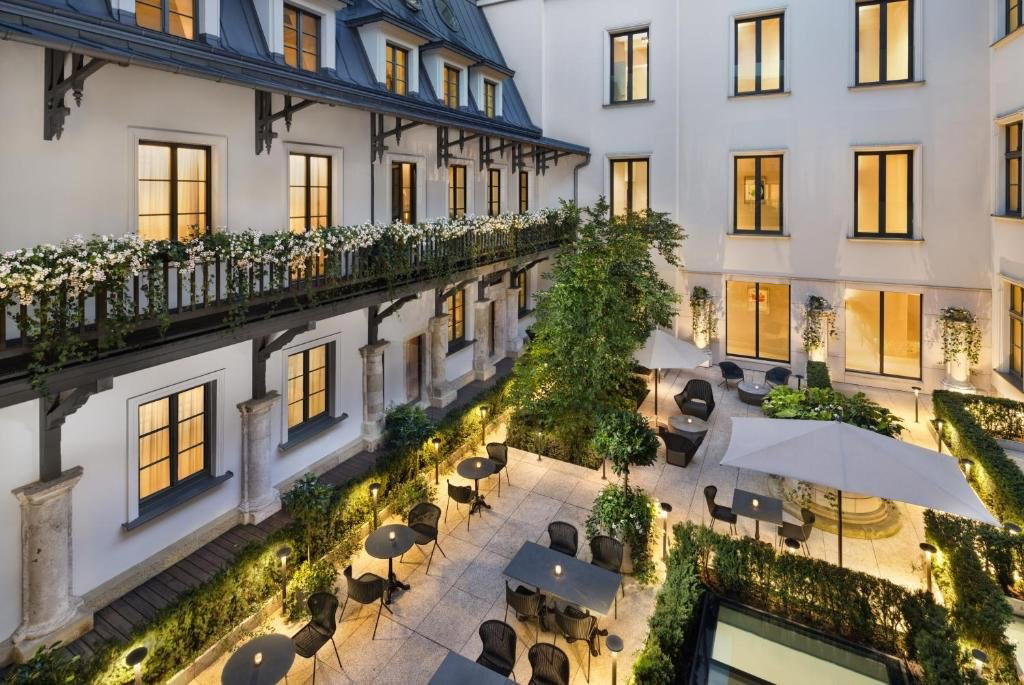
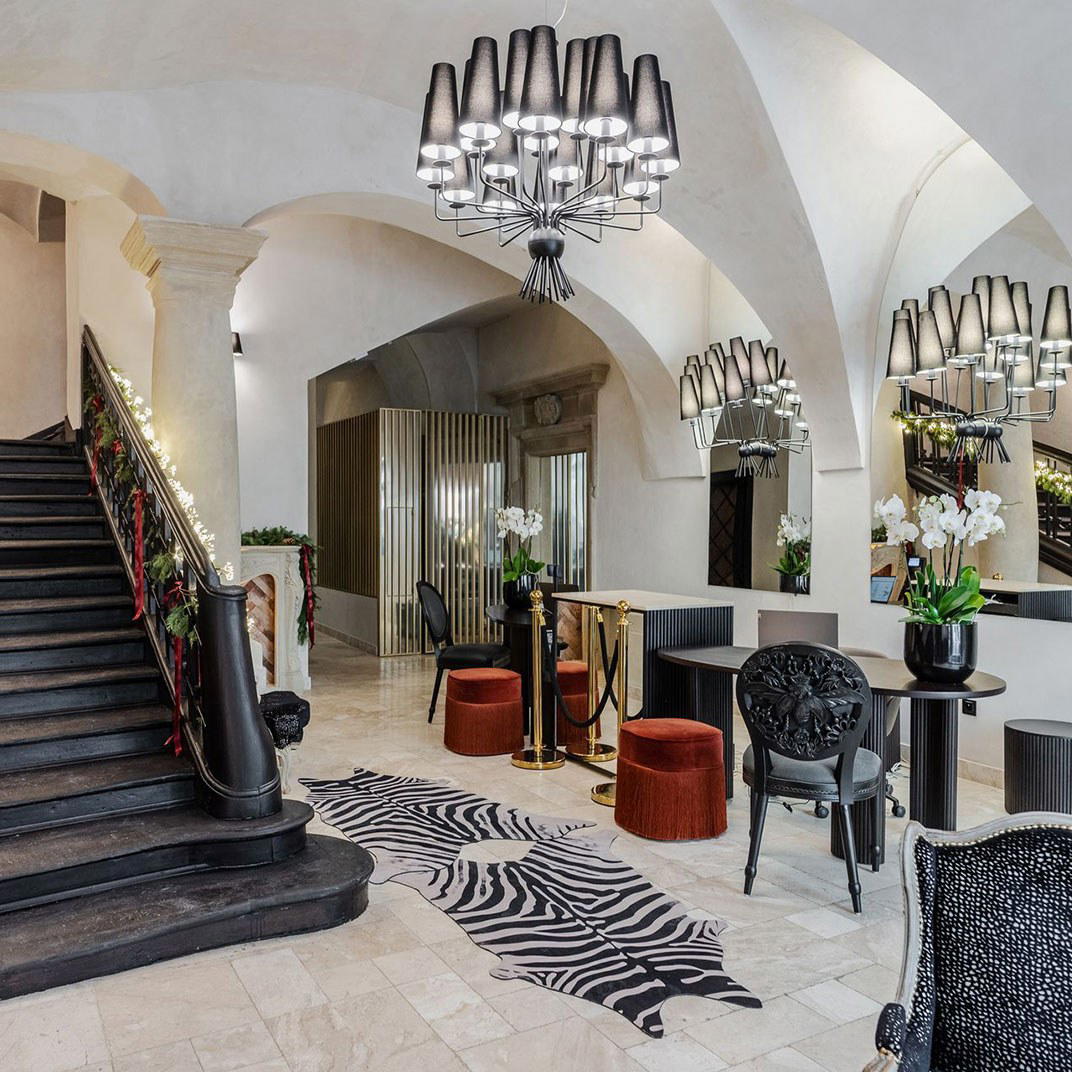
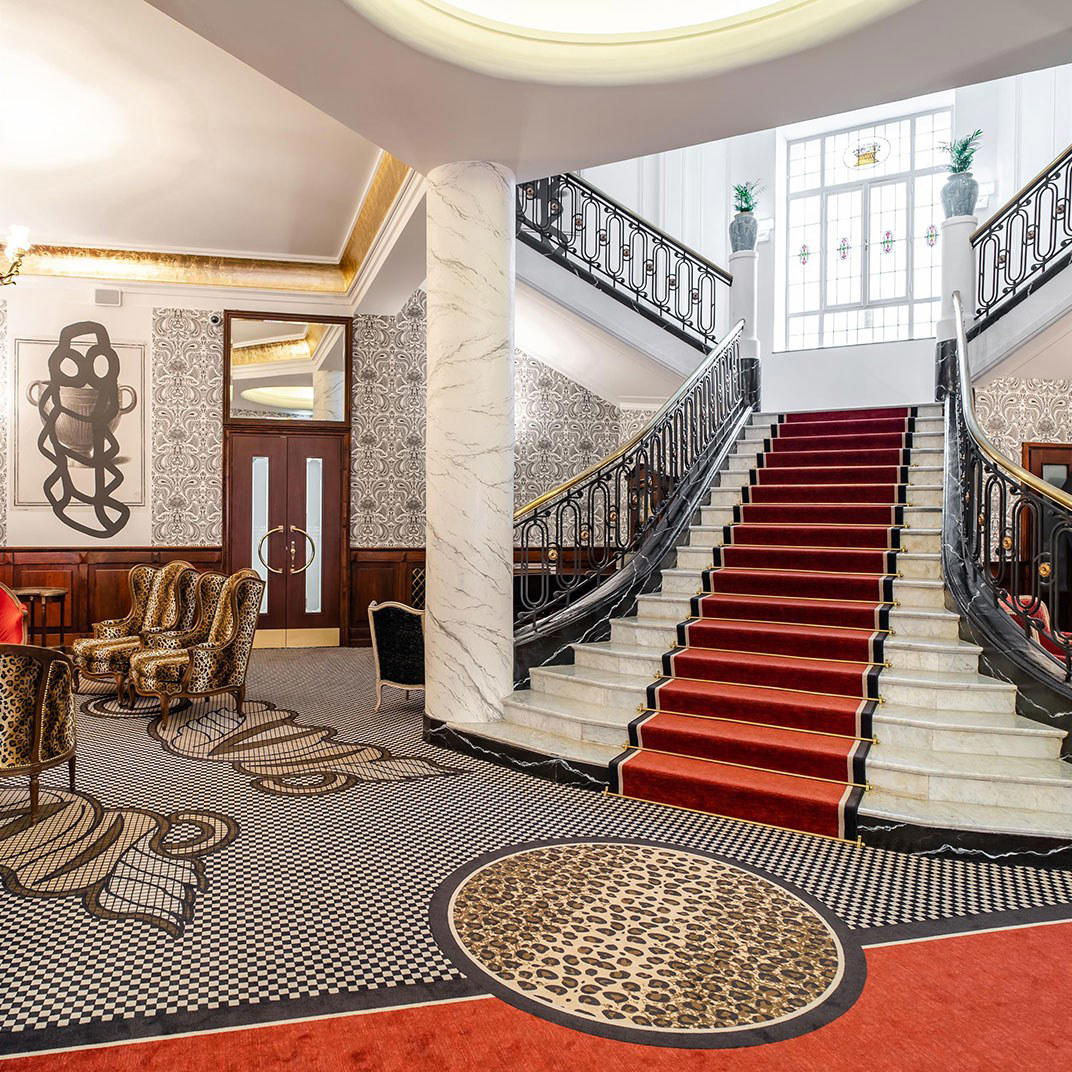
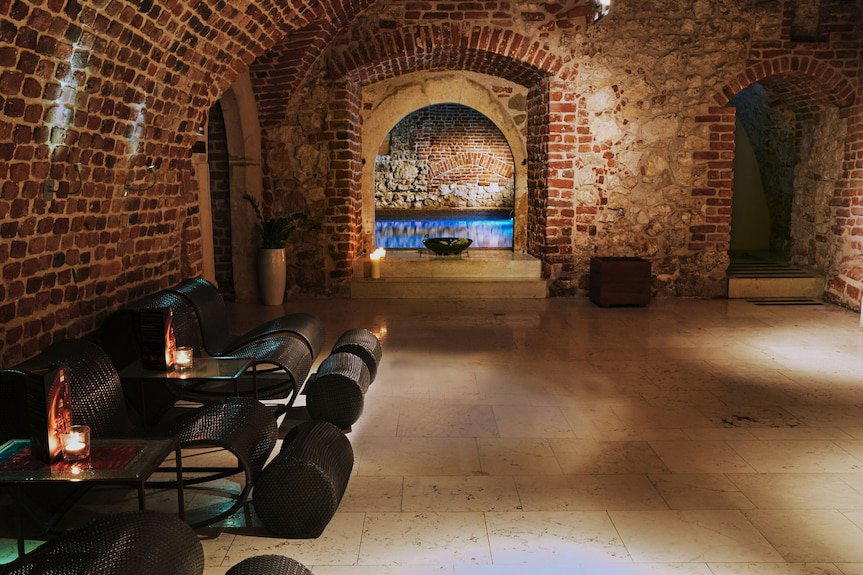
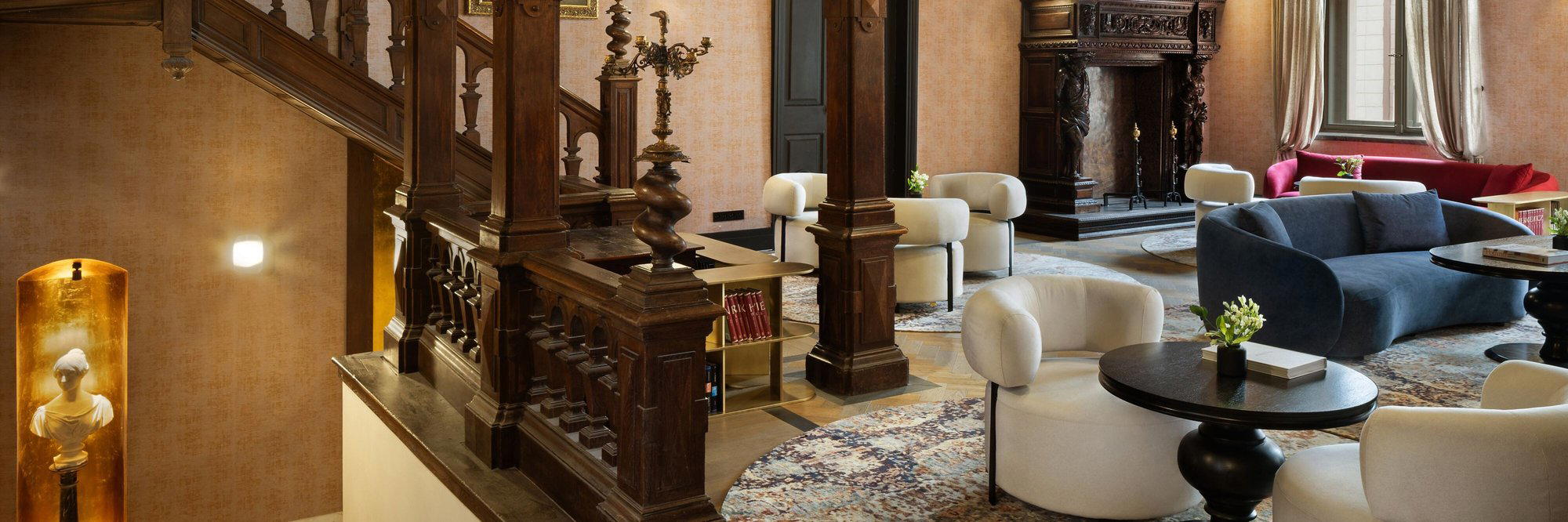
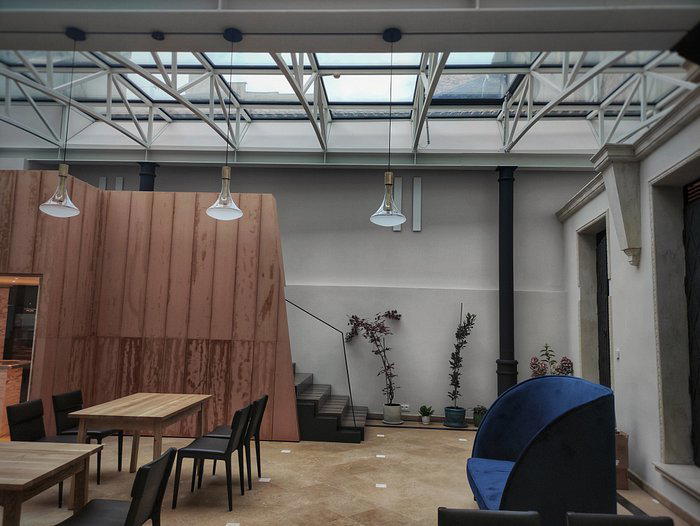
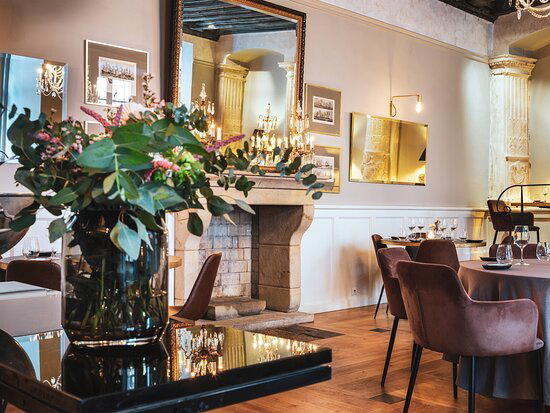
Beautiful classicistic interiors with elegant lighting under a glazed roof in the restaurant, creating a charming historic atmosphere praised for its restful and sophisticated feel.