Our verdict
Hashi Sushi in Gdańsk's Przymorze district addresses a question that matters in Polish coastal dining: can a sushi counter operate with genuine ingredient discipline this far from the source? Situated on aleja Rzeczypospolitej, it occupies a niche between the city's European restaurant scene and a growing appetite for Japanese technique applied to Baltic-adjacent produce.

Pearl is the En Primeur Club membership app, where members save venues, book tables and use the concierge.
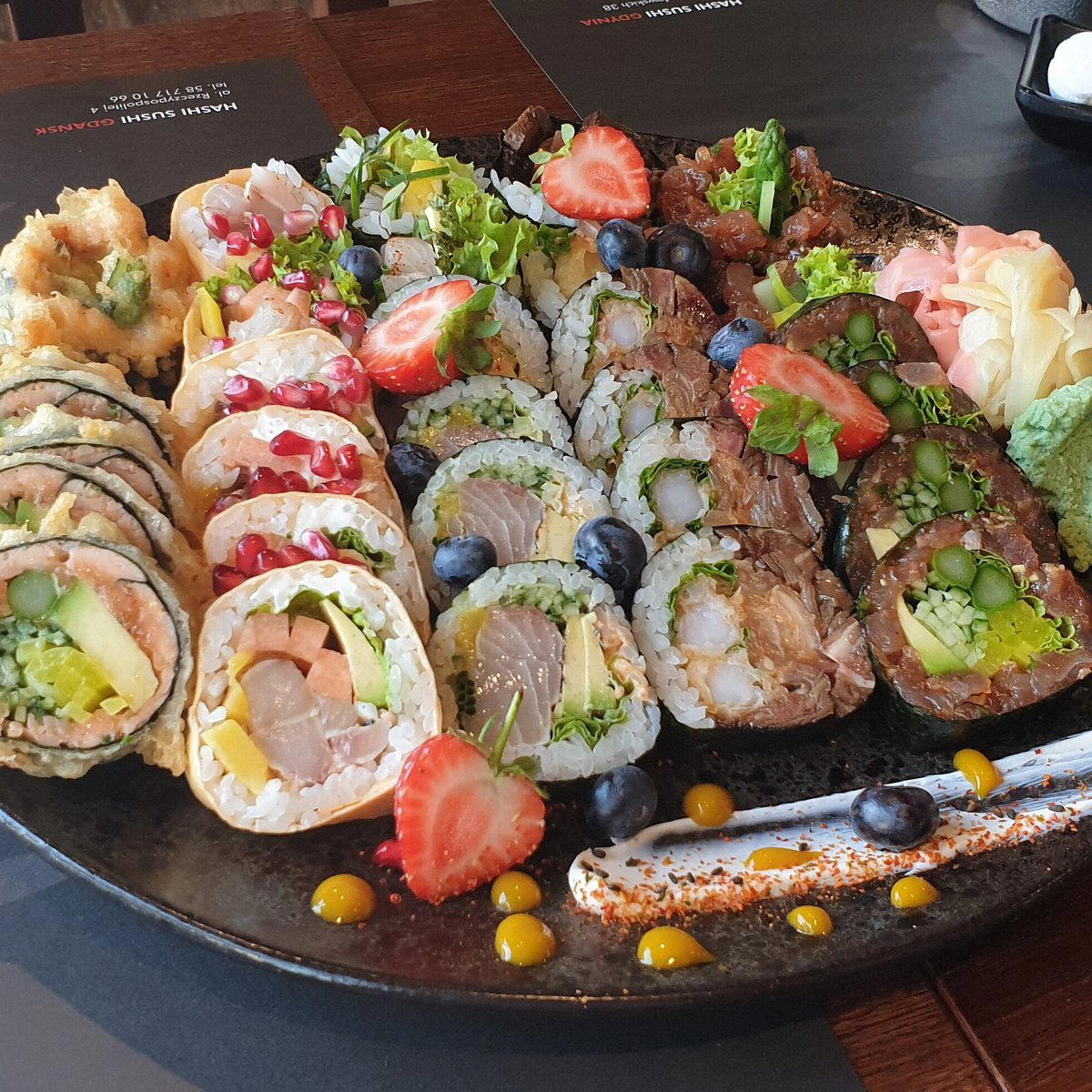
Sushi at the Baltic Edge
Polish cities have, over the past decade, developed sushi scenes that range from fast-casual maki chains to more considered counters where the sourcing conversation is taken seriously. Gdańsk sits in an interesting position within that spectrum: a port city with historic trade routes, a food culture shaped by proximity to the sea, and a dining public that has grown increasingly attentive to where fish actually comes from. Hashi Sushi, located at aleja Rzeczypospolitej 4/149 in the Przymorze neighbourhood, operates inside that context rather than despite it.
The address places it away from the dense tourist corridor of the Old Town, in a residential district where the clientele tends to be local and the expectations are shaped by repeat visits rather than passing curiosity. That geography matters for a sushi operation. Neighbourhood sushi counters, as a category, face a different accountability than destination restaurants. The regulars notice when the fish quality slips.
Where the Ingredients Conversation Begins
In Japanese culinary tradition, the sourcing of fish is not a marketing frame, it is the technical foundation. The temperature at which tuna is aged, the distance salmon travels before service, the decision to use Atlantic or Pacific species: these are the variables that determine whether a sushi counter is operating with integrity or simply presenting a familiar format. For Polish restaurants working in this tradition, the sourcing challenge is real. Japan-origin fish involves cold-chain logistics across significant distance; European alternatives require a willingness to rethink which species carry the tradition most honestly.
The broader Polish sushi scene has split along this fault line. Some operations import Japanese staples with the logistics costs built into their pricing. Others work with North Atlantic species, herring, Baltic salmon, trout from Polish rivers, and frame that as a regional interpretation of the form. The most considered counters do both, maintaining a core of imported species while incorporating local fish where the quality case is genuinely strong. Where Hashi Sushi positions itself within that split is central to understanding what it is offering.
For context, Polish fine dining has produced restaurants capable of operating at a high international level. Bottiglieria 1881 Restaurant in Kraków holds Michelin recognition, as does Arco by Paco Pérez in Gdańsk, which demonstrates that the city itself supports serious culinary ambition. The question for any specialist counter is whether it is engaging with that standard of ingredient discipline or operating in a more casual register.
Gdańsk's Restaurant Context
The city's dining scene has diversified considerably beyond its amber-and-pierogi tourist image. Within Gdańsk proper, there is a range of serious cooking happening. Canis and Durga represent the more ambitious end of the local restaurant conversation, while Flisak '76 anchors the mid-market with consistency. American-format dining has its own consistent following, with Billy's American Restaurant and Billy's American Restaurants Chmielna both maintaining a loyal regular base.
Japanese cuisine occupies a distinct category within all of this. It demands specialist knowledge to execute credibly and specialist knowledge to assess critically. The bar is not set locally; it is set against what diners know from Tokyo, from London, from New York counters like Atomix in New York City, where Korean-Japanese technique is applied at a level that reframes expectations for the whole format. Closer to home, across Poland, the reference points include Hattori Hanzo in Czestochowa, which has built a reputation specifically within the Polish Japanese-cuisine niche.
The Przymorze Approach
The Przymorze district, where Hashi Sushi operates, is a residential area to the northwest of the Old Town, developed primarily in the communist era and housing a mix of families, students from the nearby Gdańsk University of Technology, and professionals who work in the broader Tricity agglomeration. It is not a restaurant-destination neighbourhood in the way that the Old Town or Wrzeszcz are, which shapes the dynamic of any food business operating there. A sushi restaurant in Przymorze is serving a community rather than a tourist flow, and that is, from a quality-consistency perspective, a reasonable operating position.
The address at aleja Rzeczypospolitej is accessible by public transport from the city centre, and the Tricity agglomeration's tram and bus network makes the journey manageable for diners coming specifically for the meal rather than combining it with Old Town sightseeing. That practical reality means Hashi Sushi's customers are making a deliberate choice, which tends to correlate with higher engagement and more honest feedback loops for the kitchen.
Planning a Visit
Because specific hours, pricing, and booking details are not currently published in a format we can verify, the practical recommendation is to contact the restaurant directly before making a dedicated trip from the Old Town or from outside Gdańsk. For visitors building a broader Polish itinerary, the country's restaurant scene extends well beyond Gdańsk: Muga in Poznań, hub.praga in Warsaw, and Kwestia Czasu in Białystok each represent different facets of what Polish dining has become in the current decade. Further afield, Giewont in Kościelisko, Cudne Manowce in Olsztyn, Górnik in Krakow, and Włoska Restauracja Bellanuna in Rzeszow fill out the national picture. Our full Gdansk restaurants guide covers the city's dining options across categories and price points.
For fish-focused dining at a globally benchmarked level, Le Bernardin in New York City remains the standard reference for what disciplined seafood technique can achieve at full expression, useful context for understanding the gap between category ambition and category execution wherever you are eating.
Frequently asked questions
Where do I go for Hashi Sushi?
Hashi Sushi is located at aleja Rzeczypospolitej 4/149, 80-369 Gdańsk, Poland, Gdansk.
Is Hashi Sushi in Gdańsk suitable for a sit-down dinner, or is it more of a takeaway spot?
Based on its Przymorze address at aleja Rzeczypospolitej 4/149 in a residential quarter of Gdańsk, Hashi Sushi appears to function as a dine-in establishment rather than a street-facing takeaway counter. The format aligns more closely with the considered sushi restaurants emerging in Polish cities over the past decade than with fast-casual delivery operations. Confirm seating availability and hours directly with the venue.
What should I eat at Hashi Sushi?
Specific menu details are best confirmed directly with Hashi Sushi at their Przymorze location. In Poland's growing sushi scene, counters at this level typically centre the menu on nigiri and omakase-style courses where fish sourcing does the talking. Contact the venue at aleja Rzeczypospolitej 4/149 to ask what is freshest on a given day.
Can I walk in to Hashi Sushi?
The safest approach is to contact them in advance at aleja Rzeczypospolitej 4/149, Gdańsk, before making the trip.
What is Hashi Sushi known for?
Hashi Sushi operates in Gdańsk's Przymorze district, positioning itself within the more considered tier of Poland's sushi scene rather than the fast-casual maki segment. The Przymorze address, away from the Old Town tourist circuit, points to a neighbourhood-rooted operation with a local regular clientele.
How does Hashi Sushi handle allergies?
No formal allergy policy is documented for Hashi Sushi in Gdańsk. Standard practice at Japanese restaurants in Poland requires disclosing allergens including shellfish, sesame, and soy, but specific protocols should be confirmed directly with the venue before your visit.
Fast Comparison
Comparable venues nearby, for context on price, style, and recognition.
| Venue | Cuisine | Price | Awards | Notes |
|---|---|---|---|---|
| Hashi SushiThis venue (the venue you are viewing) | Traditional Japanese Sushi | $20–30 | Not listed | Not listed |
| Pierogarnia Mandu Gdańsk Śródmieście | Traditional Polish Pierogi | $10–20 | Not listed | Śródmieście |
| Restauracja Pueblo | Authentic Mexican & Tex-Mex | $10–20 | Not listed | Old Town |
| Canis | Modern Polish Fine Dining | $30–50 | Not listed | Stare Miasto |
| Flisak '76 | Themed Cocktail Bar | $10–20 | Not listed | Old Town |
| Villa Eva | Polish Fine Dining | $30–50 | Michelin Plate · Star Wine List | Wrzeszcz |
Continue exploring
More in Gdańsk
Restaurants in Gdańsk
All restaurants in Gdańsk →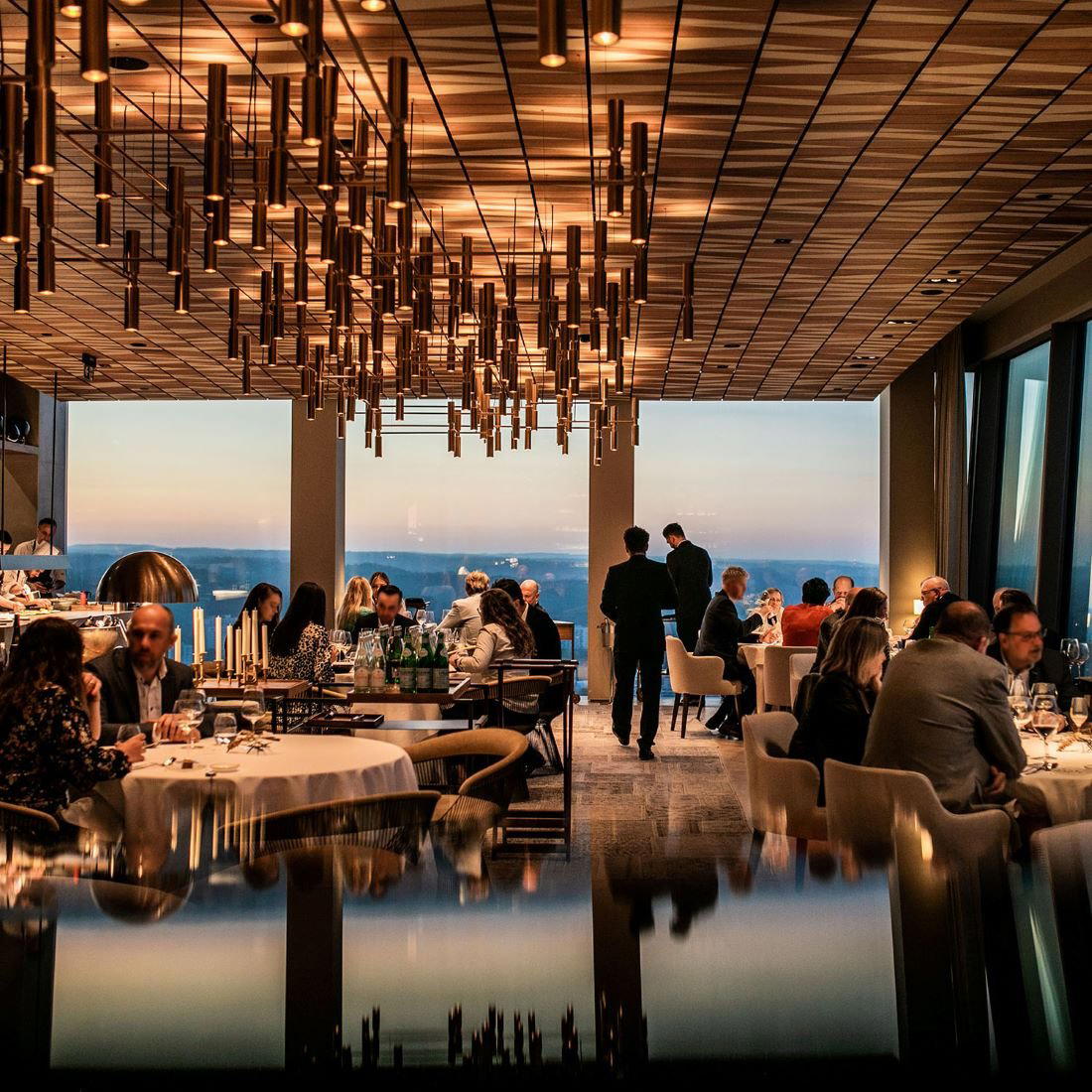
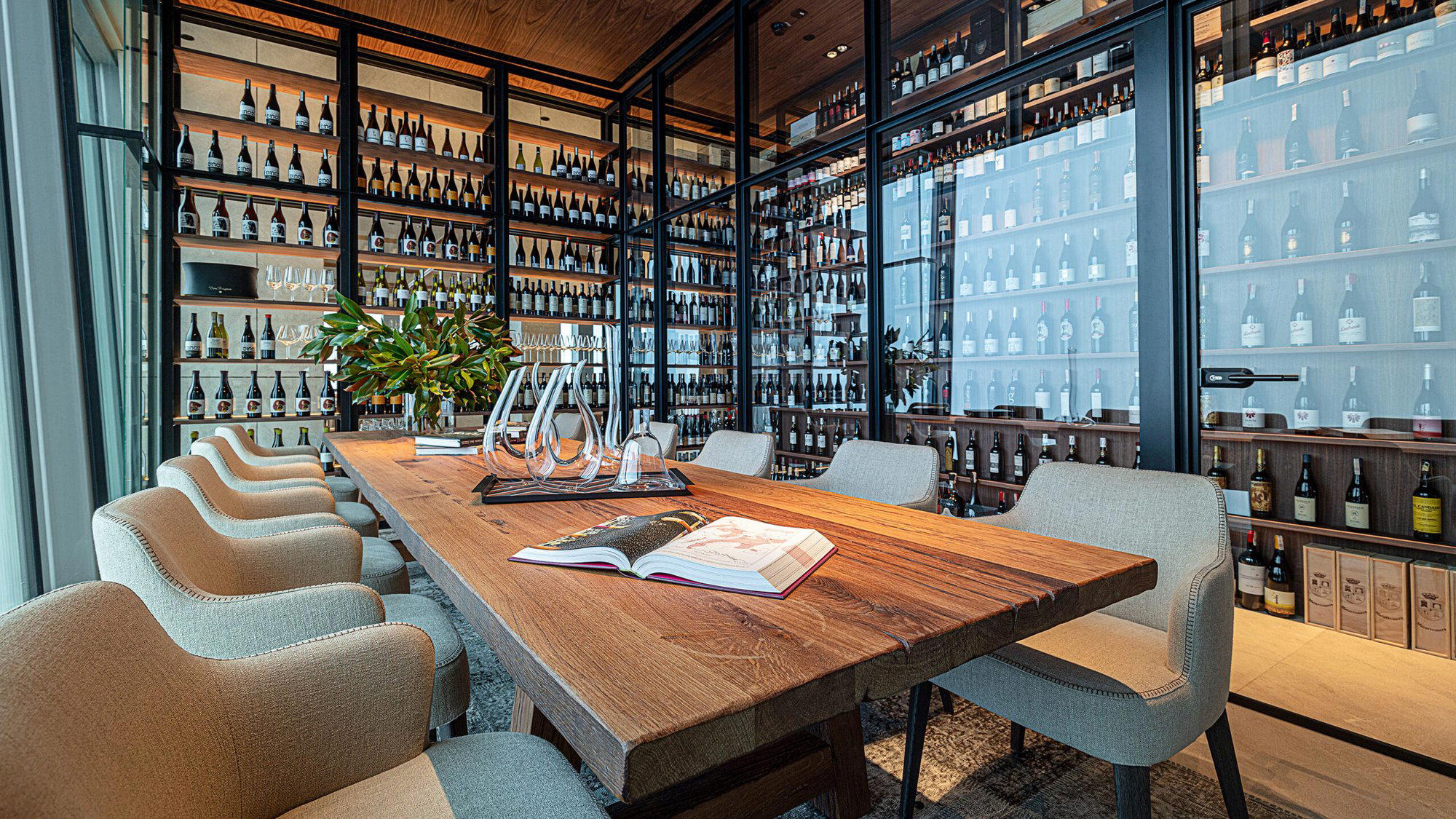
Details
- Cozy
- Modern
- Family
- Casual Hangout
- Date Night
- Open Kitchen
- Sake Program
- A La Carte
- Vegetarian Friendly
- Vegan Options
Current opening hours
- Monday
- 12–10 PM
- Tuesday
- 12–10 PM
- Wednesday
- 12–10 PM
- Thursday
- 12–10 PM
- Friday
- 12–10 PM
- Saturday
- 12–10 PM
- Sunday
- 12–10 PM
Hours can change for holidays and private events. Hours as of .
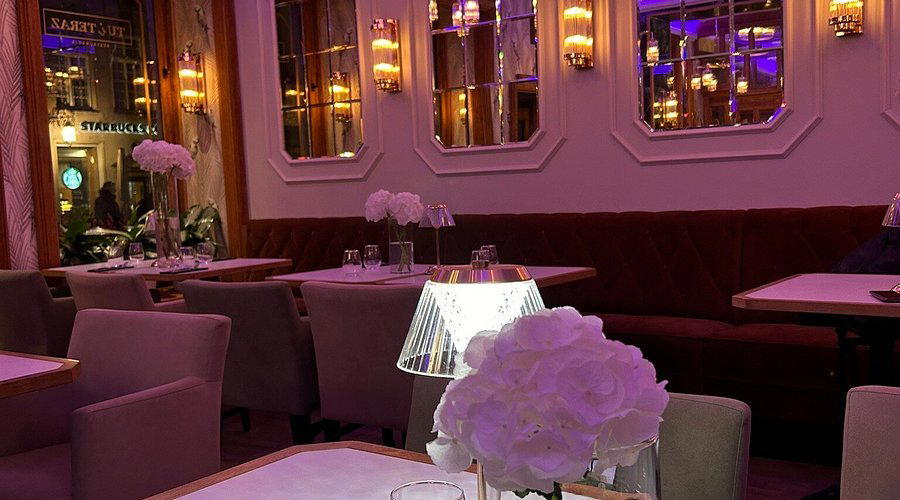
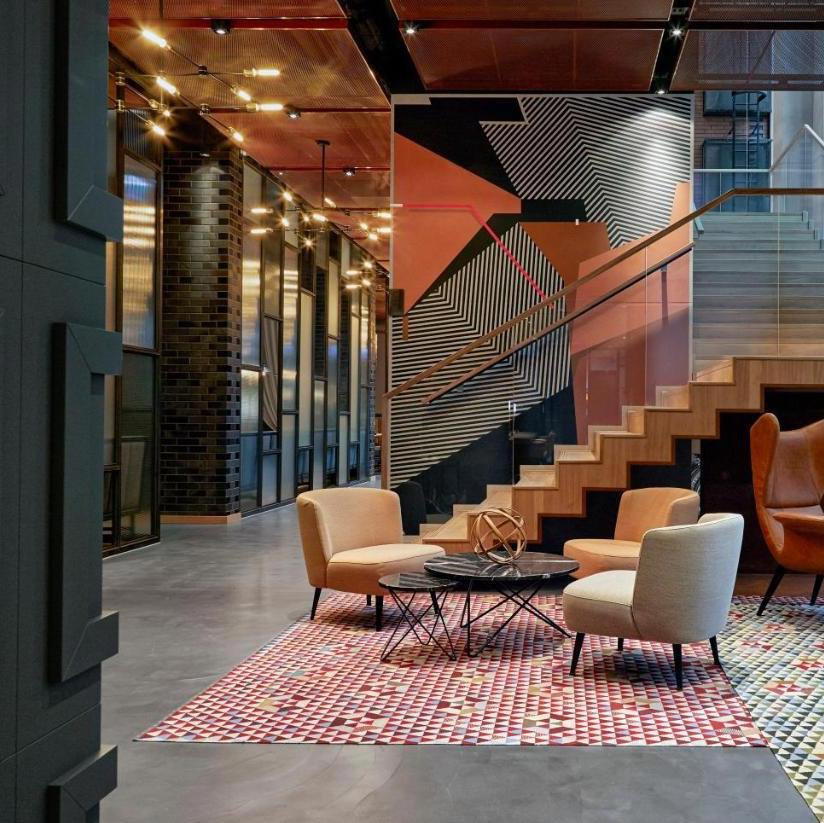
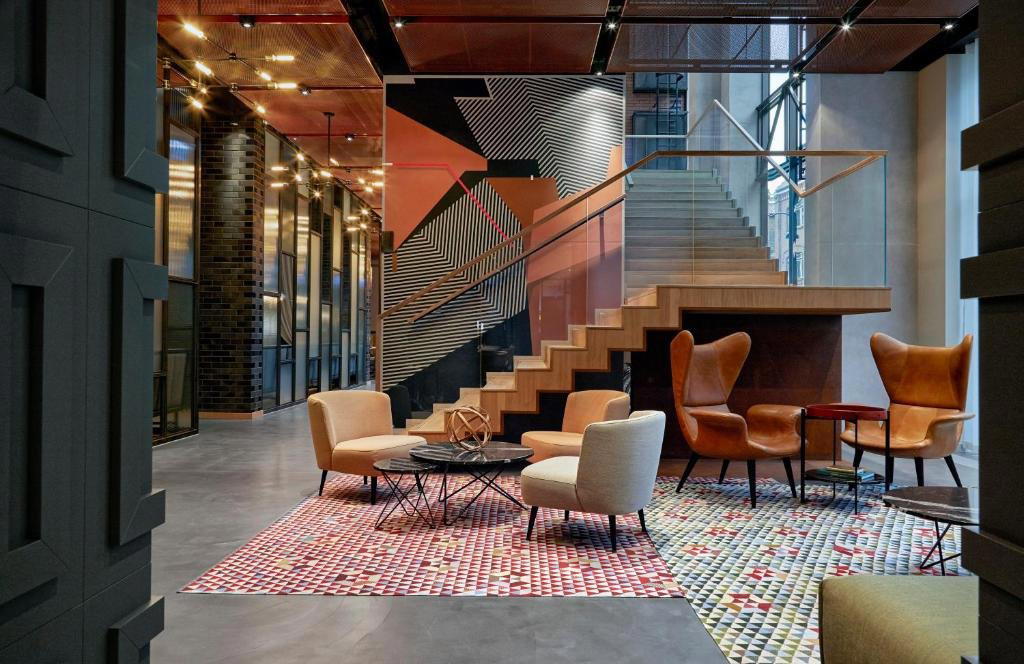
Cozy interiors inspired by Oriental culture with a friendly and welcoming atmosphere.