
Otoubashi Sumiy belongs to Nagoya’s more serious Japanese dining tier: course-only, fish-led, sake-aware, and small enough that the counter matters. Its selection for Tabelog 100 Japanese cuisine EAST 2025 gives it a clear quality signal, while the 15-seat format keeps the meal closer to a controlled progression than a casual seafood stop.
Pearl is the En Primeur Club membership app — saves, bookings, and concierge access live there. Same editors, same standards.
- Address
- 愛知県名古屋市中川区尾頭橋1-1-35 シティコーポ尾頭橋 1号棟 2F
- Phone
- +81523221170
- Website
- nagoya-sumiya.jp
 Saves & bookings on Pearl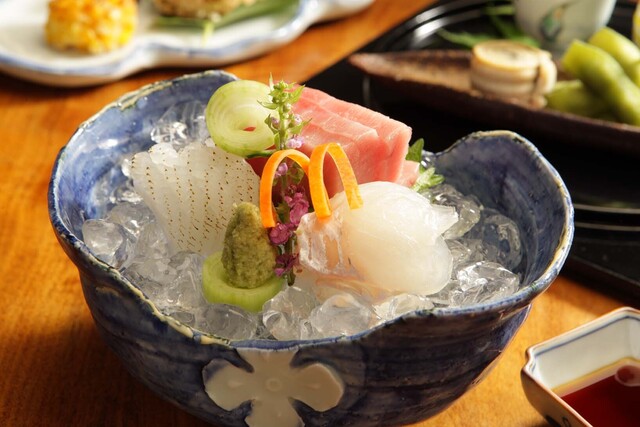
Approach the meal as a sequence, not a menu. Nagoya’s serious Japanese restaurants often reveal themselves through pacing: a restrained opening, a fish course setting the centre of gravity, a warm dish changing the register, and sake doing quiet work in the background. Otoubashi Sumiy sits in that tradition, with course meals at lunch and dinner and a room scaled for concentration rather than turnover.
The Otobashi area gives the restaurant a different rhythm from Nagoya Station or Sakae dining districts. This is not hotel-lobby Japanese cuisine, nor quick counter cooking around transport hubs. The address places the experience in Nakagawa-ku, close enough to Kanayama for access but far enough from the obvious restaurant circuits to feel deliberately chosen. For a broader read on the city’s dining range, see Our full Nagoya restaurants guide.
A fish-led course format in Nagoya's serious Japanese dining tier
Nagoya’s Japanese cuisine is often discussed through miso-katsu, hitsumabushi, kishimen, and regional comfort food, but the city also supports a quieter tier of kappo-style and seafood-led rooms. Here, meals are judged less by novelty than control: fish handling, movement between temperatures and textures, and whether the drinks list supports the food. Otoubashi Sumiy’s public positioning is clear: Japanese cuisine and seafood, course meals only, with sake, shochu, wine, and a sommelier available.
The Tabelog 100 Japanese cuisine EAST 2025 selection places the restaurant inside a broader Japanese dining conversation, not just a local Nagoya one. Tabelog’s Hyakumeiten lists are not Michelin stars and should not be read as the same award. They are useful signals in Japan because they identify restaurants with sustained attention within a category. The 2025 Japanese cuisine EAST selection, alongside a Tabelog score of 3.74, puts this address above the everyday neighbourhood washoku bracket.
That distinction is clearer against the city’s lower-priced casual field. Binyan, Nakamura So, Nepali Chulo, BISTRO YOKOCHO, and Yakiniku Jingu occupy different Nagoya price and format bands, from inexpensive daily dining to approachable yakiniku and bistro spending. Otoubashi Sumiy belongs to another decision category: a planned Japanese course meal built around progression, drink-pairing logic, and a small room rather than speed or variety.
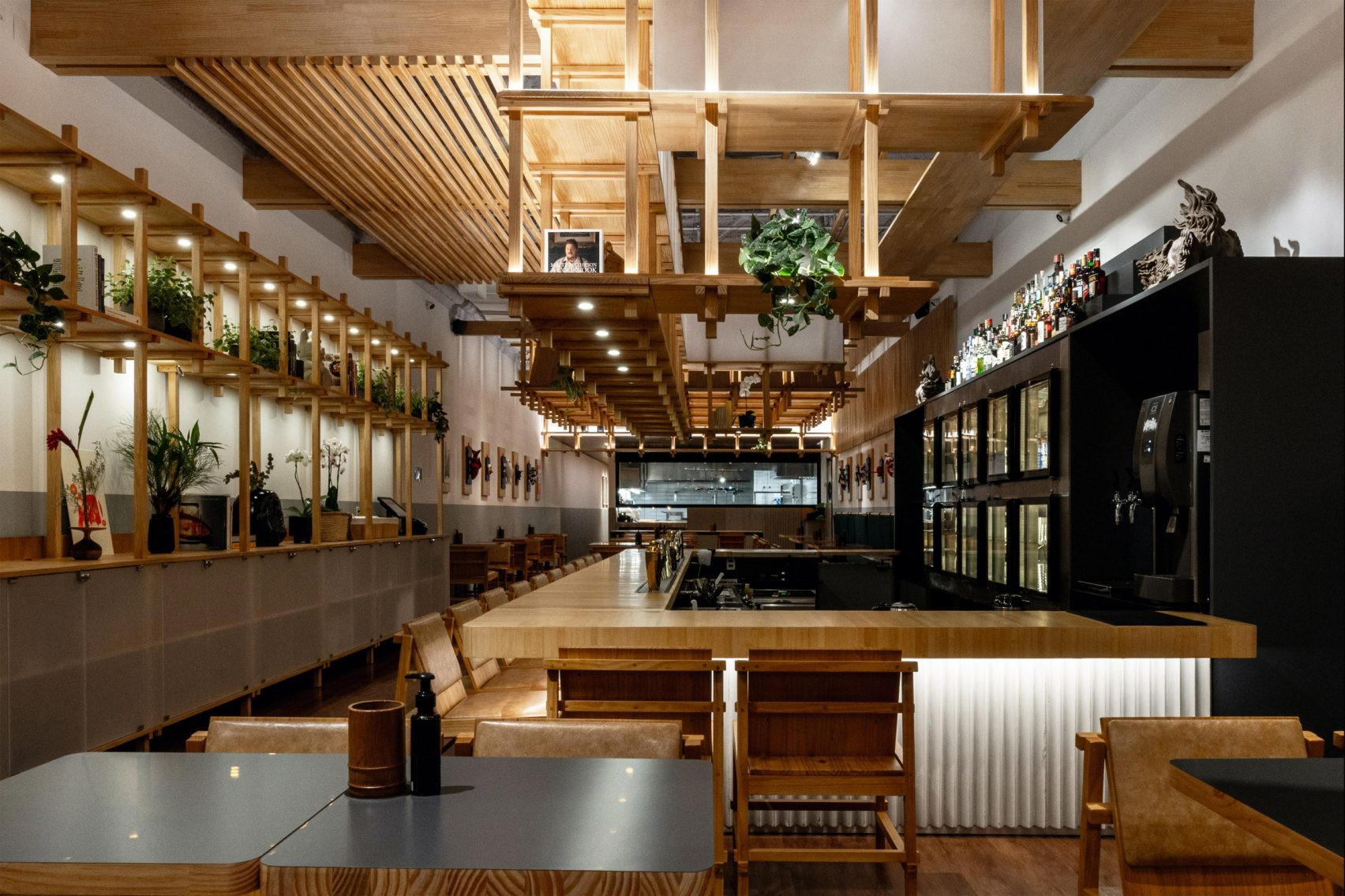
The seat count reinforces the format. Fifteen seats, including five at the counter, is small enough for the kitchen’s timing to shape the evening. Counter seats narrow the distance between preparation and service; private rooms for four, six, and eight guests shift the same cuisine toward business dining or a contained social meal. The point is not theatrical exposure, but control over the meal’s rhythm.
The pleasure is in the sequencing, not a signature dish chase
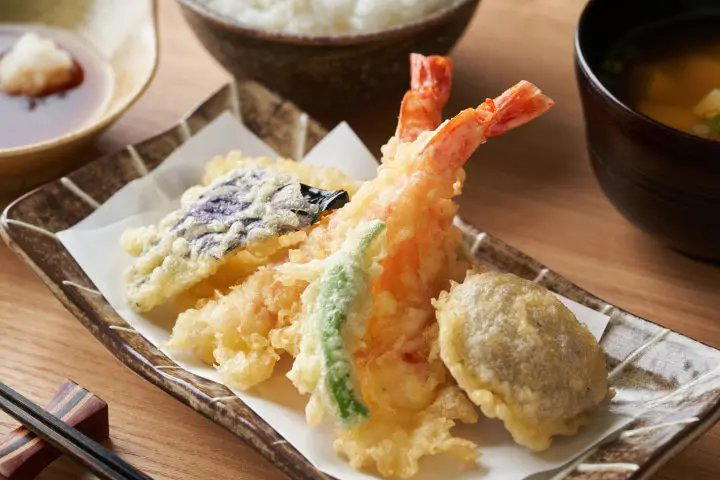
A course-only Japanese restaurant is better read by sequence than by hunting for a single named dish. That approach belongs to casual travel eating, where a bowl, skewer, or grilled item defines the stop. Here, interest lies in the kitchen’s ordering. Fish forms the centre of gravity, while the broader arc depends on restraint: lighter preparations early, deeper flavours later, and drinks moving from sake to wine without becoming a pairing performance.
Nagoya’s position helps. The city sits between major coastal and inland food cultures, with access to seafood, river fish traditions, and the stronger seasoning profile associated with Aichi cooking. A seafood-led Japanese course restaurant need not mimic Tokyo’s counter minimalism or Kyoto’s ceremonial register. In Nagoya, the format can be pragmatic: polished enough for business, serious enough for diners tracking national recognition, and intimate enough that a small counter changes the experience.
The drinks detail is a genuine signal. Sake is emphasised, shochu and wine are present, BYO is available, and a sommelier is part of the service profile. In a fish-led course meal, that range matters because pairing is rarely linear. Sake can carry early seafood and steamed or simmered courses; wine becomes useful when cooking gains fat, char, or deeper sauce work. The format suggests a drinks list integrated into pacing rather than appended as a prestige marker.
The room also sets expectations. A non-smoking policy, counter seating, private rooms, and a course-only structure point to a composed meal rather than a casual izakaya evening. Families are not excluded, but suitability is framed around guests old enough to eat the same food as adults: a useful Japanese distinction that signals maturity of format without turning the room into a formal temple.
How to place it in a Nagoya itinerary
The restaurant suits travellers who already understand Nagoya beyond headline comfort dishes and want a Japanese course meal centred on seafood. It is less persuasive as a first-night, jet-lagged, graze-and-go choice. The format rewards attention, and the small scale means the evening should be planned as a primary booking, not one stop among several.
For a wider Nagoya trip, the contrast is useful. Restaurants such as 1022, 451, Aaron, Alan., and All Day Dining Montmartre show the city’s restaurant variety, but a course-only Japanese seafood room plays a separate itinerary role: the slot for a measured dinner, not a survey of trends.
The wider planning matrix matters too. Pair this kind of meal with the city’s hotel geography rather than treating Nagoya as a transit stop between Tokyo and Kyoto; Our full Nagoya hotels guide helps with that. Drinking plans can sit elsewhere through Our full Nagoya bars guide, while Our full Nagoya wineries guide and Our full Nagoya experiences guide round out a city that rewards slower planning.
Readers comparing Japanese dining across cities can map the format against specialist addresses, from -Grilled beef Sukiyaki- KAMAKURA TANUKIAN 鎌倉 たぬき庵 in Kamakura to. 鮪と炭火焼き うお炭 秋葉原店 in Tokyo.cafe in Osaka.know in Kumamoto, (Shoku) Vietnam in Kawasaki, and [Curry Senmon Ten] Maruyama Kyoju. in Sapporo. For sake-adjacent context outside Japan, Jōdo Saké Bar in Los Angeles and Onigiri Time in Pasadena show how Japanese formats translate abroad, though this Nagoya address remains rooted in course-meal grammar: timing, fish, and restraint.
Comparison Snapshot
Comparable venues by cuisine and category.
| Venue | Cuisine | Price | Notes |
|---|---|---|---|
| Otoubashi SumiyThis venue — the venue you are viewing | Seasonal Japanese Kaiseki | $$$ | Not listed |
| Kappo Hosono | Seasonal Japanese Kappo Counter | $$$ | Higashi |
| Otani | Kaiseki and Omakase | $$$ | Nakamura |
| Senkun'an | Japanese Teppanyaki Steakhouse | $$$ | Meitō |
| Yakitori Sensho | Nagoya Cochin Yakitori | $$$ | Higashi |
| Chisouan Hijiri | Traditional Kyoto-style kaiseki | $$$ | Higashi |
Recognition history
Dated appearances from independent guides and award organizations, with the underlying list record or original source where available.
Tabelog 100 #21 · No. 21
Tabelog · Tabelog 100 - Japanese cuisine - EAST - 2025
Continue exploring
More in Nagoya
Restaurants in Nagoya
Browse all →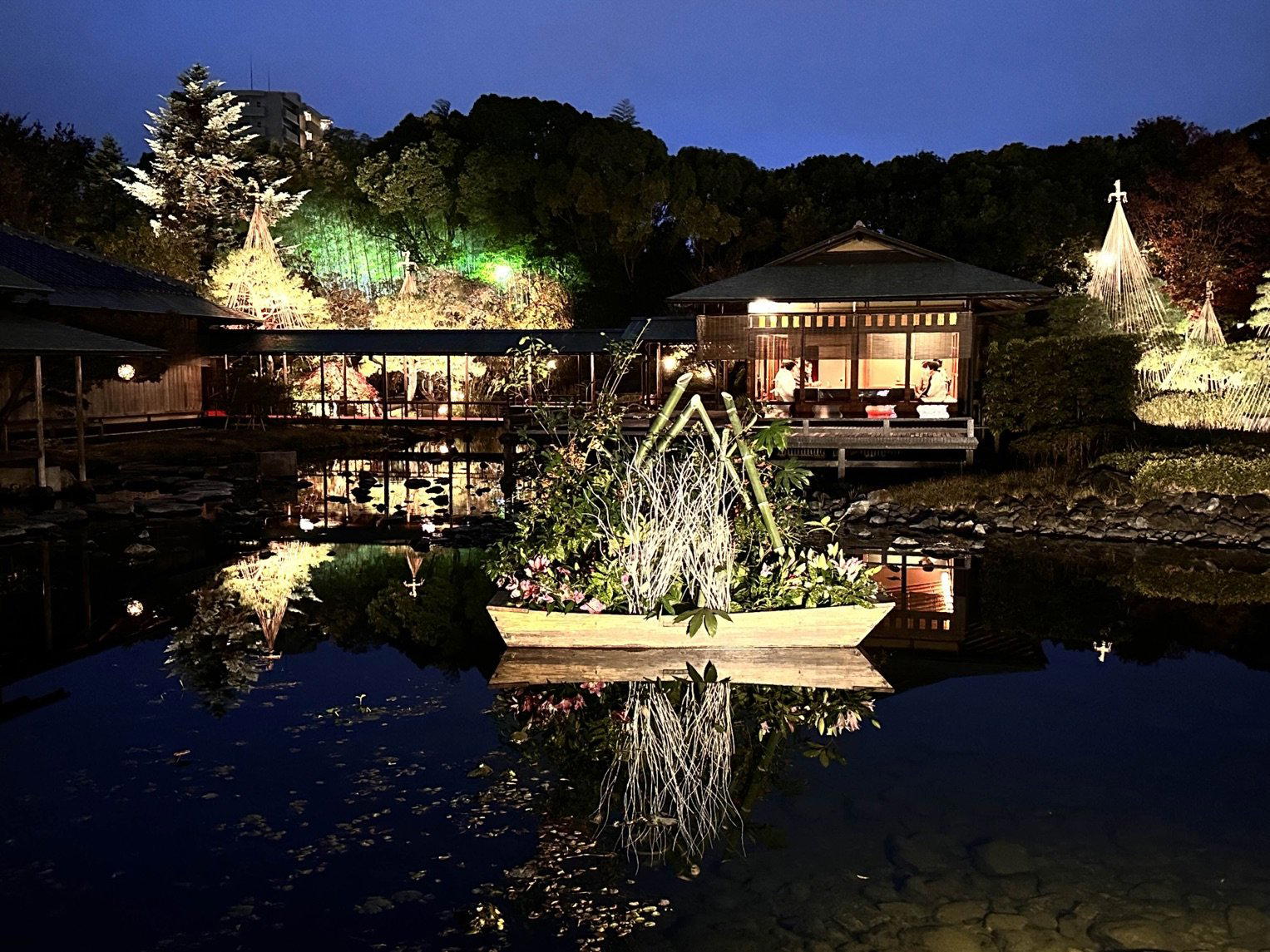
At a Glance
- Quiet
- Elegant
- Intimate
- Sophisticated
- Classic
- Business Dinner
- Special Occasion
- Private Event
- Group Dining
- Private Dining
- Standalone
- Sake Program
- Beer Program
- Local Sourcing
A calm, tranquil Japanese interior with a refined, understated atmosphere suited to business dinners and formal gatherings.