Table 22
Our verdict
Table 22 sits on Hertstraat in Denderleeuw, a Flemish town that punches above its size in terms of serious dining. Visitors to the East Flanders corridor should factor it into any considered itinerary.

Pearl is the En Primeur Club membership app, where members save venues, book tables and use the concierge.
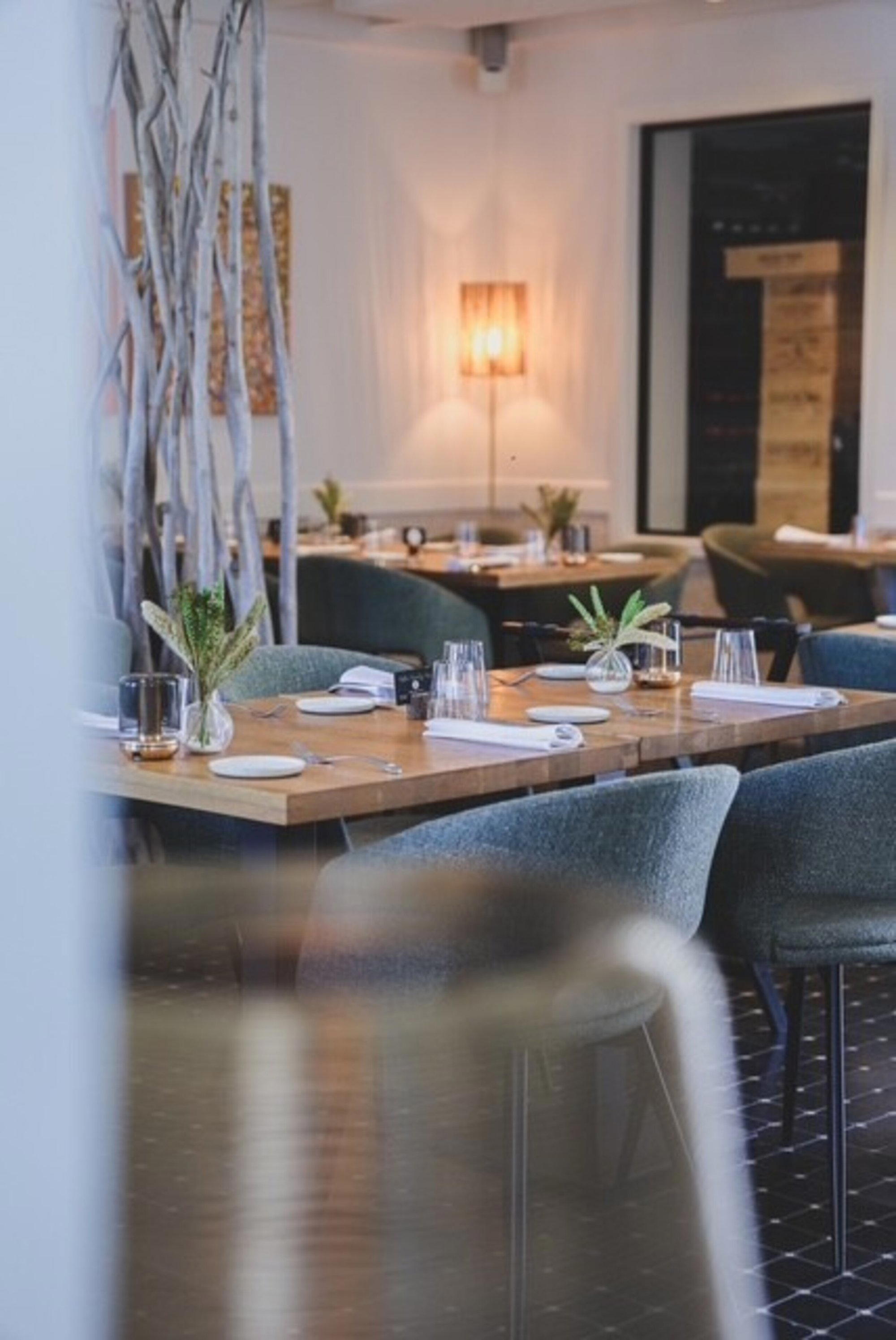
Denderleeuw and the Quiet Case for Flemish Neighbourhood Dining
Belgium's most interesting restaurant addresses have rarely been its most obvious ones. While Brussels and Antwerp carry the media weight, a string of serious kitchens runs through East Flanders in towns that don't appear in airport lounge guides: Kruishoutem, Oudenburg, Beveren, and now Denderleeuw. Table 22, located at Hertstraat 22 in the centre of Denderleeuw, belongs to this tradition of dining rooms that earn their reputation through the plate rather than the postcode. The town sits in the Dender valley, roughly equidistant between Brussels and Ghent, which means it draws from both urban dining cultures without being entirely shaped by either. For the kind of reader who cross-references a restaurant against its regional context before booking, that positioning matters.
The Flemish restaurant tradition has long favoured this model: a chef-anchored address in a mid-sized or small town, where land costs allow for larger kitchens, better supplier relationships, and menus that don't need to perform for a tourist crowd. Hof van Cleve in Kruishoutem is the clearest example at the top of the tier, and Castor in Beveren demonstrates how the model travels across the province. Table 22 occupies a similar geographic logic: removed enough from the city to operate on its own terms, connected enough to attract guests making a deliberate trip.
Where the Food Comes From: Ingredient Sourcing in East Flanders
Belgium's culinary identity is built as much on sourcing networks as on technique. The country's relatively small geography means chefs can maintain close relationships with farmers, fishmongers, and foragers in ways that larger nations make structurally difficult. East Flanders, in particular, sits at the intersection of North Sea supply chains and interior agricultural land, a combination that gives kitchens in towns like Denderleeuw access to both coastal produce and locally grown vegetables, game, and dairy within a short radius.
This sourcing geography shapes the character of Flemish cooking more than any single technique. The leading addresses in the region, from De Jonkman in Sint-Kruis to Willem Hiele in Oudenburg, have built menus that reflect the provenance of their ingredients rather than imposing an external culinary framework. The proximity to the Dender river and the surrounding agricultural belt around Denderleeuw suggests the kind of local supply network that supports seasonal, produce-led cooking. While specific menu details for Table 22 are not available through verified channels, the East Flanders context provides a reasonable frame: expect cooking shaped by what the region produces rather than imported luxury signifiers.
Belgium's broader fine dining scene increasingly measures ambition through sourcing transparency rather than classical technique alone. Kitchens at L'air du Temps in Liernu and Nuance in Duffel have each staked a distinct identity around where their produce originates. Table 22, operating in a town with direct access to that same agricultural supply, positions itself within this current rather than against it.
Reading the Room: What Hertstraat 22 Signals
A restaurant named for its street number and located on a residential-scale street in a Flemish town is making a deliberate statement about its orientation. The address format, Hertstraat 22, echoes a long tradition of Belgian dining rooms that derive their identity from place rather than brand. The name is not a concept; it is a coordinate. That restraint in naming tends to correlate with a certain kind of hospitality: attentive but not theatrical, focused on the table rather than the room's designed atmosphere.
This contrasts with the trend toward high-concept dining experiences that has reshaped urban Belgian addresses. At the higher end of the Brussels market, venues like Bozar Restaurant operate within an arts-institution framework that makes the context as important as the cooking. Neighbourhood addresses like Table 22 invert that logic: the cooking is the entire argument. Comparably positioned rooms in Belgium, from Maison Colette in Tongerlo to La Durée in Izegem, have demonstrated that this model sustains serious ambition over time. The peer comparison is instructive even before a single dish is described.
Belgium in European Context: Why Small-Town Fine Dining Works Here
It is worth placing Denderleeuw's dining scene within a wider European frame. Belgium has a higher density of Michelin-starred restaurants per capita than France, a fact that reflects both a culturally embedded appetite for serious dining and a restaurant economics model that works outside major cities. Towns that would support only a casual bistro in most European countries sustain kitchens of genuine ambition in Belgium. La Table de Maxime in Our and d'Eugénie à Emilie in Baudour both operate in small Belgian towns and maintain reputations that draw diners from well outside their immediate catchment. Table 22 sits within this same structural reality.
For international visitors calibrating Belgium against comparable dining cultures, the reference points are instructive. The standard set by kitchens like Le Bernardin in New York or Atomix in New York relies on urban density and media attention to sustain its position. Belgian fine dining, by contrast, has developed a parallel model where critical mass comes from a nationally embedded dining culture rather than tourist volume. Table 22 is legible within that Belgian model, not the international urban one.
Planning a Visit to Table 22
Denderleeuw is accessible by train from both Brussels (approximately 30 minutes from Brussels-Central) and Ghent, placing it within easy reach for visitors already based in either city. The address on Hertstraat puts it in a walkable part of the town centre. For anyone building an East Flanders dining itinerary, pairing a visit to Denderleeuw with other serious addresses in the corridor, including Boury in Roeselare or Bartholomeus in Heist, makes logistical sense. Our full Denderleeuw restaurants guide provides broader context for dining in the area. For a complete picture of Belgian fine dining beyond East Flanders, Le Chalet de la Forêt in Uccle represents the Brussels-south benchmark worth knowing.
Frequently asked questions
Can I bring kids to Table 22?
Nothing in the public record explicitly confirms or rules out a family-friendly policy at Table 22. Given its address on a residential-scale street in Denderleeuw, the kind of setting that typically reads as an intimate, adult-oriented room, contacting the restaurant directly before visiting with children is advisable. The neighbourhood format often correlates with quieter, closer dining rooms where young guests may be disruptive.
What's the vibe at Table 22?
A restaurant that names itself after its street address at Hertstraat 22 in Denderleeuw is not competing for attention, the address is the statement. Expect a room oriented around the food and the table rather than theatre or scene, consistent with the Flemish neighbourhood dining tradition where the surrounding town is quiet and the dining room tends to follow suit. This is not a buzzy city-centre venue; it draws guests who come with purpose.
Is Table 22 in Denderleeuw worth the trip from Brussels or Ghent?
Denderleeuw sits roughly 30 minutes by train from Brussels-Central and is also accessible from Ghent, making the logistics straightforward for a deliberate dining excursion. Belgium's density of serious restaurants outside its major cities is well-documented, the country holds more Michelin stars per capita than France, which gives smaller addresses like Table 22 on Hertstraat 22 a credible claim on the out-of-town visit. The case is less about convenience and more about the kind of meal that requires leaving the city to find.
What should I eat at Table 22?
What the East Flanders region broadly supports is a kitchen culture built on close relationships with local producers, shorter supply chains and seasonal Belgian sourcing are standard at this tier of Flemish neighbourhood restaurant. Arriving without fixed expectations and trusting the menu as written is the approach that suits a venue of this type.
In Context: Similar Options
Comparable venues nearby, for context on price, style, and recognition.
| Venue | Cuisine | Price | Awards | Notes |
|---|---|---|---|---|
| Table 22This venue (the venue you are viewing) | Modern French Brasserie | Not listed | Not listed | Not listed |
| The Phlox | French-Belgian Brasserie | Not listed | Not listed | Brakel |
| Café des Spores | Mushroom-Centric French / European Bistro | $30–50 | Not listed | Saint-Gilles |
| Steendam 66 | Classic French-Belgian Bistro | Not listed | Not listed | Binnenstad |
| Retro | Belgian & French Bistro | $30–50 | Not listed | Izegem |
| L' Auberge des Maïeurs | Farm-to-Table French Bistro | $50–100 | We're Smart World 3 Radishes | Sint-Pieters-Woluwe |
Continue exploring
More in Denderleeuw
Restaurants in Denderleeuw
All restaurants in Denderleeuw →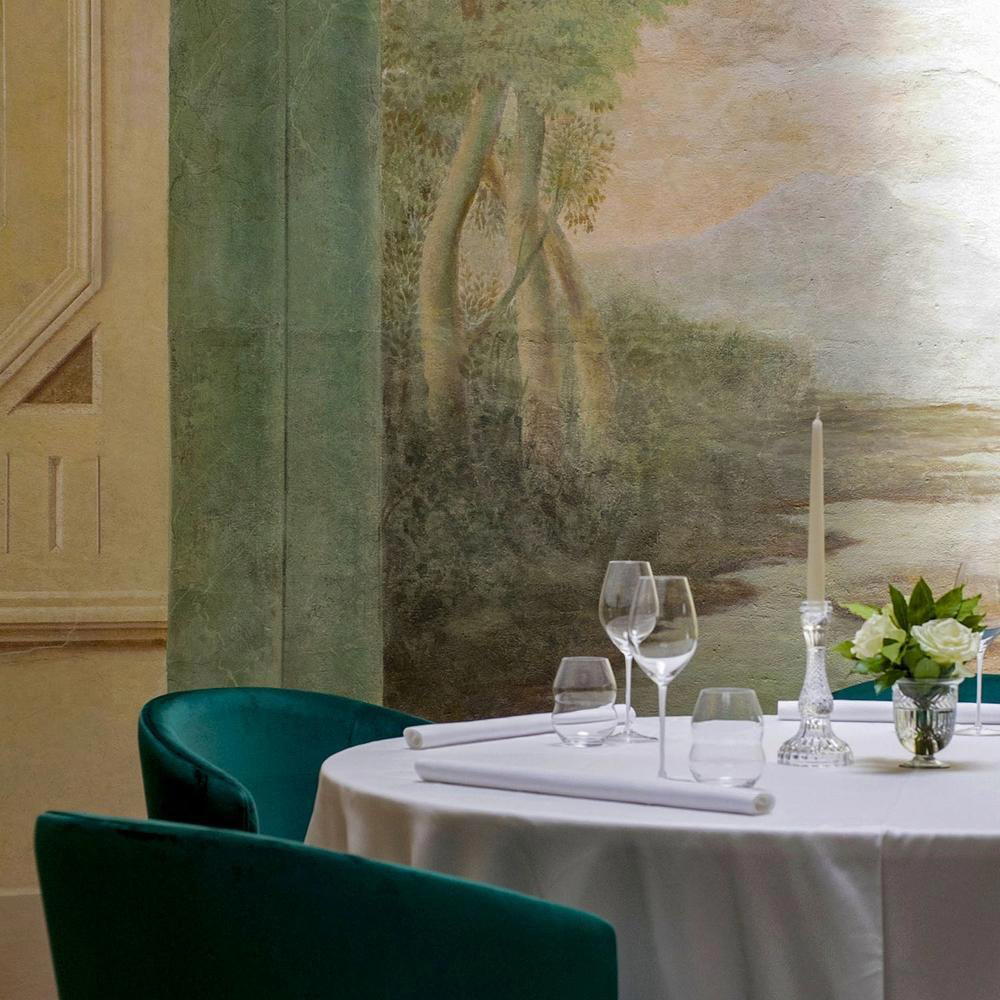
Details
- Cozy
- Elegant
- Classic
- Date Night
- Special Occasion
- Terrace
- A La Carte
- Vegetarian Friendly
Current opening hours
- Monday
- Closed
- Tuesday
- Closed
- Wednesday
- Closed
- Thursday
- 12–2 PM, 6:30–9 PM
- Friday
- 12–2 PM, 6:30–9 PM
- Saturday
- 6:30–9 PM
- Sunday
- Closed
Hours can change for holidays and private events. Hours as of .
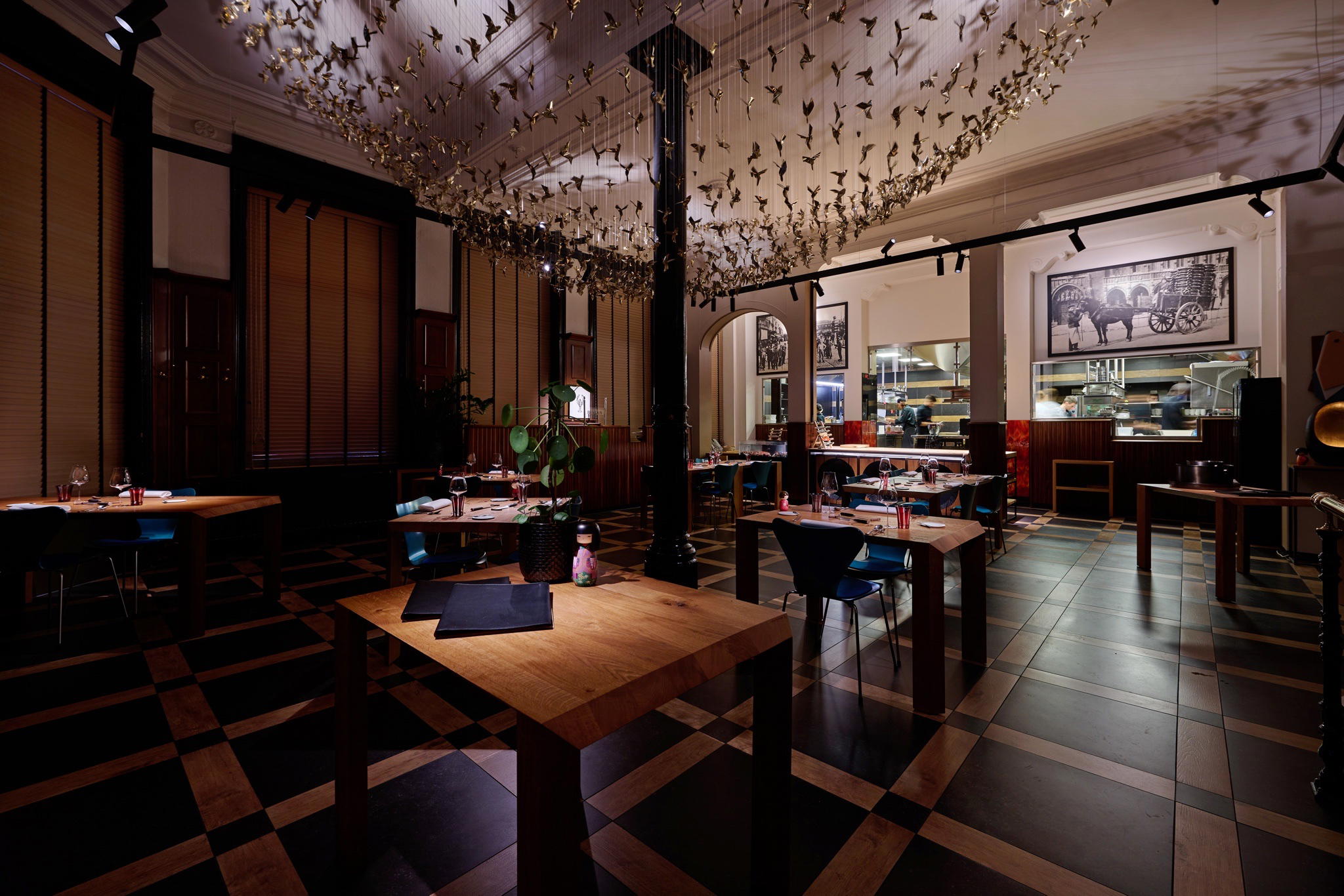
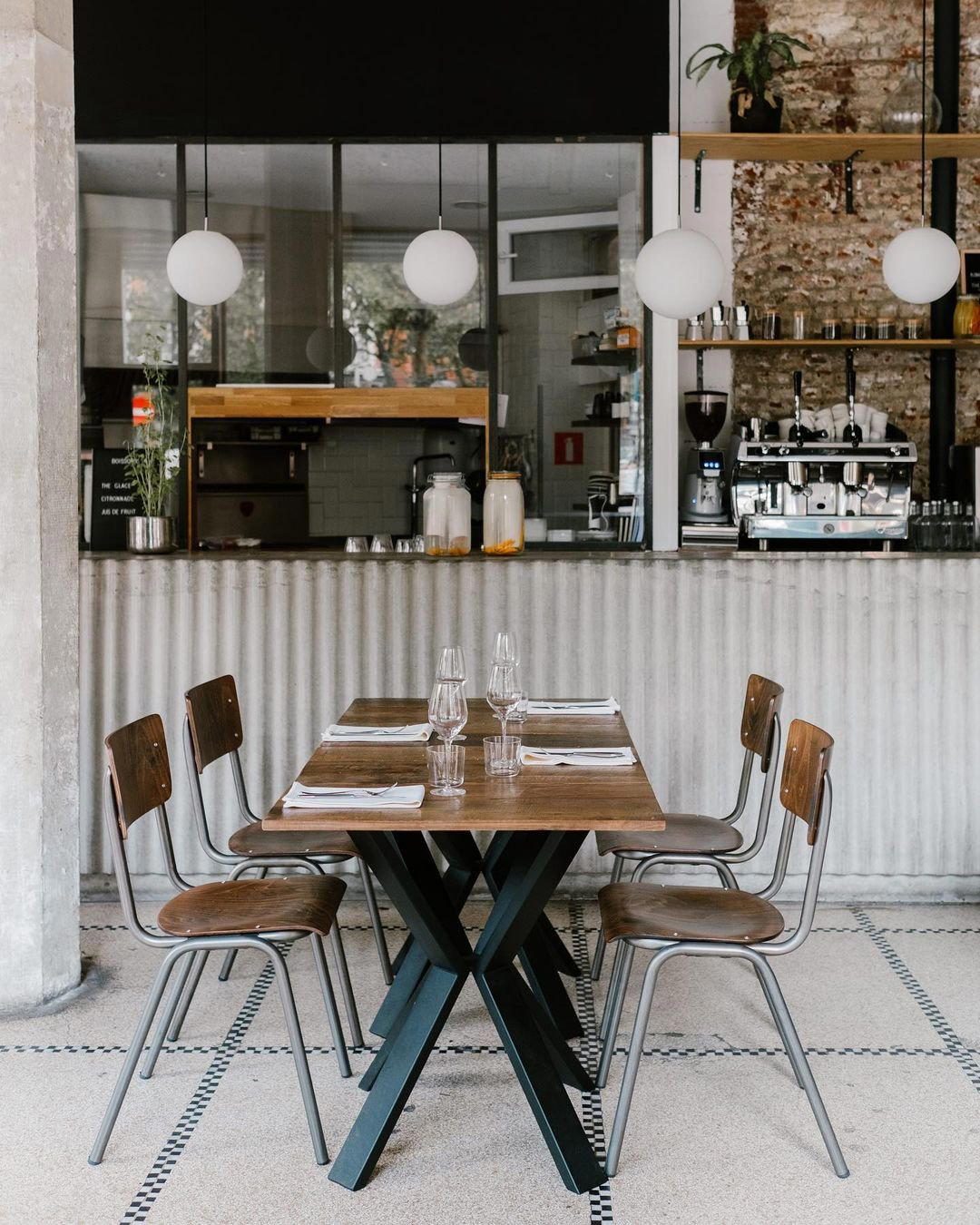
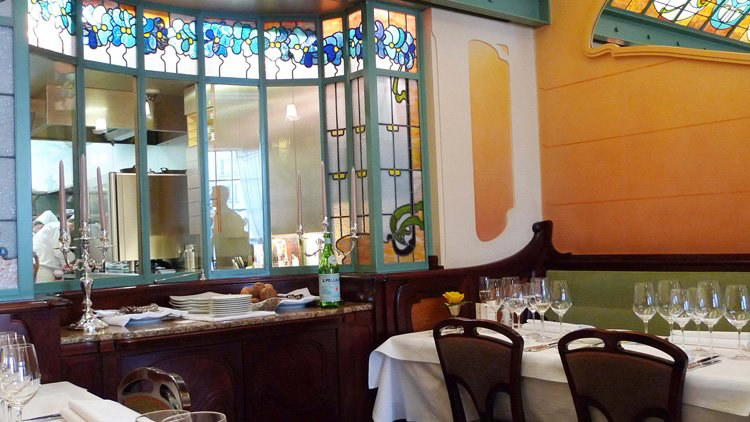
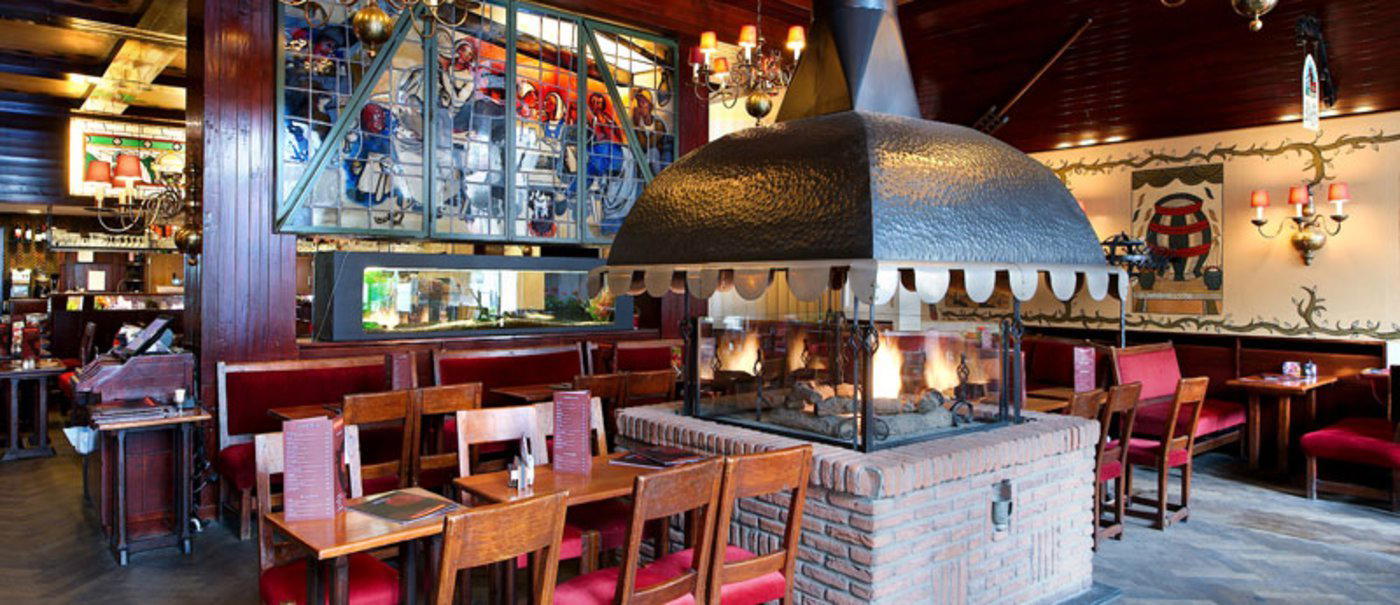
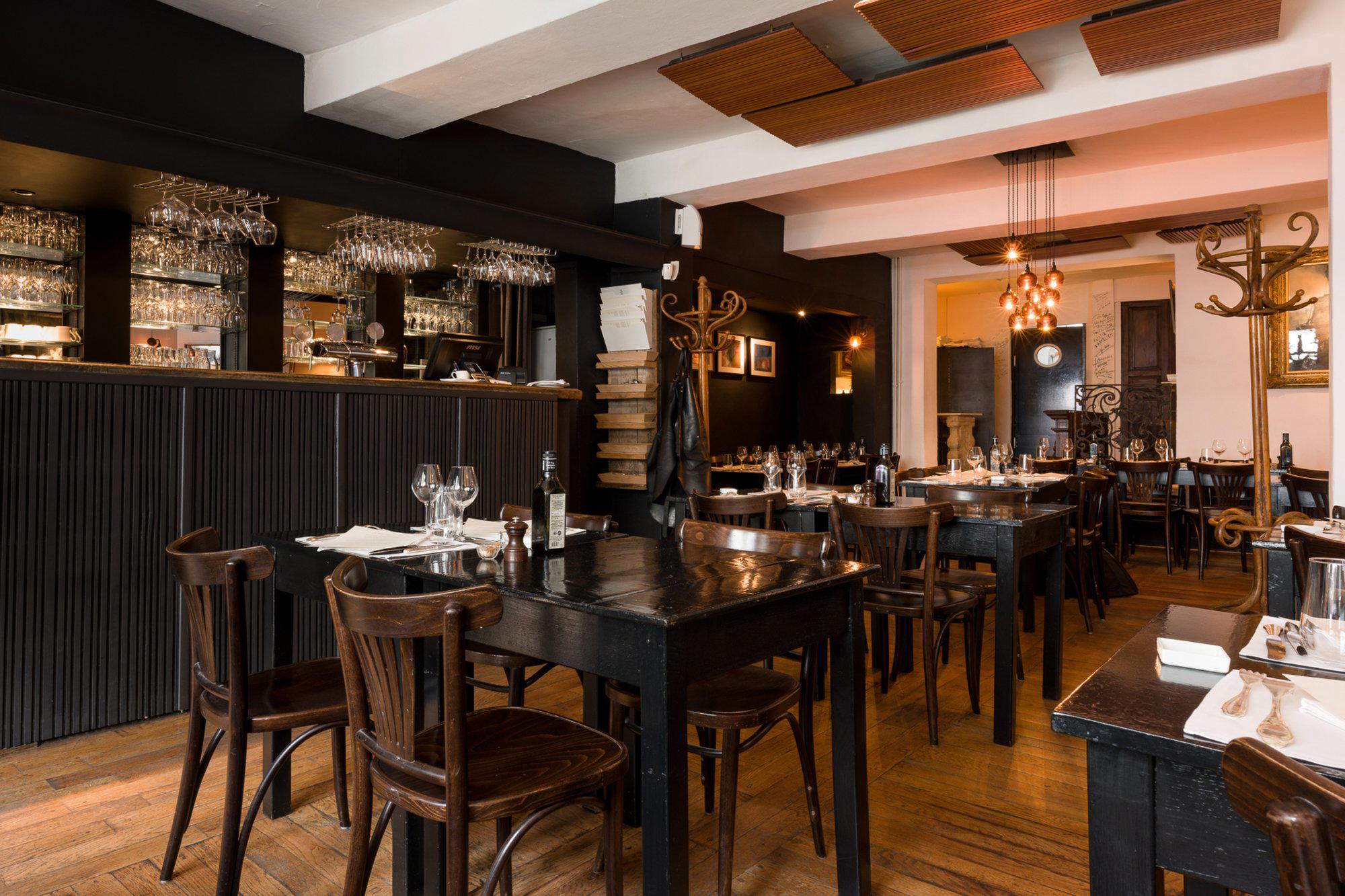
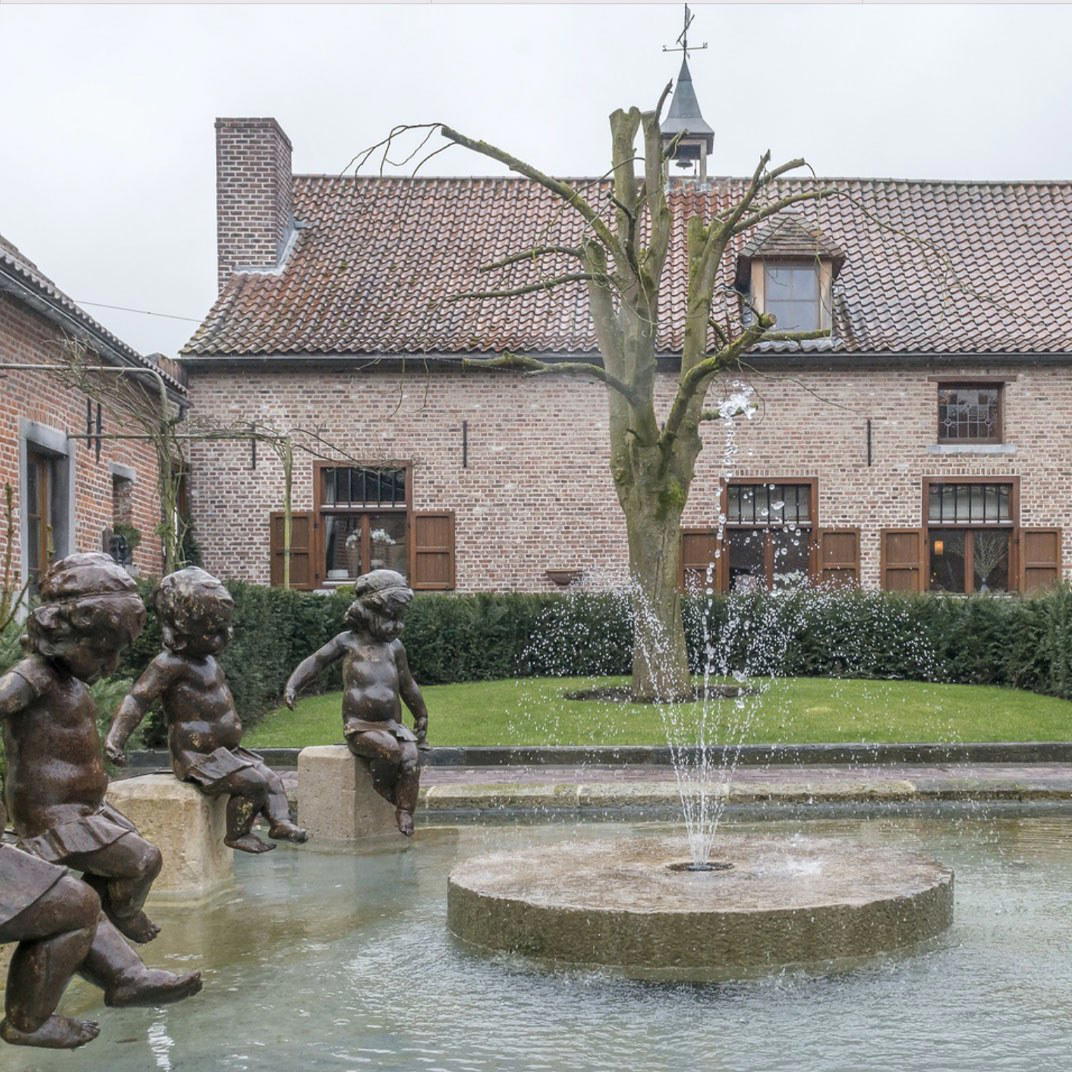
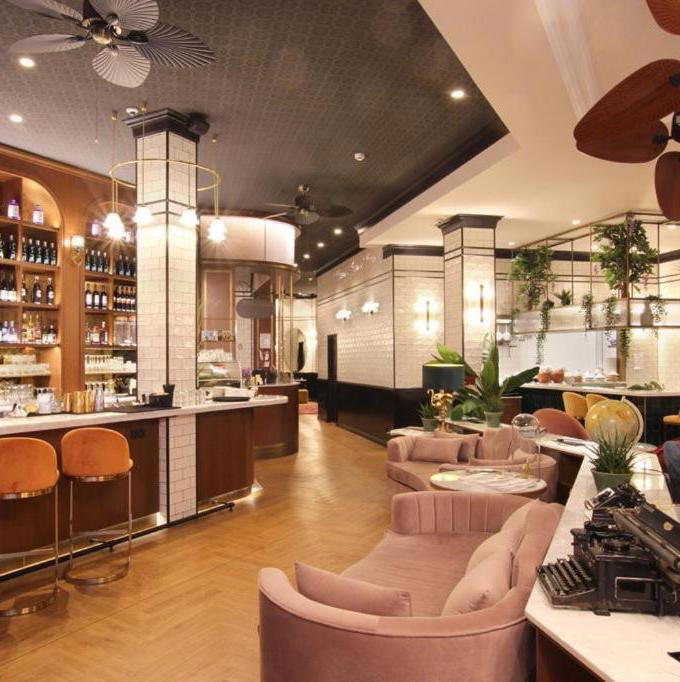
Cozy interior welcoming in winter and covered terrace in Ibiza style for aperitifs in summer.