The Phlox occupies a quiet address on Reepstraat in Brakel, a small Flemish Ardennes town where the dining scene rewards those who look beyond the obvious. With Belgium's broader farm-to-table tradition as its backdrop, the restaurant positions itself within a regional circuit that takes ingredient provenance seriously. For context on where it sits in the local picture, see our full Brakel restaurants guide.
Pearl is the En Primeur Club membership app — saves, bookings, and concierge access live there. Same editors, same standards.
- Address
- Reepstraat 42, 9660 Brakel, Belgium
- Phone
- +3255609603
- Website
- mymenuweb.com
- Directions
- Get directions
 Saves & bookings on Pearl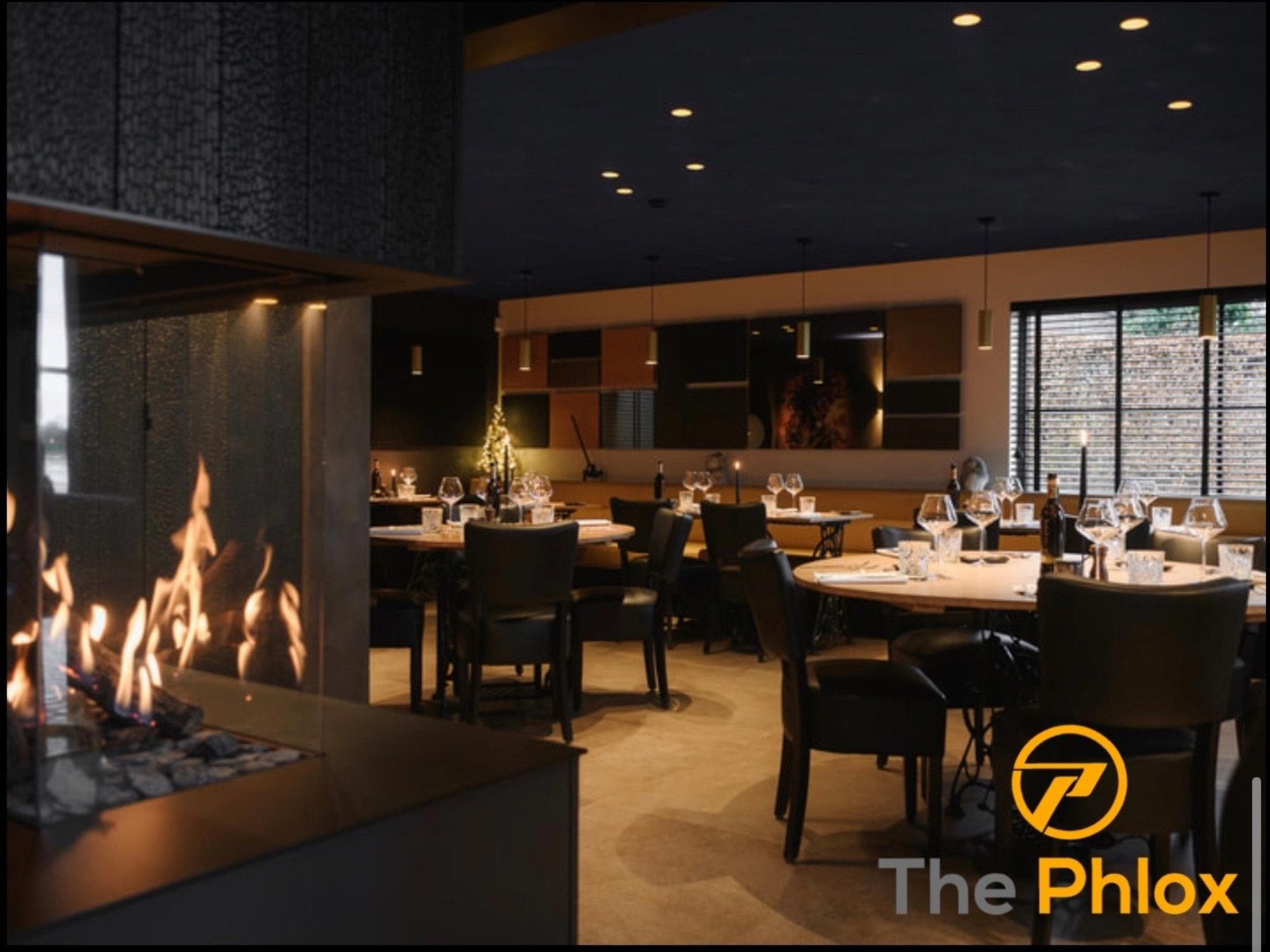
Brakel at the Table: What the Flemish Ardennes Asks of Its Restaurants
The Flemish Ardennes is a region that tends to be described by what it lacks: no coastline, no major city, no Michelin constellation cluster to anchor a dining itinerary. What it does have is agricultural density. The rolling countryside between Brakel and Ronse produces particularly quietly consequential ingredients in Belgian cooking: chicory, asparagus, artichokes, heritage grain, and a livestock tradition that runs deeper than any restaurant PR document will tell you. It is in this context that a table like The Phlox, on Reepstraat 42 in central Brakel, needs to be understood. The Phlox is a French-Belgian brasserie at Reepstraat 42 in Brakel, Belgium, in the Flemish Ardennes.
The Address and What It Signals
Reepstraat sits close to Brakel's compact town centre, a streetscape that mixes Flemish brick domestic architecture with the occasional shopfront. Arriving on foot from the market square takes under five minutes. The building itself gives little away from the outside, which is characteristic of how serious Flemish provincial dining tends to present itself. The region has no tradition of theatrical restaurant frontages. What you find inside is usually doing more work than the exterior suggests, and the pattern holds across comparable addresses in the Flemish Ardennes corridor. The physical restraint is not modesty; it is a local idiom. For a broader map of how Brakel's restaurants distribute across the town, the full Brakel restaurants guide covers the terrain.
Ingredient Sourcing in a Region That Produces, Not Just Consumes
Belgium's fine-dining conversation is frequently dominated by its port cities and capitals, but the sourcing story of Belgian cooking runs through regions like this one. The Flemish Ardennes sits at the intersection of several distinct agricultural micro-zones. The Scheldt valley, which cuts through this part of East Flanders, historically supported watercress beds, wetland vegetables, and freshwater fish. The upland areas above Brakel have sustained sheep and cattle grazing for centuries. A restaurant choosing to draw from this immediate geography has access to a supply chain that many urban kitchens in Brussels or Ghent cannot replicate, because proximity collapses the gap between harvest and service in ways that matter at the plate level.
This is the template that has defined ambitious Belgian regional cooking of the past decade. Willem Hiele in Oudenburg built a national reputation on hyper-local West Flemish sourcing. L'air du Temps in Liernu runs its own kitchen garden as a sourcing anchor. Boury in Roeselare operates within the Modern Flemish creative tradition at the €€€€ tier, using regional produce as a compositional starting point rather than a marketing footnote. The Phlox sits in a town where that sourcing depth is available from the land outward. Whether the kitchen is using it to that standard is the operative question for any visit.
The Provincial Belgian Table: A Competitive Context
It is worth mapping where a Brakel address sits in the broader Belgian dining hierarchy. The €€€€ tier in Belgium is heavily concentrated in a handful of cities and a few celebrated rural addresses. Below that, the regional market in East Flanders runs from casual brasseries serving waterzooi and stoofvlees to mid-range tables that take their wine lists seriously and offer fixed menus structured around seasonal availability. The middle of that range is where towns like Brakel tend to produce their most interesting dining, precisely because land costs, local supply relationships, and a clientele of farming families and weekend visitors from Ghent create different incentive structures than urban fine dining.
For comparison, La Granja 4 Hoeve, also in Brakel, represents a different angle on local hospitality, while across the Belgian provincial circuit, addresses like Castor in Beveren, De Jonkman in Sint-Kruis, and Maison Colette in Tongerlo each demonstrate how Belgian regionalism at the table can operate with genuine creative ambition without requiring a Brussels postcode or a Michelin star to validate it. Further afield, Bartholomeus in Heist and La Durée in Izegem show the same pattern: serious cooking anchored in a specific local geography, operating outside the metropolitan frame. Even internationally, the conversation about ingredient-driven regional dining is relevant: Le Bernardin in New York City and Atomix in New York City have each defined what rigorous sourcing philosophy looks like when executed at the highest level, providing a useful benchmark for what ingredient provenance can mean in practice.
Brakel as a Destination, Not a Detour
The framing of Belgian provincial restaurants as detours from a larger itinerary undersells what towns like Brakel actually offer. The Flemish Ardennes is a walking and cycling region with its own internal logic: weekend visitors from Brussels arrive via the E429 and N8 corridor, the train from Ghent reaches Brakel in around 40 minutes with a change, and the town itself is compact enough to cover on foot. Staying locally rather than day-tripping from Ghent changes the experience of a meal here. An evening at a table in Brakel, without the pressure of a return journey, sits differently, and the pace of provincial Flemish dining is calibrated for exactly that rhythm.
For those building a wider East Flanders itinerary, the region's dining circuit extends to addresses like d'Eugénie à Emilie in Baudour, La Table de Maxime in Our, and Le Chalet de la Forêt in Uccle for those willing to extend into the capital. Bozar Restaurant in Brussels sits at the other end of the register entirely, offering a point of contrast for what Belgian creative cuisine looks like inside a major institutional cultural venue.
Planning a Visit to The Phlox
The restaurant is at Reepstraat 42, 9660 Brakel. The restaurant is recommended for reservations and follows a smart casual dress code. Its regular hours are Mon: 12-2 PM, 6-10 PM; Tue: 12-2 PM; Wed: Closed; Thu: Closed; Fri: 12-2 PM, 6-10 PM; Sat: 6-10 PM; Sun: 12-2 PM, 6-10 PM. Given the compact nature of the town, arriving by car is one flexible option, with Brakel accessible from the E40 motorway via Zottegem. The venue's position in central Brakel means it is walkable from accommodation in the town itself.
How It Stacks Up
Comparable venues nearby, for context on price, style, and recognition.
| Venue | Cuisine | Price | Notes |
|---|---|---|---|
| The PhloxThis venue — the venue you are viewing | French-Belgian Brasserie | $$ | Not listed |
| La Granja 4 Hoeve | Contemporary Catalan Fine Dining | $$$ | Brakel |
| Marlou | French-Belgian Brasserie | $$ | Oosterzele |
| De Foyer | French-Belgian Brasserie | $$ | City Center |
| De Rave | Classic French-Belgian | $$ | Binnenstad |
| BIJ DEN WIJZEN EN DEN ZOT BVBA | French and Flemish | $$ | Binnenstad |
Continue exploring
More in Brakel
Restaurants in Brakel
Browse all →
Bars in Brakel
Browse all →
Hotels in Brakel
Browse all →
Wineries in Brakel
Browse all →
At a Glance
- Cozy
- Elegant
- Date Night
- Casual Hangout
- Terrace
- Open Kitchen
Current opening hours
- Monday
- 12–2 PM, 6–10 PM
- Tuesday
- 12–2 PM
- Wednesday
- Closed
- Thursday
- Closed
- Friday
- 12–2 PM, 6–10 PM
- Saturday
- 6–10 PM
- Sunday
- 12–2 PM, 6–10 PM
Hours can change for holidays and private events. Last verified .
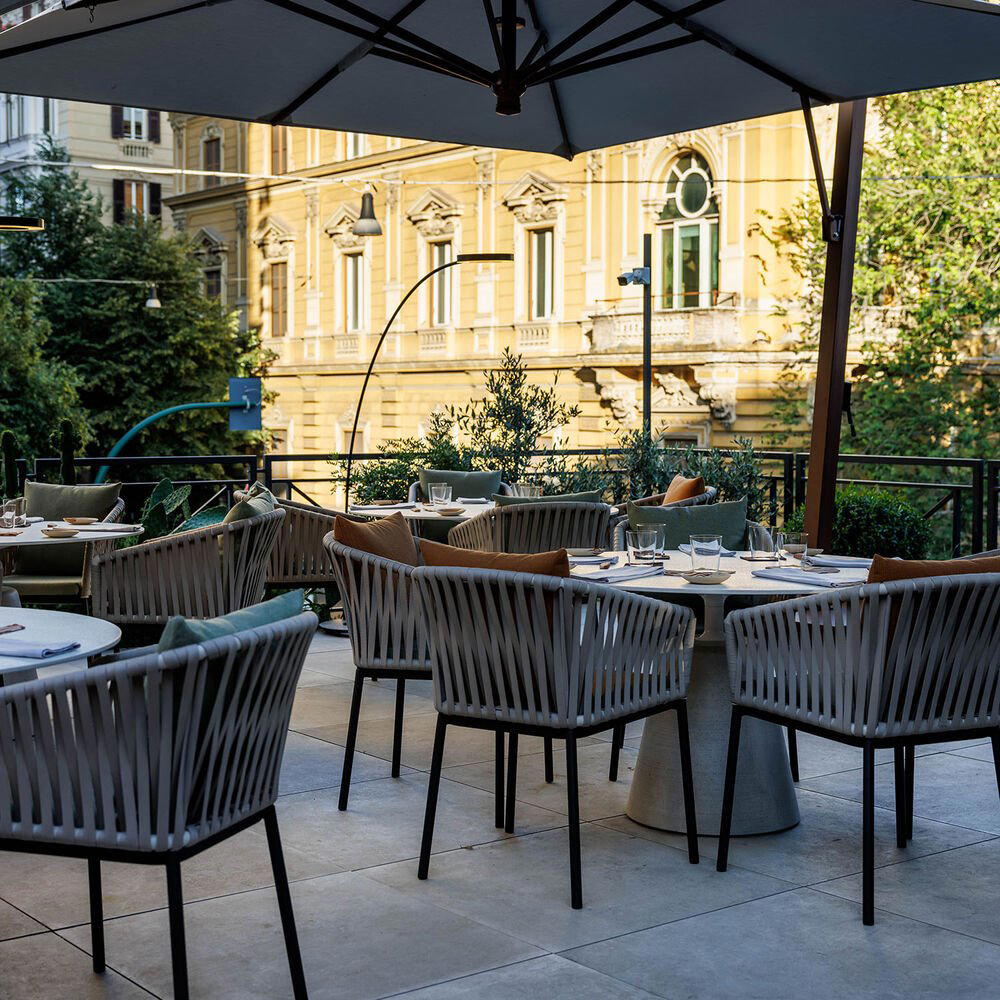
Relaxed and cozy atmosphere with terrace seating in summer; some guests note it can be noisy when crowded.