Located on Calle del Ferrocarril in Madrid's Arganzuela district, Filomena Comida & Cócteles combines food and cocktails under one roof in a neighbourhood that sits outside the city's more trafficked dining corridors. The format positions it within a broader Madrid movement toward venues where the bar program and the kitchen carry equal weight, offering an alternative to the capital's tasting-menu-dominant fine dining tier.
Pearl is the En Primeur Club membership app — saves, bookings, and concierge access live there. Same editors, same standards.
- Address
- C. del Ferrocarril, 33, Arganzuela, 28045 Madrid, Spain
- Phone
- +34608100871
- Website
- filomenamadrid.com
- Directions
- Get directions
 Saves & bookings on Pearl
Arganzuela's Quiet Case for Eating and Drinking on Equal Terms
Madrid's most discussed dining addresses tend to cluster in Salamanca, Chamberí, or the streets around the Prado. Arganzuela, the working district that runs south from Lavapiés toward the Manzanares river, moves at a different pace. Calle del Ferrocarril, a street named for the railway infrastructure that once defined this part of the city, is not a destination strip in the conventional sense. That, broadly speaking, is the point. Venues that open here are making a statement about audience and intention: they are not chasing the midday tourist rush or the post-museum crowd, and Filomena Comida & Cócteles reads accordingly.
The name itself sets a structural expectation. Comida y cócteles, food and cocktails, presented not as a bar that happens to serve food, nor a restaurant that added a drinks list as an afterthought, but as two equal pillars of the same offering. That dual emphasis places Filomena in a particular tier of Madrid's broader hospitality shift, one that has gathered momentum since the mid-2010s, where the cocktail program is written with the same editorial intention as the menu, and the two are meant to be experienced together as a sequence.
The Meal as a Sequence, Not a Transaction
The strongest argument for this format, practiced now in cities from New York to Barcelona, is that it changes how a meal is paced. When cocktails are developed in parallel with food rather than bolted on afterward, the arc of an evening acquires texture. A well-structured drinks program can function the way a wine pairing does in a tasting-menu context: it marks transitions, punctuates flavour shifts, and gives the diner something to track beyond the plate. At venues like Lazy Bear in San Francisco, the integration of beverage and food narrative has become a defining feature of the experience; in Madrid, the same logic is working its way into mid-tier and neighbourhood formats rather than staying confined to the €€€€ bracket.
Spain's fine dining tier has long operated at the opposite end of the formality spectrum. Spain's leading houses, from DiverXO and Coque in Madrid to El Celler de Can Roca in Girona and Mugaritz in Errenteria, set the terms for how multi-course progression is understood at the upper end. But the more interesting tension in Madrid right now is not between the starred and the unstarred. It is between venues that are building cohesive food-and-drink narratives and those that are still treating the two as separate departments. Filomena, by its name and positioning, is staking a claim in the former camp.
Where Arganzuela Sits in Madrid's Wider Dining Geography
For visitors orienting themselves around Madrid's dining map, Arganzuela requires a small recalibration. The district does not appear in most edited shortlists of where to eat in the capital, which reflects its residential character rather than any deficiency in what it offers. The concentration of press-covered openings in Malasaña and Chamberí has historically drawn editorial attention northward, while the serious fine dining addresses, Deessa, DSTAgE, and Paco Roncero among them, pull toward the centre and the upmarket residential belts.
Arganzuela's character is different: denser, more local in its primary audience, less oriented toward international visitors. A venue opening on Calle del Ferrocarril is writing for a neighbourhood that knows its own rhythms. That tends to produce a different kind of reliability than you find in high-footfall tourist zones, where menus are sometimes softened for unfamiliar palates and margins are managed accordingly.
Spain's broader regional dining scene, which includes addresses like Quique Dacosta in Dénia, Arzak in San Sebastián, Aponiente in El Puerto de Santa María, and Ricard Camarena in València, demonstrates how deeply rooted the country's serious cooking is in specific geography and local produce. Madrid's contribution to that conversation has historically been more about aggregation than terroir: it is the city where regional cuisines from across Spain converge and are reinterpreted. Neighbourhood venues in Arganzuela participate in that dynamic, drawing on a city-wide pantry while operating outside the glossy central addresses where the aggregation most visibly happens.
Food and Cocktails as a Single Editorial Statement
The practical logic of pairing cocktails with a food menu, rather than wine exclusively, has specific implications for flavour sequencing. Distilled spirits allow for a wider range of botanical and acidic profiles than most wine lists, and a well-designed cocktail can bridge flavour registers that wine struggles to handle: high-acid ceviches, bitter aperitivo-style preparations, fermented or smoked elements. In the Spanish context, where the aperitivo tradition is strong and the boundary between a long pre-dinner drink and the first course has always been somewhat porous, a comida-y-cócteles format has genuine cultural logic behind it.
Comparable venues internationally, from the cocktail-and-small-plates format at certain New York bars to the integrated pairing menus at Le Bernardin's bar program, have demonstrated that the format works when both sides of the offering are taken seriously. The risk, always, is a venue that does neither well enough to justify the dual billing. The name Filomena Comida & Cócteles signals the ambition; what a visit bears out is a separate question, and one that requires engagement with the actual sequence of what arrives.
Filomena belongs in the latter category by geography and format, which does not diminish the editorial interest. It simply means the register is different: more immediate, less ceremonial, and calibrated for the kind of evening that does not begin with a booking made three months in advance.
Planning Your Visit
Address: C. del Ferrocarril, 33, Arganzuela, 28045 Madrid. Reservations are recommended. Dress: casual. Budget: about $35 per person. Getting there: The Arganzuela-Planetario metro station on Line 3 places the Calle del Ferrocarril address within a short walk of the central network.
Cost and Credentials
Comparable venues nearby, for context on price, style, and recognition.
| Venue | Cuisine | Price | Notes |
|---|---|---|---|
| Filomena Comida & CóctelesThis venue — the venue you are viewing | Not listed | $$ | Not listed |
| 11 Nudos Madrid | Not listed | $$ | Chueca, Modern Atlantic & Galician Cuisine |
| Maricastaña | Malasana, Modern Spanish Fusion | $$ | Not listed |
| La Vanduca | Not listed | $$ | Recoletos, Modern Spanish Mediterranean with Andalusian Touches |
| Taberna del Olivo | Not listed | $$ | Lista, Traditional Spanish Paella and Tapas |
| El Urogallo Casa de Campo | Not listed | $$ | Casa de Campo, Traditional Asturian Spanish |
Continue exploring
More in Madrid
Restaurants in Madrid
Browse all →
Bars in Madrid
Browse all →
Hotels in Madrid
Browse all →


At a Glance
- Cozy
- Trendy
- Modern
- Casual Hangout
- Group Dining
- After Work
- Terrace
- Standalone
- Craft Cocktails
- Street Scene
Current opening hours
- Monday
- 8 AM–1 AM
- Tuesday
- 8 AM–1 AM
- Wednesday
- 8 AM–1 AM
- Thursday
- 8 AM–1 AM
- Friday
- 8 AM–1 AM
- Saturday
- 8 AM–2 AM
- Sunday
- 8 AM–2 AM
Hours can change for holidays and private events. Last verified .
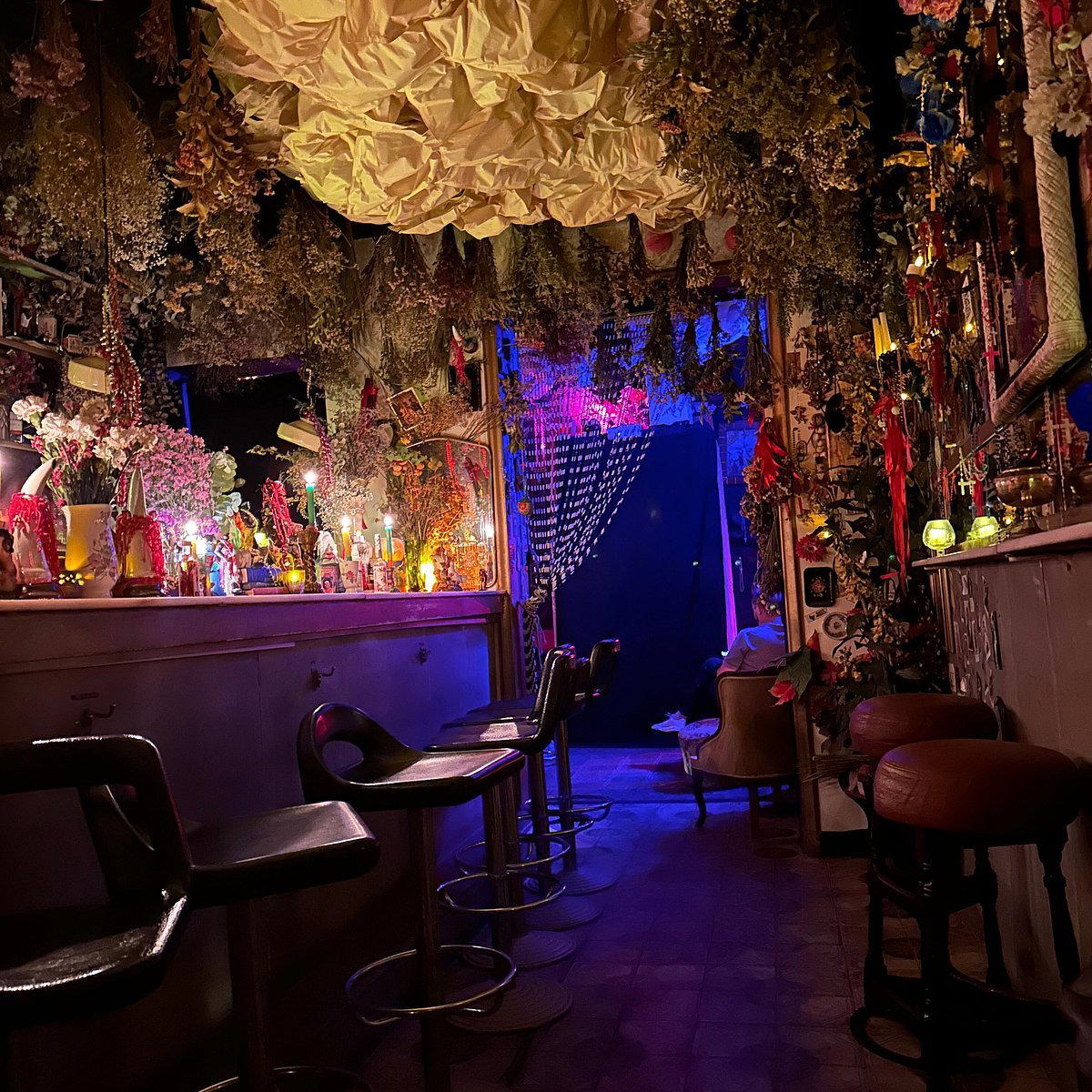
Cozy and trendy atmosphere with a welcoming vibe, featuring outdoor terrace seating on a central, well-connected street location.