
Tabelog 100 #1
Our verdict
Sumire Sapporo susukino ten sits in the city’s central ramen circuit, where late-night eating, counter seating, and miso ramen culture overlap. Its selection for Tabelog Ramen HOKKAIDO “Tabelog 100” in 2024 and 2025 places it within Hokkaido’s closely watched ramen tier, with a practical format that suits travelers who plan around timing rather than ceremony.

Pearl is the En Primeur Club membership app — saves, bookings, and concierge access live there. Same editors, same standards.
- Address
- 北海道札幌市中央区南3条西3-9-2 ピクシスビル 2F
- Phone
- +81112004567
- Website
- sumireya.com
- Directions
- Get directions
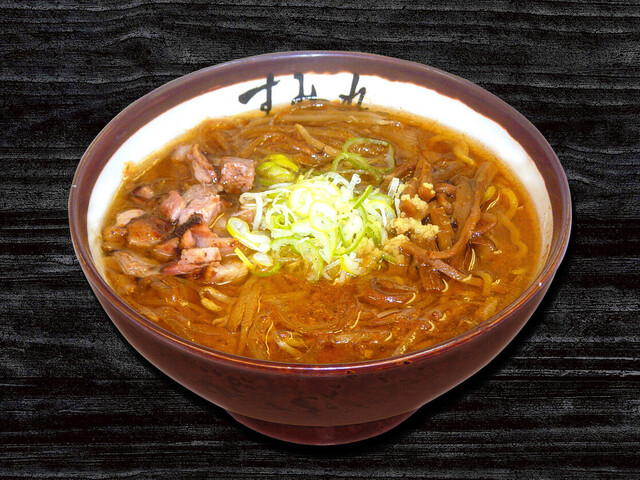
Sapporo changes character after dark: taxi lights, station exits, second-floor signs, and the steady pull of ramen shops built for diners moving between drinks, work, and the last serious bowl of the night. In that setting, ramen is not a detour from Sapporo’s food culture. It is one of the city’s core rituals, especially in winter, when the appeal of a compact counter and a hot bowl needs little explanation.
Sumire Sapporo susukino ten belongs to that urban version of the tradition. The experience is built around ramen rather than long-form restaurant theatre, which matters in Sapporo. Ramen here is judged by speed, broth identity, noodle handling, and consistency across a constant flow of diners. Recognition from Tabelog Ramen HOKKAIDO “Tabelog 100” in 2025 gives the restaurant a clear trust signal inside a category where local opinion is unusually competitive.
Sapporo ramen as a planning problem, not a long lunch
Sapporo’s ramen culture rewards timing. The city’s better-known bowls often sit inside small rooms, and the experience is shaped as much by the flow of diners as by the order itself. That puts this kind of branch in the compact urban category: flexible enough for quick meals, but still closer to quick-turn ramen than leisurely dining.
That distinction helps travelers place it against Sapporo’s broader evening economy. A cocktail room such as BAR YAMAZAKI or BAR PROOF asks for a different budget and pace; seafood-heavy dining at Umi Hachikyo Honten sits in another lane again. Ramen in Sapporo fills the gap between those formats. It can anchor the night, finish it, or sit between bars without requiring the structure of a full restaurant booking.
The city’s cold-weather calendar sharpens that point. During busy winter periods, demand across central food venues rises as visitors compress meals around events, transit, and hotel check-ins. Ramen shops in Sapporo become part of the practical logistics, not just dining choices. This is where planning becomes useful: arrive with flexibility, avoid treating a small ramen room like a guaranteed timed reservation, and build the meal around the city rather than a single fixed slot.
Where the bowl fits in Hokkaido's ramen hierarchy
Hokkaido ramen is not a single style. Sapporo has deep ramen associations, while other parts of the region have their own ramen traditions. In Sapporo, the measure is less about novelty than control: richness, heat retention, noodle texture, and whether the bowl feels built for the climate rather than staged for photographs.
Sumire Sapporo susukino ten’s Tabelog 100 selection in 2025 matters because ramen in Hokkaido is a crowded, locally scrutinized field. Tabelog’s score of 3.58 adds another public signal, but the more useful reading is category placement: this is not positioned like a luxury restaurant, and it is not competing with tasting-menu dining. It competes in the dense middle of serious ramen, where a relatively low spend can still carry high expectations.
The price band also explains why this kind of address matters to premium travelers. Sapporo has excellent higher-spend options for drinks, seafood, and specialist dining, but ramen offers a different kind of value: a concise, local meal that does not ask the evening to stop. For travelers mapping the city by appetite, it pairs naturally with broader research in Our full Sapporo restaurants guide, while hotel choice and bar routing belong in Our full Sapporo hotels guide and Our full Sapporo bars guide.
How to read the Sapporo ramen circuit
The useful comparison is not only between ramen shops. Sapporo dining is a layered night map: low-cost bowls, mid-spend bars, izakaya-style seafood, dessert stops, and late transit. Milk Mura SAPPORO hon ten, The Bar Nano Femto, and other bars in the city show how compact the evening circuit can become. Ramen’s advantage is that it cuts through that complexity. It is direct, filling, and culturally specific to the city.
Travelers wanting a wider read on Sapporo’s casual-specialist dining should look beyond ramen as a single category. Other focused, affordable dining rooms help explain the city’s appetite for specialist formats, from quick bowls to casual meals built around a narrow idea. Sapporo’s food identity also extends beyond ramen, with everyday craft, regional ingredients, and destination eating all entering the conversation.
For a longer itinerary, Sapporo also benefits from thinking outside restaurants alone. Our full Sapporo wineries guide and Our full Sapporo experiences guide help frame the city as more than a sequence of meals, especially for travelers using Hokkaido as a wider regional base.
The broader Japan map is useful too. Dining habits shift sharply by city: beef, seafood, café culture, and regional modern dining all sit far from Sapporo’s ramen logic. Japanese formats also travel internationally, but Sapporo ramen is tied to place in a way that is hard to export cleanly.
The editorial call is simple: treat this as a serious ramen stop, not a luxury meal. The appeal lies in category clarity, Hokkaido recognition, and the usefulness of a Sapporo address within a night out. Plan with the patience required for a compact ramen format, then let the format do what Sapporo ramen does well: compress the city’s cold-weather appetite into one focused meal.
Frequently asked questions
How do I find Sumire Sapporo susukino ten?
Sumire Sapporo susukino ten is located in Sapporo.
What's the price range at Sumire Sapporo susukino ten?
Pricing at Sumire Sapporo susukino ten is listed as JPY 1,000 - JPY 1,999 JPY 1,000 - JPY 1,999.
How far ahead should I plan for Sumire Sapporo susukino ten?
Planning is about timing rather than assuming a long, leisurely meal. The restaurant is in Sapporo, and ramen venues can be busiest when diners cluster around peak meal times.
What's the defining dish or idea at Sumire Sapporo susukino ten?
The defining idea is Sapporo ramen. Its Tabelog 100 Ramen Hokkaido 2025 selection gives it clear local credibility, while the JPY 1,000–1,999 price band keeps it firmly in everyday territory.
Style and Standing
Comparable venues at the same tier for side-by-side context.
| Venue | Cuisine | Price | Awards | Notes |
|---|---|---|---|---|
| Sumire Sapporo susukino tenThis venue — the venue you are viewing | Japanese Ramen | $10–20 | Tabelog 100 #1 | Not listed |
| European Curry Domon | Japanese European-style curry house | $10–20 | Tabelog 100 #13 | Toyohira |
| Sapporo Junren Sapporo ten | Traditional Sapporo miso ramen shop | $10–20 | Tabelog 100 #22 | Toyohira |
| Menya Suzuran | Sapporo ramen & soup curry-style ramen | $10–20 | Tabelog 100 #71 | Chūō |
| LOOK-Ka PyPy | Japanese Soup Curry | Not listed | Tabelog 100 #21 | Toyohira |
| Ramenya Kirita Seimen | Sapporo Ramen Counter | $1–10 | Tabelog 100 #43 | Chūō |
Recognition history
Dated appearances from independent guides and award organizations, with the underlying list record or original source where available.
Tabelog 100 #1 · No. 1
Tabelog · Tabelog 100 - Ramen - HOKKAIDO - 2025
Continue exploring
More in Sapporo
Restaurants in Sapporo
Browse all →
Details
- Classic
- Cozy
- Casual Hangout
- Late Night
- Solo
- Group Dining
- Standalone
- A La Carte
- Soft Drinks
A direct, traditional ramen-shop atmosphere focused on quick, comforting bowls rather than formal dining.