
Tabelog Bronze
Our verdict
Sushimichi Sakurada belongs to Nagoya’s small counter-sushi tier, where sourcing discipline matters more than theatre. The signal is unusually clear for a young restaurant: a 2024 opening followed by Tabelog 100 Sushi EAST 2025 selection and a Tabelog Bronze Award 2025 score of 4.16.

Pearl is the En Primeur Club membership app, where members save venues, book tables and use the concierge.
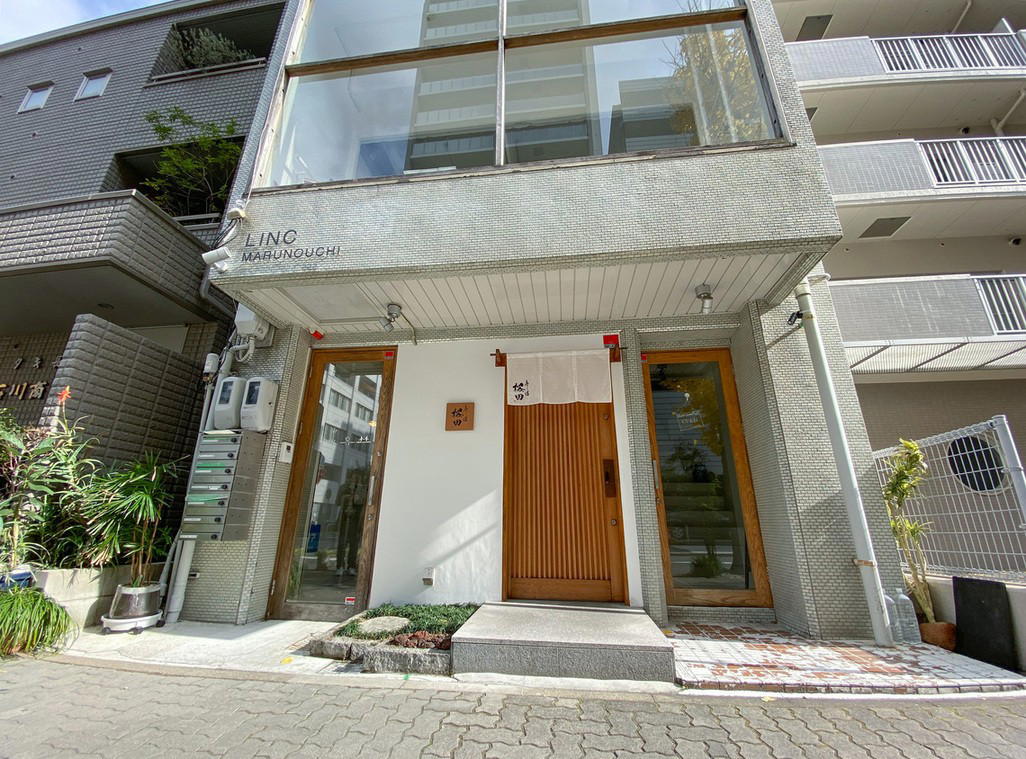
Marunouchi gives Nagoya sushi a different register from the city’s louder station-side dining districts. The rhythm is quieter: office blocks, compact dining rooms, and counters where the meal is shaped by fish selection rather than room design. In that setting, Sushimichi Sakurada reads less as a spectacle than as a nine-seat argument for why Aichi’s serious sushi scene deserves attention beyond Tokyo and Kanazawa.
Nagoya has long been stronger in everyday regional eating than in destination sushi mythology. Miso katsu, hitsumabushi, kishimen, and tebasaki usually carry the city’s food identity for visitors; sushi counters operate in a narrower lane, often aimed at locals who already understand the rules of a small counter. That makes recognition in the Tabelog 100 Sushi EAST 2025 list meaningful. It places the restaurant in a broader eastern Japan sushi conversation while keeping the experience grounded in a city better known for hearty local cooking than for exportable sushi glamour.
Fish-first sushi in a city better known for regional comfort food
The central editorial point here is sourcing. High-end sushi in Japan is often discussed through lineage, vinegar temperature, or the choreography of the counter, but the harder distinction is supply: which fish reaches the counter, how narrowly the selection is edited, and whether the kitchen can keep that quality consistent across a small service. The public description flags a kitchen “particular about fish,” which is a plain phrase but a useful one. It points to the part of sushi that cannot be rescued by atmosphere.
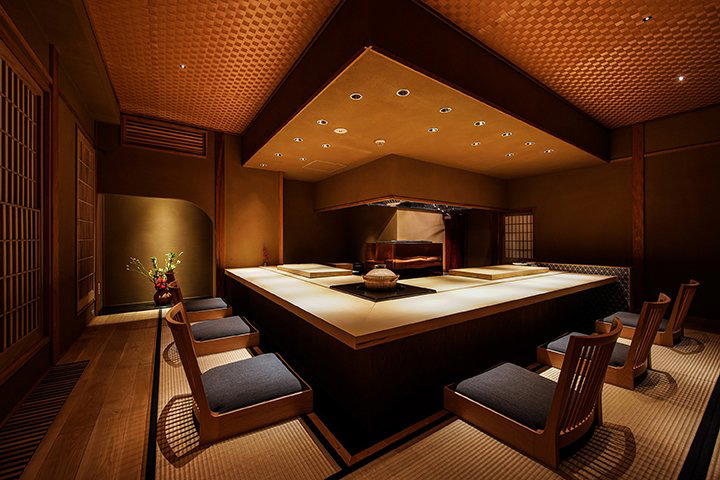
The format supports that reading. Counter seating concentrates attention on sequence and handling rather than choice. There is no need to frame the meal as broad Nagoya hospitality; this is a compact sushi format where the value proposition sits in ingredient judgment and pacing. Sake and wine are both part of the drinks program, a signal that the counter is not locked into a single traditional pairing model, though the food remains within sushi rather than fusion or bar-driven territory.
Awards data gives the restaurant a sharper competitive outline. A Tabelog Bronze Award 2025 score of 4.16 puts Sushimichi Sakurada in a serious national-rating conversation, while the Tabelog 100 Sushi EAST 2025 selection narrows that recognition specifically to sushi. Those are not decorative badges. In Japan’s reservation-led counter culture, they act as demand accelerants and peer markers, especially for restaurants with few seats and a recent opening date.
A nine-seat counter changes the economics of attention
Small counters create a different kind of pressure from larger luxury restaurants. With nine seats, every guest is close to the sequence, every pause is visible, and the kitchen has little room to hide uneven product. That intimacy can be severe for casual diners, but it is exactly what attracts sushi regulars: fewer distractions, a tighter feedback loop, and a meal structured around the day’s fish rather than a sprawling menu.
Pricing places the restaurant well above casual sushi and below the extreme upper end of Tokyo’s international trophy counters. The listed range of JPY 30,000 to JPY 39,999 at dinner and JPY 20,000 to JPY 29,999 at lunch is a clear premium bracket for Nagoya. For comparison inside the city, Kappo Yabushita sits in a lower JPY 15,000 to JPY 19,999 range, while Ramen Maze-soba Arashi Nishiki ten and LAYER'S Marunouchi honten belong to entirely different everyday categories. Hijikata offers another Nagoya sushi reference point, but Sakurada’s recent awards and tiny counter put it in a more reservation-sensitive lane.
The restaurant opened on 2024.9.6, which matters. New counters usually need time to develop local trust, yet this one moved quickly into award recognition in 2025. That does not make it a finished institution; it makes it an early-stage restaurant with unusually strong external validation. For travelers, that is the useful read: this is not a nostalgic Nagoya classic, but a current sushi address with momentum.
How it fits into a Nagoya dining itinerary
For visitors building a serious food itinerary, this counter works better as the controlled, high-focus meal in a trip otherwise filled with Nagoya’s regional staples. It should not replace the city’s casual canon; it balances it. The contrast is the point. A trip that moves from miso-rich comfort food to a small sushi counter gives a clearer picture of Nagoya’s dining range than a checklist built only around famous local dishes.
The practical trade-off is formality of format. Reservation-only dining and a nine-seat room make spontaneity a poor strategy, while the absence of private rooms keeps the experience firmly counter-based. Solo dining is a credible use case, and the non-smoking policy suits diners who want the fish, rice, and drink pairings to remain the focus. Credit cards are accepted, but electronic money and QR payments are not part of the payment setup.
Readers comparing Nagoya options can place this meal within the wider city mix through Our full Nagoya restaurants guide, then balance the trip with Our full Nagoya hotels guide, Our full Nagoya bars guide, Our full Nagoya wineries guide, and Our full Nagoya experiences guide. Nearby and related restaurant pages include 1022, 451, Aaron, Alan., All Day Dining Montmartre, -Grilled beef Sukiyaki- KAMAKURA TANUKIAN 鎌倉 たぬき庵 in Kamakura. 鮪と炭火焼き うお炭 秋葉原店 in Tokyo.cafe in Osaka.know in Kumamoto, (Shoku) Vietnam in Kawasaki, [Curry Senmon Ten] Maruyama Kyoju. in Sapporo, Jōdo Saké Bar in Los Angeles, and Onigiri Time in Pasadena.
Frequently asked questions
Is Sushimichi Sakurada good for families?
It works better for adults than for larger family groups. The restaurant has 9 seats, counter seating, and reservation-only service at 3 Chome-22-8 Marunouchi, Nagoya, which suits a quiet, focused meal rather than a casual family outing.
What's the vibe at Sushimichi Sakurada?
Expect a tight counter format with no private rooms, so the room is built around the sushi, not lingering table service. The address in Marunouchi, Nagoya, plus the Tabelog Sushi EAST 100 selection in 2025 points to a serious, specialist room.
When is Sushimichi Sakurada open?
Hours at Sushimichi Sakurada: ■Business hours[Mon - Sat]Lunch from 12:00 onwardsDinner from 18:00 onwards*The starting time will be determined by the first reservation made on that day.*Reservation only. Currently, we are not accepting phone reservations. Please make your reservation through our online booking site.■Closed onSundays and not fixed.
Where is Sushimichi Sakurada located?
Sushimichi Sakurada is located in Nagoya.
What's the standout thing about Sushimichi Sakurada?
The sharpest draw is the combination of a 9-seat counter and Tabelog Sushi EAST 100 2025 recognition. That format puts the emphasis on precision and pace, with lunch from 12:00 and dinner from 18:00 on Monday to Saturday.
Is Sushimichi Sakurada good for vegetarians?
Not especially, based on the venue’s own description of being particular about fish. The sushi counter format in Nagoya also suggests a menu centered on seafood rather than a vegetarian-led course, so this is a stronger fit for diners who want fish-focused sushi.
Side-by-Side Snapshot
Comparable venues by cuisine and price in the same metro.
| Venue | Cuisine | Price | Awards | Notes |
|---|---|---|---|---|
| Sushimichi SakuradaThis venue (the venue you are viewing) | Edomae Sushi Omakase | $100–150 | Tabelog Bronze | Not listed |
| Japanese cuisine Takamitsu | Japanese Cuisine | $100–150 | Tabelog Bronze #446 | Higashi |
| 橦木町 しみず | Refined Japanese Kaiseki | $300–500 | Not listed | Higashi |
| Sushi Ishiguro | Traditional Edomae Sushi Omakase | $150–200 | Tabelog 100 #68 | Nakamura |
| Ueda | Michelin 3-Star Sushi | $200–300 | Tabelog Bronze #495 | Nakagawa |
| å¤©å©¦ç¾ åä¹ | Modern Kaiseki Omakase | $200–300 | Not listed | Nakamura |
Recognition history
Dated appearances from independent guides and award organizations, with the underlying list record or original source where available.
Tabelog Bronze
Tabelog
Full recognition history (2 entries)
Tabelog 100 #31 · No. 31
Tabelog · Tabelog 100 - Sushi - EAST - 2025
Continue exploring
More in Nagoya
Details
- Elegant
- Intimate
- Sophisticated
- Minimalist
- Date Night
- Special Occasion
- Business Dinner
- Chefs Counter
- Sake Program
- Omakase
- Counter Dining
- Sake
- Wine
Current opening hours
- Monday
- 12–2 PM, 6–9 PM
- Tuesday
- 12–2 PM, 6–9 PM
- Wednesday
- 12–2 PM, 6–9 PM
- Thursday
- 12–2 PM, 6–9 PM
- Friday
- 12–2 PM, 6–9 PM
- Saturday
- 12–2 PM, 6–9 PM
- Sunday
- Closed
Hours can change for holidays and private events. Hours as of .
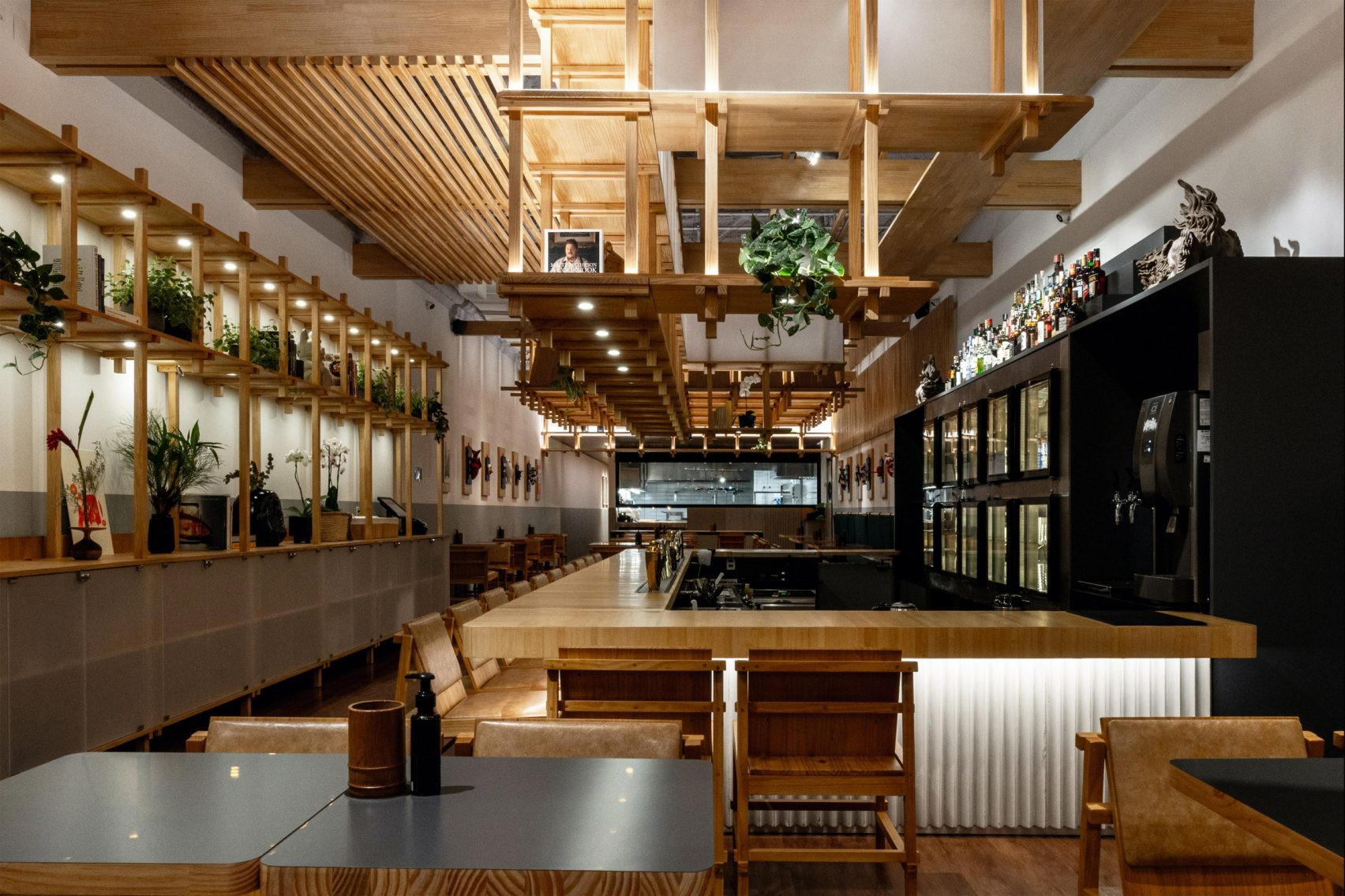
Tranquil and relaxing counter seating space focused on sushi craftsmanship.