Sushi Yoshitake
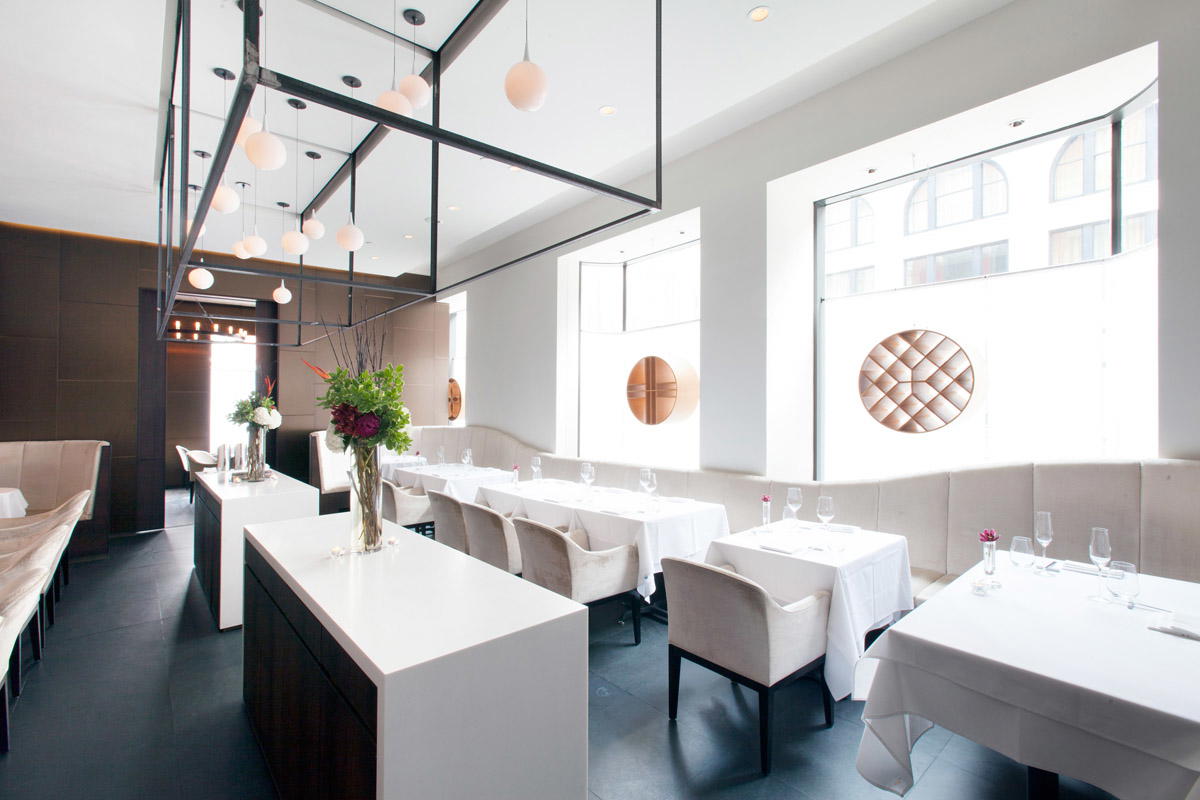
New York's upper-tier omakase scene has few counters operating at the precision and restraint of Sushi Yoshitake, a Japanese sushi restaurant in New York City drawing on the same tradition that defines Tokyo's most disciplined edomae houses. The format is fixed, the pacing deliberate, and the experience structured around the choreography of the meal rather than spectacle. Reservations require serious advance planning at this level of the market.

Pearl is the En Primeur Club membership app — saves, bookings, and concierge access live there. Same editors, same standards.
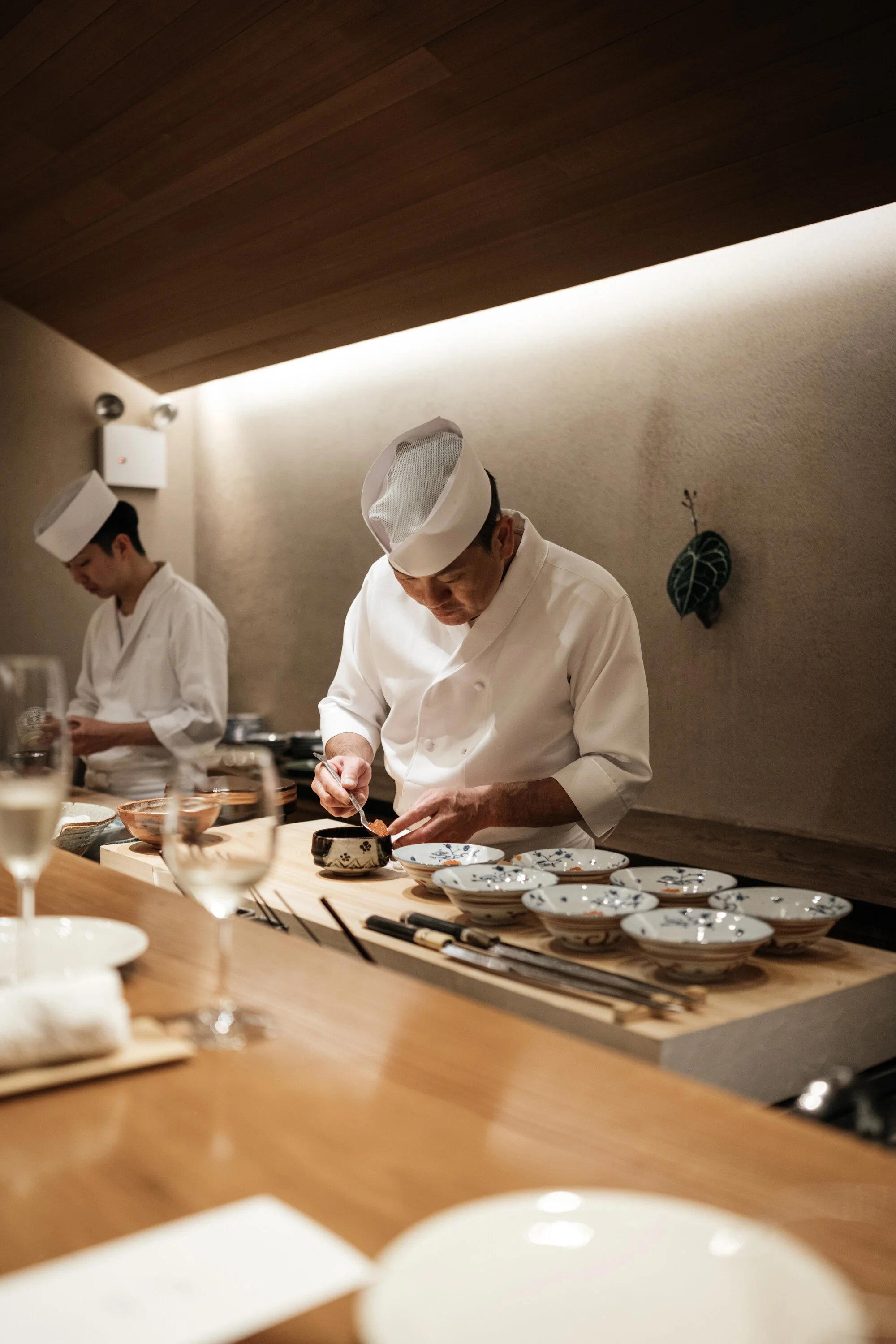
The Counter and What It Demands of You
There is a particular quality to the silence at a high-end omakase counter that separates it from almost every other fine dining format. No printed menu arrives. No sommelier presents a wine list for deliberation. The meal begins when the chef decides it begins, and the guest's role is to receive, to observe, and to pay attention. This is not incidental to the experience, it is the experience. Sushi Yoshitake operates within this tradition, placing it in a category of New York dining where the guest cedes control of the meal entirely, and where that surrender is precisely the point.
New York's omakase tier has deepened considerably over the past decade. What was once a format concentrated in a handful of Japanese-owned counters in Midtown has expanded into a broader market segment, with pricing and booking structures that now rival the city's most competitive French and contemporary tasting-menu restaurants. Masa established the ceiling for this category in New York, operating at a price point that aligns it with particularly expensive counters in Tokyo. Sushi Yoshitake sits in the same upper register of that market, with a price of about $500 per person, where the conversation is less about value and more about the discipline of the format.
The Architecture of an Edomae Meal
Edomae sushi, the style that emerged in Edo-period Tokyo and remains the defining grammar of high-end omakase, is built on a logic of sequence, temperature, and restraint. Each piece is served individually, at the moment the chef determines it is ready. The rice is seasoned and pressed to a temperature that varies by fish. The fish itself may be aged, cured, or prepared with techniques invisible to the diner but legible in the result: a texture that holds without being dense, a flavour that arrives in layers rather than all at once.
This format imposes demands on the guest as much as the kitchen. You eat when the piece is placed in front of you, not when you're ready. You eat it in one or two bites. You don't reach across to your dining companion's plate. These are not arbitrary customs, they reflect a coherent philosophy about the relationship between preparation and consumption, and about the brief window in which a piece of nigiri is at its optimal state. Counters operating at this level are teaching a particular way of eating as much as they are serving food.
This is the dining tradition that frames a visit to Sushi Yoshitake. The restaurant connects New York to an edomae lineage that runs through some of Tokyo's most disciplined sushi houses, and the format here preserves that structure: a fixed progression of courses, a counter setting, and a pace set entirely by the kitchen. For diners accustomed to French tasting menus at restaurants like Le Bernardin or Per Se, the omakase format requires a different kind of attention, less contemplative, more immediate.
Where Sushi Yoshitake Sits in the New York Market
New York's premium omakase counters now occupy a well-defined tier, priced and booked in ways that reflect their alignment with Tokyo peer counters rather than the broader New York sushi market. At the summit of this segment, a counter meal carries a per-person cost that competes with particularly expensive tasting menus in the city, and booking windows extend months in advance. Masa has operated in this bracket for years, and the restaurant belongs to the same competitive conversation.
The comparable set extends beyond sushi specifically. When a counter meal at this level is priced against dinner at Per Se or Le Bernardin, the comparison is not just financial, it reflects an expectation of technical precision, sourcing quality, and format discipline that these restaurants share across different cuisines. Contemporary American formats like Saga and César operate in the same general tier of the New York market, though with formats that allow more guest agency over the meal's direction.
Outside New York, the closest structural analogues are counters like Fujiwara Omakase in Bellevue and its newer location, both operating within the same edomae tradition and fixed-format model. High-end tasting-menu restaurants in other American cities, Alinea in Chicago, The French Laundry in Napa, Providence in Los Angeles, Lazy Bear in San Francisco, and Single Thread Farm in Healdsburg, share the fixed-menu, counter-or-chef's-table format that positions the kitchen's judgment above the guest's preferences, but none of them replicate the specific discipline of edomae omakase.
Planning a Visit: What the Format Requires
Booking a counter at this level in New York is not a casual exercise. The city's leading omakase seats release through reservation systems that fill quickly, and particularly sought-after counters operate with waitlists rather than open availability. Reservations are essential, so plan well ahead if the restaurant is your target. Demand at counters operating in this price tier is not seasonal in the way that many restaurants experience, it is consistently high, driven by a combination of local clientele and visiting diners who plan New York trips around specific reservations.
Dress code expectations at this level of the market are smart casual, though the counter format creates an intimacy that differs from the white-tablecloth formality of a French dining room. The fixed menu structure means dietary restrictions and allergies require communication at the time of booking, not on the night. Counter dining at this tier typically runs two hours or more, and that pacing is not something the kitchen will compress on request.
The New York City hotels guide and bars guide provide context for the surrounding stay, and the experiences guide and wineries guide round out the city's broader premium offerings.
The Case for This Format Over Alternatives
The honest argument for a counter meal at this level is not that it will transform every meal after it. It is that no other format in New York delivers the same density of technical decision-making in such a compressed, intimate setting. The chef makes dozens of small judgments over the course of a meal, about temperature, ratio, sequence, aging time, that are invisible in other formats but here constitute the entire architecture of the experience. That is what justifies the price and the booking effort, and it is what separates a counter at this level from a good sushi restaurant where you order from a menu.
For diners who have not eaten at a counter operating at this standard before, the meal will likely recalibrate expectations in ways that make subsequent omakase experiences easier to read critically. For those who have, the interest lies in how the restaurant's particular lineage and sourcing approach locate it within the edomae tradition relative to other counters at the same tier.
Quick Comparison
Comparable venues nearby, for context on price, style, and recognition.
| Venue | Cuisine | Price | Notes |
|---|---|---|---|
| Sushi YoshitakeThis venue — the venue you are viewing | Edomae Omakase | $$$$ | Not listed |
| Sushi Akira | Edomae-Style Omakase | $$$$ | Upper East Side-Lenox Hill-Roosevelt Island |
| ShabuShabu GEN | Japanese Shabu-Shabu | $$$$ | East Village |
| E Broadway | Japanese Yakitori Omakase | $$$$ | Chinatown-Two Bridges |
| Tachi | Traditional Japanese Omakase | $$$$ | Hell's Kitchen |
| Nobu Downtown | New Style Japanese | $$$$ | Financial District-Battery Park City |
Continue exploring
More in New York City
Restaurants in New York City
Browse all →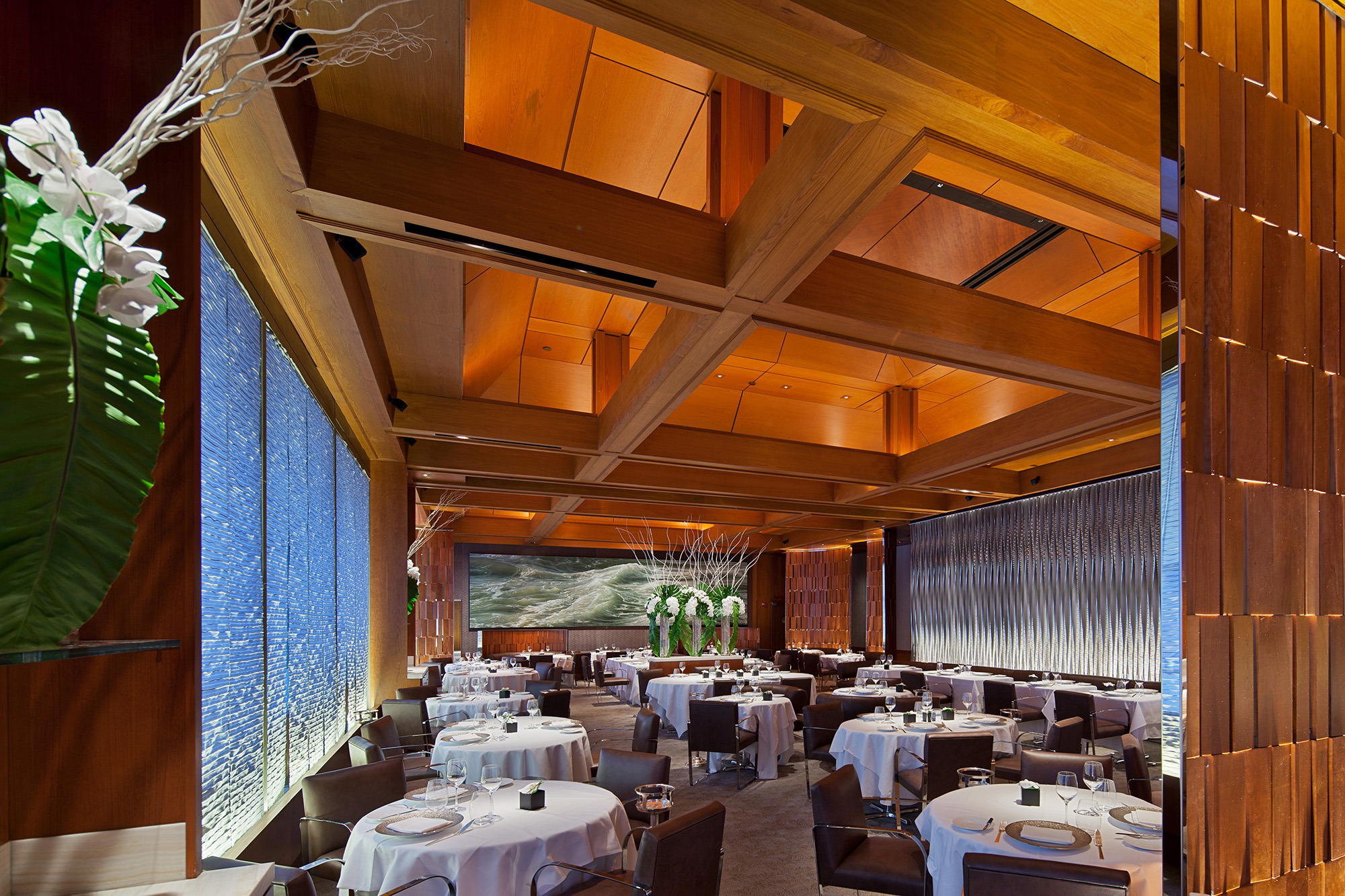
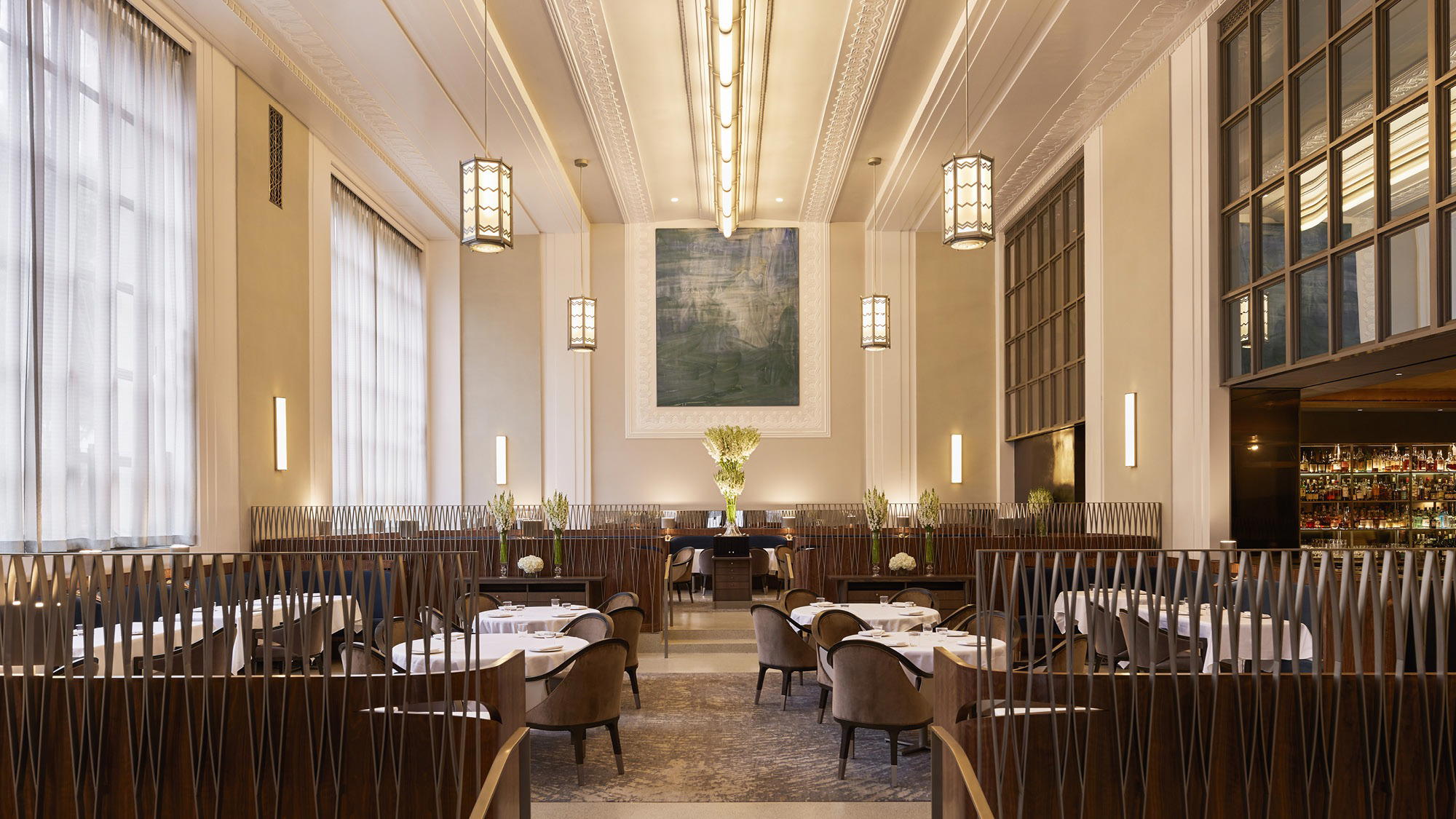
Bars in New York City
Browse all →
At a Glance
- Elegant
- Intimate
- Sophisticated
- Special Occasion
- Date Night
- Chefs Counter
- Sake Program
- Sustainable Seafood
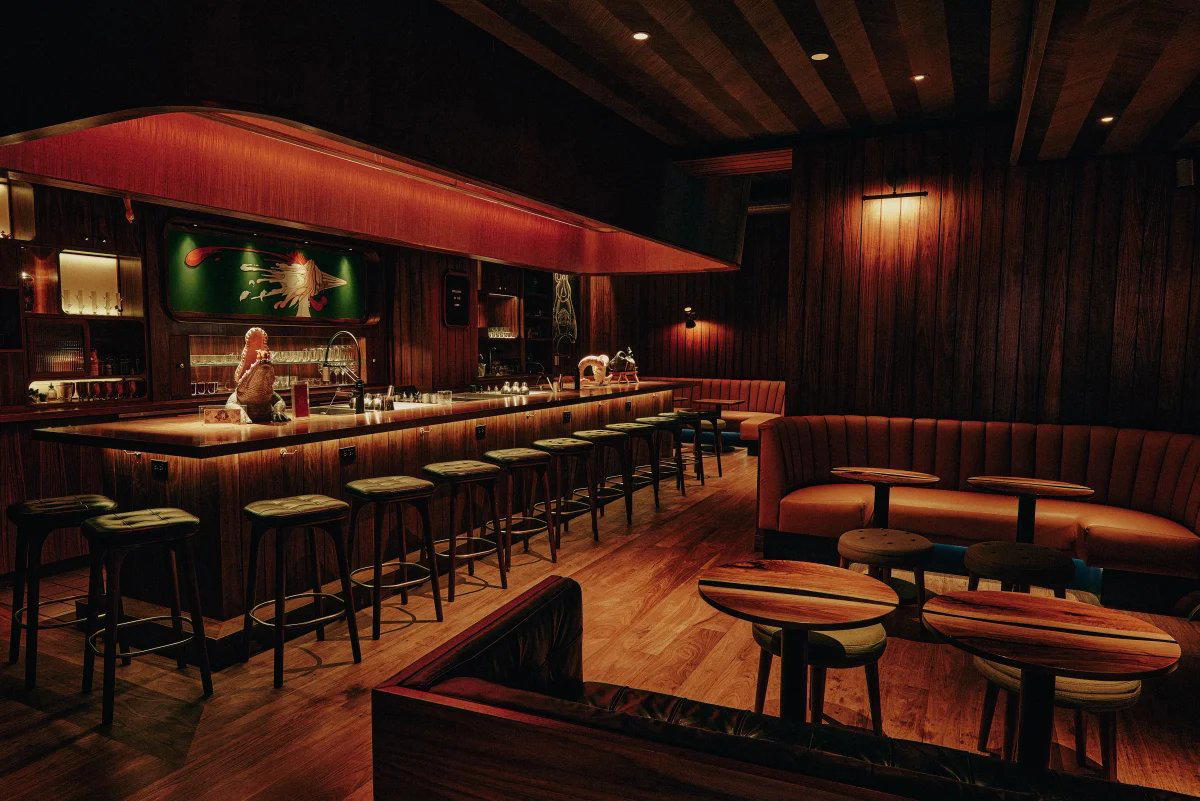
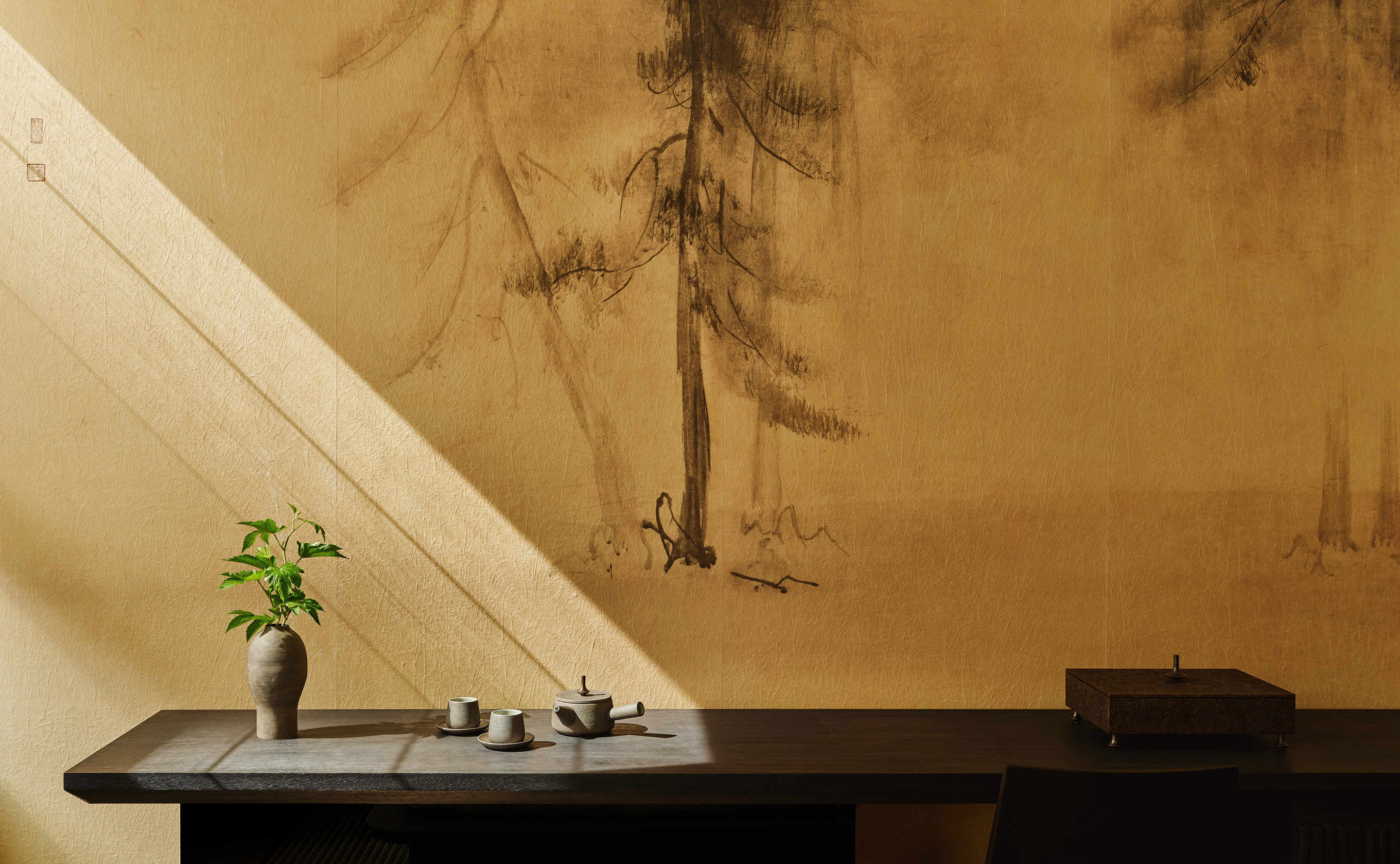
Intimate sushi counter theater with precise chef performance and zen-like restraint.