E Broadway
E Broadway runs through the heart of Manhattan's Lower East Side and Chinatown, two neighbourhoods whose dining character has shifted more visibly over the past decade than almost any other corridor in New York. The street anchors a stretch where traditional Fujianese canteens, Hong Kong-style bakeries, and a newer wave of chef-driven openings share the same blocks, a compression of culinary generations that rewards knowing where to look.
Pearl is the En Primeur Club membership app — saves, bookings, and concierge access live there. Same editors, same standards.
- Address
- New York, NY
- Phone
- +1 212 227 8672
- Website
- casinonyc.info
- Directions
- Get directions
 Saves & bookings on Pearl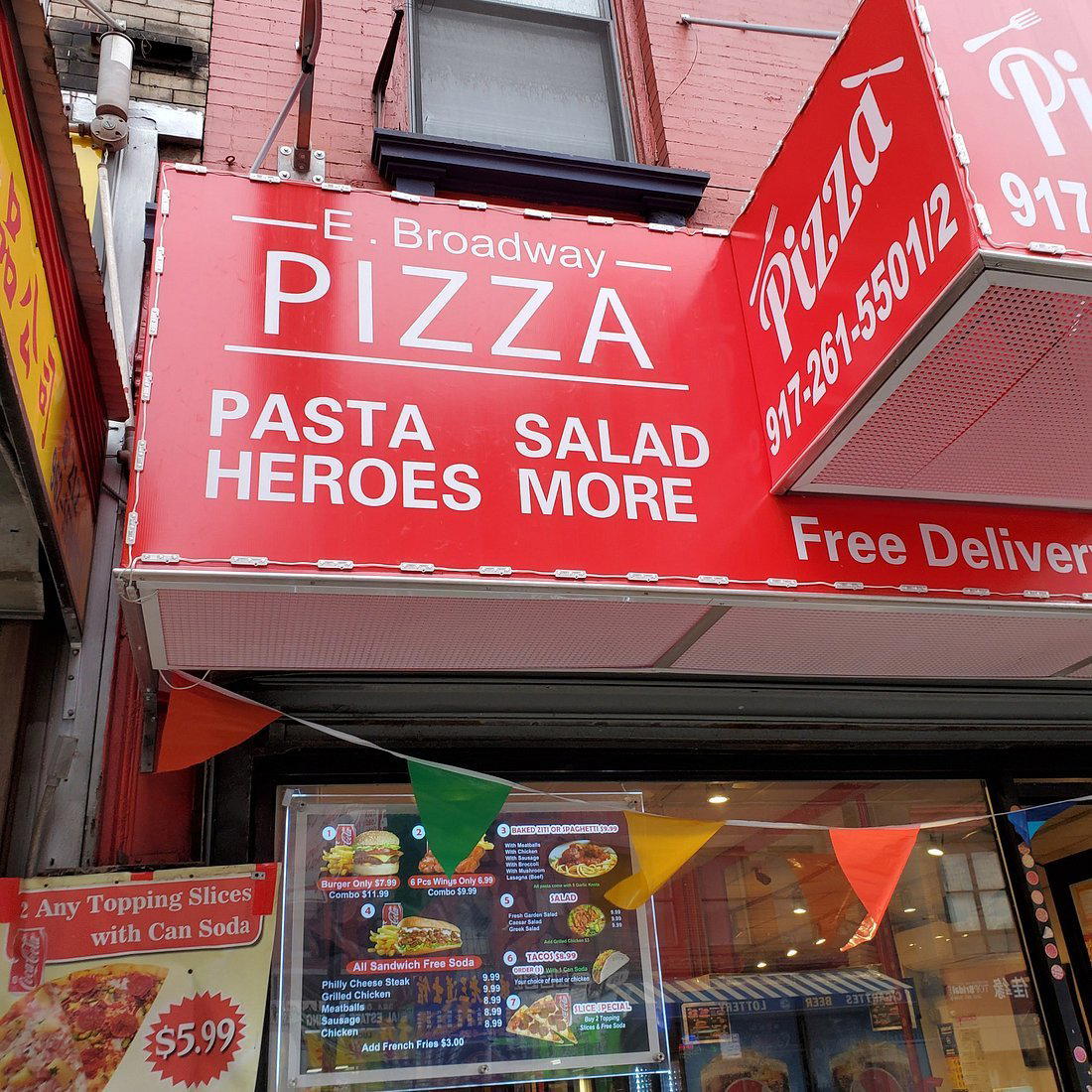
A Street That Keeps Rewriting Itself
There is a particular kind of New York street that functions less as an address and more as a timeline. E Broadway, running from the edge of the Financial District through the dense commercial core of Chinatown and into the Lower East Side, is one of them. The approach from the Canal Street subway exits deposits you immediately into the working rhythm of the neighbourhood: produce crates stacked on kerbs, the low hum of Cantonese and Fujianese conversation, bakery windows fogged from within. This is not a corridor that performs itself for visitors, which is precisely why its dining evolution is worth tracking carefully.
Over the past fifteen years, the blocks along and adjacent to E Broadway have absorbed several successive waves of change. The first was demographic: the continued growth of Fujianese communities through the 2000s reshaped the food economy from Cantonese-dominant to more regionally diverse, introducing hand-pulled noodle shops, specific regional dumpling styles, and a different register of seafood preparation. The second wave, arriving roughly from 2015 onward, was the familiar New York pattern of younger chefs and operators discovering the low rents and foot traffic of historically immigrant corridors and opening alongside, rather than displacing, existing institutions. The third, still ongoing, is the reassessment: which of those newer openings have earned their place, and which were opportunistic?
Where This Corridor Sits in the Broader New York Dining Map
New York's premium dining conversation concentrates heavily on Midtown and the West Village. The $$$$ tier, counters like Masa, French institutions like Le Bernardin and Per Se, and the tasting-menu operators like Eleven Madison Park and Atomix, occupy a geography and a price architecture that positions them against international peers rather than neighbourhood institutions. The E Broadway corridor operates in a different economy entirely, where the competition is internal: which format, which regional cuisine, which generation of operator has adapted most effectively to a neighbourhood in motion.
That positioning has national parallels. The pattern of older fine-dining anchors coexisting with newer chef-driven formats is visible in cities across the country. Smyth in Chicago and Lazy Bear in San Francisco represent the chef-driven format at its most developed. Blue Hill at Stone Barns, just north in Tarrytown, occupies a farm-anchored niche that has influenced how New York diners think about sourcing claims more broadly. On E Broadway, sourcing claims tend to be quieter and more practical: the fish arrived this morning, the tofu is made nearby, the menu reflects what was available at market.
The Reinvention Pattern: How the Street Has Changed
The clearest sign of a neighbourhood dining scene in genuine transition is not the arrival of a single high-profile opening but the accumulation of small format shifts across many operators. On the restaurant and its immediate cross-streets, that accumulation is visible in several directions. Traditional dim sum formats have been supplemented by counter-service specialists focusing on single preparations executed at a high level of repetition, a model that functions economically at lower price points while allowing for the kind of precision more commonly associated with the tasting-menu tier. This single-dish specialisation is not distinctive to New York; versions of it appear at Providence in Los Angeles at the high end and in the hawker-centre tradition across Southeast Asia at the other. What makes the restaurant expression of it interesting is the density: multiple specialists within a few blocks, each representing a different regional Chinese tradition.
The other reinvention marker is the appetite for hybridisation. Operators who came up in traditional Chinatown kitchens and subsequently trained in French or Japanese techniques have, in several cases, returned to open formats that reflect both influences without loudly advertising either. This kind of quiet fusion, where the technique is visible on the plate but not narrated on the menu, has become more common across the American dining scene. Frasca Food and Wine in Boulder applies a similar discipline to Italian-American crossover; The French Laundry in Napa has long been a reference point for how French classical training can be reapplied through an American regional lens. On the restaurant, the lens is East Asian and specifically Chinese, but the underlying logic is comparable.
Getting There and Timing Your Visit
F and B/D/Q/N/J/Z lines all deposit within a few minutes' walk, making the corridor among the better-served stretches of lower Manhattan for transit access. Weekend midday is when the street reaches its highest volume, with families filling the older Cantonese operations and queues forming outside the more-discussed newer spots. Weekday lunch tends to move faster, with a higher proportion of neighbourhood regulars and correspondingly shorter waits. For anyone approaching from further afield, the way The Inn at Little Washington draws from D.C. or Addison draws from across San Diego, the calculation is direct: the restaurant rewards multiple visits more than a single curated itinerary. The street is too layered and too changeable for a one-time pass to capture it accurately.
Seasonal timing matters in ways specific to the corridor. Lunar New Year transforms the blocks in late January or early February, with a concentration of activity, extended hours at older institutions, and the appearance of seasonal preparations that do not appear on standard menus. Summer brings increased foot traffic from the broader city but also the heat conditions that make the enclosed, often un-air-conditioned older spaces more demanding. Autumn is, by general consensus among regular visitors, one comfortable window: the produce at nearby markets is at its widest range, the temperatures are manageable, and the tourist density has dropped from its summer peak.
For a fuller map of where the restaurant sits within the city's broader dining geography, the EP Club New York City restaurants guide covers the full range of tiers and neighbourhoods. International context, the kind of multi-generational immigrant dining corridor that restaurant represents, appears in European form at venues like Dal Pescatore in Runate and Atelier Moessmer Norbert Niederkofler in Brunico, both of which demonstrate what happens when a food tradition is sustained across generations rather than replaced by successive waves of reinvention. Single Thread Farm in Healdsburg and Emeril's in New Orleans offer different American analogues: one built on hyper-local sourcing intensity, the other on a chef-brand legacy that predates the current era of social-media-driven dining. The restaurant shares characteristics with all of these reference points while resembling none of them precisely, which is particularly accurate description of what makes this particular stretch of lower Manhattan worth returning to.
At a Glance
Comparable venues nearby, for context on price, style, and recognition.
| Venue | Cuisine | Price | Notes |
|---|---|---|---|
| E BroadwayThis venue — the venue you are viewing | Not listed | $$$$ | Not listed |
| Sushi Sho | Midtown East, Edomae Omakase Sushi | $$$$ | Not listed |
| Kaiyo Omakase | Not listed | $$$$ | Long Island City-Hunters Point, Japanese Omakase |
| Nippon | Not listed | $$$$ | East Midtown-Turtle Bay, Traditional Edo-mae Japanese |
| Unnamed flagship Japanese fine-dining at One Bryant Park | Not listed | $$$$ | midtown manhattan, Japanese Fine-Dining Tasting Menu |
| Brushstroke | Tribeca, Kaiseki Japanese | $$$$ | Not listed |
Continue exploring
More in New York City
Restaurants in New York City
Browse all →
Bars in New York City
Browse all →
Hotels in New York City
Browse all →





At a Glance
- Trendy
- Modern
- Date Night
- Special Occasion
Elegant and intimate with a focus on the grill experience.