Fujiwara Omakase
Fujiwara Omakase brings the counter-seat discipline of Japanese omakase dining to Bellevue's eastside dining scene. The format places guests within arm's reach of preparation, where the sequence, pacing, and sourcing decisions of a full omakase progression unfold course by course. For a city that has long defaulted to steakhouse formality as its premium register, this is a different kind of precision.
 Discover on Pearl
Pearl is the En Primeur Club membership app — saves, bookings, and concierge access live there. Same editors, same standards.
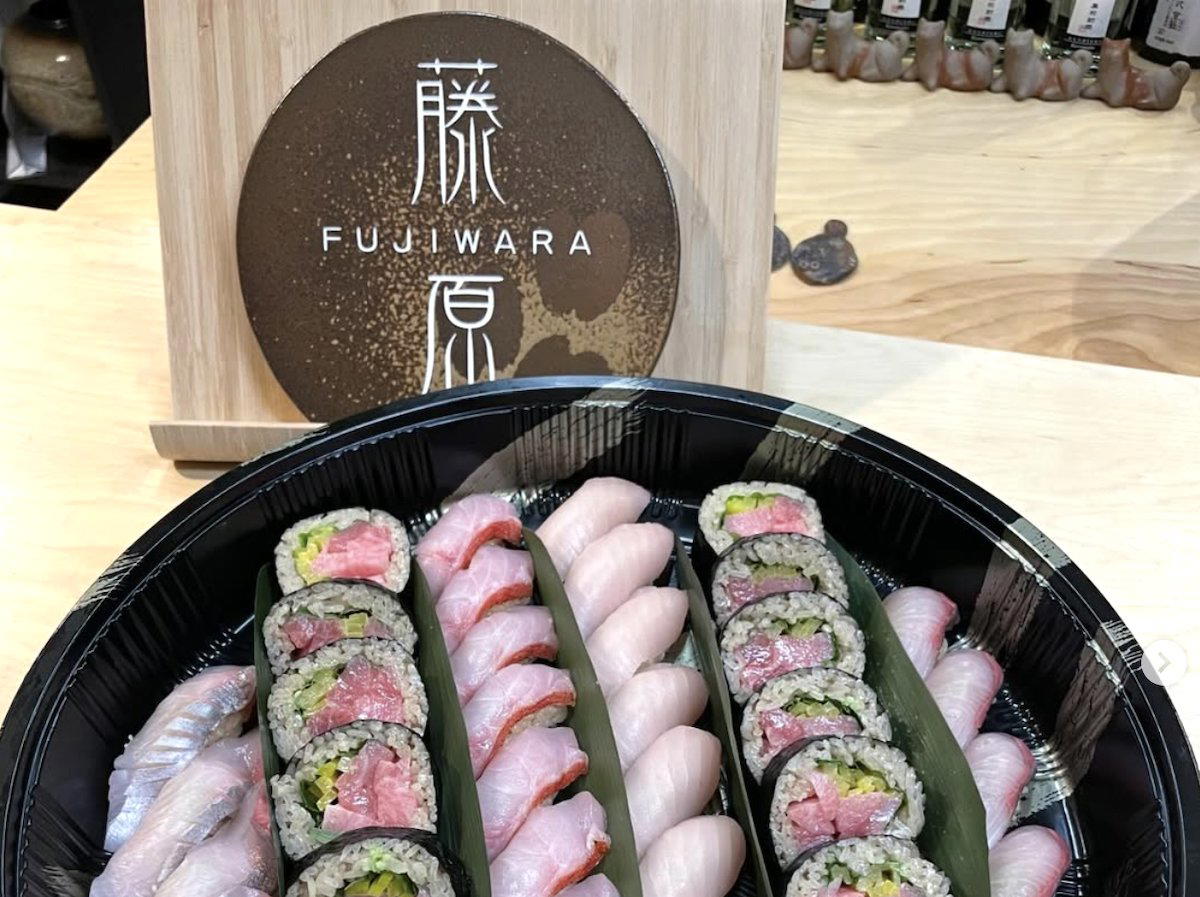
The Counter as the Room
In the most deliberate omakase formats, the room is almost incidental. What matters is the counter: a strip of hinoki or lacquered wood that separates guest from chef by roughly two feet, close enough that you register the pressure a blade applies to fish, the temperature of rice as it is shaped, the pause before a course is placed. This proximity is not theatre in the decorative sense. It is the actual mechanism of the dining experience. At Fujiwara Omakase, Bellevue now has an entry in this format, a city that has historically calibrated its premium dining around tablecloth steakhouses rather than counter-seat Japanese discipline.
Omakase as a category has fractured considerably across American cities over the past decade. At one end sit high-volume, accessible formats where the term is applied loosely to any fixed-price Japanese menu. At the other end, a smaller tier of counter-only rooms maintains the structural logic of the original: a single seating, a prescribed number of guests, no printed menu, and a sequence determined entirely by what arrived from suppliers that day. The latter format demands a different kind of attention from the guest, and a different kind of commitment from the kitchen. Bellevue's new Fujiwara location situates itself in this more demanding register.
What Counter Seating Actually Means
The omakase counter is one of the few dining formats where the physical architecture of the room is inseparable from the experience it produces. Conventional restaurant design places the kitchen behind a wall or a pass. The counter format removes that barrier entirely. You watch rice temperature managed by hand. You observe the sequence of cuts. You see a chef consider, then reconsider, the thickness of a slice before committing. This transparency is not incidental. It is the reason reservations at serious omakase counters in cities like New York and San Francisco tend to open weeks or months in advance and fill within hours.
Counter seating in omakase also changes the social geometry of the meal. There is no option to retreat into a table conversation that runs parallel to the food. The room's attention, including your own, converges on the counter. This is not a format that tolerates distraction well, and that shared focus creates a kind of collective rhythm among guests, even strangers, that conventional dining rarely produces. Sushi Yoshitake in New York operates on this same logic, where the eight-seat counter functions almost as a concert hall scaled to the intimacy of a living room.
Bellevue's Premium Dining Context
To understand what Fujiwara Omakase represents in Bellevue, it helps to understand what has defined premium dining on the eastside of Lake Washington. The reference points have traditionally been large-format steakhouses: Daniel's Broiler and John Howie Steak set the dominant register, where the value proposition is generous cuts, deep wine lists, and a room that can accommodate corporate entertaining at scale. These formats suit a tech-driven economy where client dinners require space and legibility.
An omakase counter operates on almost the opposite logic. Capacity is limited by design. The experience resists corporate group use. The value is in compression, not scale. This is closer to the model of tasting-menu destinations like Lazy Bear in San Francisco or Alinea in Chicago, where the format itself is a statement about what the kitchen is prioritizing. Bellevue's dining options have expanded considerably as the city's population has grown and diversified, and the arrival of a serious omakase format reflects that maturation rather than simply following a trend already visible in Seattle proper.
For a fuller picture of where this venue sits among Bellevue's dining options, the full Bellevue restaurants guide maps the city's current range across formats and price points. Those planning a broader visit may also find the Bellevue hotels guide and bars guide useful for sequencing an evening.
The Omakase Format and What It Asks of Guests
Omakase translates loosely as "I leave it to you," and the phrase carries practical weight. There is no menu to select from. The sequence is fixed by the kitchen based on sourcing and judgment. For guests accustomed to restaurants like Le Bernardin in New York or The French Laundry in Napa, where tasting menus also remove selection from the equation, the logic is familiar. The difference in a sushi omakase is the pace: courses arrive in quick succession at the counter, not spread over a two-to-three hour progression. A full nigiri omakase at a serious counter typically runs 15 to 20 pieces, with the kitchen setting the rhythm.
This format rewards guests who arrive with a working knowledge of what they are eating. Fish sourcing, rice seasoning, aging decisions, the balance between vinegar and sweetness in shari: these are not surface details but the actual substance of the meal. Knowing, for example, that akami from bluefin carries a different texture and iron note than chutoro is the difference between following the sequence and actually reading it. The counter format makes this knowledge visible in a way that plated service does not.
Premium counter-format dining in the Pacific Northwest is also expanding in adjacent contexts. For those interested in farm-driven tasting menus in the region, Single Thread Farm in Healdsburg and Blue Hill at Stone Barns represent how the fixed-sequence format has evolved in non-Japanese culinary traditions. Providence in Los Angeles shows how seafood-centric tasting menus operate at a different register of formality within the same broad premium tier.
Planning a Visit
Omakase counters at this level of format discipline typically require advance booking, often via a reservation platform where a deposit secures the seat. Given that counter capacity is structurally limited, contacting the restaurant directly or checking their booking channel as early as possible is the practical starting point. Dietary restrictions should be communicated at the time of booking rather than at the counter; the kitchen builds the sequence in advance, and last-minute adjustments disrupt the logic of the progression. Those new to the format should arrive without firm time constraints; the meal ends when the sequence ends, not when a clock demands it. Bellevue's eastside location also makes it accessible from Seattle via the SR-520 bridge corridor, and the Bellevue experiences guide and wineries guide provide context for building a broader itinerary around the evening.
Style and Standing
A fast peer set for context, pulled from similar venues in our database.
| Venue | Cuisine | Awards | Notes |
|---|---|---|---|
| Fujiwara Omakase (new Bellevue location) | sushi/omakase | This venue | |
| Daniel's Broiler | |||
| John Howie Steak | |||
| Fujiwara Omakase | sushi/omakase | sushi/omakase |
Continue exploring
More in Bellevue
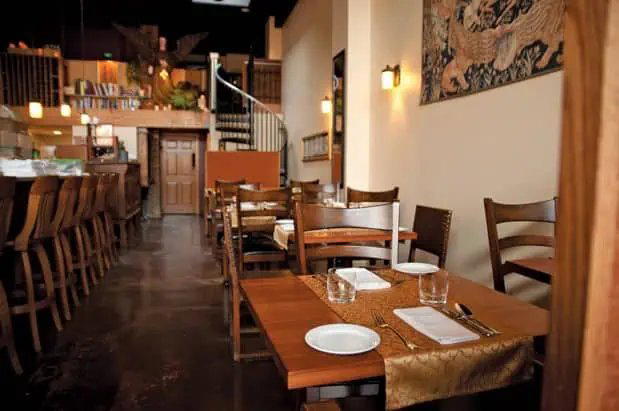
Restaurants in Bellevue
Browse all →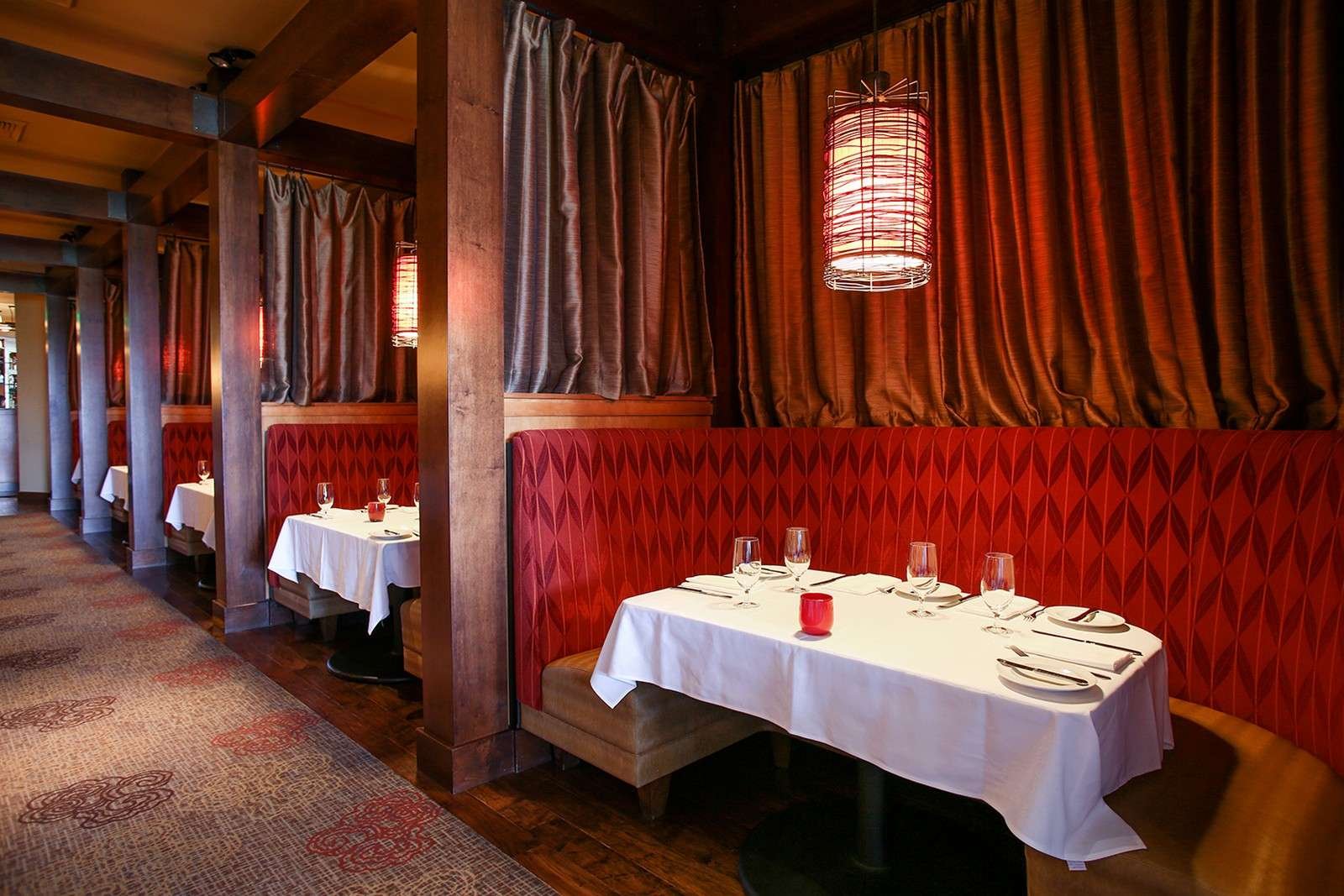
Bars in Bellevue
Browse all →
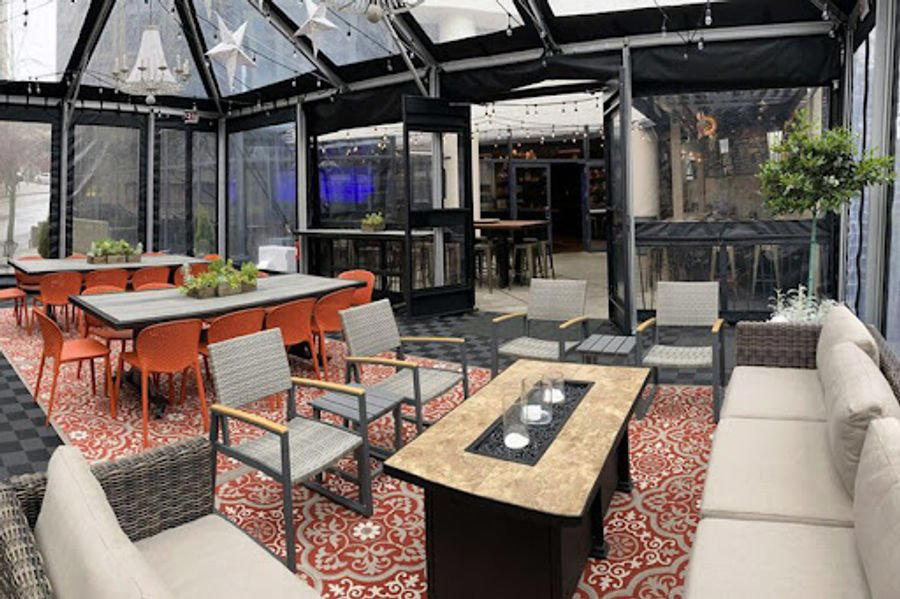
Hotels in Bellevue
Browse all →
At a Glance
- Intimate
- Elegant
- Sophisticated
- Date Night
- Special Occasion
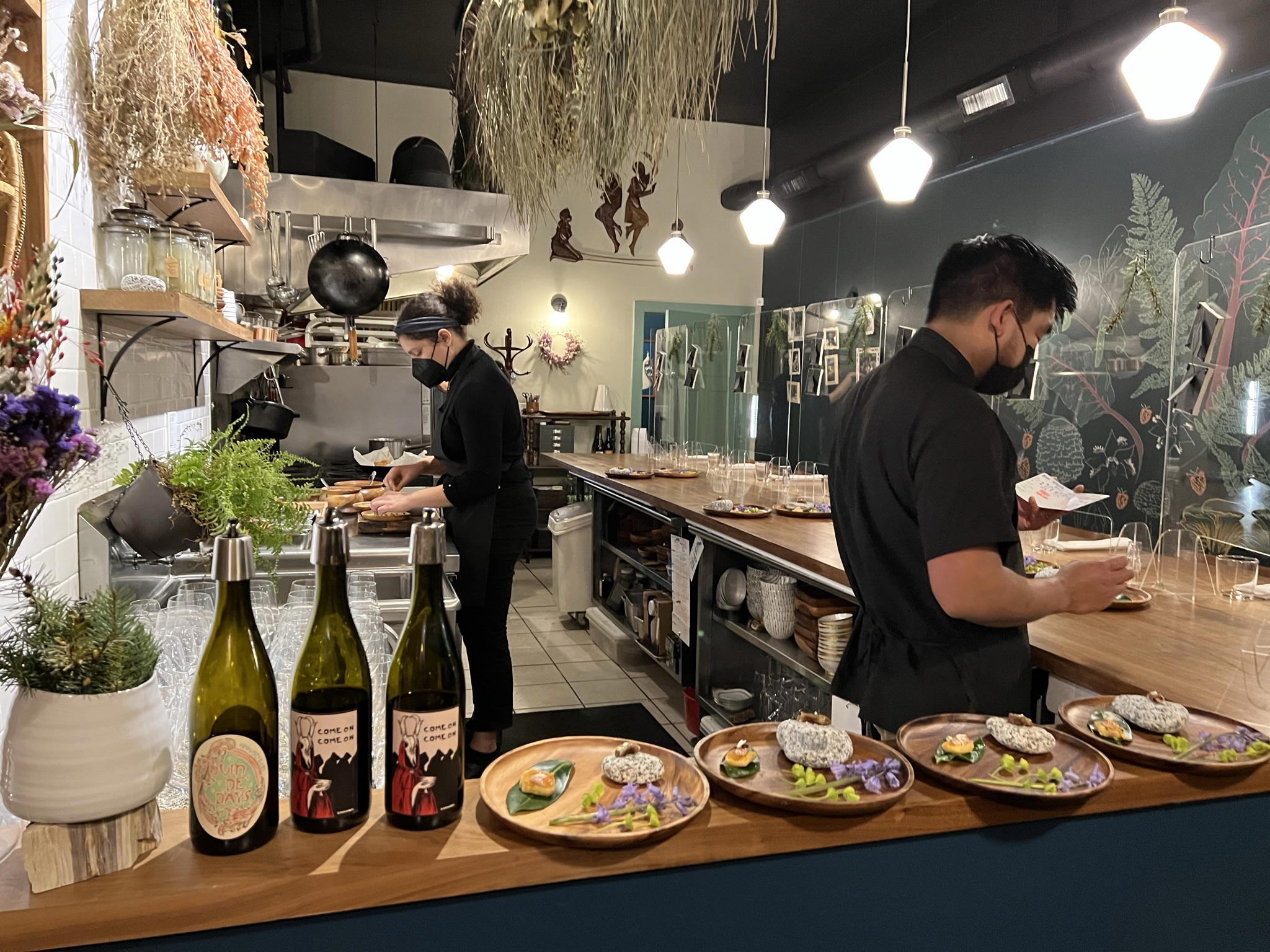
- Chefs Counter
- Open Kitchen
Intimate and personable dining experience at a six-seat counter with direct interaction with the chef and family service