Fujiwara Omakase
Fujiwara Omakase brings the counter-format sushi tradition to Bellevue, Washington, positioning itself within the Pacific Northwest's growing tier of serious Japanese dining. The omakase format places seasonal Japanese sourcing at the center of the experience, with each course shaped by what the calendar allows rather than a fixed menu. Reservations are advisable given the limited-seat format standard to this category.
Pearl is the En Primeur Club membership app — saves, bookings, and concierge access live there. Same editors, same standards.
- Address
- 10602 NE 9th Pl, Bellevue, WA 98004
- Phone
- (425) 633-5500
- Directions
- Get directions
 Saves & bookings on Pearl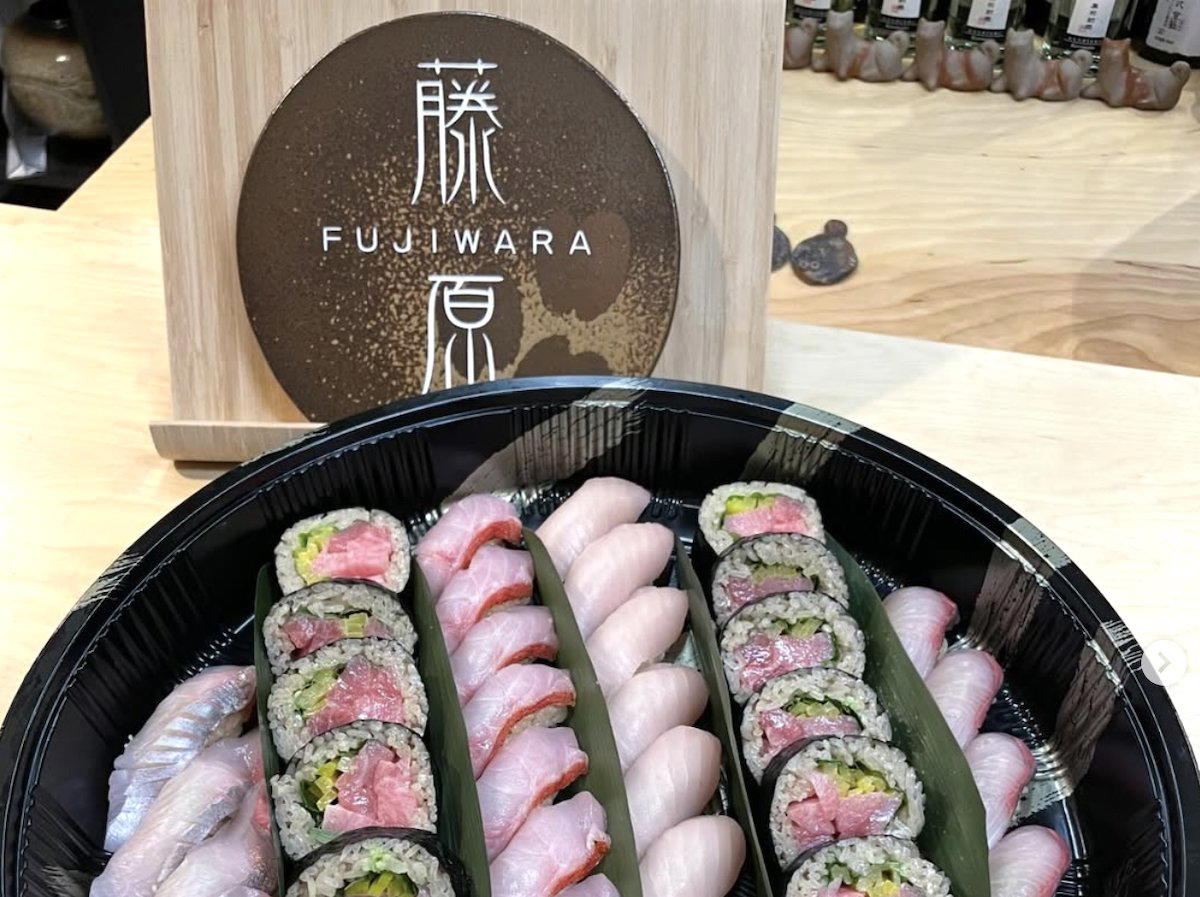
The Counter Format Comes to the Eastside
Bellevue's dining scene has spent the better part of a decade catching up to Seattle's restaurant density, and the arrival of counter-format omakase is one of the clearest signals that the gap has narrowed. The omakase model, built around a chef-driven sequence of courses with no printed menu, demands a dining room that functions more like a stage than a restaurant. The physical setup matters: the counter seats, the knife work visible from every position, the rhythm of service that compresses a meal and a performance into a single uninterrupted arc. Fujiwara Omakase in Bellevue occupies that format, placing it in a category that is still relatively rare in the greater Seattle metro and rarer still on the Eastside.
Fujiwara Omakase sits at a different altitude than the steakhouse tier represented by Daniel's Broiler and John Howie Steak, both of which anchor the premium end of Bellevue's more established dining formats. Omakase counters compete on different terms: intimacy, sourcing credibility, and the logic of the sequence rather than the theater of a prime cut.
What the Calendar Does to an Omakase Menu
The central argument for the omakase format is seasonality, and in the Pacific Northwest that argument carries particular weight. Few regions in North America offer the same proximity to both wild Pacific seafood and a deep cultural familiarity with Japanese culinary standards. The calendar at a serious omakase counter should shift meaningfully across the year, with winter bringing different fish than late summer, and early spring presenting a narrow window for ingredients that don't survive the season's turn.
In the Japanese culinary tradition, the concept of shun governs peak-season eating: each ingredient has a moment when its flavor and texture are at their most resolved, and a skilled counter tracks that window rather than forcing year-round consistency. At counters operating in this tradition, you eat differently in February than in August. Winter menus lean toward richer, fattier fish as cold water concentrates flavor in the flesh. Late summer and early autumn bring lighter, cleaner profiles. A guest who visits twice in the same year, six months apart, should encounter a substantially different sequence.
The Pacific Northwest's seafood supply chain reinforces this. Salmon runs define summer and early fall as a category, with Copper River king salmon arriving in late May or June and driving menu decisions across every serious Japanese counter in the region. Dungeness crab, halibut, and various species of Pacific rockfish create a seasonal grid that a well-sourced counter can map its menu against with considerable specificity. For comparison, omakase counters operating further from these supply lines, including venues like Sushi Yoshitake in New York City, rely more heavily on overnight air freight from Toyosu Market in Tokyo, which is a different logistical calculus with its own seasonal rhythms. A Bellevue-based counter has the option to source locally without sacrificing quality, which is a structural advantage worth noting.
Timing Your Visit
The question of when to book an omakase counter in the Pacific Northwest is not simply a matter of preference. The late spring to early autumn window, roughly May through September, gives a counter to work with: Pacific salmon in multiple forms, spot prawns at peak season in May, local sea urchin from the Puget Sound region, and a range of shellfish that benefit from the cooler waters of the inland sea. A visit in this window is likely to intersect with the highest density of local sourcing on the menu.
Winter visits are not without their own case. Cold-water fish from Pacific waters reach their highest fat content between November and February, and the reduced competition for reservations at this time of year often means better seat availability at counters that are harder to access during peak months. Counter-format restaurants in this price tier tend to operate with limited covers, which means the booking window can open and close faster than diners expect. At omakase venues with strong word-of-mouth and no large-scale marketing presence, seats fill through repeat guests and referrals before any public availability becomes visible. Booking well ahead of a planned visit is the practical default, regardless of season.
Placing Fujiwara Within the National Omakase Picture
The omakase format has expanded significantly across American cities over the past decade, moving from a concentrated presence in New York and Los Angeles into secondary and tertiary markets. The structural economics of the format, high per-cover price offset by low seat count and reduced front-of-house staffing, have made it viable in markets that couldn't sustain traditional high-end Japanese restaurants with full dining room buildouts. Bellevue, with its high-income residential base and proximity to tech-sector wealth, sits in a demographic bracket that can support serious counter dining.
At the national level, the reference points for the counter format's ceiling are venues like Providence in Los Angeles, which applies similar seasonal discipline to seafood in a non-Japanese format, and farm-to-table omakase adjacents like Single Thread Farm in Healdsburg, where the seasonal calendar is the menu's organizing logic. The discipline of sequence-driven seasonal eating also connects to broader fine dining formats at Alinea in Chicago and The French Laundry in Napa, though those operate from different culinary traditions. What unifies them is the commitment to the tasting menu as a vehicle for time-specific ingredients rather than a fixed catalog.
The proximity to cold Pacific waters gives it a sourcing context that neither a New York counter nor a California-based venue can replicate. Internationally, the logic maps to counters like 8½ Otto e Mezzo Bombana in Hong Kong, where geography shapes what a serious kitchen can do with seasonal product.
Planning Your Visit
Omakase counters in this tier typically require advance reservations, and the window can vary significantly depending on season and current reputation. Arriving without a booking at this category of restaurant is not a practical strategy. Dress code norms at this format tend toward smart casual at minimum, with the counter environment making appearance more visible than in a standard dining room. Given the price tier standard to serious omakase in the American market, this is an adult-oriented dining environment by default, and families should factor the format's length and pacing into their decision.
Price and Recognition
Comparable venues nearby, for context on price, style, and recognition.
| Venue | Cuisine | Price | Notes |
|---|---|---|---|
| Fujiwara OmakaseThis venue — the venue you are viewing | Bellevue, Omakase | $$$$ | Not listed |
| Takai by Kashiba | Bellevue, Edomae-Style Omakase | $$$$ | Not listed |
| Bis on Main | Not listed | $$$ | Old Bellevue, Northwest American Bistro with French and Italian Influences |
| Wild Ginger Bellevue | Not listed | $$$ | Downtown Bellevue, Southeast Asian Pacific Rim |
| El Gaucho Bellevue | Downtown Bellevue, Classic Steakhouse | $$$$ | Not listed |
| Jiang Nan Bellevue | Downtown Bellevue, Chinese Fusion | $$$ | Not listed |
Continue exploring
More in Bellevue
Restaurants in Bellevue
Browse all →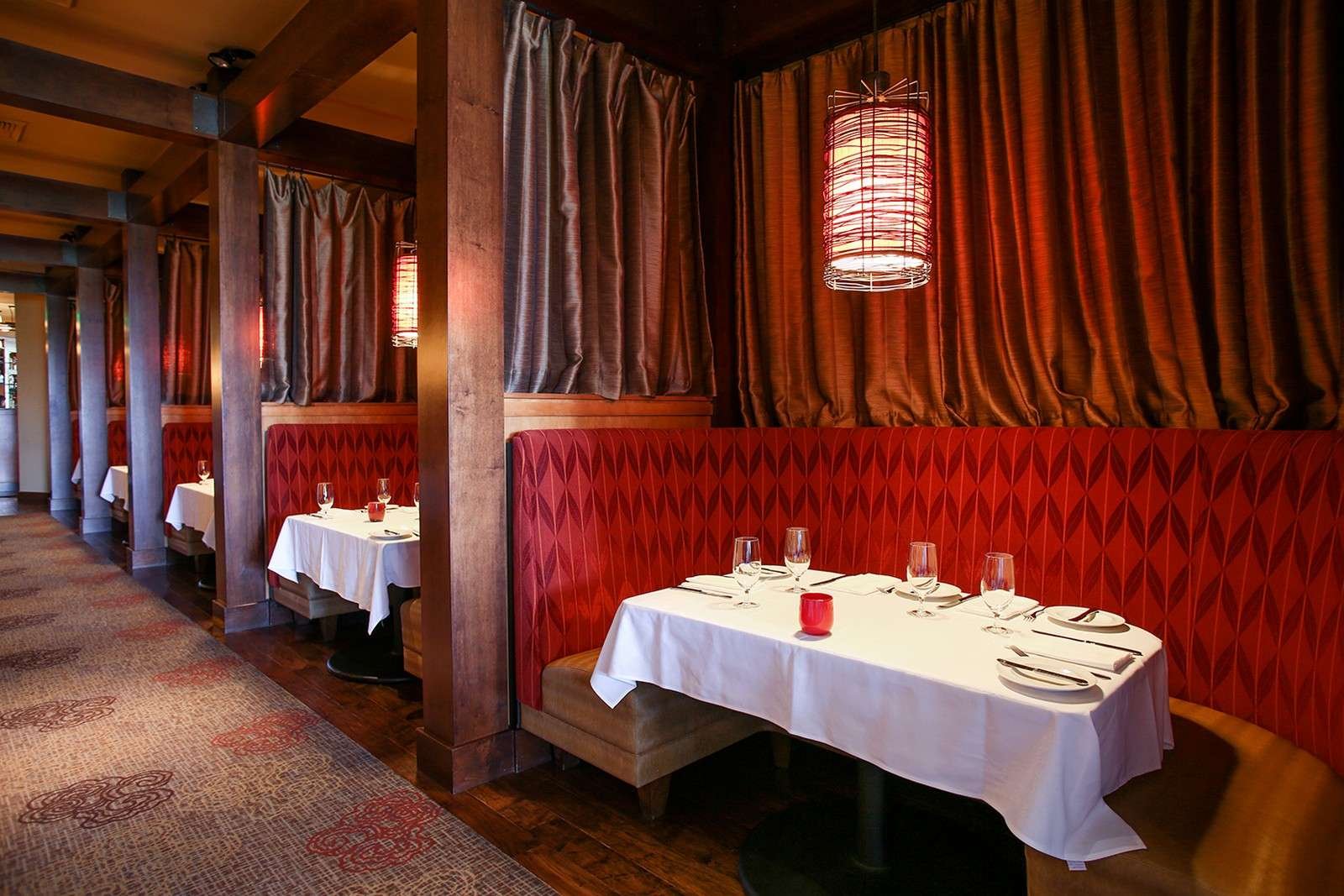
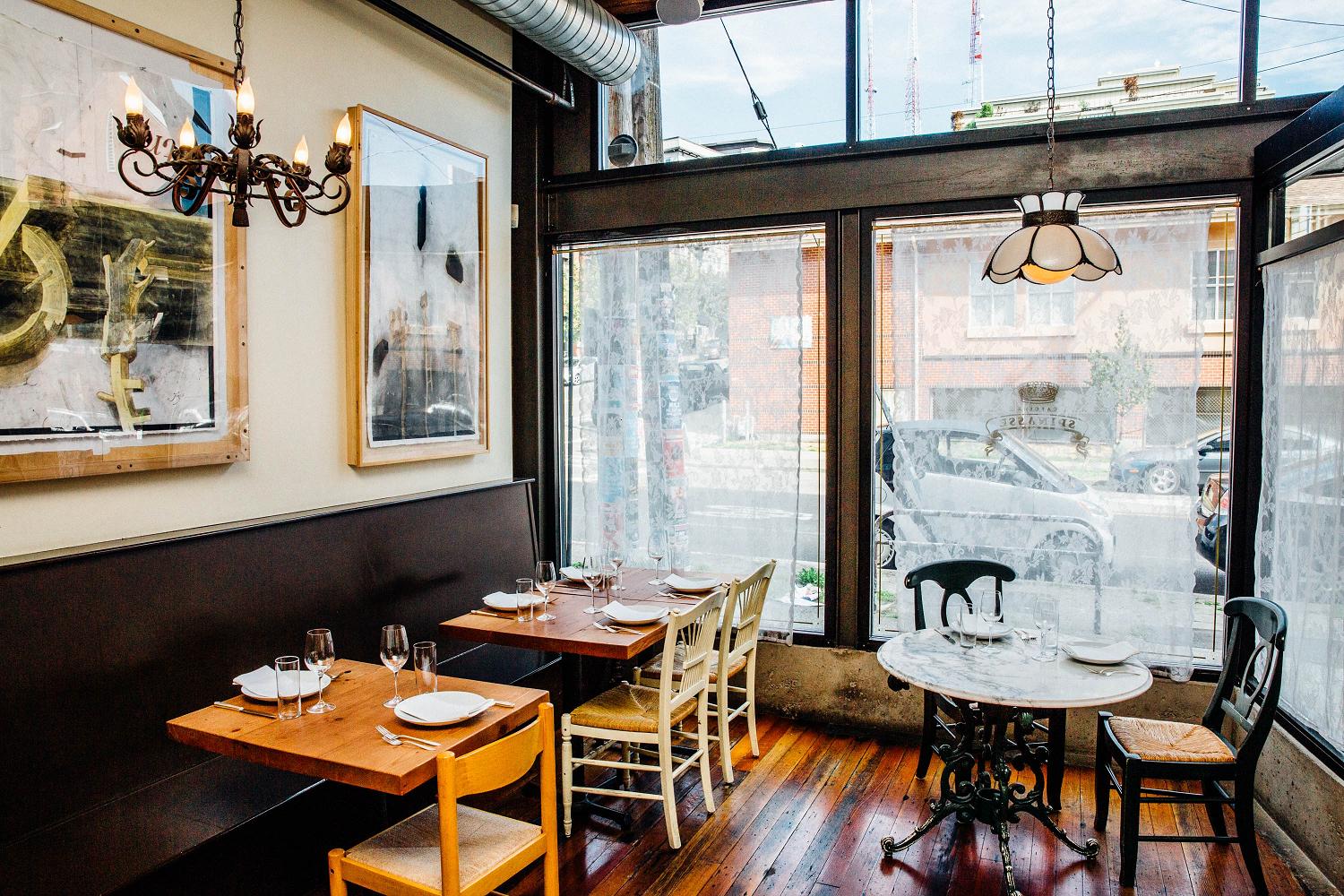
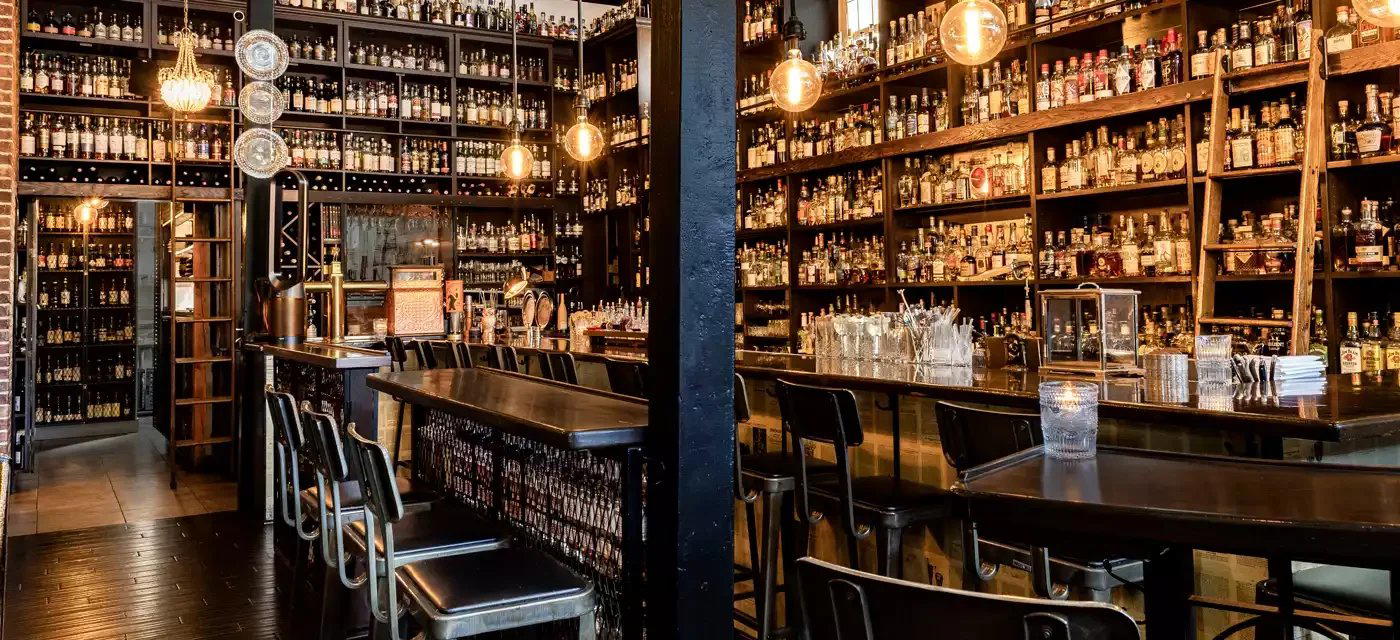
Bars in Bellevue
Browse all →
Hotels in Bellevue
Browse all →
At a Glance
- Intimate
- Elegant
- Sophisticated
- Date Night
- Special Occasion
- Chefs Counter
- Open Kitchen
Intimate and personable atmosphere with direct interaction between chef and diners at a small counter setting