Sushi Akira
On the Upper East Side, Sushi Akira occupies a tier of the New York omakase market where counter seating, sequential pacing, and fish sourcing do the heavy editorial work. Positioned on East 75th Street, it draws comparison to the city's broader Japanese counter tradition rather than the high-volume midtown sushi circuit. For the neighbourhood, the format signals ambition beyond casual delivery.
Pearl is the En Primeur Club membership app — saves, bookings, and concierge access live there. Same editors, same standards.
- Address
- 317 E 75th St, New York, NY 10021
- Phone
- (917) 921-3239
- Website
- sushiakiranyc.com
- Directions
- Get directions
 Saves & bookings on Pearl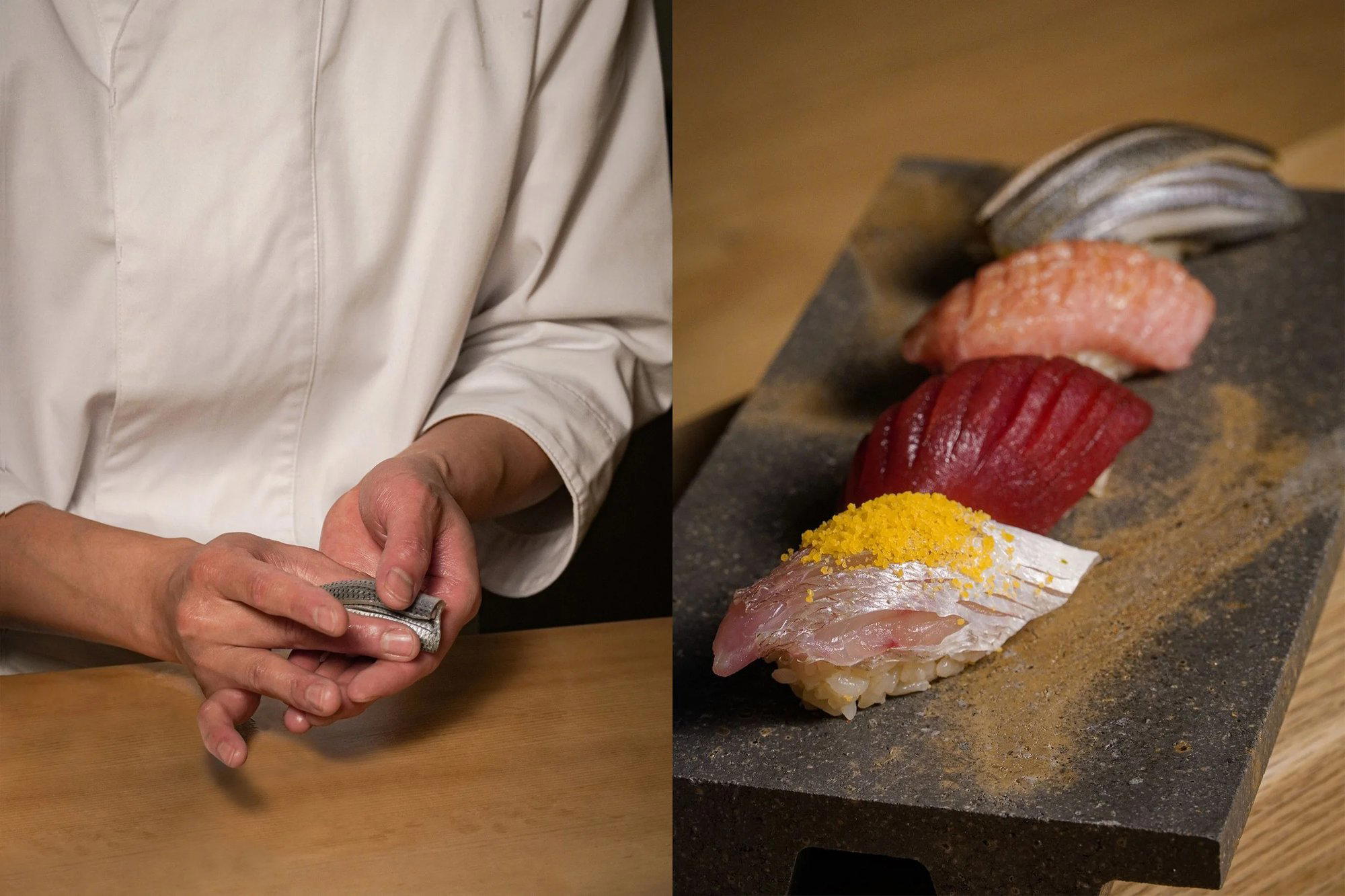
The Upper East Side Omakase Circuit
Sushi Akira is an Edomae-Style Omakase restaurant in New York's Upper East Side. At one end sits a small group of counters with multi-year waiting lists and price points that benchmark against international fine dining: Masa in Columbus Circle occupies that tier almost alone. Below it, a wider mid-to-upper bracket has filled in across Manhattan, where counter size, fish provenance, and the chef's lineage determine market position. Sushi Akira, at 317 East 75th Street, operates within this broader segment of the city's Japanese dining scene, on a residential stretch of the Upper East Side that has grown increasingly serious about counter-format dining.
The geography matters. The Upper East Side's dining identity has historically leaned toward old-guard French and American establishments, but the neighbourhood has added a layer of precision-format Japanese restaurants over recent years, serving a local population that books omakase the way an earlier generation booked prix-fixe. That context places Sushi Akira in a neighbourhood conversation rather than an isolated one.
How the Meal Moves: Sequencing at a Sushi Counter
The logic of an omakase progression is among the more disciplined sequencing formats in fine dining anywhere. Unlike the composed tasting menus at, say, Eleven Madison Park or Per Se, where kitchen teams plate each course remotely, a sushi counter telescopes the distance between preparation and consumption to almost nothing. The chef works inches from the guest. Tempo is set by hand speed and conversation, not by a pass window.
Arc of a classical omakase follows a recognisable internal grammar. It typically opens with tsukidashi, small composed bites designed to calibrate the palate rather than satisfy it. From there, the sashimi sequence establishes the fish sourcing story: the quality of the cuts, the temperature at which they arrive, the thickness relative to the fish's texture. This is where the counter's supply chain becomes visible. A well-sourced counter in New York in 2024 is pulling from Toyosu Market imports, domestic day-boat fisheries, and a growing set of domestic farms producing premium shellfish. The gap between a counter with access to aged tuna and one working with standard wholesale product is legible in the first three pieces.
Nigiri sequence that follows is where pacing becomes the defining variable. A skilled itamae controls the warmth of the shari, the compression of each piece, and the gap between courses. Rush a counter and the rice temperature falls out of sync with the fish. Too slow, and the guest's engagement drifts. The leading New York counters treat this as a live performance in a literal sense: no two services run identically. Seasonal fish availability shifts the order, the fat content of the tuna changes the weight of the middle courses, and the guest's pace of eating influences how the chef sequences the close.
Closing courses at a sushi counter are where style becomes most legible. Some counters end on tamago, the sweet egg custard that signals tradition and technical confidence. Others close with hand rolls, letting the guest experience a change in texture and temperature at the end of a long sequence of cold nigiri. How a counter chooses to close says something about its orientation: toward classical form or toward contemporary variation. That choice is, in effect, the counter's editorial statement.
Placing Sushi Akira in the New York Counter Tradition
New York's sushi counter scene now runs wide enough that comparison requires some specificity. At the city's leading end, a small peer group sets the pace. Below that, a larger set of serious operations competes on fish quality, counter format, and neighbourhood positioning. The Upper East Side has enough density of high-income residential dining demand that a counter at this address is playing to a specific local audience as much as drawing destination visitors from across the city.
That puts the restaurant in a different competitive frame than the midtown Japanese concentration around Masa or the downtown counters that attract a younger dining crowd. Restaurants including Atomix and Le Bernardin anchor the city's highest-tier tasting format across French and Korean traditions; the restaurant's neighbourhood positioning suggests a more local-access proposition, even if the format discipline is shared with grander addresses.
Internationally, the counter format that defines serious omakase in New York has close cousins at precision-format restaurants across the globe. The discipline of sequential Japanese counter service appears in different culinary registers at places like 8½ Otto e Mezzo Bombana in Hong Kong and in the chef-to-guest intimacy of tasting menus at Alain Ducasse's Louis XV in Monte Carlo. The underlying logic, that a small room with a single menu puts maximum pressure on the quality of every course, translates across cuisines.
Across the United States, the parallel precision-format tasting scene includes counters and small-room restaurants such as Alinea in Chicago, Lazy Bear in San Francisco, The French Laundry in Napa, Single Thread Farm in Healdsburg, and Providence in Los Angeles. Each operates on the principle that removing choice from the guest concentrates responsibility entirely on the kitchen. For a sushi counter, that responsibility rests even more acutely on a single pair of hands at the cutting board.
Planning Your Visit
East 75th Street sits between Second and First Avenues on the Upper East Side, accessible by subway at the 77th Street station on the 6 line. The neighbourhood is residential and quieter at night than midtown, which makes the counter format a natural fit: arrivals are unhurried and the street-level atmosphere does not compete with the interior experience. For travellers building a broader US itinerary that includes serious tasting-format dining, Emeril's in New Orleans provides a useful contrast in format and regional tradition.
Quick reference: 317 E 75th St, New York, NY 10021. Upper East Side. Omakase counter format. Reservations are essential. The restaurant is closed Monday and serves dinner Tuesday through Sunday from 6 to 10 PM.
At a Glance
Comparable venues nearby, for context on price, style, and recognition.
| Venue | Cuisine | Price | Notes |
|---|---|---|---|
| Sushi AkiraThis venue — the venue you are viewing | Not listed | $$$$ | Not listed |
| Koi | Not listed | $$$$ | Midtown-Times Square, Upscale Japanese Fusion |
| Yamada | Not listed | $$$$ | SoHo-Little Italy-Hudson Square, Seasonal Kaiseki |
| BONDST | Not listed | $$$$ | Chelsea-Hudson Yards, Modern Japanese with Sushi |
| Kappo Sono | Greenwich Village, Japanese Kaiseki | $$$$ | Not listed |
| Sushi Ouji | Not listed | $$$ | SoHo-Little Italy-Hudson Square, Modern Japanese Omakase |
Continue exploring
More in New York City
Restaurants in New York City
Browse all →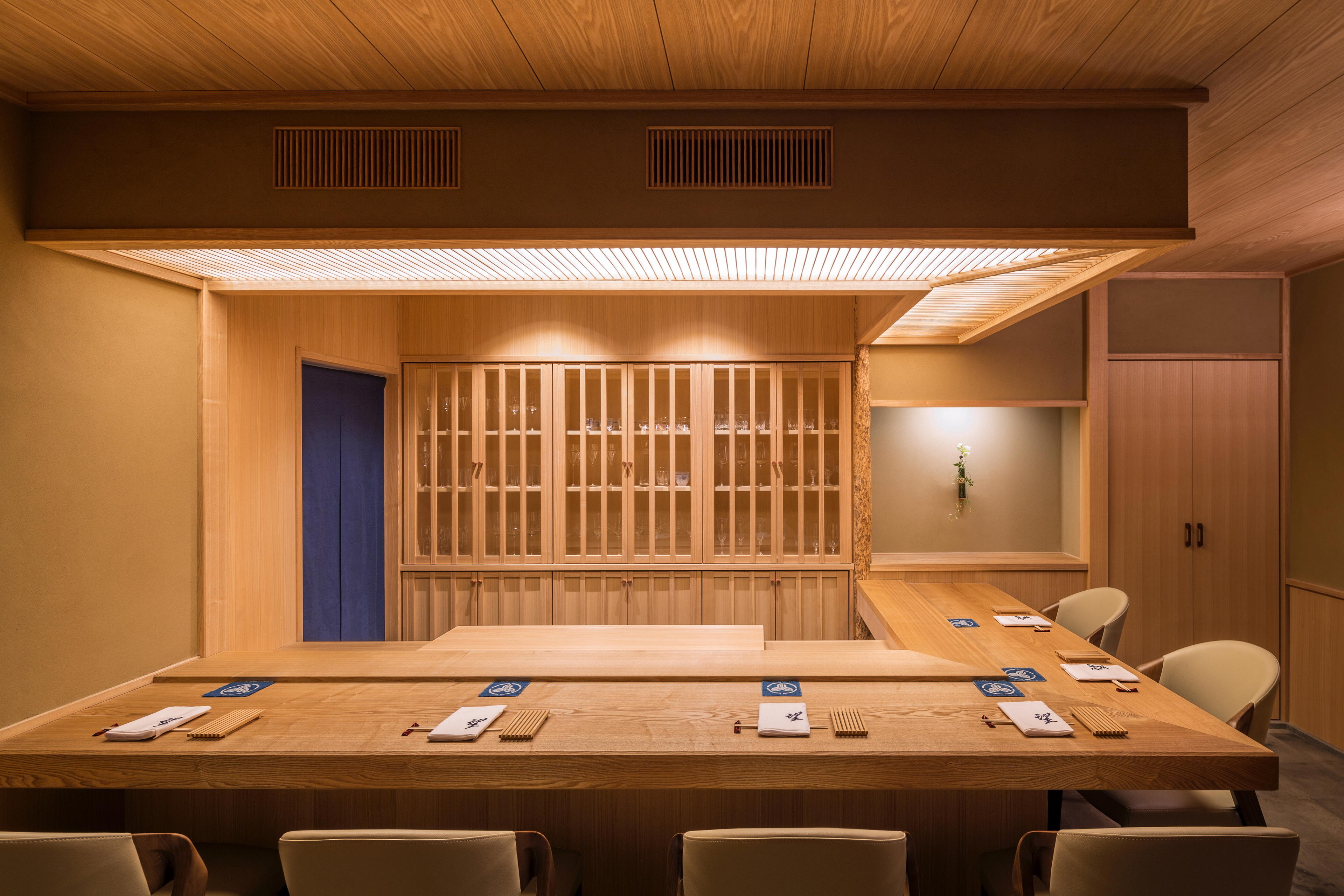
Bars in New York City
Browse all →
Hotels in New York City
Browse all →





At a Glance
- Intimate
- Modern
- Elegant
- Sophisticated
- Date Night
- Special Occasion
- Chefs Counter
- Sake Program
- Sustainable Seafood
Current opening hours
- Monday
- Closed
- Tuesday
- 6–10 PM
- Wednesday
- 6–10 PM
- Thursday
- 6–10 PM
- Friday
- 6–10 PM
- Saturday
- 6–10 PM
- Sunday
- 6–10 PM
Hours can change for holidays and private events. Last verified .
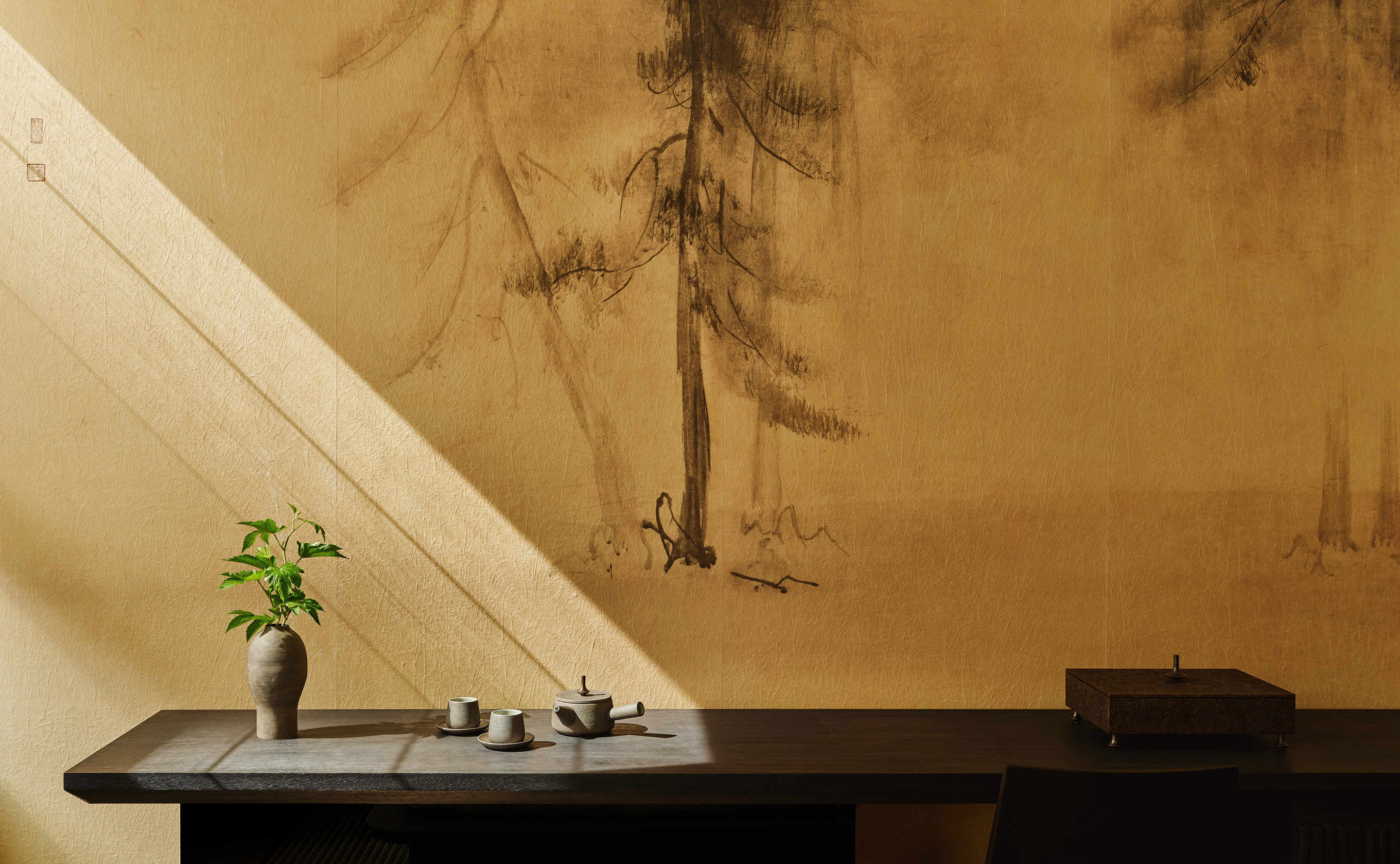
Sleek, modern intimate atmosphere at a 12-seat sushi counter with meticulous, carefully choreographed service.