
Tabelog Bronze
Our verdict
Setsugekka Ginza places premium yakiniku inside Ginza’s polished dining tier, with Tabelog Bronze Award 2025 recognition and a 3.9 score anchoring its reputation. The appeal is less about novelty than execution: beef-focused cooking, a high-rent Ginza setting, and a category where sourcing, grilling discipline, and pacing separate serious counters from casual grill rooms.

Pearl is the En Primeur Club membership app, where members save venues, book tables and use the concierge.
The menu
What to order
- Omakase Yakiniku Course
- A5 Wagyu Ribeye
- Karubi
- Gyutan
As day trade thins, Ginza shifts from department-store light to elevator lobbies, upper-floor dining rooms, and small signs for those who know what they seek. In this vertical Tokyo dining, yakiniku keeps smoke, heat, and fat, but asks for tighter pacing and a more polished reading of beef than the loud, beer-led grill rooms elsewhere.
That frames setsugekka ginza. Its Tabelog Bronze Award 2025 and 3.9 score place it in a recognized tier of Tokyo yakiniku and meat-led dining, where critical reception rewards consistency as much as spectacle. In Ginza, expensive meals compete with sushi counters, kaiseki rooms, and French and Chinese dining rooms; a beef restaurant must justify itself against that wider luxury market, not only other yakiniku addresses.
Ginza yakiniku has moved from casual grill to serious beef format
Tokyo yakiniku spans post-work tables built around cuts, sauces, and drinks; chef-controlled rooms that manage the grill for guests; and hybrids borrowing from kaiseki, steakhouse service, and wagyu tasting menus. The high end is not defined simply by marbling, but by how the sequence handles richness, how it moves from leaner cuts to fattier ones, and whether it leaves room for rice, soup, noodles, or a final savory course without repetition.
Ginza pressure-tests that format. Rent and expectation push restaurants toward edited experiences, while regulars pay for precision. Setsugekka Ginza belongs to this polished Ginza register rather than the sprawling, casual end of yakiniku culture. Its Tabelog recognition matters because Japanese diners use the platform heavily for category comparison, and a Bronze Award carries practical weight in a city where peer scores often filter bookings.
The nearby competitive set shows how broad Ginza’s premium meat conversation has become. Ginza Yamashina sits in a price-signaled yakiniku lane, while Nikuya Tanaka is framed around beef kaiseki. にく割烹金座 points to the kappo side of meat dining, where counter technique and a composed sequence matter more than open-table grilling. Setsugekka Ginza reads in that conversation: not a novelty address, but part of Tokyo’s shift toward beef restaurants competing on structure, sourcing cues, and dining-room control.
Recognition matters in a city overloaded with good beef
Tokyo has abundant wagyu, which can make the category hard to read. A high price alone says little. Awards and scores help separate restaurants that buy expensive beef from those that manage a full meal with restraint. A Tabelog 3.9 score is not casual praise in Tokyo’s crowded restaurant culture; it signals that regular diners and category obsessives place the restaurant above the broad middle of the market.
The Bronze Award is stronger. Tabelog’s award system is closely watched in Japan because it reflects sustained reputation across a large user base rather than one critic’s verdict. For an international traveler, that does not replace taste, but it calibrates expectation. Judge the meal against serious Tokyo yakiniku and meat restaurants, not casual barbecue or generic wagyu tourism. The pleasure is in disciplined handling of a rich ingredient, not simply expensive beef.
Ginza also changes how a meat restaurant is used. In Shibuya, Shinjuku, or Ueno, yakiniku often centers on group volume and energy. In Ginza, it can be a controlled evening: smaller party, tighter service rhythm, and deliberate progression through cuts. Setsugekka Ginza fits that reading. Its appeal is strongest for diners who understand premium yakiniku as a technical format, not just a luxury purchase.
How to place it within a Tokyo dining itinerary
For a Tokyo dining week, this is a useful counterweight to sushi, tempura, and kaiseki. High-end Japanese dining can become overly ceremonial if every night follows the same counter-and-course pattern. Serious yakiniku adds heat, aroma, and a tactile relationship with the table while remaining within disciplined Ginza dining.
The category comparisons are instructive. Spice Lab Tokyo shows the city’s international fine-dining confidence through Indian cuisine, while Mochiku occupies a higher quoted price band in its own lane. Ginza Yamashina offers another beef-focused reference point, and Nikuya Tanaka pushes toward beef kaiseki. Against those alternatives, Setsugekka Ginza suits diners who want the meat conversation itself rather than a broader tasting-menu thesis built around many ingredients.
The location is easy to position. Ginza works after an afternoon around Marunouchi, Hibiya, or the department stores, and pairs naturally with a later central Tokyo bar plan. The site’s wider city coverage can shape that route: Our full Tokyo restaurants guide, Our full Tokyo bars guide, Our full Tokyo hotels guide, Our full Tokyo wineries guide, and Our full Tokyo experiences guide cover surrounding choices without forcing one style of night.
Within EP Club’s broader Japan and dining map, the useful point is contrast. Tokyo ranges from charcoal tuna at. 鮪と炭火焼き うお炭 秋葉原店 to Shinjuku dining at 12/10 Shinjuku ten, yakitori at 124. KAGURAZAKA (Yakitori), visual café culture at 2D Cafe, and curry specialization at 3 Chome no Curry Ya San. Beyond Tokyo, meat and grill traditions take different forms at -Grilled beef Sukiyaki- KAMAKURA TANUKIAN 鎌倉 たぬき庵 in Kamakura, while the broader network runs from.cafe in Osaka and.know in Kumamoto to (Shoku) Vietnam in Kawasaki, [Curry Senmon Ten] Maruyama Kyoju. in Sapporo, [ki:] in Kyoto, Jōdo Saké Bar in Los Angeles, and Onigiri Time in Pasadena.
The editorial call is clear: choose Setsugekka Ginza when the brief is premium Tokyo beef with credible local recognition, not a casual grill session or chef-biography-driven tasting menu. Its value lies inside Ginza’s serious dining economy, where awards, scores, and category discipline matter more than decorative luxury language.
Frequently asked questions
When can I go to Setsugekka Ginza?
Hours at Setsugekka Ginza: Mon, Tue, Wed, Thu, Fri, Sat 17:00 - 23:00.
What's Setsugekka Ginza's location?
Setsugekka Ginza is located in Tokyo.
Is Setsugekka Ginza award-winning?
Setsugekka Ginza has received recognition including: Tabelog Bronze Award 2025 Score: 3.9 Cuisine: Yakiniku/Meat dishes / Tokyo Phone: 03-3289-0029 Hours: Mon, Tue, Wed, Thu, Fri, Sat 17:00 - 23:00 Address: Ginza6-4-3 GICROS GINZA GEMS 9F, Chuo City, Tokyo Tabelog:.
What's Setsugekka Ginza best at?
Setsugekka Ginza is strongest as a Ginza yakiniku room with a Tabelog Bronze Award 2025 and a meat-dishes focus. In Tokyo, that gives it a clear place for diners comparing beef-led restaurants by recognition and format rather than trend-driven buzz. Its Monday-to-Saturday dinner service, 17:00 to 23:00, reinforces that evening-first positioning.
In Context: Similar Options
Side-by-side context: comparable cuisine and price.
| Venue | Cuisine | Price | Awards | Notes |
|---|---|---|---|---|
| Setsugekka GinzaThis venue (the venue you are viewing) | Modern Yakiniku Kappo | $150–200 | Tabelog Bronze | Not listed |
| Ginza Yamashina | Luxury Wagyu Yakiniku & Steak in Private Rooms | $100–150 | Tabelog 100 #81 | JPY 10,000 - JPY 14,999 JPY 6,000 - JPY 7,999 |
| Nikuya Tanaka | Wagyu Kappo | $300–500 | Tabelog Silver #89 | Beef Kaiseki |
| Spice Lab Tokyo | Modern Indian-Japanese Fusion | $150–200 | Tabelog 100 #78 | Indian |
| Mochiku | Traditional Edo-style tempura omakase | $150–200 | Tabelog 100 #70 | JPY 30,000 - JPY 39,999 JPY 8,000 - JPY 9,999 |
| にく割烹金座 | Niku Kappo (Meat Kappo) | Not listed | Not listed | Not listed |
Recognition history
Dated appearances from independent guides and award organizations, with the underlying list record or original source where available.
Tabelog Bronze
Tabelog
Continue exploring
More in Tokyo
More from Chef Satoru Tanaka
Browse all →
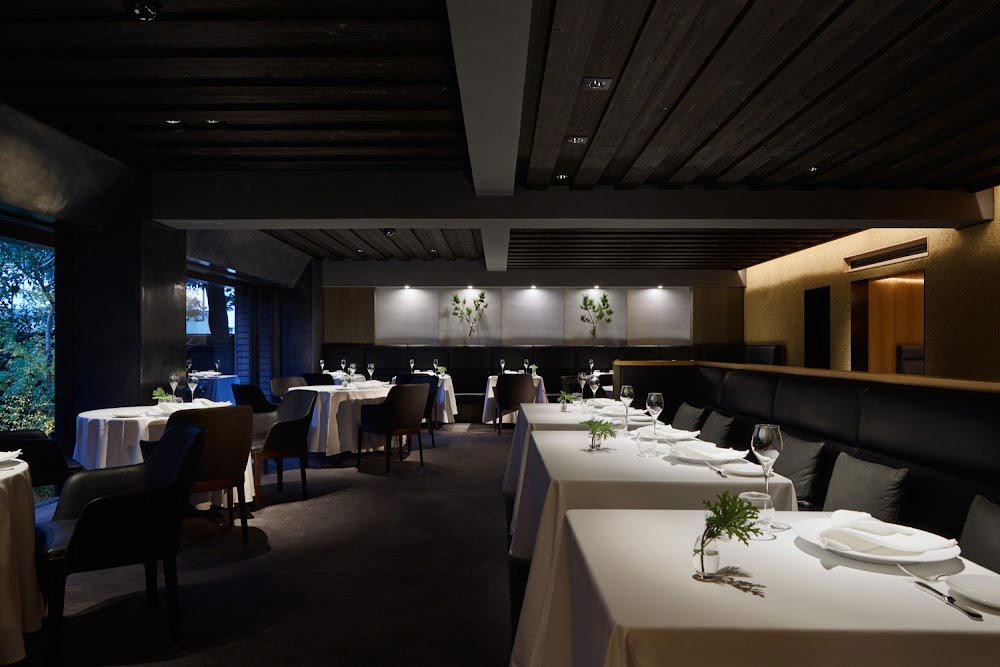
Restaurants in Tokyo
All restaurants in Tokyo →

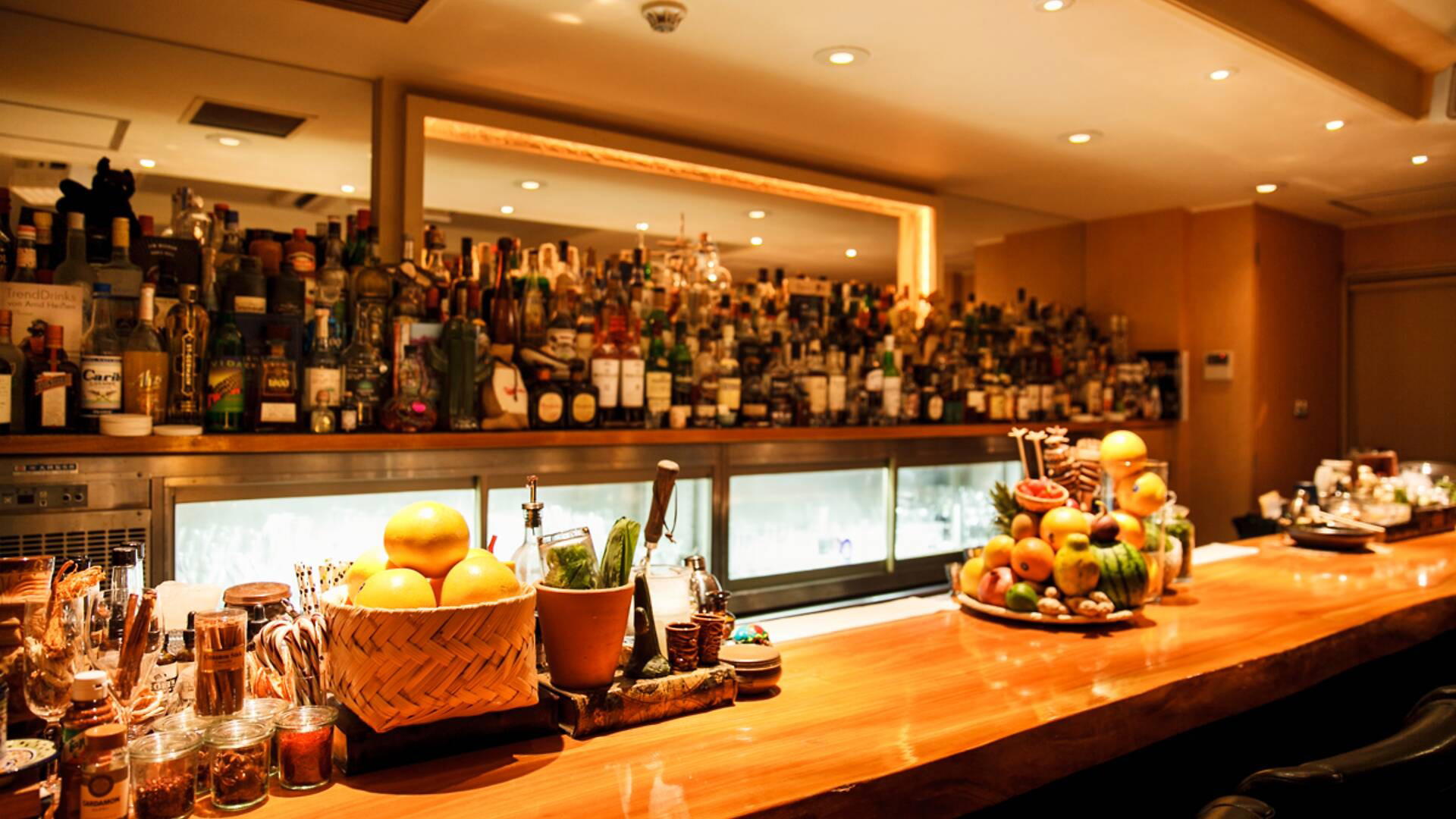
Bars in Tokyo
All bars in Tokyo →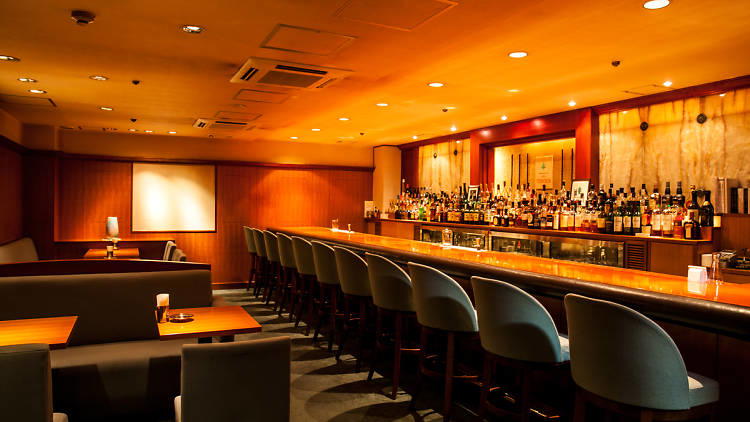



Setsugekka Ginza
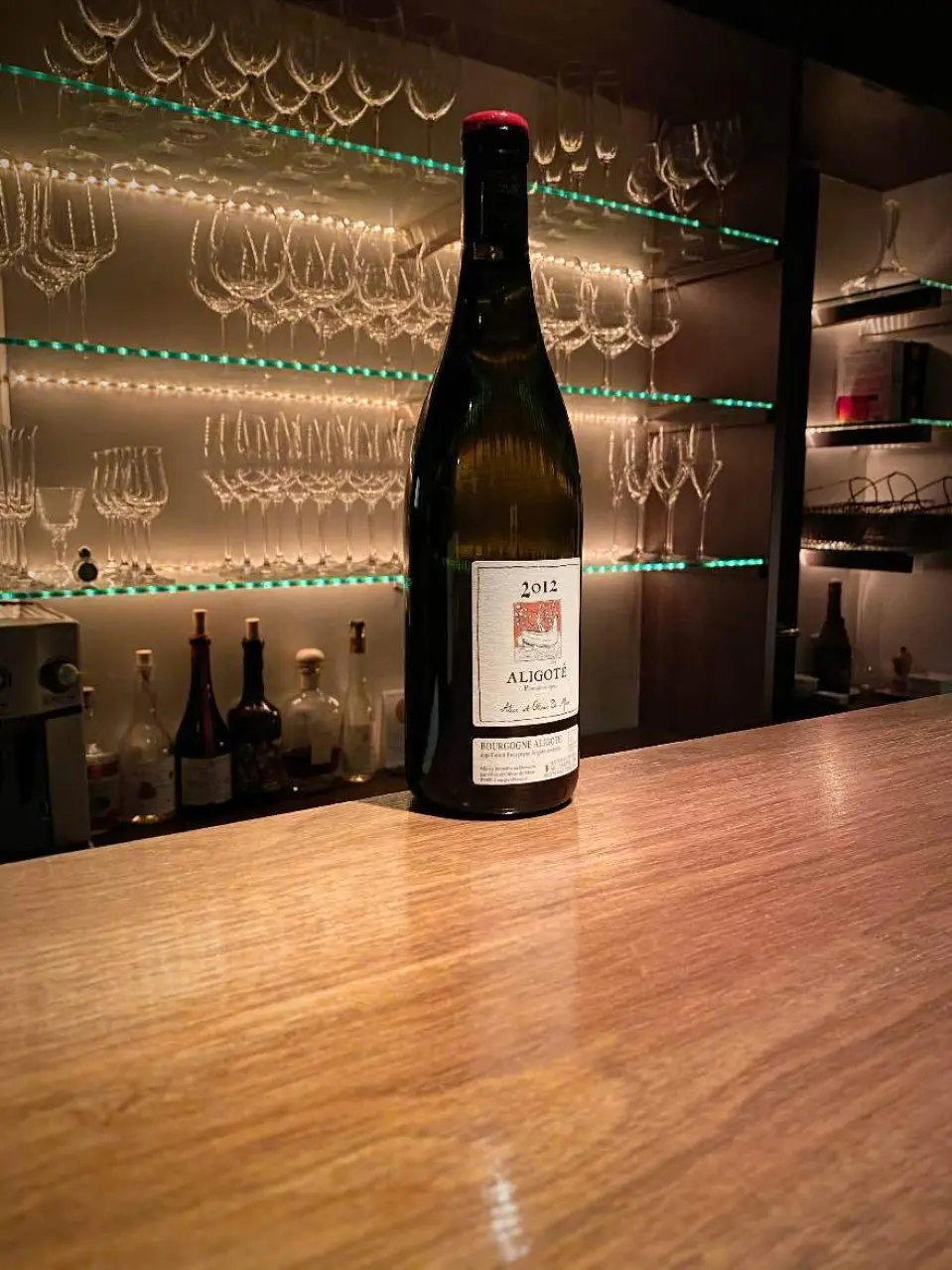
The wine
- Extensive wine list
- Sommelier-led
- Sake program
Details
- Elegant
- Sophisticated
- Modern
- Intimate
- Date Night
- Special Occasion
- Business Dinner
- Chefs Counter
- Open Kitchen
- Sake Program
- Extensive Wine List
- Sommelier Led
- Street Scene
- Tasting Menu
- Counter Dining
- A La Carte
- Sake
- Wine
Current opening hours
- Monday
- 5–11 PM
- Tuesday
- 5–11 PM
- Wednesday
- 5–11 PM
- Thursday
- 5–11 PM
- Friday
- 5–11 PM
- Saturday
- 5–11 PM
- Sunday
- 5–11 PM
Hours can change for holidays and private events. Hours as of .
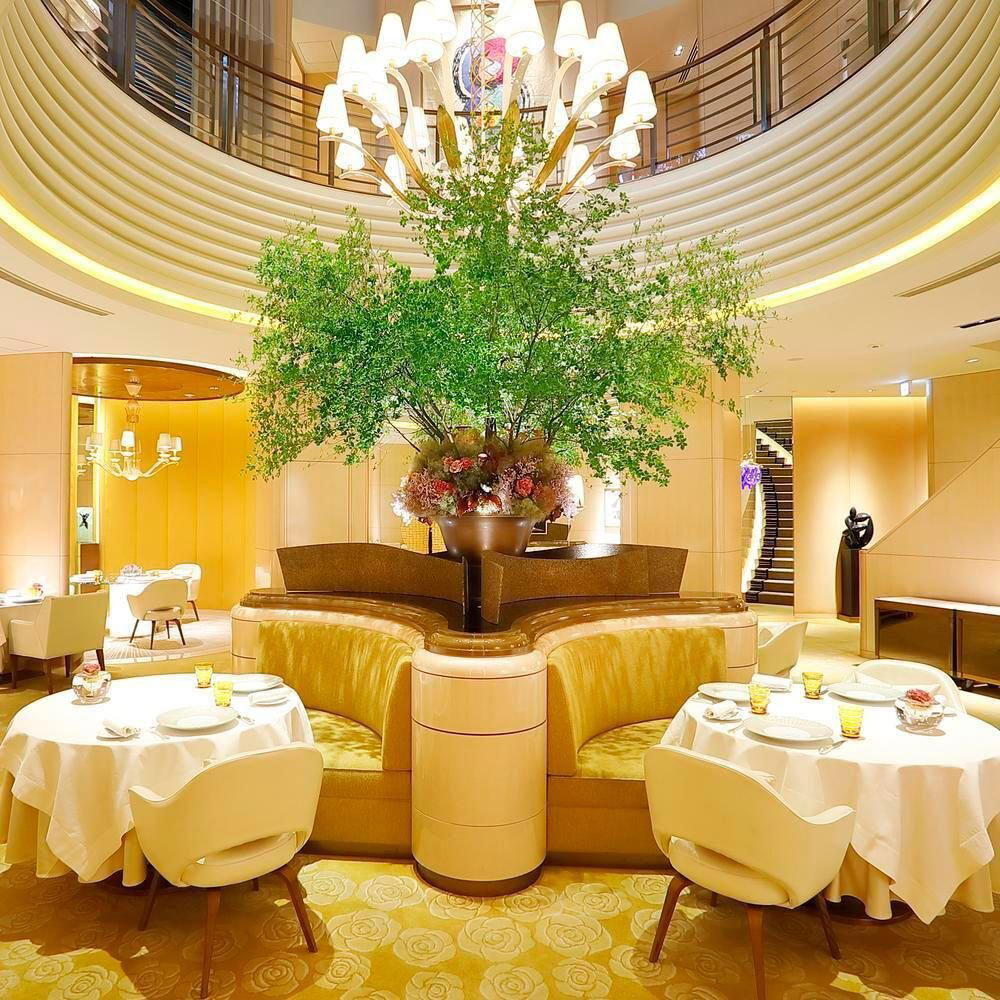
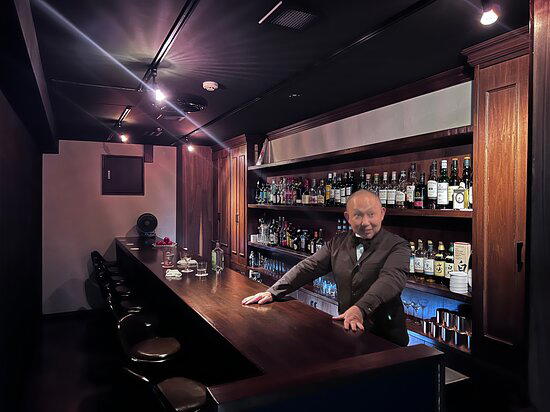
Compact modern room on the 9th floor with warm wood tones, matte metal accents, low lighting, large windows offering city views, and an open kitchen atmosphere.