Sushi Vaz

Michelin Plate
Our verdict
Wdson Vaz brings his acclaimed São Paulo sushi program south to Rio de Janeiro, opening a compact counter in Leblon. The kitchen centers on warm-rice nigiri, day-boat fish sourced through a network built over two decades, and minimal seasoning designed to foreground the catch. It's a quieter alternative to Rio's more theatrical omakase rooms.

Pearl is the En Primeur Club membership app, where members save venues, book tables and use the concierge.
The menu
What to order
- Approximately 16-course omakase featuring bluefin tuna
- Seasonal nigiri selection
- Bluefin tuna and toro progression
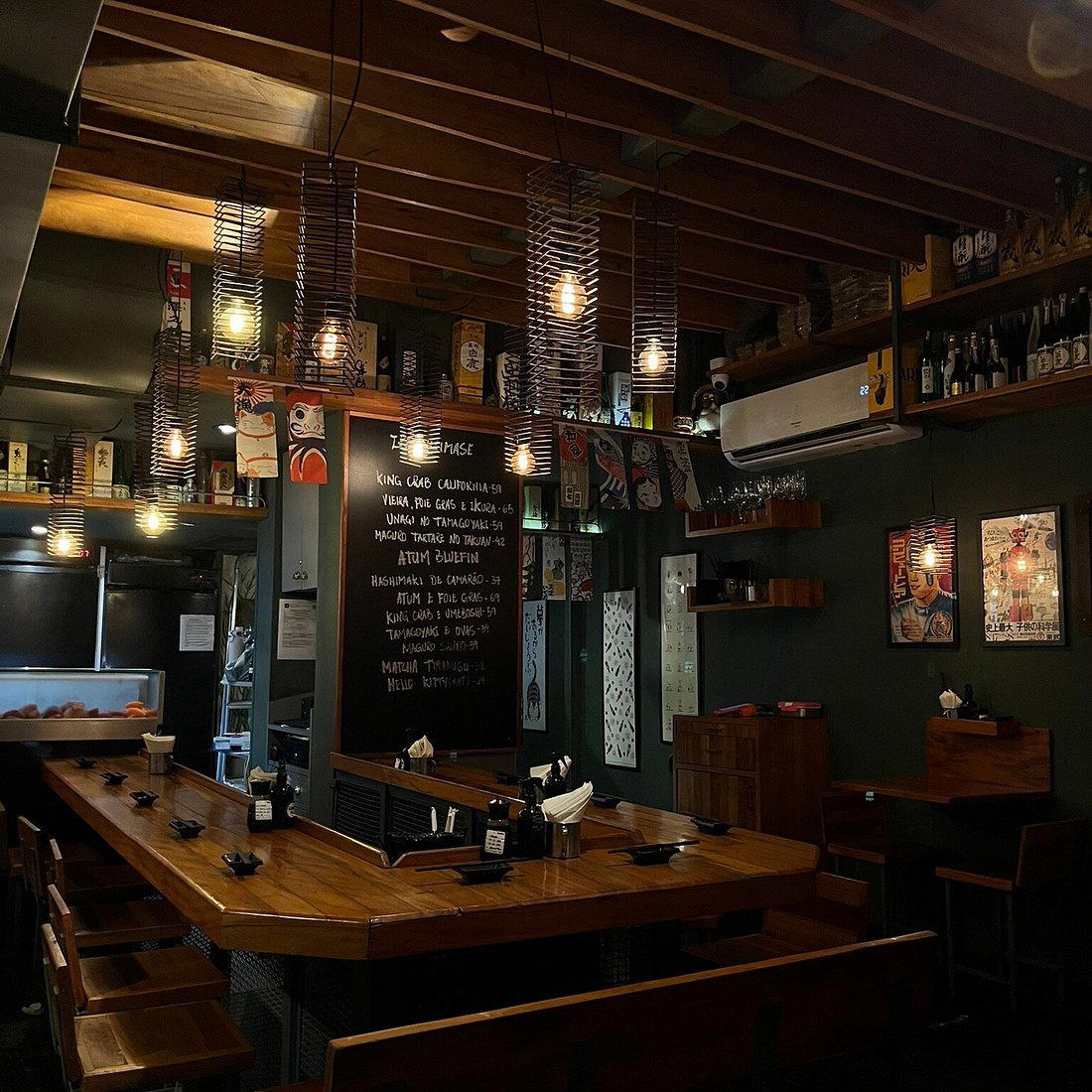
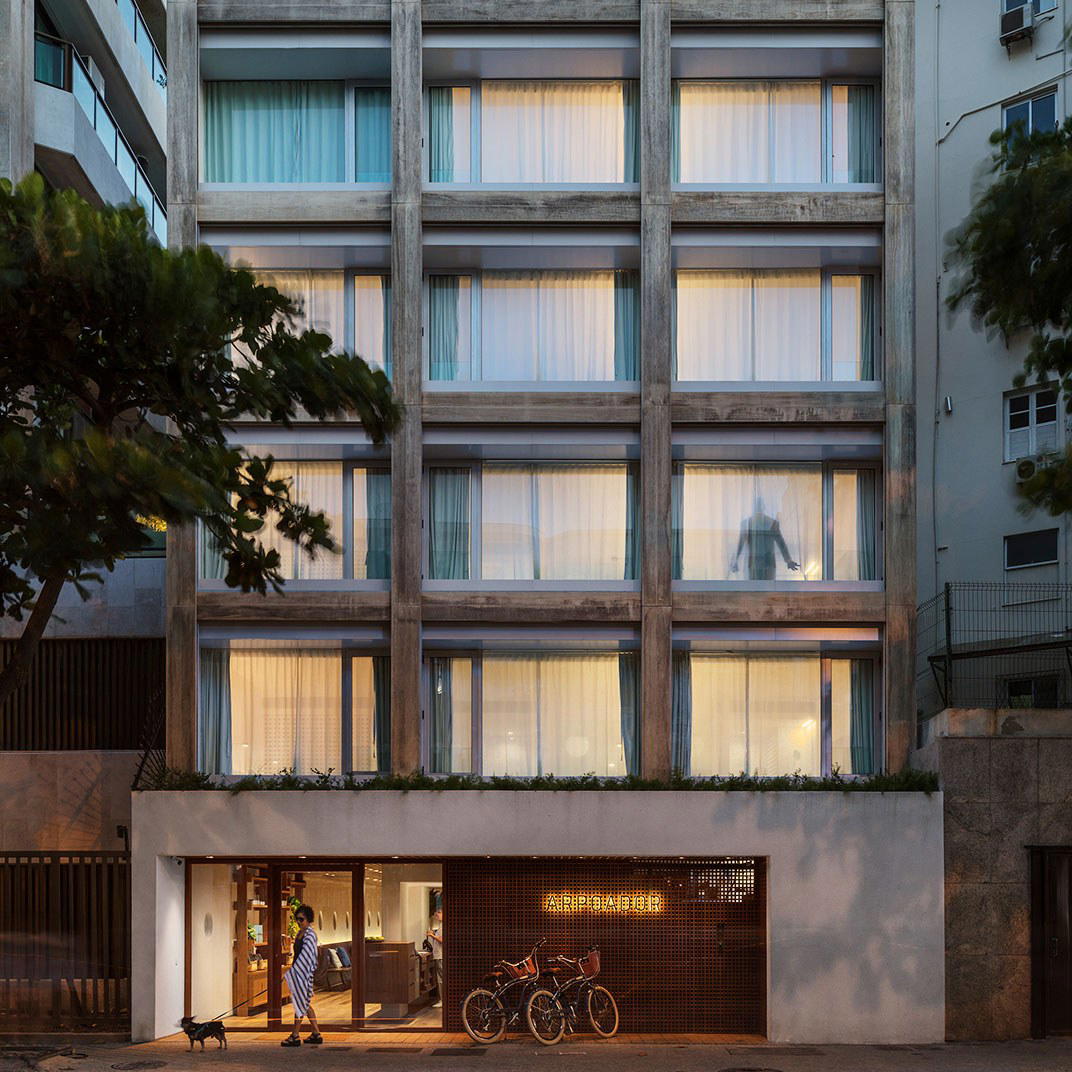
The shopfront sits mid-block on Rua Rita Ludolf in Leblon, a low-key residential stretch where foot traffic thins after eight. Inside, the counter runs eight seats with chef Wdson Vaz working alone or alongside a single assistant, depending on the service. The room is narrow, lit by pendant bulbs that keep focus on the cutting board, and the pace moves slowly, sixteen to twenty pieces over ninety minutes, no rush.
Vaz opened his first São Paulo location in 2019, building a reputation around fish sourced directly from coastal suppliers in Santos and Guarujá. After his second São Paulo counter gained traction among the city's omakase regulars, he expanded to Rio in late 2025, choosing Leblon over more concentrated dining zones like Ipanema or Botafogo. The strategy here is the same: dayboat catch, minimal intervention, warm shari shaped just before service. The rice arrives at body temperature, slightly acidic, with less sugar than the Tokyo standard. Vaz uses red vinegar sourced from a small producer in Kyoto, a detail that separates his shari from the mass-market akazu blends used in entry-level omakase programs.
The Fish and the Supply Line
Most of Rio de Janeiro's sushi counters source through the same two wholesale distributors in the Zona Portuária. Vaz bypasses that channel, working instead with individual boat captains in Cabo Frio and Arraial do Cabo, towns roughly two hours northeast of the city. The supply line is fragile: fish arrives daily, but availability shifts with tide and weather. The menu never lists species in advance; you sit, you receive what came in that morning.
On a typical night, the progression might include pargo, namorado, robalo, cioba, species that appear in the broader Brazilian coastal diet but rarely in high-end sushi contexts. Vaz ages some cuts for three to five days in a temperature-controlled cabinet, a technique he learned during a brief apprenticeship in Tokyo in 2017. Other fish, particularly the leaner white varieties, are served same-day. The approach is less about novelty than about showing what local Atlantic waters can yield when handled with the same discipline applied to Tokyo Bay catch.
Rio's omakase scene still skews toward imported tuna, salmon, and uni flown in from Japan or the U.S. West Coast. Vaz uses imported fish sparingly, folding in Brazilian species wherever texture and fat content allow. It's a quieter, more localized program than what you find at the city's higher-profile counters, and the ingredient-sourcing angle defines the experience more than plating theatrics or sake pairings.
The Counter Format and the Comparison Set
Leblon's restaurant density has grown sharply in the past three years, with OCYÁ Leblon anchoring the seafood tier at a similar price point and Henriqueta handling Portuguese technique in a more formal room. Sushi Vaz sits outside the neighborhood's à la carte dining pattern, operating omakase-only with no menu variation. You book, you arrive, you eat what the chef serves. The counter's intimacy, eight seats, one service per night, means the experience skews personal, closer to the single-chef Tokyo model than the larger, more commercialized omakase formats that have opened in Ipanema.
For broader Rio context, Aprazível in Santa Teresa and Aconchego Carioca operate at the opposite end of the spectrum, high-volume, group-friendly, ingredient-forward but with no fixed-sequence format. . Org Bistrô and Anna occupy the refined-casual tier, where technique matters but the room stays relaxed. Sushi Vaz is more formal in structure, though the atmosphere remains quiet and unshowy.
If you're mapping Rio's dining landscape, this counter sits in a small niche: locally sourced, omakase-only, chef-led, with no walk-in option. The city has fewer than half a dozen venues operating in that format, and Vaz's São Paulo track record gives him credibility in a market still skeptical of Brazilian fish in fine-dining sushi contexts.
Reservations run through direct contact only, no online platform, no third-party booking. You message, you wait for confirmation, you receive a date. The counter fills weeks ahead during peak months (December through March), though availability loosens in the quieter winter season. Pricing remains unpublished; expect to pay in line with São Paulo's mid-tier omakase counters, where tasting sequences run between 400 and 600 BRL depending on seasonality and imported-fish inclusion.
For a fuller picture of Rio's dining options, see our full Rio de Janeiro restaurants guide. If you're planning a longer stay, our full Rio de Janeiro hotels guide and our full Rio de Janeiro bars guide cover lodging and cocktail programs across the city's neighborhoods.
Frequently asked questions
Is Sushi Vaz good for families?
Sushi Vaz runs an omakase counter format focused on sequential plating, which limits the ability to accommodate children's pacing or preferences. The counter seats a small number of guests who move through the same progression at the same time. Chef Wdson Vaz opened the Rio location after establishing two São Paulo venues, and the format mirrors that template.
What's the vibe at Sushi Vaz?
The counter seats guests along a single line facing the chef, typical of the omakase model. Located on Rua Rita Ludolf in Leblon, the setting draws regulars from the neighbourhood's residential and professional base. Conversation centers on the fish, the sourcing, and the sequence rather than on lounge-style socializing.
What distinctions does Sushi Vaz have?
Sushi Vaz has received recognition including: After the success of his two São Paulo locations, Wdson Vaz....
Where is Sushi Vaz in Rio de Janeiro?
Sushi Vaz is located at Rua Rita Ludolf, 87 Loja A, Rio de Janeiro, Rio de Janeiro, 22440-060, BRA, Rio de Janeiro.
In Context: Similar Options
Comparable venues by cuisine and price in the same metro.
| Venue | Cuisine | Price | Awards |
|---|---|---|---|
| Sushi VazThis venue (the venue you are viewing) | Modern Japanese Omakase Counter | $100–150 | Michelin Plate |
| T.T. Burger | Brazilian Artisanal Burgers | $10–20 | Not listed |
| OCYÁ Leblon | Seafood | Not listed | Not listed |
| Henriqueta | Portuguese Tasca | Not listed | Michelin Plate |
| Celeiro | Organic Brazilian Buffet | $20–30 | Not listed |
| Ocyá | Modern Brazilian Seafood | $50–100 | Michelin Plate · The Best Chef One Knife |
Recognition history
Dated appearances from independent guides and award organizations, with the underlying list record or original source where available.
Michelin Plate
Michelin
Continue exploring
More in Rio de Janeiro
Restaurants in Rio de Janeiro
All restaurants in Rio de Janeiro →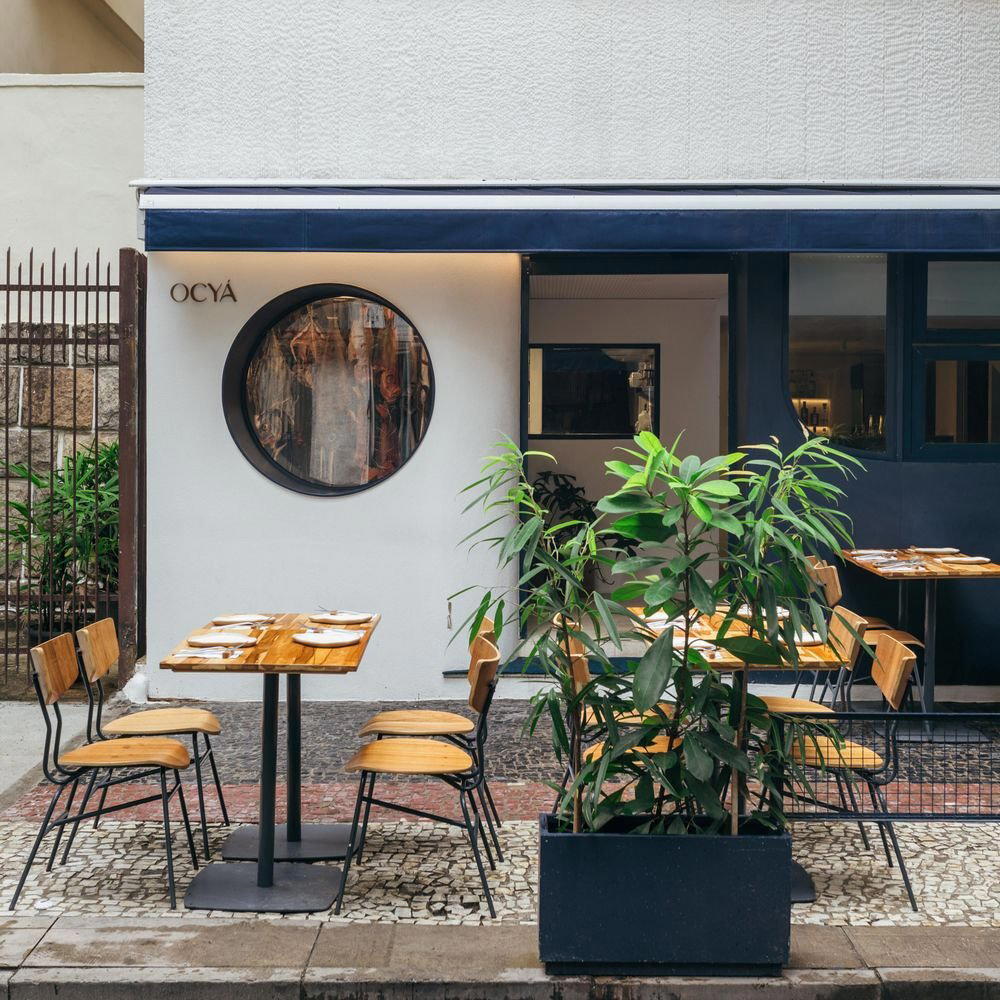
Bars in Rio de Janeiro
All bars in Rio de Janeiro →


Details
- Intimate
- Elegant
- Modern
- Cozy
- Date Night
- Special Occasion
- Celebration
- Solo
- Business Dinner
- Chefs Counter
- Standalone
- Design Destination
- Sake Program
- Beer Program
- Sustainable Seafood
- Omakase
- Counter Dining
- Tasting Menu
- Sake
- Beer
- Whisky
- Pescatarian Friendly
Minimalist and elegant omakase counter with limited seats, subdued lighting, and a calm, focused atmosphere that centers on close interaction with the chef and the progression of courses rather than buzzy background noise.