Henriqueta

Michelin Plate
Our verdict
A Michelin Plate-recognised tasca in Leblon, Henriqueta brings the spare, ingredient-driven logic of Portuguese tavern cooking to Rio de Janeiro's most polished neighbourhood. The glass-fronted dining room, open kitchen, and azulejo-tiled walls set the scene for shareable dishes — biffanas, octopus a lagareiro, toucinho do céu — that owe more to Lisbon's back-street tradition than to any contemporary reinvention. At the $$ price tier, it occupies a distinct position among Rio's Michelin-recognised restaurants.

Pearl is the En Primeur Club membership app — saves, bookings, and concierge access live there. Same editors, same standards.
- Address
- R. Aristides Espinola - Leblon, Rio de Janeiro - RJ, 22440-050, Brazil
- Phone
- +55 21 3490-6261
- Hours
- Mon 12–11:30 PMTue 12 PM–12 AMWed–Thu 12–11:30 PMFri–Sat 12 PM–1 AMSun 12–10 PM
- Website
- henriqueta.com.br
- Directions
- Get directions
The menu
What to order
- Biff-anas açorianas
- Octopus a lagareiro
- Duck rice
- Pastel de nata
A Lisbon Tasca on a Leblon Side Street
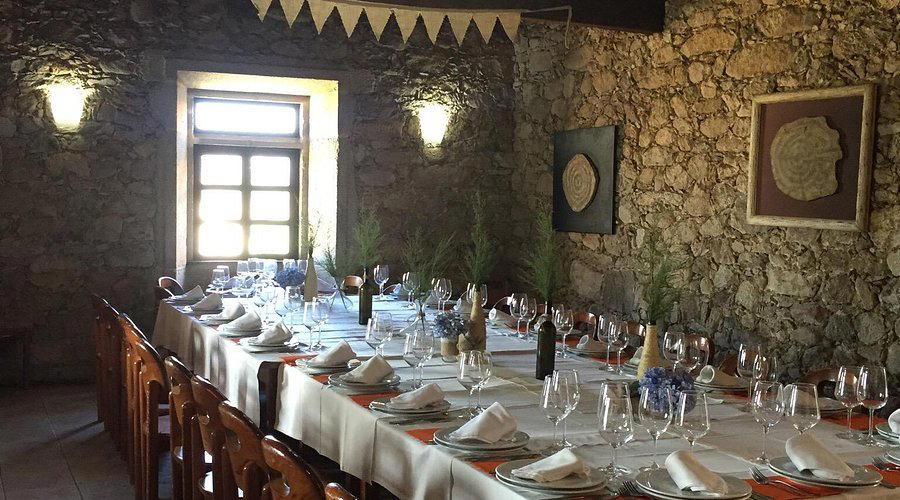
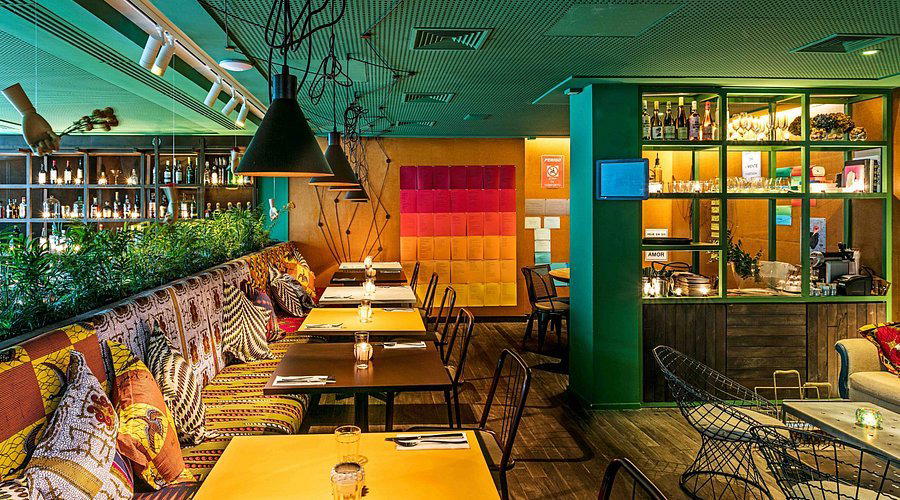
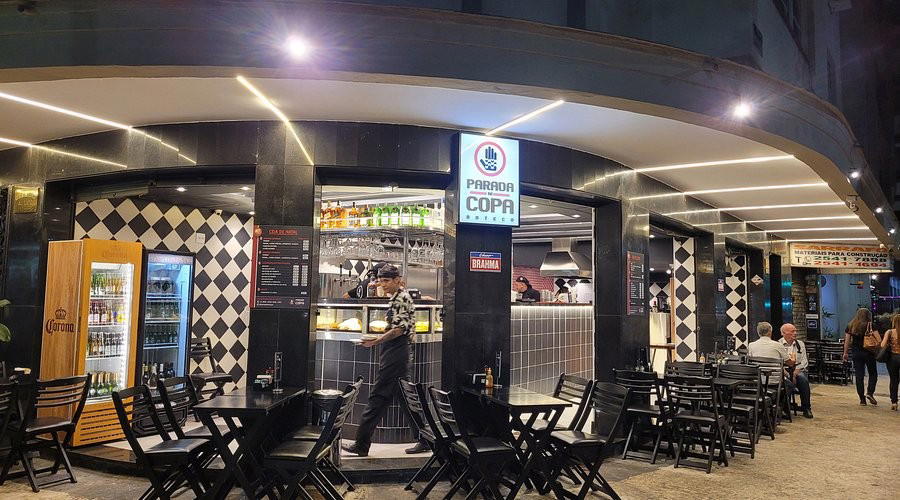
Walk along Rua Aristides Espinola on a weekday evening and the glass façade of Henriqueta does the advertising for itself. Inside, the open kitchen sends steam toward the ceiling, the ceramic-tiled walls catch the light in the way that only hand-painted azulejos can, and tables fill with the particular mix of neighbourhood regulars and deliberate visitors that a well-regarded tasca earns over time. The atmosphere is not designed to impress in the grand-restaurant sense. It is designed to be comfortable — a distinction that matters when the food is this focused.
The tasca format is a specific thing. In Lisbon, it describes a small neighbourhood tavern where the menu is short, the cooking is direct, and the expectation is a long table shared with friends rather than a procession of composed courses. Rio has absorbed enough Portuguese culinary influence over centuries that the format reads naturally here, but few addresses pursue it with the discipline that Henriqueta applies. The Michelin Plate awarded in 2025 acknowledges that discipline: this is cooking where the quality of ingredients and the coherence of the format matter more than technical display.
How the Menu Reads
The kitchen's logic is Portuguese in the most recognisable sense — wine-marinated pork, slow-cooked seafood, egg-yolk desserts, and the dishes are structured for the table rather than the individual plate. That sharing format is not incidental. It reflects how the tasca tradition actually works: you order several things, the table decides, and the rhythm of the meal is social rather than sequential.
Biffanas açorianas, a crispy bread sandwich filled with pork escalope marinated in wine and garlic, arrive as a starter in the Azorean style, where the marinade does the primary work and the bread provides structure rather than softness. It is the kind of dish that disappears quickly at a table of four. The octopus a lagareiro, roasted in oil and served with onion confit and mashed potatoes, represents the other pole of Portuguese cooking: long-cooked, yielding, defined by fat and sweetness rather than acidity. The toucinho do céu, egg yolks, almonds, cinnamon, closes the meal with the dense, candied weight that Portuguese conventual sweets have carried since the sixteenth century. None of these are reinventions. That is precisely the point.
Henriqueta's position in Rio's dining spectrum is clarified by what it is not. Lasai and Oteque operate at the $$$$ tier with tasting-menu formats and two and one Michelin stars respectively, where the ambition is to define contemporary Brazilian cooking. Oro similarly works within a high-concept contemporary register. Casa 201 brings a formal French lens to the same price bracket. Henriqueta does none of this. At the $$ price point with a Michelin Plate, it sits in a different conversation entirely, one about fidelity to a culinary tradition rather than the expansion of one.
The Wine Question at a Portuguese Table
The editorial angle here deserves attention: what does a tasca-format restaurant in Rio owe its wine program, and how does the Portuguese culinary frame shape the cellar? The answer, at restaurants of this type internationally, tends toward Douro reds, Vinho Verde, and aged white Alentejo, wines that match the weight of oil-roasted seafood and marinated pork rather than competing with it. A biffana calls for something with enough acidity to cut the fat of the marinade; octopus a lagareiro, cooked in generous olive oil, asks for either a brisk white or a red with grip and minerality.
For reference on what the Portuguese wine tradition looks like when applied at a dedicated level in a restaurant context, Vinha in Vila Nova de Gaia, in the Douro's home region, and Tasca by José Avillez in Dubai both demonstrate how the tasca format can anchor a serious Portuguese wine program. Given the price tier, the expectation would be a short, well-chosen list rather than cellar depth, consistent with what the tasca format typically supports.
Henriqueta in the Wider Brazilian Scene
Portuguese cooking in Brazil sits in a particular position: it is historically foundational but rarely the focus of serious restaurant attention at the level Henriqueta applies. The Michelin Guide's recognition of the address in 2025 places it in a small group of restaurants across Brazil bringing that tradition into contemporary critical view. Elsewhere in the country, D.O.M. in São Paulo represents the opposite end of the ambition spectrum, using Amazonian ingredients to redefine Brazilian cuisine at a global level. Manga in Salvador, Manu in Curitiba, and Mina in Campos do Jordão each pursue regional and modern Brazilian directions at their respective price points. Orixás in Itacaré and Castelo Saint Andrews in Gramado illustrate how Brazil's regional dining scenes extend well beyond the two major cities.
Within Rio specifically, the Michelin-recognised tier runs from the two-star ambition of Lasai and Oro down through single-star addresses and Plate recipients. Henriqueta's position among Plate-level restaurants reflects a quality standard without the ceremony or pricing of the starred tier, a useful distinction for readers calibrating what kind of meal they are planning.
The Quinta da Henriqueta connection is worth noting for readers exploring the broader Henriqueta identity in Rio. For the full picture of the city's dining options across all price points and cuisines, our full Rio de Janeiro restaurants guide maps the scene in detail.
Planning a Visit
Henriqueta sits on Rua Aristides Espinola in Leblon, the neighbourhood south of Ipanema that functions as Rio's most settled, least-touristy upscale quarter. The address puts it within walking distance of the main Leblon strip and accessible by taxi or rideshare from Ipanema and the hotel corridor along Avenida Atlântica. The $$ price tier makes this a realistic mid-week dinner rather than an occasion restaurant, though the Michelin recognition means weekend bookings should not be left to chance. For hotels in the area, our Rio de Janeiro hotels guide covers the options across Leblon, Ipanema, and beyond. Those building a wider itinerary around the neighbourhood can also consult our bars guide, wineries guide, and experiences guide for Rio.
What's the Must-Try Dish at Henriqueta?
The Michelin Guide's own commentary singles out two dishes in particular. The biffanas açorianas, pork escalope marinated in wine and garlic, served in crispy bread, are the kind of starter that anchors the Portuguese tavern tradition and should be ordered at any table. For a main course, the octopus a lagareiro, roasted in olive oil with onion confit and mashed potatoes, represents the kitchen's most complete expression of what Portuguese cooking does with long-cooked seafood. Close the meal with the toucinho do céu, the egg-yolk and almond dessert that traces its lineage to Portuguese convent kitchens. Between those three dishes, the range of the menu's logic is covered.
Frequently asked questions
Is Henriqueta expensive?
Pricing at Henriqueta is listed as $$.
What awards or recognition does Henriqueta have?
Henriqueta has received recognition including: Michelin Plate (2025); This “tasca” style restaurant in the southern part of Rio de Janeiro showcases the best of Portuguese cuisine in a bright environment with a glass façade, open kitchen and Portuguese ceramic decoration. The cuisine on….
What's the must-try dish at Henriqueta?
The Michelin Guide singles out two dishes: the biffanas açorianas, a crispy bread sandwich filled with pork escalope marinated in wine and garlic, and the octopus a lagareiro, roasted in oil and served with onion confit and mashed potatoes. For dessert, the toucinho do céu — egg yolks, almonds, and cinnamon — is as close to a canonical Portuguese finish as you'll find in Rio. Henriqueta holds a Michelin Plate (2025), which confirms the kitchen's consistency across that menu.
Where do I go for Henriqueta?
Henriqueta is located at R. Aristides Espinola - Leblon, Rio de Janeiro - RJ, 22440-050, Brazil, Rio de Janeiro.
Cuisine Lens
| Venue | Cuisine | Price | Awards | Notes |
|---|---|---|---|---|
| HenriquetaThis venue — the venue you are viewing | Portuguese Tasca | Not listed | Michelin Plate | Not listed |
| Lasai | Modern Brazilian Fine Dining | Not listed | 2 Michelin Stars · World's 50 Best #28 | Regional Brazilian, Modern Cuisine |
| Oteque | Modern Seafood Fine Dining | $100–150 | 1 Michelin Star · World's 50 Best #38 | Modern Brazilian, Modern Cuisine |
| Oro | Brazilian Vanguard Fine Dining | Not listed | 2 Michelin Stars · La Liste Top Restaurants | Contemporary Italian, Brazilian, Modern Italian |
| Lilia | Modern Brazilian Creative | $20–30 | Michelin Plate | Not listed |
| Casa 201 | Modern French with Brazilian Ingredients | $150–200 | 1 Michelin Star | French |
Recognition history
Dated appearances from independent guides and award organizations, with the underlying list record or original source where available.
Michelin Plate
Michelin
Full recognition history (2 entries)
Michelin Plate
Michelin
Continue exploring
More in Rio de Janeiro
Restaurants in Rio de Janeiro
Browse all →
Bars in Rio de Janeiro
Browse all →

Henriqueta
The wine
- Wine program
- Curated wine list
- Extensive wine list
Details
- Cozy
- Elegant
- Classic
- Date Night
- Group Dining
- Family
- Business Dinner
- Open Kitchen
- Extensive Wine List
- A La Carte
- Small Plates
- Portuguese Wines
Current opening hours
- Monday
- 12–11:30 PM
- Tuesday
- 12 PM–12 AM
- Wednesday
- 12–11:30 PM
- Thursday
- 12–11:30 PM
- Friday
- 12 PM–1 AM
- Saturday
- 12 PM–1 AM
- Sunday
- 12–10 PM
Hours can change for holidays and private events. Last verified .
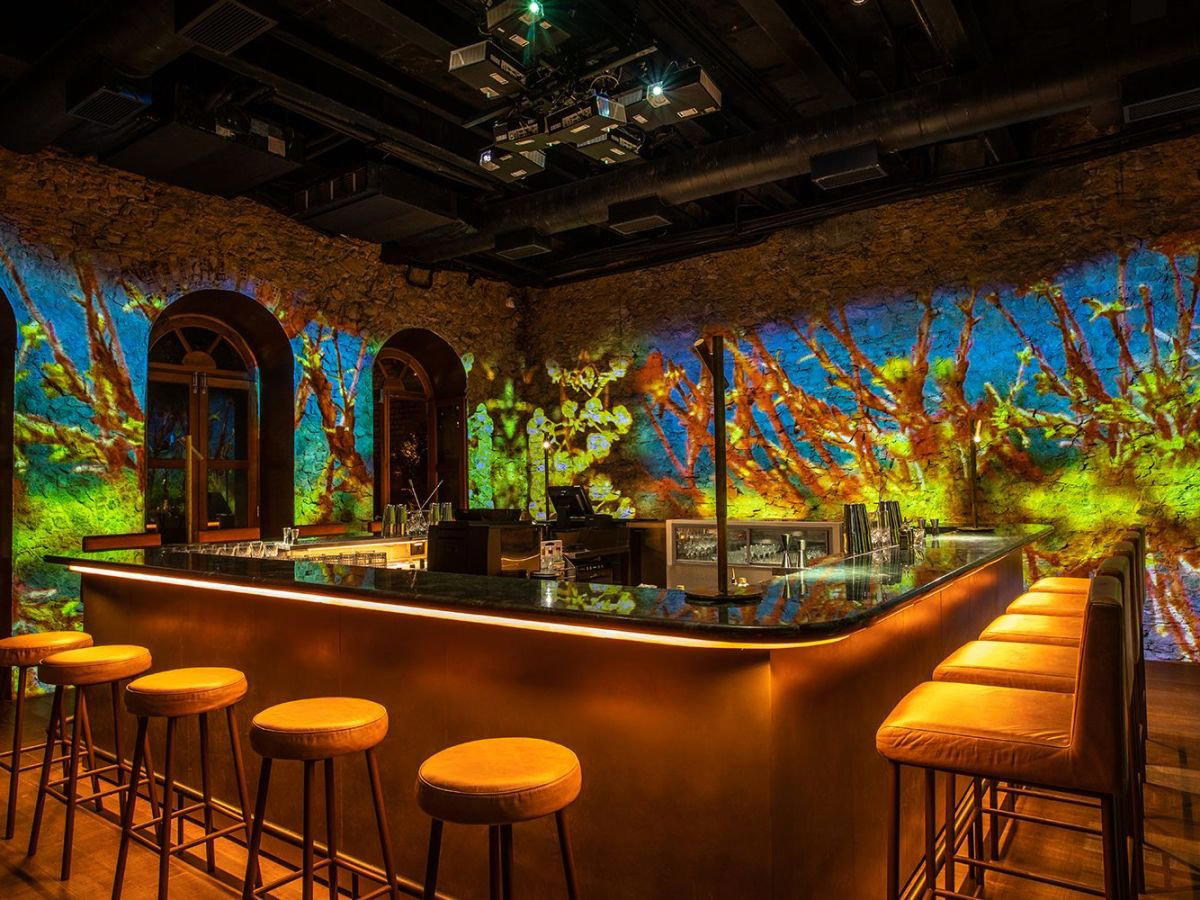
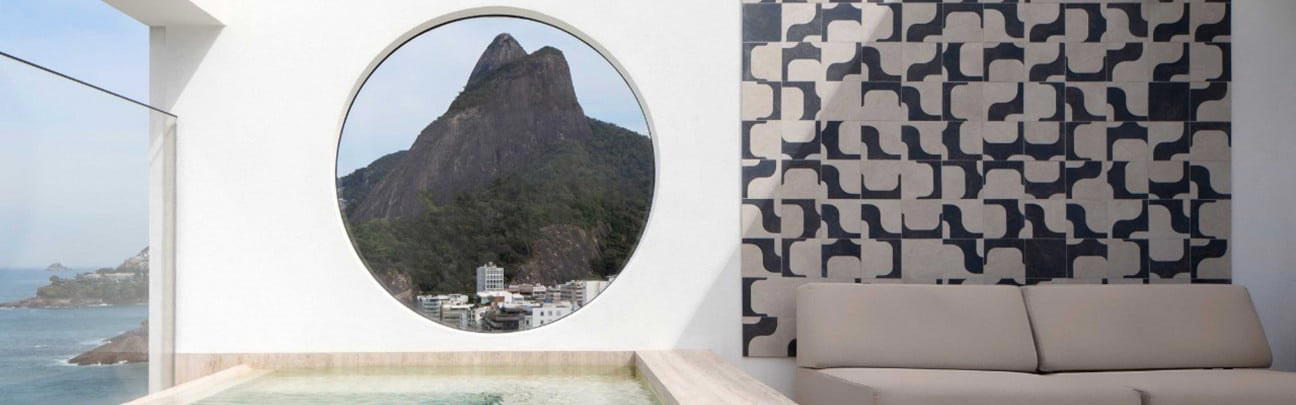
Bright environment with glass façade, open kitchen, Portuguese ceramic decoration, warm wooden accents, and soft lighting creating a cozy yet sophisticated atmosphere.