.Org Bistrô
Our verdict
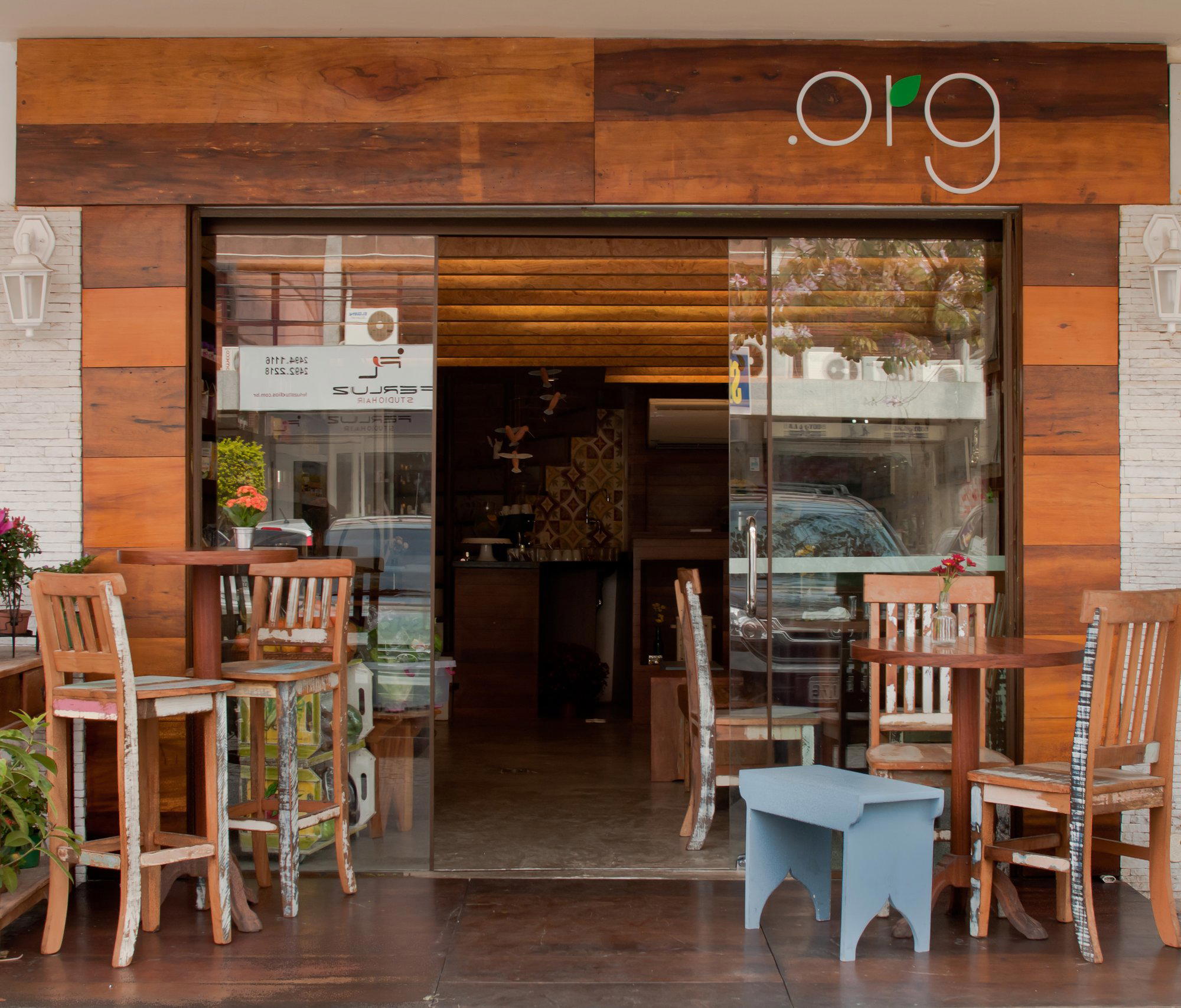
Situated on Av. Olegário Maciel in Barra da Tijuca,. Org Bistrô occupies a corner of Rio's western zone where the bistro format has found steady footing among residents who prioritise provenance over spectacle. The address places it at a remove from the city's fine-dining corridor, which is precisely the point: this is neighbourhood cooking with a sourcing conscience, in a district increasingly attentive to what ends up on the plate.

Pearl is the En Primeur Club membership app, where members save venues, book tables and use the concierge.
The menu
What to order
- Oriental Bowl
- Tati’s Salad
- Curry de vegetais com tofu
Barra da Tijuca and the Sourcing-Led Bistro
Rio de Janeiro's dining conversation has long centred on the Zona Sul: Leblon, Ipanema, Botafogo. The city's most-discussed restaurants, from the tasting-menu format of Lasai to the modernist Brazilian cooking at Oteque, cluster in that band of the city. Barra da Tijuca operates on different terms. The neighbourhood is larger, more car-dependent, and draws a residential clientele that tends to judge a restaurant by repeat visits rather than opening-night coverage. That context matters when reading. Org Bistrô, which sits on Av. Olegário Maciel at number 175, in a loja-g unit that signals bistro scale rather than fine-dining ambition.
The bistro format, as it has evolved in Brazilian cities over the past decade, occupies a productive middle ground. It is neither the high-investment tasting-menu experience associated with São Paulo's D.O.M. nor the casual per-kilo lunch that defines much of Brazilian everyday eating. In Rio, venues operating in this register compete on consistency, sourcing transparency, and a sense of place that justifies the return visit. Org Bistrô's name carries an implied position: the dot-org suffix, borrowed from organisational domain convention, reads as a statement of intent about purpose-led operation rather than purely commercial orientation.
What Ingredient Sourcing Signals in This Context
Across Brazil's more considered bistro tier, sourcing has become the primary differentiator separating credible neighbourhood operators from those simply presenting familiar dishes at accessible prices. The country's agricultural diversity, from the cerrado's native fruits to coastal seafood corridors and southern highland dairy, gives kitchens working at bistro scale genuine material to draw from, provided the supply relationships are in place. Restaurants that make sourcing central to their identity tend to change their menus with some frequency, following what is available rather than printing fixed cards that hold for months.
This approach is not exclusive to Rio. It runs through a cohort of Brazilian operators at various price points, from the formal sourcing commitments visible at Lasai to the regional-produce emphasis that defines cooking in smaller cities. What distinguishes venues that do this credibly is the specificity of the relationship: named producers, defined regions, seasonal windows that are actually observed. Org Bistrô on the record, the name alone does not confirm those relationships are in place, but it does position the venue in a conversation that Rio's dining public increasingly expects restaurants to engage with honestly.
The Physical Register of the Space
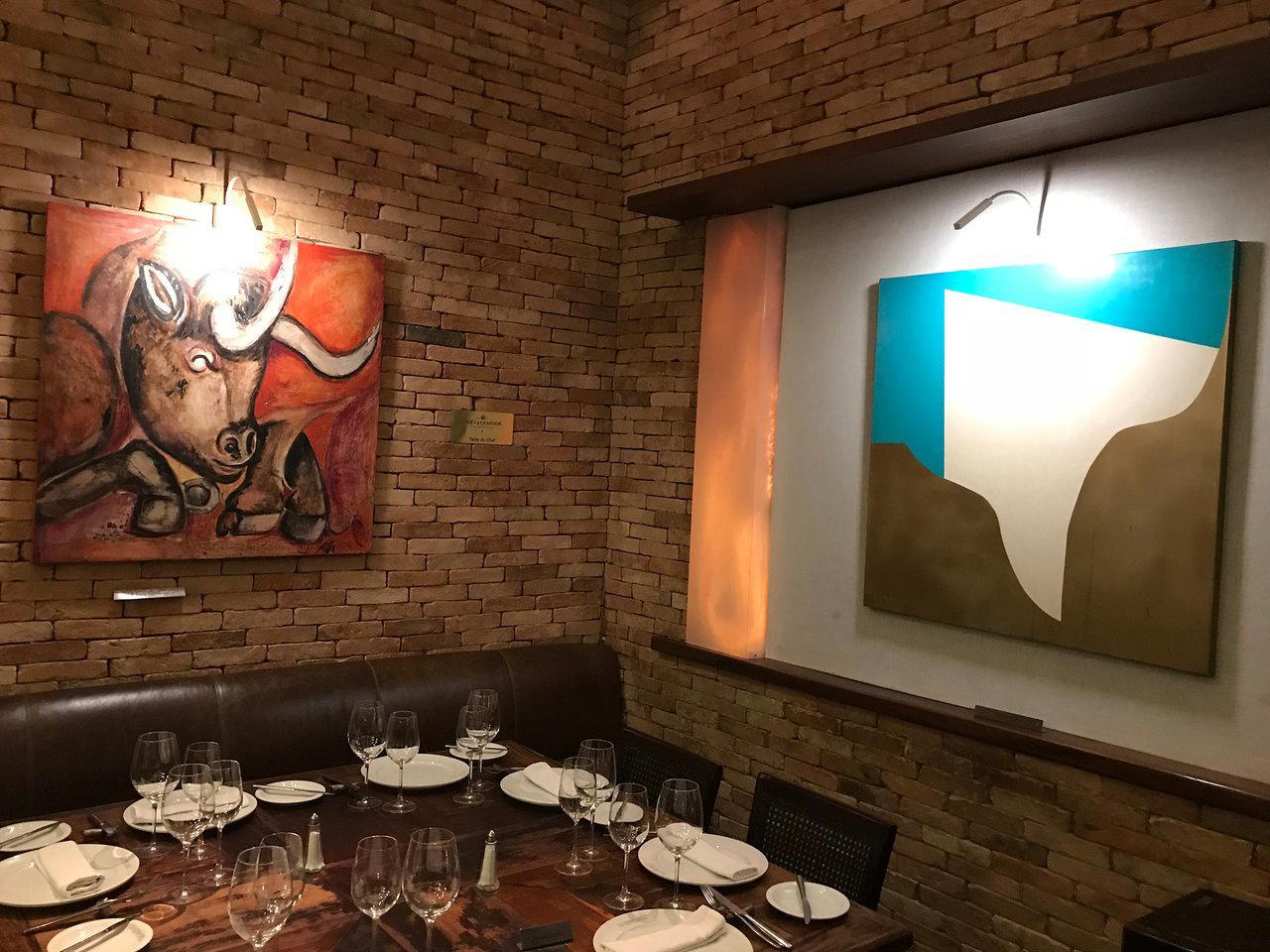
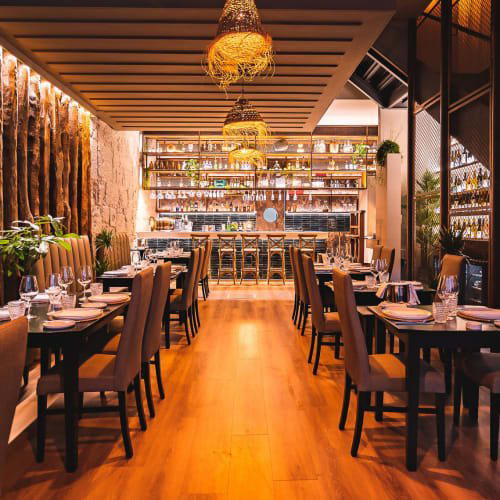
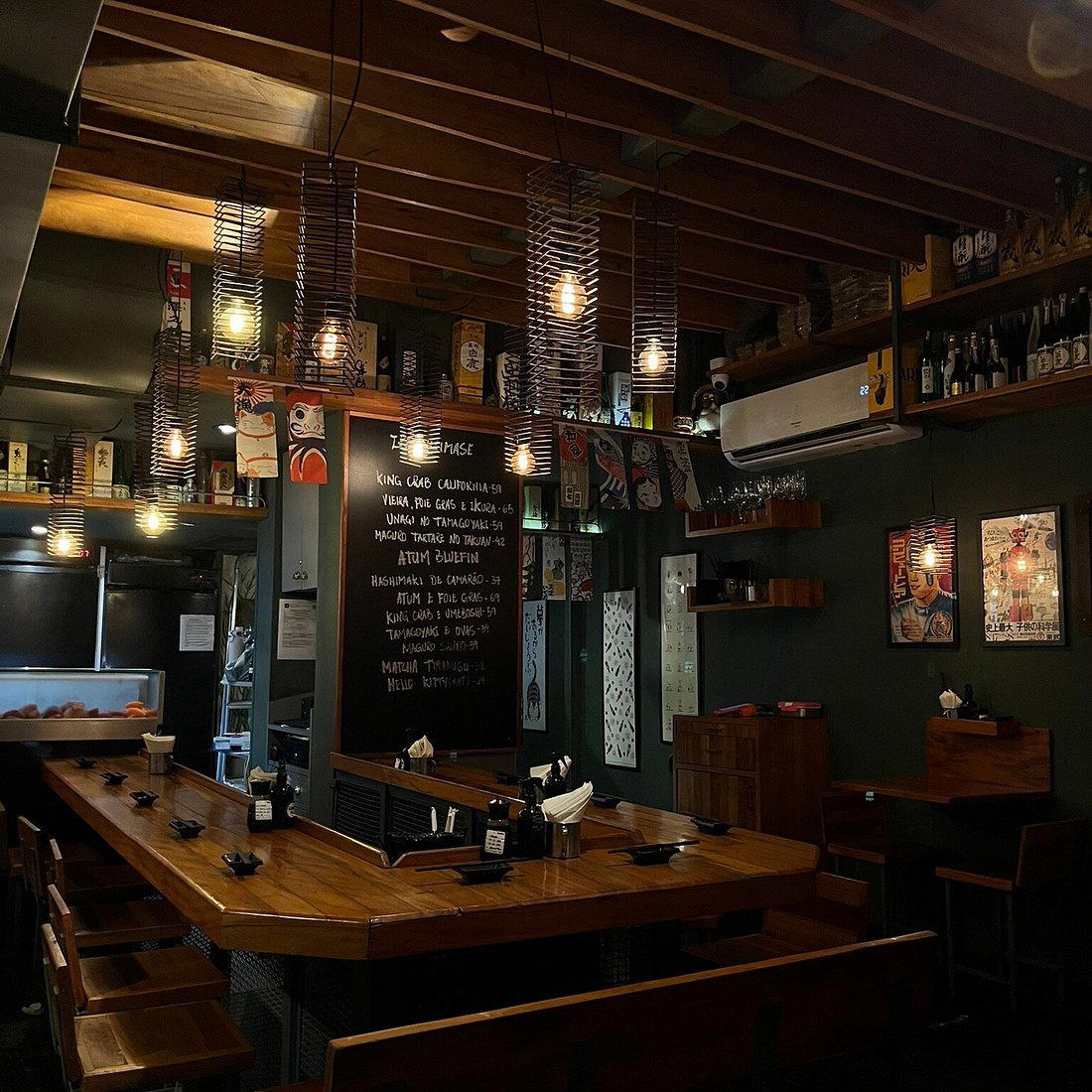
Barra da Tijuca is largely a mid-to-late twentieth century district, built around wide avenues and shopping infrastructure rather than the tile-fronted colonial blocks of Santa Teresa or the beachfront density of Ipanema. A loja-g address on Av. Olegário Maciel places. Org Bistrô in a ground-floor retail unit, the format that characterises most neighbourhood bistros in the district. These spaces tend toward compact dining rooms: exposed services or whitewashed walls, close-set tables, a kitchen that opens or semi-opens toward the dining area. The ambient register is typically low-key: conversation rather than sound design, natural light where the unit allows it.
That physical modesty is part of the bistro contract. In neighbourhoods like Barra, the restaurants that earn loyalty are rarely the ones with elaborate fit-outs. They are the ones where the food justifies the return, where you can book with reasonable notice rather than months ahead, and where the bill does not require planning the way a tasting menu at Oro or Casa 201 does. Org Bistrô sits in that practical register, which is a feature rather than a limitation.
Rio's Wider Bistro and Mid-Range Context
The bistro tier in Rio has grown more coherent over the past several years, partly because the tasting-menu bracket has pulled sharply upward in price, venues like Oteque and Lasai now operate at the R$400-per-person-and-above level for their full experience, leaving a gap that neighbourhood bistros fill for the diner who wants considered cooking without the occasion-dining infrastructure. Brazilian cities more broadly have seen this dynamic: as the headline restaurants become more expensive and more ceremonial, the bistro and casual-formal middle tier absorbs the weekly dining demand.
For readers exploring Rio's dining range, the full Rio de Janeiro restaurants guide maps the city across price points and neighbourhoods, including venues in the Zona Sul corridor and out into the western districts where Barra da Tijuca sits. The city's Italian offer, represented at the high end by Cipriani, also has bistro-scale equivalents in multiple neighbourhoods. Comparison across Brazil's other cities, from the regional cooking visible at venues like Bistro Fitz Carraldo in Manaus to the Italian-Brazilian tradition at Cantina Pozzobon in Santa Maria, shows how the bistro format adapts to local ingredient cultures across the country's regions.
Planning a Visit
Barra da Tijuca is most practically reached by car or rideshare from central Rio, as the neighbourhood sits well west of the metro's primary coverage. Av. Olegário Maciel is a main artery, making the address direct to locate. For visitors staying in the Zona Sul, the journey is approximately 30 to 40 minutes by car depending on traffic, and the western zone's restaurants tend to be less saturated with tourists than those in Ipanema or Leblon, which can make for a more local-facing experience. Given the absence of current online booking and hours data in the public record for. Org Bistrô, contacting the venue directly before visiting is the practical step, particularly for weekday lunch versus dinner service, where Brazilian bistros often operate different hours.
Frequently asked questions
Is. Org Bistrô good for families?
Bistro-format restaurants along Barra da Tijuca's wide-avenue corridors tend to accommodate families more readily than the tasting-menu venues of Leblon or Botafogo, where pacing and silence are part of the offer. Org Bistrô's neighbourhood positioning on Av. Olegário Maciel places it squarely in a district built around residential convenience rather than destination dining, which generally means more flexible seating arrangements and meal pacing. Families visiting from central Rio should factor in the distance: Barra da Tijuca sits well west of the metro's primary coverage, so a car or rideshare is the practical approach.
What is the atmosphere like at. Org Bistrô?
The address on Av. Olegário Maciel in Barra da Tijuca signals a neighbourhood dining room oriented toward local residents rather than cross-city occasion dining. Barra da Tijuca itself is a mid-to-late twentieth century district built around wide avenues and retail infrastructure, which shapes the physical register of its restaurants toward the functional and low-key rather than the heritage tile-fronted rooms of Ipanema or Santa Teresa. Expect a relaxed pace consistent with a bistro format serving a largely residential catchment.
How far is. Org Bistrô from central Rio de Janeiro, and is it worth the trip from the Zona Sul?
Barra da Tijuca sits considerably west of the Zona Sul, and. Org Bistrô's address on Av. Olegário Maciel puts it beyond the metro's primary coverage, making car or rideshare the only practical option from Ipanema or Leblon. For visitors already based in Barra da Tijuca, it fills the gap left by the district's shortage of serious neighbourhood bistros. Diners making the journey from central Rio should treat it as a deliberate detour rather than a convenient add-on to a Zona Sul itinerary.
What should I order at. Org Bistrô?
What the bistro format and sourcing-led positioning in Barra da Tijuca does suggest is a menu oriented around seasonal and regional Brazilian produce rather than fixed international templates. Visiting with an open approach to whatever is being emphasised that week tends to be the more productive strategy at sourcing-focused neighbourhood operators of this type in Rio.
Quick Comparison
Comparable venues nearby, for context on price, style, and recognition.
| Venue | Cuisine | Price | Awards | Notes |
|---|---|---|---|---|
| . Org BistrôThis venue (the venue you are viewing) | Modern Organic Vegetarian Bistro | $20–30 | Not listed | Not listed |
| Zazá Bistrô Tropical | Tropical Brazilian Fusion Bistro | $30–50 | Not listed | Ipanema |
| Puro | Contemporary Brazilian | Not listed | Not listed | Jardim Botânico |
| Julieta | Modern Brazilian | Not listed | Not listed | Flamengo |
| Emiliano Rio | Contemporary Brazilian | $150–200 | Not listed | Copacabana |
| Lilia | Modern Brazilian Creative | $20–30 | Michelin Plate | Centro |
Continue exploring
More in Rio de Janeiro
Restaurants in Rio de Janeiro
All restaurants in Rio de Janeiro →
Bars in Rio de Janeiro
All bars in Rio de Janeiro →


Details
- Cozy
- Modern
- Minimalist
- Casual Hangout
- Organic
- Local Sourcing
- A La Carte
- Vegetarian Friendly
- Vegan Options
- Gluten Free Options
Current opening hours
- Monday
- 12–3:30 PM
- Tuesday
- 12–3:30 PM
- Wednesday
- 12–3:30 PM
- Thursday
- 12–3:30 PM
- Friday
- 12–3:30 PM
- Saturday
- 12–4 PM
- Sunday
- Closed
Hours can change for holidays and private events. Hours as of .
Small, minimalist, and welcoming atmosphere with colorful dishes in a cozy setting.