Sushi Time
Sushi Time occupies a strip-mall address on East County Line Road that belies a serious commitment to Japanese cuisine in a corner of Tampa where the sushi bar format rarely gets this much attention. The lunch and dinner divide here is pronounced, with daytime service drawing a neighborhood crowd seeking accessible value and evening hours shifting the room toward a more considered pace. For North Tampa, it fills a gap in the mid-tier Japanese category that the city's downtown corridor does not easily reach.
Pearl is the En Primeur Club membership app — saves, bookings, and concierge access live there. Same editors, same standards.
- Address
- 6417 E County Line Rd #104, Tampa, FL 33647
- Phone
- +18133644545
- Website
- sushitimefl.com
- Directions
- Get directions
 Saves & bookings on Pearl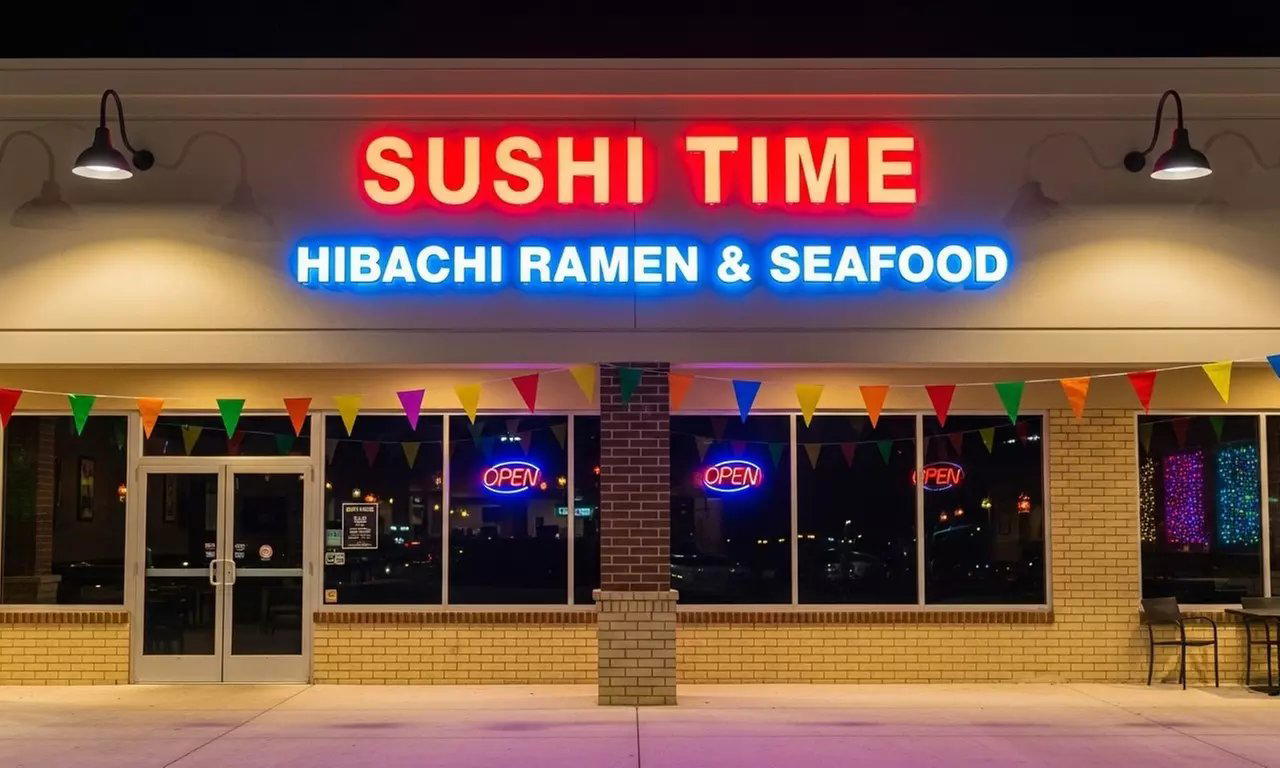
North Tampa's Sushi Bar and What the Address Tells You
Sushi Time is a Japanese Sushi and Hibachi restaurant in Tampa, Florida, at 6417 E County Line Rd #104, with a price point around $20 per person. What that instinct misses is that particularly consistent Japanese cooking in mid-sized American cities happens exactly in these addresses, away from the downtown theater of white-tablecloth presentation and destination-dining pricing. Sushi Time, located at 6417 East County Line Road in the New Tampa area, operates in that strip-mall register, and in a city where Japanese dining at the leading end is increasingly defined by counter-format omakase programs, the accessible neighborhood sushi bar occupies a distinct and genuinely useful position.
Tampa's Japanese dining tier has sharpened in recent years. At the upper end, venues like Koya and Kōsen operate in the $$$$ bracket with formats built around chef-driven omakase and reservation-led pacing. Midtown and downtown Tampa also hold a growing roster of contemporary restaurants, Ebbe, Lilac, Rocca, that pull dining attention and editorial coverage toward the urban core. The New Tampa corridor, by contrast, has fewer marquee addresses, which is precisely what gives a neighborhood sushi bar its foothold. It is not competing against Koya's omakase tasting arc; it is serving the weeknight dinner and the Saturday lunch that those venues are not designed for.
The Lunch and Dinner Divide
One useful lens for understanding a neighborhood sushi bar in the American suburban context is the difference between its daytime and evening service. Lunch at this category of venue tends to compress the menu into a tighter, value-forward format: bento combinations, lunch specials that bundle a roll with soup and salad, and a pace that accommodates tables turning within an hour. The demographic shifts accordingly, office workers from nearby business parks, families running midday errands, regulars who have locked in a standing order. The room feels faster and the transaction is more transactional.
Evening service at the same venue opens up a different register. Tables occupy the space longer, the kitchen has more latitude to run through the fuller menu, and the ambient character of a suburban sushi bar at dinner tends toward something closer to a neighborhood dining room than a lunch counter. Rolls that require more prep time, sake or beer as a natural accompaniment, and a slightly more deliberate approach to ordering are the standard markers of this shift. It is the kind of dining context that national critics rarely write about, the Le Bernardin-to-French Laundry circuit of American fine dining has no natural overlap with East County Line Road, but for residents of the area, the dinner version of a place like this is where a real relationship with a neighborhood restaurant is built.
The editorial tendency to cover only the top tier, the Alinea-level tasting menus, the Atomix precision counters, the Blue Hill at Stone Barns farm narratives, means that the afternoon-to-evening rhythm of a competent neighborhood sushi bar almost never gets analyzed. That is a gap worth acknowledging. The dinner-vs-lunch divide at this price point is where most American sushi consumption actually happens, and where the consistency of a kitchen shows up most clearly over time.
Where It Sits in Tampa's Japanese Category
Tampa's Japanese dining has a clear upper tier and a broad mid-lower tier, with relatively little in between. The upper tier, omakase-forward, reservation-required, pricing that reflects a per-head cost in the range of comparable programs at venues like Providence in Los Angeles or Addison in San Diego, serves a different audience than a neighborhood sushi bar. The mid-lower tier, which is where suburban strip-mall sushi operates, is defined by roll-forward menus, combination plates, and a price structure that keeps the category accessible to a broad dining public.
What matters in this tier is kitchen consistency, fish sourcing that holds up across service times, and a menu range that gives regulars enough variation to return without fatigue. Venues in this category build their reputation through accumulated visit frequency and word-of-mouth within a residential radius, not through national press cycles. For comparison, consider how Single Thread Farm in Healdsburg or Lazy Bear in San Francisco earn their authority through documented critical attention, while the neighborhood sushi bar earns its through the regulars who order the same thing twice a week and notice immediately when something is off.
The New Tampa location puts Sushi Time in a residential catchment with limited sushi competition at the same price and convenience tier. That is not a small consideration. In neighborhoods where the nearest omakase counter requires a drive to South Tampa or Midtown, the reliable neighborhood option fills a real function in how residents eat through the week. See our full Tampa restaurants guide for how this fits into the broader city dining picture alongside Cuban dining at Columbia, or the steak-centric tradition at Bern's Steak House.
Planning a Visit
East County Line Road is a driving destination, the address at unit 104 in a strip retail center means arrival by car is the practical assumption, with parking directly in front of the space. For Tampa diners cross-referencing against the broader American sushi conversation, the New Tampa corridor is roughly the same conceptual distance from the downtown dining core as outer-borough sushi bars are from Manhattan's established Japanese dining tier. Venues like 8 1/2 Otto e Mezzo Bombana or The Inn at Little Washington represent the credentialed end of the fine dining spectrum; the restaurant represents the neighborhood anchor that the same dining public relies on between those occasions. The restaurant is open daily from 11 AM to 10 PM. Emeril's in New Orleans built its reputation in a specific urban context; understanding the restaurant means accepting a different context as equally legitimate for what it actually provides.
Comparable Venues
Comparable venues nearby, for context on price, style, and recognition.
| Venue | Cuisine | Price | Notes |
|---|---|---|---|
| Sushi TimeThis venue — the venue you are viewing | Japanese Sushi and Hibachi | $$ | Not listed |
| SUSHARK | Modern Japanese Sushi Fusion | $$$ | Bayshore |
| Kobé Japanese Steakhouse - New Tampa | Japanese Teppanyaki Steakhouse | $$ | Richmond Place |
| Kobé Japanese Steakhouse - Tampa | Teppanyaki Japanese Steakhouse | $$ | Tampa |
| Kingdom Sushi | Japanese-Brazilian Fusion Sushi | $$ | South Tampa |
| Nueva Cantina - Brandon | Modern Mexican Street Food | $$ | Country Inn |
At a Glance
- Casual
- Casual Hangout
- Family
- Open Kitchen
- Beer Program
Current opening hours
- Monday
- 11 AM–10 PM
- Tuesday
- 11 AM–10 PM
- Wednesday
- 11 AM–10 PM
- Thursday
- 11 AM–10 PM
- Friday
- 11 AM–10 PM
- Saturday
- 11 AM–10 PM
- Sunday
- 11 AM–10 PM
Hours can change for holidays and private events. Last verified .
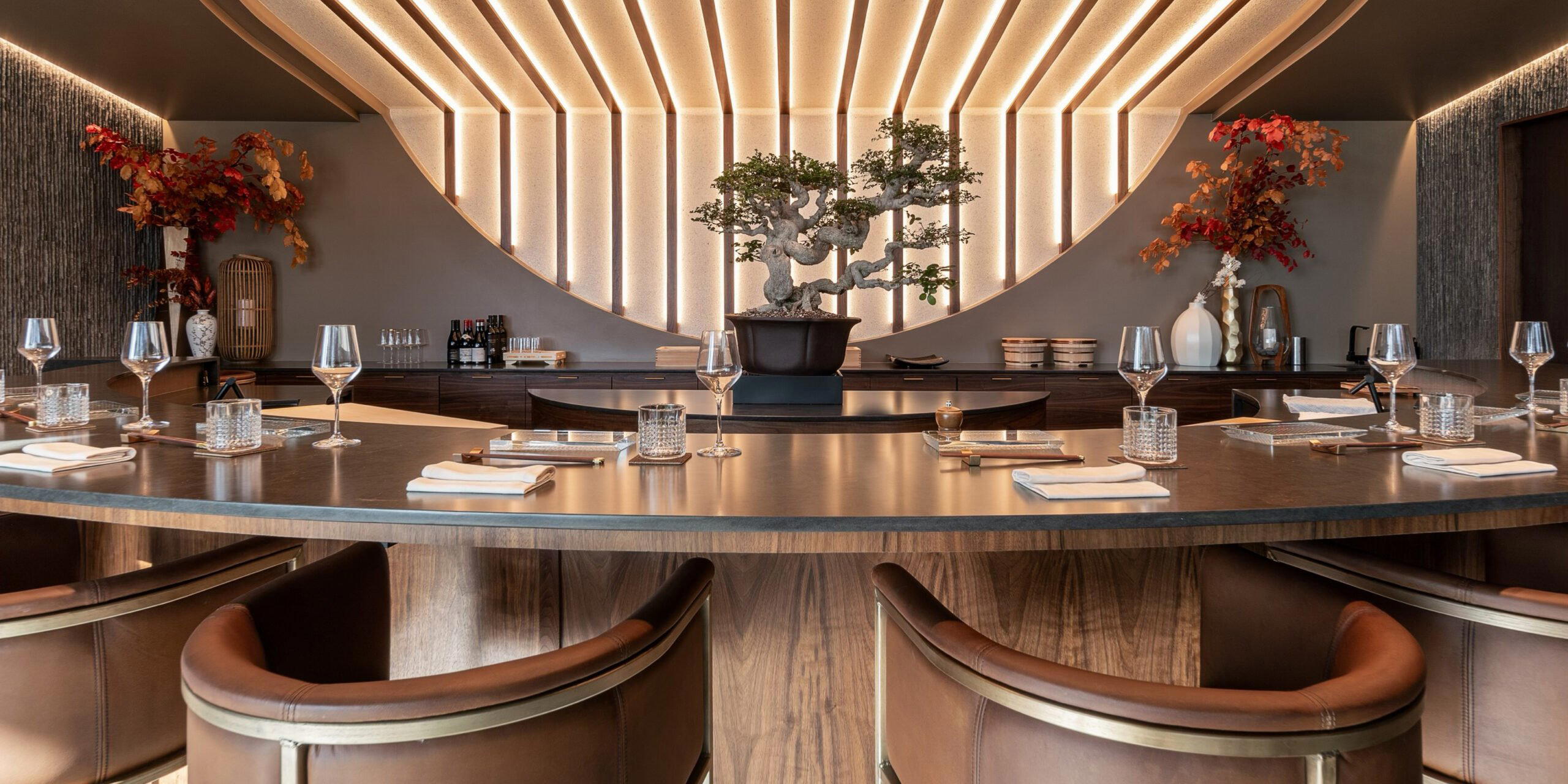
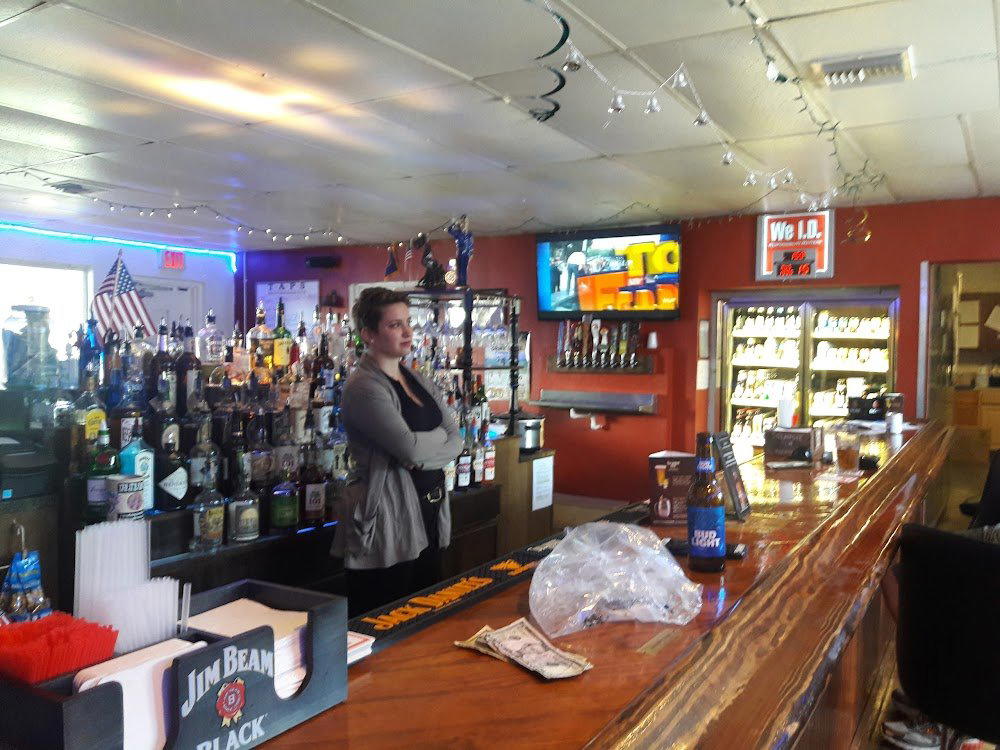
Warm and inviting casual atmosphere with quick and friendly service.