Gorkhali Kitchen

Michelin Bib Gourmand
Our verdict
Gorkhali Kitchen brings Nepali cooking to Tampa's New Tampa corridor with a consistency that has earned back-to-back Michelin Bib Gourmand recognition in 2024 and 2025.

Pearl is the En Primeur Club membership app, where members save venues, book tables and use the concierge.
The menu
What to order
- Chili momo
- Momos
- Thakali thali
- Goat curry
- Sekuwa
Where Tampa's Nepali Kitchen Sits in a Changing City
Tampa's restaurant conversation has, for the past few years, concentrated around a cluster of high-concept, high-ticket rooms. Koya and Ebbe hold Michelin stars at the $$$$ price tier, Lilac and Kōsen pull attention in the same direction, and Rocca holds the Italian corner with comparable ambition. The Bib Gourmand tier tells a different story: it marks kitchens where Michelin inspectors found cooking that warranted recognition without the tasting-menu architecture or sommelier-led pricing that defines the starred tier. Gorkhali Kitchen, located on Cross Creek Boulevard in New Tampa, has held that designation for two consecutive years, 2024 and 2025. That consistency is the telling detail. A single Bib can reflect a good run. Back-to-back cycles reflect a kitchen operating at a reliable level, year over year.
Nepali cuisine occupies a genuinely specific position in the wider South Asian category. It draws from Tibetan, Indian, and local Himalayan traditions without collapsing into any one of them. The spice register differs from North Indian cooking; the dumpling traditions reflect proximity to Tibet; the lentil-based dishes carry their own regional grammar. In cities like New York or London, Nepali restaurants exist within dense immigrant food scenes where the category has developed depth. In Florida, the cuisine is far less represented, which means Gorkhali Kitchen carries the additional weight of introducing a tradition to diners who may have no reference point. That it has done so while earning sustained Michelin recognition suggests the execution is doing real work. For comparison, OLD NEPAL in Tokyo and Oven in Lisbon represent how Nepali kitchens can land in unexpected cities and establish credibility through specificity rather than compromise.
The Room and What Surrounds It
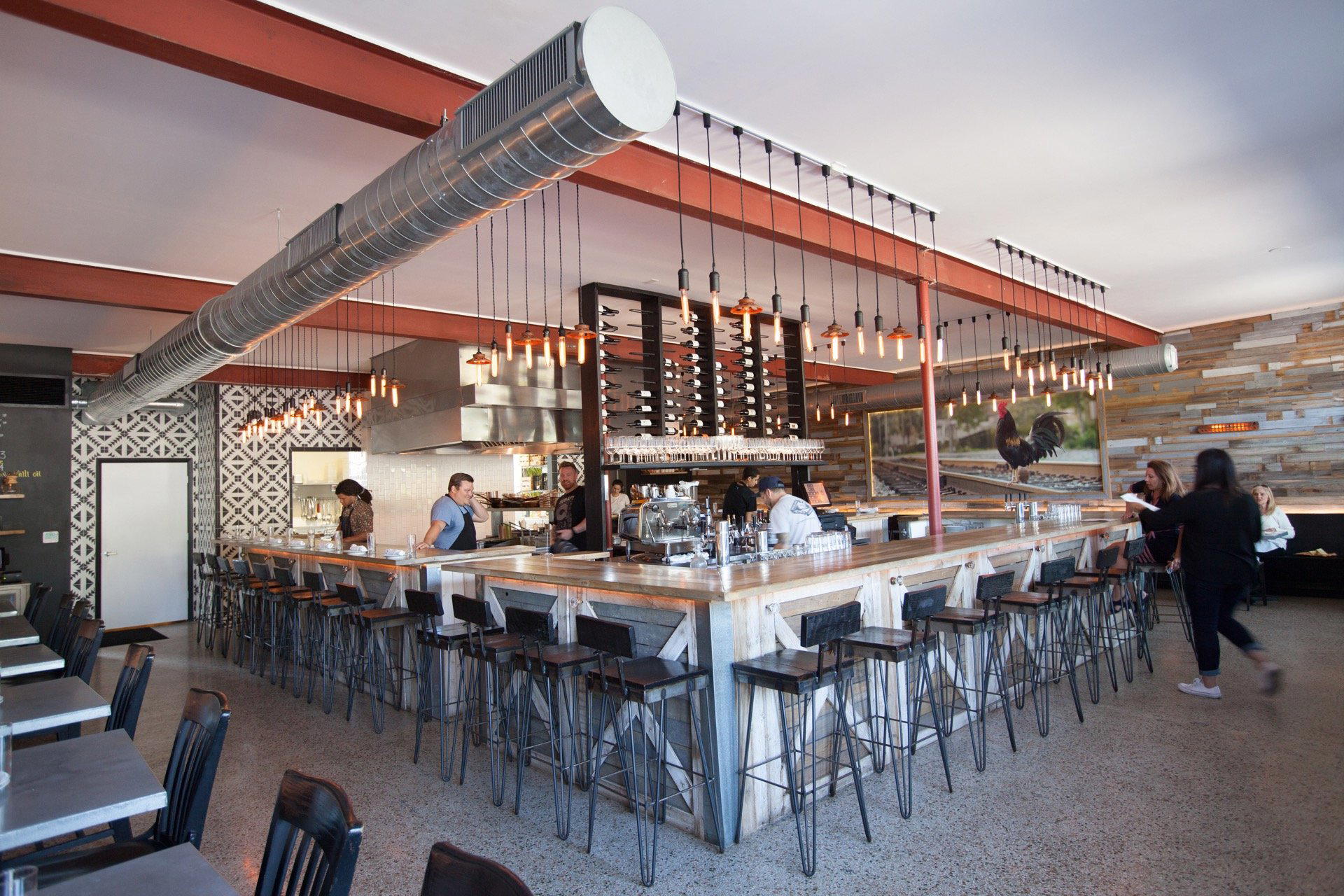
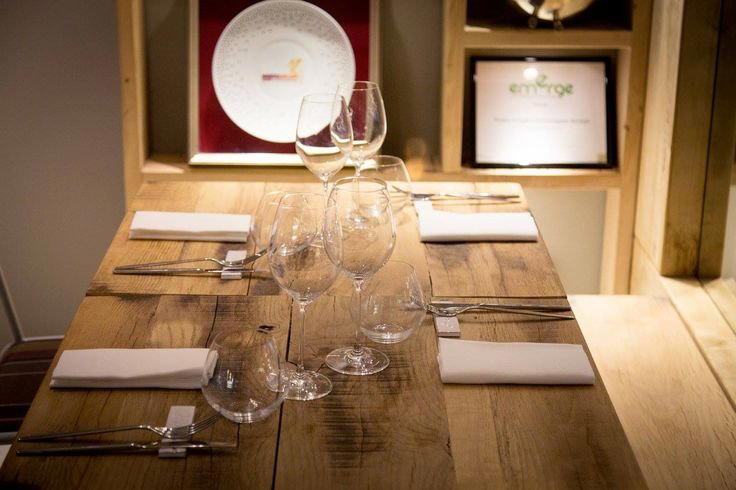
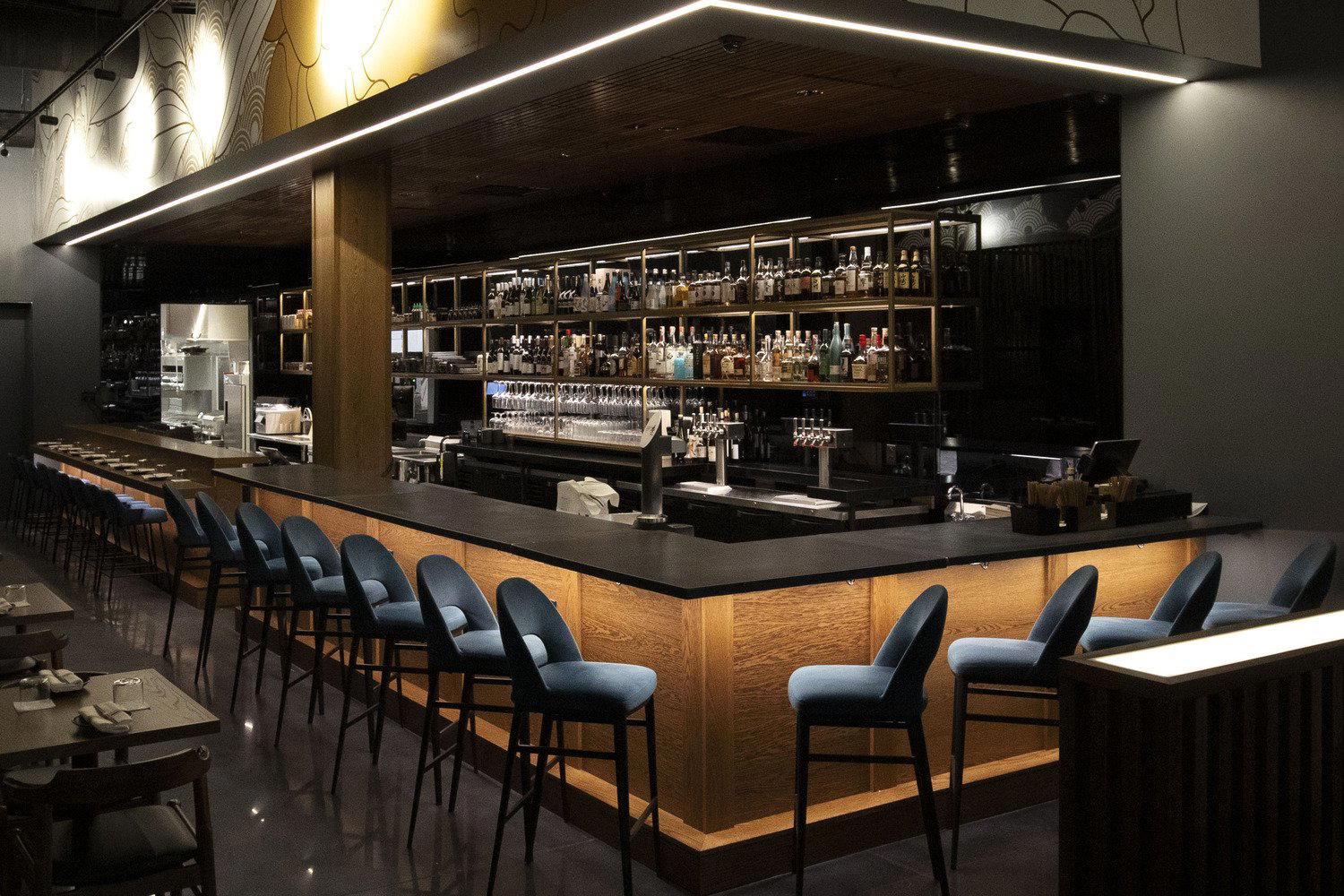
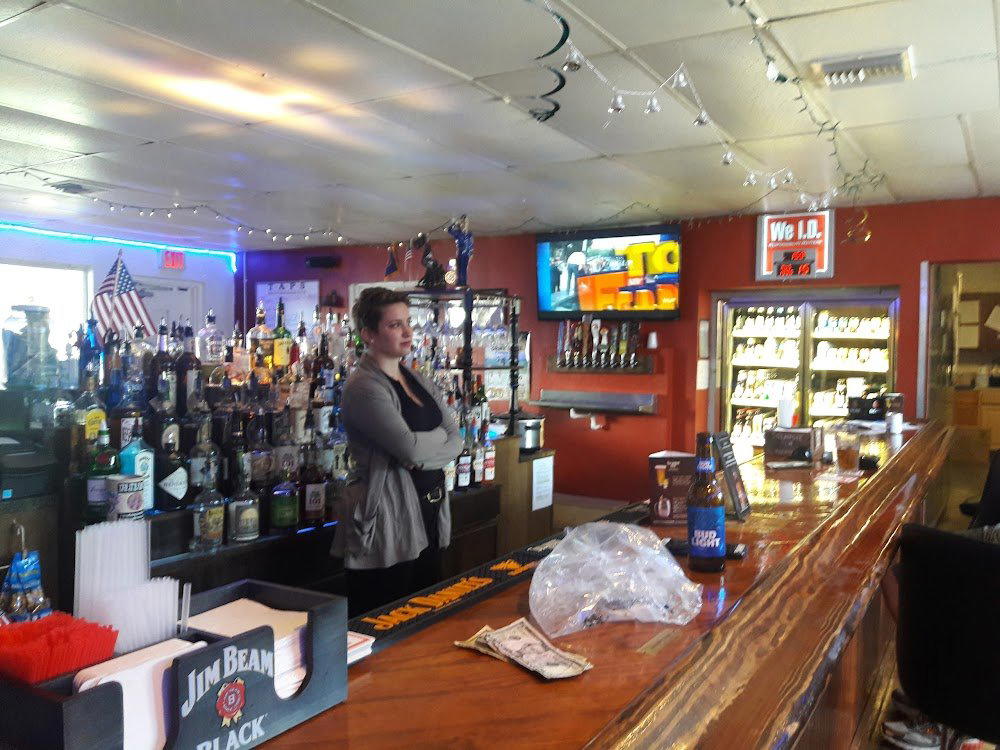
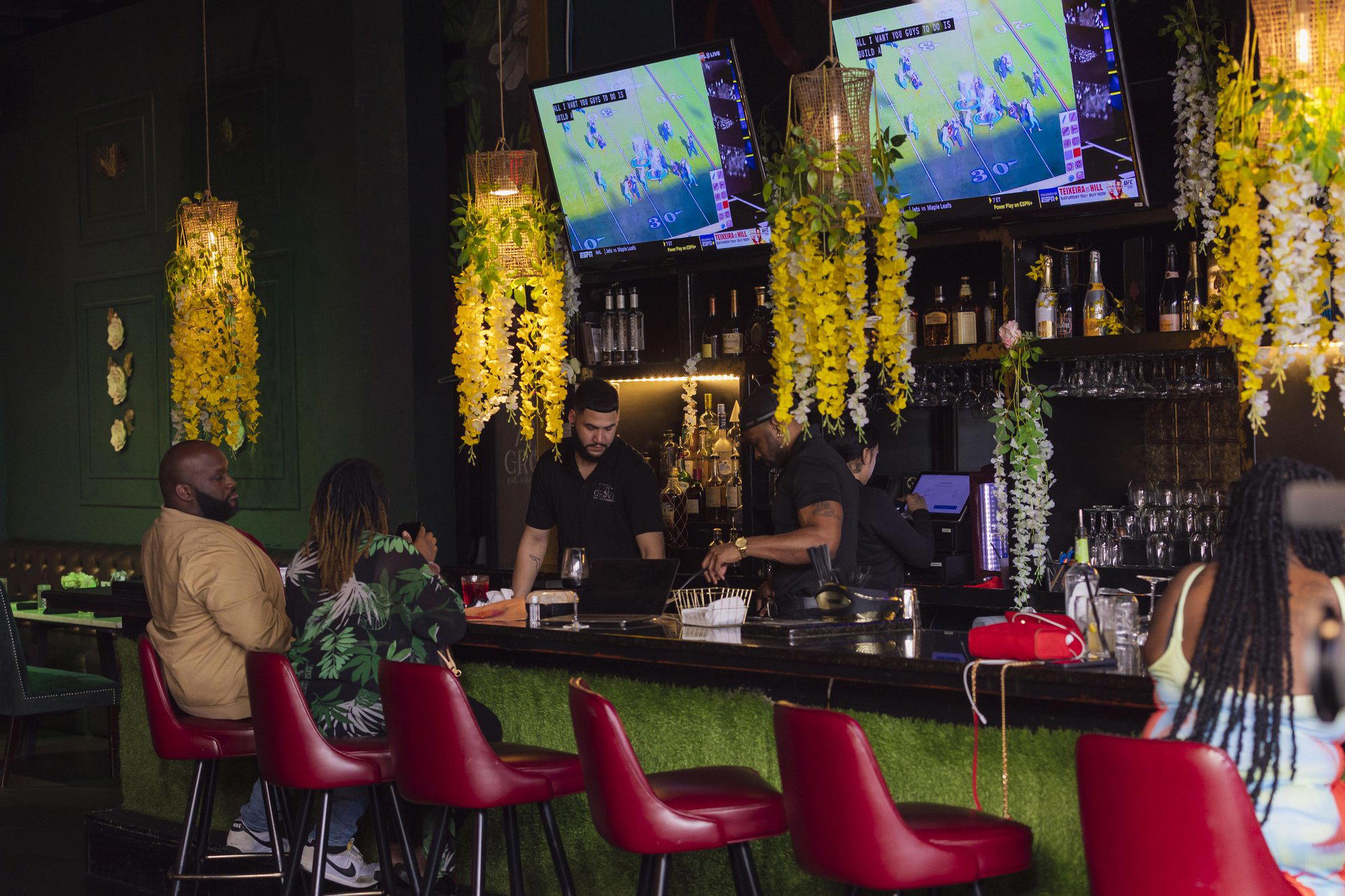
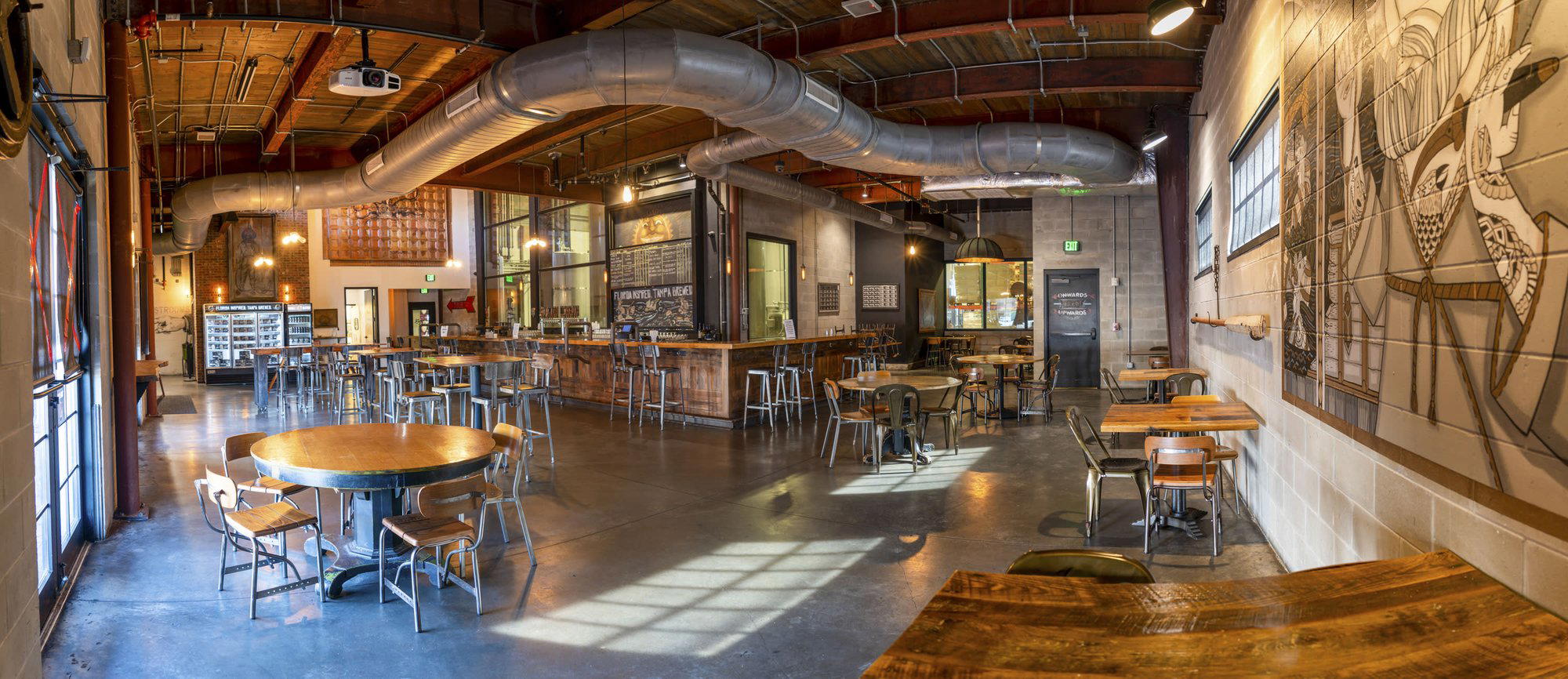
Cross Creek Boulevard sits in the New Tampa suburban corridor, a part of the city that prioritizes strip-mall convenience over walkable food districts. The physical context here is not atmospheric in the way that Ybor City or Hyde Park might be, but it shapes how the room functions. Gorkhali Kitchen draws from a local residential base and from diners willing to make the drive specifically for the food, which is a different kind of loyalty than foot traffic provides. The dining room itself is a neighborhood restaurant format: approachable, not designed to signal status. That framing is consistent with the Bib Gourmand category, which explicitly recognizes value alongside quality. At a $$ price point, Gorkhali Kitchen operates in a different economic register than the starred rooms in Tampa's core, and that separation is part of what makes it worth understanding on its own terms.
It reflects sustained guest satisfaction across a volume of visits that smooths out outlier opinions. At the $$ tier, diner expectations calibrate around value, consistency, and hospitality warmth rather than precision service choreography. Holding a 4.6 at that volume, in a suburban location without the ambient prestige of a downtown address, points to a kitchen and front-of-house that understand their audience and deliver reliably.
Team Dynamic: Kitchen, Floor, and the Work of Translation
Chef Rajesh Pathak leads the kitchen, and the editorial angle worth noting here is not biography but function. In a restaurant serving a cuisine most Tampa diners encounter for the first time, the work of the team extends beyond cooking. The floor staff carry a communicative load that front-of-house teams in more familiar categories do not: explaining dish structures, flavor references, heat levels, and ordering logic to guests without a baseline. That kind of table-side translation, done well, turns a first visit into a return. Done poorly, it leaves diners ordering by familiarity rather than by what the kitchen does with most confidence.
Michelin inspectors eat anonymously and without prompting from staff, which means the food carries on its own terms. A room where guests feel oriented and attended to, not just fed, is a collaborative output. At the $$ tier, that collaboration often runs leaner than at starred restaurants, which makes its consistent execution more notable, not less.
Nepali Cooking as a Category, Not a Curiosity
It is worth addressing the positioning question directly. Nepali cuisine in the United States has frequently been absorbed into the broader South Asian category in markets where it lacks critical mass, sometimes appearing on menus that hedge toward Indian familiarity. The kitchens that resist that drift, staying specific to Nepali technique and ingredient logic, tend to build a clearer identity and a more loyal audience among diners who can tell the difference. Back-to-back Bib Gourmand recognition from Michelin, which evaluates cooking on its own standards rather than on how well it conforms to diner expectations, suggests Gorkhali Kitchen is operating in the specific register rather than the diluted one.
For context on what Michelin recognition means across price tiers: the Bib Gourmand was introduced precisely to mark kitchens that the star framework would overlook due to format or price, not quality. The same organization that awards stars to Le Bernardin in New York, Alinea in Chicago, and The French Laundry in Napa issues the Bib to mark value-tier cooking it considers worth seeking out. That framing matters when placing Gorkhali Kitchen in the wider Tampa dining picture alongside higher-spend rooms.
Planning a Visit
Gorkhali Kitchen is at 10044 Cross Creek Boulevard, Tampa, FL 33647, in the New Tampa area. The $$ price point makes it one of the more accessible Michelin-recognized restaurants in the city. Given the combination of sustained recognition and a 522-review base, the room can fill quickly, particularly at peak dinner hours. Arriving with time flexibility or confirming availability in advance is worth doing. For more on where Gorkhali Kitchen sits in Tampa's broader dining picture, see our full Tampa restaurants guide. For accommodation near the area, our Tampa hotels guide covers the range of options across the city. If you are building a full day around the area, our Tampa bars guide, Tampa wineries guide, and Tampa experiences guide round out the picture. For reference on Michelin-recognized dining at the higher spend tier, Lazy Bear in San Francisco, Emeril's in New Orleans, and Single Thread Farm in Healdsburg offer useful comparisons for how regional culinary identity can anchor sustained recognition.
Frequently asked questions
What distinctions does Gorkhali Kitchen have?
Gorkhali Kitchen has received recognition including: Michelin Bib Gourmand (2025); Michelin Bib Gourmand (2024).
What's the best thing to order at Gorkhali Kitchen?
The menu centers on Nepali cooking, a category that travels well beyond the South Asian shorthand most American diners default to, think fermented pickles, lentil-forward dishes, and preparations rarely found outside Kathmandu-focused kitchens. Michelin's Bib Gourmand committee flagged Gorkhali Kitchen in both 2024 and 2025, which signals consistent execution across the menu rather than one standout plate. Chef Rajesh Pathak's kitchen is the reference point for Nepali cuisine in Tampa, so ordering broadly across the menu gives a clearer read on what the recognition is about.
Credentials Lens
| Venue | Cuisine | Price | Awards | Notes |
|---|---|---|---|---|
| Gorkhali KitchenThis venue (the venue you are viewing) | Authentic Nepalese | $20–30 | Michelin Bib Gourmand | Not listed |
| Koya | Modern Japanese Omakase | $200–300 | 1 Michelin Star | Japanese |
| Bern’s Steak House | Classic Dry-Aged Steaks | $100–150 | Michelin Plate · World's Best Steaks 50 Best #48 | Steakhouse |
| Columbia | Spanish-Cuban | $50–100 | Michelin Plate · Wine Spectator Best of Award of Excellence | Cuban |
| Ebbe | Nordic-Inspired Fine Dining | $200–300 | 1 Michelin Star | Contemporary |
| Rocca | Modern Italian Fine Dining | $50–100 | 1 Michelin Star · Star Wine List | Italian |
Recognition history
Dated appearances from independent guides and award organizations, with the underlying list record or original source where available.
Michelin Bib Gourmand
Michelin
Full recognition history (3 entries)
Michelin Bib Gourmand
Michelin
Michelin Bib Gourmand
Michelin
Continue exploring
More in Tampa
Restaurants in Tampa
All restaurants in Tampa →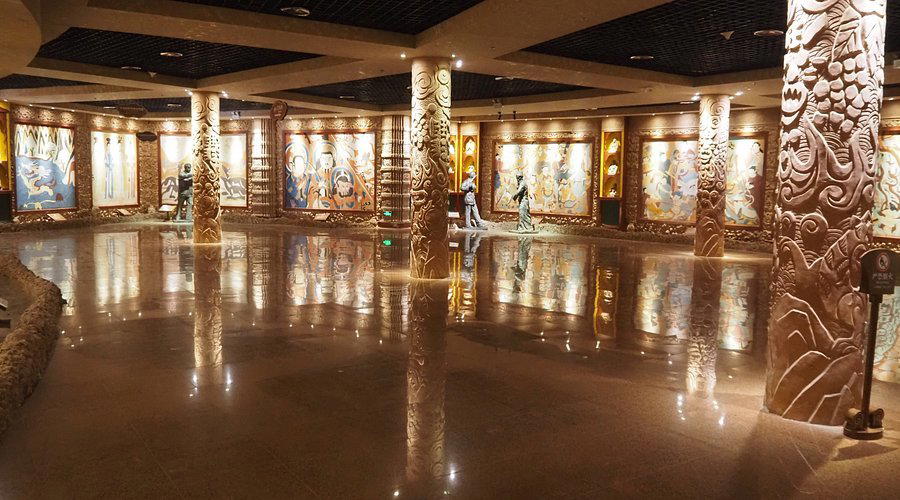



Details
- Cozy
- Rustic
- Family
- Casual Hangout
- Open Kitchen
- Local Sourcing
- A La Carte
- Vegetarian Friendly
- Halal
Current opening hours
- Monday
- 11 a.m.–2:30 p.m., 5–9:30 p.m.
- Tuesday
- Closed
- Wednesday
- 11 a.m.–2:30 p.m., 5–9:30 p.m.
- Thursday
- 11 a.m.–2:30 p.m., 5–9:30 p.m.
- Friday
- 11 a.m.–2:30 p.m., 5–10 p.m.
- Saturday
- 11 a.m.–2:30 p.m., 5–10 p.m.
- Sunday
- 9 a.m.–2:30 p.m., 5–10 p.m.
Hours can change for holidays and private events. Hours as of .
Simple decor with traditional Nepali paintings, handicrafts, textiles, and warm hospitality that makes guests feel at home.