JW Marriott Tampa Water Street


Michelin Selected · Forbes Recommended
Anchoring Tampa's Water Street district at 27 stories, the JW Marriott Tampa Water Street sits inside the world's first WELL-certified urban community and sets the tone for the city's new waterfront identity. From the 27th-floor Beacon rooftop bar to Stay Well rooms with circadian lighting and vitamin C-infused showers, the property makes wellness architecture functional rather than decorative.

Pearl is the En Primeur Club membership app, where members save venues, book tables and use the concierge.
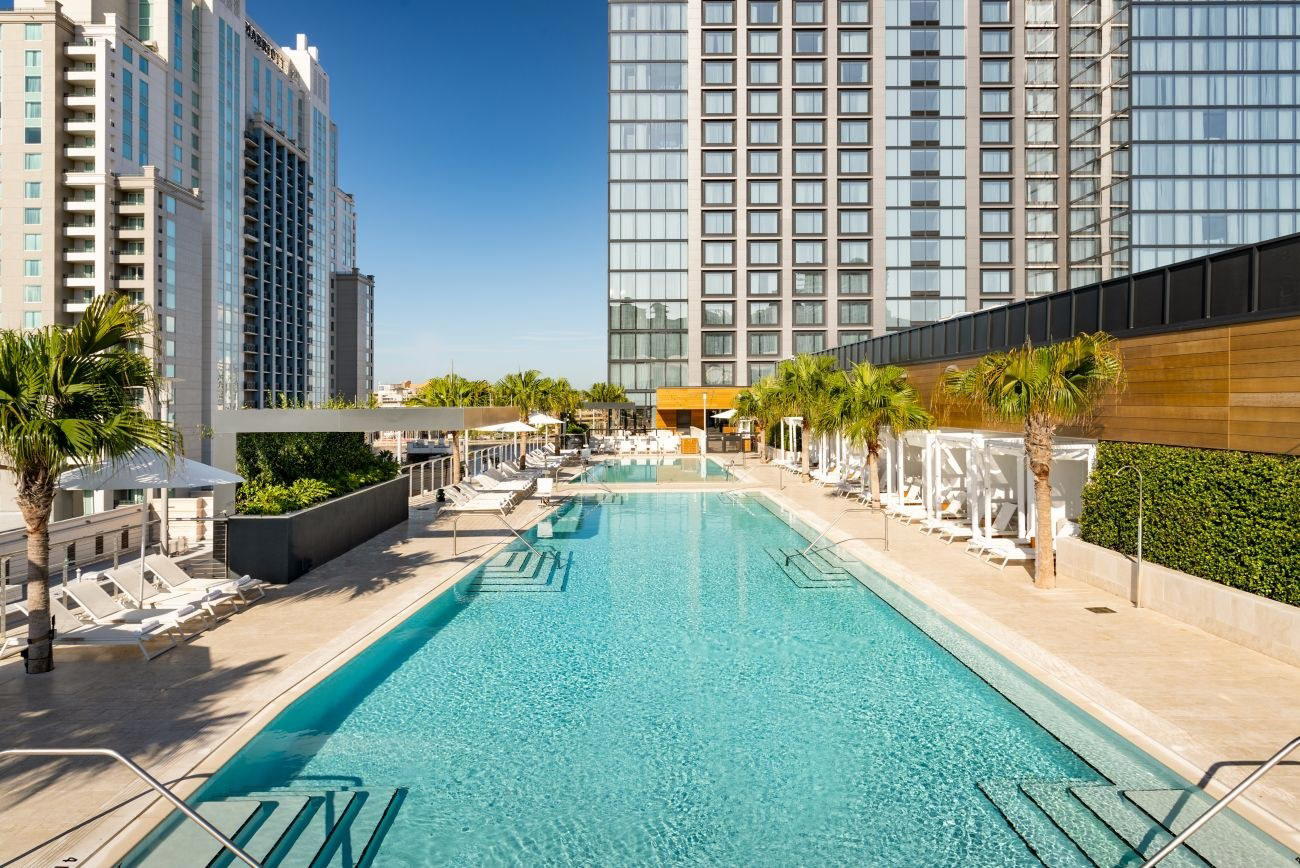
A Tower Built for a New Tampa
Tampa's Water Street district represents one of the more deliberate urban reinventions in recent American city-building: a multi-block mixed-use development certified as the world's first WELL community, where the built environment is designed around measurable human health outcomes rather than conventional real estate metrics. The JW Marriott Tampa Water Street, rising 27 stories at 510 Water St, functions as the district's anchor hotel, and its design logic follows the same framework. This is not a wellness-branded property in the amenity-brochure sense. The WELL certification shapes the building itself, from air filtration systems to the quality of light that reaches guest rooms. For travellers comparing Tampa's upper hotel tier, that distinction matters. Properties like The Tampa EDITION compete on design-led boutique credentials; the JW Marriott competes on integrated infrastructure at scale.
The Architecture of the Approach
Arriving at Water Street, the building reads as part of a coordinated district rather than a freestanding tower dropped into an existing neighbourhood. The ground-level permeability is deliberate: Turntable's street-level food window opens directly onto the pedestrian flow toward Tampa's Riverwalk, and the JW Market operates as a daytime hub for the surrounding community as much as for hotel guests. This relationship between tower and street is characteristic of WELL-certified urban design, where the building's edges are treated as active thresholds rather than blank facades. Hotels pursuing wellness at comparable depth, such as Canyon Ranch Tucson or 1 Hotel San Francisco, typically operate in lower-density formats where the site does the environmental work. Here, the challenge was delivering that standard inside a 27-story urban tower, and the answer was infrastructural.
Rooms and the Stay Well Tier
Across its guest room inventory, the hotel's most architecturally significant offering is the 23 Stay Well Premier Rooms concentrated on the 15th floor. Each incorporates air purification systems, vitamin C-infused showers, circadian mood lighting calibrated to time of day, and natural memory foam mattresses. This cluster approach, grouping the wellness-intensive rooms onto a single floor, is a practical design decision: it allows the hotel to maintain the full mechanical and environmental specification without retrofitting the entire building. The result is a tiered product within a single property, where guests can choose the depth of wellness programming they want. At the outer edge of the inventory sits the Presidential Suite, a 2,200-plus-square-foot unit with a 1,000-square-foot balcony that captures city and waterfront views year-round. For context on what that kind of suite footprint means at comparable tier, consider the approach taken at The Fifth Avenue Hotel in New York City or Raffles Boston, where marquee suite design carries the same outsized-balcony-and-view logic in denser urban markets.
Dining Across Five Formats
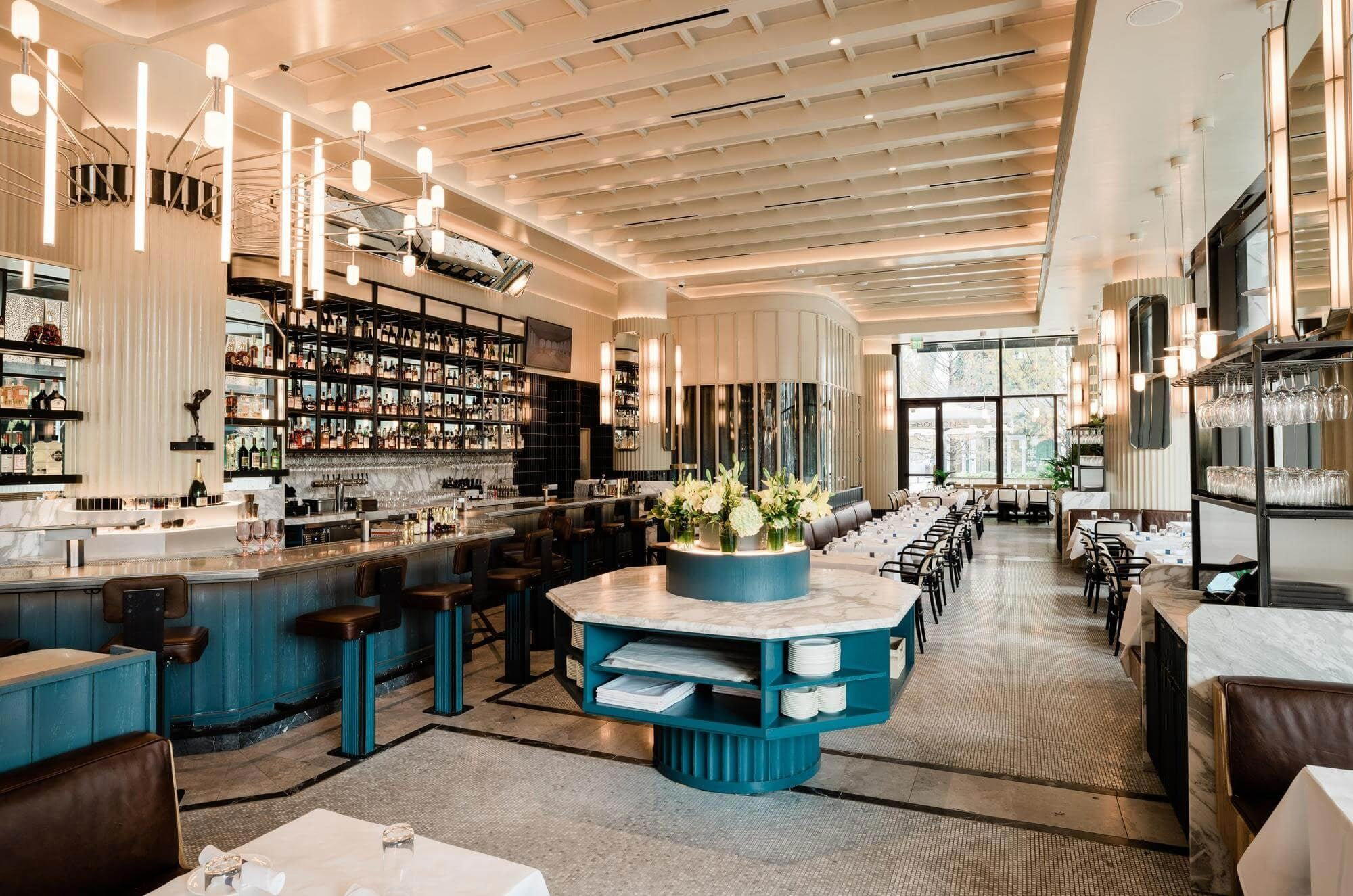
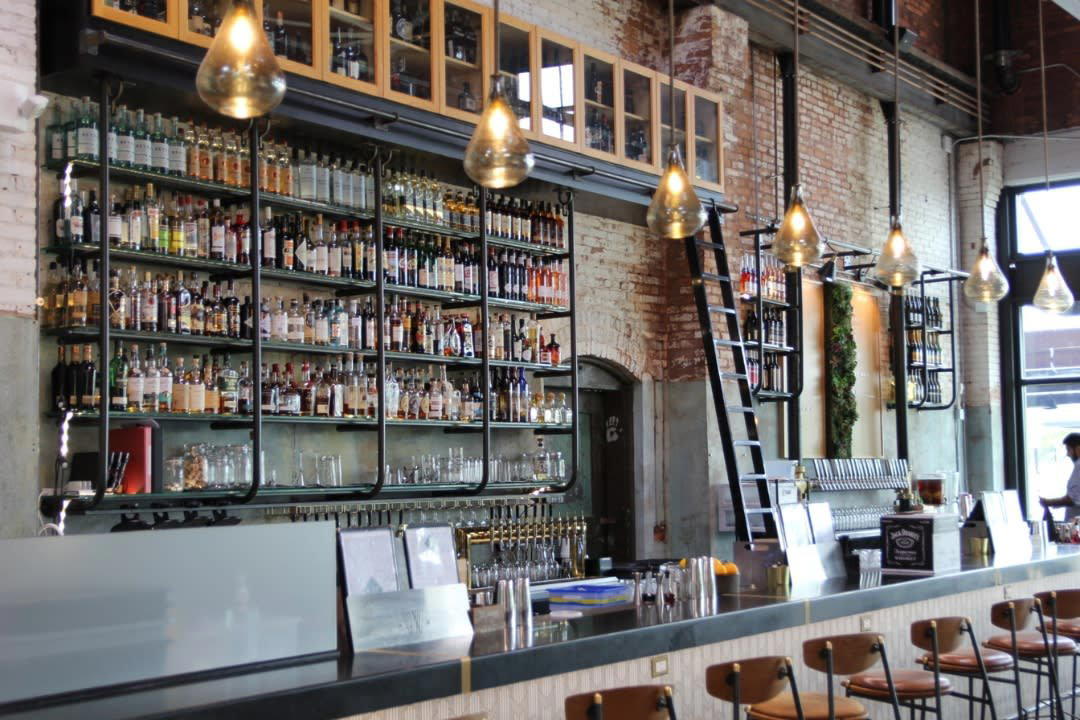
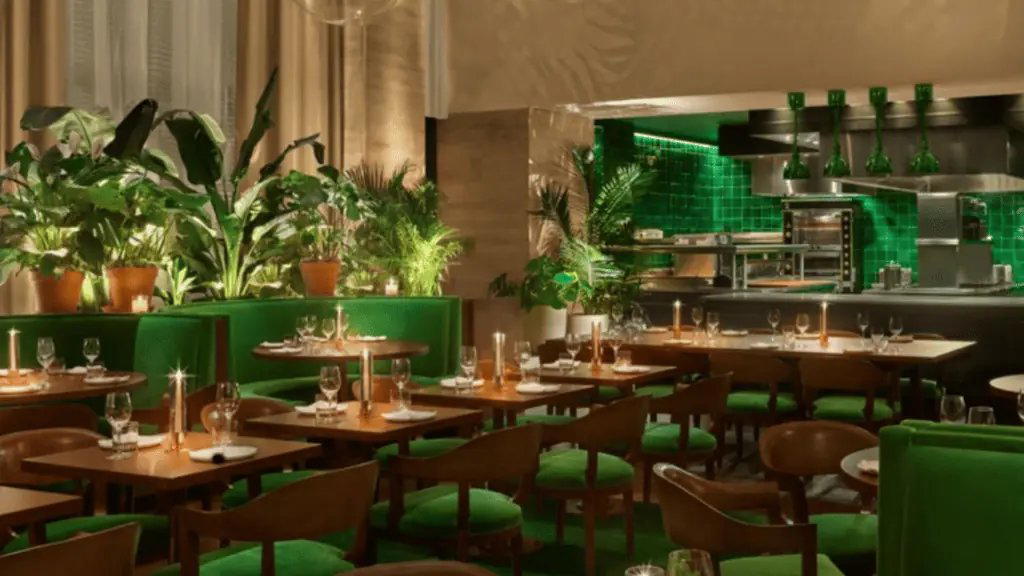
American luxury hotels in the post-2015 period have largely moved away from the single signature restaurant model toward multi-format dining ecosystems, and the JW Marriott Tampa Water Street follows that pattern across five distinct formats. Driftlight Steakhouse anchors the lobby level with aged steaks and locally sourced seafood in an art deco-inflected room that shifts from dinner service to breakfast without a change of setting. The sixth floor's Six restaurant operates as a casual bistro alternative, positioned toward the pool and sun deck with terrace seating that makes it useful when Beacon fills. Beacon itself occupies the 27th floor: a rooftop cocktail bar with an all-weather wrap-around terrace, two indoor bars, and a private dining space designed around sunset views over the Gulf of Mexico. A skybridge connects the property to the adjacent Tampa Marriott Water Street, extending the available dining options further and providing access to a waterfront pool. The fifth format, Turntable, functions as a grab-and-go window at street level, oriented toward the Riverwalk. This layered structure is comparable in concept, if different in character, to what properties like Chicago Athletic Association execute across multiple floors of a historic building, where format variety keeps the property relevant to locals as well as guests. Tampa's dining scene has matured significantly over the past decade, and our full Tampa restaurants guide maps the broader context.
Spa and Amenities
Spa by JW runs 12 treatment suites with a private outdoor whirlpool. The policy that extends full spa amenity access to any guest receiving a treatment for the entire day, whether that's a customised massage or a Key lime body buff, is a structural decision that affects how the spa functions: it rewards depth of engagement over transactional use. Wellness-focused competitors at the resort end of the American market, such as Amangiri in Canyon Point or Kona Village, A Rosewood Resort, integrate spa into a site-immersive experience where the boundary between treatment and environment dissolves. The JW Marriott achieves a version of this inside an urban tower by ensuring the spa feels like a destination within the hotel rather than a supplementary amenity. Other properties taking wellness infrastructure seriously in coastal markets include Four Seasons at The Surf Club in Surfside and Little Palm Island Resort & Spa in Little Torch Key.
Where It Sits in Tampa's Hotel Picture
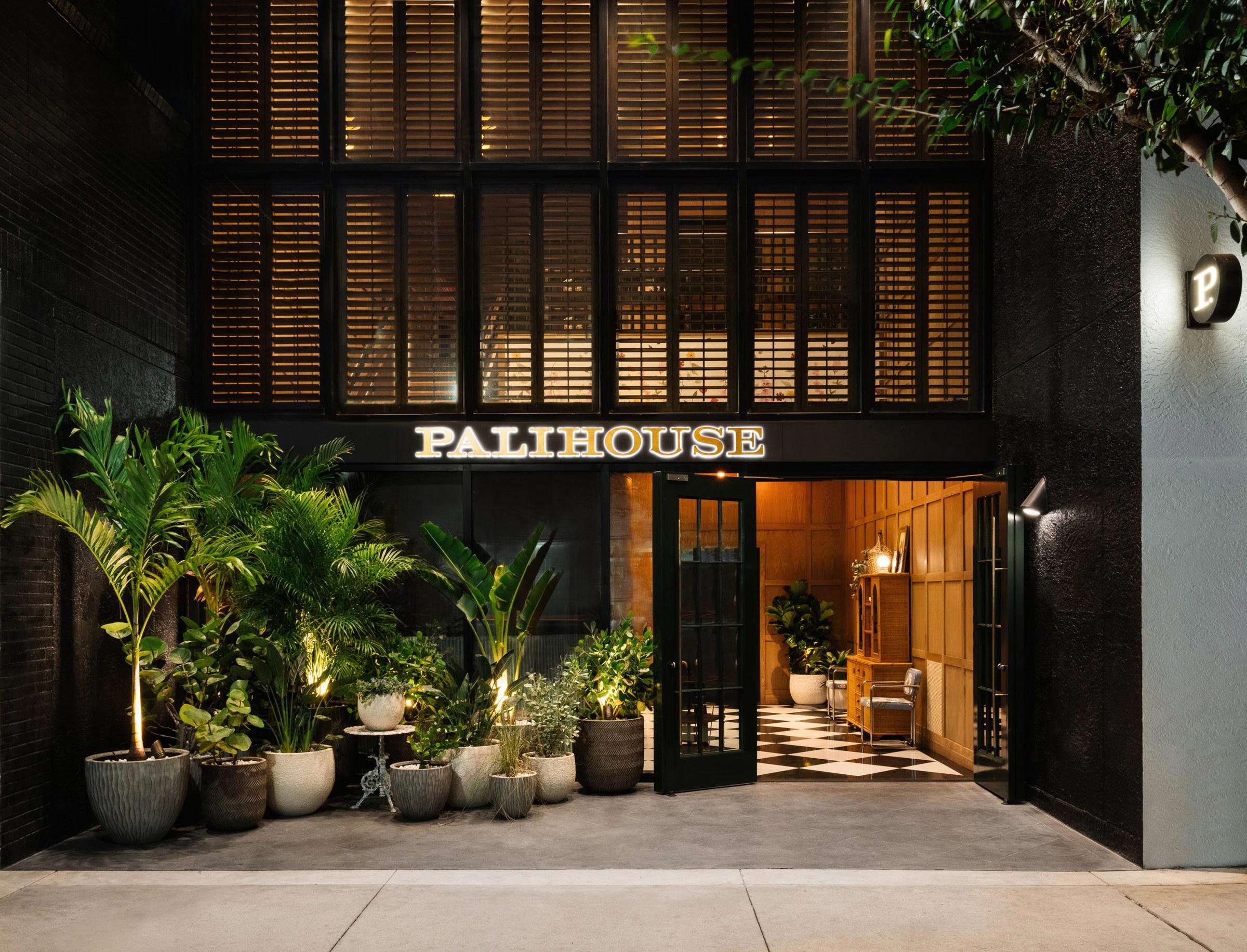
Tampa's luxury accommodation market has developed two distinct registers in recent years. The design-led boutique tier, represented by properties like Palihouse Hyde Park Village, competes on neighbourhood character and independent identity. The JW Marriott Tampa Water Street operates in a different frame: it is a full-service urban hotel with scale, infrastructure, and a brand warranty that positions it toward corporate travellers, event groups, and leisure guests who want amenity depth rather than editorial distinctiveness. The WELL certification, however, adds a layer that separates it from standard full-service Marriott properties nationally. Travellers comparing across wider geographies might also look at how wellness architecture operates at Post Ranch Inn in Big Sur, Sage Lodge in Pray, Amangani in Jackson Hole, Troutbeck in Amenia, Alpine Falls Ranch in Superior, or SingleThread Farm Inn in Healdsburg, each of which applies environmental intentionality at a very different scale and setting. For international reference points on what tower-scale design ambition looks like, Aman New York, Aman Venice, and Badrutt's Palace Hotel in St. Moritz each occupy a different position on the spectrum.
Planning Your Stay
The hotel is located at 510 Water St, Tampa, FL 33602, within walking distance of the Riverwalk and the broader Water Street Tampa district. Given the five-format dining structure, it is worth noting that Beacon on the 27th floor draws demand beyond the hotel guest list, particularly for sunset slots, and Six on the sixth floor operates as the practical alternative when the rooftop fills. The Stay Well Premier Rooms on the 15th floor represent the highest-specification wellness offering and are worth prioritising if the environmental programming, circadian lighting, and air purification are the reason you are booking this property over alternatives. The Presidential Suite, at over 2,200 square feet with a 1,000-square-foot balcony, sits at the top of the inventory for those requiring scale and outlook.
Fast Comparison
Comparable venues nearby, for context on price, style, and recognition.
| Venue | Cuisine | Price | Awards | Notes |
|---|---|---|---|---|
| JW Marriott Tampa Water StreetThis venue (the venue you are viewing) | Modern luxury urban resort | Not listed | Michelin Selected · Forbes Recommended | Not listed |
| ROOST Tampa | Resort-style extended stay apartment hotel | Not listed | Michelin Selected | Gilchrist's A W Oak Grove |
| Hotel Haya | Lifestyle boutique hotel celebrating local Ybor City culture | Not listed | Michelin Selected | Ybor City |
| Pendry Tampa | modern luxury waterfront tower with hotel, residences, dining, and event space | Not listed | Not listed | Downtown Tampa Riverwalk |
| Palihouse Hyde Park Village | residential-inspired urban lodge | $200–300 | 1 Michelin Key | Historic Hyde Park |
| The Tampa EDITION | stylishly modern lifestyle luxury hotel | Not listed | Michelin Selected · Virtuoso Luxury Hotel Partner | Gilchrist's A W Oak Grove |
Recognition history
Dated appearances from independent guides and award organizations, with the underlying list record or original source where available.
Michelin Selected
Michelin
Forbes Recommended
Forbes
Full recognition history (3 entries)
Forbes Recommended
Forbes
Continue exploring
More in Tampa
Hotels in Tampa
All hotels in Tampa →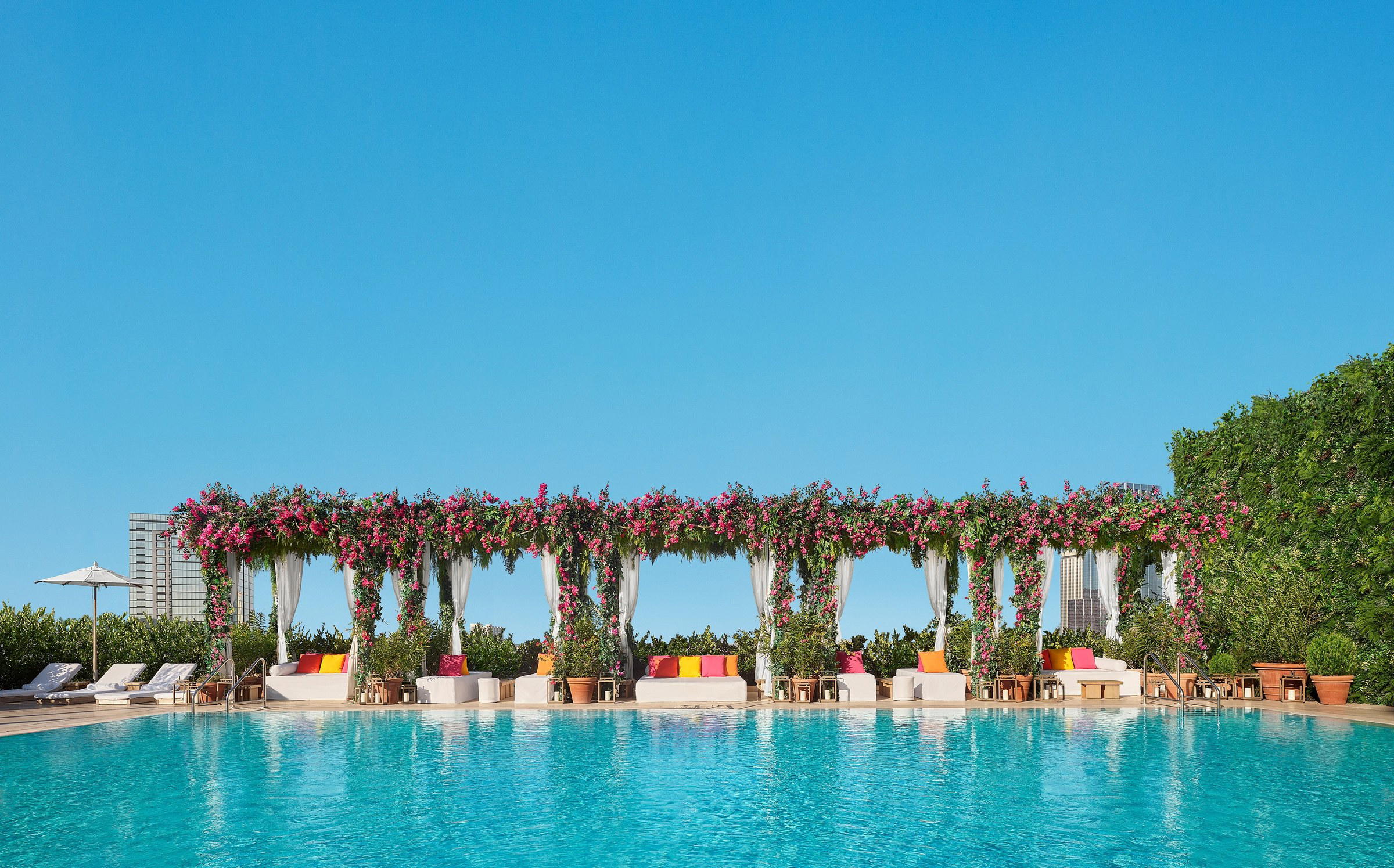
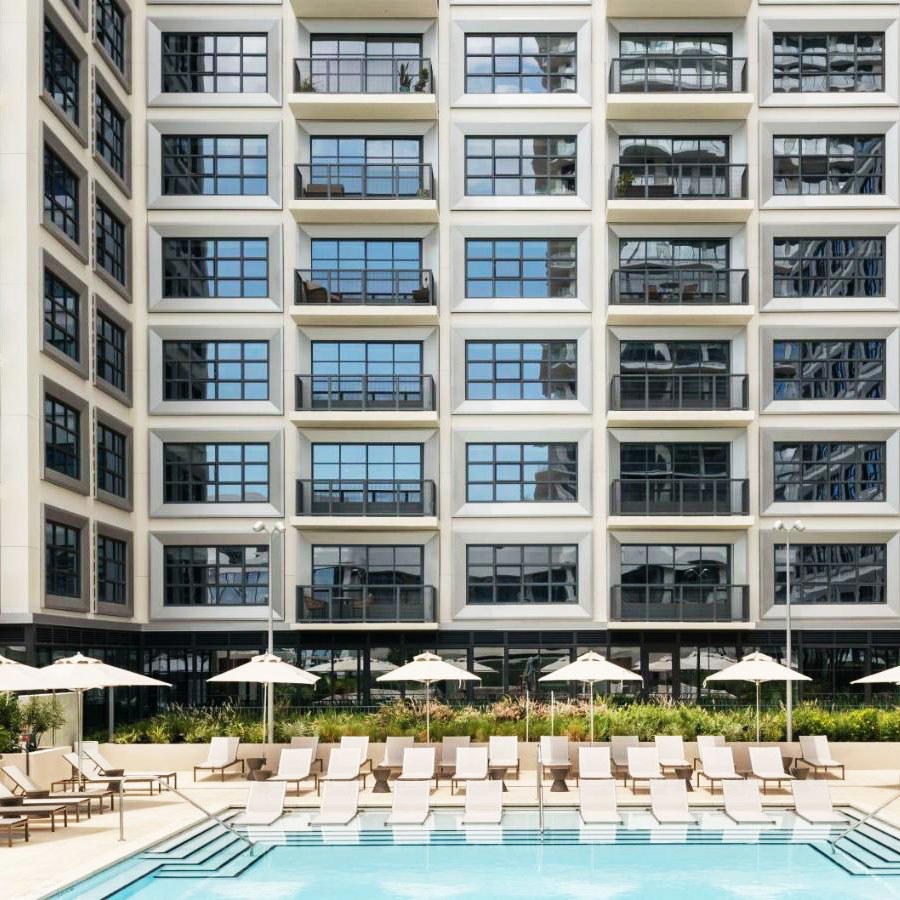
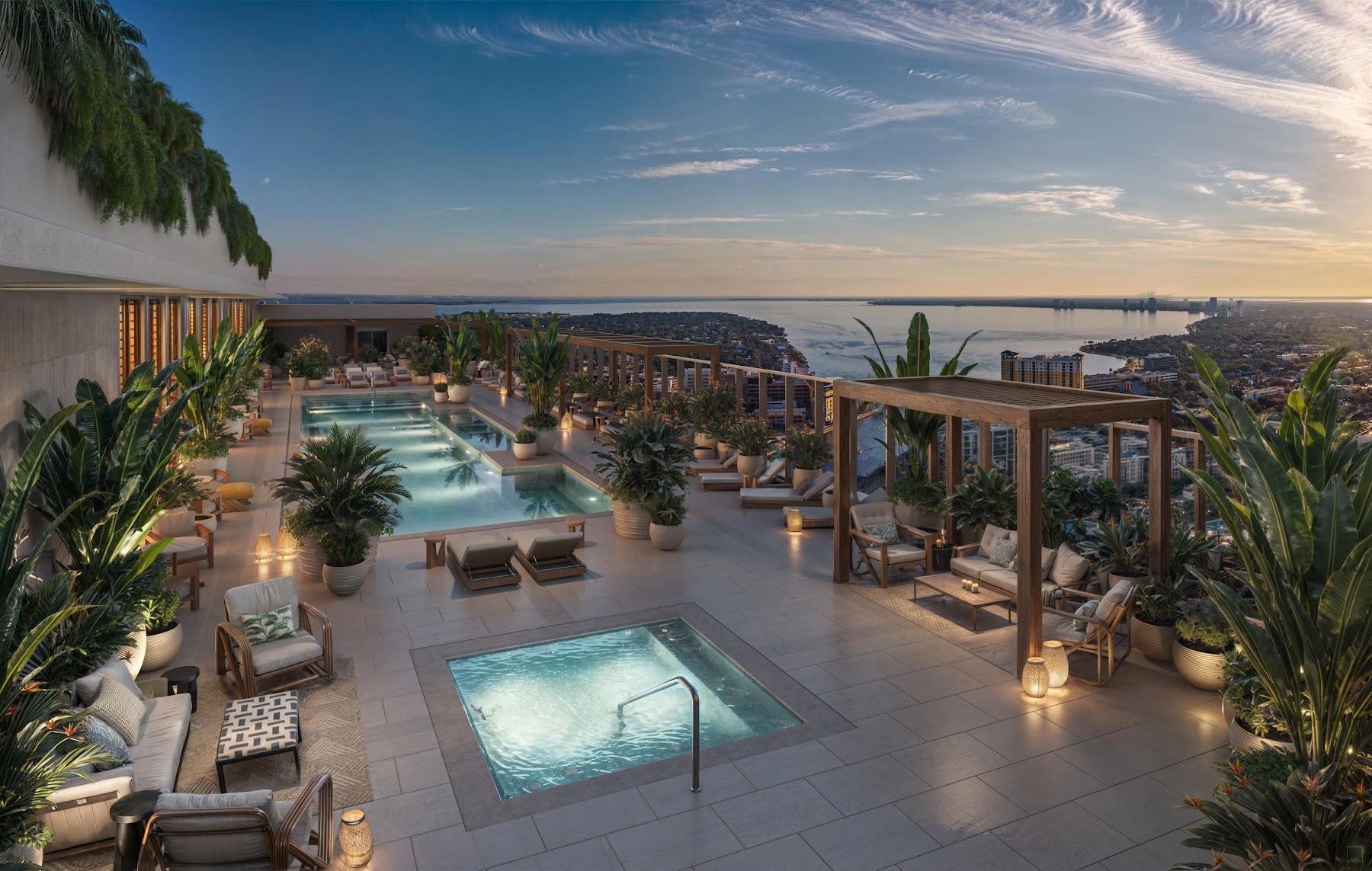
Details
- Modern
- Elegant
- Sophisticated
- Scenic
- Business Trip
- Romantic Getaway
- Weekend Escape
- Rooftop Pool
- Waterfront
- Panoramic View
- Pool
- Spa
- Fitness Center
- Room Service
- Concierge
- Business Center
- Valet Parking
- EV Charging
- Waterfront
- Skyline
- Wheelchair Accessible
- Elevator
- Step Free Entrance
- Accessible Parking
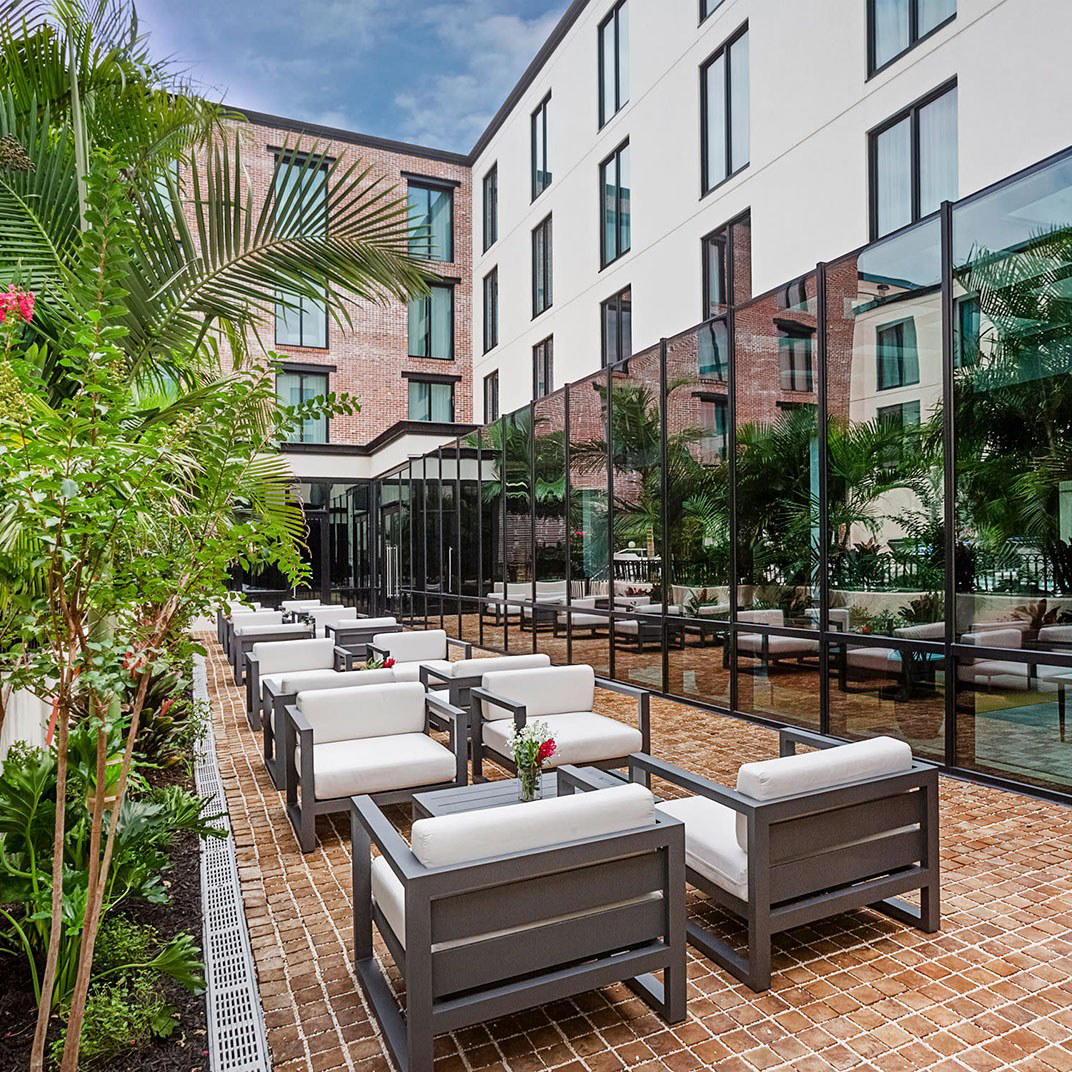
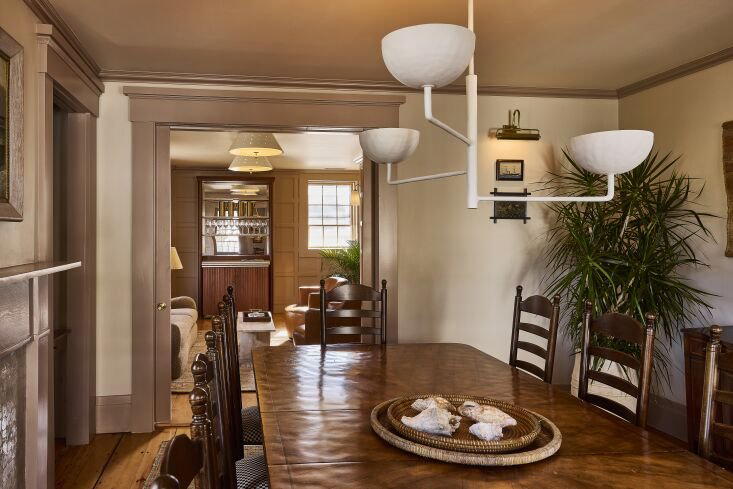
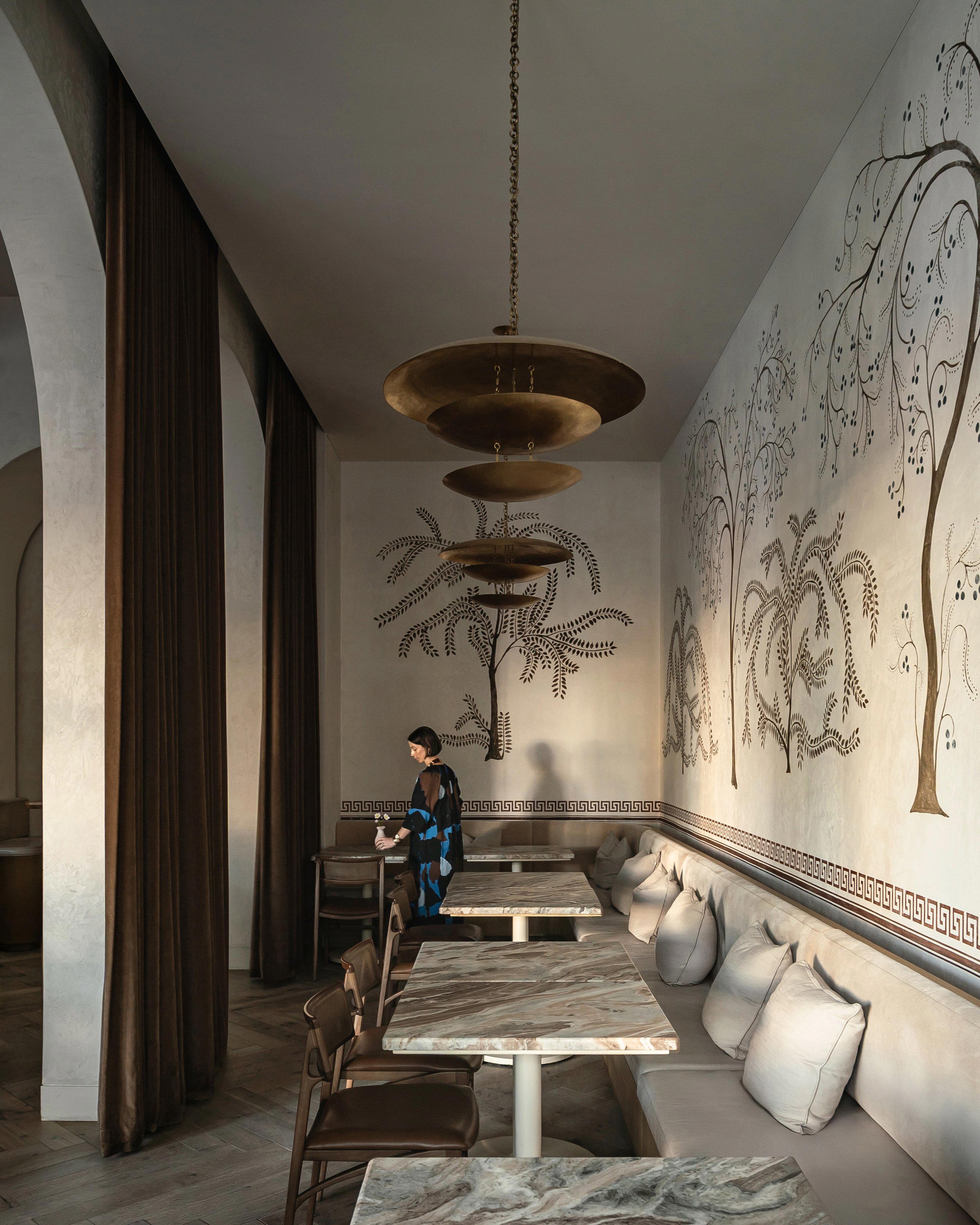
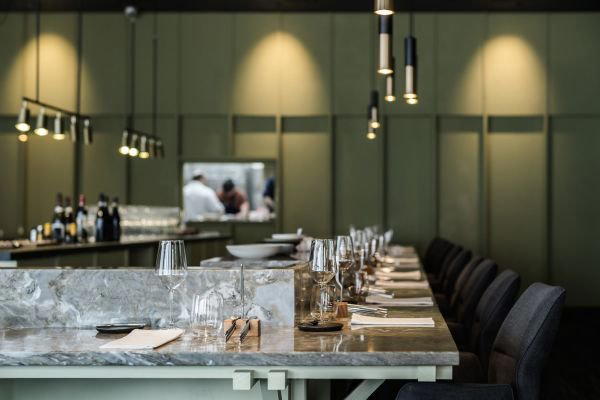
Sophisticated and modern with natural light-filled spaces, elegant contemporary décor, and lively energy from the downtown Water Street district.