Armature Works
Armature Works occupies a converted 1910 trolley repair facility on Tampa's Riverwalk, operating as one of the city's largest food hall and event venues. The building's industrial bones, exposed steel, original brick, soaring ceilings, frame a multi-vendor dining floor where the format favors grazing over commitment. It sits at the intersection of Heights neighborhood redevelopment and Tampa's broader food hall expansion.

Pearl is the En Primeur Club membership app, where members save venues, book tables and use the concierge.
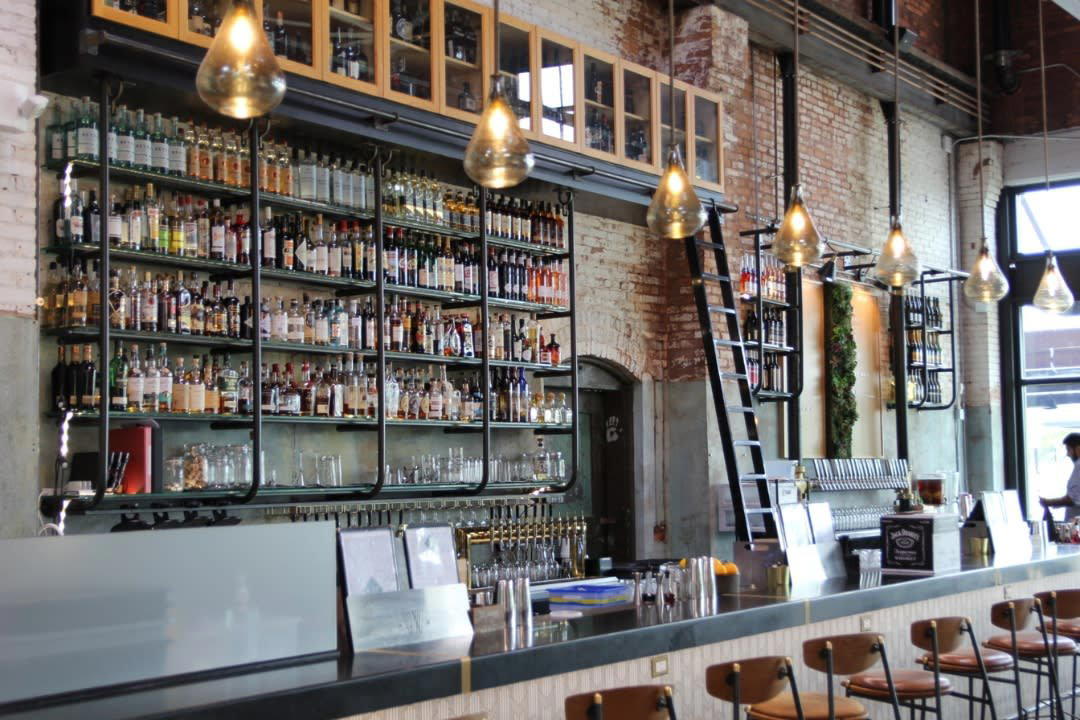
A Food Hall Shaped by Its Building
The food hall format, now well established across American cities, sorts into two clear categories: purpose-built commercial boxes dressed with reclaimed wood, and genuine adaptive reuse projects where the architecture sets the terms. Armature Works falls into the second group. The building at 1910 N Ola Ave dates to 1910, originally constructed as a maintenance facility for Tampa's electric streetcar system. The scale of that original function, wide-span steel trusses, brick walls built for industrial load, ceilings high enough to service rolling stock, now defines what kind of dining space it can be. You are not sitting in a restaurant that happens to have old bones; you are sitting in a former machine hall where the food came later.
That distinction shapes everything about how the space works. The Heights Public Market, the food hall occupying a significant portion of the ground floor, operates as a collection of independent vendor stalls arranged beneath the original structure. The layout rewards wandering: there is no obvious single path through, and the visual competition between stalls is part of the experience. The bar anchoring the space opens toward the Hillsborough River, and during the evening hours the indoor-outdoor threshold becomes the most contested real estate in the building.
How the Menu Architecture Reads
In a conventional restaurant, a menu is a document that reveals a kitchen's priorities and a chef's argument. In a food hall, the equivalent document is the vendor mix itself: which cuisines are represented, which price tiers, and whether the curation suggests editorial intent or simply whoever signed a lease. At Armature Works, the vendor selection skews toward accessible formats, counter-service concepts across a range of cuisines, rather than the single-anchor fine-dining model some food halls have attempted. The logic is horizontal rather than hierarchical: no single vendor is positioned above the others, and the format assumes that most visitors will make decisions by walking the floor before committing.
This structure has practical consequences for the diner. Groups with divergent tastes can split and reconvene. Solo visitors can calibrate portion size across multiple stops. The tradeoff is depth: counter-service formats optimize for throughput, and the kind of technique-driven cooking that requires timed plating and a controlled dining room does not translate well to the model. What the Heights Public Market offers instead is range and informality, with the building providing the atmosphere that any single vendor would struggle to generate independently.
The bar program operates somewhat differently from the food vendors, functioning as a more unified concept with consistent service across the space. Tampa's cocktail scene has developed steadily over the past decade, with venues like Ash and 7th + Grove anchoring the more technically focused end of the market. Armature Works sits at a different point on that spectrum, prioritizing volume and accessibility over narrow technical distinction. For the drink programs that have built national reputations on craft and specificity, the comparison set extends well beyond Tampa: venues like Kumiko in Chicago, Jewel of the South in New Orleans, and Bar Leather Apron in Honolulu operate in a register defined by depth of program and low capacity. Armature Works is not competing in that register, and it does not need to.
The Heights Context
The broader significance of Armature Works within Tampa's food and hospitality development has as much to do with geography as with format. The Tampa Heights neighborhood spent several decades in a category familiar to post-industrial urban districts: centrally located, structurally intact, commercially dormant. The redevelopment of the Armature Works building arrived as part of a wider wave of investment in the Heights corridor that also brought residential construction and the extension of the Riverwalk northward from downtown.
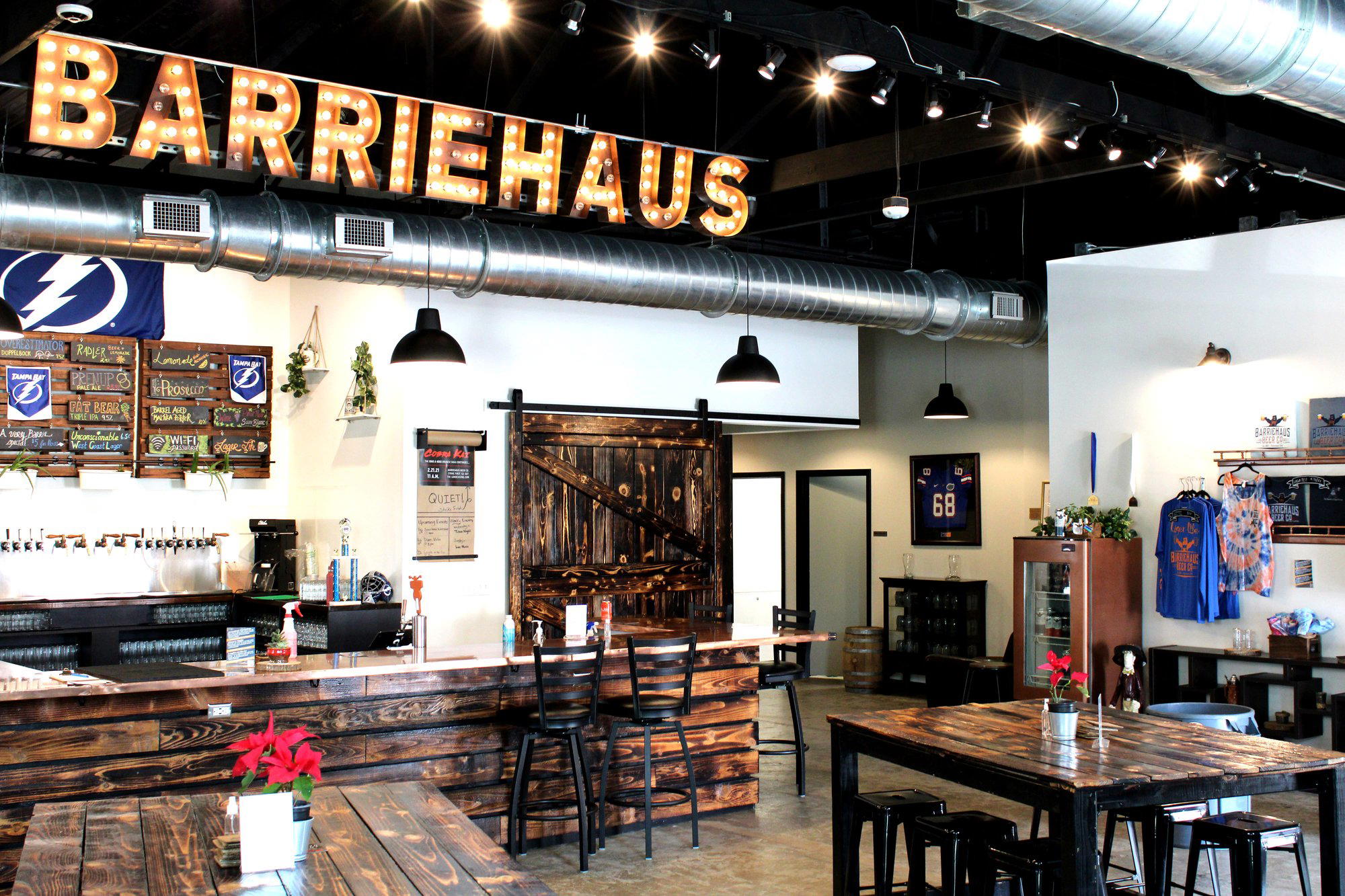
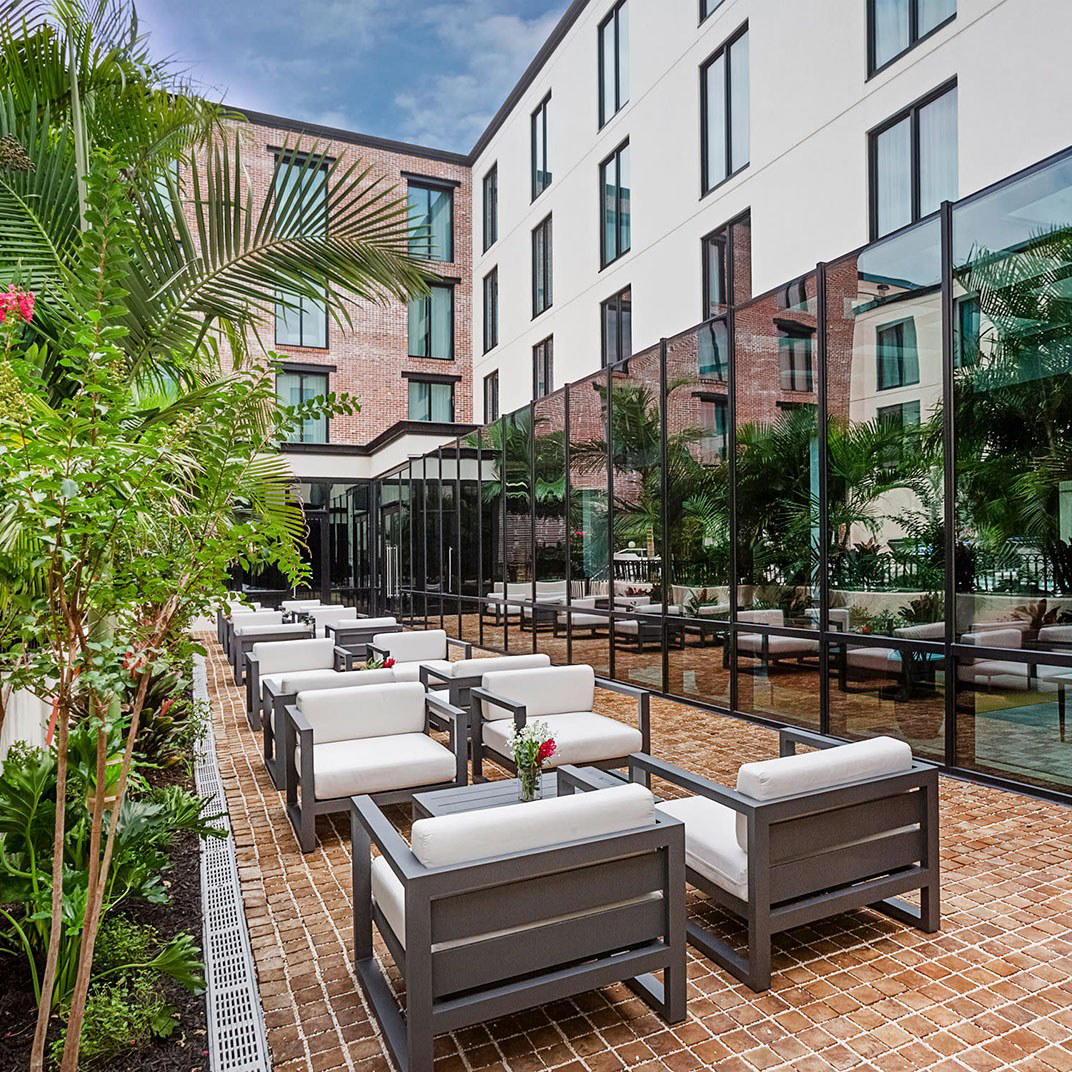
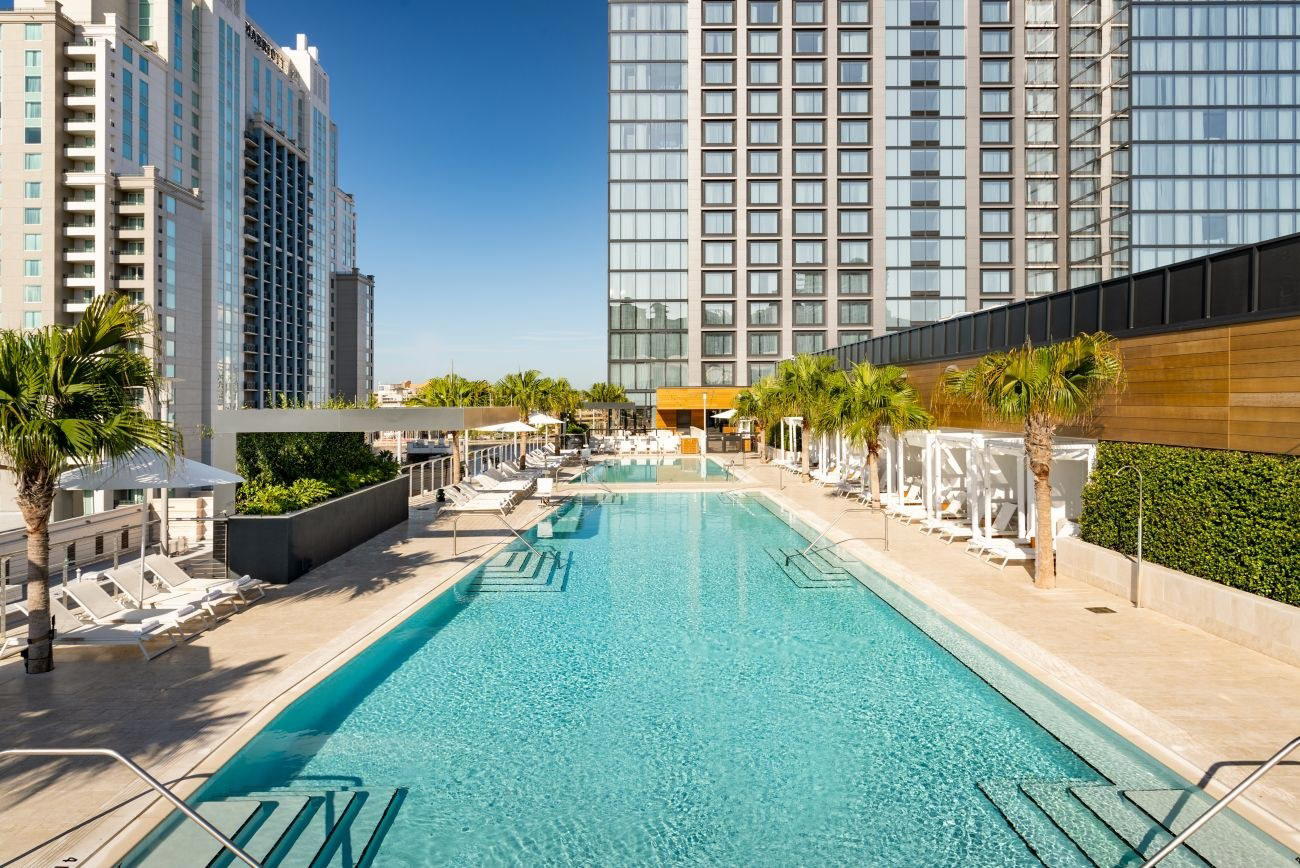
For the food hall itself, the Riverwalk adjacency is a material asset. The terrace and outdoor areas connect directly to the pedestrian path running along the Hillsborough River, which means Armature Works functions as both a destination and a waypoint for people moving between downtown Tampa and the Heights. This dual function keeps foot traffic patterns less predictable than a pure destination venue would generate, which suits the grazing format well. Neighboring independent bars like American Legion Post 111 and BarrieHaus Beer Co occupy different niches in the Heights drinking culture, and together they suggest a neighborhood that has added supply across multiple formats without collapsing into uniformity.
Nationally, the food hall model has proven durable even as individual markets have seen oversaturation. The formats that have survived multiple economic cycles tend to share certain characteristics: genuine architectural distinction, a vendor mix that updates over time, and an outdoor or semi-outdoor component that extends usable hours. Armature Works holds most of those cards. Cities like Houston and New York have seen parallel developments; Julep in Houston and Superbueno in New York City represent the kind of focused independent concepts that food hall formats sometimes incubate or draw traffic toward. The dynamic is complementary rather than competitive.
Events and the Second Program
The building's scale enables a second operational mode that the food hall alone does not: private events, corporate functions, and large-format public programming. The upper floors of Armature Works include dedicated event spaces that operate largely independently from the Heights Public Market below. This bifurcation is common in adaptive reuse venues of significant square footage, and it matters for anyone visiting during a buyout or large event, when access to certain areas may be restricted.
For visitors building a longer evening in the neighborhood, the food hall works well as an opening act rather than a full itinerary. The format works well for a shorter stop. Pairing Armature Works with one of the nearby independent venues, or extending along the Riverwalk toward downtown, fits the geography and the format logic. ABV in San Francisco and The Parlour in Frankfurt represent the kind of single-room bar experiences that contrast well with the multi-vendor scale of a food hall evening.
Planning a Visit
Armature Works is located at 1910 N Ola Ave in Tampa Heights, directly on the Hillsborough River and accessible from the Tampa Riverwalk on foot from downtown. Walk-ins are the norm for the food hall vendors and the main bar, no reservation infrastructure is needed for the market floor, though large groups arriving during peak hours should expect to manage their own logistics across the open floor plan. The event spaces operate on a separate bookings basis entirely.
Standing Among Peers
A quick peer check to anchor this venue’s price and recognition.
| Venue | Price | Awards |
|---|---|---|
| Armature WorksThis venue (the venue you are viewing) | $20–30 | Not listed |
| La Sétima Club | $30–50 | Star Wine List |
| Wine on Water | $20–30 | Star Wine List |
| Hampton Station Pizza & Records | $10–20 | Not listed |
Continue exploring
More in Tampa
Bars in Tampa
All bars in Tampa →
Restaurants in Tampa
All restaurants in Tampa →
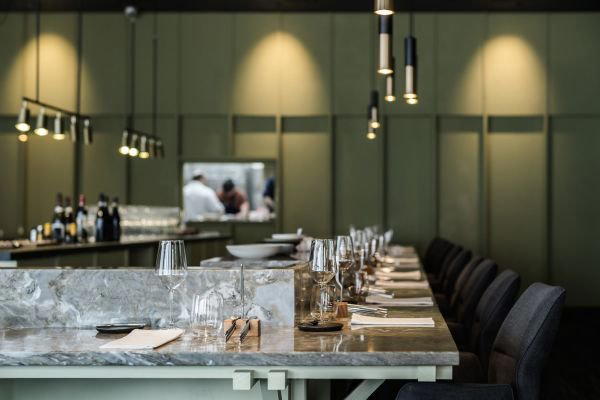
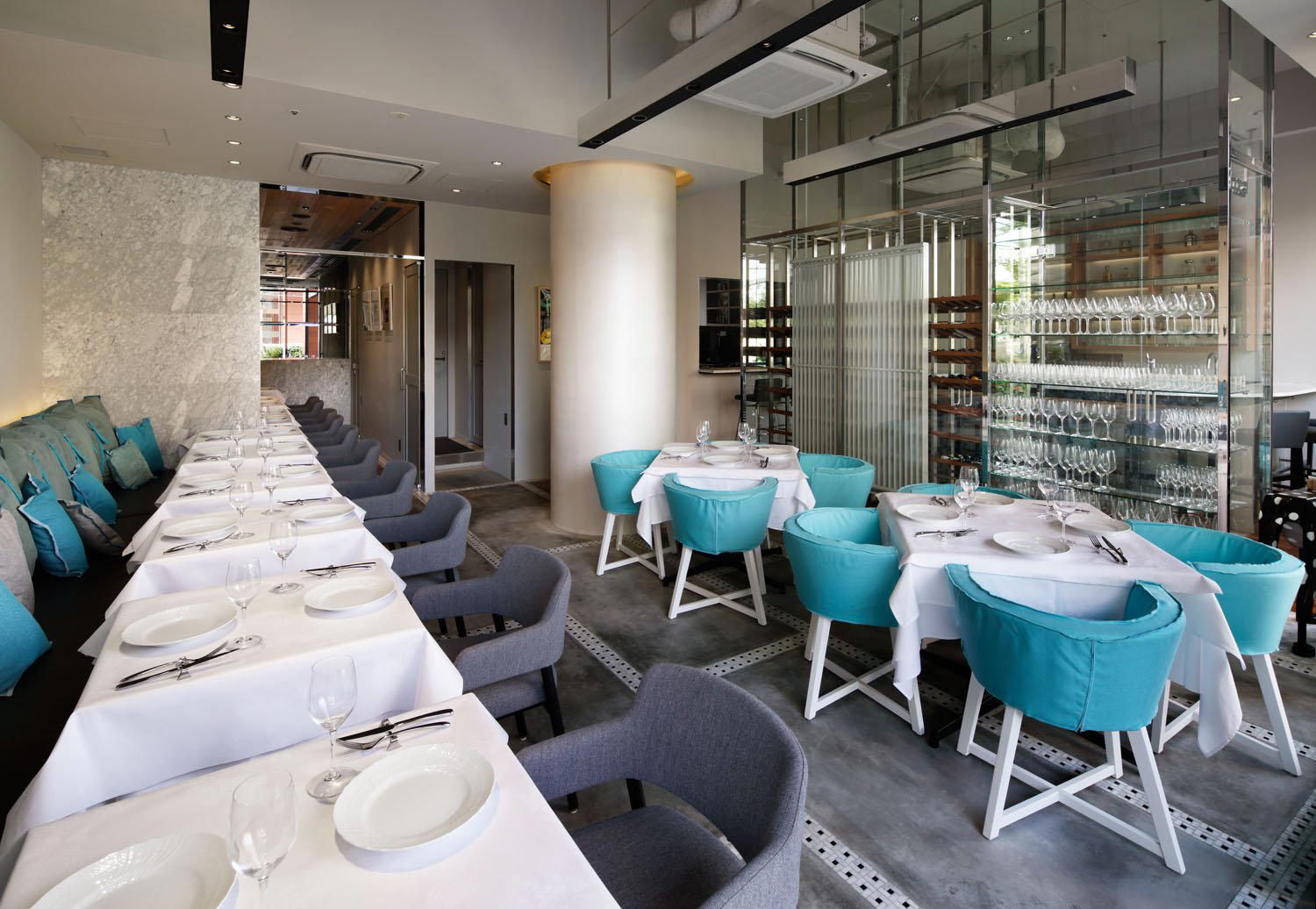
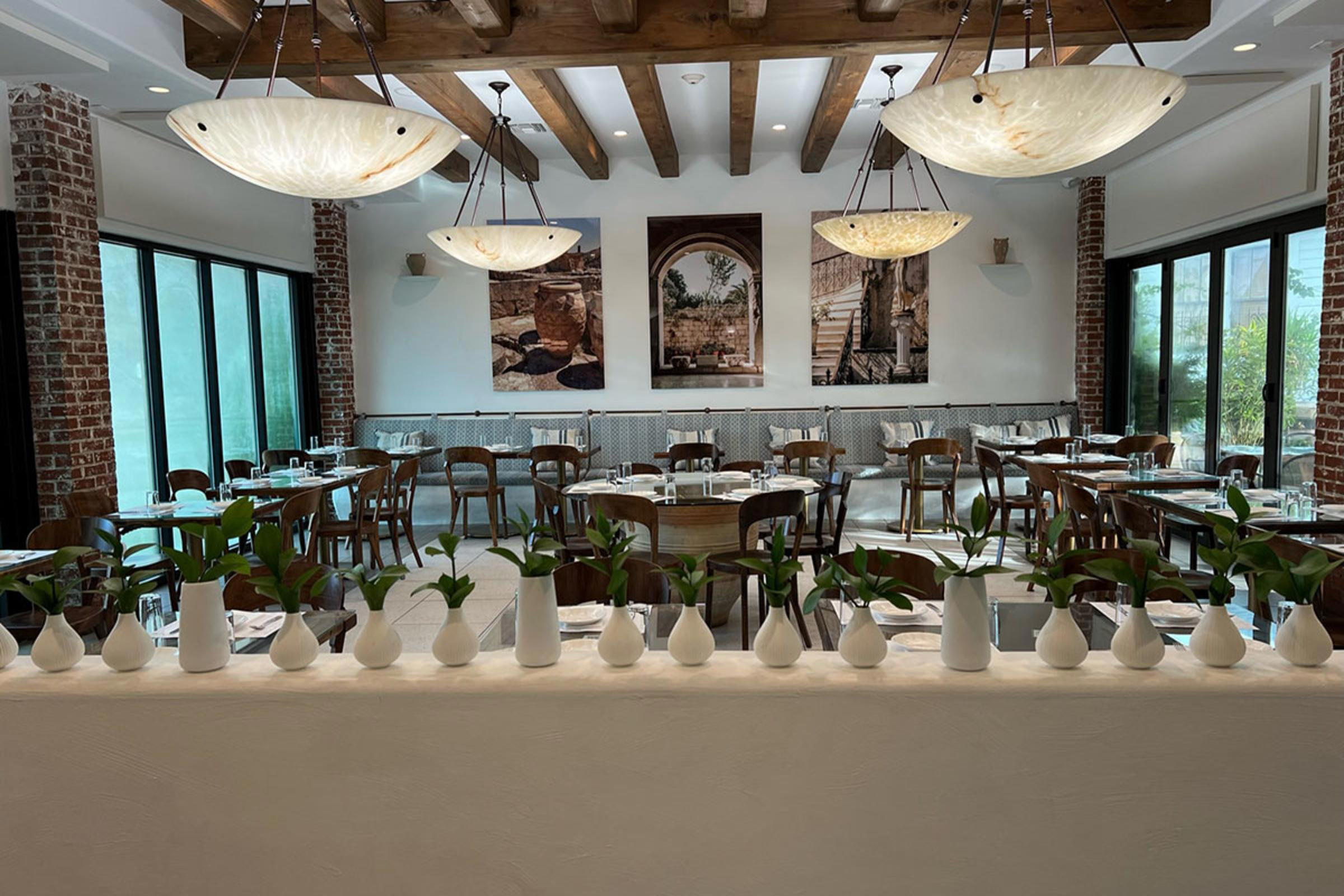
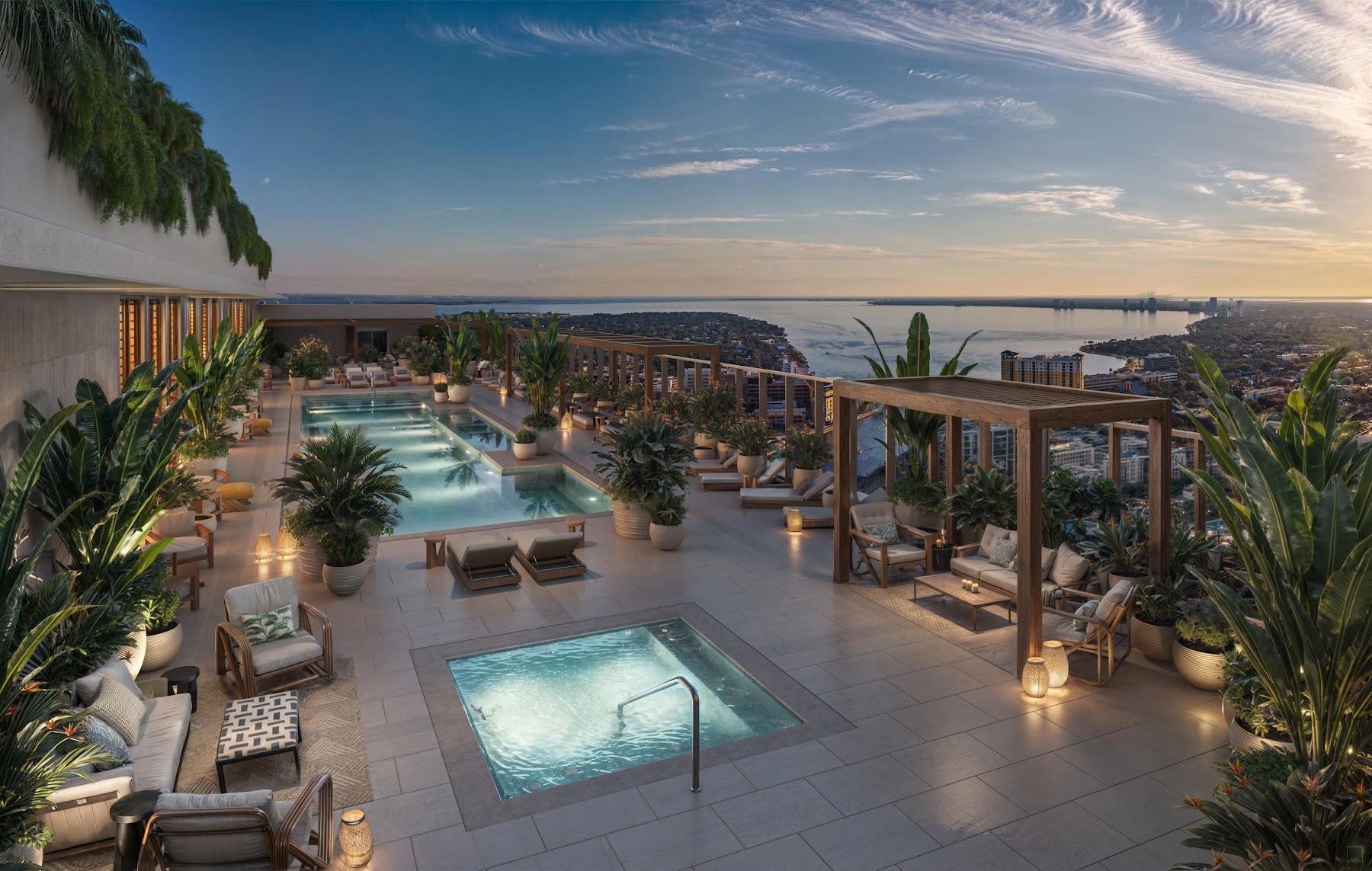
Details
- Lively
- Trendy
- Industrial
- Group Outing
- Casual Hangout
- Late Night
- Live Music
- Waterfront
- Historic Building
- Outdoor Terrace
- Communal Tables
- Lounge Seating
- Craft Cocktails
- Craft Beer
- Waterfront
- Skyline
Current opening hours
- Monday
- 7:30 AM–10 PM
- Tuesday
- 7:30 AM–10 PM
- Wednesday
- 7:30 AM–10 PM
- Thursday
- 7:30 AM–10 PM
- Friday
- 7:30 AM–12 AM
- Saturday
- 8 AM–12 AM
- Sunday
- 9 AM–9 PM
Hours can change for holidays and private events. Hours as of .
Sweeping market views, lively atmosphere with outdoor lawn seating and event energy.