Koya


1 Michelin Star
Our verdict
Koya holds a Michelin star for 2024 and 2025 at its Hyde Park address on W Platt St, placing it among Tampa's small cohort of star-rated Japanese restaurants alongside Kōsen. The $$$$-tier pricing signals an omakase or kaiseki-format experience rather than casual ramen, and the kitchen operates seven days a week from 10 am to 10 pm.

Pearl is the En Primeur Club membership app, where members save venues, book tables and use the concierge.
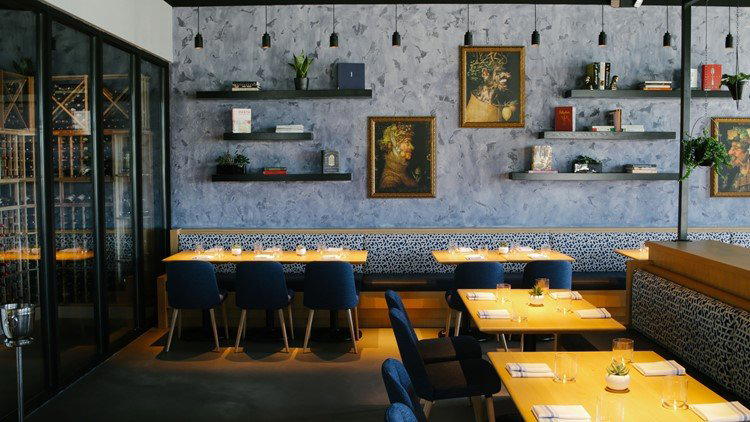
Japanese Precision in a Florida City Still Writing Its Fine-Dining Chapter
Tampa's fine-dining scene has consolidated around a recognisable set of addresses in the past several years, and the city's Michelin cohort, awarded stars beginning with the guide's Florida debut, now functions as a shorthand for where serious cooking is happening. Within that cohort, the Japanese tier carries particular weight. Kōsen and Koya sit as the two star-rated Japanese addresses in the city, each representing a different approach to the cuisine but sharing the same top-tier price bracket and the same expectation of sustained kitchen discipline. That pairing matters: it signals that Tampa's appetite for Japanese fine dining is more than novelty, and that the city can sustain more than one serious practitioner in the category.
Koya operates from 807 W Platt St in the Hyde Park neighbourhood, a stretch of Tampa that reads as residential-premium rather than tourist-facing. The address places it near other $$$$-tier tables, Ebbe (Contemporary) and Lilac (Mediterranean Cuisine) both hold Michelin stars within the same city geography, which means the neighbourhood itself has become associated with serious cooking. Arriving on W Platt, the surrounding low-rise residential streets and mature tree cover give the area a quieter character than downtown Tampa, setting an expectation before you reach the door that this is a destination rather than a passing stop.
The Architecture of a Japanese Tasting Meal
Japanese fine dining in the United States has developed along two principal formats: the omakase counter, where a single chef sequences courses in real time with direct interaction, and the kaiseki model, where a structured progression of dishes mirrors seasonal and compositional logic derived from Kyoto tradition. Both formats share a fundamental characteristic that separates them from European tasting menus: the meal's pacing is not incidental but intentional, each pause and transition carrying meaning. Courses arrive at intervals that reflect the kitchen's own rhythm rather than the diner's impatience, and that rhythm is something guests are expected to receive rather than manage.
This orientation toward the guest as participant rather than consumer is the central etiquette note for anyone approaching a meal at this price point and within this cuisine tradition. In Japanese fine dining, whether in Tokyo at addresses like Myojaku or Azabu Kadowaki, or at their American counterparts, the protocol is one of attentiveness and restraint. Conversation happens in the pauses; phones stay in pockets during service; and the sequence of the meal is accepted in full rather than customised at the table. These are not arbitrary formalities. They reflect a broader philosophy that the kitchen's composition is a complete statement, and fragmenting it misses the point.
At the $$$$-tier level in the United States, the category shared by Le Bernardin in New York City, Alinea in Chicago, and The French Laundry in Napa, a Michelin star represents a verifiable credential of kitchen consistency, not merely ambition. The star awarded to Koya in both 2024 and 2025 confirms that the kitchen produces at that standard across consecutive inspections, which is the metric that matters. Single-year recognition is interesting; two consecutive years moves the assessment from promising to reliable.
How the Ritual Unfolds
Japanese cuisine at the formal end of the spectrum is built on a set of principles that reward guest attention. Umami is not a background note here but a structural element. Temperature differentials between courses, warm dashi following cold preparation, are deliberate. Textural contrast within a single dish carries as much information as flavour. The guest who engages with these signals gets substantially more from the experience than one who treats the meal as a sequence of plates to be rated individually.
Across the broader category of Japanese fine dining, the ritual also involves a different relationship to time than Western tasting menus typically establish. The meal does not announce its final act in the way that a dessert course signals closure in a French or contemporary format. Instead, the progression moves through registers, from lighter and more mineral to richer and more substantial, then back toward restraint, without the theatrical escalation that places like Lazy Bear in San Francisco or Single Thread Farm in Healdsburg sometimes employ. The resolution is quiet rather than emphatic, and that quietness is the point.
The guests arriving are, broadly, people who have sought out the experience rather than stumbled into it, and the room reflects that self-selection in its atmosphere.
Tampa's Star-Rated Japanese Tier in Context
The Florida Michelin Guide entered the market in 2024, and Tampa's inclusion alongside Miami and Orlando placed it in a competitive frame it had not previously occupied at that level of formal recognition. The city's Michelin-starred cohort now spans Japanese, contemporary, Mediterranean, and Italian formats, Rocca (Italian) and Lilac (Mediterranean Cuisine) both hold stars, which gives Tampa a more varied critical map than the steakhouse-and-Cuban-food narrative that defined it for decades. Bern's Steak House and Columbia remain reference points for the city's heritage dining, but they operate in a different competitive frame from the Michelin cohort.
Within the Japanese subset, Koya's appearance on the Opinionated About Dining Casual in Europe list at rank 722 in 2025 is an unusual signal for a Tampa restaurant. OAD's casual Europe list is not the natural home for a Florida venue, and its inclusion there implies some cross-market recognition from the kind of frequent-traveller, food-literate audience that OAD surveys. That crossover recognition places Koya in a peer conversation that extends beyond the city, even if the restaurant's physical address and primary audience remain Tampa-based.
For guests building a multi-restaurant itinerary across Tampa's Michelin tier, the logical sequence places Koya alongside Kōsen as the Japanese bracket, with Ebbe and Lilac representing the contemporary and Mediterranean alternatives. Each occupies a distinct format and cuisine tradition, which means the city's starred restaurants do not meaningfully cannibalise each other's audience.
Planning Your Visit
Koya operates from 807 W Platt St, Tampa, FL 33606, seven days a week between 10 am and 10 pm, hours that are broader than many comparable-format restaurants and suggest either a multi-service structure or a format that accommodates both lunch and dinner sittings. The $$$$-tier pricing places the meal in the same spend bracket as the city's other starred addresses, so budget expectations should align with a multi-course format rather than à la carte. For guests exploring the wider city alongside this booking, our full Tampa restaurants guide covers the complete dining scene; the Tampa hotels guide, bars guide, wineries guide, and experiences guide provide planning context across the broader trip.
Frequently asked questions
Is Koya chef-led?
The chef associated with Koya is Various.
What should I eat at Koya?
Koya holds a Michelin star in both the 2024 and 2025 Florida guides, which gives a reliable frame for the kitchen's direction: precise, technique-led Japanese cooking at the formal end of the spectrum. At the $$$$ price tier, the expectation is a composed, multi-course format rather than à la carte selection. Visit 807 W Platt St or check the venue's official channels for the current menu.
What should I budget for a meal at Koya?
Pricing at Koya is listed as $$$$.
What are Koya's hours?
Hours at Koya: Hours: Monday 10 am–10 pm Tuesday 10 am–10 pm Wednesday 10 am–10 pm Thursday 10 am–10 pm Friday 10 am–10 pm Saturday 10 am–10 pm Sunday 10 am–10 pm.
A Pricing-First Comparison
| Venue | Cuisine | Price | Awards | Notes |
|---|---|---|---|---|
| KoyaThis venue (the venue you are viewing) | Modern Japanese Omakase | $200–300 | 1 Michelin Star | Not listed |
| Bern’s Steak House | Classic Dry-Aged Steaks | $100–150 | Michelin Plate · World's Best Steaks 50 Best #48 | Steakhouse |
| Columbia | Spanish-Cuban | $50–100 | Michelin Plate · Wine Spectator Best of Award of Excellence | Cuban |
| Ebbe | Nordic-Inspired Fine Dining | $200–300 | 1 Michelin Star | Contemporary |
| Kōsen | Modern Japanese Omakase | $200–300 | 1 Michelin Star | Japanese |
| Rocca | Modern Italian Fine Dining | $50–100 | 1 Michelin Star · Star Wine List | Italian |
Recognition history
Dated appearances from independent guides and award organizations, with the underlying list record or original source where available.
Michelin 1 Star
Michelin
Opinionated About Dining Casual in Europe Ranked #722
Opinionated About Dining
Full recognition history (4 entries)
Michelin 1 Star
Michelin
Michelin 1 Star
Michelin
Continue exploring
More in Tampa
Restaurants in Tampa
All restaurants in Tampa →
Details
- Intimate
- Elegant
- Modern
- Cozy
- Date Night
- Special Occasion
- Celebration
- Chefs Counter
- Open Kitchen
- Sake Program
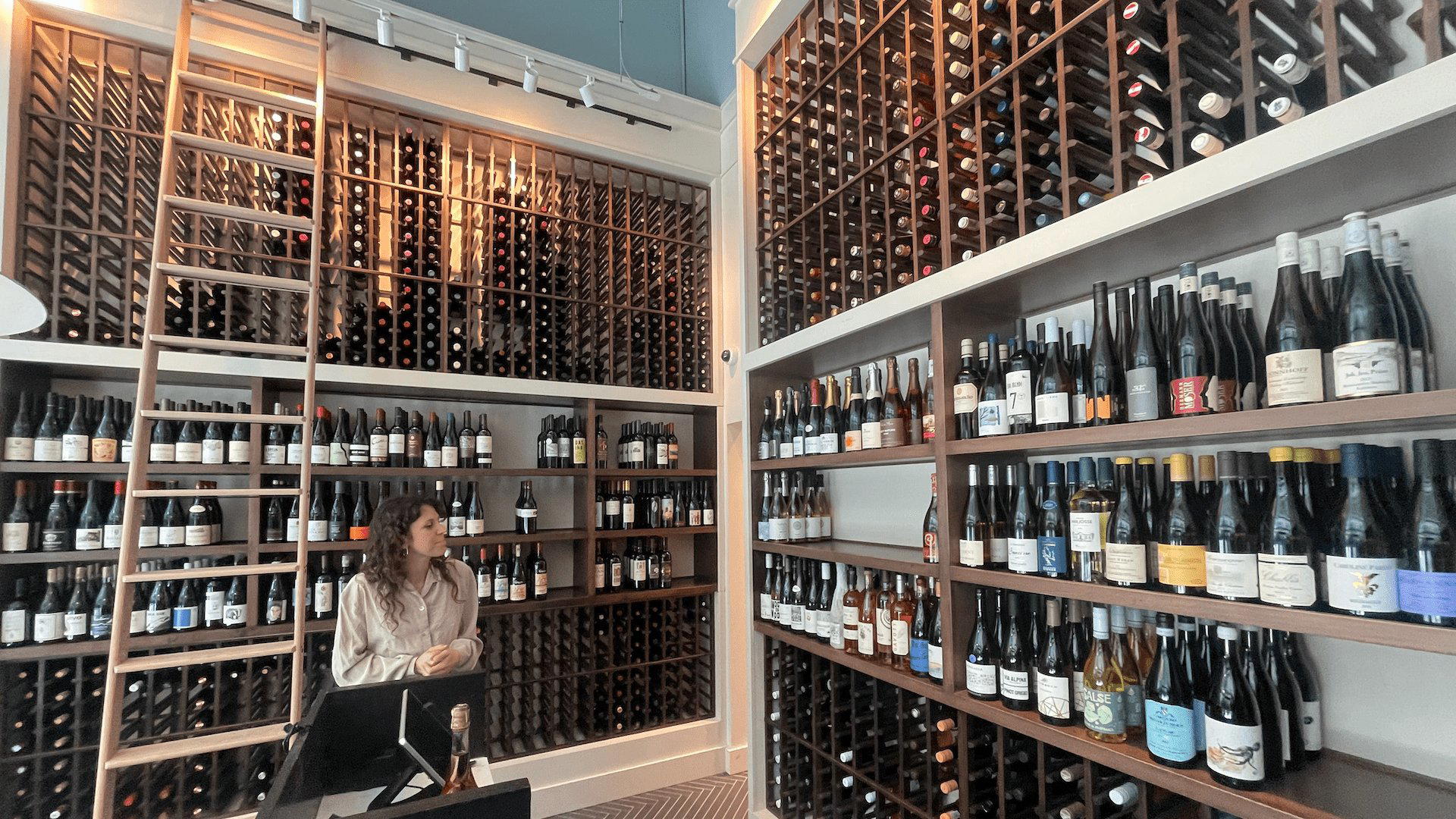
- Extensive Wine List
- Local Sourcing
- Tasting Menu
- Omakase
- Counter Dining
- Sake
- Wine
- Allergy Accommodating
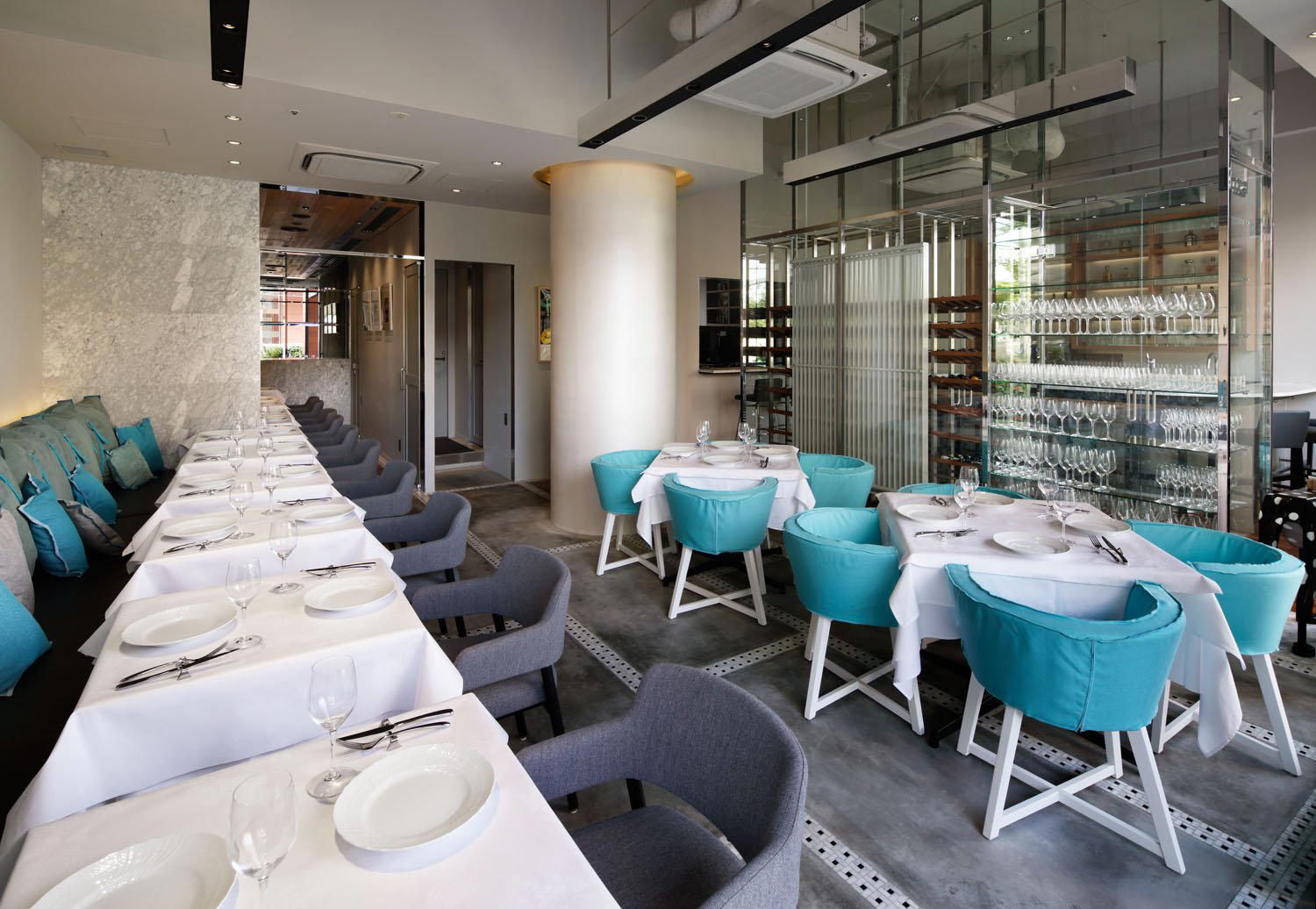
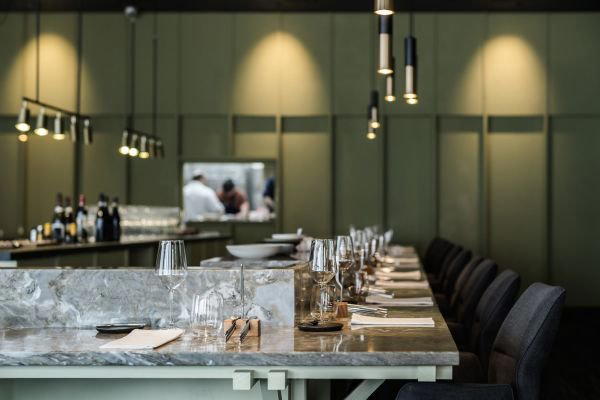
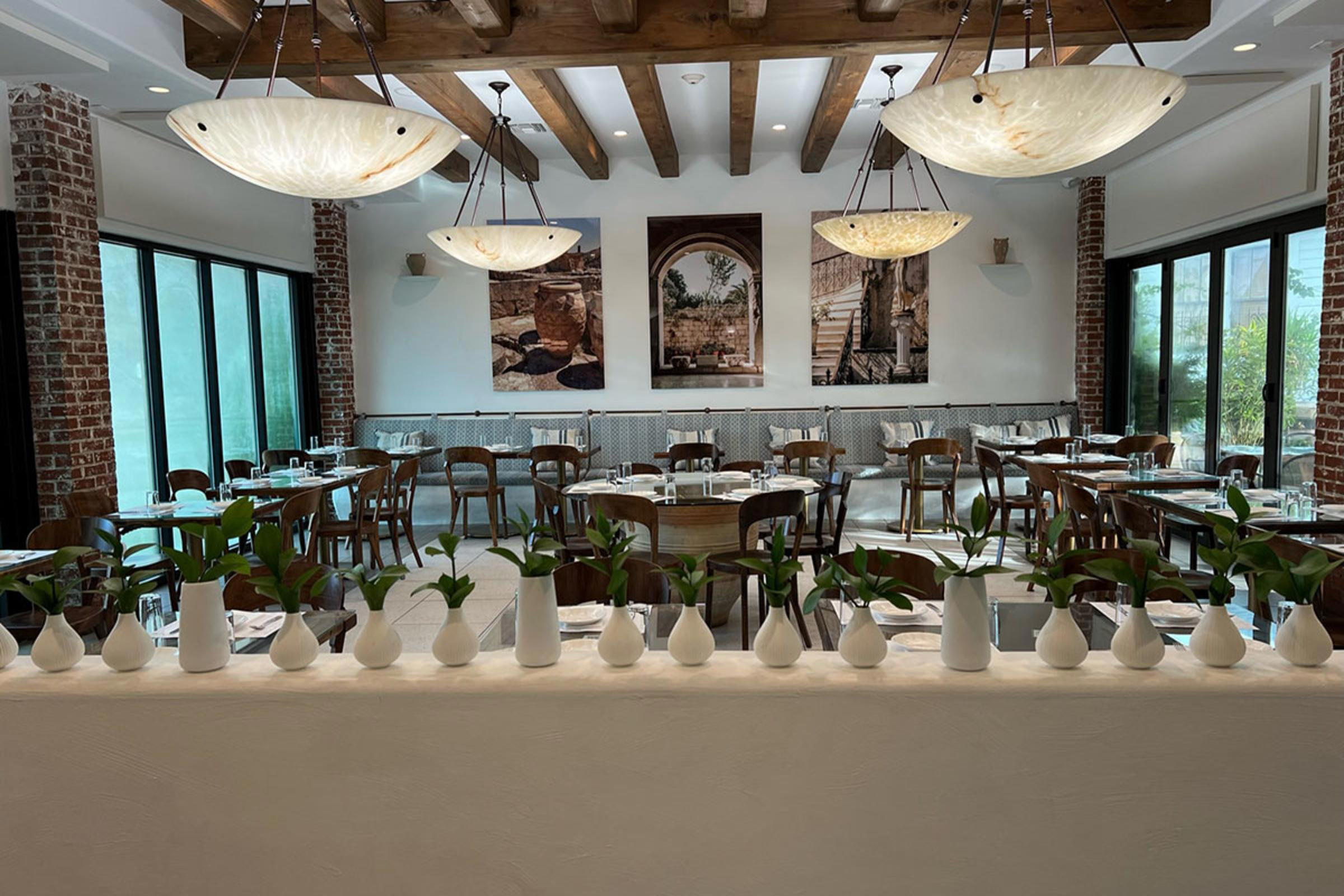
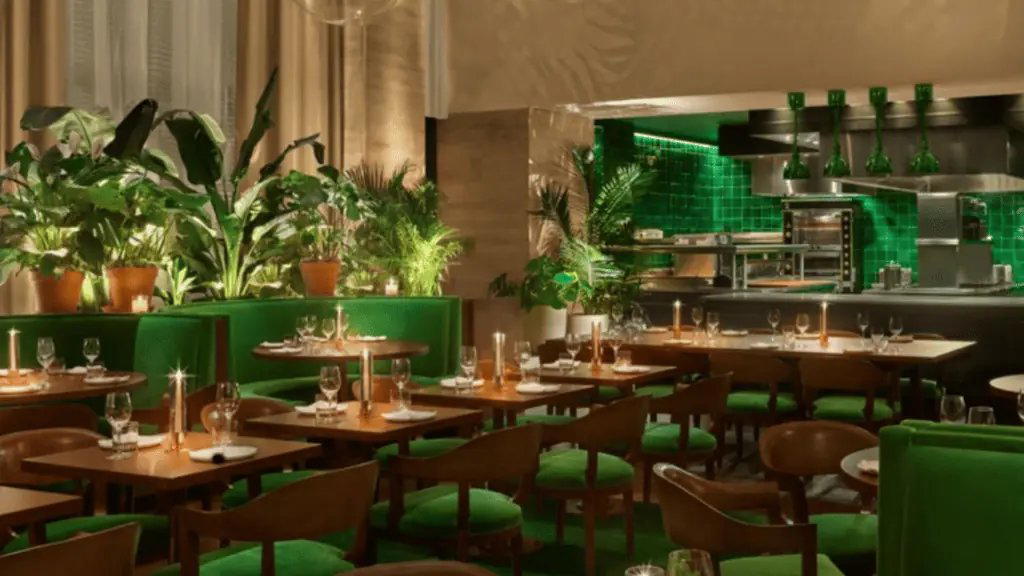
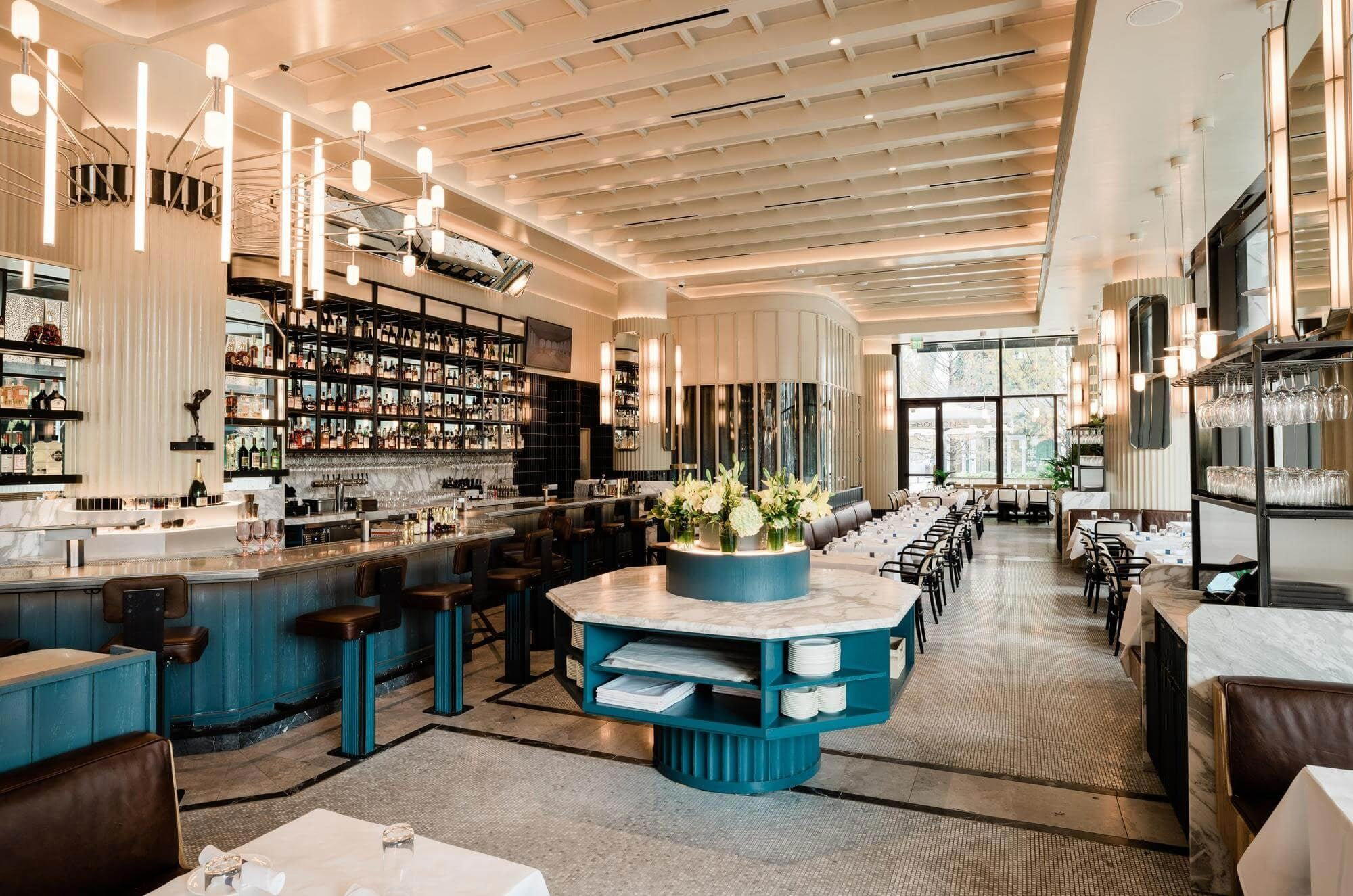
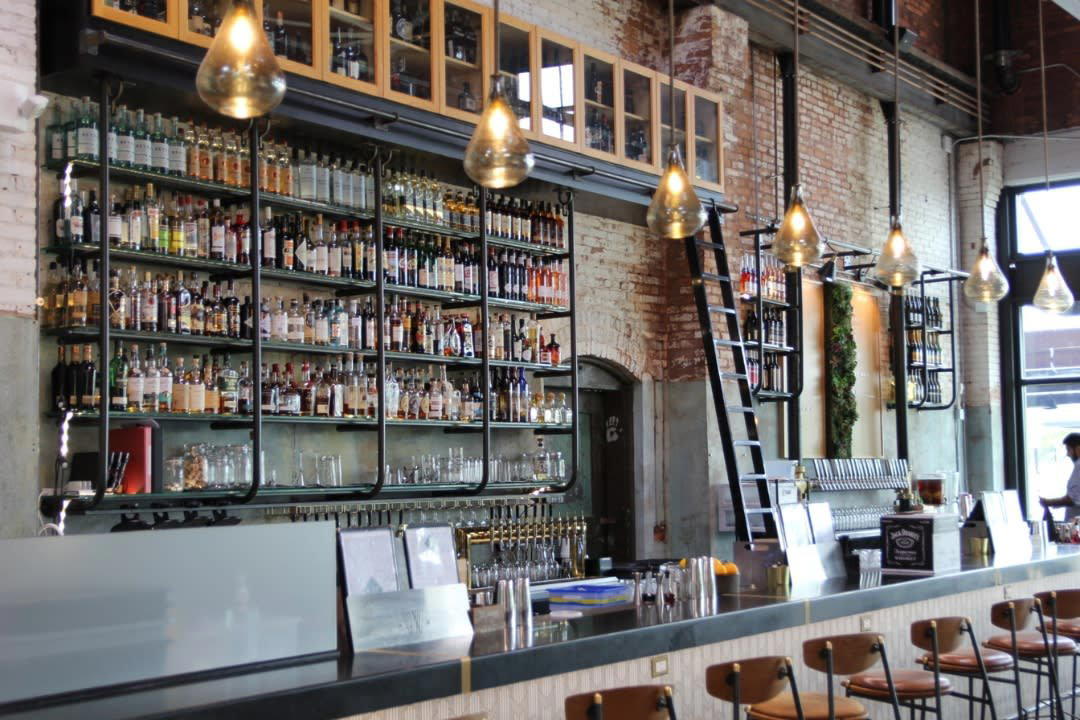
Serene and immaculate space centered around a curved bar with exposed brick and dangling lightbulbs, offering a rustic yet intimate high-end atmosphere.