Kobé Japanese Steakhouse - Tampa
Kobé Japanese Steakhouse - Tampa runs a Teppanyaki Japanese Steakhouse format on N Dale Mabry Hwy, with sake service and an open kitchen for lunch or dinner.
Pearl is the En Primeur Club membership app — saves, bookings, and concierge access live there. Same editors, same standards.
- Address
- 14401 N Dale Mabry Hwy, Tampa, FL 33618
- Phone
- +18139083879
- Website
- kobesteakhouse.com
- Directions
- Get directions
 Saves & bookings on Pearl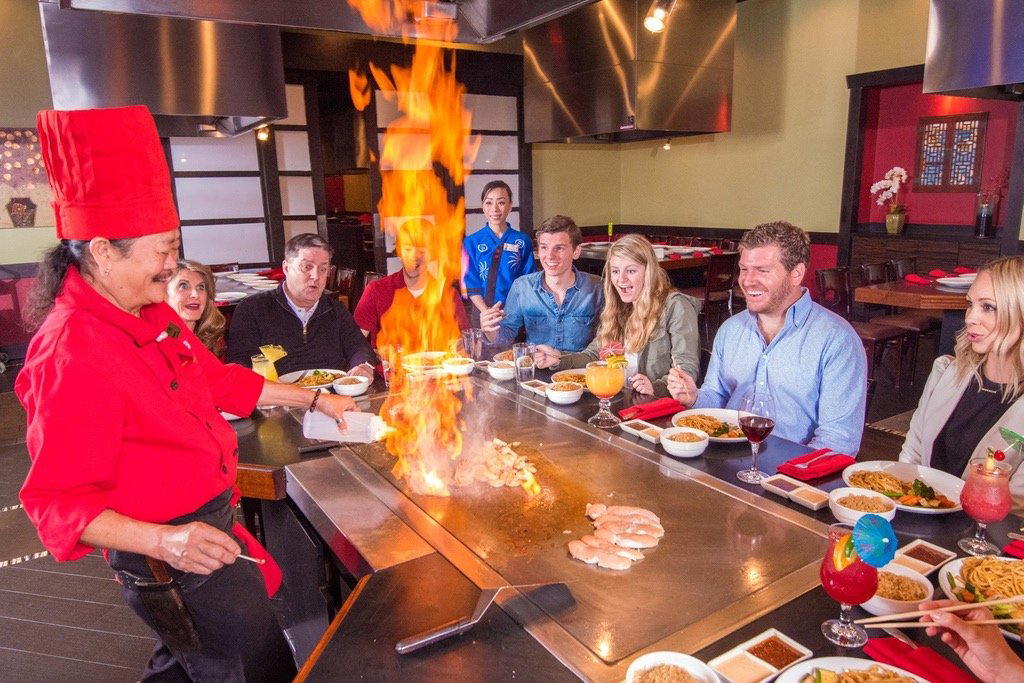
The Theater of the Teppan
There is a particular kind of anticipation that builds in a teppanyaki dining room before the chef arrives at the grill. The iron surface heats in silence, the table is set with a precision that signals ritual rather than routine, and a group of strangers arranged around a shared griddle begins the quiet social negotiation of communal dining. At Kobé Japanese Steakhouse on North Dale Mabry Highway in Tampa, that atmosphere is the product of a teppanyaki format centered on tableside cooking and shared dining.
The North Dale Mabry corridor sits in the commercial belt running through north Tampa, well removed from the waterfront energy of Channelside or the boutique density of Hyde Park. The address, at 14401 N Dale Mabry Hwy, places Kobé in a part of the city where the dining scene is built around accessibility and consistency. Within that context, a teppanyaki format occupies a distinct position: it draws on a dining ritual with clear Japanese-American lineage, translates well to large groups and family occasions, and delivers a format that is almost entirely different from what you encounter at the city's more austere Japanese options.
How the Ritual Works
Teppanyaki as practiced in American Japanese steakhouses follows a choreography that has changed relatively little since Benihana popularized the format in the 1960s. Diners share a communal iron griddle table with strangers or a reserved party; the chef controls both the cooking and the pacing. Proteins are cut, seasoned, and cooked to order on the surface in front of you, and the meal moves through a sequence of courses that typically begins with soup and salad, progresses through fried rice and vegetables cooked tableside, and arrives at the main protein. That structure is not incidental. It is the architecture of the experience, and how a teppanyaki kitchen executes each stage is what separates a competent kitchen from a consistently reliable one.
The communal table format carries a social logic that other dining styles do not. You are seated close to people you may not know, the cooking is visible and sometimes deliberately theatrical, and the meal is partly experienced as a shared event. Groups who book the full table control the social environment more completely; couples or solo diners joining a shared grill are participating in something closer to a collaborative evening than a private dinner. The format at Kobé positions it differently from the omakase counter at Koya or the chef-driven contemporary plates at Ebbe, and equally distant from the Mediterranean composition of Lilac or the Italian structure of Rocca. Those are individual or small-party dining contexts. Teppanyaki at this scale is categorically something else.
Tampa's Japanese Dining Range
Tampa's Japanese dining options now span a wider range than most mid-sized American cities would have seen a decade ago. The market supports both high-end omakase formats, as seen at Kōsen, and the more accessible, occasion-focused teppanyaki format that Kobé represents. These two ends of the Japanese restaurant spectrum serve different functions and attract different decisions. Omakase counters require advance booking, a specific appetite for the chef's sequencing, and a comfort with passive participation in a meal you do not direct. Teppanyaki inverts that dynamic: the cooking is visible, the meal has a familiar structure, and the group controls the energy of the table to a greater degree.
At the national level, the contrast becomes even sharper. Restaurants like Atomix in New York City or Alinea in Chicago occupy the high-concept, multi-course tasting end of the spectrum, while venues like Le Bernardin in New York City and The French Laundry in Napa represent the formal, service-led traditions at the other edge of American fine dining. Kobé does not compete in those categories, nor is it trying to. It sits in a different part of the dining economy, one where occasion dining, group size, and the entertainment value of the format are the primary draws rather than culinary innovation or critical recognition. For what those standards produce, the comparison set is venues like Emeril's in New Orleans or Providence in Los Angeles in terms of American dining culture breadth, even if the formats and price points differ considerably.
Planning a Visit
North Dale Mabry is accessible by car and sits within easy reach of the suburbs north of Tampa proper, including Carrollwood and Citrus Park. Reservations for a teppanyaki format are worth making ahead of time, particularly for weekends and larger groups, since communal table management depends on matching party sizes to available grill space. Diners with dietary restrictions should contact the restaurant directly before booking, as tableside cooking on a shared surface can complicate requests around allergens or strict dietary requirements. The format works particularly well for groups of six to ten who can reserve a table to themselves, and less predictably for two or three diners who may share a grill with another party. For the full picture of where this experience sits within Tampa's dining options, the EP Club Tampa restaurants guide maps the city's range from teppanyaki to omakase to contemporary tasting menus.
8 1/2 Otto e Mezzo Bombana in Hong Kong shows how the same international-occasion-dining energy translates across culinary traditions.
Cuisine-First Comparison
Comparable venues nearby, for context on price, style, and recognition.
| Venue | Cuisine | Price | Notes |
|---|---|---|---|
| Kobé Japanese Steakhouse - TampaThis venue — the venue you are viewing | Teppanyaki Japanese Steakhouse | $$ | Not listed |
| Sushi Time | Japanese Sushi and Hibachi | $$ | Hammocks |
| One Stop Jerk Center | Authentic Jamaican | $$ | Tampa Heights |
| Kingdom Sushi | Japanese-Brazilian Fusion Sushi | $$ | South Tampa |
| Blasys Pizzeria | Cuban-Style Pizza Fusion | $$ | Sweetwater Creek |
| Don Julio's Authentic Mexican Cuisine - Tampa Palms | Authentic Mexican Cuisine | $$ | Tampa Palms |
At a Glance
- Lively
- Energetic
- Group Dining
- Family
- Celebration
- Open Kitchen
- Sake Program
Current opening hours
- Monday
- 5–9:30 PM
- Tuesday
- 5–9:30 PM
- Wednesday
- 5–9:30 PM
- Thursday
- 5–9:30 PM
- Friday
- 5–10 PM
- Saturday
- 12–10 PM
- Sunday
- 12–9:30 PM
Hours can change for holidays and private events. Last verified .
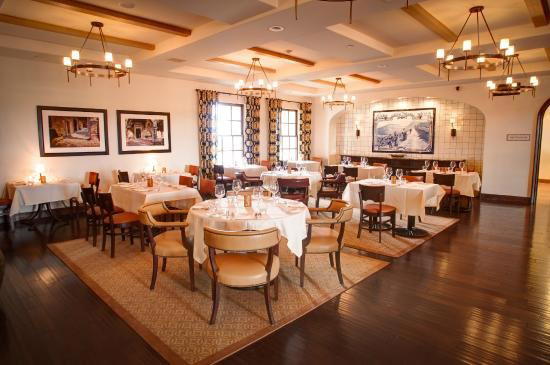
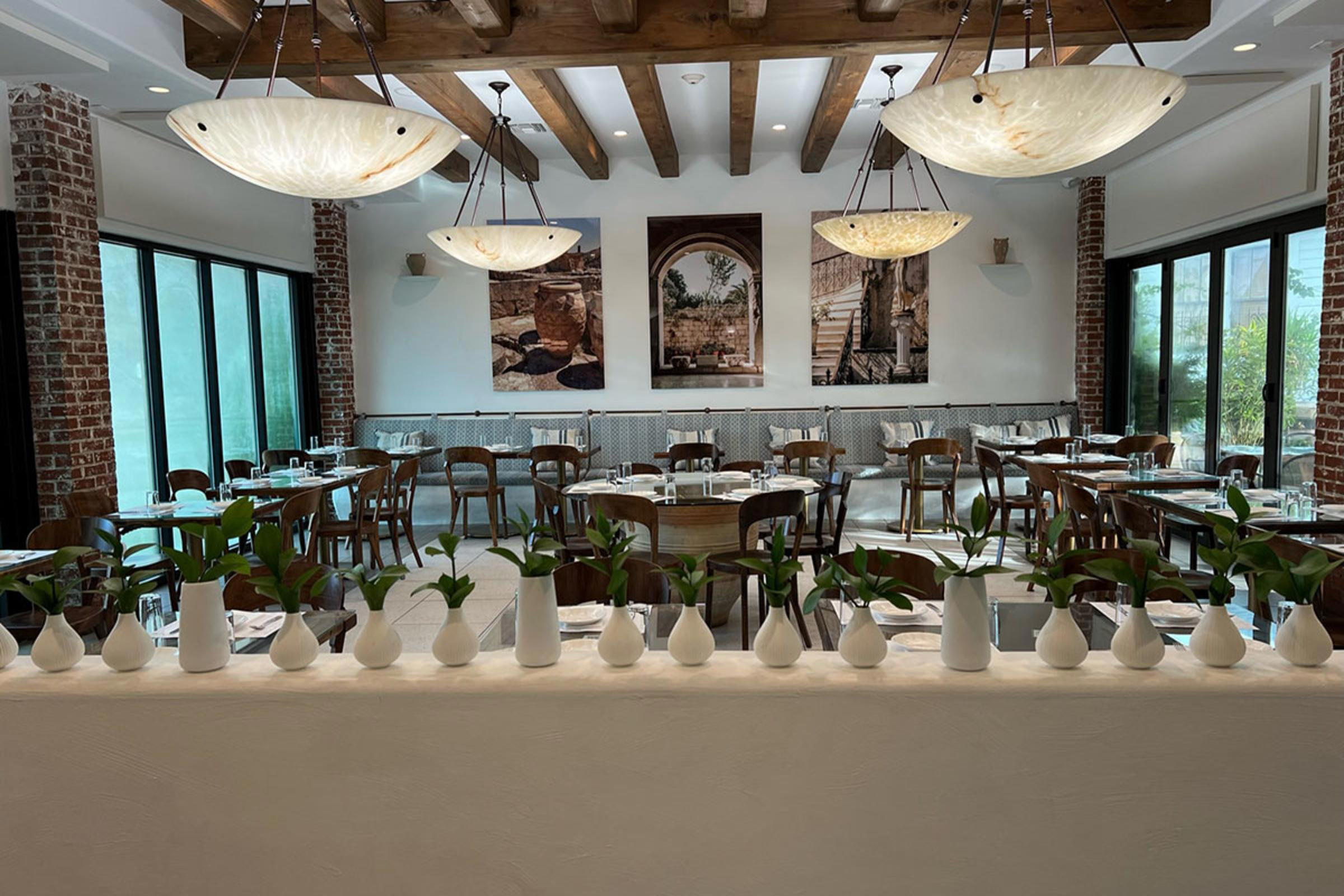
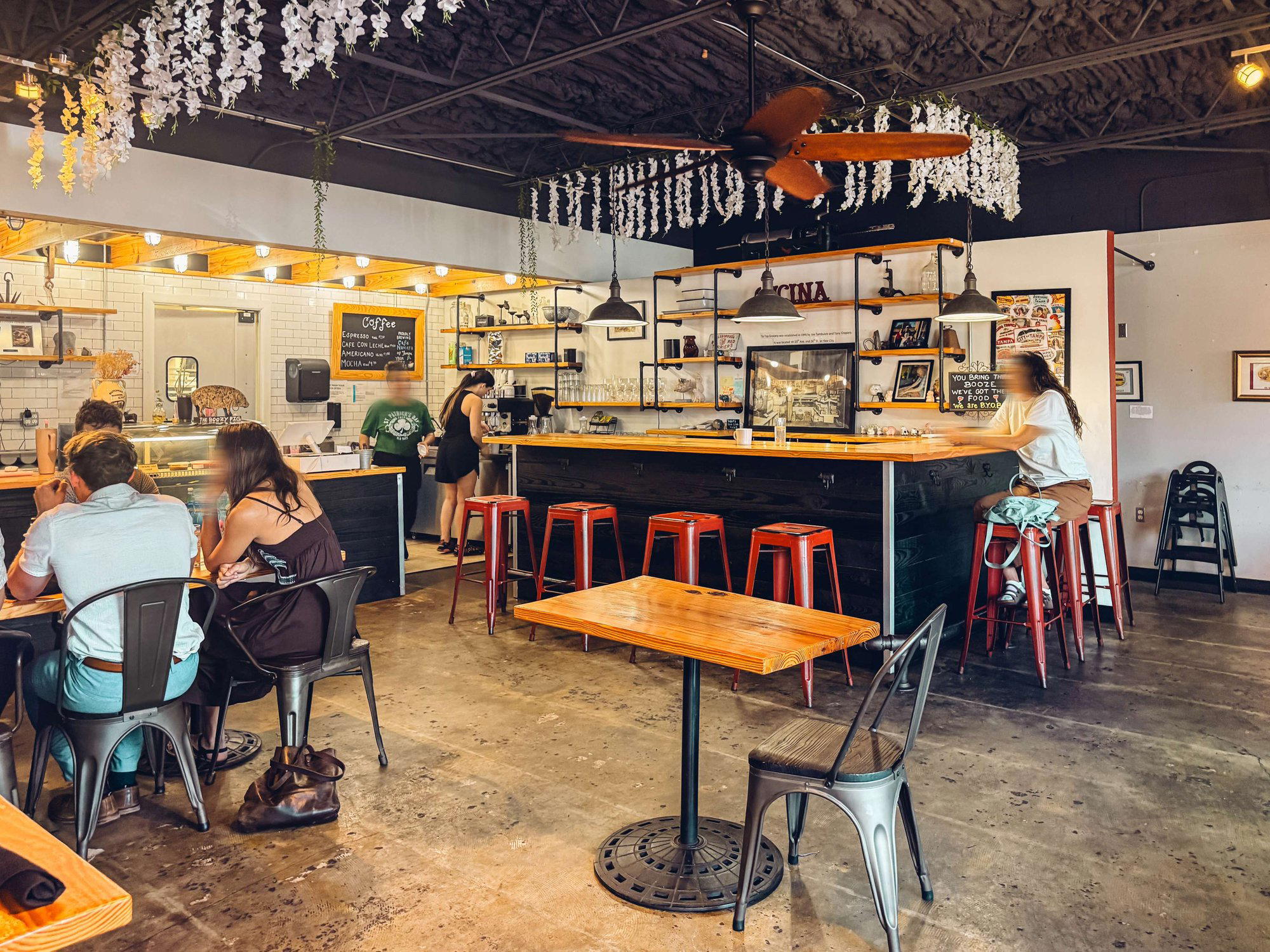
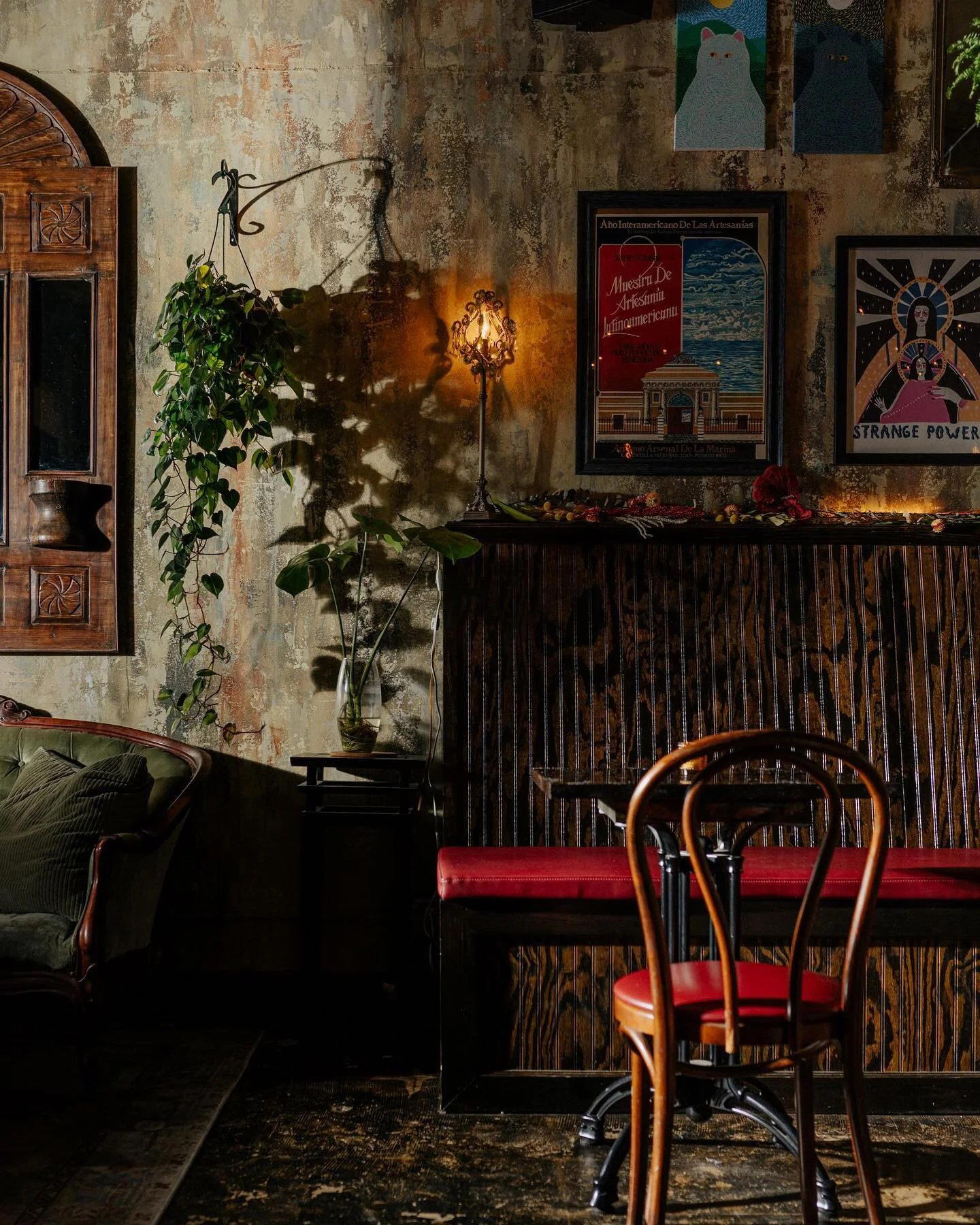
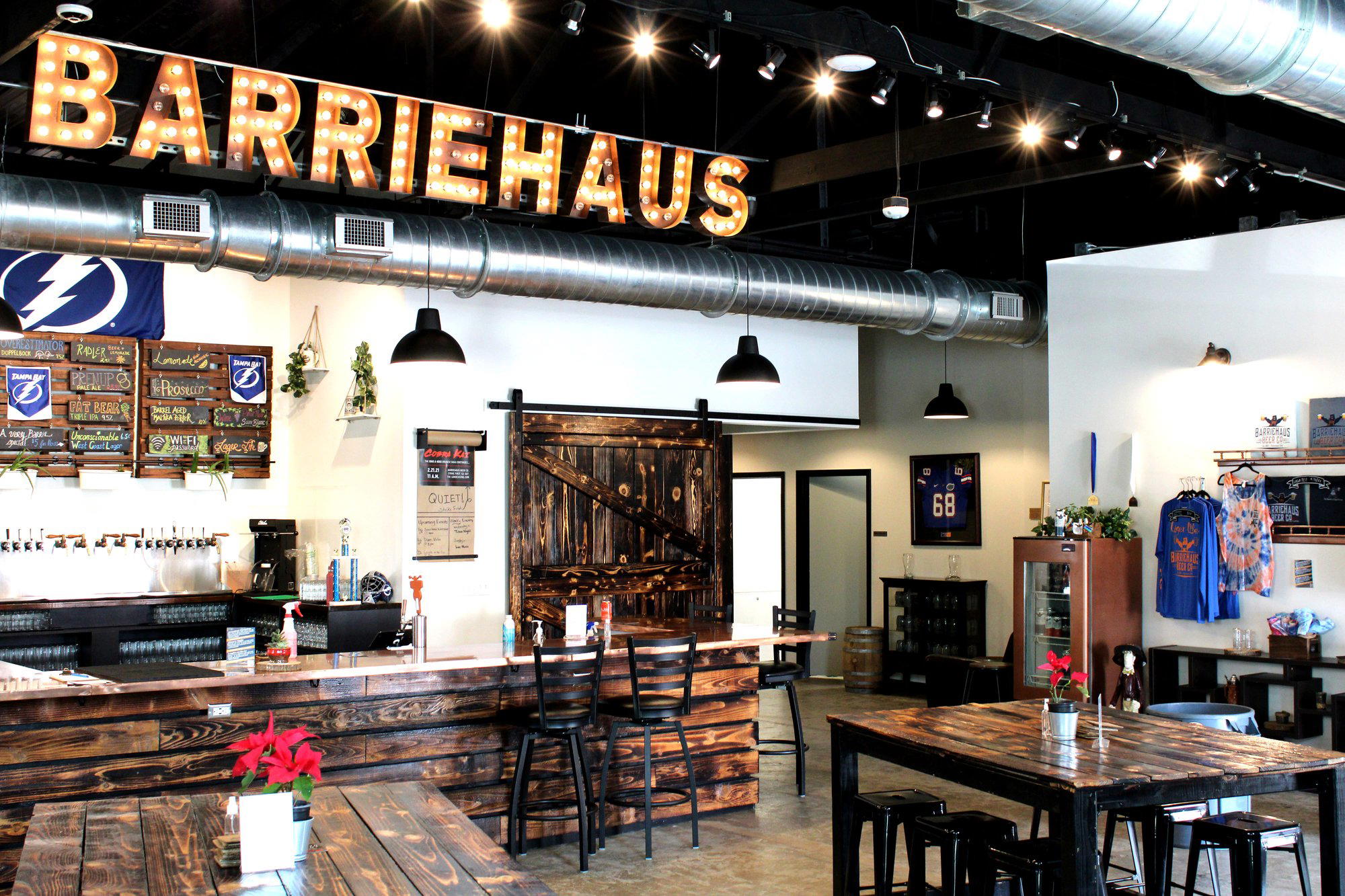
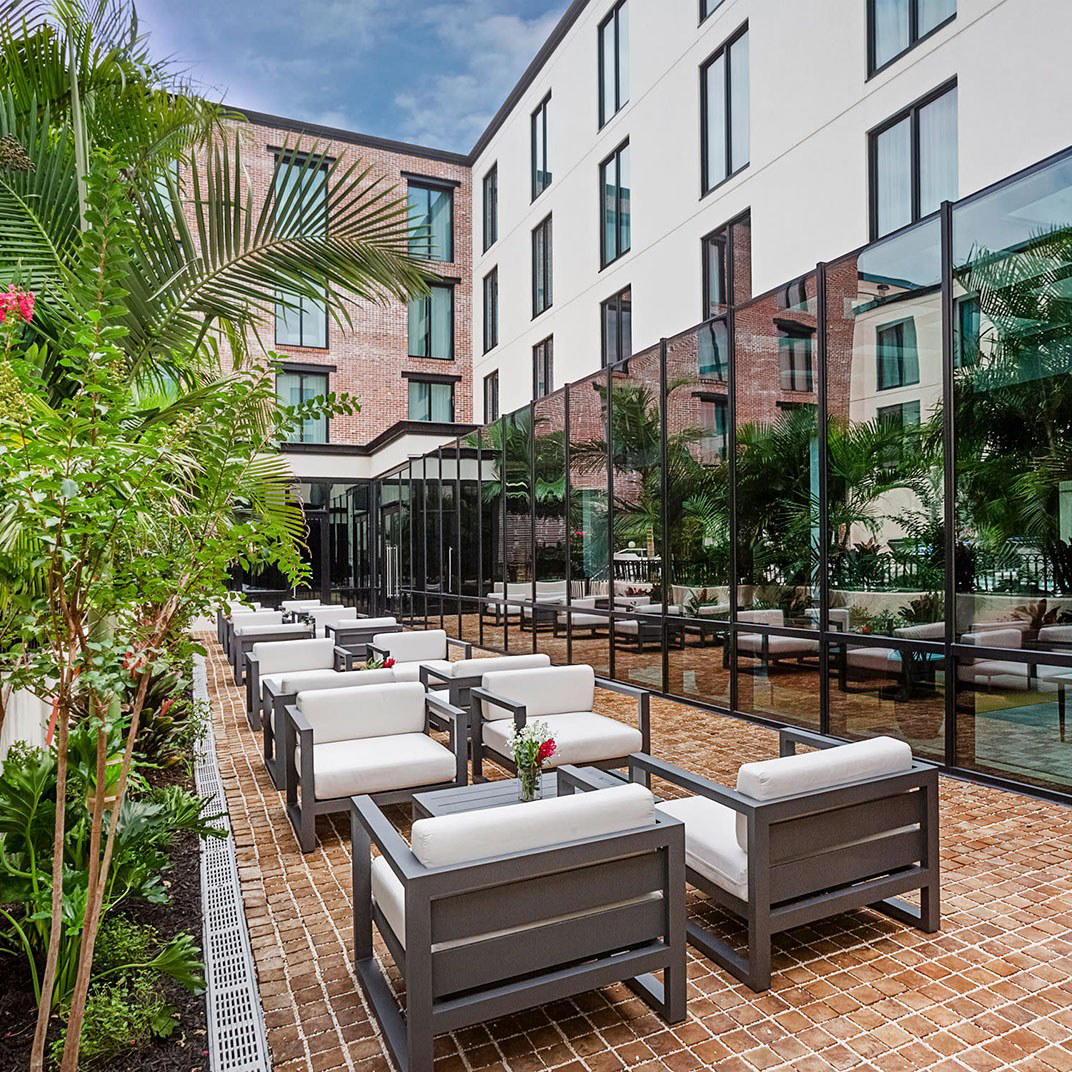
Energetic and fun atmosphere centered around lively hibachi grill performances with family-friendly entertainment.