Kingdom Sushi
Our verdict
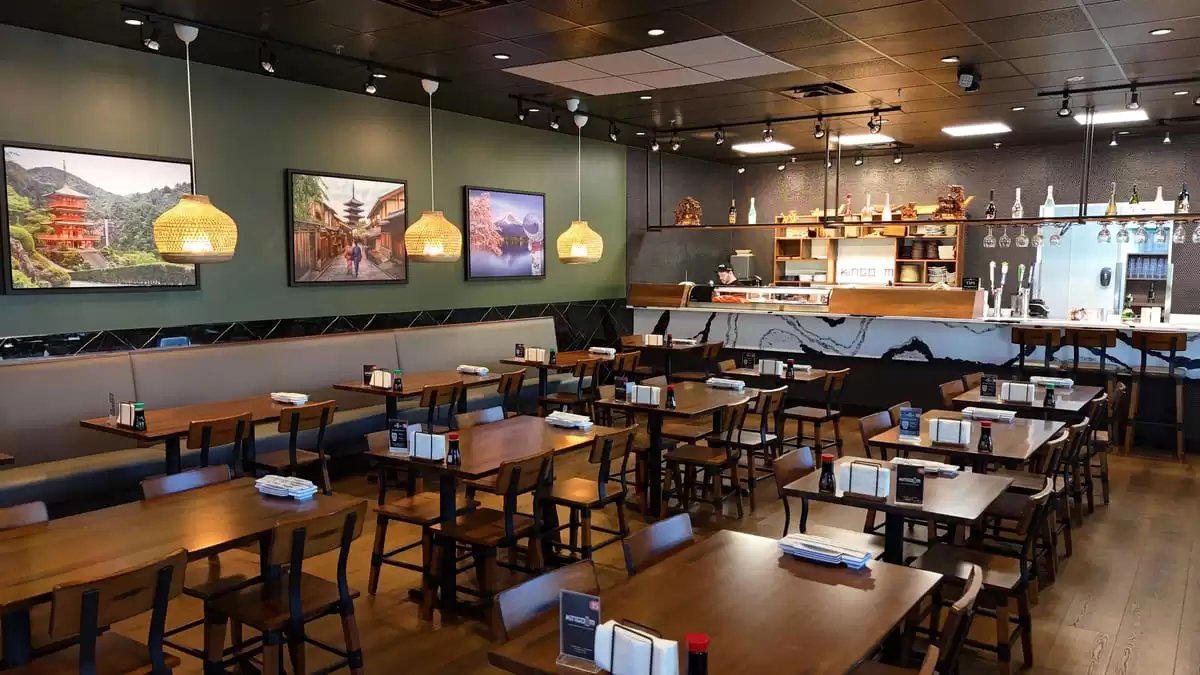
Kingdom Sushi on South Dale Mabry Highway sits within a South Tampa dining corridor that has grown considerably more competitive over the past decade. The address places it alongside a range of price points and formats, making it a reference point for understanding how neighborhood sushi has evolved in a city that now supports both omakase-level ambition and accessible Japanese dining.

Pearl is the En Primeur Club membership app, where members save venues, book tables and use the concierge.
South Tampa's Sushi Corridor and Where Kingdom Fits
South Dale Mabry Highway is not the address most people would first associate with Tampa's dining ambition, but the stretch has quietly accumulated a range of serious operators over the past decade. The corridor runs through residential South Tampa, where the customer base skews toward regulars rather than tourists, and where longevity tends to matter more than opening-week press. In that context, neighborhood sushi restaurants occupy a particular role: they function as weekly-frequency destinations rather than occasion dining, which means the standards applied to them are less about spectacle and more about consistency. Kingdom Sushi, at 4027 S Dale Mabry Hwy, sits inside that tradition.
Tampa's Japanese dining scene has bifurcated notably over recent years. At the higher end, counters like Kōsen and Koya have pushed the city toward omakase formats and premium price tiers, signaling that Tampa diners will support serious Japanese ambition. Below that tier, neighborhood sushi restaurants have had to decide whether to hold their lane or attempt to trade up. That pressure has reshaped what a mid-tier sushi address needs to offer to stay relevant, the casual, low-effort format that dominated the early 2000s is harder to sustain when better alternatives exist at comparable price points. For comparison, the kind of Michelin-caliber Japanese dining found at Atomix in New York City demonstrates the ceiling of the American Japanese dining conversation, while what happens at neighborhood level in cities like Tampa reflects how that ambition filters down into everyday markets.
How the Format Has Shifted
The evolution of the neighborhood sushi restaurant across American cities follows a recognizable arc. The format that dominated through the 1990s and 2000s, large menus, fusion rolls with cream cheese and fried toppings, tableside hibachi theatre, has given way in many markets to something leaner and more ingredient-focused. Diners who once would have ordered a dragon roll as a default have grown more interested in nigiri quality, rice temperature, and sourcing. That shift is not confined to high-end markets. It has filtered into mid-range and neighborhood dining in cities from Tampa to Portland, partly driven by the proliferation of food media and partly by the broader upgrade of American palates around raw fish.
In South Tampa specifically, that evolution has coincided with the neighborhood's demographic changes. The area has absorbed younger professional residents alongside its established base, and that shift has raised baseline expectations across categories. The comparison set for a sushi restaurant on South Dale Mabry is no longer just other neighborhood Japanese spots, it now includes the broader casual dining options that have improved across the board. Addresses like Ebbe and Lilac operate at higher price tiers within the same city, and their presence has raised the frame of reference even for diners choosing a more casual night out. The ripple effect on neighborhood sushi is real: the format can no longer coast on novelty or convenience alone.
Neighborhood Dynamics and the Regular's Calculus
What sustains a neighborhood sushi restaurant in a market that now has genuine high-end Japanese competition is a different value proposition than what keeps a destination counter relevant. The calculation for a regular diner returning to a South Tampa address is weighted toward reliability, value perception, and the friction of the experience, parking, wait times, ease of ordering. These are not glamorous factors, but they are the ones that drive repeat visits in residential dining corridors.
South Dale Mabry functions as a local artery rather than a destination strip. The restaurants along it, including Kingdom Sushi, are accessible primarily by car, consistent with the neighborhood's suburban fabric. That format shapes the dining experience before anyone sits down: this is not the kind of address you walk to from a hotel or drop into after a museum visit. It is, instead, the kind of place that works for a Tuesday dinner or a low-key weekend meal, where the appeal is in the absence of ceremony rather than its presence. For Tampa visitors whose dining priorities run toward the ambitious end of the spectrum, the city's options at Rocca or the broader selections in our full Tampa restaurants guide will be more relevant reference points. But for a reader building a picture of how Tampa's dining geography actually functions at street level, the South Mabry corridor is a necessary chapter.
Nationally, the most discussed Japanese dining addresses, Le Bernardin in New York City for its seafood precision, Providence in Los Angeles for its tasting-menu approach to American seafood, operate in an entirely different register. Even within fine dining more broadly, the controlled environments of Alinea in Chicago, The French Laundry in Napa, or Blue Hill at Stone Barns in Tarrytown speak to an aspirational tier that sits far above the neighborhood sushi corridor. What connects them to Kingdom Sushi is not format or price but the underlying question of whether a restaurant is doing the work required by its category, and whether the category it occupies is evolving around it.
Planning a Visit
Kingdom Sushi is located at 4027 S Dale Mabry Hwy, Tampa, FL 33611, in a South Tampa commercial stretch that is navigated most practically by car. For readers building a Tampa itinerary around Japanese dining specifically, comparing Kingdom Sushi against the higher-commitment options at Koya or Kōsen will clarify where each address sits in terms of format, investment, and what a meal asks of you. For broader itinerary planning across cuisines, our full Tampa restaurants guide covers the city's dining range from neighborhood level to destination tier.
Frequently asked questions
What's the address for Kingdom Sushi?
Kingdom Sushi is located at 4027 S Dale Mabry Hwy, Tampa, FL 33611, Tampa.
Is Kingdom Sushi a good option for a casual weeknight dinner in South Tampa?
Kingdom Sushi's position at 4027 S Dale Mabry Hwy places it squarely in South Tampa's neighborhood dining corridor, where the format suits drop-in weeknight visits rather than occasion dining. The address draws from nearby residential South Tampa, making it a practical local option rather than a destination pull from across the city.
What dish is Kingdom Sushi famous for?
The venue data for Kingdom Sushi at 4027 S Dale Mabry Hwy does not specify a signature dish. South Tampa sushi counters in this corridor typically anchor their menus around specialty rolls and nigiri programs, so your best move is to ask the staff which items see the heaviest repeat order from regulars.
Can I walk in to Kingdom Sushi?
Kingdom Sushi sits on South Dale Mabry Highway, a commercial strip that runs car-dependent in South Tampa, so walk-in access from nearby residential blocks is limited practically rather than by policy.
Awards and Standing
Comparable venues nearby, for context on price, style, and recognition.
| Venue | Cuisine | Price | Notes |
|---|---|---|---|
| Kingdom SushiThis venue (the venue you are viewing) | Japanese-Brazilian Fusion Sushi | $30–50 | Not listed |
| Samurai Blue Sushi & Sake Bar | Japanese Sushi & Sake Bar | $20–30 | Ybor City |
| SUSHARK | Modern Japanese Sushi Fusion | $30–50 | Bayshore |
| Bernini of Ybor | Innovative Italian Cuisine | $30–50 | Ybor City |
| Yuengling Draft Haus & Kitchen | Modern American Gastropub | $20–30 | Sherwood Heights |
| 4 Rivers Smokehouse | Slow-Smoked Barbecue | $20–30 | Carrollwood |
Continue exploring
More in Tampa
Restaurants in Tampa
All restaurants in Tampa →
Bars in Tampa
All bars in Tampa →
Details
- Modern
- Trendy
- Date Night
- Celebration
- Casual Hangout
- Open Kitchen
- Sake Program
- A La Carte
Current opening hours
- Monday
- 12–11 PM
- Tuesday
- 12–11 PM
- Wednesday
- 12–11 PM
- Thursday
- 12–11 PM
- Friday
- 12–11 PM
- Saturday
- 12–11 PM
- Sunday
- 12–11 PM
Hours can change for holidays and private events. Hours as of .
Modern atmosphere with fresh sushi preparation and lively energy suitable for celebrations and date nights.