Kōsen

1 Michelin Star
Our verdict
Kōsen holds back-to-back Michelin stars (2024 and 2025), making it one of a small number of Florida restaurants to earn consecutive recognition from the guide. Under chef Thomas Deli, the Japanese kitchen at 307 W Palm Ave operates in the upper tier of Tampa's increasingly serious fine-dining circuit, with a price point and format that signal serious culinary intent rather than casual experimentation.

Pearl is the En Primeur Club membership app — saves, bookings, and concierge access live there. Same editors, same standards.
- Address
- 307 W Palm Ave, Tampa, FL 33602
- Phone
- (813) 999-1720
- Hours
- Mon–Tue ClosedWed–Thu 5–9:30 PMFri–Sat 5–10 PMSun 5–9:30 PM
- Website
- kosentampa.com
- Directions
- Get directions
- Booking
- Book on Tock
Tampa's Fine-Dining Shift and Where Japanese Cuisine Fits Into It
Tampa has undergone a documented repositioning at the upper end of its restaurant market over the past several years. The city now carries multiple Michelin-starred addresses, a concentration that places it alongside larger American dining cities rather than the Sun Belt second-tier it once occupied. Within that group, Japanese cuisine occupies a specific and interesting slot: technically demanding, culturally layered, and resistant to the kind of shortcut hospitality that inflates a kitchen's reputation without earning it. Kōsen, at 307 W Palm Ave in the Courier City–Oscawana neighbourhood, has earned consecutive Michelin stars in 2024 and 2025, which positions it firmly inside Tampa's maturing fine-dining tier alongside peers such as Koya, Ebbe (Contemporary), and Lilac (Mediterranean Cuisine).
Consecutive recognition matters more than a single-year award. A first Michelin star might reward a strong opening momentum; a second consecutive star is the guide confirming that the kitchen has sustained its standard and that the original assessment was not circumstantial. For a Japanese restaurant operating outside the traditional American centres for the cuisine (New York, Los Angeles, San Francisco), holding that recognition two years running is a meaningful signal about both the kitchen's discipline and the market conditions that now allow Tampa to support this kind of operation.
The Language of a Japanese Fine-Dining Room
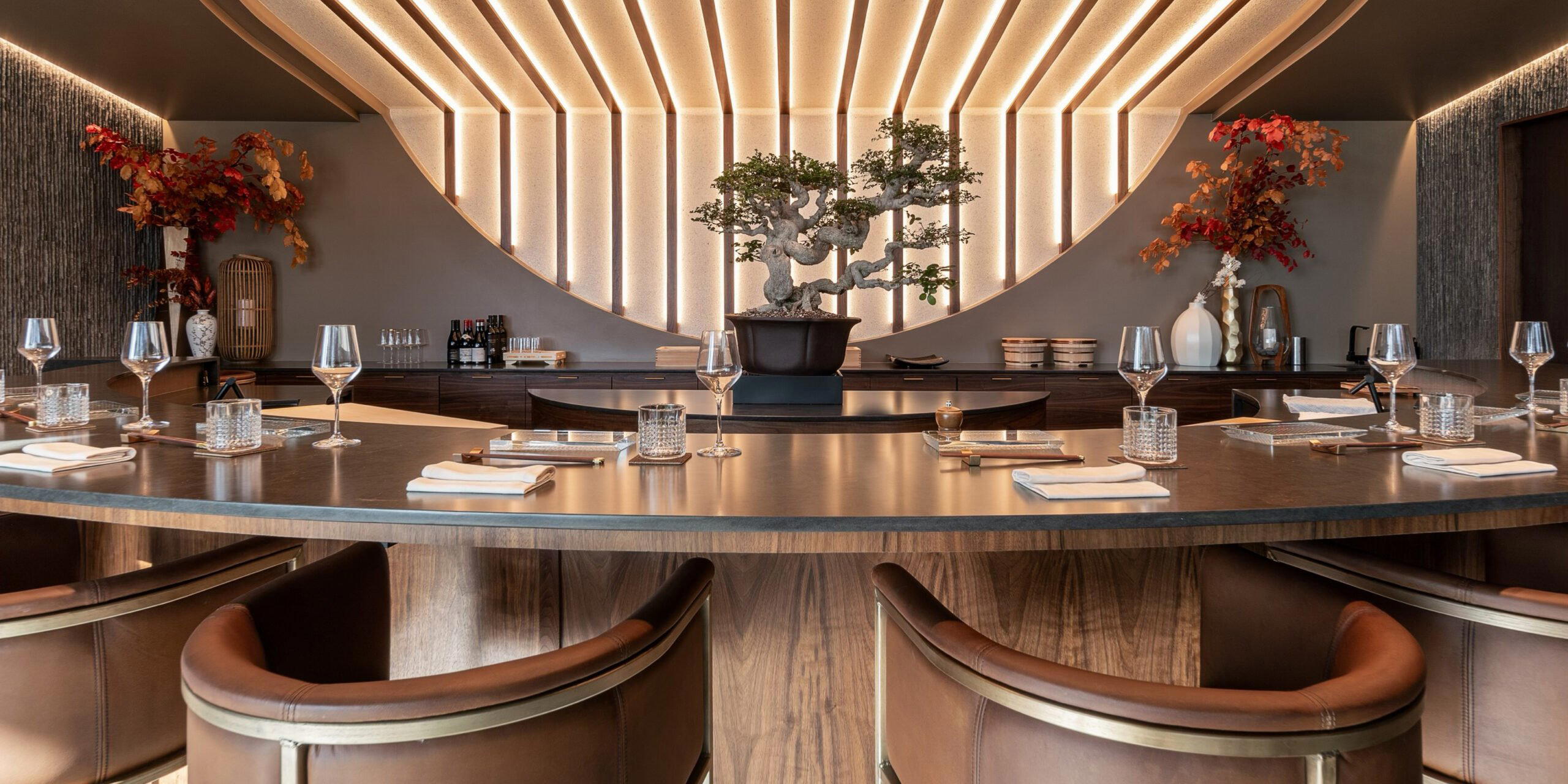
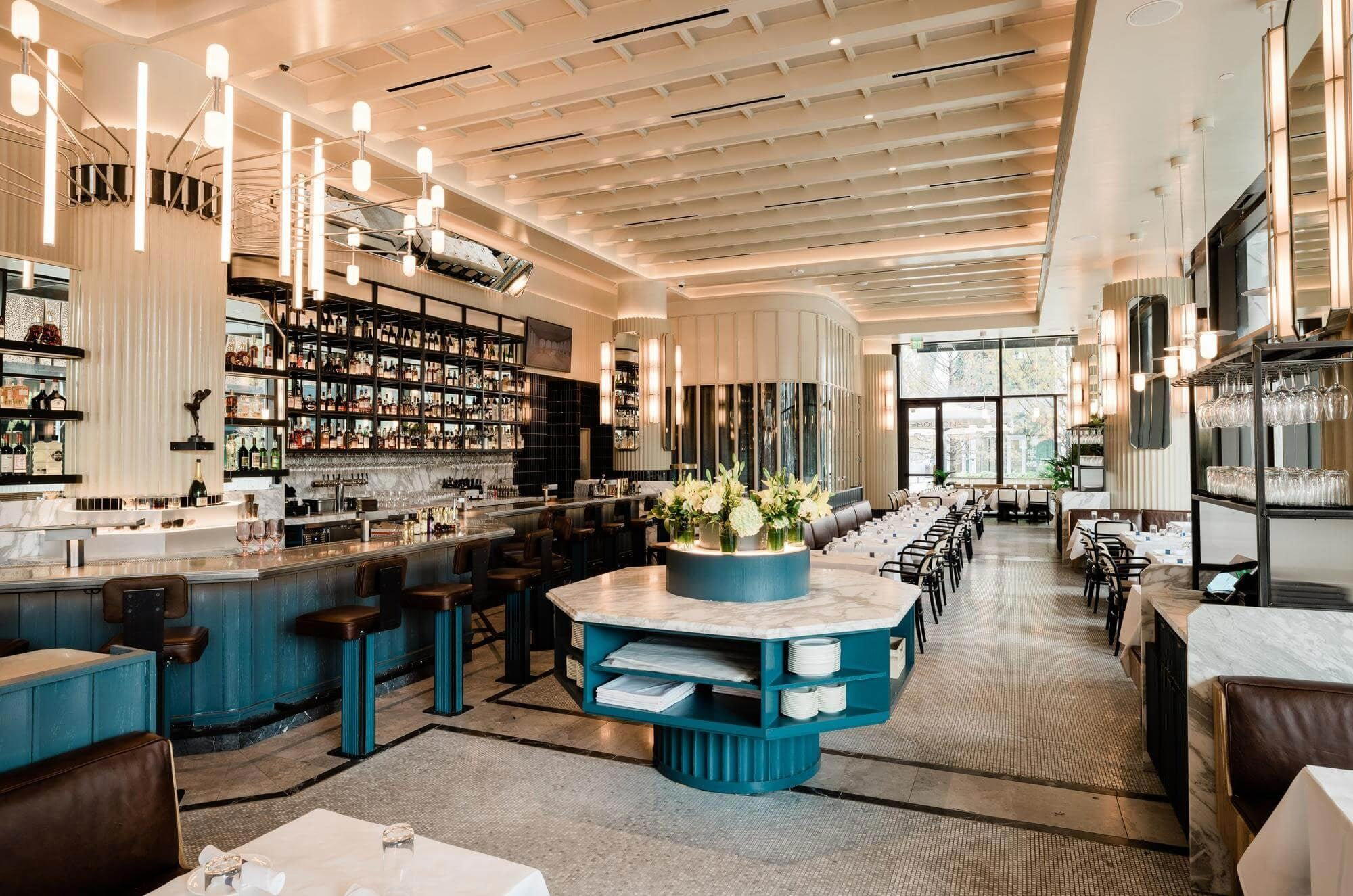
Walking into a serious Japanese fine-dining environment in the United States involves a particular set of expectations shaped by decades of cultural translation. The leading rooms in this category tend toward restraint: surfaces that communicate material quality rather than decorative ambition, lighting calibrated to direct attention toward the food, and a service tempo that gives each course room to register before the next arrives. These are not arbitrary aesthetic choices. They reflect a culinary tradition — running from kaiseki through omakase — where the interaction between diner, space, and ingredient is treated as a unified discipline rather than separate departments.
Kōsen's address on W Palm Ave places it in a part of Tampa that has seen considered restaurant investment rather than speculative high-volume development. That neighbourhood positioning tends to attract a clientele that is coming specifically for the food rather than traffic that happens past the door, which shapes the room's atmosphere in ways that square footage and interior design alone cannot replicate. The $$$$ price tier signals a commitment to sourcing and preparation that rules out compromise at the ingredient level.
Chef Thomas Deli and the Technical Register He Operates In
Japanese cuisine in the fine-dining register demands a specific and long-accumulated skill set. The tradition places enormous weight on knife work, on temperature control, on the relationship between aging and service timing, and on an understanding of Japanese ingredient culture that is difficult to acquire outside sustained immersion. Chef Thomas Deli heads the Kōsen kitchen, and the consecutive Michelin recognition is the most direct verifiable indicator of the level at which that kitchen is operating. The guide does not award or retain stars as gestures of goodwill; it revisits and re-evaluates on an ongoing basis.
In the wider American context, Japanese-trained or Japanese-influenced kitchens at the Michelin level appear at addresses such as Myojaku in Tokyo and Azabu Kadowaki in Tokyo, where the reference points for technique and sourcing are set at the highest international register. That context makes the Kōsen star more legible: it is recognition within a demanding international standard, not simply within a Florida frame of reference.
How Kōsen Sits Within Tampa's Michelin Tier
Tampa's Michelin-starred group now spans multiple cuisines and formats. Koya represents another serious Japanese address in the same price tier, which means the city can support direct comparison between two Japanese fine-dining kitchens, a market depth that simply did not exist here a decade ago. Ebbe and Lilac approach premium dining from contemporary and Mediterranean angles respectively, while Rocca (Italian) extends the city's fine-dining range further. Noble Rice provides an additional reference point for Japanese cuisine in Tampa at a different format and price register.
The pattern across these addresses suggests that Tampa's premium dining market is now wide enough to sustain genuine specialisation. Diners are no longer choosing between a handful of restaurants that each cover broad territory; they are choosing between kitchens that have committed to specific cuisines and techniques at a high level. That maturity in the local market is what makes a restaurant like Kōsen viable, and what makes consecutive Michelin recognition in this city more significant than it would have been even five years ago.
For comparison with the national Michelin-starred register, addresses such as Le Bernardin in New York City, Alinea in Chicago, The French Laundry in Napa, Lazy Bear in San Francisco, Single Thread Farm in Healdsburg, and Emeril's in New Orleans illustrate the range of formats and markets where sustained Michelin recognition operates in the United States. Kōsen earns its place in that national conversation on the strength of verified consecutive recognition, not regional softening of standards.
Planning a Visit
Kōsen operates at the $$$$ price tier, which in the context of Japanese fine dining in the United States typically means a tasting or omakase format where the cost per head reflects sourcing at a level that the kitchen's technique is designed to honour. Guests should expect a meal that runs multiple courses at a measured pace; this is not a room where rushing a table is part of the operational model.
Given the Michelin recognition and the limited capacity that serious Japanese fine dining tends to operate with, advance booking is strongly advisable. No walk-in policy has been confirmed from available data, but the profile of the restaurant and its star status make a reservation the safe assumption. The address at 307 W Palm Ave is accessible from central Tampa; guests combining a visit with broader exploration of the city's dining and cultural offer will find the full picture across our full Tampa restaurants guide, our full Tampa hotels guide, our full Tampa bars guide, our full Tampa wineries guide, and our full Tampa experiences guide.
Frequently asked questions
How much does it cost to eat at Kōsen?
Pricing at Kōsen is listed as $$$$.
Who is the chef connected to Kōsen?
The chef associated with Kōsen is Thomas Deli.
Do I need a reservation for Kōsen?
A reservation is effectively required. Kōsen has held back-to-back Michelin stars in 2024 and 2025, and Tampa's supply of starred tables is growing more slowly than demand for them. At the $$$$ price tier with Japanese fine-dining formats, seating is typically limited by design, and walk-in availability at that level is uncommon. Book as far ahead as the restaurant allows.
A quick peer list to put this venue’s basics in context.
| Venue | Cuisine | Price | Awards | Notes |
|---|---|---|---|---|
| KōsenThis venue — the venue you are viewing | Modern Japanese Omakase | $200–300 | 1 Michelin Star | Not listed |
| Koya | Modern Japanese Omakase | $200–300 | 1 Michelin Star | Japanese |
| Bern’s Steak House | Classic Dry-Aged Steaks | $100–150 | Michelin Plate · World's Best Steaks 50 Best #48 | Not listed |
| Columbia | Spanish-Cuban | $50–100 | Michelin Plate · Wine Spectator Best of Award of Excellence | Not listed |
| Ebbe | Nordic-Inspired Fine Dining | $200–300 | 1 Michelin Star | Contemporary |
| Rocca | Modern Italian Fine Dining | $50–100 | 1 Michelin Star · Star Wine List | Italian |
Recognition history
Dated appearances from independent guides and award organizations, with the underlying list record or original source where available.
Michelin 1 Star
Michelin
Full recognition history (3 entries)
Michelin 1 Star
Michelin
Michelin 1 Star
Michelin
Details
- Intimate
- Elegant
- Modern
- Sophisticated
- Date Night
- Special Occasion
- Celebration
- Chefs Counter
- Open Kitchen
- Sake Program
- Local Sourcing
- Omakase
- Tasting Menu
- Sake Program
Current opening hours
- Monday
- Closed
- Tuesday
- Closed
- Wednesday
- 5–9:30 PM
- Thursday
- 5–9:30 PM
- Friday
- 5–10 PM
- Saturday
- 5–10 PM
- Sunday
- 5–9:30 PM
Hours can change for holidays and private events. Last verified .
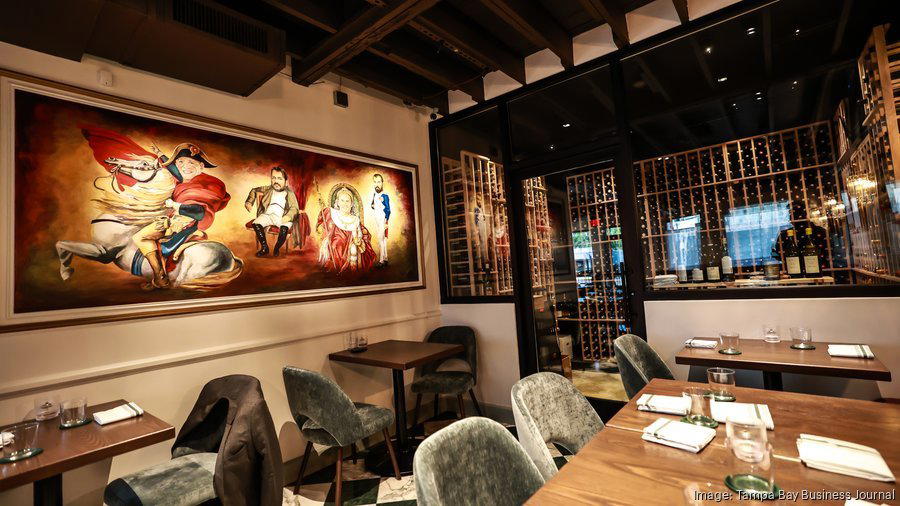
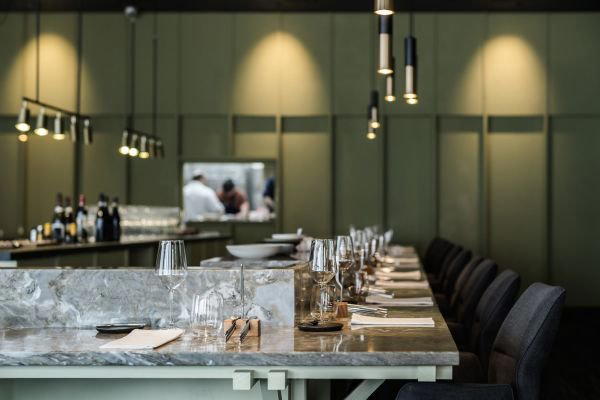
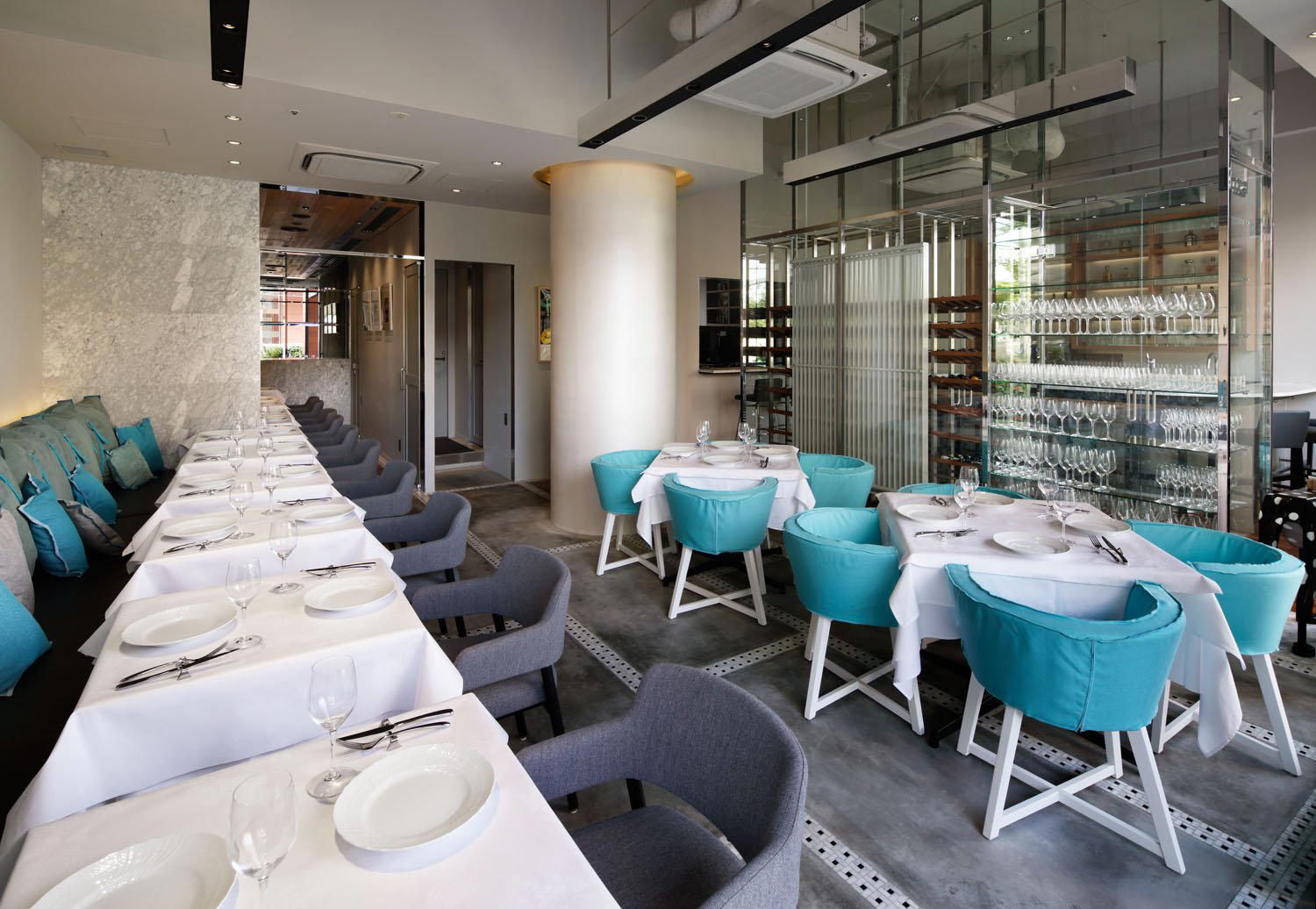
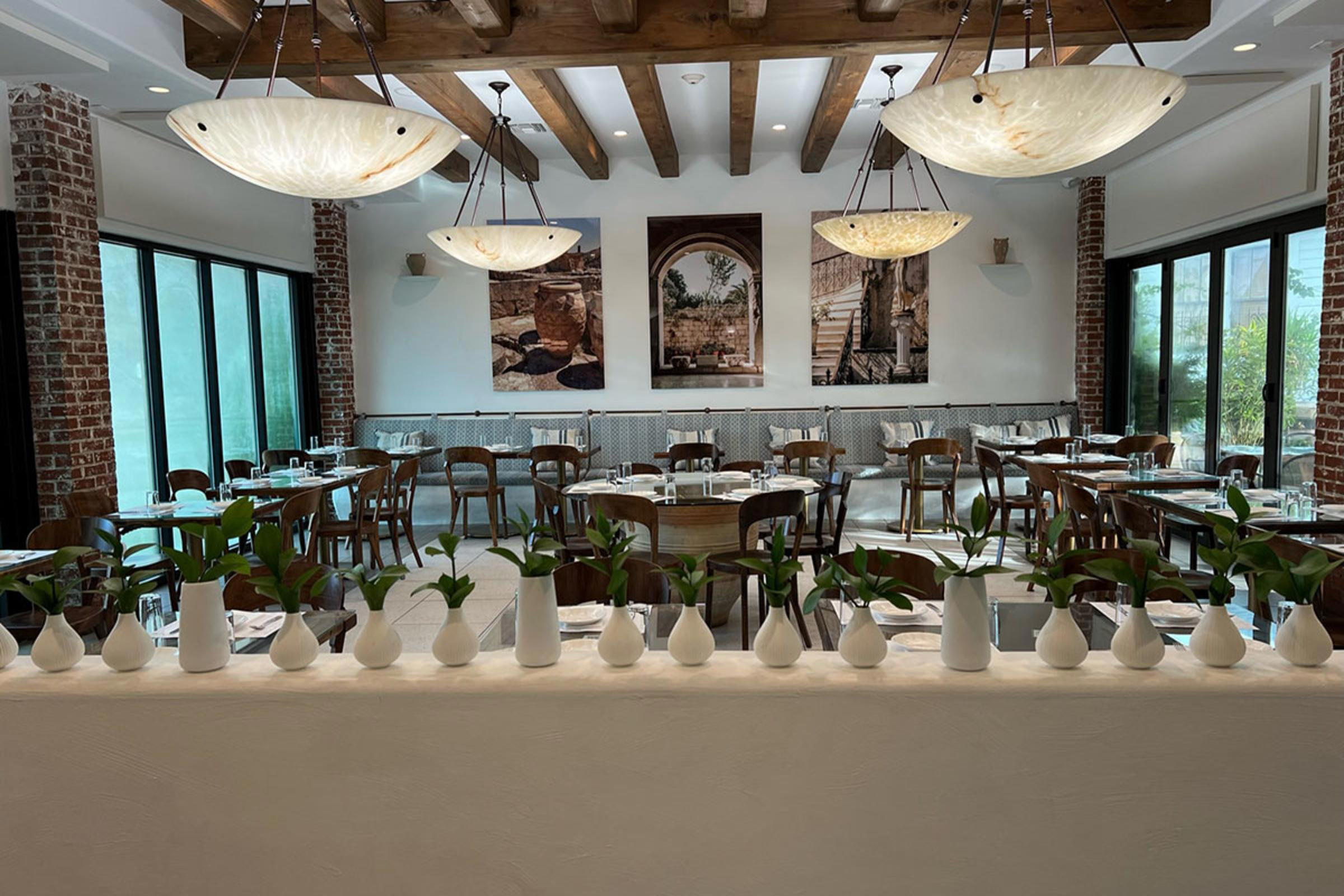
Sleek design with beautiful booths, soft lighting, relaxed and intimate atmosphere conducive to conversation, featuring an open kitchen view.