Hotel Haya

Michelin Selected
Selected by the Michelin Guide Hotels 2025, Hotel Haya occupies a restored building on Tampa's Ybor City corridor at 1412 East 7th Avenue, where Cuban and Spanish architectural vernacular meets a design sensibility that reads as contemporary without erasing its surroundings. For travelers who want a hotel that places them inside a neighbourhood rather than above it, Haya is the Tampa property that earns that distinction with credentials to back it up.

Pearl is the En Primeur Club membership app — saves, bookings, and concierge access live there. Same editors, same standards.
- Address
- 1412 E 7th Ave, Tampa, FL 33605
- Phone
- (813) 462-9515
- Website
- hotelhaya.com
- Directions
- Get directions
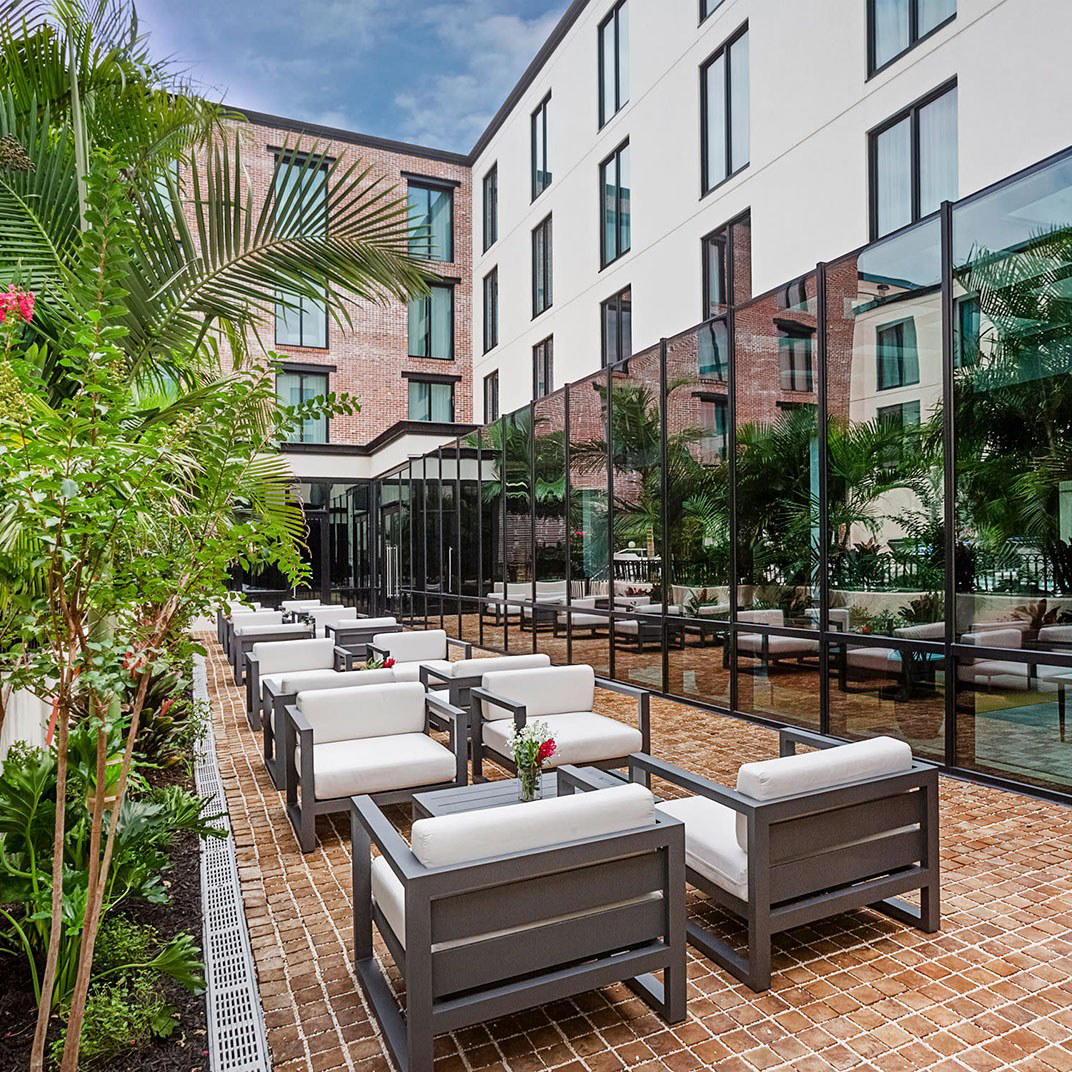
A Hotel Built Into Ybor City's Bones
Tampa's hotel market has fractured into two recognizable camps: large-footprint convention and waterfront properties concentrated around Water Street and Channelside, and a smaller tier of design-led independent hotels that stake their identity on neighbourhood specificity. Hotel Haya, at 1412 East 7th Avenue, belongs firmly to the second group. Its address alone signals intent. Seventh Avenue is Ybor City's main commercial spine, a street whose architectural character owes more to early twentieth-century Cuban and Spanish immigrant building traditions than to anything the modern hospitality industry would manufacture from scratch. Choosing to operate here, rather than near the convention corridor, is a positioning decision as much as a location one.
That positioning has been recognized externally. Hotel Haya holds a MICHELIN Selected distinction in the Michelin Guide Hotels 2025, placing it alongside properties that the Guide's editors judge to have a consistent and specific point of view rather than simply adequate infrastructure. In Tampa's hotel context, that credential separates Haya from the larger branded properties along the waterfront, including the JW Marriott Tampa Water Street and The Tampa EDITION, which operate in a different competitive register entirely. The EDITION carries significant brand architecture and Water Street's JW Marriott draws convention and corporate traffic at scale. Haya's Michelin recognition signals something more selective: a hotel appraised for design coherence and character rather than for capacity or brand recognition.
What the Architecture Is Actually Doing
Ybor City's building stock is not decorative backdrop. The neighbourhood was developed in the 1880s and 1890s as a purpose-built cigar manufacturing hub, and the structures along Seventh Avenue reflect that industrial and immigrant history in their masonry construction, covered sidewalks, and street-level retail rhythms. Hotels that occupy or adapt these buildings face a real design decision: how much of the original material to preserve, how much to reinterpret, and how much contemporary program to layer in without erasing what makes the shell worth keeping.
In American hotel design generally, adaptive reuse has become the dominant prestige format. Properties that convert historic structures, whether warehouse, civic building, or industrial plant, consistently attract the kind of independent-minded traveler who has grown skeptical of purpose-built hotel architecture. The appeal is grounded: an adapted historic building provides spatial proportions and material character that new construction cannot replicate at any budget level. When the Chicago Athletic Association converted its landmark building into a hotel, the project worked precisely because the bones provided what no amount of custom millwork could fake. Hotel Haya operates within that same logic: the Ybor City address and its inherited architectural context are the primary design assets, not accessories to the program.
This places Haya in a peer conversation with design-driven independents across the United States that have made similar choices: Troutbeck in Amenia with its historic farmstead bones, or The Stavrand in Guerneville, where the surrounding environment is as much a design element as the interiors. At that tier, the question is always whether the contemporary program serves or competes with the inherited character. Michelin's selection of Haya suggests its answer to that question holds up under scrutiny.
The Ybor City Context Matters
Understanding Hotel Haya requires understanding what Ybor City is and is not in Tampa's geography. It sits northeast of downtown, separated from the Water Street development zone by a few blocks but a full urban register away in character. While Water Street represents Tampa's corporate ambition, a planned mixed-use district shaped by large-scale investment, Ybor retains the grain of a working neighbourhood with an independent business culture. Its evening economy, which runs toward bars, live music, and independent restaurants, draws a local crowd as much as a tourist one. A hotel positioned here is making a choice about whose city it wants to be part of.
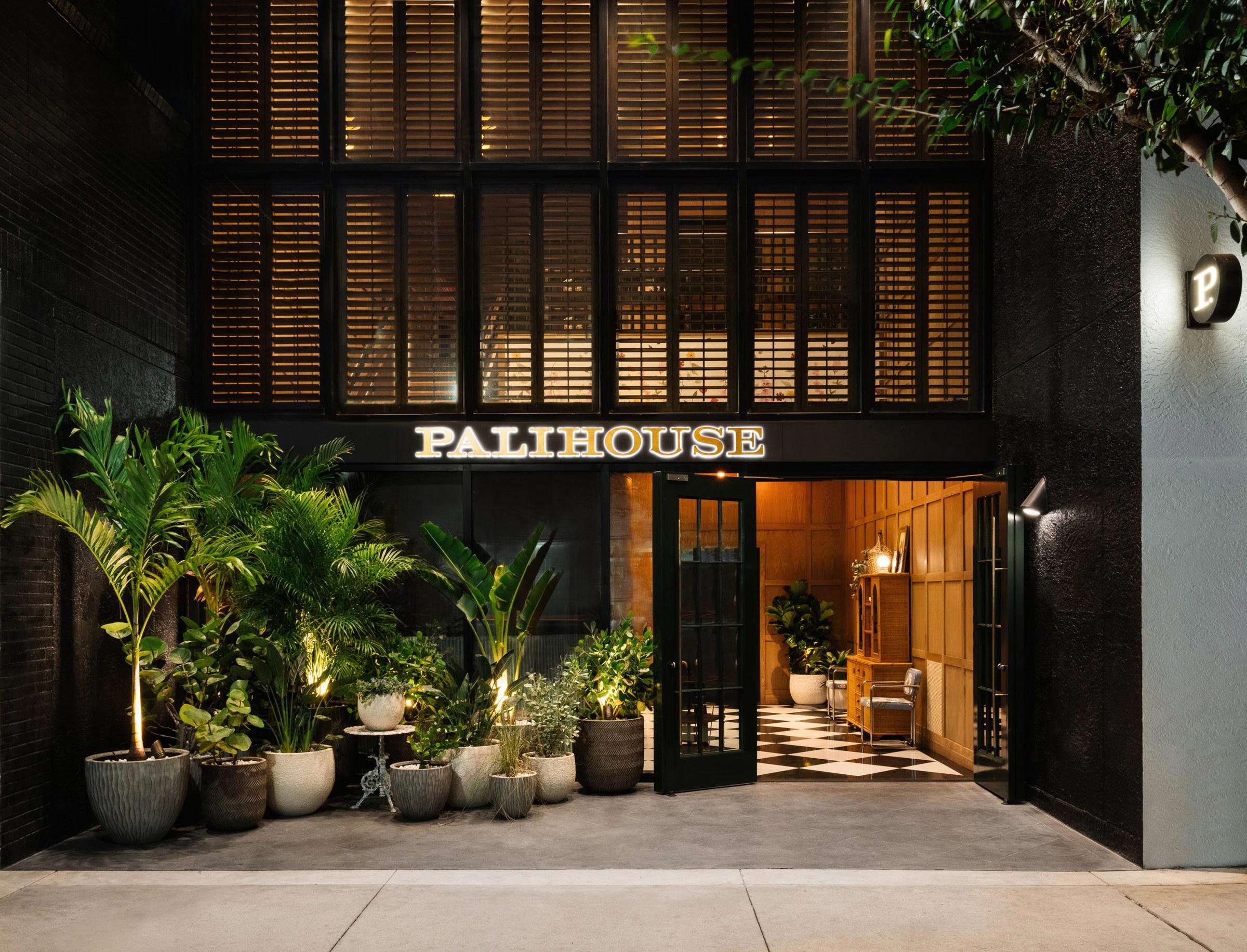
For comparison within Tampa's design-led independent tier, Palihouse Hyde Park Village takes a different neighbourhood bet, placing itself in the residential and boutique-retail enclave of Hyde Park rather than in Ybor's more historically textured context. ROOST Tampa operates in the extended-stay format, targeting a different traveler profile altogether. Haya's Ybor location gives it something neither property can replicate: direct physical access to the neighbourhood that shaped Tampa's cultural identity more than any other.
Travelers who respond to this kind of positioning tend to look for hotels the way they look for restaurants: they want the place to have a point of view about where it is. That sensibility drives bookings at properties like 1 Hotel San Francisco, where environmental identity is the organizing principle, or Meadowood Napa Valley, where the surrounding wine country is inseparable from the hotel's program. Hotel Haya makes the same kind of wager on its neighbourhood.
Planning Your Stay
Hotel Haya is at 1412 East 7th Avenue in Ybor City, walkable to the neighbourhood's main stretch of independent bars, restaurants, and cultural venues. For travelers comparing Tampa options in the design-led segment, the Michelin Selected distinction provides a useful orientation point: it places Haya in a specific tier of editorial recognition that neither the larger branded properties nor the extended-stay formats carry. For travelers combining a Tampa hotel stay with the city's broader dining and cultural program, our full Tampa restaurants guide maps the scene across neighbourhoods.
Travelers calibrating Hotel Haya against the wider American design-hotel market might also consider how it compares to Michelin-recognized properties at different price tiers and geographies: Four Seasons at The Surf Club in Surfside at the Florida luxury end, Raffles Boston for grand historic conversion in a northeastern context, or SingleThread Farm Inn in Healdsburg for the farm-to-property model on the West Coast. Haya sits in a different register from all three, defined by its neighbourhood specificity and independent character rather than by luxury infrastructure.
Fast Comparison
Comparable venues nearby, for context on price, style, and recognition.
| Venue | Cuisine | Price | Awards | Notes |
|---|---|---|---|---|
| Hotel HayaThis venue — the venue you are viewing | Lifestyle boutique hotel celebrating local Ybor City culture | Not listed | Michelin Selected | Not listed |
| ROOST Tampa | Resort-style extended stay apartment hotel | Not listed | Michelin Selected | Gilchrist's A W Oak Grove |
| Palihouse Hyde Park Village | residential-inspired urban lodge | $200–300 | 1 Michelin Key | Historic Hyde Park |
| Pendry Tampa | modern luxury waterfront tower with hotel, residences, dining, and event space | Not listed | Not listed | Downtown Tampa Riverwalk |
| JW Marriott Tampa Water Street | Modern luxury urban resort | Not listed | Michelin Selected · Forbes Recommended | Garrison Channel District |
| The Tampa EDITION | stylishly modern lifestyle luxury hotel | Not listed | Michelin Selected · Virtuoso Luxury Hotel Partner | Gilchrist's A W Oak Grove |
Recognition history
Dated appearances from independent guides and award organizations, with the underlying list record or original source where available.
Michelin Selected
Michelin
Details
- Lively
- Trendy
- Sophisticated
- Industrial
- Weekend Escape
- Celebration
- Historic Building
- Rooftop Pool
- Terrace
- Pool
- Fitness Center
- Room Service
- Concierge
- Restaurant
- Wi Fi
- Valet Parking
- Street Scene
- Wheelchair Accessible
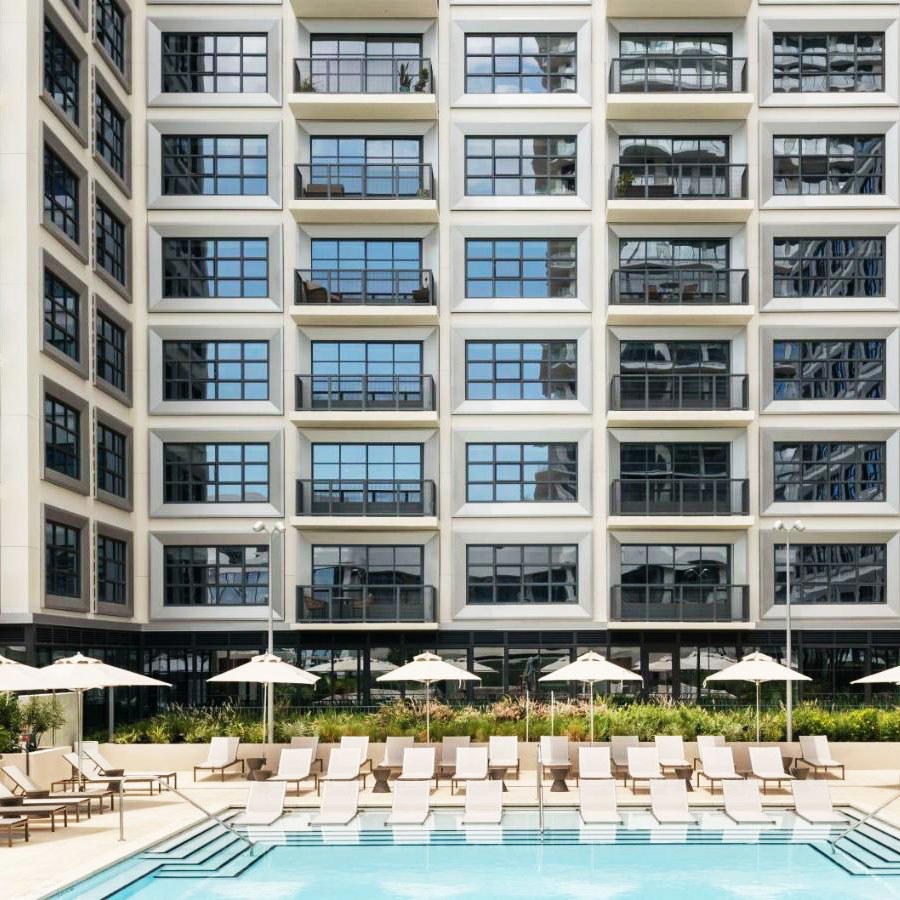
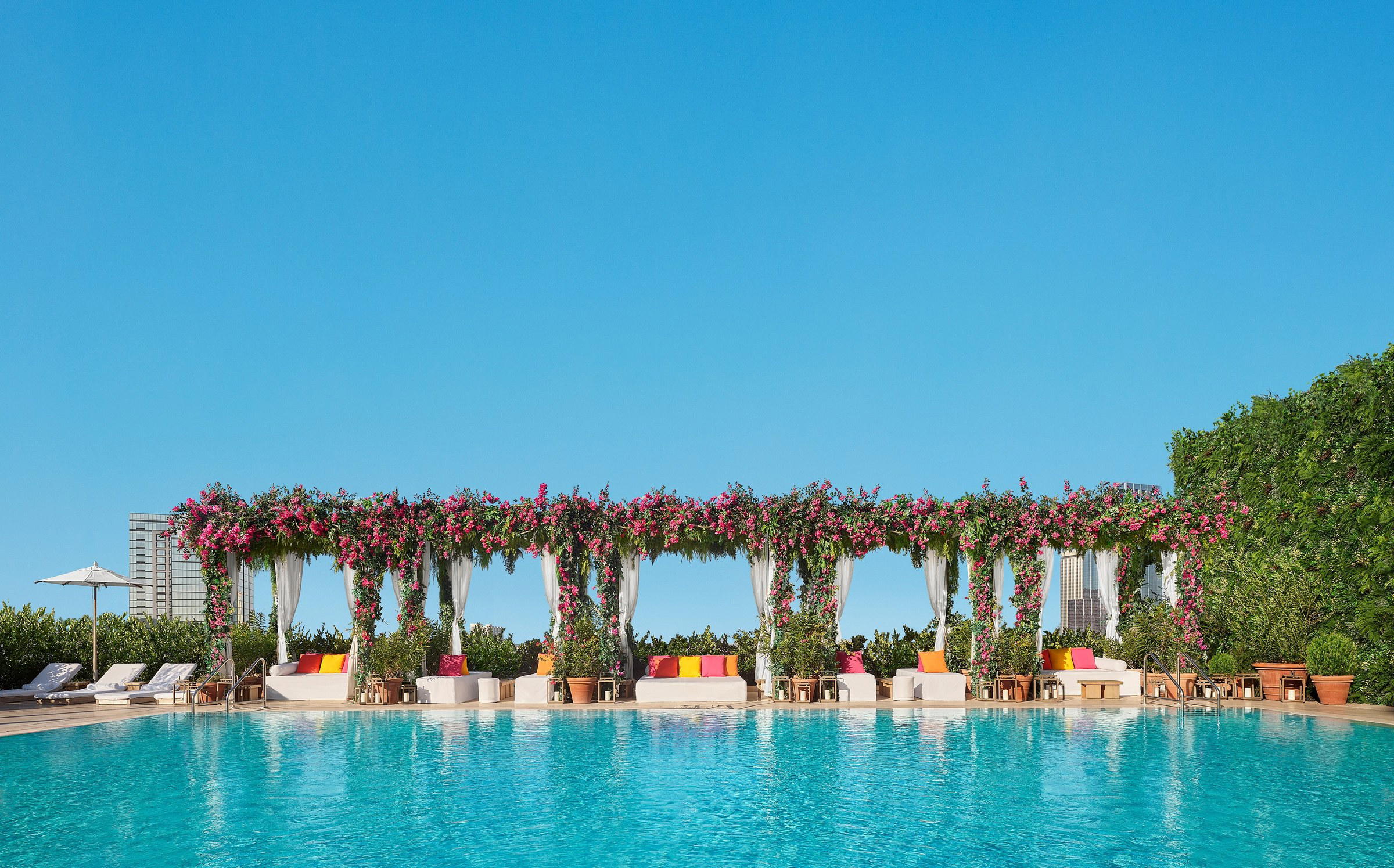
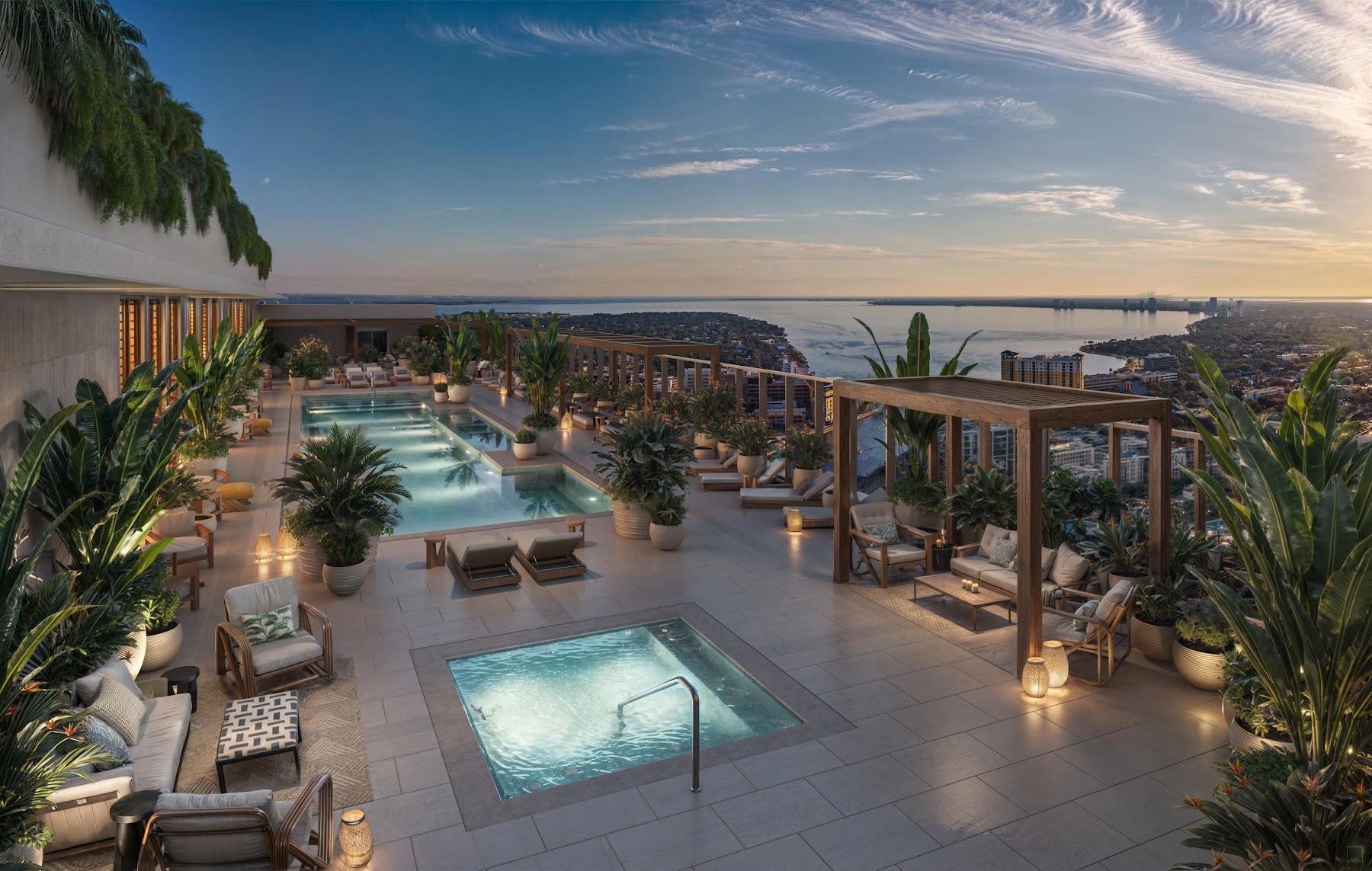
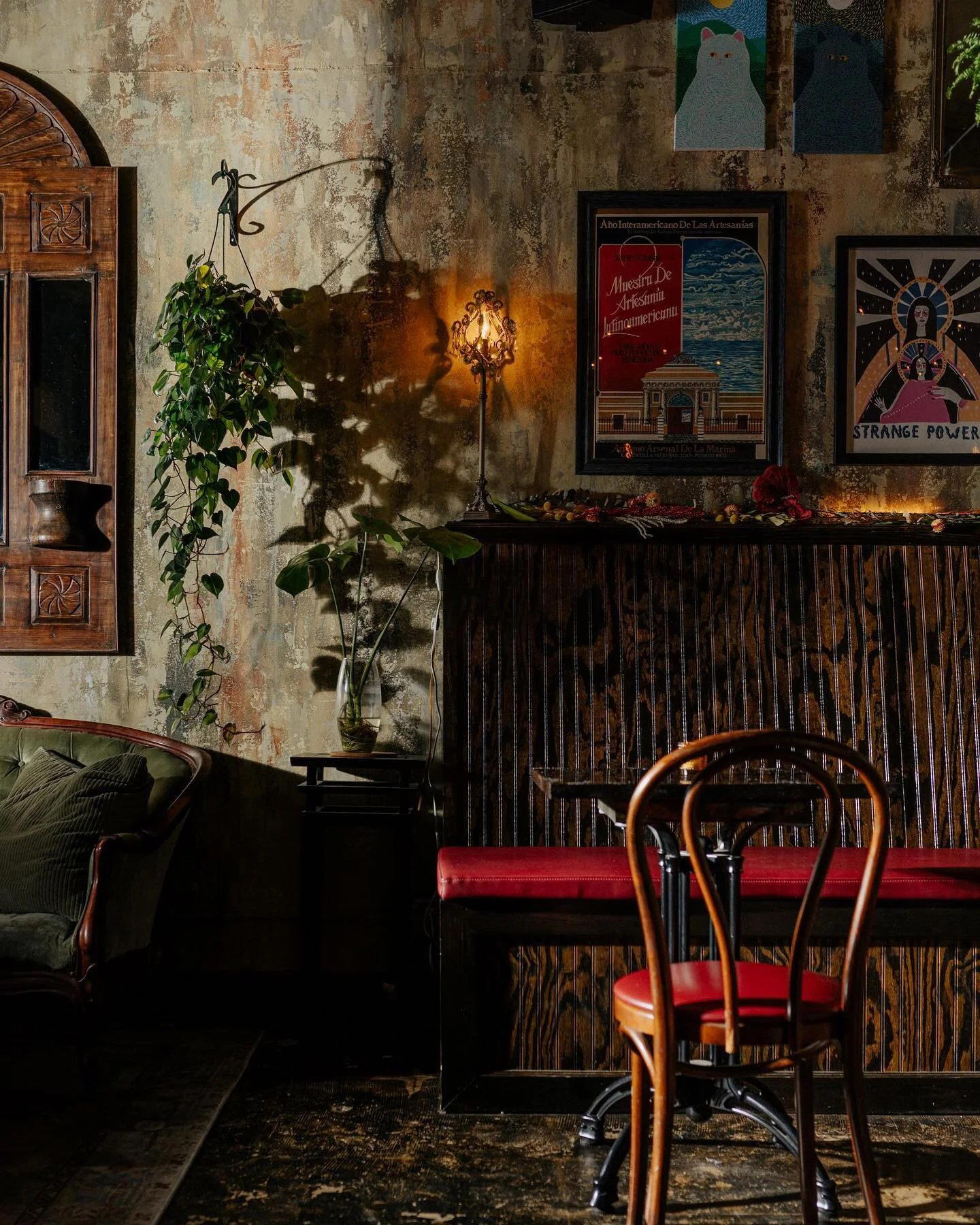
Harmonious mix of gritty industrial history and polished mid-century modern sophistication with warm lighting and cultural art.