Kobé Japanese Steakhouse - New Tampa
Kobé Japanese Steakhouse in New Tampa brings the teppanyaki format to the Bruce B Downs corridor, where theatrical tableside cooking has drawn suburban Tampa families and group diners for years. The format centers on iron griddle cooking performed at the table, placing it in a different tier from Tampa's omakase counters and high-end steak programs. It occupies a consistent, mid-to-upper casual niche in a neighbourhood underserved by destination dining.
Pearl is the En Primeur Club membership app — saves, bookings, and concierge access live there. Same editors, same standards.
- Address
- 17641 Bruce B Downs Blvd, Tampa, FL 33647
- Phone
- +18136805800
- Website
- kobesteakhouse.com
- Directions
- Get directions
 Saves & bookings on Pearl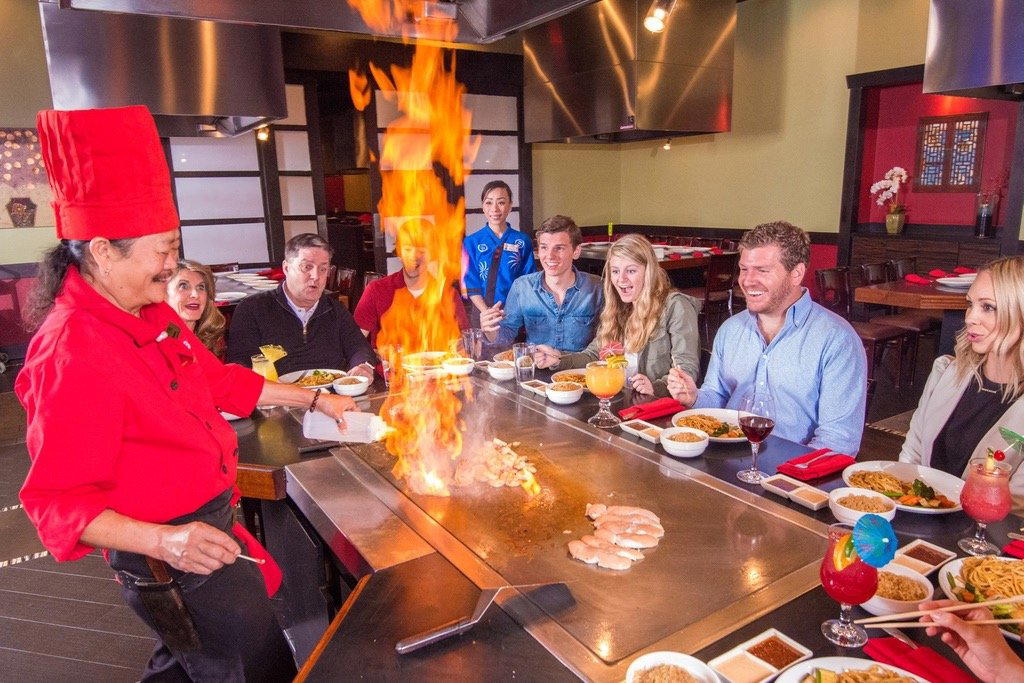
Teppanyaki in the Suburbs: What the Format Reveals About New Tampa Dining
The Bruce B Downs corridor in New Tampa is not where restaurant critics spend their evenings. It is a stretch of strip plazas, chain anchors, and the kind of reliable neighbourhood operators that a fast-growing residential suburb generates over two or three decades. Within that context, the teppanyaki steakhouse format occupies a specific and durable niche: it delivers theatre, protein, and a shared table in a format that works equally for a birthday group, a family with children, and a couple looking for something more structured than a casual sit-down. Kobé Japanese Steakhouse on Bruce B Downs Blvd operates inside that tradition, and the format itself tells you most of what you need to know before you arrive.
The Architecture of the Teppanyaki Menu
Teppanyaki menus follow a logic shaped more by performance than by culinary ambition. The iron griddle at the centre of a horseshoe table is both cooking surface and stage, which means the menu must produce dishes that read well at close range, finish quickly, and hold up during the interval between the chef's first flourish and the last piece of protein leaving the grill. At venues like Kobé, that typically means a tiered protein structure: entry points at chicken and shrimp, a mid-range of salmon or scallops, and a top tier anchored by cuts of beef where grade and provenance determine the ceiling of the experience.
The menu architecture at a suburban teppanyaki house differs from its urban counterparts in one telling way: it is almost always built around combination plates. Where a downtown Japanese steakhouse might offer single-protein omakase-adjacent formats, the suburban model relies on surf-and-turf combinations, because they justify the per-head spend for a table that is sharing an evening rather than a focused meal. Soup, salad, fried rice, and vegetables arrive in a fixed sequence that mirrors the procedural logic of the grill performance. The fried rice is cooked first to season the surface; the vegetables and lighter proteins follow; the primary cut closes the sequence. This is a menu designed as choreography.
For diners accustomed to formats like Koya or Kōsen in Tampa's Japanese dining tier, or the steakhouse seriousness of Bern's, Kobé's teppanyaki model is a different proposition entirely. It is closer in spirit to a dinner show than to a precision cooking format. That is not a criticism; it is a category distinction. The comparison set is not Le Bernardin in New York City or Atomix in New York City. It is every other teppanyaki chain operating in the American suburbs, and within that set the format consistency and the suburban New Tampa footfall suggest a venue that has found its audience and serves it reliably.
Where It Sits in Tampa's Dining Map
Tampa's restaurant conversation is increasingly anchored downtown and in Hyde Park, where Ebbe, Lilac, and Rocca represent a wave of ambitious openings competing on sourcing, technique, and chef pedigree. New Tampa sits outside that conversation geographically and conceptually. The neighbourhood's dining options serve a resident base rather than destination seekers, and teppanyaki in this context functions as the occasion restaurant for the surrounding zip codes, not as a stop on anyone's culinary itinerary of the city.
That positioning shapes everything from price expectation to group size. Teppanyaki venues in suburban American markets typically price at a level that reads as a treat for a family occasion but does not approach the per-head spend of Tampa's upper-tier steakhouses or the omakase counters drawing repeat visitors from across the city. The per-table minimum logic of communal iron griddle cooking also means that solo diners and couples are accommodated but the format's economics and social energy both favour groups of four or more. If you are looking at the broader Tampa restaurants guide, Kobé New Tampa belongs in the category of neighbourhood occasion dining rather than destination dining.
The Teppanyaki Tradition in American Japanese Dining
The teppanyaki format arrived in the United States in the 1960s, popularised through a model that emphasized performance cooking for American dining rooms unfamiliar with Japanese culinary culture. By the 1970s and 1980s, the format had become thoroughly American in its expression: the onion volcano, the shrimp toss, the egg-rolling trick are as much part of the American teppanyaki vocabulary as any Japanese cooking tradition. What emerged was a hybrid format that uses Japanese ingredients and iron-griddle technique inside a dinner-theatre structure designed for Western group dining.
That legacy is neither an embarrassment nor a credential. It simply explains why teppanyaki venues in the American market exist in a different critical frame from the formats that attract serious food press attention. The venues that draw comparison to Alinea in Chicago, The French Laundry in Napa, or Blue Hill at Stone Barns in Tarrytown are doing something structurally different, with different sourcing philosophies and different chef-to-diner ratios. A suburban teppanyaki steakhouse is answering a different question: how do you make a group of eight people from different generations feel like they shared something memorable on a Tuesday night in a strip plaza in New Tampa?
Planning Your Visit
Kobé Japanese Steakhouse is located at 17641 Bruce B Downs Blvd, Tampa, FL 33647, which places it in the New Tampa corridor north of USF and accessible from I-75 via the Bruce B Downs interchange. The format strongly favours advance booking for weekend evenings and any occasion involving a group larger than four, as the horseshoe table configuration limits walk-in flexibility on busy nights. Weekday visits and off-peak dinner times typically offer easier access. As with most teppanyaki venues, the experience runs on a fixed sequence that takes roughly 90 minutes for a full table, so it is not a format suited to a quick dinner. Website and current hours were not available at time of publishing; contacting the venue directly before a first visit is advisable for current hours and reservation availability.
Recognition, Side-by-Side
Comparable venues nearby, for context on price, style, and recognition.
| Venue | Cuisine | Price | Notes |
|---|---|---|---|
| Kobé Japanese Steakhouse - New TampaThis venue — the venue you are viewing | Japanese Teppanyaki Steakhouse | $$ | Not listed |
| KELP SUSHI JOINT | Modern Asian Fusion Sushi | $$ | South Tampa |
| Nueva Cantina - Brandon | Modern Mexican Street Food | $$ | Country Inn |
| Splitsville Tiki + Social | Pan-Asian Tiki Fusion | $$ | Gilchrist's A W Oak Grove |
| Ash | Contemporary Italian | $$ | Gilchrist's A W Oak Grove |
| SUSHARK | Modern Japanese Sushi Fusion | $$$ | Bayshore |
At a Glance
- Lively
- Energetic
- Family
- Group Dining
- Celebration
- Open Kitchen
- Sake Program
Current opening hours
- Monday
- 5–9:30 PM
- Tuesday
- 5–9:30 PM
- Wednesday
- 5–9:30 PM
- Thursday
- 5–9:30 PM
- Friday
- 4–10 PM
- Saturday
- 12–10 PM
- Sunday
- 12–9:30 PM
Hours can change for holidays and private events. Last verified .
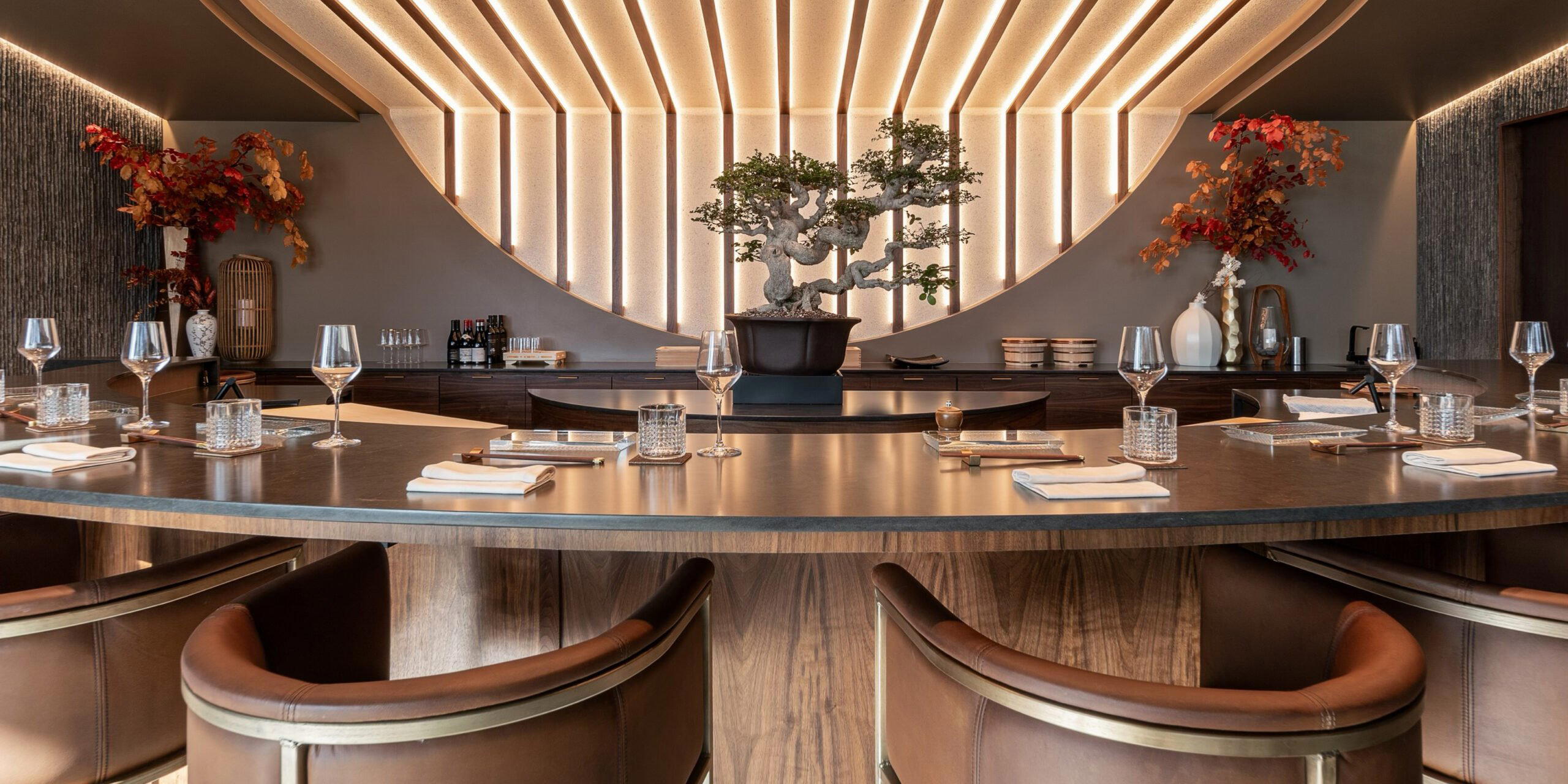
Energetic and exciting atmosphere centered around lively hibachi grill performances with moderate noise levels.