Sushi Damo
Sushi Damo on West 58th Street positions itself in Midtown Manhattan's mid-to-upper omakase tier, where Japanese counter dining competes against some of the city's most demanding price points and expectations. The address places it a short walk from Columbus Circle, within reach of the same clientele that fills Per Se and Masa's neighboring rooms. Regulars navigate between lunch and dinner formats to calibrate value against occasion.
Pearl is the En Primeur Club membership app — saves, bookings, and concierge access live there. Same editors, same standards.
- Address
- 330 W 58th St, New York, NY 10019
- Phone
- +12127078609
- Website
- sushidamo58.com
- Directions
- Get directions
 Saves & bookings on Pearl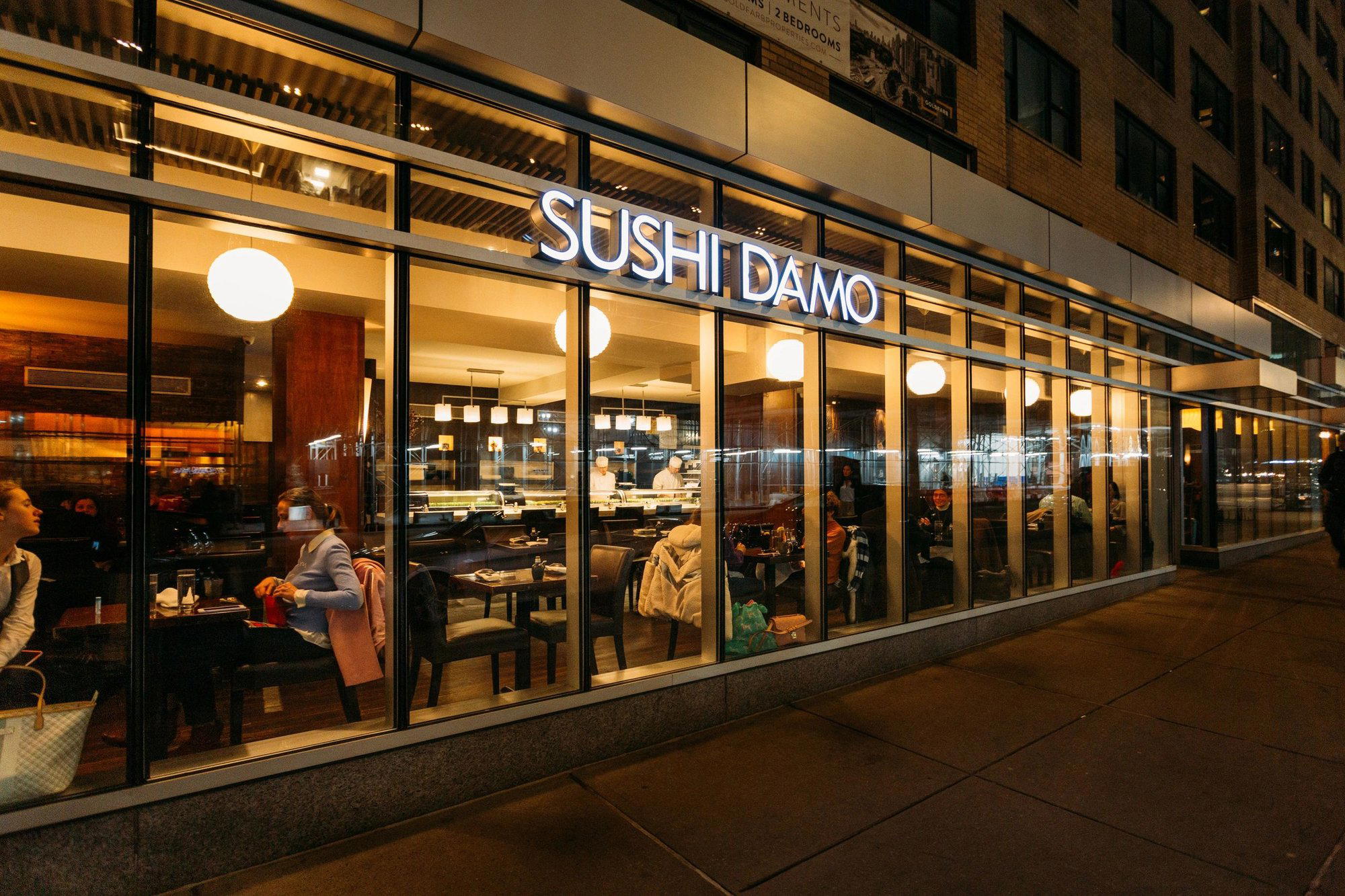
Midtown's Omakase Tier and Where Sushi Damo Fits
New York's sushi counter scene has fractured into distinct tiers over the past decade. At the upper extreme, Masa has held its position as the city's most expensive Japanese counter, where the per-person cost routinely exceeds $1,000 inclusive of beverages. Sushi Damo is a Modern Japanese Sushi & Omakase restaurant in New York City, with a typical price of about $60 per person. Below that, a dense mid-premium band has formed, populated by counters that charge less but compete on credibility through lineage, sourcing transparency, and controlled seat counts. Sushi Damo, at 330 West 58th Street, operates in that contested middle ground, one address away from the Columbus Circle corridor that also contains Per Se and its Time Warner Center neighbors.
Midtown's West 50s carry a specific dining logic. The concentration of corporate accounts, hotel guests, and pre-theater traffic means restaurants here face a different demand curve than downtown counters. A sushi restaurant in this postcode needs to function at both lunch and dinner without sacrificing the focused atmosphere that the omakase format requires. That dual-service pressure shapes how counters in this part of the city differentiate themselves.
The Lunch and Dinner Divide
In New York's premium Japanese counter category, the gap between lunch and dinner service is more than a price differential, it reflects a fundamental difference in pacing, composition, and clientele. Dinner omakase at the city's leading addresses tends to be architect-designed experiences: extended course counts, deliberate sequencing, and a price point calibrated to mark an occasion. Lunch, where offered, compresses that format into fewer courses at a lower entry cost, drawing a different kind of repeat visitor who uses the midday slot to sample the counter without committing to a full evening spend.
This lunch-versus-dinner distinction has grown commercially significant. Counters that offer a credible lunch format effectively double their booking inventory while serving two distinct audiences. The daytime crowd at a West 58th Street address skews toward Midtown professionals and visitors staying in the adjacent hotel corridor, the same geography that feeds Le Bernardin its power-lunch bookings. Evening service shifts toward occasion dining, with higher per-head expectations and a slower, more deliberate pace.
For a counter like Sushi Damo, this split creates both an opportunity and a constraint. A well-executed lunch format builds regulars; a well-executed dinner holds its own against the Michelin-tracked counters further downtown and in the West Village, where competition for the serious sushi diner is sharper.
Placing Sushi Damo in the Competitive Set
The relevant comparable set for the restaurant is not the full range of New York sushi. It is the subset of Midtown and Upper West Side counters operating in the mid-premium omakase format, where the experience leans on fish quality and chef pedigree rather than theatrical room design or celebrity chef branding. That comparable set also includes Korean-inflected tasting format restaurants in the same geography, Atomix and Jungsik New York both operate in the same price tier and draw from the same pool of occasion diners, though the Japanese counter format is a different proposition in terms of pacing and interaction.
Nationally, the omakase counter model has expanded beyond New York. Single Thread Farm in Healdsburg, Providence in Los Angeles, and Addison in San Diego each represent regional interpretations of the high-commitment tasting format, though none occupy the specific cultural niche of a Manhattan sushi counter. The format carries distinct expectations: direct chef-to-diner interaction, visible knife work, and a sequence governed by the chef's reading of available fish rather than a fixed printed menu.
For broader comparison, the European counterpart to this level of counter dining appears in destinations like Alain Ducasse's Louis XV in Monte Carlo, where the chef's physical absence from a kitchen does not diminish the format's authority, though the Japanese counter model operates on precisely the opposite logic, where proximity and visibility are the product.
West 58th Street: What the Address Signals
The 330 West 58th Street postcode sits in a hospitality-dense corridor that runs from Columbus Circle toward the Hudson. Hotels, performance venues, and corporate offices create foot traffic that is reliable but not curated. For a sushi counter, this geography means the diner arriving at the door is less likely to be a downtown food obsessive and more likely to be a first-time visitor to the counter format, or a repeat visitor drawn by the location's convenience rather than a pilgrimage mentality.
That demographic reality has consequences for menu construction and service register. Counters in tourist-adjacent Midtown positions often calibrate their omakase toward accessibility, fewer deeply aged or fermented preparations, more crowd-legible cuts, while counters in neighborhoods like the East Village or Tribeca can push more aggressively toward the experienced sushi diner. Neither approach is inherently superior; they are responses to different demand profiles. The address provides the structural context.
Planning a Visit
West 58th Street is directly accessible from the Columbus Circle subway station (A, C, B, D, 1 trains), placing it within easy reach of both Midtown corporate and Upper West Side residential traffic. The restaurant sits in a part of the city where hotel concierges actively recommend dining options, which means walk-in awareness is higher than at downtown counters.
- Omakase
- Sushi Platter
- Blue Ribbon Specialty Roll
- Bento Box
- Gyoza
- Nabeyaki Udon
Fast Comparison
Comparable venues nearby, for context on price, style, and recognition.
| Venue | Cuisine | Price | Notes |
|---|---|---|---|
| Sushi DamoThis venue — the venue you are viewing | Modern Japanese Sushi & Omakase | $$$ | Not listed |
| NONONO | Japanese Yakitori Grill | $$$ | Midtown South-Flatiron-Union Square |
| ChikaLicious | Japanese-Influenced Dessert Tasting Menu | $$$ | Greenwich Village |
| Kizuna | Japanese Omakase | $$$ | Upper East Side-Lenox Hill-Roosevelt Island |
| TOKIODELIC | Japanese Fusion Kawaii Café | $$$ | SoHo-Little Italy-Hudson Square |
| Dr. Clark | Hokkaido Japanese | $$$ | Chinatown-Two Bridges |
Continue exploring
More in New York City
Restaurants in New York City
Browse all →
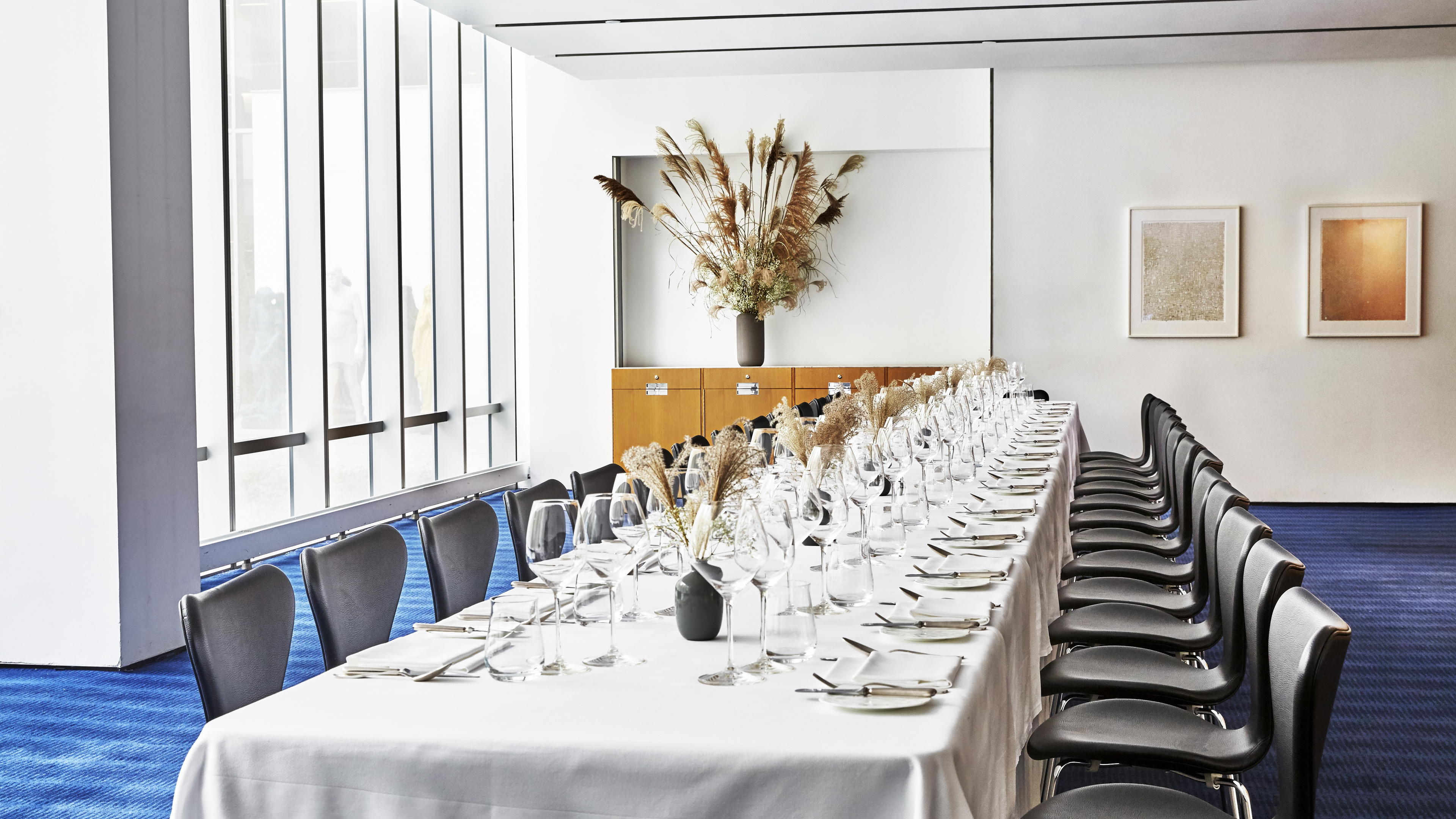
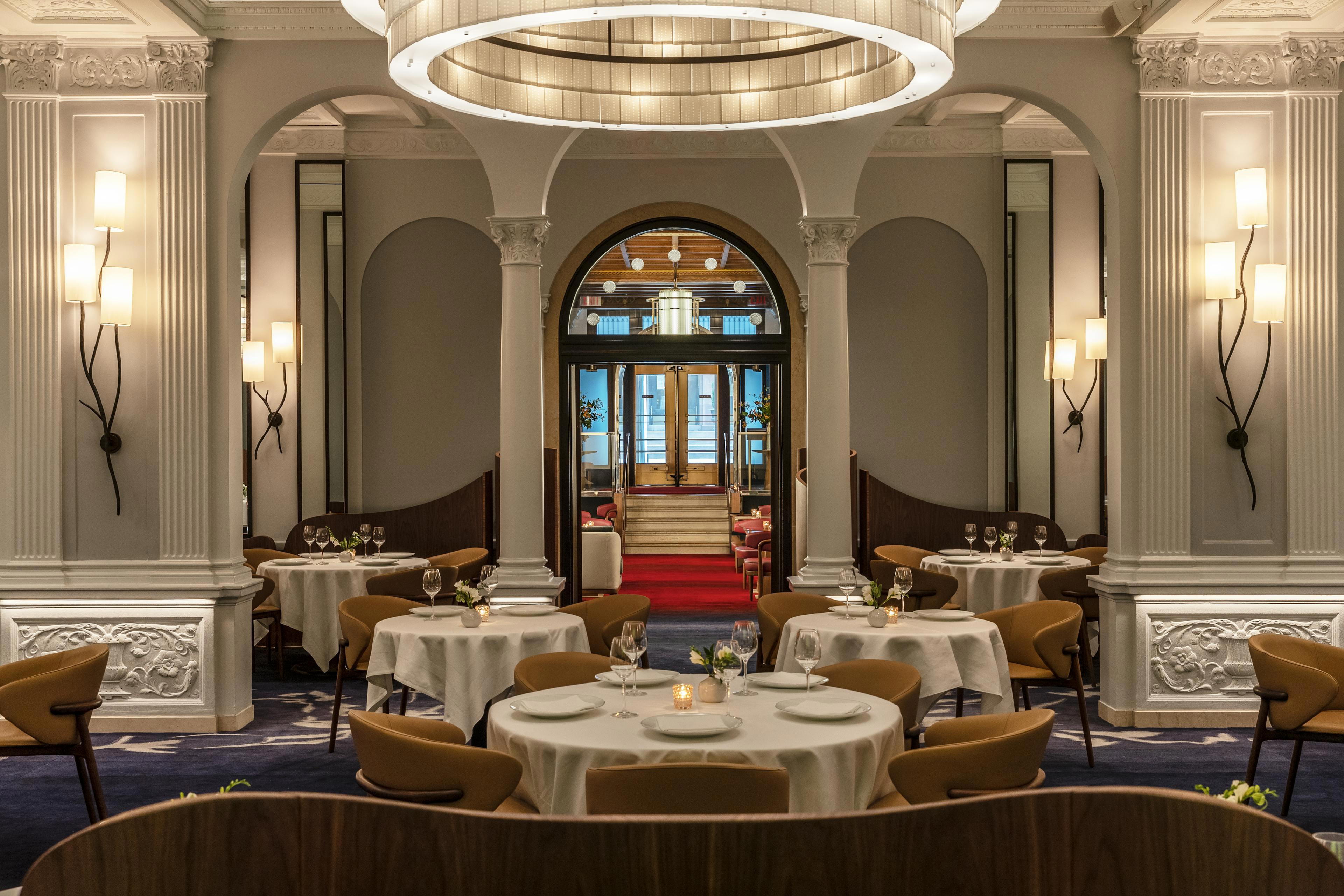
Bars in New York City
Browse all →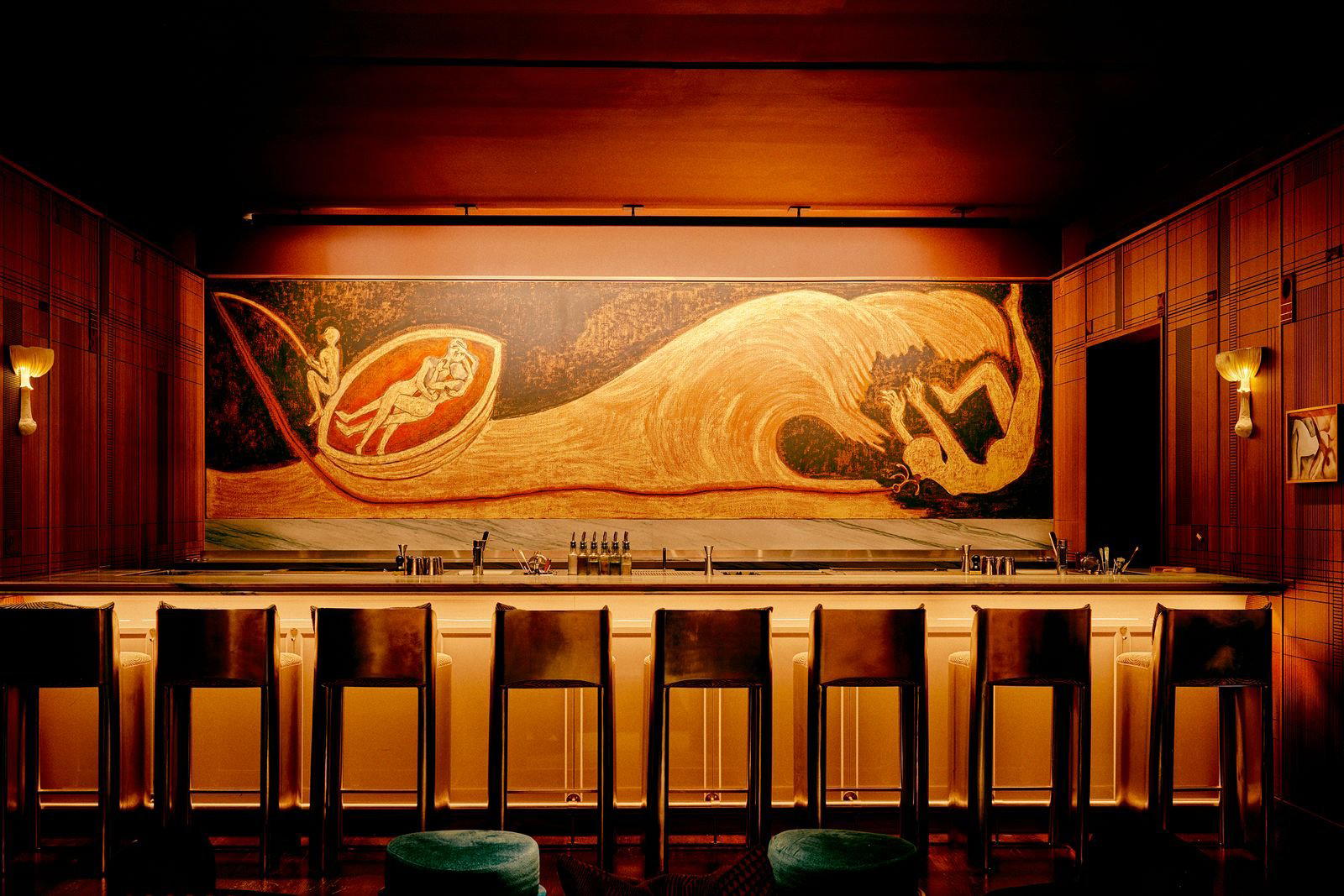
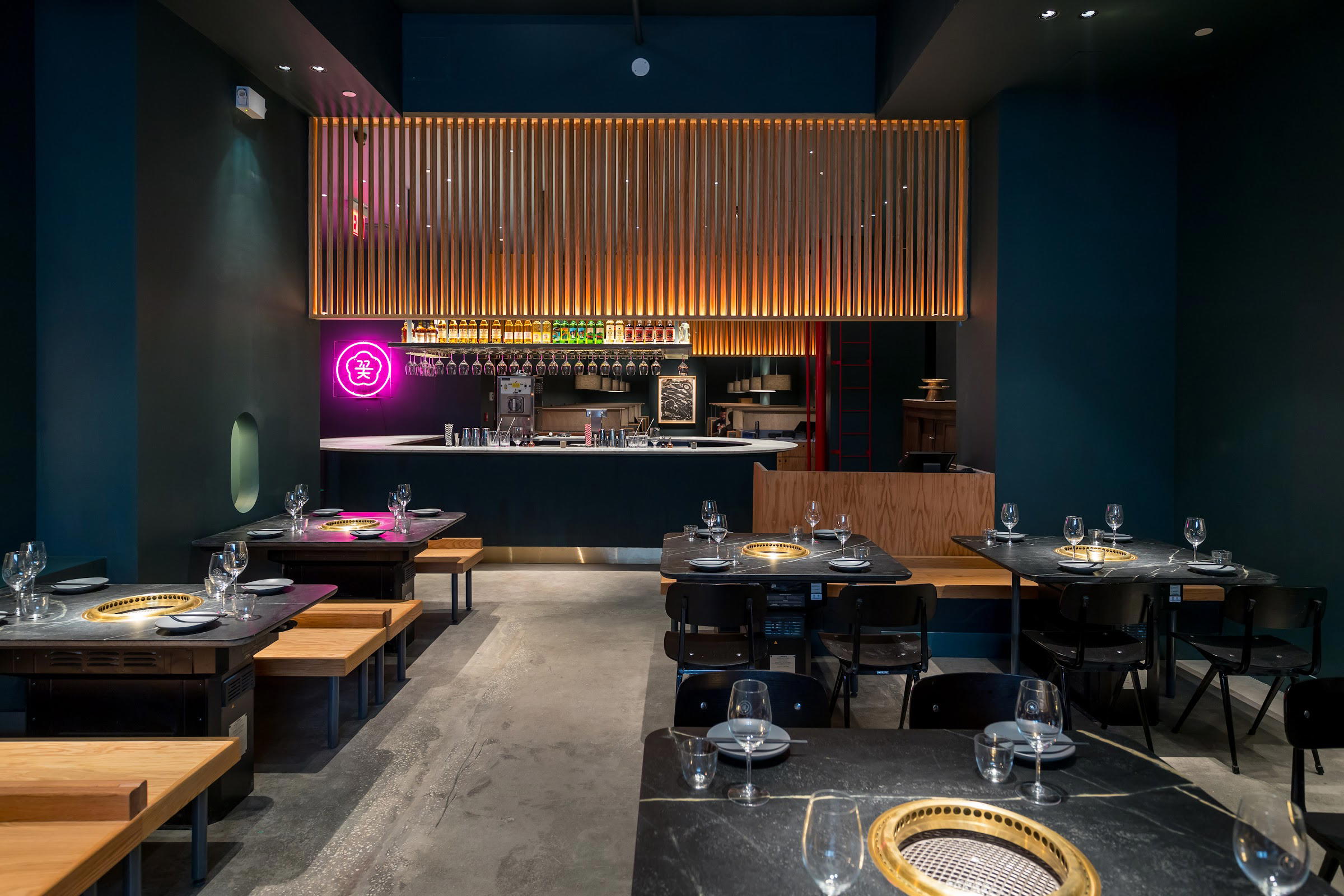
Hotels in New York City
Browse all →




At a Glance
- Elegant
- Modern
- Minimalist
- Sophisticated
- Date Night
- Business Dinner
- Casual Hangout
- Chefs Counter
- Open Kitchen
- Standalone
- Sake Program
- Extensive Wine List
- Sustainable Seafood
Current opening hours
- Monday
- 12–10 PM
- Tuesday
- 12–10 PM
- Wednesday
- 12–10 PM
- Thursday
- 12–11 PM
- Friday
- 12–11 PM
- Saturday
- 12–11 PM
- Sunday
- 12–10 PM
Hours can change for holidays and private events. Last verified .
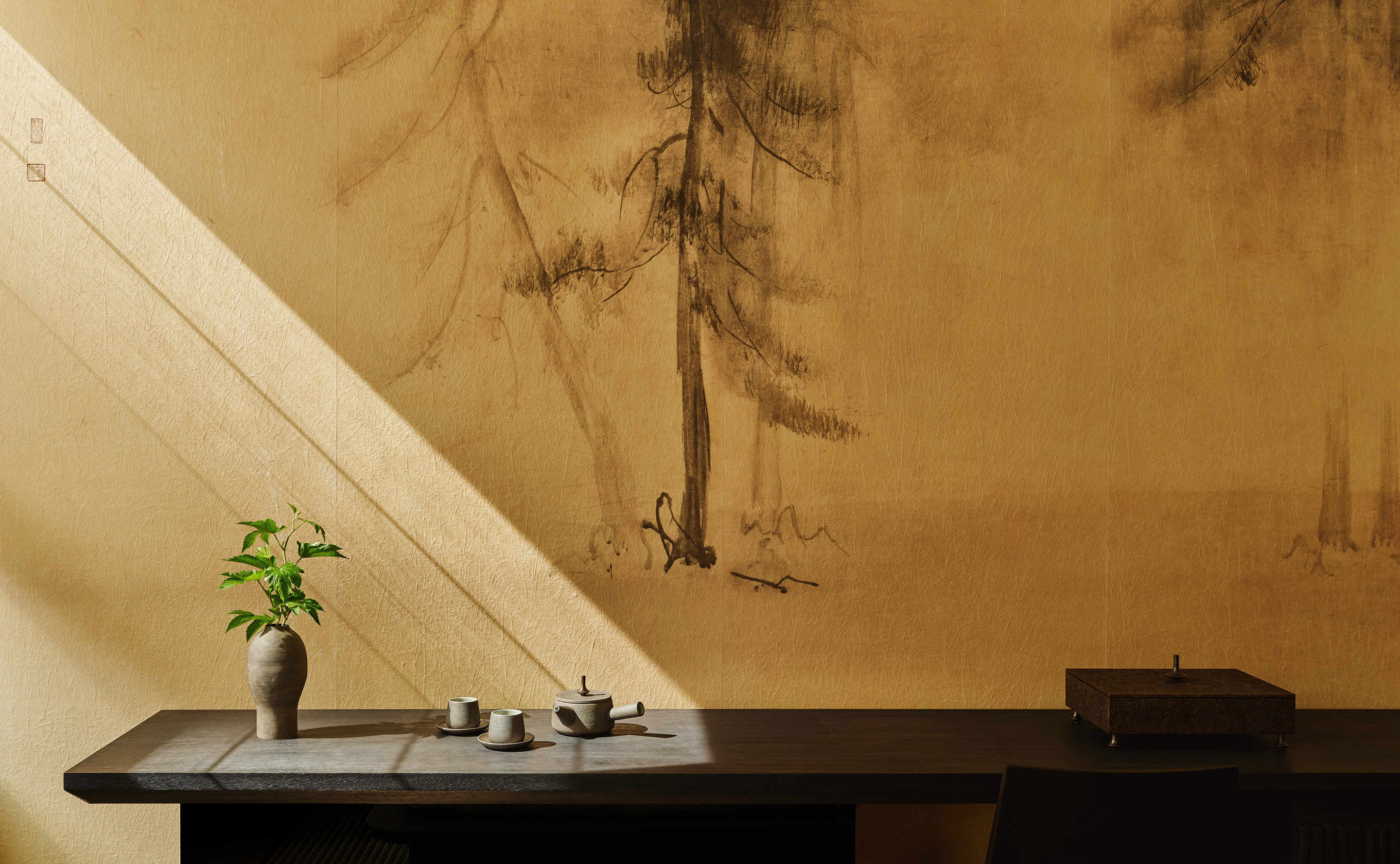
Sleek, modern, and zen-like atmosphere with warm, friendly service; minimalist design allows focus on the food; described as elegant yet unpretentious.