Kissaki Sushi
On the Bowery in Lower Manhattan, Kissaki Sushi occupies a tier of the New York omakase scene defined by precision sourcing and counter-focused service. The address places it at the intersection of downtown energy and the structured formality that sushi at this level demands. For those moving between the city's high-end Japanese options, it represents a downtown counterpoint to the midtown concentration of comparable counters.
- Address
- 319 Bowery, New York, NY 10003
- Phone
- +1 212 577 1150
- Website
- explorekissaki.com
- Directions
- Get directions
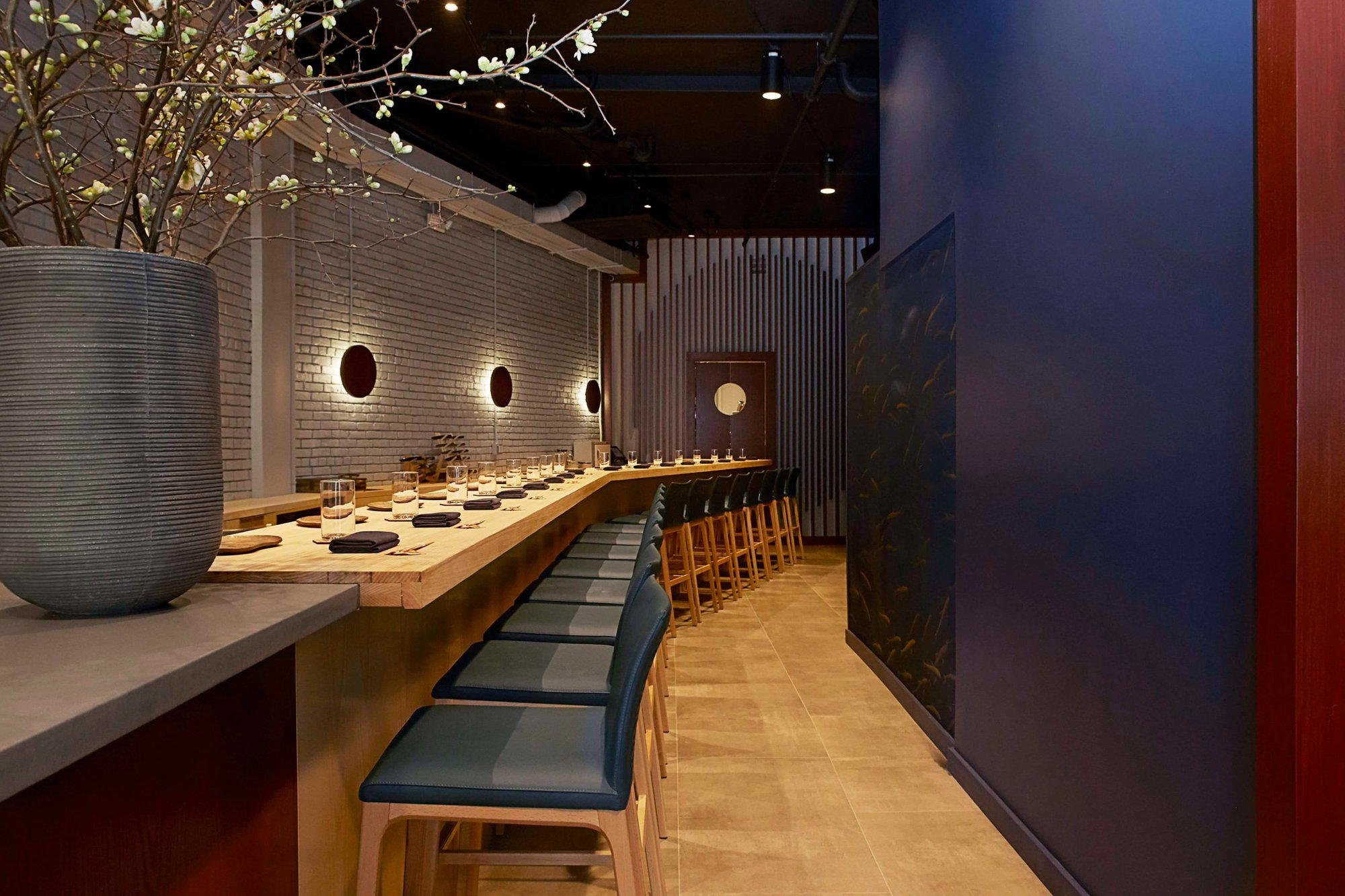
Downtown's Omakase Counter: Where the Bowery Meets Edo-Period Discipline
The Bowery has spent two decades in transition, shedding its flophouse past for art galleries, boutique hotels, and restaurants that draw from across the city. Arriving at 319 Bowery, the contrast is immediate: the street-level energy of NoHo pressing against the composed stillness that a serious omakase counter requires. That tension between downtown informality and the rigorous Japanese service tradition is something every high-end sushi restaurant in a non-midtown Manhattan address has to manage. Kissaki Sushi makes its case from this location, positioning itself within a city where the omakase format spans price points, neighborhoods, and philosophies.
New York's Omakase Divide: What the City's Sushi Scene Looks Like Now
New York currently operates at least three distinct tiers of omakase dining. At the highest register sits Masa, the Columbus Circle counter that has held three Michelin stars and commands among the highest per-head spends of any restaurant in the United States. Below that, a mid-upper tier has expanded significantly over the past decade, comprising counters that price in the $150–$300 per-person range for the chef's sequence, often with Japanese-trained chefs working in small rooms of eight to fourteen seats. The third tier, more accessible in price but still structurally omakase, has proliferated across neighborhoods that previously had no serious sushi presence at all.
Kissaki on the Bowery operates within this competitive field, where its downtown address distinguishes it from the midtown cluster that includes Masa and other Columbus Circle and West 50s counters. New York City's sushi counters have spread from midtown and the Upper East Side toward SoHo, the West Village, and the Bowery corridor. That geographic spread has, in most cases, not diluted quality so much as redistributed it, matching particular dining cultures to particular neighborhoods.
Lunch vs. Dinner at a Downtown Counter: A Different Register
The lunch-versus-dinner divide matters more at omakase counters than at almost any other restaurant format. At the highest tier of New York sushi, dinner is the primary event: the full sequence, the sake pairing, the deliberate pacing over two hours or more. Lunch, where it is offered, tends to compress the sequence, sometimes replacing the full nigiri progression with a shorter set or a chirashi format, and prices accordingly. The mood shifts too: downtown counters at lunch draw a different mix, often professionals from nearby offices and design studios rather than the purely destination-driven clientele of the evening service.
This dynamic shapes how a counter like Kissaki fits into the week. For a diner who wants the discipline and sourcing of a serious omakase but finds the full dinner format a significant time and financial commitment, the lunch service at comparable counters has historically offered the better value-to-experience ratio. That pattern holds across the New York sushi tier, from the abbreviated lunch menus at upper-bracket counters to the slightly more relaxed pace that daylight hours permit. At dinner, the expectation of ceremony intensifies; the counter becomes theater. At lunch, it remains craft.
It's a distinction that separates the New York omakase experience from, say, the kaiseki-influenced tasting formats at Eleven Madison Park or the French technique–driven progression at Le Bernardin, where the lunch and dinner menus differ in length but rarely in fundamental character. At sushi counters, the format is more binary: the full sequence or a deliberate abbreviation of it.
Placing Kissaki in Its Competitive Set
Any honest assessment of Kissaki Sushi's position in New York requires locating it against its actual peers rather than against stronger examples from the market. The relevant comparison set is not Masa, which operates at a price and prestige point that functions outside the normal competitive frame, nor is it the more accessible conveyor-belt or a la carte Japanese restaurants that populate the city's middle market. The relevant peers are the counters in the $150–$300 range that have multiplied in downtown and lower-midtown Manhattan over the past five years.
Against those peers, location becomes a meaningful variable. A counter on the Bowery is accessible from Brooklyn via the J, M, and Z lines at Delancey-Essex, from the West Village via a short cab or bike ride, and from midtown by the 6 train to Bleecker Street. That accessibility positions it well for a city where dining decisions are often made as much on logistics as on cuisine. In this respect, it competes differently from midtown counters that draw destination diners who are already willing to travel to a specific neighborhood.
The comparison extends beyond New York. Serious American sushi counters in New York, Los Angeles, and San Francisco rely on sourcing relationships, chef training lineage, counter design, and the balance between tradition and adaptation. Providence in Los Angeles and Lazy Bear in San Francisco operate in adjacent fine-dining categories where those sourcing and training credentials function similarly as quality signals to a knowledgeable diner audience.
The Broader Context: Where Tasting-Format Dining Sits in 2025
The tasting-menu and omakase format has faced real pressure since 2022, when criticism about value-for-money and the inflexibility of set menus began reshaping how diners relate to structured fine dining. Closures and format changes across New York, Chicago, and San Francisco marked a recalibration. Counters that have survived and maintained their following have generally done so by sharpening the case for their price point, whether through notable sourcing transparency, a distinct chef identity, or a service register that justifies the time commitment.
That context matters for any counter-format restaurant operating in New York in 2025. The dining public is more skeptical of the omakase premium than it was five years ago, and the counters that hold their position do so by delivering something the diner cannot reconstruct at a lower price tier. Per Se, Atomix, and Blue Hill at Stone Barns each represent a different answer to that question in their respective categories. For sushi specifically, the answer almost always involves fish quality and the chef's ability to make that quality apparent in a way that a photograph or a menu description cannot.
Planning Your Visit
How Kissaki Compares to Its Nearest Peers
| Venue | Location | Format | Price Tier | Notable Award |
|---|---|---|---|---|
| Kissaki Sushi | Bowery, Lower Manhattan | Omakase counter | $$$$ | not confirmed |
| Masa | Columbus Circle, Midtown | Omakase counter | $$$$+ | Three Michelin stars |
| Atomix | Flatiron, Midtown South | Tasting counter | $$$$ | Two Michelin stars |
| Le Bernardin | West 51st, Midtown | À la carte / tasting | $$$$ | Three Michelin stars |
| Eleven Madison Park | Flatiron | Tasting menu | $$$$ | Three Michelin stars |
What to Know Before You Go
- Address: 319 Bowery, New York, NY 10003 (NoHo/Lower East Side border)
- Nearest transit: Bleecker St (6 train); Broadway-Lafayette (B, D, F, M); Delancey-Essex (J, M, Z from Brooklyn)
- Format: Counter omakase; confirm current lunch and dinner availability directly with the venue
Side-by-Side Snapshot
Comparable venues nearby, for context on price, style, and recognition.
| Venue | Cuisine | Price | Notes |
|---|---|---|---|
| Kissaki SushiThis venue — the venue you are viewing | Traditional Japanese Omakase | $$$ | Not listed |
| Sushi Lab | Modern Japanese Omakase | $$$ | Midtown-Times Square |
| Yakiniku Gen East Village | Authentic Japanese Yakiniku | $$$ | East Village |
| Sushi Ryusei | Authentic Japanese Omakase | $$$ | Murray Hill-Kips Bay |
| Fushimi Williamsburg | Modern Japanese Fusion | $$$ | Williamsburg |
| Angel's Share | Japanese Cocktail Bar | $$$ | West Village |
Continue exploring
More in New York City
Restaurants in New York City
Browse all →
Bars in New York City
Browse all →
Hotels in New York City
Browse all →





At a Glance
- Minimalist
- Elegant
- Sophisticated
- Modern
- Date Night
- Special Occasion
- Chefs Counter
- Sake Program
- Craft Cocktails
- Sustainable Seafood
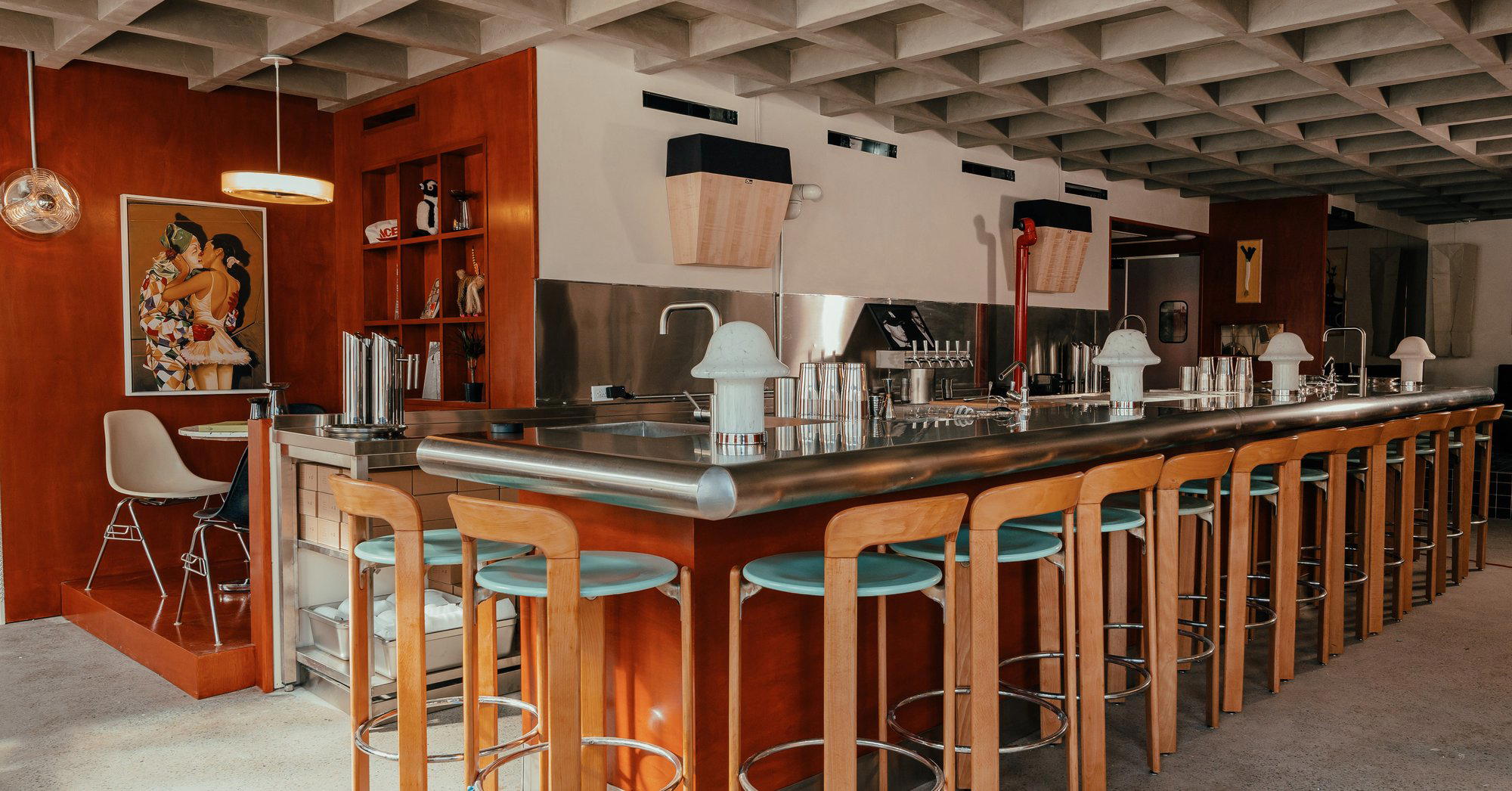
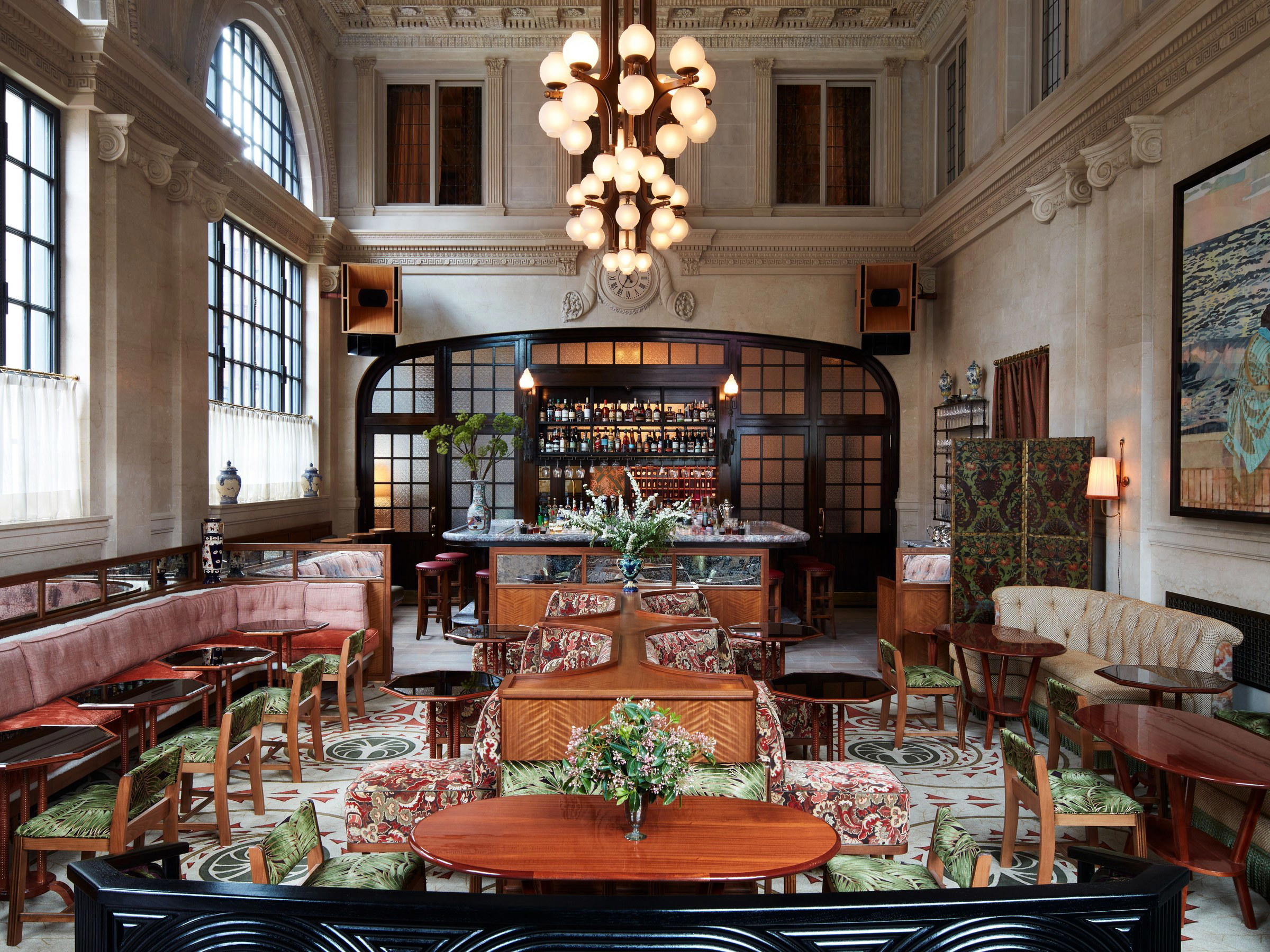
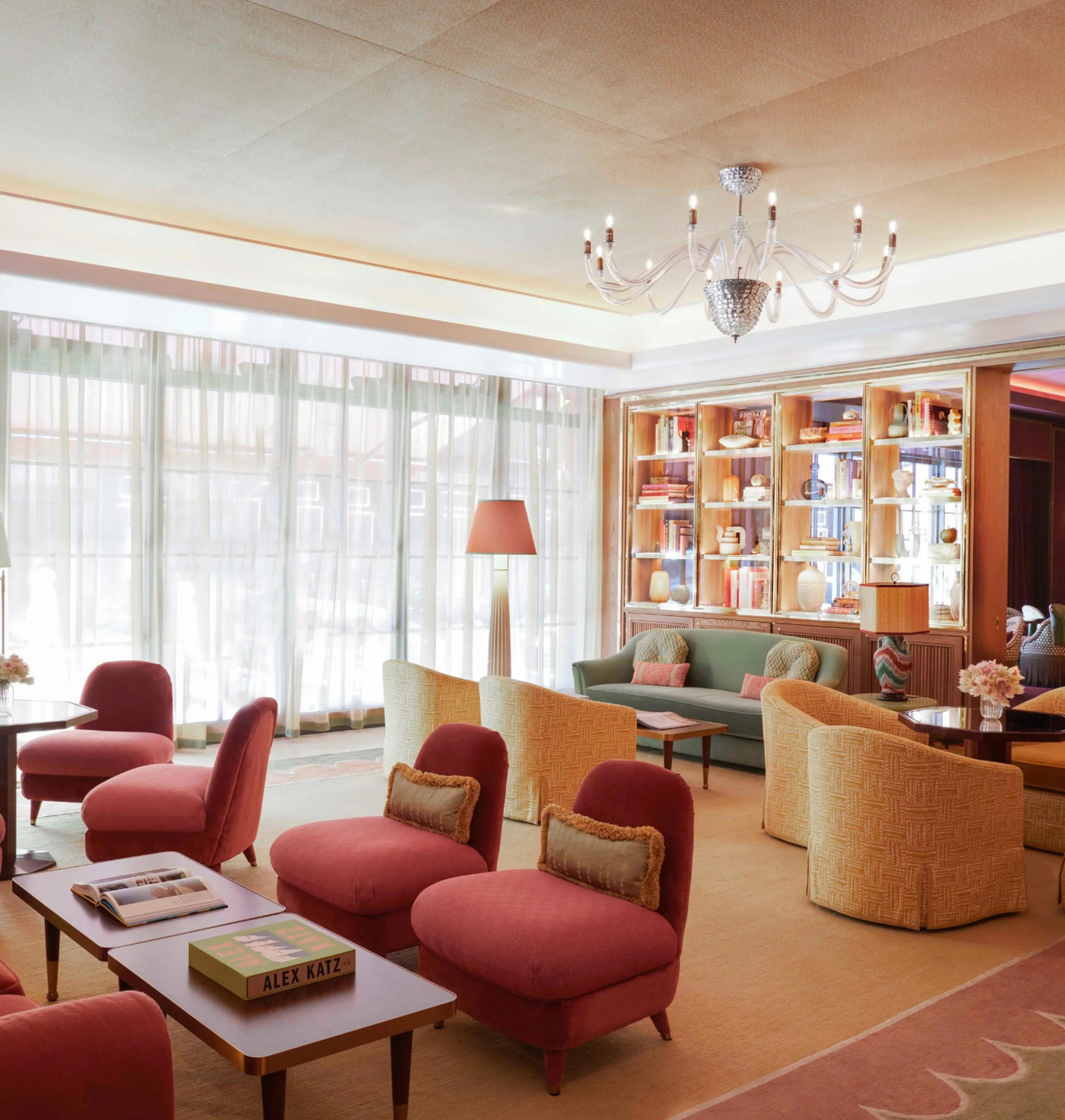
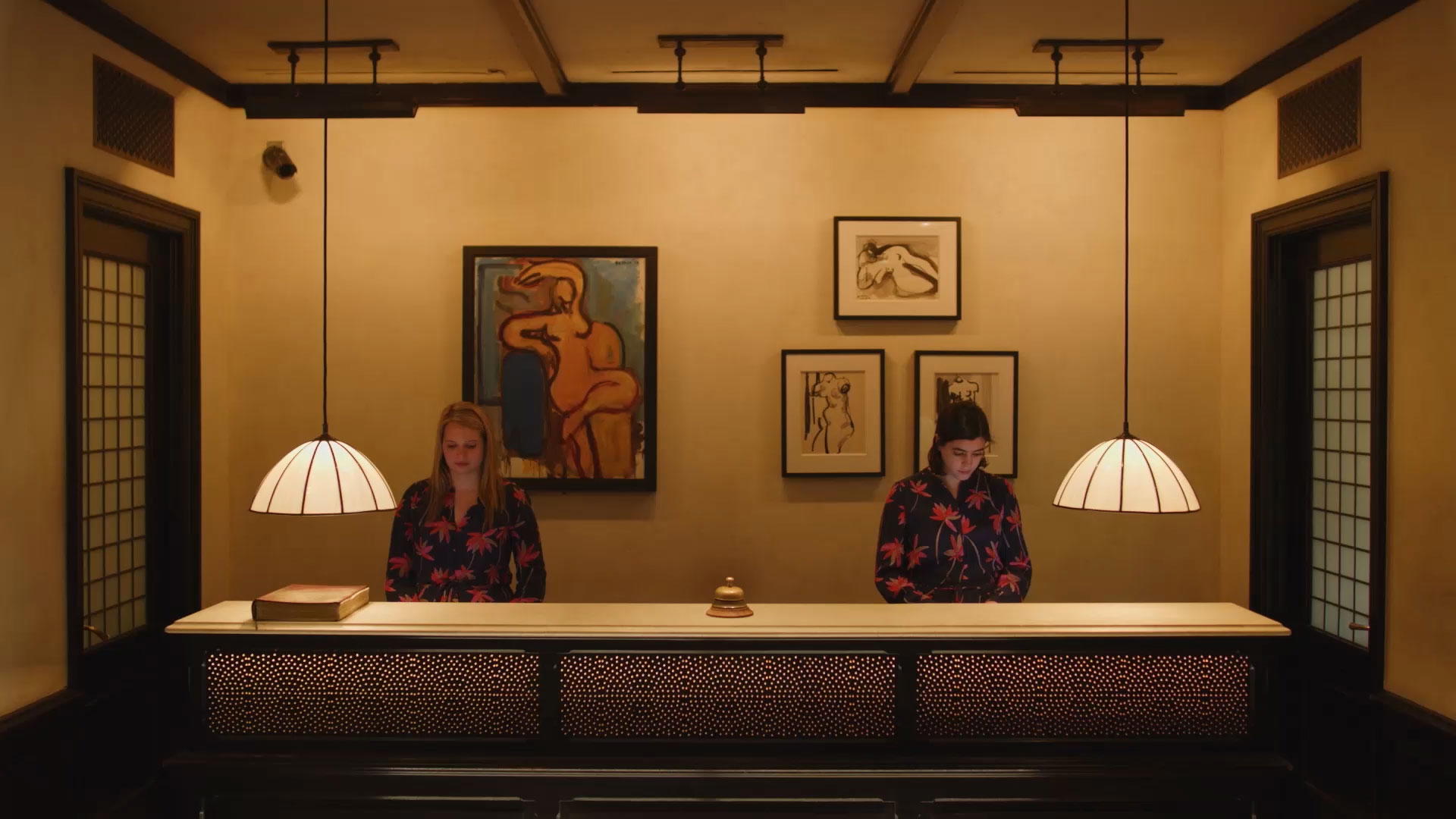
Clean lines and stylish Japanese minimalism create an elegant, warm atmosphere at the sushi bar.